





Human history is much deeper, more complex, and more nuanced than you probably remember from school. Many history books, especially the ones you read in class, focus on major events like battles and treaties. Unfortunately, one consequence of this is that women often get sidelined, as the spotlight rests mainly on men.
However, the ‘Women In World History’ social media project aims to change all of this by shining the spotlight on women over the ages. We’ve collected some of the most powerful stories about women from history, as featured there, to give you a deeper appreciation for the past. You’ll find them below.
#41
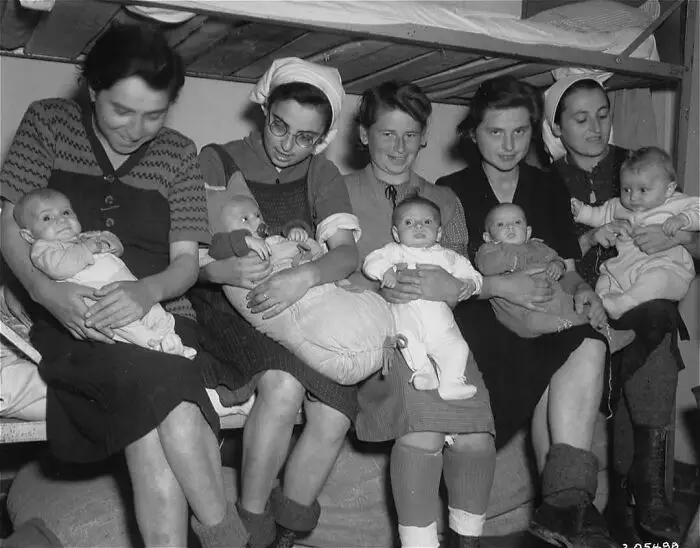
Mothers with their newborn children following the liberation of Dachau, 1945
All the women were Hungarian #Jews arrested while pregnant from their husbands in Budapest at the end of 1944.
They were sent to Auschwitz like the others and weren't k****d at the spot because their pregnancies didn't show yet. Miriam Rosenthal (the woman first on the left) recalled: "I was four-months pregnant, starving, bone-tired, cold, filthy and afraid when an SS officer in big black boots and a crisp uniform appeared before the barracks in Auschwitz with a loudspeaker in hand. 'All pregnant women line up, he barked. Line up, line up — your food portions are being doubled'. Can you imagine? Two hundred women stepped forward and 200 women went to the gas chamber. And I don’t know why I didn’t step forward."
Three months later, they were spotted as pregnant and sent to the crematorium, but due to a (alas, very rare) administrative glitch, they found themselves in Kaufering I, a sub-camp of Dachau, where eventually the seven babies would be born, delivered by another inmate, a Hungarian gynecologist whose only instrument was a pail of hot water.
A “Capo,” a Jewish woman charged with overseeing the women, smuggled a stove into the room, keeping the expecting mothers warm during the freezing winter months of 1945. The Germans discovered the stove and beat the Capo bloody, ripping into her flesh with their truncheons.
American troops wept when they liberated Dachau in late April and discovered the babies — new life in a graveyard of bones. For the context, the #Nazis m******d over a million Jewish children. Like the sick and the old, they were viewed as useless mouths to feed and often among the first k****d. Some were used in medical experiments, but newborns were typically m******d at birth.
Report
19points
#42
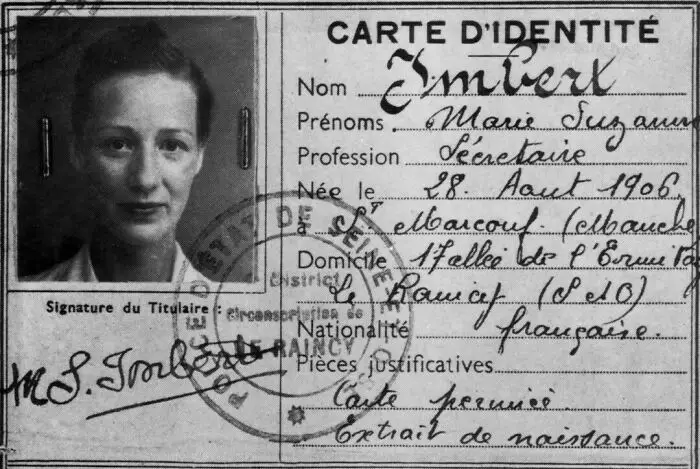
Marie-Madeleine Fourcade, born in 1909, became the only woman to lead a major Resistance network? After her mentor was arrested in 1941, she took command of the Alliance network, organizing intelligence operations across France. She disguised messages inside hollowed-out loaves of bread and trained couriers—many of them women—to cycle across N**i checkpoints with coded notes hidden in bicycle baskets. In 1943, she was briefly stationed in London, returning to France in July 1944 to continue her work. After the war, she cared for thousands of surviving agents and chaired the Committee of Resistance Action from 1962 onward.
Report
19points
#43
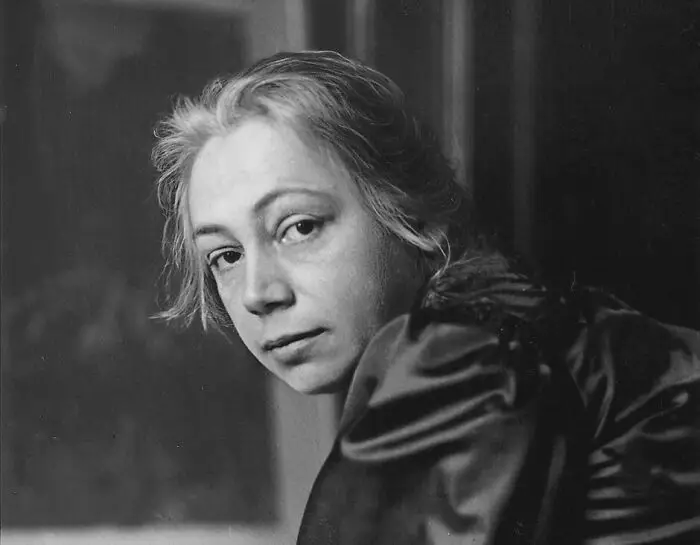
Käthe Kollwitz poured her soul into her art in a way few ever have. Born in 1867 in what is now Kaliningrad, she lived through an era of turmoil that marked every brushstroke and line she drew. When her son Peter was k****d in the First World War, her grief became the foundation of her life’s work. Instead of turning away from pain, she faced it directly — translating the agony of loss, the suffering of mothers, and the despair of the working poor into stark, powerful images that still move people today.
Her lithographs, etchings, and sculptures are raw, emotional testaments to the human cost of war. She didn’t glorify battle; she exposed its wounds. Kollwitz’s figures — the grieving mother, the starving child, the widow clutching her baby — seem to carry the weight of the entire 20th century on their shoulders. Though she faced censorship from the Nazis and endured personal loss during both world wars, she never stopped creating, never stopped bearing witness.
Kollwitz believed that art had a moral duty — to reveal truth, to make people feel, to remember the forgotten. And that’s what she did. Her work doesn’t just speak of sorrow; it speaks of resilience, of love, and of the quiet strength of those who endure what should never have been endured.
Report
19points
#44
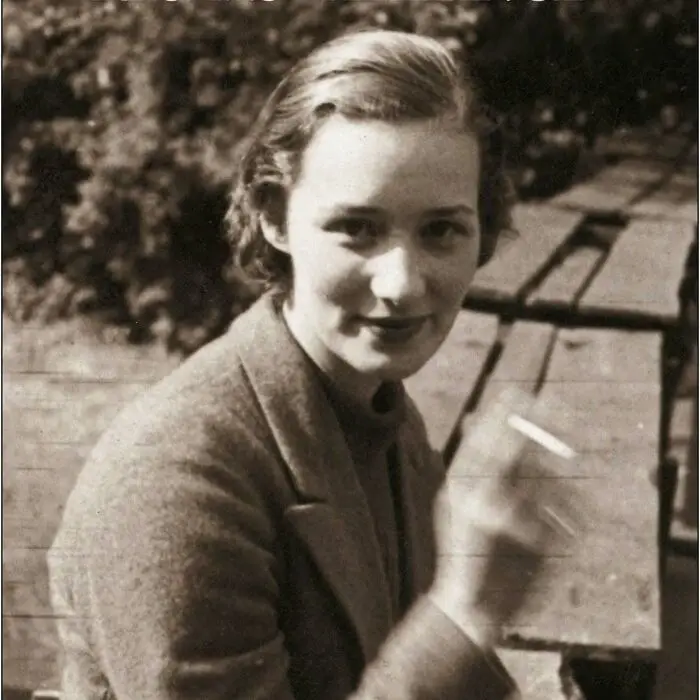
Marie-Madeleine Fourcade’s story is one of audacity, intellect, and defiance—a reminder that courage often wears unexpected faces. In an era when women were dismissed as too delicate or emotional for leadership, she commanded thousands of men and women in one of the most dangerous roles imaginable. Her network gathered crucial intelligence on German troop movements, submarine bases, and V-2 rocket sites, smuggling information to London through coded messages and perilous courier routes. It was her intelligence that helped Allied forces plan the D-Day landings—an operation that turned the tide of the war.
But behind the codename “Hérisson” was a woman constantly underestimated by those around her. The Nazis never suspected that a stylish, elegant mother could be the mastermind behind one of the greatest intelligence networks in occupied France. That underestimation became her greatest weapon. She used charm, quick wit, and iron resolve to stay one step ahead of the Gestapo, even as her agents were captured, tortured, and executed.
When she was finally arrested, she refused to break. Faced with certain death, she did the unthinkable—she stripped off her clothes, slipped through the bars of her cell window, and escaped into the night. It was a rebirth of sorts, a defiant act of freedom that symbolized everything she fought for. And instead of fleeing to safety, she returned to her network, determined to keep fighting until the war was won.
After the liberation, men were hailed as heroes, their names etched into monuments and history books. Marie-Madeleine’s name was nearly forgotten, buried beneath the prejudice of her time. But her story endures, whispered through history by those who know that leadership, bravery, and genius have never belonged to one gender. Marie-Madeleine Fourcade’s legacy reminds us that women have always been on the front lines of history—sometimes hidden, but never absent.
Report
19points
#45
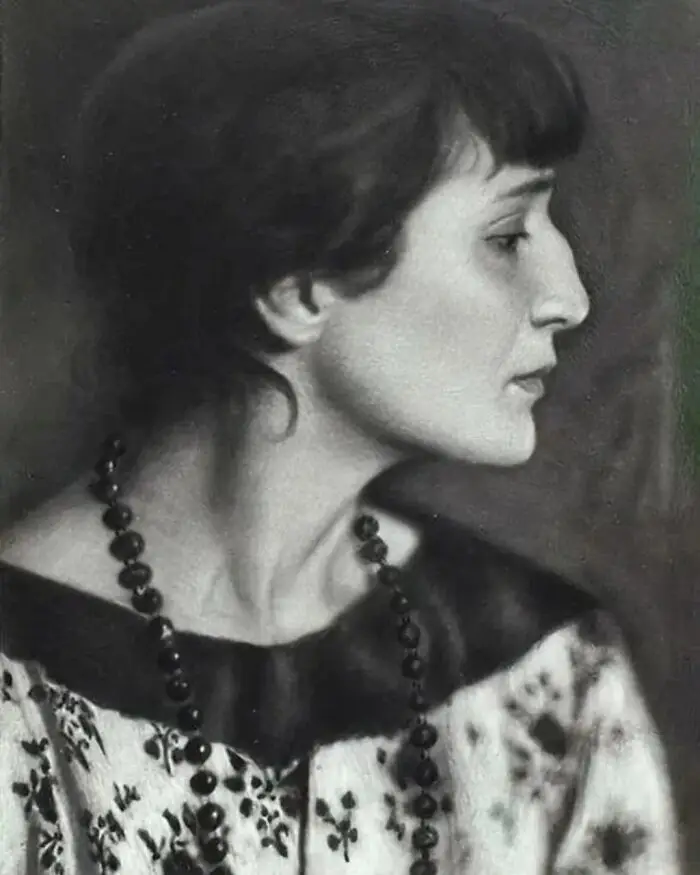
Anna Akhmatova lived through some of the darkest years of Russia’s history, and her poetry carried the weight of that suffering with a kind of quiet, unyielding dignity. Born in 1889, she came of age in a time of revolution and upheaval, and from the beginning her poems had a rare ability to distill private emotion into something universal. She wrote of love and loss with clarity and restraint, and early in her career, her voice was celebrated for its intimacy and honesty. But as the decades unfolded, her role shifted from being a lyric poet to something much heavier—she became a witness.
The years of Stalinist terror touched every part of her life. Friends were arrested or executed, her first husband was shot, and her beloved son Lev was imprisoned more than once. She spent long hours standing in prison lines, waiting for news, surrounded by women like her—mothers, wives, sisters—each of them carrying unbearable fear and grief. From those experiences came Requiem, a cycle of poems that gave voice to their collective anguish. It was never published in her lifetime in Russia; instead, it was whispered from memory, passed from one woman to another like contraband truth.
Akhmatova herself was silenced, censored, and watched, but she refused exile. She stayed in Russia when many others left, believing her place was among her people, to endure with them. She once wrote, “I was with my people then, where my people, unfortunately, were.” That choice came at a cost, but it also defined her legacy.
Report
18points
#46
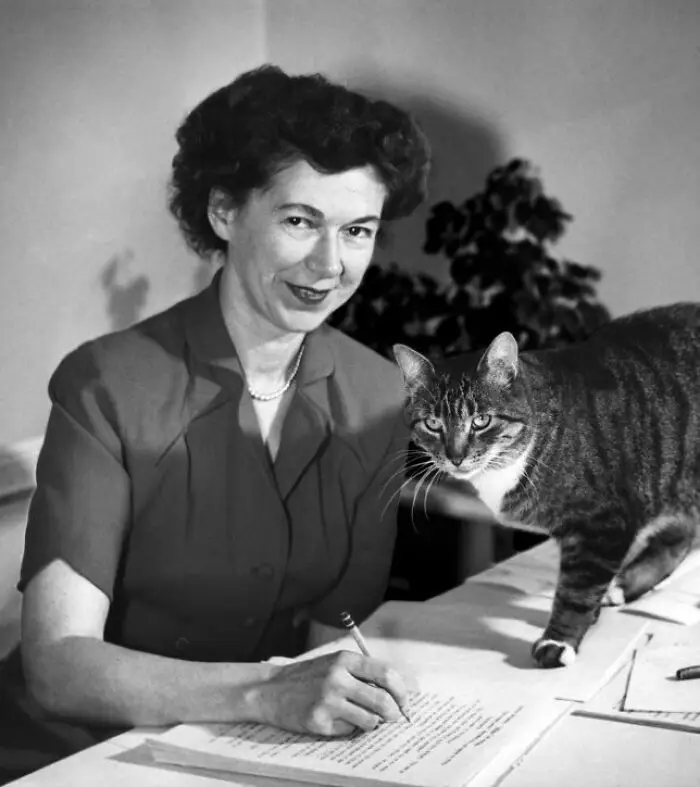
Beverly Cleary understood girlhood in a way few writers ever have. Through Ramona Quimby, Henry Huggins, and Ralph S. Mouse, she showed generations of girls that it was okay to be bold, emotional, curious, and imperfect. Her stories reflected real childhood — the conflicts, the fears, the tiny triumphs — and made girls feel genuinely seen. With more than 30 books and over 91 million copies sold, her impact shaped how countless young readers understood themselves. Even with her Newbery Medal, Honors, and National Book Award, her greatest legacy is the emotional refuge she built for girls who needed to feel understood. Cleary’s passing at 104 marked the loss of a quiet giant who made girlhood feel important.
Report
18points
#47
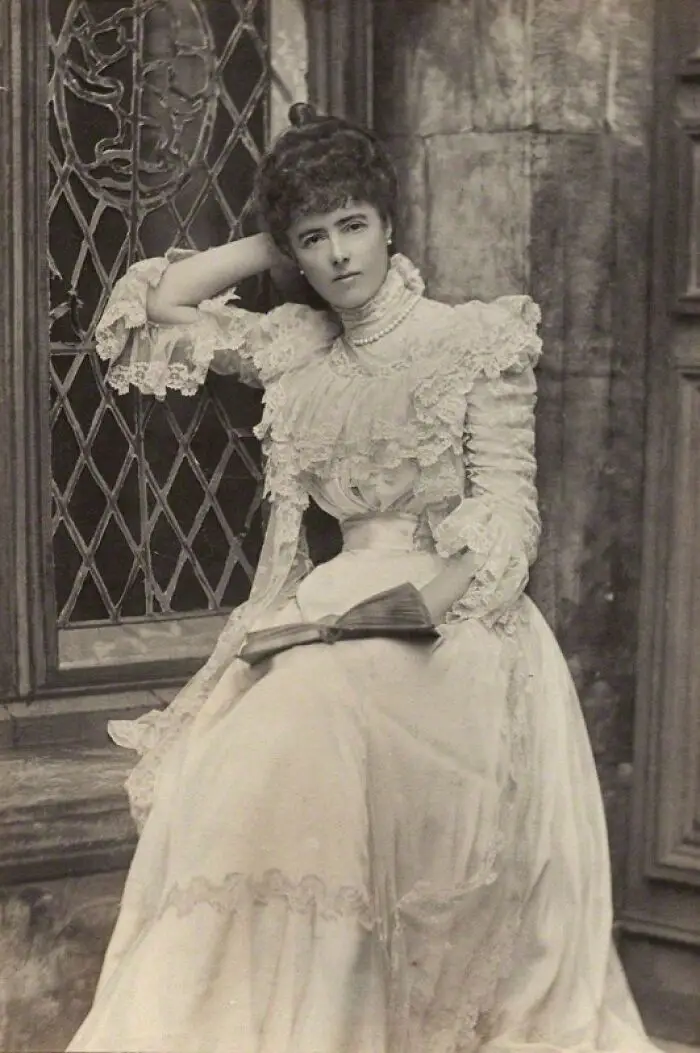
Georgina Ward, Countess of Dudley, lived a life that feels almost cinematic, filled with beauty, duty, resilience, and reinvention. Born in 1846, Georgina married William Ward, the 1st Earl of Dudley, when she was only eighteen. She was strikingly beautiful, quickly becoming one of the most admired women in Victorian society, and her life was steeped in wealth and social expectation. But beneath the gowns and glittering appearances, Georgina’s story is one of quiet strength and transformation.
After just a few years of marriage, her husband was paralyzed by a riding accident, leaving Georgina, still in her twenties, with the responsibility of caring for him and managing their extensive estates. She took on these duties with determination, moving from the role of a society beauty to a capable manager and devoted nurse. For over thirty years, she oversaw the vast Dudley properties and cared for her husband, never remarrying after his death despite being widowed in her prime.
What makes Georgina’s story particularly compelling is how she stepped beyond the narrow expectations of her era. She became deeply involved in charitable work, especially in nursing and hospital care, dedicating her time to improving the conditions of hospitals and supporting the nurses who worked within them. During the Boer War, she was actively engaged in supporting the troops, helping to organize medical care for soldiers, and later took part in organizing nursing services during World War I.
Report
16points
#48
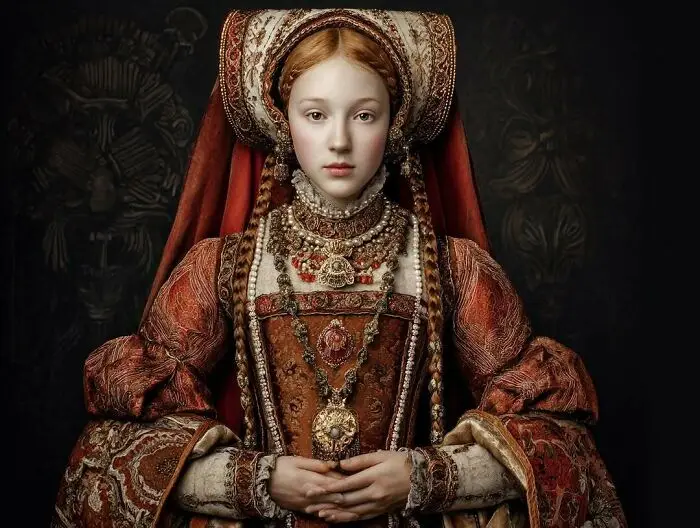
Anne of Cleves has long been remembered through the cruel words of others—mocked for her looks, dismissed as dull, and reduced to a punchline in Henry VIII’s dramatic marital history. Yet behind the nickname “Flanders Mare” was a woman who survived one of the most dangerous courts in Europe with grace, intelligence, and a quietly powerful instinct for self-preservation. Her story is not one of humiliation, but of reinvention.
When she was chosen to marry Henry VIII, it had nothing to do with romance. She was a political bridge, a way to strengthen England’s alliance with German states. Henry fell for a flattering portrait by Hans Holbein, imagining a gentle beauty who would soothe his aging ego. The real Anne—arriving in England after a sheltered life in Cleves—confused him. She didn’t flirt, didn’t speak English well, and didn’t react with the theatrical excitement he expected. His disappointment was immediate, explosive, and deeply unfair.
Still, Anne did what countless women have had to do throughout history: she adapted. She married Henry on January 6 and did her best to please a man who was already looking elsewhere. She believed sincerely that their gentle nightly rituals meant they were truly married. It’s heartbreaking—and telling—that her innocence became the basis for blaming her for Henry’s insecurities.
When the King began pursuing Katherine Howard, Anne understood the danger. She had seen what defiance had cost others. Instead of resisting, she navigated the crisis with remarkable clarity. She accepted the annulment and, in doing so, protected her life. What she gained in return was independence most Tudor women could never dream of: property, income, status, and freedom from a volatile husband.
As Henry’s “sister,” Anne blossomed. At Hever Castle and at court, she charmed almost everyone she met. She became a beloved figure to her former stepdaughters Mary and Elizabeth and even formed a real friendship with Henry, a man who rarely maintained affection for any woman he no longer desired.
Report
16points
#49
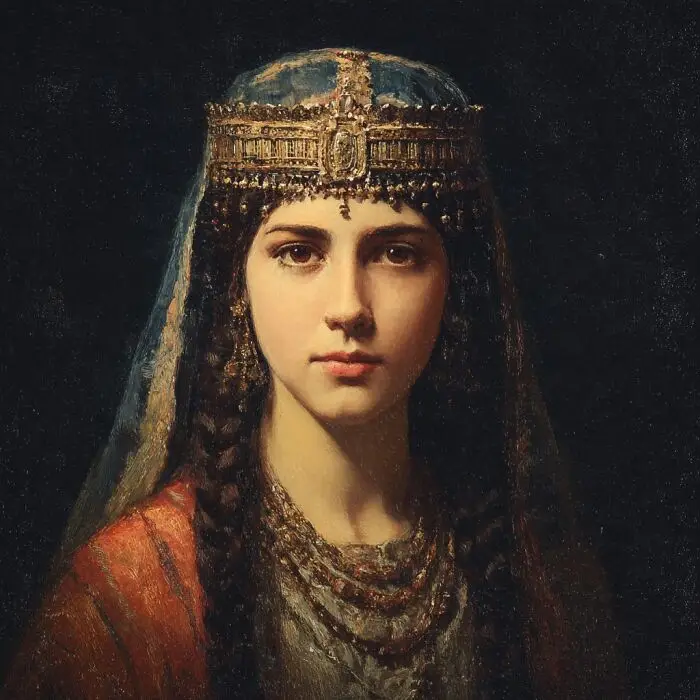
Salome Alexandra, Queen of Judea, was a remarkable figure in a time when women were often marginalized. After the death of her husband, King Alexander Jannaeus, she faced dismissal from those who viewed her as weak and incapable of leading. But rather than succumb to their doubts, she stepped into her role with a blend of wisdom and strength that would define her reign.
Salome's leadership was characterized by a commitment to stability in a tumultuous political landscape. She skillfully navigated the complex relationships between various factions, fostering peace during her time on the throne. But her most profound legacy lay in her dedication to education, particularly for women. At a time when female voices were rarely heard, she championed the expansion of Jewish education, ensuring that women had access to knowledge and could participate in the cultural and religious life of their communities.
Her actions inspired a generation of women to seek education and empowerment, challenging societal norms that sought to confine them. Salome’s reign marked a significant shift in the perception of women’s roles in Judean society, proving that they could be both leaders and scholars.
Yet, despite her successes, Salome faced relentless opposition from those who could not accept a woman in power. As her health declined, political rivals grew bolder, seizing the opportunity to undermine her authority. After her death, the very progress she fought for began to erode, and the educational initiatives she championed faced setbacks. Her tragic ending serves as a reminder of the fragility of hard-won advancements.
Report
15points
#50
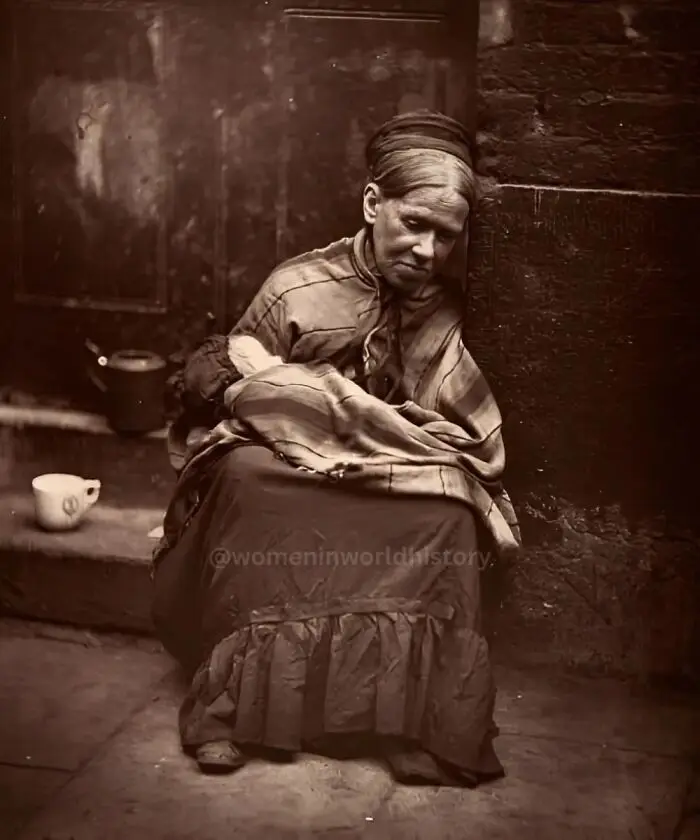
In the soot-streaked corners of Victorian London, there were women whose pain the city refused to name, so it gave them one: “Crawlers.” These were not faceless beggars or nameless poor. They were women with stories—mothers who had buried children, widows left behind by war or disease, wives discarded like worn cloth. Hunger had hollowed out their strength until standing became a luxury. So they crawled.
They crawled between charity houses and soup lines. Crawled to avoid the jeering eyes of strangers. Crawled because the world would not give them space to walk with dignity. They wore rags that clung to their bones, slept in alleyways or under bridges, often with a child pressed to their chest—if they were lucky enough to have one still breathing. Work, when they could get it, was a patchwork of underpaid labor: hand-washing sheets for pennies, hemming until their fingers bled, selling matches in the cold. And when none of that was enough, they traded their bodies for coins. Not for vice. For survival.
They were dismissed as shameful, filthy, or immoral. But look closer, and you’ll see the truth: these women were warriors of endurance. Their crawl was not weakness—it was resistance. A body kept alive by will alone. A mother’s instinct defying the grave. They didn’t want pity. They wanted bread. Shelter. A chance.
And though the city tried to look away, their presence lingered in doorways and under gaslights, daring it to see. To acknowledge that progress built on crushed women is not progress—it is cruelty. These women mattered. Every shiver. Every tear. Every inch forward on the cold, unforgiving ground.
Report
14points
