




Human history is much deeper, more complex, and more nuanced than you probably remember from school. Many history books, especially the ones you read in class, focus on major events like battles and treaties. Unfortunately, one consequence of this is that women often get sidelined, as the spotlight rests mainly on men.
However, the ‘Women In World History’ social media project aims to change all of this by shining the spotlight on women over the ages. We’ve collected some of the most powerful stories about women from history, as featured there, to give you a deeper appreciation for the past. You’ll find them below.
#21
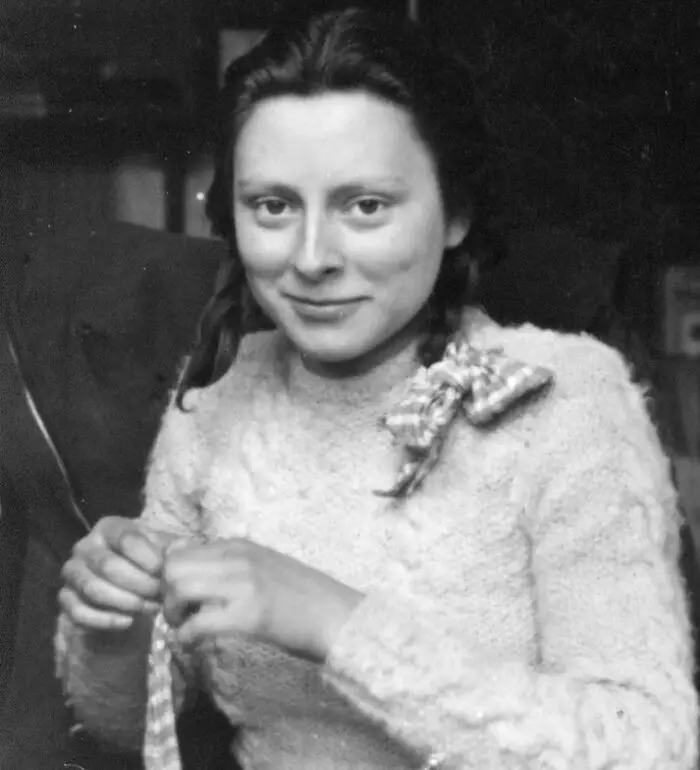
Freddie Oversteegen was just fourteen when she joined the Dutch resistance, her childhood swallowed by the N**i occupation of the Netherlands. Together with her sister Truus and their friend Hannie Schaft, she became part of a small, determined network that carried out sabotage missions, distributed anti-N**i leaflets, and risked everything to protect Jewish families in hiding.
But Freddie’s role went further. She would ride her bicycle through the streets, hair tied with ribbons to appear younger and harmless, seeking out N**i officers or collaborators who could be targeted. Sometimes she would flirt with them, asking if they wanted to take a walk or go to the woods, and when they followed, she led them to where resistance fighters were waiting—or pulled the trigger herself. She did what was necessary, without glory, without ever forgetting the reality of what she was doing. It was not glamorous work; it was heavy, frightening, and at times required her to hide the fear that might have paralyzed someone older.
After the war, Freddie rarely spoke about what she had done, though she carried the memories and the weight of her choices. She remained committed to telling the stories of resistance, ensuring that the realities of occupation and the bravery of those who fought against it would not be forgotten.
Report
28points
#22
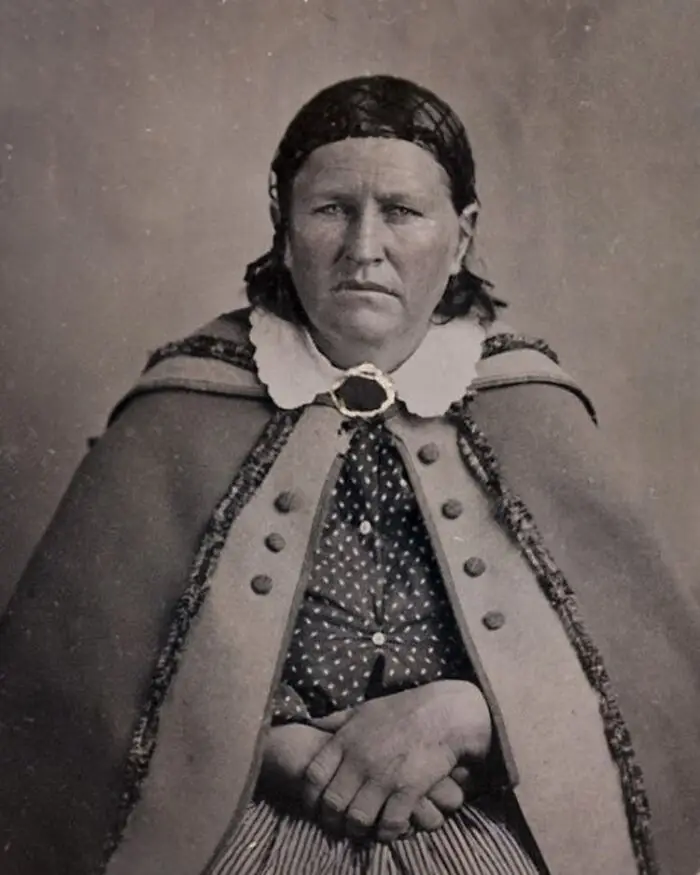
Cynthia Ann Parker was just a child, around nine years old, when Comanche warriors raided her family's settlement in Texas. She was taken from everything she knew, but within the Comanche community, she found another life. She was adopted, given the name Naduah, and raised as one of their own. She learned their language, lived their rhythms, and became part of their world in a way that was full and complete. She grew up, married the Comanche chief Peta Nocona, and became a mother to three children, including Quanah Parker, who would later become a renowned Comanche leader.
Twenty-four years after her capture, Texas Rangers stormed her village and found her, now a mother, living the life she knew and loved. They took her back, calling it a “rescue,” but for Cynthia Ann, it was a loss. She was torn from her husband, from her children, from the land and people who had become her entire world, and brought back into a society that expected her to pick up where she left off as a nine-year-old child. She did not know the English language anymore, and the customs felt foreign to her. She tried repeatedly to return to her Comanche family, grieving the separation from her children and her identity.
Cynthia Ann spent the rest of her life longing for what had been taken from her a second time. Her story is a reminder of the complexity of identity, of the different forms that family and belonging can take, and of the silent grief that many women have endured when they are denied the right to choose where they belong and who they wish to be. It is also a reminder of the many stories of women whose lives have been reshaped by conflict and whose voices often remain unheard in the larger narratives of history.
Report
27points
#23
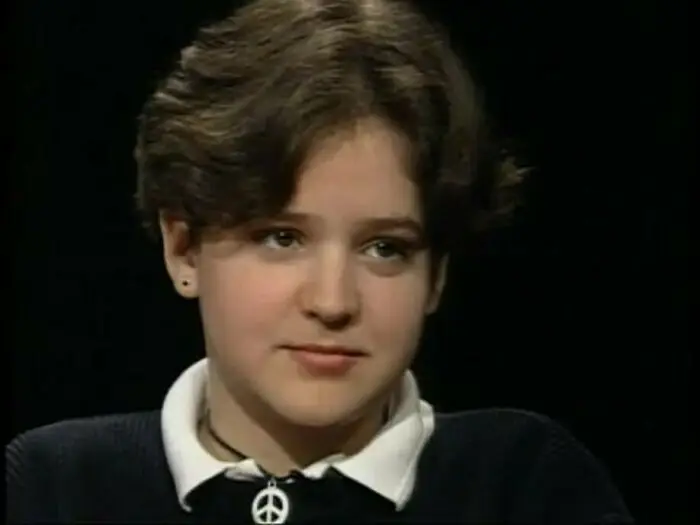
In 1991, eleven-year-old Zlata Filipović began keeping a diary in #Sarajevo, Bosnia, never imagining it would one day be compared to Anne Frank’s. At first, her entries were filled with childhood joys—school grades, piano recitals, birthday parties. But when war erupted in 1992, her world shrank to basements, ration lines, and the sound of shells outside her window. She named her diary Mimmy, confiding in it as if it were her best friend, her lifeline to normalcy as her city fell apart.
Zlata’s words captured the horror and heartbreak of the Siege of Sarajevo—neighbors turning on one another, months without electricity, and the small miracles of survival, like finding a candle or hearing a song on the radio. When her diary was published internationally in 1993, it became a voice for children trapped in war zones everywhere.
She eventually escaped to Paris with her family and later studied at Oxford, dedicating her life to humanitarian work and the fight for children’s rights. Zlata’s story is a testament to the power of a young girl’s voice—proof that truth, written in the margins of fear, can outlast the sound of bombs.
Report
27points
#24
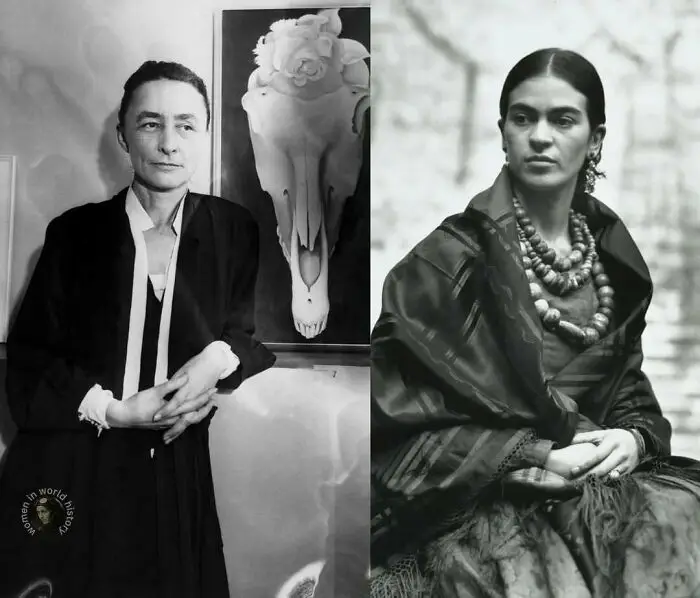
When Frida Kahlo and Georgia O’Keeffe first crossed paths in New York in the early 1930s, the connection between them was immediate. Kahlo was still on the cusp of being recognized as an artist in her own right, while O’Keeffe had already established herself as a force in modern American painting. Despite the differences in their careers, they saw in each other something familiar: bold women navigating art, love, and illness with uncompromising honesty.
Their time together was marked by warmth, humor, and a touch of mischief. Stories survive of them going out drinking with friends, laughing and singing together into the night. Kahlo’s affection for O’Keeffe was more than casual; she admired her strength, her work, and the way she carved out independence in a world that demanded conformity from women. In letters, Kahlo’s tone carried both tenderness and longing, suggesting that her feelings may have run deeper than friendship, though how far it went is left to interpretation.
Both women endured fragile health at different points, and here their bond became even clearer. When O’Keeffe suffered a breakdown and spent time recovering, Kahlo reached out with concern and gestures of kindness. Years later, when Kahlo was bedridden and in pain, O’Keeffe made the journey to Mexico to visit her. These acts of care reflected the rare kind of intimacy they shared—one grounded not only in admiration, but in the recognition of struggle.
Kahlo also left traces of O’Keeffe in her art. Certain flowers that O’Keeffe had painted obsessively appeared in Kahlo’s canvases, but reimagined through her own lens, layered with personal and cultural meaning. It was as though Kahlo was entering into a conversation with O’Keeffe on the canvas, acknowledging her influence while transforming it into something distinctly her own.
Report
26points
#25

At just 19, Maria Schneider was betrayed by director Bernardo Bertolucci and Marlon Brando during filming of Last Tango in Paris. They deliberately kept her uninformed about specific details of a r**e scene, believing her genuine shock would create "authentic" reactions.
What we see on screen isn't acting—it's real distress from a teenager who was manipulated and deceived. Her humiliation was engineered by two powerful men who prioritized their artistic vision over her consent and dignity.
Schneider later said she felt "a little raped" by the experience. The trauma haunted her entire life while her pain was commodified and celebrated worldwide. She struggled with the violation of trust and how her suffering became entertainment.
Bertolucci didn't express real remorse until 2013, two years after Schneider's death in 2011. She never received the acknowledgment she deserved during her lifetime.
This remains one of cinema's most disturbing examples of how women's consent has been violated in the name of art. Maria Schneider's story reminds us that behind every "controversial" scene is a real person who had to live with the consequences.
Report
26points
#26
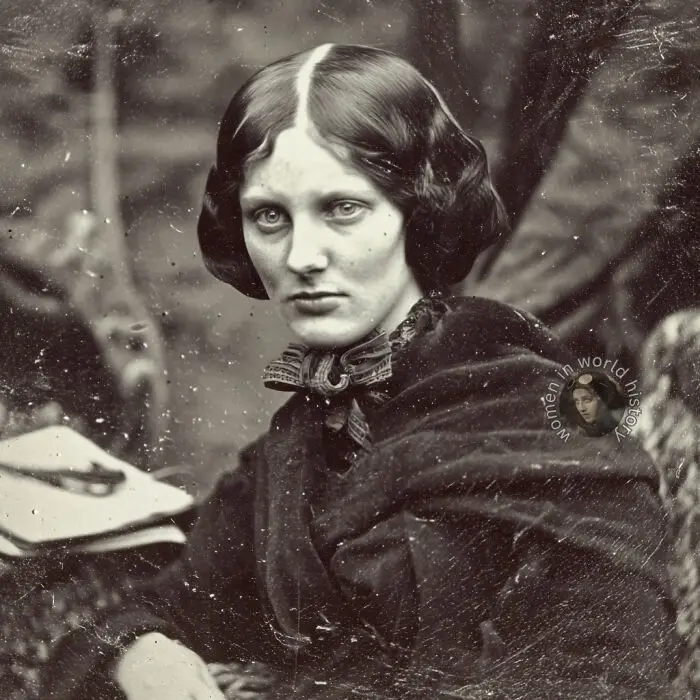
Charlotte Brontë’s life reads like one of her own gothic novels—filled with loneliness, imagination, and heartbreak. Born in 1816 in a bleak Yorkshire parsonage, she was the third of six children in a family that would become both legendary and doomed. Her mother died when she was five, and the sisters were sent to a harsh boarding school where two of them, Maria and Elizabeth, succumbed to tuberculosis. The trauma would later appear in Jane Eyre’s cruel Lowood School.
Back home on the windswept moors, the surviving Brontës—Charlotte, Emily, Anne, and their troubled brother Branwell—created vivid imaginary worlds and began to write. But in Victorian England, a woman’s words carried little weight. When Charlotte tried to publish her poems, she was told “literature cannot be the business of a woman.” So she and her sisters adopted male pseudonyms—Currer, Ellis, and Acton Bell—and released their novels into the world.
Jane Eyre was an immediate sensation: bold, passionate, and shocking in its insistence that a woman’s soul was equal to a man’s. Just as success arrived, tragedy struck again. Within eleven months, Charlotte lost Branwell, Emily, and Anne—all to the same illness that had haunted their childhood. She wrote through her grief, clinging to purpose as her world emptied.
Eventually, she found companionship with her father’s curate, Arthur Bell Nicholls, and for the first time seemed to know contentment. But pregnancy brought exhaustion and sickness. In 1855, at just 38, she died before her child was born. Yet her story did not end there. Through Jane Eyre, Charlotte Brontë gave generations of women something radical: a heroine who thought, felt, and chose for herself. In death, she achieved what she had always longed for—freedom, and an immortal voice.
Report
25points
#27
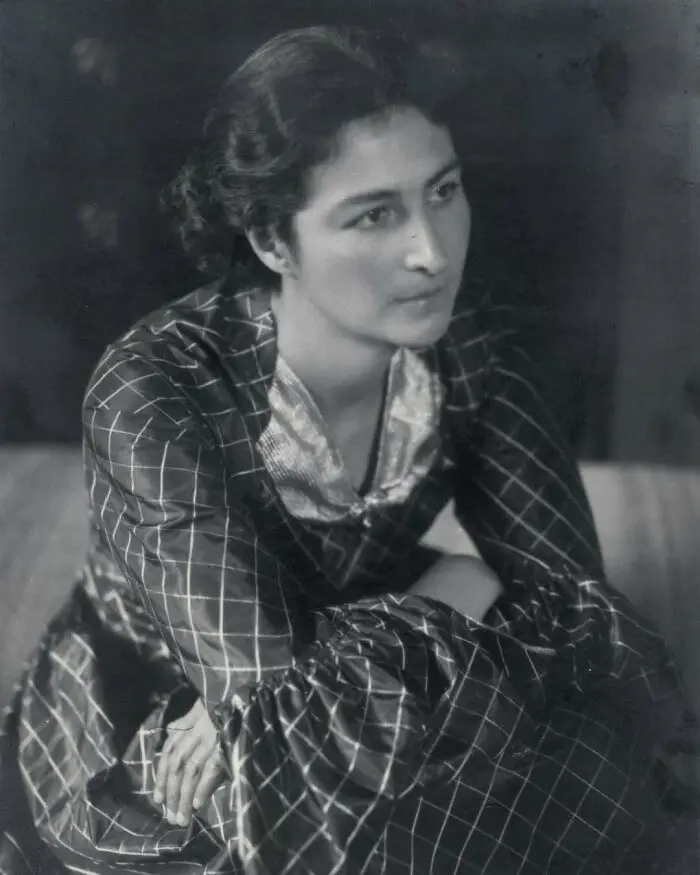
Muriel Gardner transformed from wealthy American heiress to underground resistance fighter in 1930s Vienna. Born into Chicago's meat-packing elite with a fortune worth over $90 million today, she initially moved to Austria to study psychoanalysis with Freud's circle.
When fascists rose to power, Gardner witnessed a funeral procession for anti-f*****t fighters that sparked her moral awakening. "They could not cancel out the feelings building up within me," she wrote, "indignation, anger and an imperative need to continue the struggle." Operating under the codename "Mary," she became the only known American woman aiding the Austrian Resistance.
Gardner used her wealth strategically—purchasing safe houses, false documents, and bribes while her American passport provided crucial protection. She transformed her Vienna apartment into a clandestine waystation, helping thousands of Jews and anti-fascists escape N**i persecution despite extraordinary personal risk.
Her story defies expectations about who becomes a resistance fighter. With every reason to flee to American safety, she chose to stay and fight, proving that moral courage can emerge from unexpected places. The lonely heiress seeking therapy became one of Austria's most effective underground operators, using her inherited fortune not for luxury but to save lives during humanity's darkest hours.
Report
25points
#28
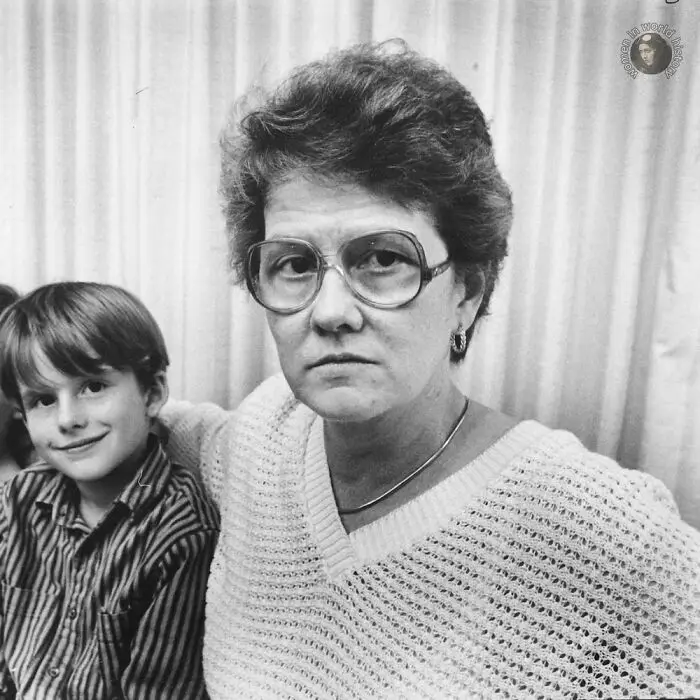
Ann Hopkins never set out to become a symbol of change, but her fight reshaped the way women—and later LGBTQ people—are treated in the workplace. At Price Waterhouse, she was brilliant, successful, and profitable for the firm. By every business measure, she deserved to rise. Yet when she put her name forward for partnership, she was told she was “too aggressive,” “too demanding,” and, most famously, advised to walk, talk, and dress “more femininely.” Wear make-up. Style your hair. Add jewelry. In other words: soften yourself into a version of womanhood that felt palatable to male colleagues.
She refused. And when the partnership door stayed shut, she sued. What came of her case in 1989, Price Waterhouse v. Hopkins, was groundbreaking. The Supreme Court ruled that s*x stereotyping is a form of discrimination under Title VII of the Civil Rights Act. For the first time, the law recognized that punishing a woman for not fitting into a narrow box of femininity is just as unlawful as paying her less for the same work.
That single decision has echoed far beyond Hopkins’s own career. It has been cited thousands of times in courtrooms across the country, and it has become the foundation for cases protecting not only women, but also LGBTQ employees from discrimination. Her courage gave legal weight to the idea that who you are—and how you carry yourself—should never be grounds for denying opportunity.
Even now, the glass ceiling persists, though cracks keep spreading. Women are still measured against impossible standards: be assertive, but not intimidating; be polished, but not vain; be maternal, but not distracted. Hopkins’s case didn’t end those double binds, but it gave generations of women and allies a legal t**l and a precedent to push forward.
Report
25points
#29
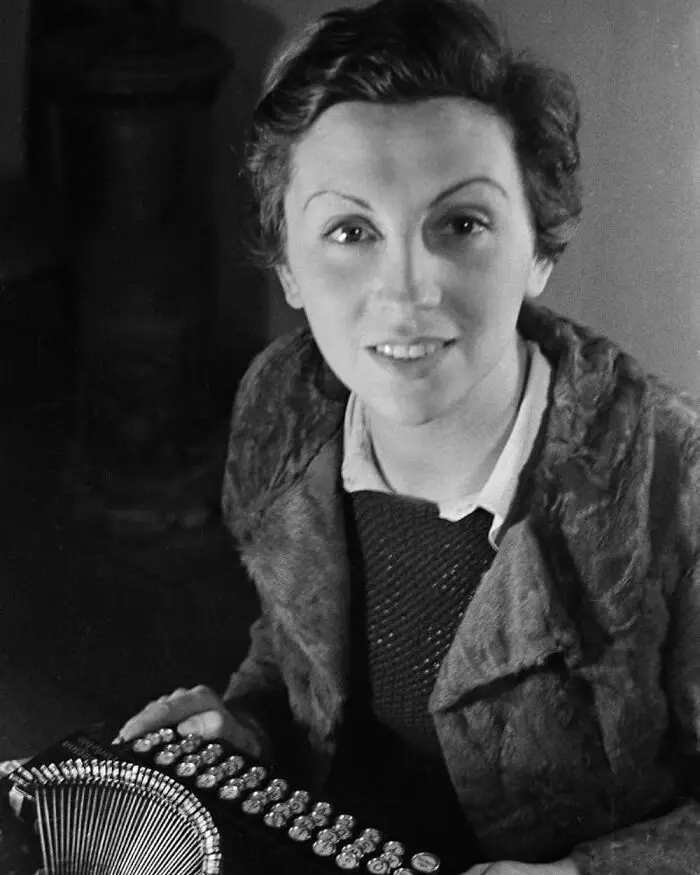
She died with her camera near her heart, and the world never forgot.
On August 6, 1937, thousands gathered in Paris to mourn a young woman who had seen too much too soon: Gerda Taro, the fearless war photographer who lost her life covering the Spanish Civil War. Just 26 years old, she had thrown herself into the brutal chaos of frontline battle—not as a soldier, but as a witness, armed with nothing but her Leica and an unflinching sense of purpose.
She wasn’t supposed to be there. Women weren't expected—or permitted—to document war from the trenches. But Taro, with her cropped curls and rebellious spirit, refused to sit behind a desk or wait in safety. Alongside her partner Robert Capa, she captured the raw urgency of Spain’s Republican struggle against fascism. Her photographs told stories that governments wanted buried: the courage of civilians, the agony of dying soldiers, the cost of resistance.
She was crushed by a tank during the Battle of Brunete, an accident in the retreating chaos. But her death was anything but quiet. Gerda Taro became the first female photojournalist k****d in action, a martyr for truth-telling under fire. At her funeral, antifascist voices from around the world called her “the first fallen star of journalism.”
She had reinvented herself from a Jewish refugee fleeing N**i Germany into a daring visual storyteller on the front lines of revolution. She proved a woman didn’t have to pick up a rifle to fight—sometimes a camera was more dangerous.
Report
25points
#30
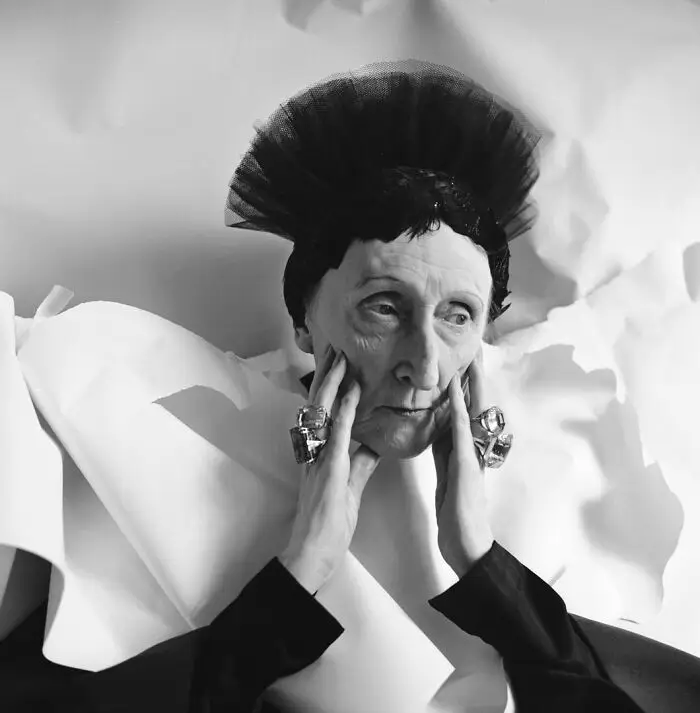
She wore robes like a medieval priestess, draped in bold jewels and towering headpieces that made her impossible to ignore. Edith Sitwell wasn’t just a poet—she was a statement, a woman who refused to shrink to fit the world’s narrow ideas of how a woman (or a writer) should look, act, or create.
Born into aristocracy but rejecting its stifling conventions, Sitwell became a fierce champion of avant-garde art and poetry. She mentored troubled geniuses like Dylan Thomas, clashed with the literary elite (her legendary feud with Noël Coward is pure drama), and wrote verses that were as daring as her fashion.
Her life was a masterclass in unapologetic self-expression. She turned her pain—loneliness, a difficult family, critics who mocked her—into art that was strange, beautiful, and wholly her own.
"I am not eccentric. It's just that I am more alive than most people." — Edith Sitwell
Report
24points
#31
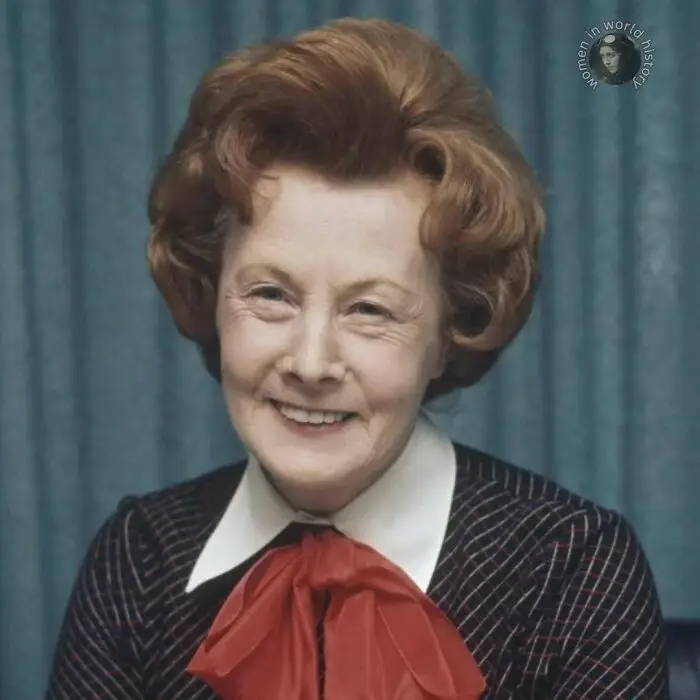
She was one of the most formidable women in British politics, known not just for her sharp intellect but for her fierce sense of justice. Barbara Castle spent decades fighting within a system that was never built for women like her—outspoken, working-class, and absolutely unwilling to be ignored.
She entered Parliament in 1945, one of only 24 women elected that year, and quickly made herself impossible to overlook. With her signature red hair and fiery speeches, she took on issues that others wouldn't touch. She championed workers’ rights, improved conditions for the disabled, introduced seatbelt laws, and took on the powerful male unions who often dismissed her. But it was in 1970 that she pushed through one of her most lasting legacies: the Equal Pay Act.
At the time, women in Britain could legally be paid less than men for the same work—something often accepted as the norm. Castle had watched the Dagenham women strike in 1968, walking off their sewing machines at the Ford plant to demand equal treatment. While others tried to calm the situation or quietly dismiss it, Barbara listened. And then she acted. She pushed legislation through Parliament that made it illegal to pay women less simply because of their gender—a radical idea at the time, and one that faced enormous resistance.
But she didn’t stop there. As Secretary of State for Social Services, she introduced family allowances and a more generous pension system for women. She argued that women shouldn’t have to choose between motherhood and financial security, and that social policy had to reflect women's realities, not just men's expectations.
Barbara Castle wasn’t always liked. She didn’t care to be. She was often called strident, difficult, even dangerous. But to many women, especially working-class women, she was a lifeline—a rare figure in power who understood their struggles because she had lived them too.
Report
24points
#32
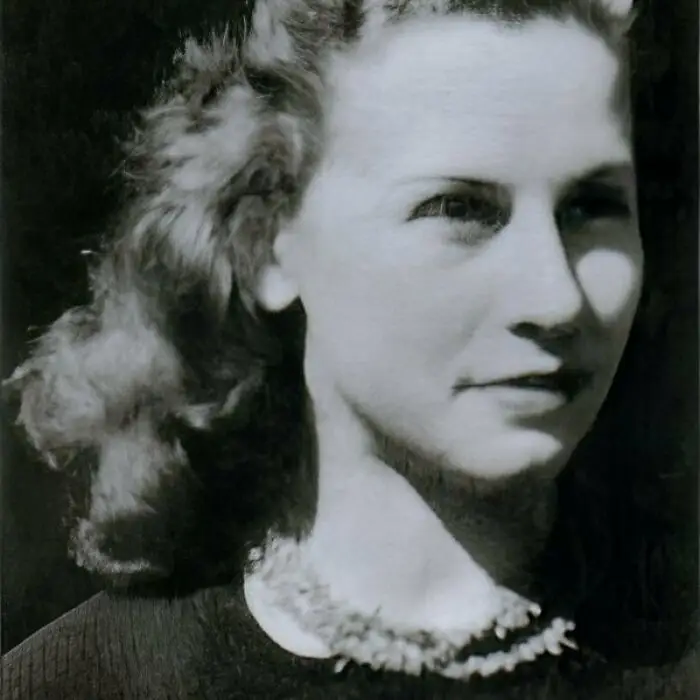
They said Anne-Marie Walters was "too beautiful" to be a spy, but she proved them wrong. At just 20, the bilingual British-French agent, code-named "Colette," parachuted into N**i-occupied France in 1944 for the Special Operations Executive (SOE).
Hiding in plain sight, she worked as a courier for the "Wheelwright" resistance circuit. She cycled hundreds of kilometers, calmly passing German checkpoints while carrying coded messages, radio parts, and money. She became a vital link, distributing weapons and participating in sabotage missions against railway lines to disrupt the German response to D-Day. Despite the constant threat of the Gestapo, her courage and nerve were unshakable. For her extraordinary bravery, she was awarded the French Croix de Guerre and the British MBE.
Hiding in plain sight, she worked as a courier for the "Wheelwright" resistance circuit. She cycled hundreds of kilometers, calmly passing German checkpoints while carrying coded messages, radio parts, and money. She became a vital link, distributing weapons and participating in sabotage missions against railway lines to disrupt the German response to D-Day. Despite the constant threat of the Gestapo, her courage and nerve were unshakable. For her extraordinary bravery, she was awarded the French Croix de Guerre and the British MBE.
Report
24points
#33
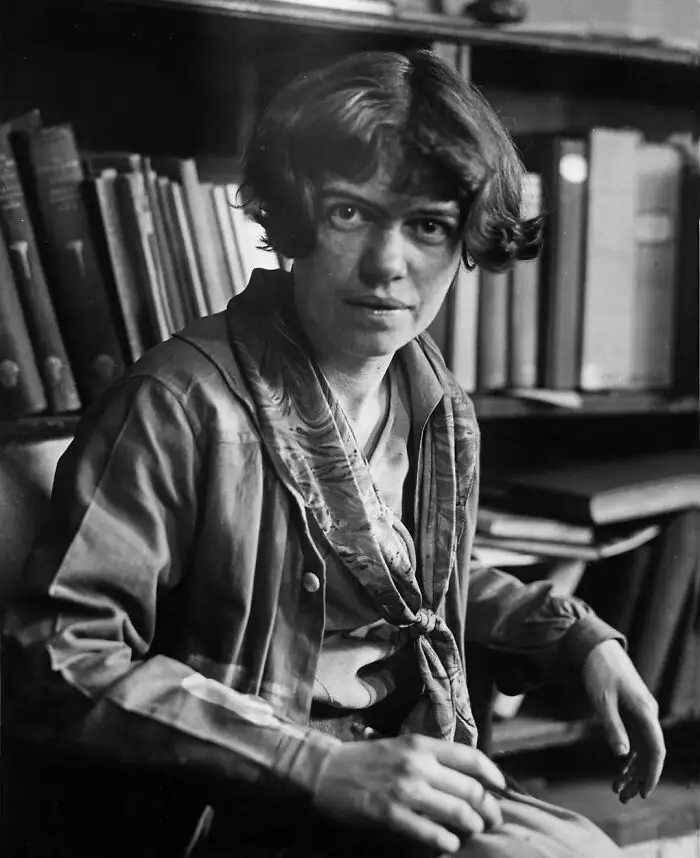
Margaret Mead was an anthropologist, which is a fancy word for someone who dedicated her life to understanding how different people live, love, and make sense of the world. While other scholars of her time were often tucked away in university halls, writing in language only other academics could understand, Margaret did something radical: she decided to talk to all of us.
In the 1960s and 70s, she was everywhere. You’d be flipping through a magazine and there was her thoughtful face, or turning on the evening news and hearing her distinct, authoritative voice. She wasn't a celebrity in the way we think of them today; she was a trusted source of wisdom. At a time when women were collectively re-examining their roles in society—questioning everything from marriage and motherhood to careers and identity—Mead was there, offering a global perspective.
She had lived among people in the South Pacific, and she came back with stories that challenged everything we took for granted. She showed us that the ways we organize our families, raise our children, or express our genders aren't the only ways. They are just our way. For a woman sitting in her suburban home, feeling trapped by societal expectations, that idea was revolutionary. It was like being handed a key. She gave us the vocabulary to see our own culture as something that could be examined, questioned, and even changed.
What was so compelling about her was that she never talked down to people. She had this incredible ability to discuss complex ideas about culture and human nature in a way that felt like a conversation with a brilliantly insightful friend. She made it clear that the personal—the very fabric of our daily lives—was deeply political and profoundly cultural.
In a way, she was a pioneer of a certain kind of public intellectualism that feels almost lost to us now.
Report
24points
#34
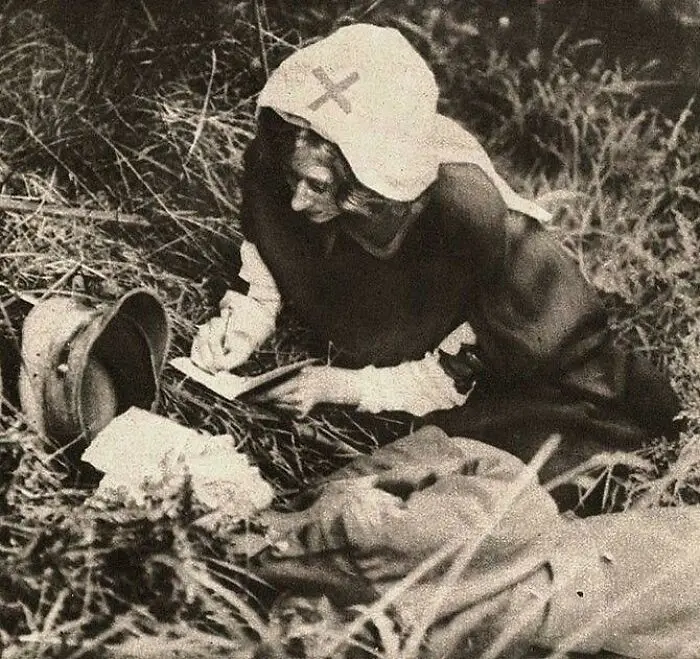
This is a very poignant image from WWI - Red Cross nurses played such a crucial role in providing comfort to dying soldiers, often serving as the last human connection these men had. The act of recording final words was both a practical necessity (for families back home) and a deeply compassionate gesture.
Report
23points
#35
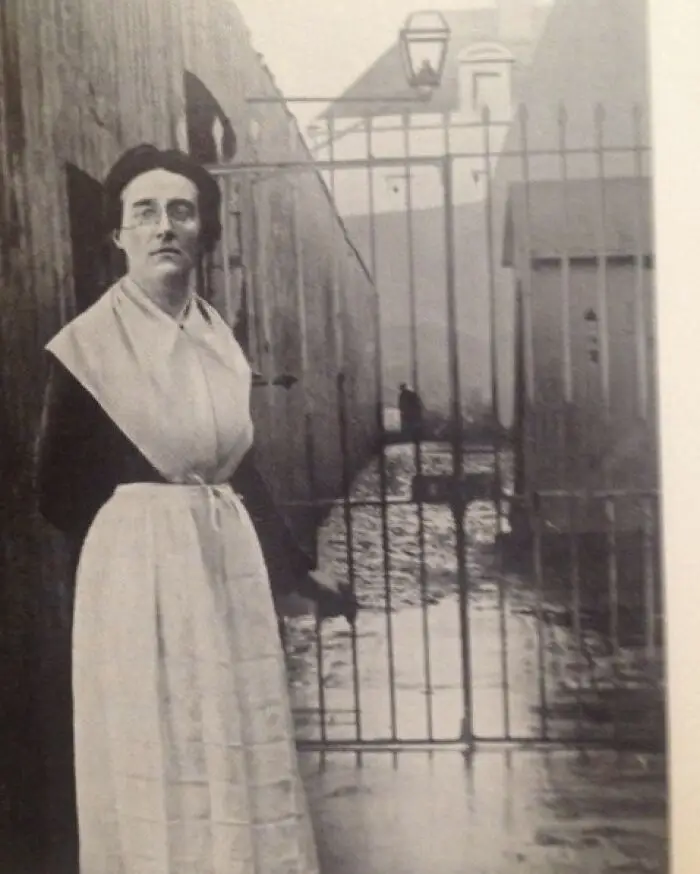
Louise Thuliez entered the world on a leap day in 1881, and perhaps it was fitting that a woman born on an extraordinary date would go on to lead an extraordinary life. A quiet French schoolteacher from Préaux, she never sought fame or grandeur. Her courage came not from a desire to stand out but from an unshakable moral compass that refused to bend, even under the weight of two world wars.
When the First World War erupted, Thuliez found herself in the middle of German-occupied northern France. Rather than retreat into fear, she joined forces with a clandestine network that helped Allied soldiers escape to the Netherlands. It was dangerous, meticulous work that required calm nerves and unwavering trust. Thuliez provided both. She carried messages, hid fugitives, and guided them through perilous terrain. In 1915, she was betrayed, arrested, and sentenced to death. Only a last-minute commutation—spurred by international pressure—saved her life. She emerged from prison weakened but unbroken, quietly returning to teaching while the world healed.
Two decades later, the shadow of occupation returned. This time, France faced an even more ruthless enemy, and Thuliez, now in her late fifties, refused to stand by. She joined the French Resistance, once again risking everything to protect others. Her experience from the previous war made her invaluable. She organized escape routes, aided prisoners, and coordinated intelligence. Her age never slowed her resolve; if anything, it sharpened it. When she was captured again, her interrogators saw only a schoolmistress. They underestimated the depth of her defiance. She endured t*****e, imprisonment, and yet another death sentence.
Miraculously—almost impossibly—she survived a second time. As the war turned against the Nazis, she was liberated before her e*******n could be carried out. After the war, France recognized her unyielding bravery, but Thuliez never portrayed herself as a hero. She was decorated, celebrated, and written into the history of the Resistance, yet she continued to see her actions as obligations, not accomplishments.
Report
23points
#36
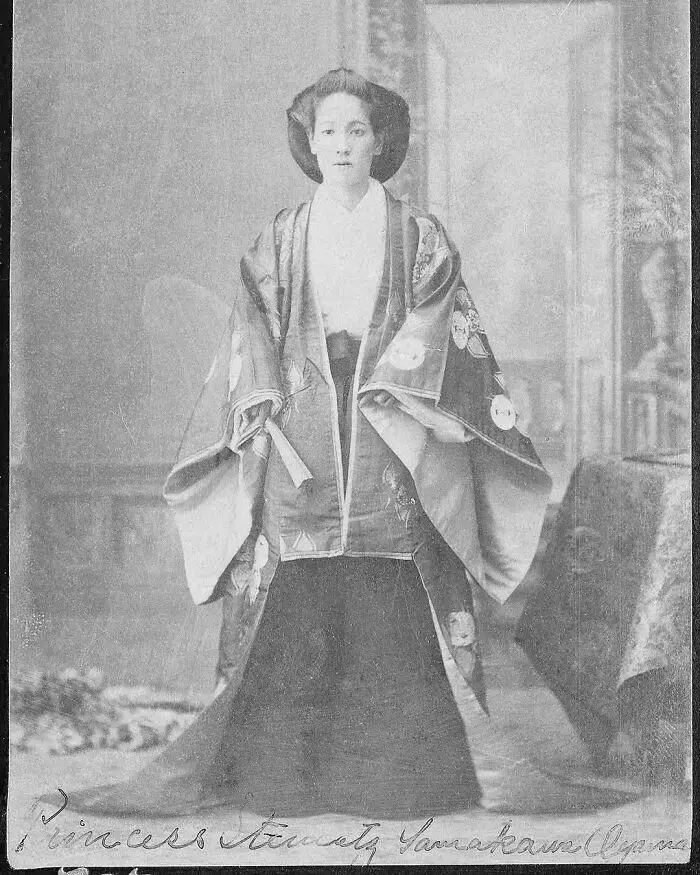
At just 11 years old, Yamakawa Sutematsu was taken from her family in Japan and sent across the ocean to the United States as part of a government mission to learn Western ways. She arrived not knowing English, not even able to read or write in her own language fully, and was thrust into a world of heavy dresses, new foods, and a culture that often saw her as a curiosity. But Sutematsu wasn’t there to simply observe. She became the first Japanese woman to graduate from an American college, finishing at Vassar in 1882, earning respect from peers who recognized her intelligence, resilience, and quiet but clear determination.
She could have chosen a comfortable life in the U.S. after graduation, but she returned to Japan, where the Meiji era was transforming society at a rapid pace. Marriage shifted her status in ways that might surprise many: she became a princess by marrying into the Kazoku aristocracy, taking the name Oyama Sutematsu. Yet she didn’t let her title or the restrictive norms of the time keep her from using her education for a purpose greater than herself.
Sutematsu became a champion for women's education in Japan, helping to found institutions that gave young Japanese women a chance to learn in a system that had long denied them opportunities beyond domestic expectations. She encouraged girls to learn English, to pursue studies beyond what was expected, and to see themselves as worthy of education, independence, and purpose.
She also worked tirelessly during the Russo-Japanese War, organizing nurses and relief efforts, defying the stereotype of the silent, passive princess. She moved between worlds — the polite, rigid world of the Japanese court and the practical, reform-minded spaces of education and charity — using her social position to elevate the lives of other women while remaining true to the ideals of service she had cultivated during her years in the United States.
Report
22points
#37
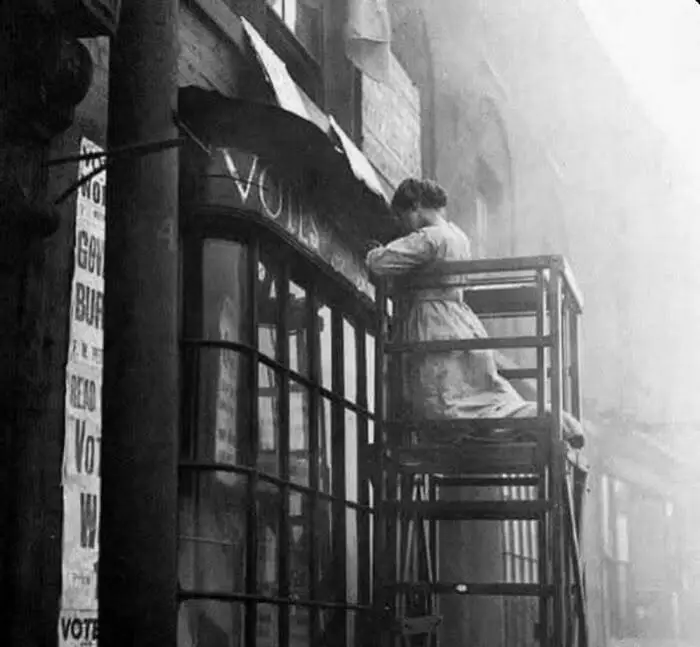
In 1912, Sylvia Pankhurst wasn't just painting a slogan; she was crafting a weapon. As a gifted artist, she designed much of the Suffragettes' visual identity, from this bold lettering to their membership cards and banners. However, her activism went far beyond the brush. She broke with her mother and sister, who focused solely on middle-class women's votes. Horrified by poverty, Sylvia campaigned for universal suffrage, arguing that the vote was meaningless without social and economic justice for all, a radical stance that made her controversial even within her own family's movement.
Report
22points
#38
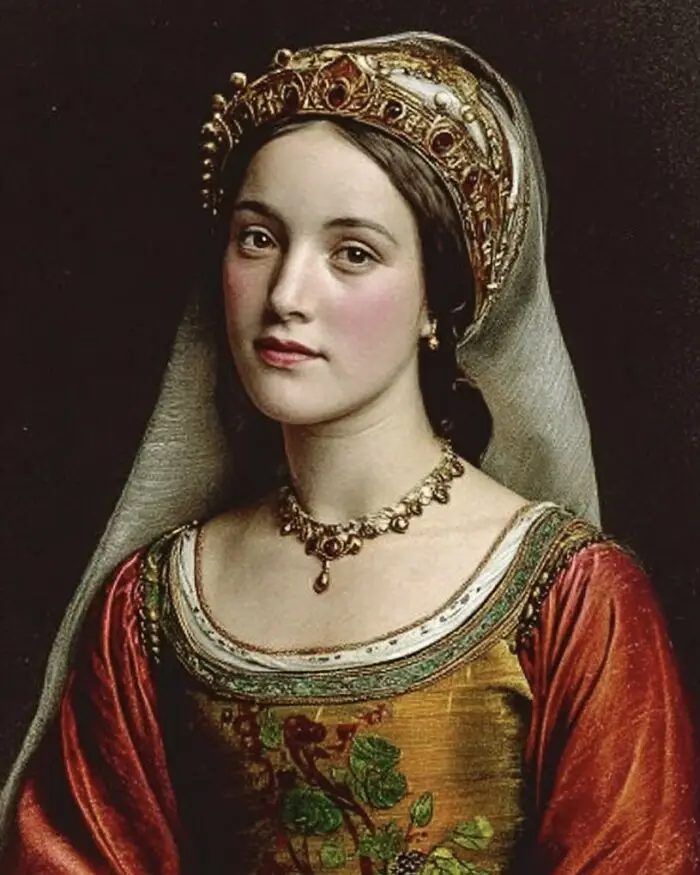
Eleanor of Castile was not the kind of queen content to sit quietly in the background while men played their games of power. From the moment she entered into marriage with Edward, the future King of England, she understood that her role extended far beyond ceremony. She had an instinct for negotiation and a sharp eye for opportunity, and she used both to build influence in ways that were subtle yet deeply effective.
Eleanor mastered the art of land deals, acquiring estates across England with a determination that was unusual for a woman of her time. These transactions were not just about wealth; they were about positioning herself and her family at the center of power. Through careful maneuvering, she secured resources that made the monarchy stronger and ensured her children’s futures. While many saw land as property, she saw it as leverage, a way to strengthen alliances and control the narrative of who held authority.
Her intelligence did not go unnoticed. Edward relied on her judgment, and together they formed a partnership that was rare in medieval royalty. Their marriage was both political and personal, and Eleanor proved herself not just as a consort but as a strategist. She traveled with Edward on his campaigns, even to the Holy Land, showing resilience and loyalty at a time when queens were often expected to remain behind.
Yet Eleanor’s power was not without controversy. Her ambitious acquisitions sometimes stirred resentment, and her determination to carve out space for herself in a world dominated by men made her a polarizing figure. But that, too, is part of her legacy: she was unafraid to be resented, unafraid to claim what she believed was rightfully hers.
When she died, Edward’s grief was so profound that he ordered monuments—the Eleanor Crosses—built at every stopping point along the procession carrying her body back to London. These memorials are often remembered as symbols of Edward’s devotion, but they also remind us of the woman herself: a queen who understood that true power was not given, but taken, shaped, and fiercely protected.
Report
21points
#39
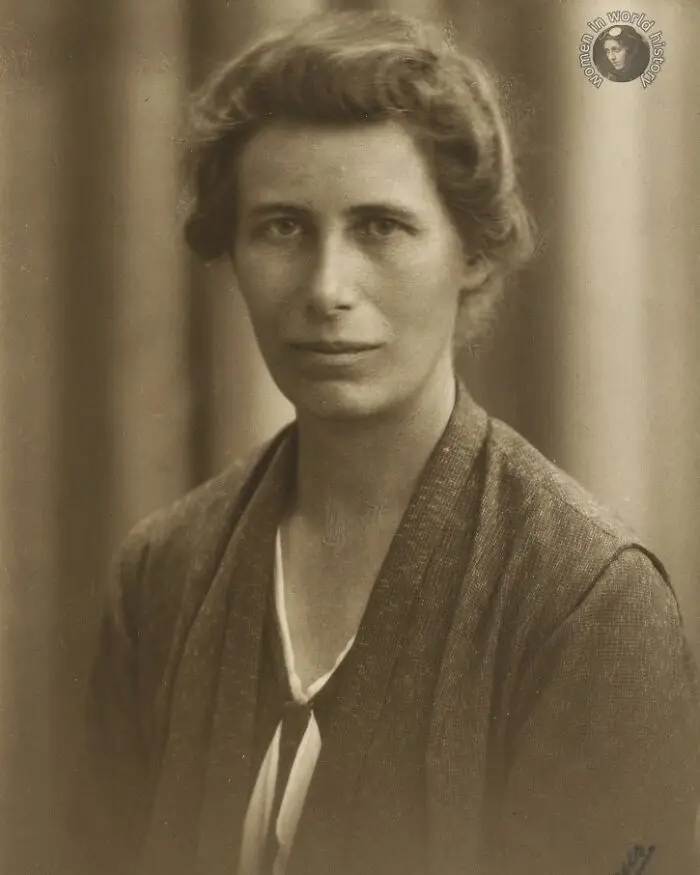
She was a woman who learned to read the Earth’s secrets not through sight, but through the tremors that shook its surface. Born in Denmark in 1888, Inge Lehmann had a gift for numbers and a quiet determination that carried her into the male-dominated world of geophysics.
In an era when women in science were often underestimated, she carved her path with precision and patience. While studying seismic waves from earthquakes, she noticed something others had missed—certain shockwaves were behaving differently than expected, bending and bouncing in ways that defied the accepted model of the Earth’s structure.
This subtle anomaly became her key to an extraordinary revelation: the Earth’s core was not a single molten sphere, as scientists believed, but had a solid inner core surrounded by a liquid outer layer. Her 1936 discovery fundamentally reshaped our understanding of the planet, influencing fields from geology to planetary science. She achieved this without fanfare, relying on meticulous analysis rather than bold proclamations, yet her work reverberates to this day, a reminder that persistence and clarity of thought can shift the very ground beneath us.
Report
19points
#40
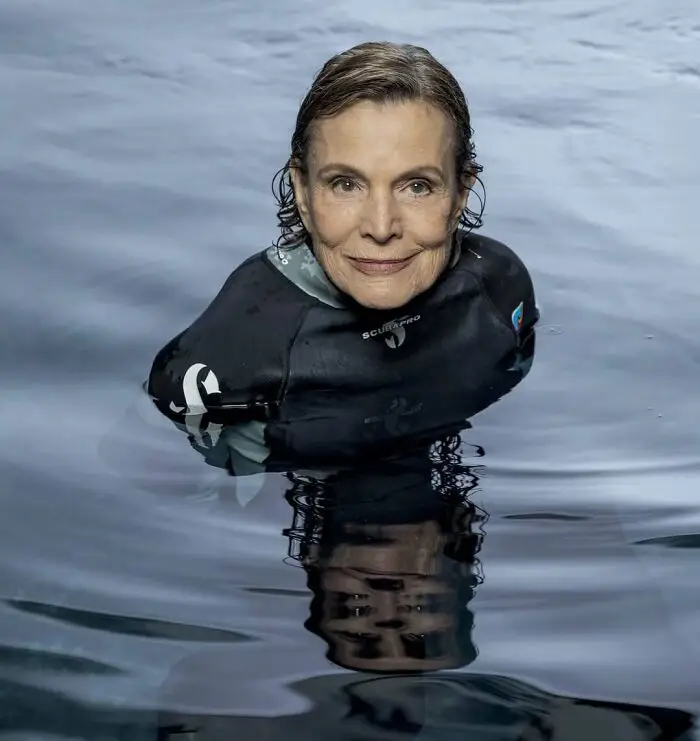
Sylvia Earle, the 90 year old American marine biologist, is often called “Her Deepness,” which is just the perfect nickname. It speaks to a lifetime of diving deep, not just into the ocean, but into her purpose. Imagine, in the 1970s, strapping into a bulky suit and diving to the ocean floor in a way no human had before. She wasn't just visiting; she was making the deep sea her workplace, her laboratory, her sanctuary. At a time when the world was looking up at the stars, Sylvia was urging us to look down, into the planet’s own blue heart.
Her story isn't just one of scientific firsts—though there are plenty, like being the first woman to serve as the chief scientist at NOAA. It’s a story about a different kind of strength. It’s the strength that comes from curiosity, from a deep and abiding love for the living world. She fell in love with marine algae, for goodness' sake—the lush, underwater meadows that are the foundation of life in the sea. She saw the magic in what others might overlook, and in doing so, she redefined what it meant to be an explorer.
What’s so inspiring is how she’s channeled that lifelong intimacy with the ocean into a fierce, maternal protectiveness. She didn’t just study the sea; she learned its language, its rhythms, its distress signals. And when she saw it suffering, she didn't just write papers. She founded Mission Blue, an organization with a vision that feels both audacious and deeply intuitive: to create "Hope Spots" all over the world.
Think of them like national parks, but in the ocean. These are places that are critical to the health of the whole system, and she’s fighting to have them recognized and protected. It’s a vision that comes from a place of hope, not fear. It’s the kind of idea that emerges when you’ve spent your life not as a tourist in nature, but as a part of it.
Sylvia’s work reminds us that the call to explore, to understand, and to protect isn't reserved for others. It’s a call that can start with that same feeling we get at the water’s edge—that sense of wonder.
Report
19points
