

Bored Panda
54 Times Dumb People Posted Cringeworthy Stuff Online And It Hurts To Read (New Pics)
Funny,FailsFEB 13, 2026

54 Times Dumb People Posted Cringeworthy Stuff Online And It Hurts To Read (New Pics)

71
8
Practically everyone has made an embarrassing mistake or written something they later regretted online. We all mess up. But some failures are so bad and ignorant that they deserve to be called out for spreading misinformation.
Our team at Bored Panda has collected some of the most painful and cringeworthy posts that social media users have ever made, and it hurts to read. Scroll down for a big dose of secondhand embarrassment and a reminder that you should always do a bit of research before sharing anything online.

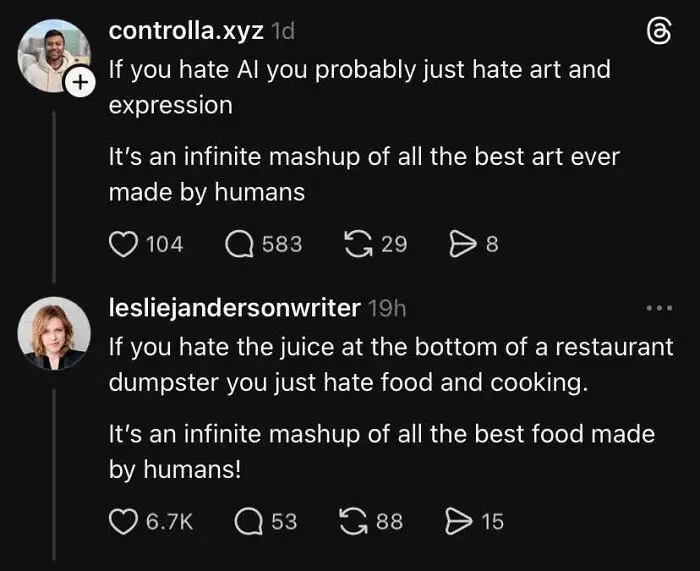
#1 I Absolutely Despise AI

Screenshot of social media posts showing humorous and dumb comments highlighting low IQ moments and reactions.
Report
242points

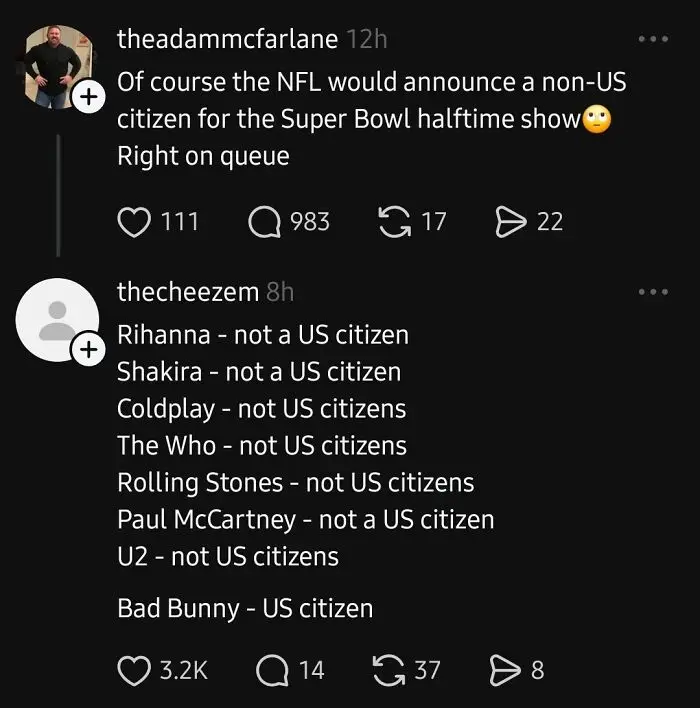
#2 Fact Check

Social media posts showing confusion about US citizenship of Super Bowl performers, highlighting dumb online comments.
Report
211points

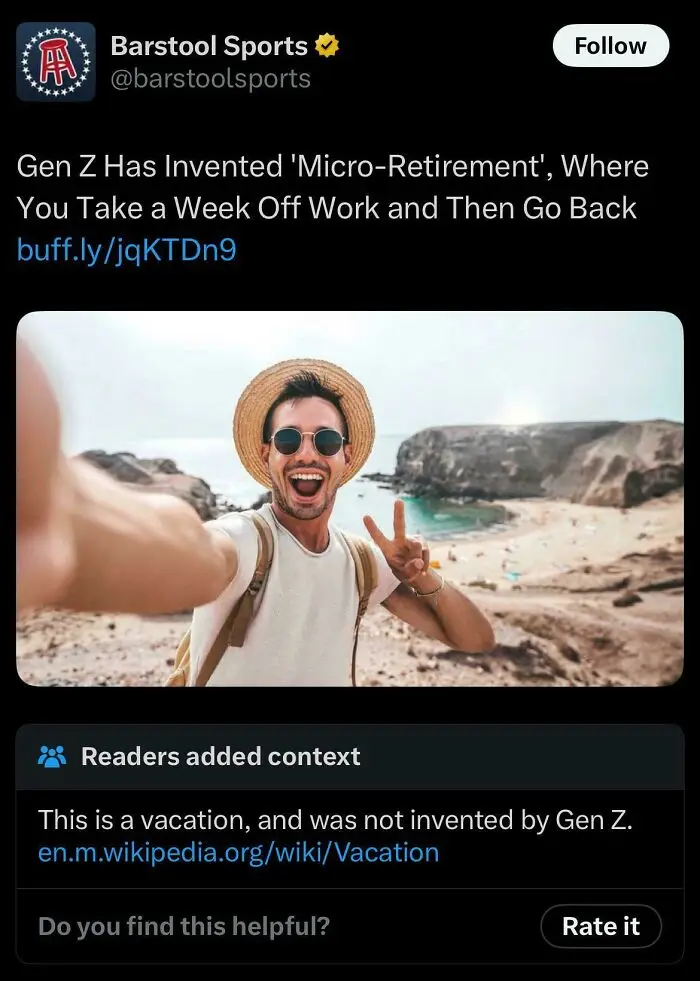
#3 Micro Retirement

Screenshot of a social media post about Gen Z and micro-retirement with readers adding context on vacation, dumb people posts.
164points

The fact that we all inevitably make mistakes is no excuse to post and reshare whatever you come across on social media. We’re all responsible for making the global digital environment a more trustworthy place with less misinformation and disinformation. But that’s easier said than done, especially with so many malicious actors, biases, competing agendas, and bots online.

Disinformation is when someone deliberately makes up a false claim for a specific purpose. Meanwhile, misinformation is false content that is accidentally shared by people who don’t know that the information is inaccurate, the BBC explains.
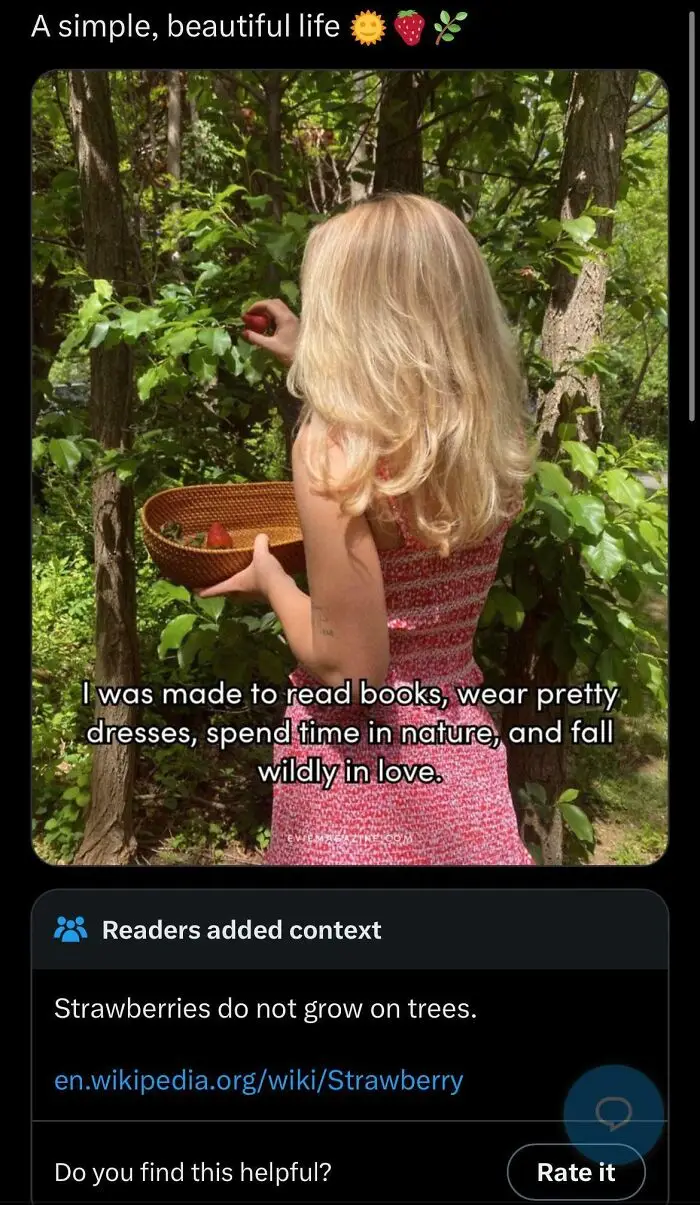
#4 Not How Strawberries Work

Woman in a red dress picking strawberries from a tree, highlighting a dumb post about nature misconceptions.
146points

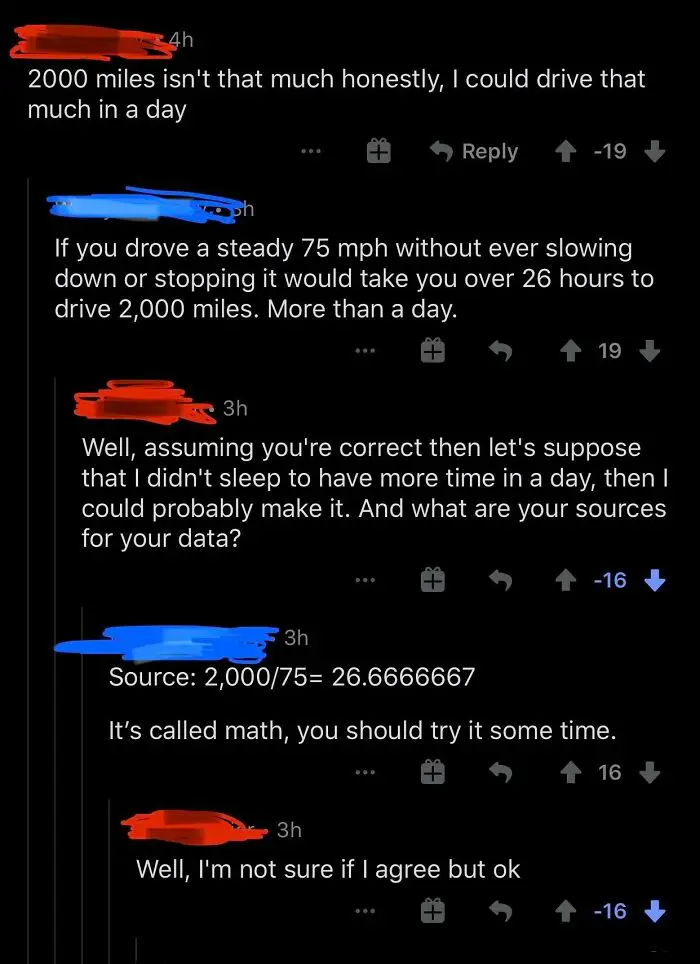
#5 People Aren't Sure If They Agree With Math Anymore

Online conversation showing people discussing driving 2000 miles in a day, highlighting humorous lack of math understanding.
122points

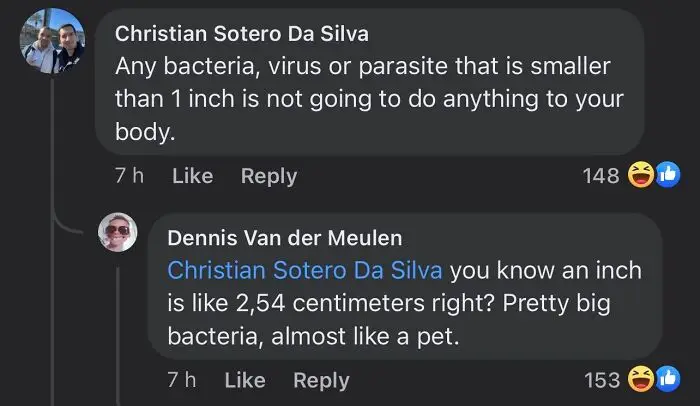
#6 On A Post Showing A Hotdog Under A Microscope

Screenshot of dumb social media posts discussing bacteria size with comments showing confusion and humorous reactions.
Report
119points

As per the BBC, there are various reasons why someone might spread false information. For instance, they might have misheard or misquoted a claim from a real piece of news. Or they might have misunderstood a joke or a parody post, believing it to be fact.

Furthermore, someone might intentionally spread false info just to make money or drive attention to their website. Or they are paid to promote a specific person, point of view, or political party.
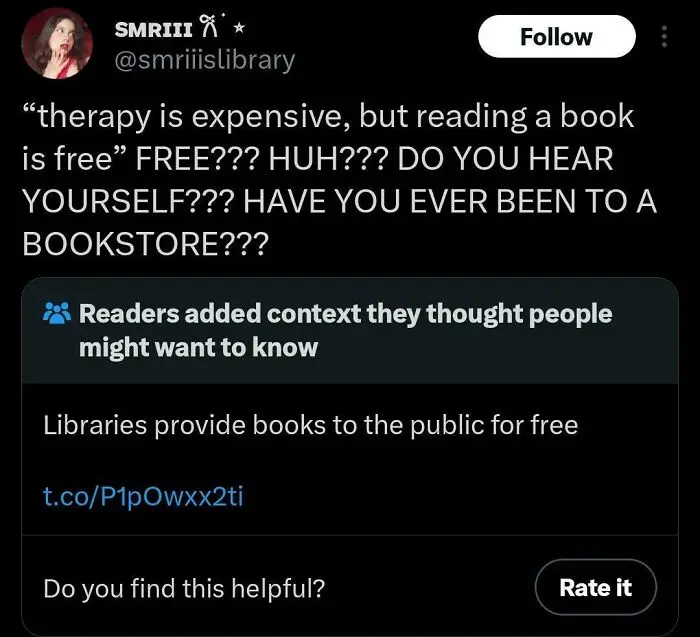
#7 Library

Tweet discussing the misconception about free books, with context added about libraries, related to people so dumb posts.
106points

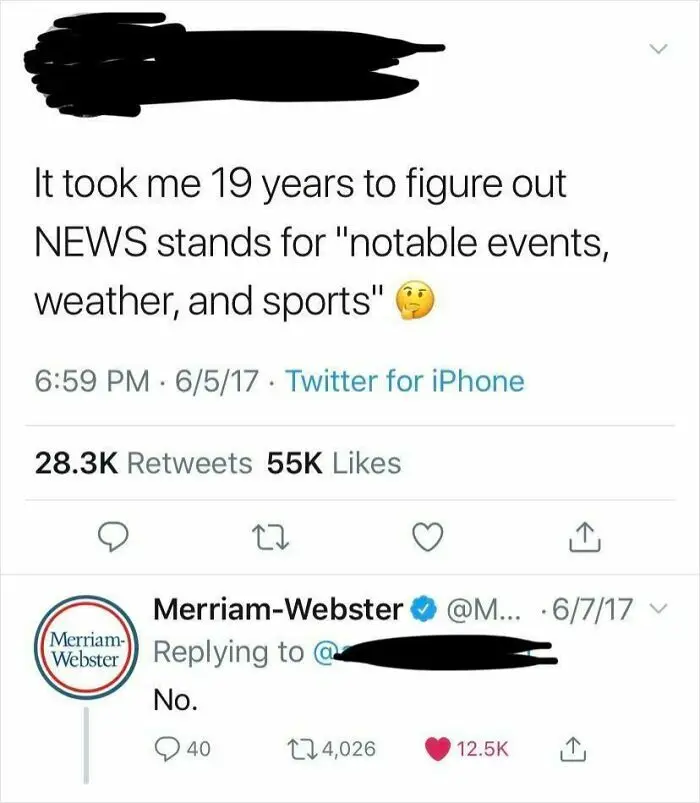
#8 Uh, No

Twitter post showing a humorous misunderstanding about NEWS meaning notable events, with a reply from Merriam-Webster.
105points

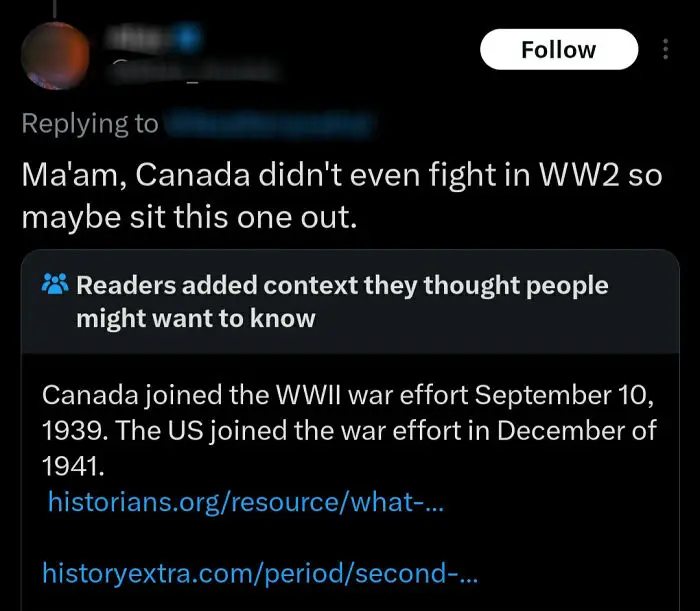
#9 Someone Got Their History Tests Handed Back Face Down

Screenshot of a social media post showing a common historical misconception about Canada’s involvement in WWII.
105points

Broadly speaking, when we come across information that matches our own beliefs, we’re much more likely to believe that it's true. This is known as confirmation bias. On the other hand, even if the info isn’t something that we usually believe, if it is shocking enough, it might use our emotions against us, driving us to share it with others online.

According to the BBC, sharing false information tends to start in small and trusted networks before spreading more widely.

“These might be groups on messaging apps like a family chat, or social media pages and groups full of like-minded members. We all trust our family and friends, so when they send something on to us that might contain false information, we’re more likely to believe them—and then in turn share it with others that we trust too. Imagine a web of contacts slowly getting larger as fake news is passed between different trusted networks; that’s how the sharing starts,” the BBC explains.

#10 Which One Of You Did This

Burned air fryer with manual inside showing one of 54 people so dumb moments causing IQ drop after reading posts.
100points

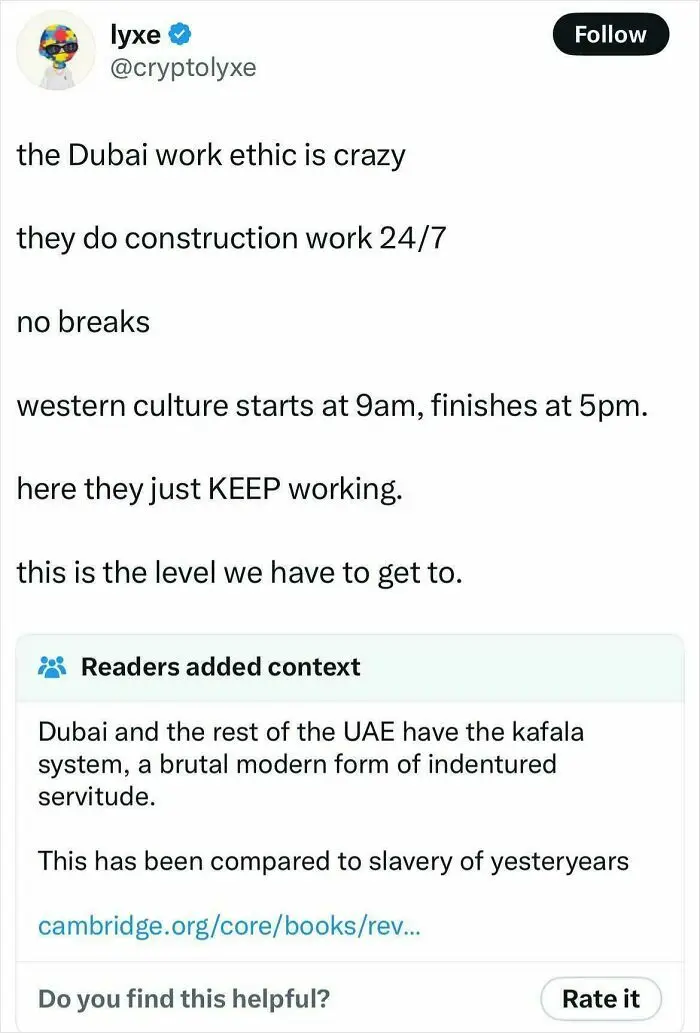
#11 You Can Do A Whole Lot Of Things With Slavery

Tweet misinterpreting Dubai work ethic, highlighting harsh conditions linked to kafala system, included in dumb posts collection.
99points

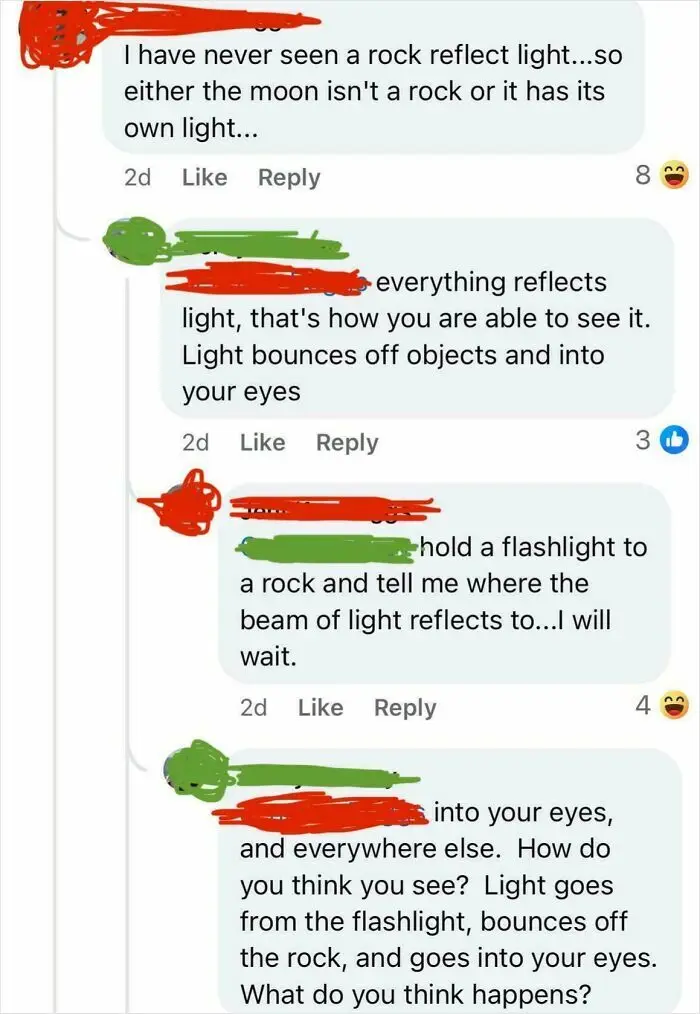
#12 I Guess The First Person Has Never Seen A Rock Before

Screenshot of social media comments showing a discussion reflecting dumb posts about how rocks and the moon reflect light.
Report
96points

The spread of misinformation and disinformation is sometimes helped along by bots (fake accounts) and trolls (real accounts of people who enjoy harassing and intimidating others). “They might do this for money, political gain, or even just for fun,” the BBC notes.

If someone with a large online following notices false information and then decides to share it, it then goes even more viral. These individuals have a lot of power to amplify false narratives.
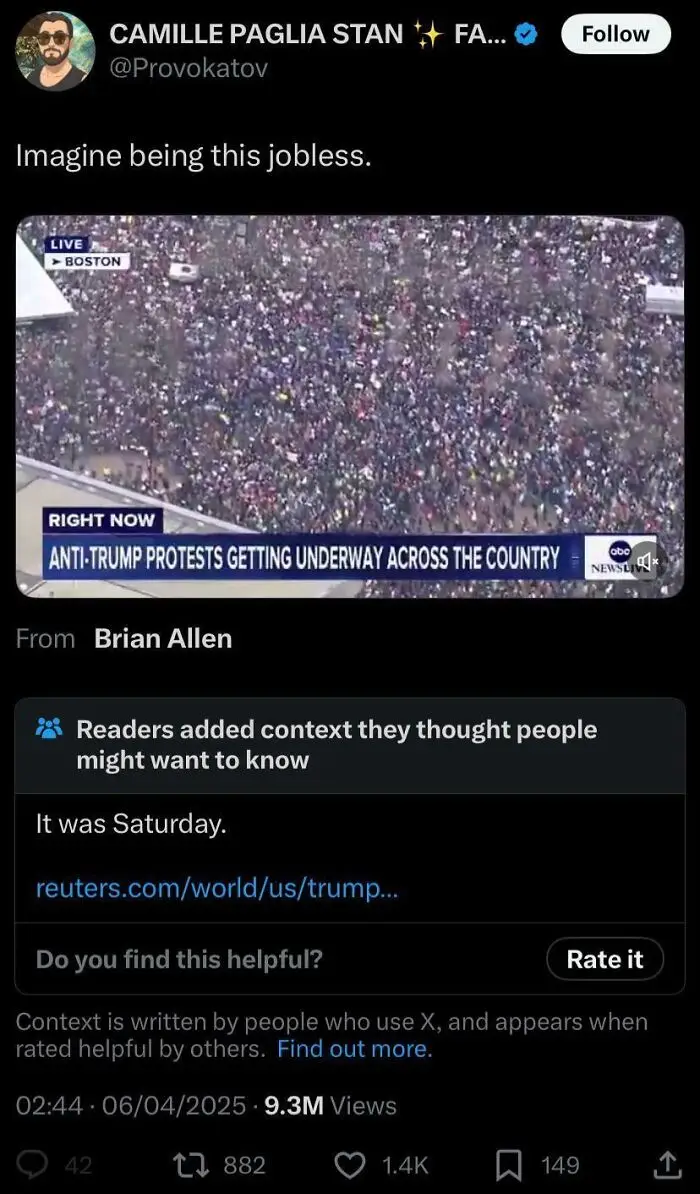
#13 It Was Saturday

Tweet showing a large crowd at an anti-Trump protest in Boston, highlighting people so dumb you might feel your IQ drop.
93points

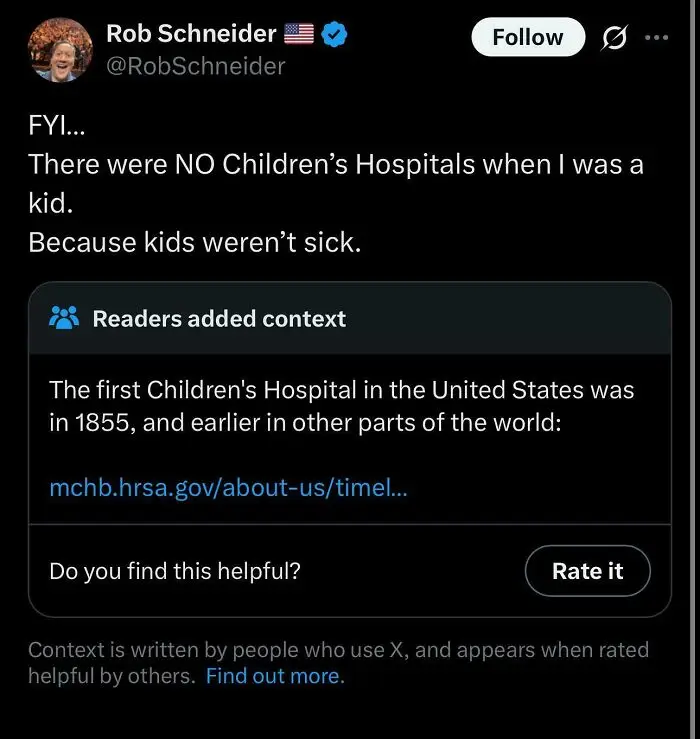
#14 Base On This Logic, Rob Is Nearly 200 Years Old

Alt text: Twitter post showing a misleading claim about children's hospitals, highlighting dumb social media posts with low IQ reactions.
89points

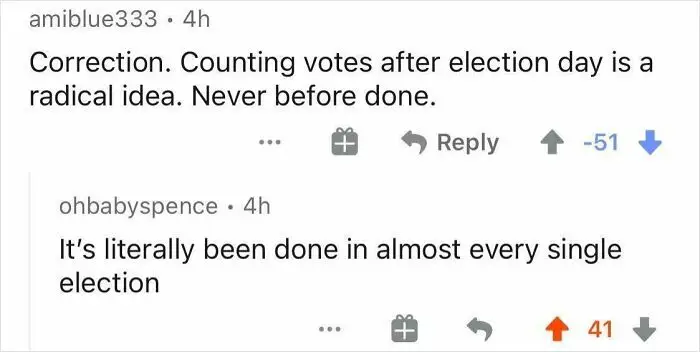
#15 “Counting Votes After Election Day Has Never Been Done Before”

Screenshot of online comments showing a confusing debate, illustrating people so dumb you might feel your IQ drop.
87points

As per a study by the University of Oxford’s Reuters Institute, just 20% of fake news stories were produced or shared by famous public figures, but these posts made up nearly 70% of the total engagements on social media.

That’s not to say that non-influencers don’t have much of an impact. They do. Sharing misinformation among your close family and friends raises the probability that it will then be picked up by news outlets and spill over into the public.

Some news outlets are so desperate for clicks and popularity that they won’t double-check the information they publish it.
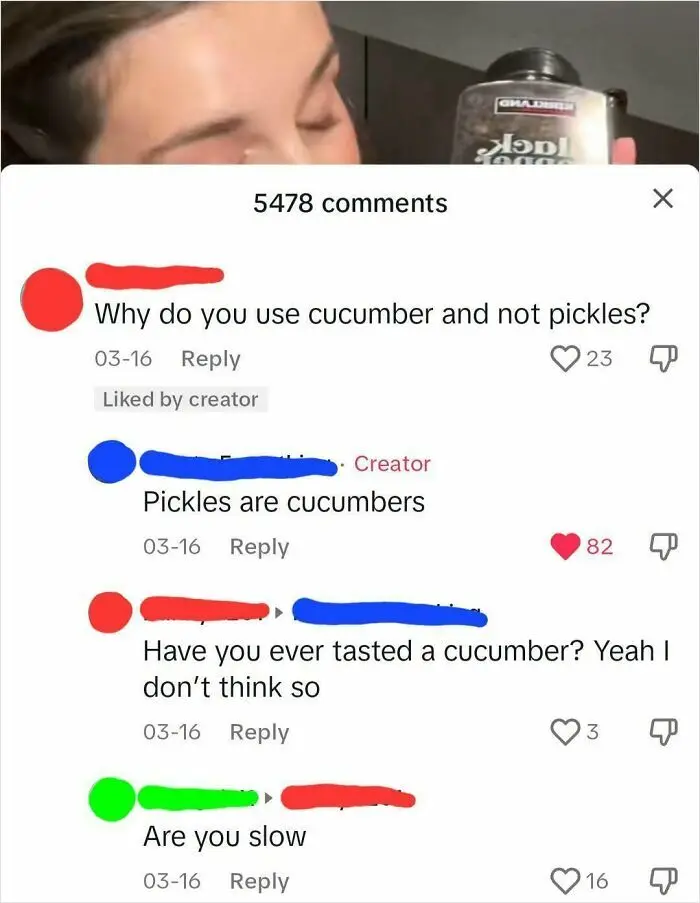
#16 This Interaction On A TikTok About Making Pickles

Screenshot of a dumb comment thread about cucumbers and pickles showcasing low IQ social media posts.
Report
81points

#17 A Homeschool Person In My Local Facebook Group Just Invented... School

Social media post discussing a confusing idea for a homeschooling center, illustrating people so dumb posts.
80points

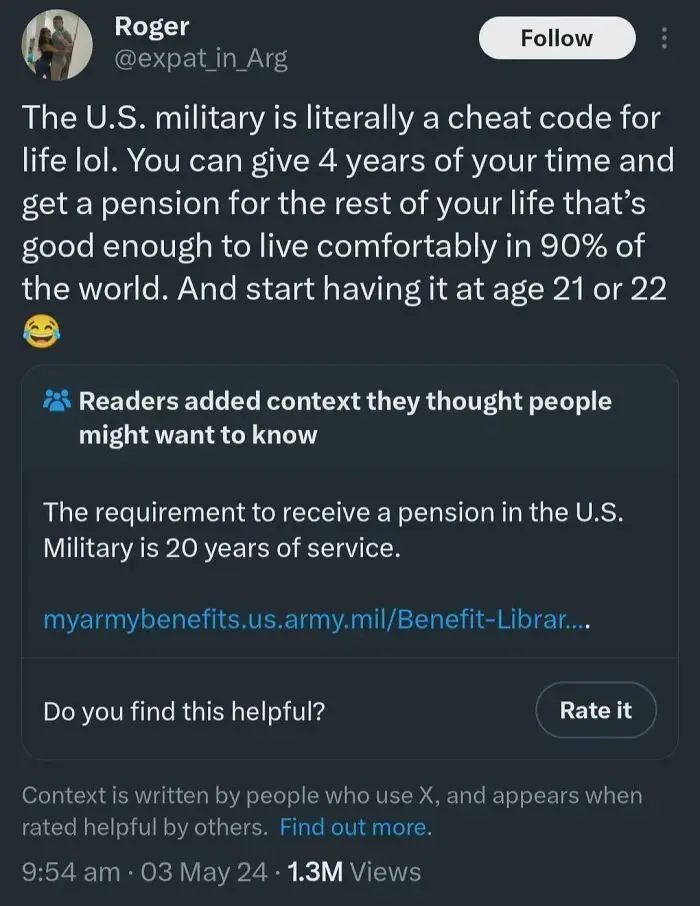
#18 The Us Military Is Like Leveling Up In Real Life

Tweet claiming the U.S. military pension requires 4 years, with reader correction noting 20 years needed, part of dumb posts.
75points

The American Psychological Association seconds the BBC’s point that people are more likely to share misinformation when it aligns with their beliefs or when it is shocking. Namely, individuals tend to spread misinfo when it matches their personal identity or social norms, and when it elicits strong emotions. On top of that, people tend to spread false claims when the info is novel.

And, like with any information, the more it is repeated, the more likely you are to believe it (even if you’re educated).

“Exposure to misinformation increases the odds that people will believe it, which in turn increases the odds that they will spread it,” the APA explains.
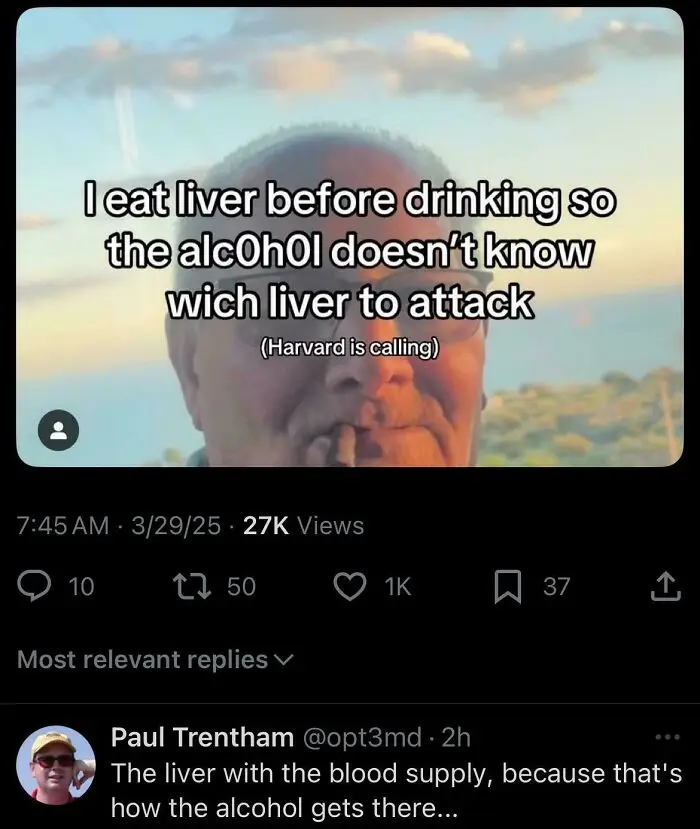
#19 Harvard Is Not Calling

Man smoking with humorous text about eating liver before drinking alcohol, highlighting dumb social media posts.
73points

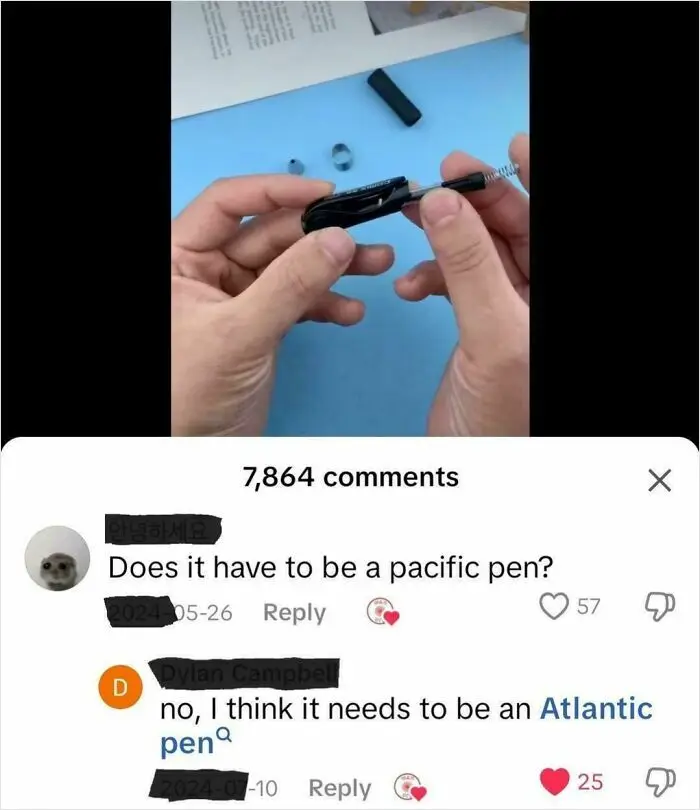
#20 Does It Have To Be A Pacific Pen?

Hands holding a disassembled pen above a humorous comment thread showcasing people so dumb in posts.
69points
71
8