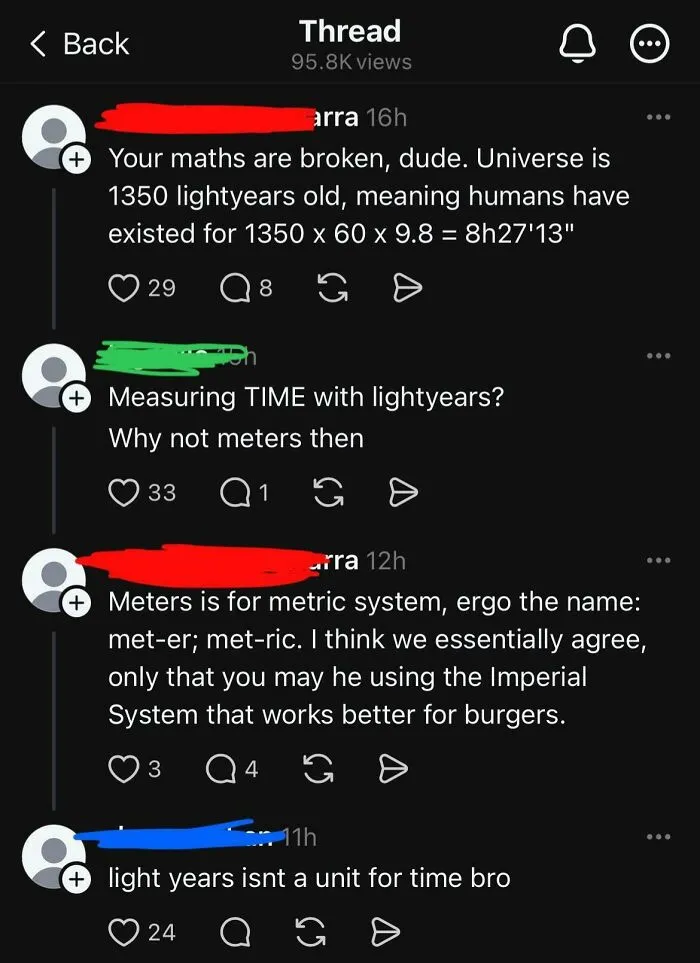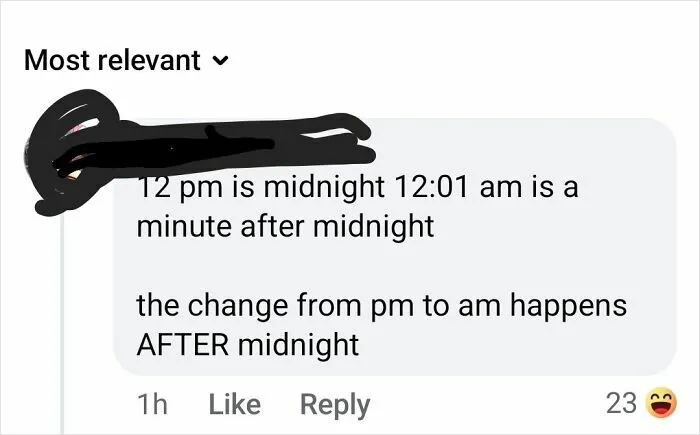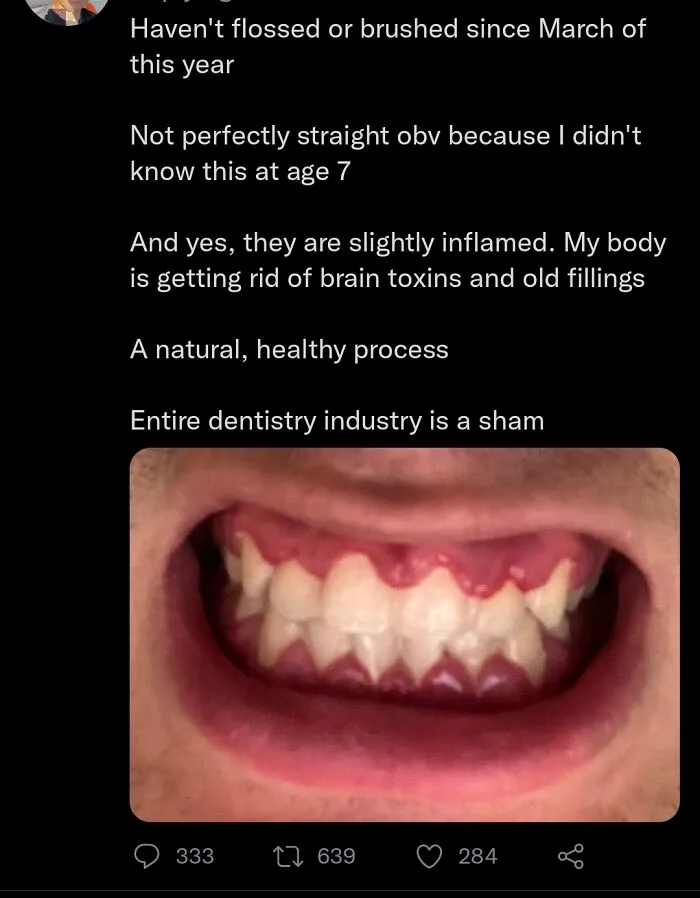


“At the same time, people do not necessarily need to believe misinformation in order to spread it; people may share information they know is false to signal their political affiliation, disparage perceived opponents, or accrue social rewards,” the APA stresses.
The difference between legacy media (TV, radio, newspapers), mainstream news outlets, and social media is that the latter often doesn’t have robust safeguards and encourages viral content with low oversight.
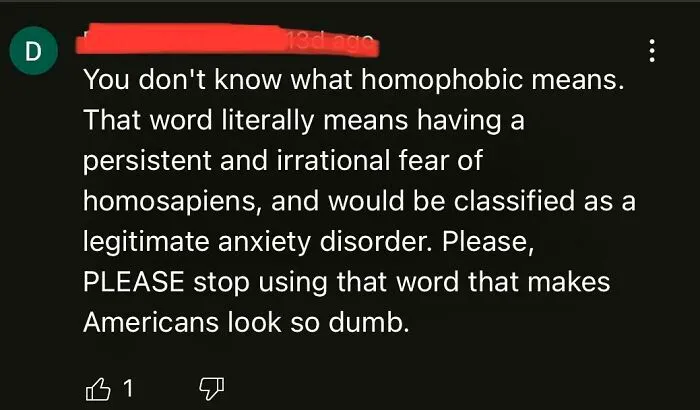
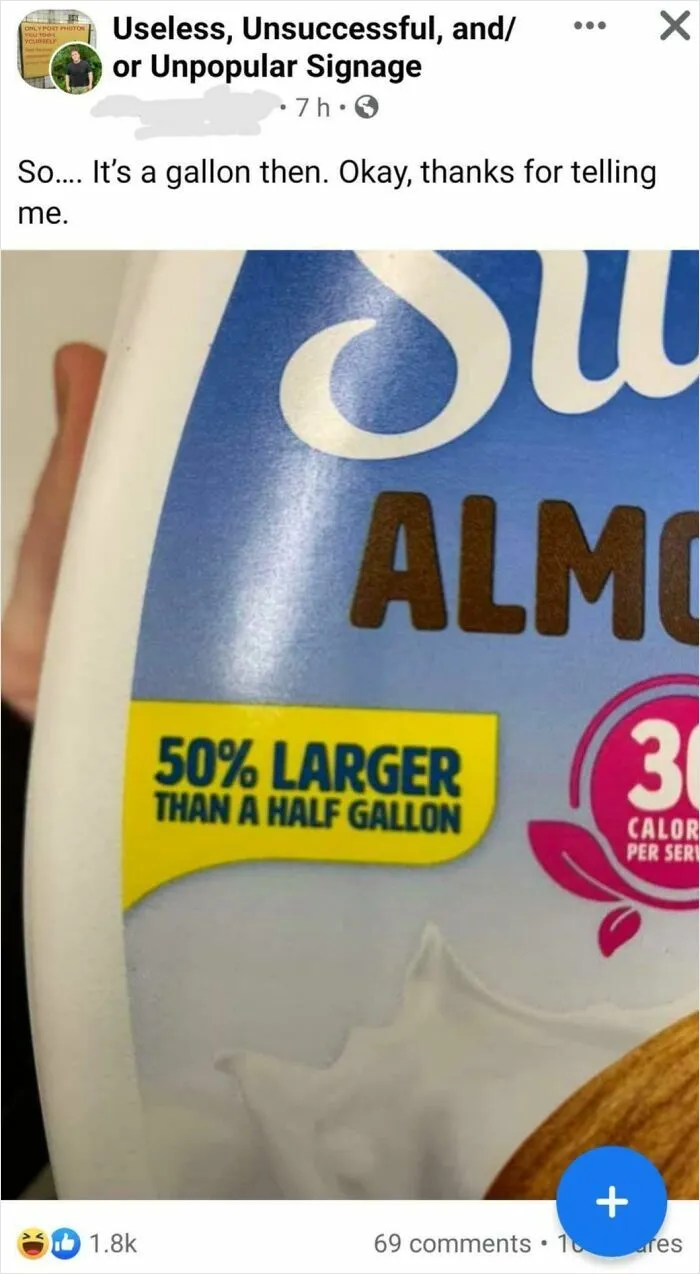
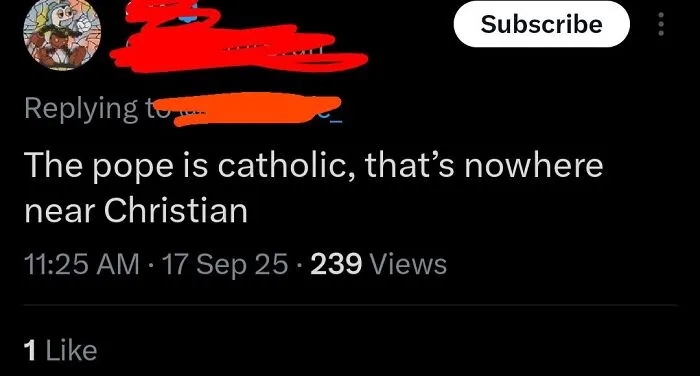
“Rapid publication and peer-to-peer sharing allow ordinary users to distribute information quickly to large audiences, so misinformation can be policed only after the fact (if at all).”
What’s more, people tend to find themselves isolated in ‘echo chamber’ communities with similar views.
In the meantime, social media algorithms tend to prioritize information that evokes negative emotions, such as anger and outrage.
The best thing that anyone can do before resharing anything they come across online is to slow down, take a breather, and think about the reliability of the claim and the source.
Trustworthy outlets fact-check their information, are transparent about their sources and where they get their data from, have strict editing guidelines, hire people with records of exemplary work, and will correct any mistakes that they make.
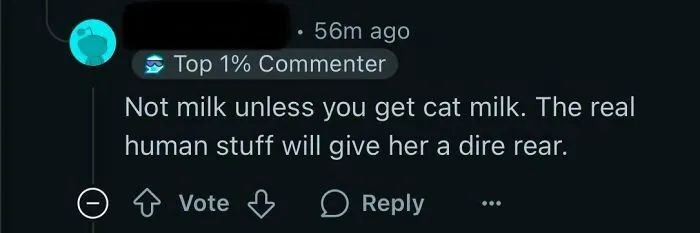


Meanwhile, untrustworthy sources tend to sensationalize or outright make up events to fit some sort of agenda or to get more clicks. They care less about the truth and more about making their audience feel a certain way.
A good rule of thumb is to be slightly skeptical of any source that toys with your emotions, presents the world as black-and-white despite its complexity, and supports all of your beliefs.
If you accidentally share or post something false or dumb on social media, the healthiest course of action would be to set your ego aside and apologize. Take responsibility for your mistake, vow to do better, and actually put that into practice in the future.
Embracing failure and admitting that you messed up might be embarrassing, but it’s also a sign of maturity. Paradoxically, it makes you seem more down-to-earth, relatable, and likable. On the flip side, if you deny that you made a mistake, get defensive, and stick to the false info you spread, you’re only pushing people away.
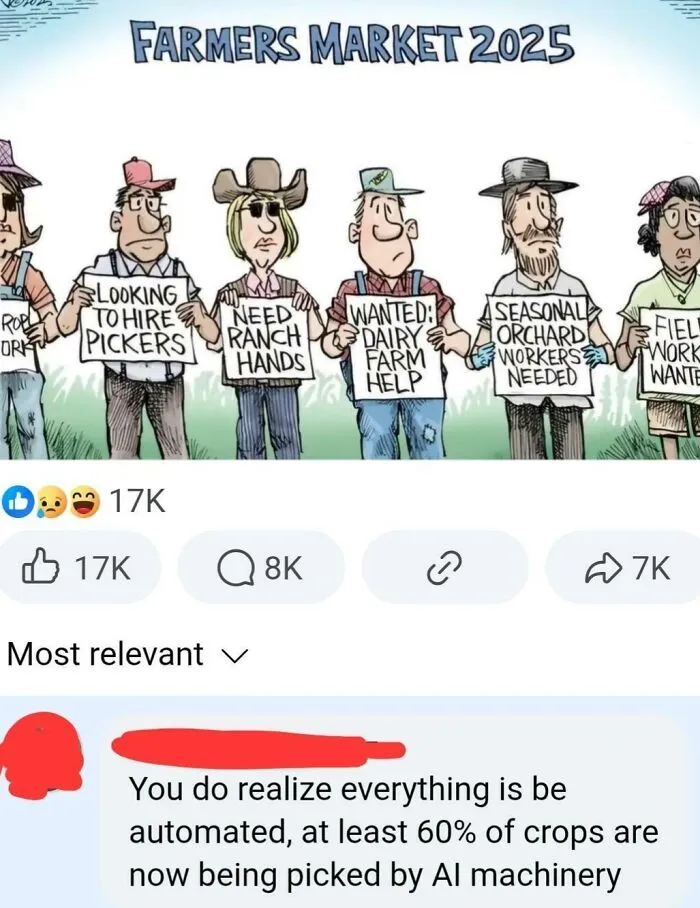
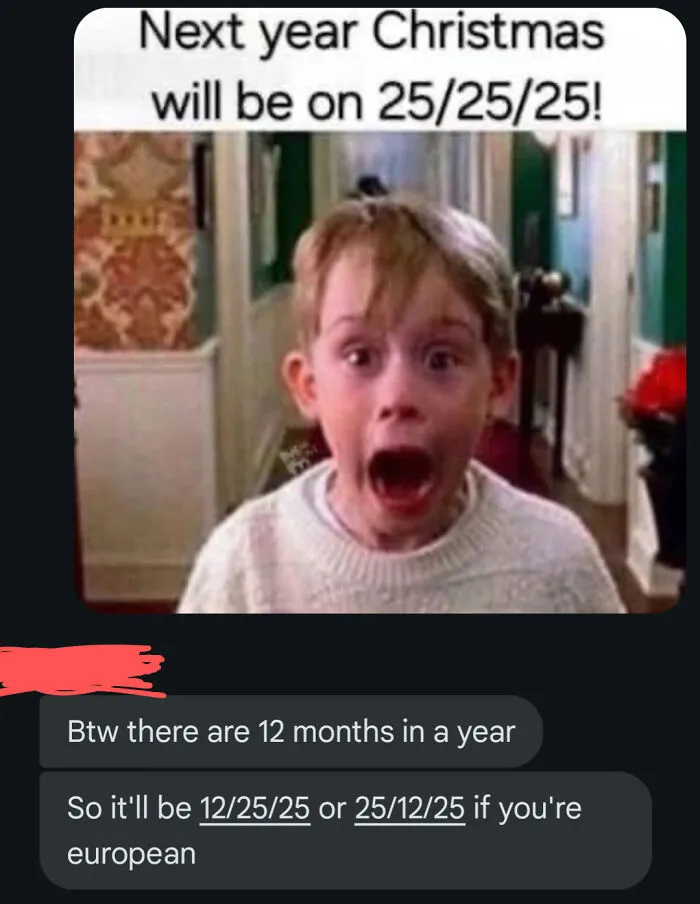
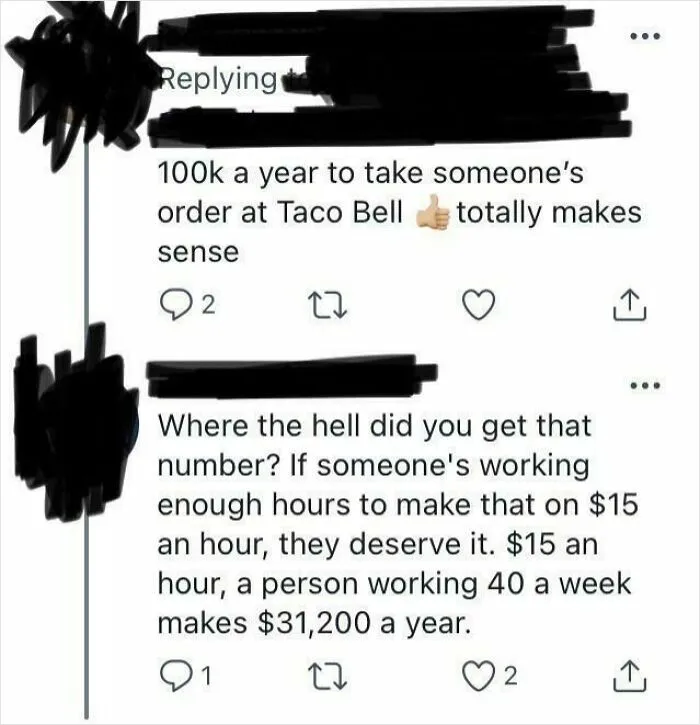
Be honest, which of these posts genuinely made you cringe the hardest? How good are you at weathering secondhand embarrassment?
What do you do to stay as accurate and factual as you can when posting online? How do you react when you come across blatantly dumb or malicious posts on social media? Tell us all about it in the comments!