



There are eight billion people in the world, each with their own unique life story. New York City is home to over eight million people, but it's the most attractive urban center in the world for a reason.
There probably isn't any other city so diverse and multicultural and so unique in its inhabitants and history.
So, today, we're featuring the renowned project Humans of New York. It's a well-known photoblog by photographer Brandon Stanton, who presents intriguing snapshots of New Yorkers in photo and story form.
Highlights
- Humans of New York shares deeply personal stories revealing resilience, loss, love, and hope in diverse, real-life experiences of ordinary people.
- Many stories highlight overcoming trauma, like triumphing through bereavement, illness, and addiction with support, determination, and community.
- The project amplifies unheard voices, raising awareness on social issues like mental health, poverty, disability, and cultural diversity.
You'd think the tales from Humans of New York were from a movie, a story made up by a brilliant screenwriter. But this is real life, Pandas. As real as it gets.
This post may include affiliate links.
#41
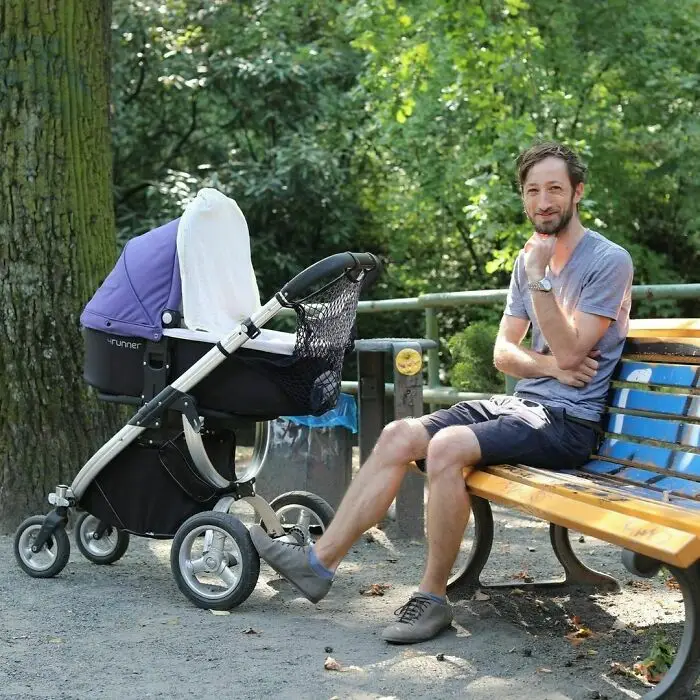
“My wife gave me our son while she’s at a doctor appointment, so I have the chance to watch him for a little bit. I’m going to bring him to lunch at the office and introduce him to my colleagues for the first time. I’m sure some of them won’t care, but I’m excited about it. It’s like my two worlds are coming together. Being a father is a huge part of who I am right now. And my colleagues are the people I spend the most time with. I’m excited for them to see why I’m so happy to go home every day.” (Berlin, Germany)
Report
17points
#42
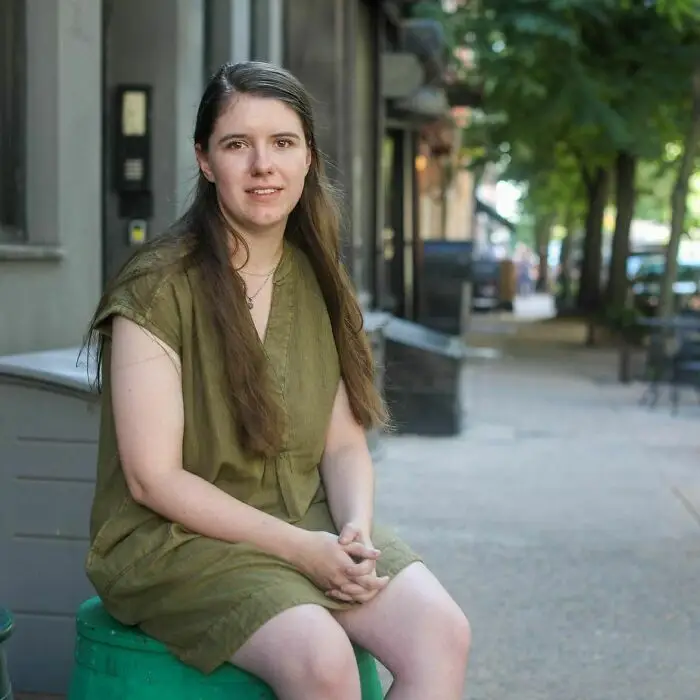
“My dad said we could do something special for my 6th birthday. ‘Anything you want,’ he told me. I think he thought I was going to say ‘ice cream.’ But I said I wanted to go to New York City, and two weeks later we were on a plane. We spent the morning of my birthday shopping at the American Girl store. Then we went to lunch at Balthazar. Afterward my dad wanted to stop by an old Irish bar called McSorley’s. He’s not a creepy alcoholic father or anything. He designs bars for a living, and he’s always looking for inspiration. It was early in the afternoon so the bar was pretty calm. My dad ordered a beer, and an old man came and sat down at our table. He looked very Irish: suspenders, loose pants, red face. And he was very, very kind. He showed us a few card tricks. He loved that my last name was O’Brien. He kept calling me a ‘real life Irish princess.’ At the end of our visit we took a photo together. And as he was leaving, he told me: ‘I’m Matty Maher. The owner of this bar. And I’ll be expecting to see you again on your 21st birthday.’ As soon as we got home, we mailed Matty the photo of us. My dad and I visited McSorley’s a few more times over the years— anytime we were in New York. I’d always send Matty a postcard in advance, to let him know we were coming. But after awhile I wasn’t a little kid anymore. The bouncer got less and less excited about letting me inside, so we stopped going. I didn’t see Matty for several years. But when my 21st birthday came around, my dad took me on one last trip to New York. I sent Matty a postcard to let him know we were coming, but I wasn’t sure he’d remember me. It was early afternoon when we walked in the bar. It was almost empty—just like it had been fifteen years before. Matty was nowhere to be seen. And I was coming down with strep throat, so I wanted to leave. But it was just like a movie. The doors swung open, and Matty came in like a ray of sunshine. He brought a plate of cupcakes over to our table. He showed me a framed photograph of the two of us—it had been hanging in his office all these years. And then he gave me a birthday card. Inside he had written: ‘I’ve finally met a woman who keeps her word.’”
Report
17points
#43
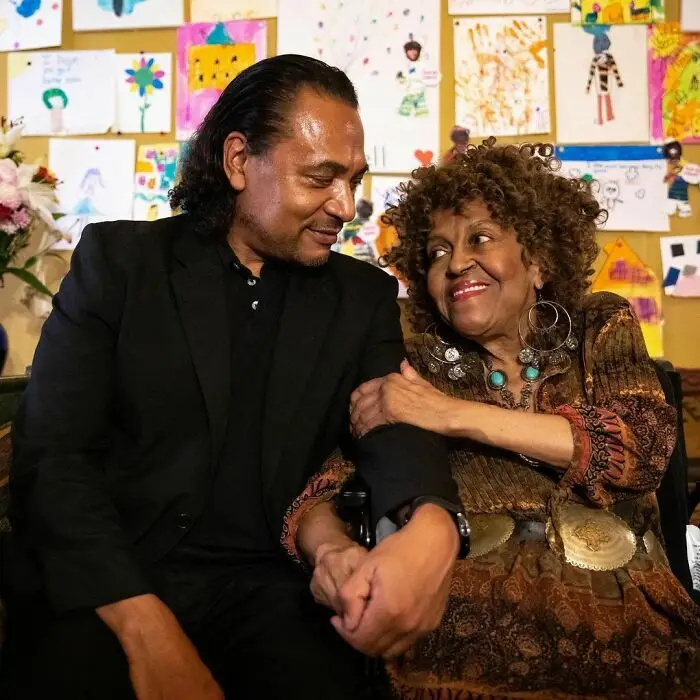
(33/32) If there’s anything that’s clear from Stephanie’s story—it’s her candor. But one condition of her storytelling has always been that we respect the privacy of her two children, and not include details about their lives. (Yes, there were two.) Many of you asked what happened to Stephanie’s first son. They have had a relationship for almost his entire life. Sometimes distant. Sometimes close. But by the time I met Stephanie, she had not spoken to him for a few years. This was clearly a source of pain for her. But Stephanie has that particular habit of people who have been hurt, where at the slightest hint of conflict, she’ll reflexively withdraw— so at least she can be hurt on her own terms. This is what happened with her son. I’d always wondered about Mitch. And during the course of our story, some determined readers discovered his Instagram account. I reached out to him and we had a long chat. As it so often goes, Mitch and Stephanie’s estrangement was based on a misunderstanding. There had been a particularly bad argument, and both were convinced that the other did not desire a relationship. Stephanie asked me to give Mitch her new cellphone number. And a couple days later they spent a wonderful afternoon together. It was the happiest I’ve seen Stephanie. ‘It hasn’t always been easy with my mother,’ Mitch explained. ‘But I know her story. And I understand her traumas. So I have nothing against her. It’s taken a lot of work—but I’ve arrived in a place of positivity. My worldview is this: ‘At all times, people are doing one of two things. They’re showing love. Or they’re crying out for it.’
Report
16points
#44
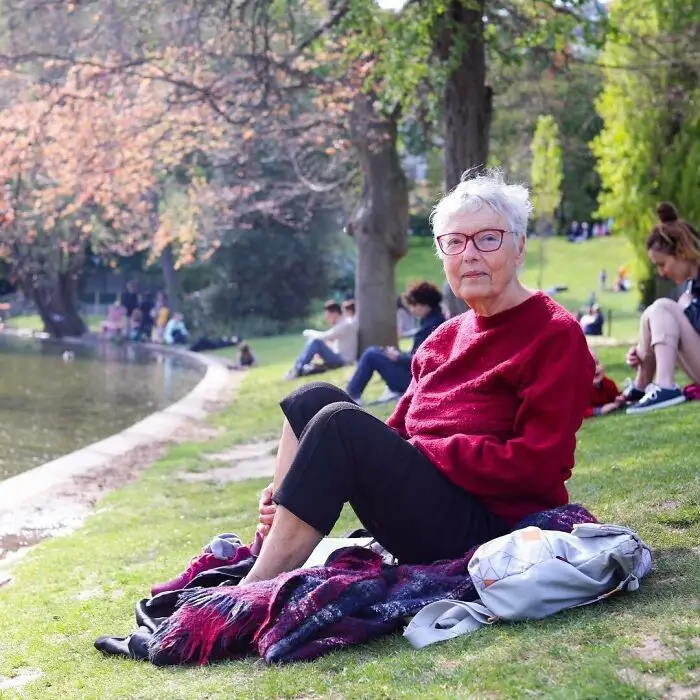
“He fell down on his birthday. We’d just celebrated with a party. He was standing on a ladder, trying to fix a shelf, and he fell. It was all very sudden. He was in a coma for a week and then he was gone. After his death, I began to write in a journal. On the first pages I wrote about his final days. I was so sad. I just needed to process what happened. But then I kept going back, back, writing everything I could remember: the walks we had together, the places we visited, museums, castles, holidays with the children. I carried a pen with me at all times. Every time I had a memory, I’d write it down. We’d known each other since we were fourteen years old. We’d take walks in this park back then—with our parents permission, of course. It’s been almost nine months since his death. I’m feeling a little better. I’m still writing, but it’s not so much about memories anymore. It’s more spiritual now. I think he's still evolving somewhere. One night I saw him in a dream. It was the young Claude. Twenty-five or thirty years old. It was so real. I don’t even think it was a dream. I could feel him there. He was standing in a doorway, dressed completely in red. And Claude never wore red. But when I reached out to hug him, the door closed, and he disappeared. I believe he's still out there somewhere. And that I’ll see him again on the other side of that door.” (Paris, France)
Report
16points
#45
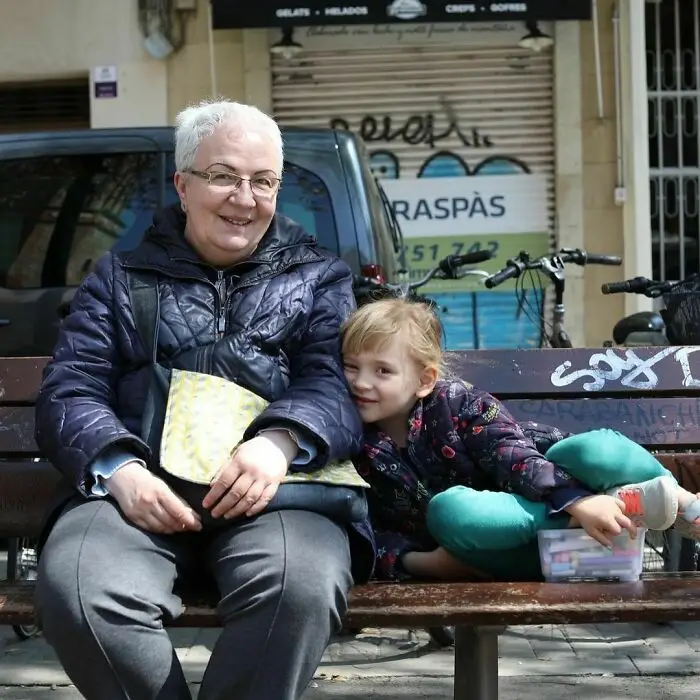
“She’s like a second chance for me. I was widowed very young. My husband died in a car crash. Our daughter was only six at the time, and I barely got to see her because I was always working. She was mainly raised by my mother. I remember on the weekends she always wanted to go to the cinema, but I’d suggest other activities because it was our only chance to talk. But things are different with my granddaughter. I have all the time in the world. I can focus on her completely. She lives in another town, but she visits once a week and we spend the whole day together. I look forward to it all week. I prepare her favorite foods-- mostly cheeseburgers because she loves cheeseburgers. We go on walks. And we sit in the park. And we paint a lot. And we read books. This morning we played hide-and-seek in the apartment. Her head was always sticking out, but I pretended not to notice.” (Barcelona, Spain)
Report
16points
#46
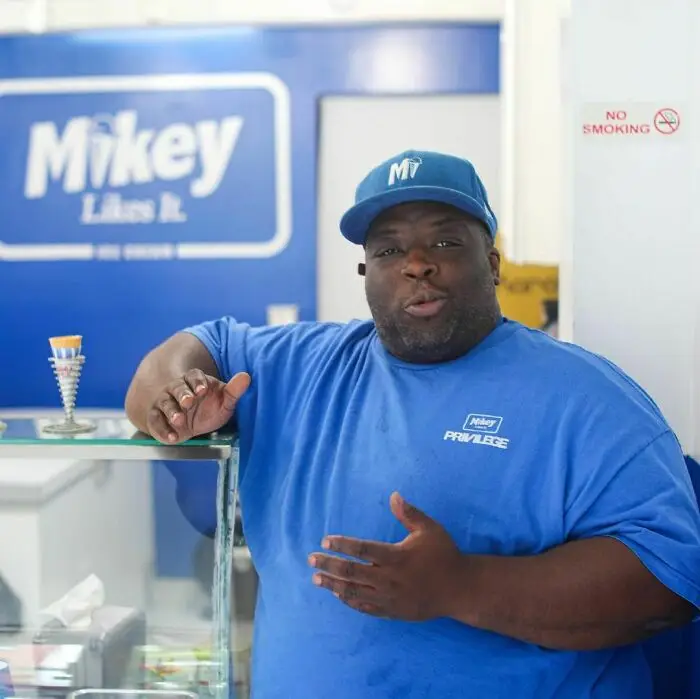
“I wanted to go to the NBA like everyone else. I played sun-up to sun-down. But I’m 4’11,” huskier than a muthaf**ka. It wasn’t happening, sir. So I opened up a sneaker store with the kid who caught Barry Bond’s 756th homerun. But then my Aunt Lucy passed and I was over at her crib, cleaning out her closet. I’m reaching up for the top shelf and mad s**t fell on me, one of them is a cookbook. Two recipes popped out: ratatouille and vanilla ice cream. Now I don’t know what the f**k is ratatouille, so I says let me see what this ice cream be about. I had no machine, no nothing. I put the ingredients into a bowl and popped it in the freezer. It was trash. So I was like we gotta change this. I went to Bed Bath and Beyond and got a tabletop ice cream machine, and then it was like: ‘Oh, I see what this is.’ People started coming over to my crib. They’re saying: ‘Mikey, this ice cream is damn good.’ Then somebody told my mom that I was an ice cream man now, and I wasn’t gonna sell weed no more. She got so excited I was like: ‘S**t, now I gotta open up a shop.’ I’m gonna be honest—I thought it was put the scoop in a cup. But it’s a whole bunch of other s**t too. I got no line of credit, no nothing. I just use whatever cash is coming into the register. Every time I run out the bill collectors come and throw stones at me. If Ben and Jerry’s grew up in the hood, that’s what we’re dealing with here. But we’ve been open for eight years. Black Enterprise Magazine called this place a ‘safe haven.’ You know how every gangsta’s got a grandma saying: ‘Sit down baby, have some food.’ That’s what this about. It’s bigger than ice cream. I grew up two blocks from here, so on Thanksgiving I’m blasting out hot food in the projects: turkeys, sandwiches, mashed potatoes. We put on for the community. That’s what we do. Cause if you ain’t doing it for the community, that means you’re taking. We like family here. My employees are like my kids. That’s why I stay blessed. I’m gonna put one of my shops in every neighborhood. Imagine how many kids I’m gonna take off the streets. I'll take em' from pants saggin' to: ‘Welcome to Mikey Likes It.’”
Report
16points
#47
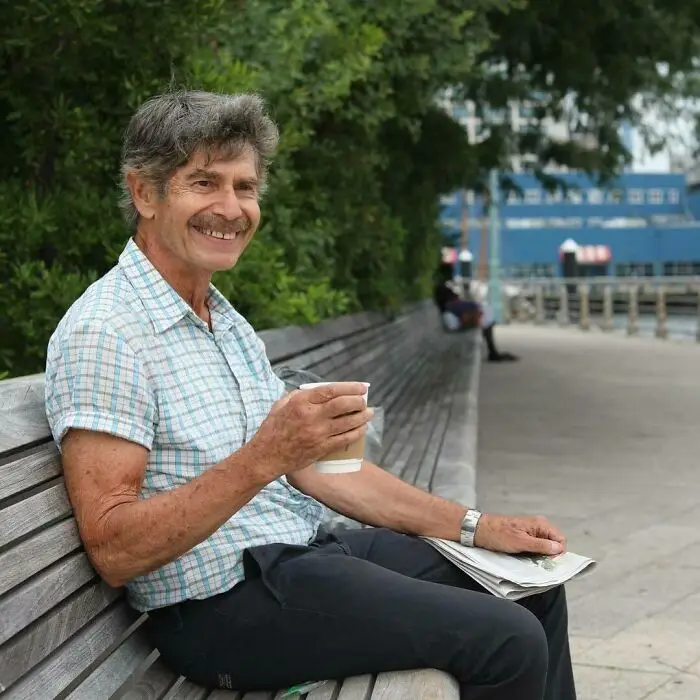
“I love walking around the city. I catch the Metro North train at 11:40 every morning. I go to the same gym that I’ve been going to for forty years. Then I just start walking. If you take big strides it really stretches you out. And there are millions of other people walking around. You never feel alone. People smile at you. On weekends I’ll bring my granddaughters with me and we’ll tour different neighborhoods. We’ve seen ten or twelve so far. Sometimes I get to borrow them for the whole afternoon. But they’re at sleep away camp right now so I’m missing them a lot. And that’s about it. I do a little shopping at the thrift store. I stop and read the paper. I eat at outdoor restaurants. It’s simple but I found what makes me happy and I’m doing it. And when I’m heading home at night, sometimes I think: ‘I just had the best day of my life.’”
Report
15points
#48
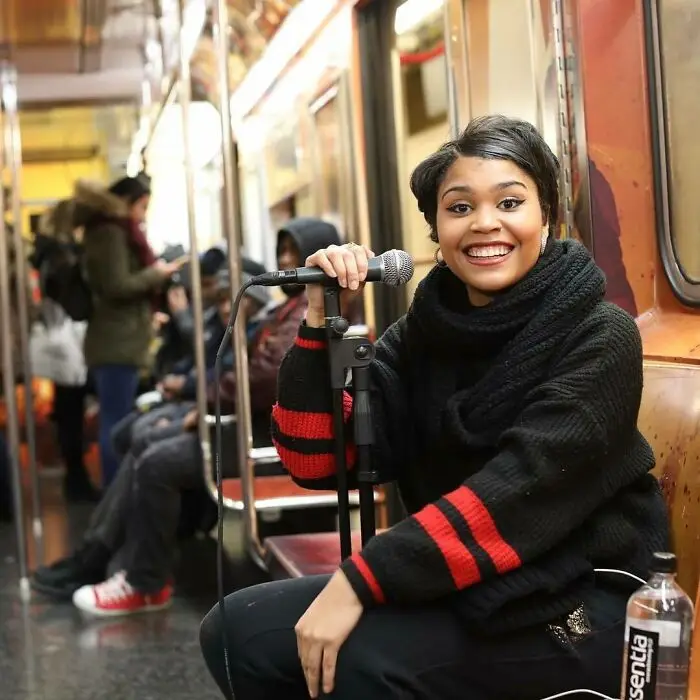
“It happened so quickly. I’d just quit my job at an after school program. I’d been unemployed for three days. I was waiting for my train at the 125th Street Station, and I noticed so much animosity. It didn’t feel like a sharing and caring kind of place. So I said to myself: ‘I’m going to help change the pace.’ I went to visit my high school chorus teacher-- Mr. Williams, and I told him: ‘I want to sing on 125th Street.’ He thought it was great idea. He said that he’d done the same thing when he was my age. Together we found a cheap amp and microphone, and I gave it a try. My first day was a Tuesday. I stood on the downtown platform. I’d never sung in public before. I was so nervous that I couldn’t find my voice. I wasn’t exactly mute, but I wasn’t fully singing either. Then an old lady came up to me. I’m pretty sure she was an angel. She told me: ‘Sing Whitney Houston.’ Then she stood there, and kept saying: ‘Louder, louder, louder,’ until I was singing full volume. I made $60 that day. And I got so much positive feedback. Now I’m singing four days a week and making enough to provide for me and my daughter. And I get so much love. So much love. So, so much love."
Report
15points
#49
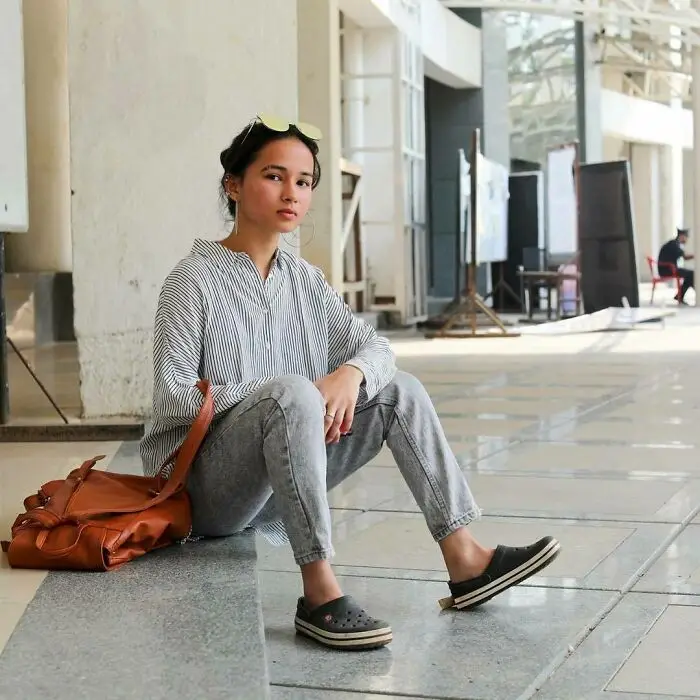
“I didn’t get accepted into any of the universities that I wanted, and I ended up going to a lesser quality school. I hated being there. On the first day, I thought about buying a plane ticket and going home. I felt like I had nothing in common with the people around me. I felt like they belonged and I didn’t. My plan was just to survive-- get through six lectures a day, keep to myself, and get back to my dorm room as soon as possible. I didn’t even talk to my own roommate. I’m ashamed of it now. I was so rude and self-centered, and it ended up making me lonely and miserable. I felt depressed. I was barely sleeping. Then one night I overheard my roommate talking on the phone with her mother. And I could tell she was having family problems. After she hung up, we stayed up all night talking. I told her that I was having a hard time too. She became my best friend after that night. We’d have dinner together. Whenever I left the room, she’d ask me where I was going. It felt so good to have someone worry about me. It’s been an important six months for me. I’ve realized how much I need other people. By not valuing the people around me, I was only hurting myself.” (Mumbai, India)
Report
15points
#50
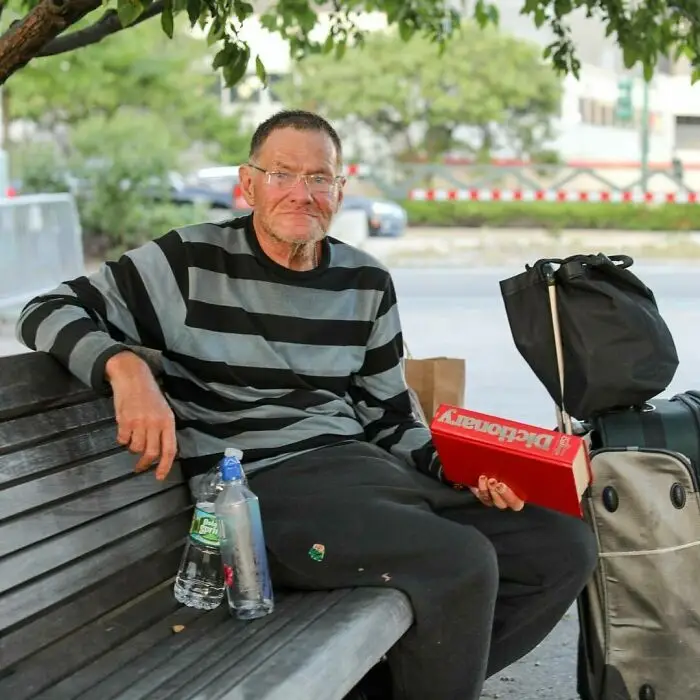
“Last week I was picking through the trash, looking for bottles and cans to recycle, and my social worker walked by with her family. She walked just a few feet from me. And I know she saw me. But she didn’t say a thing. Not even ‘hello.’ I asked her about it during our next meeting, and at first she denied seeing me. But then she told me that she had been in her ‘private space.’ That really put a stake in my heart. Why can’t you say ‘hello’ to me in your private space? So I’m writing her a letter. I’m using a dictionary because I want the words to be perfect. If you mess up your words, then it’s easy for people to ignore what you’re trying to say. And I want to be sure she knows exactly how it made me feel.”
Report
15points
#51
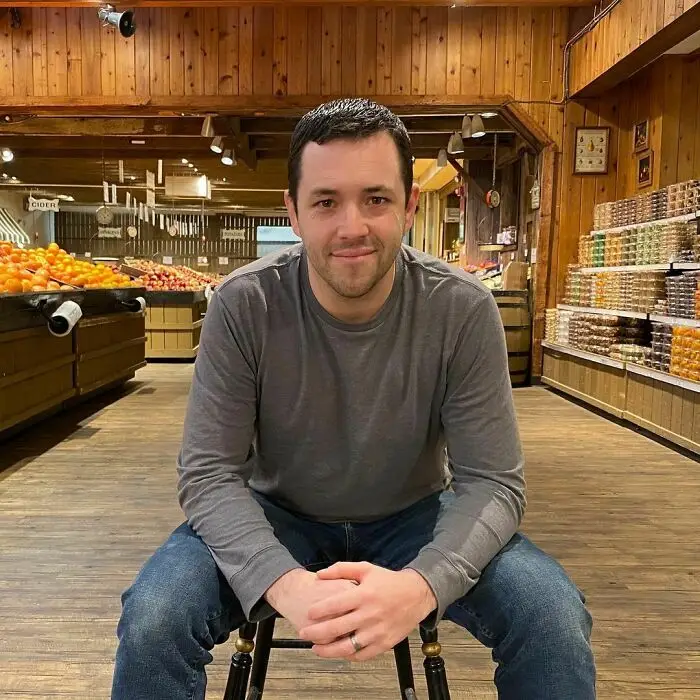
“I’ve never seen the man read a book in his entire life. One time I saw his high school report card—and the only class he got an ‘A’ in was gym. His parents never had any money. So right after school he got a job stocking produce at a local food market. The owners realized that he had a knack for numbers, so they promoted him to manager at the age of twenty. He met my mother at the store. They got married. And not long afterward I came along. For as long as I can remember, the store has been a huge part of his life. He worked six days a week. He saved enough money to buy out the other owners. But it was never an obsession or anything. Whenever he was home with us, he was fully present. His family was his sweet spot. He never needed to hang out with his buddies. He was madly in love with my mom. And his idea of a good time was spending time with his kids. I used to think that dad was just a ‘family man.’ But as I got older, I realized that his ‘family’ extended to the folks who worked for him. Nobody ever leaves our store. We have fifteen managers-- and the newest one started ten years ago. Our employees stick around because my dad has always taken care of them. He has their back—through divorces, parenting issues, health problems. One of our managers has a brain condition, and my dad’s the one who drives him to the appointments. Sometimes he’s too generous. He’s been burned before. But he kinda doesn’t care. He just keeps pushing in all his chips for other people. The man has a handwritten note from Mother Teresa because of all the food he’s given away. If you came into the store today, you’d find him stocking produce—just like he was doing when he was eighteen. He loves to tell people that he works for his children, and that we can fire him at any time. Everyone thinks he’s joking. But he’s not. On the day my dad got full ownership of the store, he signed over everything to his four kids. I was in the room when it happened. His lawyers and accountants tried to talk him out of it. They told him: ‘You’re giving away everything. You’ll never be able to stop working.’ And he replied: ‘I was poor when I started this thing. And that’s how I plan on leaving.’”
Report
14points
#52

“We’d get in these blowout fights whenever she asked me to stop drinking. She’d try to tell me to slow down. Or that my behavior was ridiculous. Or that she loved me and she wanted me to be healthy. But it just seemed like she was trying to interfere with my life. Your own selfishness becomes completely invisible when you’re that addicted. And the more a person cares-- the more they become an obstacle. It’s horrible because you start hating them for loving you. It would be so much easier to escape if nobody cared. But somehow she stayed. It’s hard to imagine why because she had every reason to go. But this summer we’re getting married. And I’ll be three years sober this April.”
Report
14points
#53
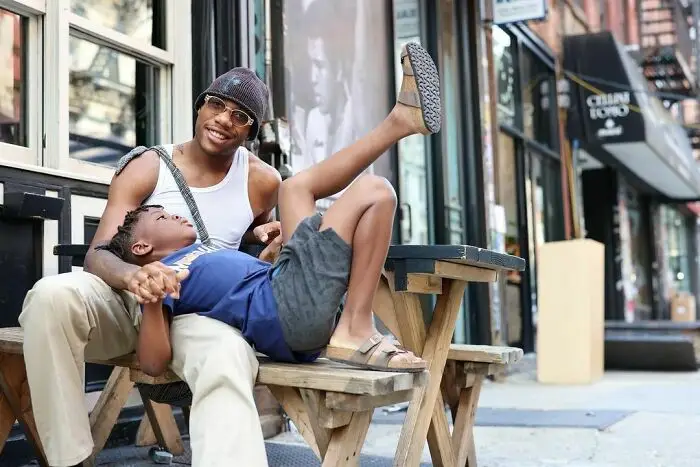
“His mother wanted a break. You know, it’s hectic. She’s a single mother. She just bought a house. It’s a lot taking care of a kid on your own. She thought maybe it would be a good experience for him to come live with Uncle Olasegun for the summer. As soon as she suggested it, I was like: ‘I want to do this.’ And here’s the reason: she did the exact same thing for me. We lost our mom when we were kids. I was really young at the time— like three. Whitney was twelve or thirteen. She and my other sister ended up taking care of me: cooked for me, took me to school, made sure I had a shower, brushed my teeth. Back then I thought she was annoying, because of my ignorance. But now it’s crazy for me to think about. It must have been such a burden. She’d be hanging out with her friends, and I was always there. So I’m just trying to pay it forward. I picked him up from the airport last night. I have no idea how the summer is going to go. I like to cook, so I’ll cook for him. Maybe we’ll paint a little in the evenings. I’m going to teach him some kickboxing on the terrace; hopefully that’ll tire him out so that I can get some work done. I’d love to be a father one day when I find the right woman. So it’s going to be a good test for me. I’m just hoping he has fun. And when he goes back home, he tells his mother all about the amazing summer he had with his uncle.”
Report
14points
#54

“I’m on the way to buy soft drinks for my mother. I also fetch water, and sweep, and help her wash clothes. She calls me ‘boss’ because I work so hard, but I love to help her because she cares for me so much. She buys me clothes. She reads me storybooks. She sings me gospel songs. She helps me with my homework. She gives me medicine when I’m sick. One time she baked my friend a cake because his parents couldn’t afford any presents. I’m going to buy her a house one day. She’s very dark and beautiful. I really have a wonderful mother.” (Accra, Ghana)
Report
14points
#55
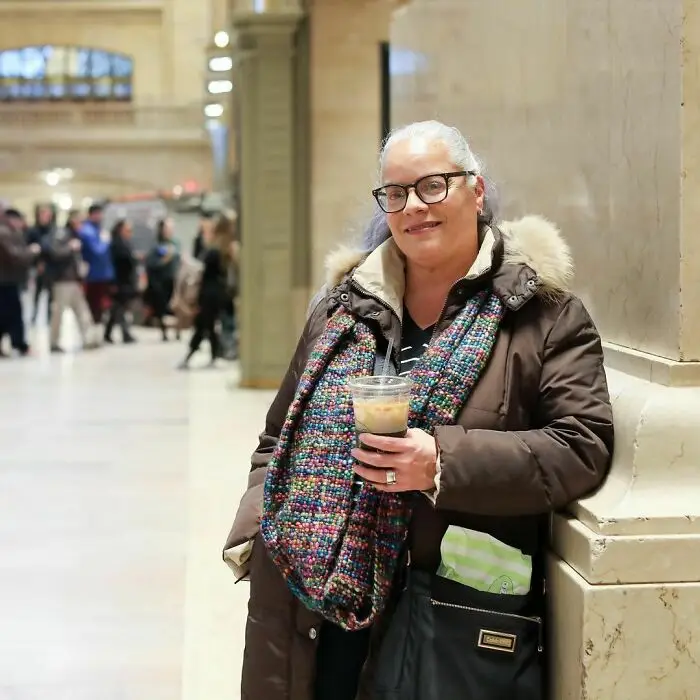
“Nobody would give us a chance. We were in our early twenties. We had two young kids. We were working, but living check to check. At the time we were staying in the projects with my mother-in-law, but my kids were growing up, so we needed our own place. But all the rental brokers wanted to see our bank statements. And we had no savings. We didn’t even have accounts. Then one day I was walking down the avenue, and I saw a super fixing up an empty apartment. I told him I needed to speak to the landlord directly. No brokers. And I guess he liked my vibe, because he gave me the name: Ronald Petrowski. When I called Mr. Petrowski, I explained everything. I told him we needed a chance. He agreed to meet me and my husband at Lenny’s Pizzeria. He bought us a plain pie and listened to our story. He’d grown up poor himself, so he knew the struggle. And he gave us a chance. We’ve been in that apartment for 35 years now, and I’ve paid him every cent. We’ve fallen on hard times. At one point I owed him an entire year of rent. But he was so gracious. He never sent us an eviction notice. Every time he came to collect, he’d sit at our kitchen table, have a cup of coffee, and listen to our situation. Mr. Petrowski is my hero. He sold the building a couple years ago, but we still keep in touch. That man gave me a home to raise my children.”
Report
14points
#56
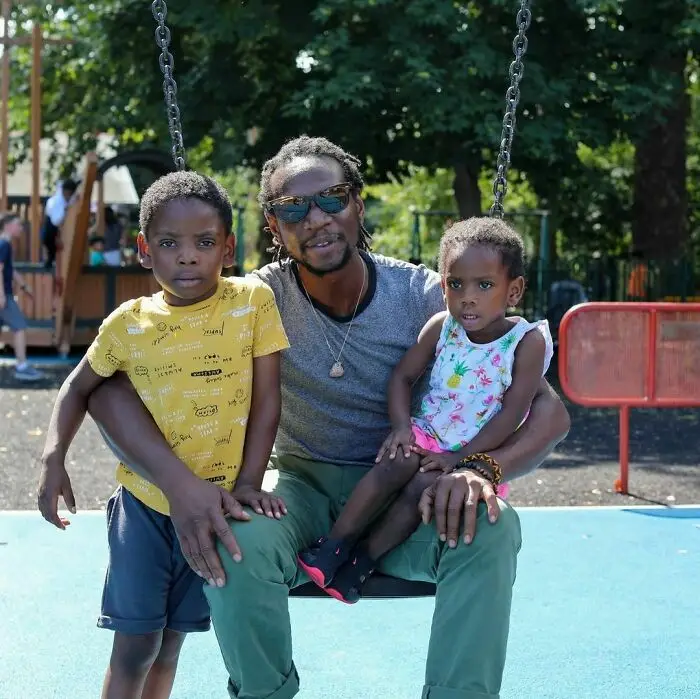
“I’m the best uncle. I think it’s because I have a little more energy in the reserve tank, since I’m the only one of my siblings without kids. I’d love to have children but just haven’t had the chance yet. But I do have twelve nieces and nephews, and I try to see them as much as I can. This morning I called my sister and offered to take these two for the day. I know how much she needs the free time. Just a chance to get stuff done. Maybe get out of the house for a few hours. And no matter how crazy it gets with these two, it’s always stress free for me. It’s just golden. I always want them to have someone they can come to that’s not their mum. They have a great relationship with their mum. But mum is always mum. And you don’t want to disappoint her. So if you ever have a problem, or you get in a little trouble, and you’re afraid to tell someone—but you still need some guidance-- that's when you come to Uncle Markus.” (London, England)
Report
13points
#57
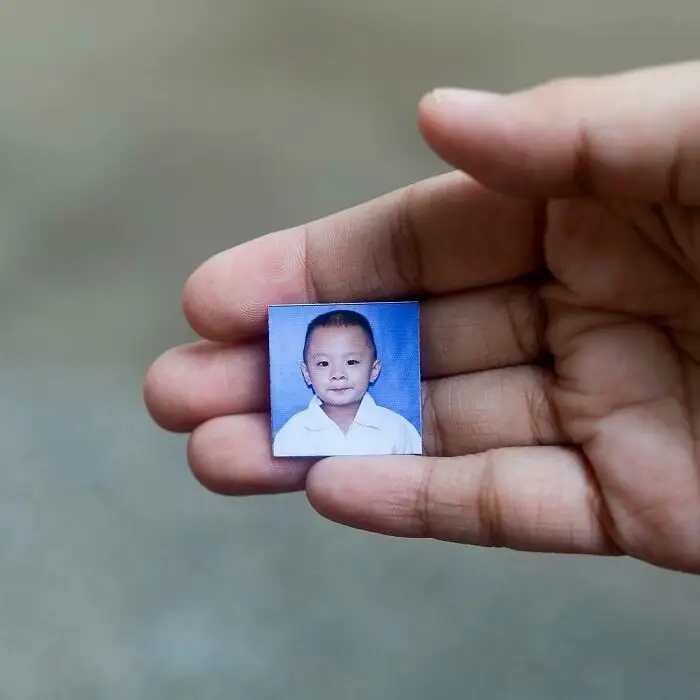
“My boyfriend left as soon as I got pregnant. I was terrified to tell my father, but he discovered my pregnancy test hidden in a drawer. He didn’t speak to me for a few days. We’d always been close, so I knew something was up. Finally he asked me if I wanted to tell him something. I began to cry. I thought he was going to kick me out of the house. But he just went to speak with my mom in the other room, and when he came back, he asked what I planned to do. I told him I wanted to keep the baby, and from that moment on he was very supportive. He cooked me all kinds of dishes whenever I had cravings. He gave me words of encouragement. He started saving money in case I needed a cesarean section. But during my seventh month he came down with a fever after wading through floodwater. The next week it turned into a cough. We took him to the hospital, went home to get clothes, but he died by the time we got back. It was so sudden. I had no idea what I was going to do. I got all my strength from my father. It seemed like keeping the baby had been a mistake. It’s been a tough few years. I had to drop out of school and find a job, but my son is doing well. He’s very smart. He comes home from school with stickers and stars. He’s a ‘Mama’s boy.’ It’s been hard, but I’ve proven to myself that I didn’t have to end a life just because I couldn’t face it.” (Manila, Phillipines)
Report
13points
#58

“It wasn’t a secret. The first day we met I told her I was bisexual, and that I’d been with men and women my entire life. At the time she shrugged it off. And it wasn’t an issue for the first ten years of our marriage. The relationship was perfectly loving and stable. But then I don’t know—something happened. It wasn’t a particular man. I never cheated on her. It was something abstract. I just missed relationships with men. So I told her. I was honest. But when I uttered that thing it was like a bomb went off. She turned away her face like she’d been slapped very hard. It caused her so much pain. She lost a lot of weight. We cried and cried and cried about it. For three years we cried. We’d meet at Starbucks every day and cry in front of everyone. We didn’t live together after that. And we were never sexual again. But we were still intimate. We still took a lot of naps together. I always held her. We’d go shopping and walk arm-in-arm. She kept my last name and called me her gay husband. Her health began to deteriorate in 2007. It was a nerve disease. She lost her hearing. Then her sight. And I took care of her. She always told me to forget about her. To go out there and find a good guy. But I stayed by her side. We’d never officially gotten divorced, which helped in the end. They let me in the hospital room as her husband. I wasn’t allowed to touch her, but I was right next to her as she died, breathing with her. It’s been two years now. I’ll move away soon. There’s nothing left in this city for me. But first I’m going to have a ceremony in Central Park, and give an envelope of her ashes to everyone who loved her. I don’t know whether to call her my wife. It’s not important to me. Alexandra was the love of my life.”
Report
13points
#59
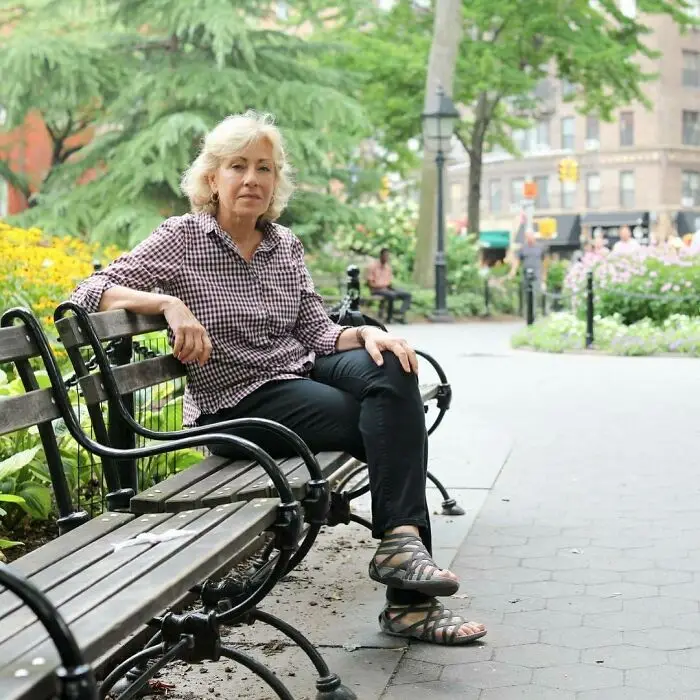
“I started my career as a teller at a community bank in Florida. I was in my early thirties. At the time I had a young child and I just needed a way to pay my rent and car payment. But I kept moving up. I wouldn’t say I’m overly ambitious. It didn’t come from a place of ‘I need more.’ I just have a lot of energy. And I’d always ask the next question or apply for the next job. So I worked my way up to CEO. It was demanding but I enjoyed the position. I was handling it quite well until a few years ago when my husband passed away. Then my mother. And then my best friend. All of this happened in a single year. I’d never even lived alone before. Suddenly I felt unanchored. I reached this place of ‘what do I do now?’ I couldn’t go back to making more money. So I decided to make a change. I went back to college to get a Master of Public Administration. And right now I’m actually on the lunch hour for my final class. I’ve already got a job waiting on me back home. I’m the new Director of Broward County's Business Council on Homelessness. We’re working toward getting homeless people into permanent housing. And I’m really excited. I want to do a great job. I’m in a place where I can change some lives. It feels like I've moved from success to significance.”
Report
13points
#60
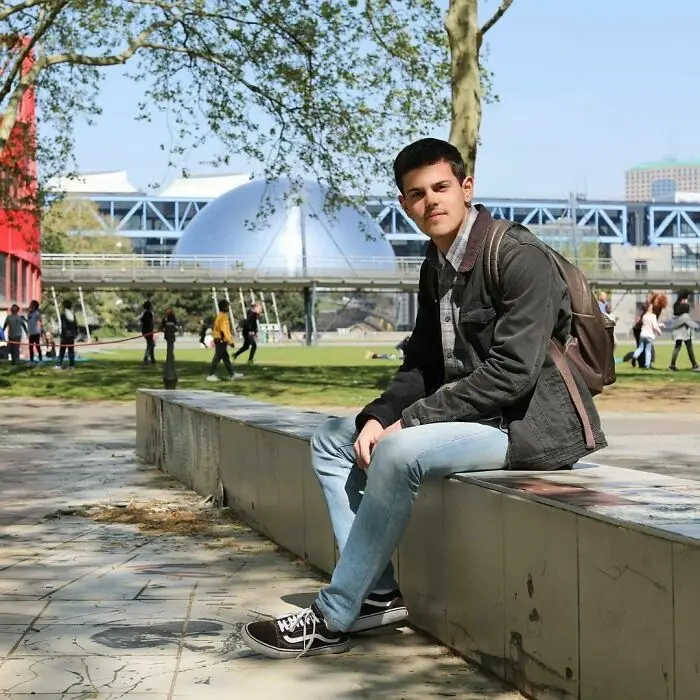
“I knew from the beginning. My mother is also dyslexic. And so are my two brothers. So I began going to therapy very early. It was more than just writing backwards. I’d switch up letters and syllables. Sometimes I’d invent words. Reading was so difficult that I’d avoid it unless absolutely necessary. Books were nothing but pages and words to me. I was never able to ‘escape’ into the world of a book. I could never get into that bubble. I tried my best on literature assignments, but my grades never improved. So I focused on math and science instead. But when I was sixteen I had a French teacher named Monsieur Meyronnet. He was young. It was his first year of teaching. And one day he asked me to stay after class. I was sure he wanted to talk about my poor grades, but instead he told me that he recognized my enthusiasm. He said that he understood my difficulties. And he promised I could overcome them with reading. He gave me a list of books, and he suggested we read them together. Every day we’d meet during lunch and discuss what we’d read the night before. I wanted to impress him so I always read more than he expected. When we got to the end of the list, he started letting me choose the books. I finally learned what it meant to ‘escape’ into a book. My writing got better. My speaking got better. Now nobody knows I’m dyslexic unless I tell them. Monsieur Meyronnet ended up moving to the South of France. But I’m still reading. I’ve read over fifty books in the past two years. And whenever I finish one, I send him an email with my thoughts.” (Paris, France)
Report
13points


