
Grief can make even the smallest things feel irreplaceable. Something that looks ordinary to everyone else might hold years of memories for someone who has lost a loved one. It could be a favorite toy, an old piece of clothing, or a spot in the garden that becomes a source of comfort when everything else has changed. That's why deciding what to keep and what to let go of can be so difficult after a loss.
This became particularly complicated for one new homeowner who bought a house from a couple who had lost their child. The previous owners had left behind a children's swing attached to an oak tree, and when the new homeowner eventually took it down during renovations, they received an angry call.
There is a delicate balance between being compassionate toward someone else's pain and allowing it to become your own burden

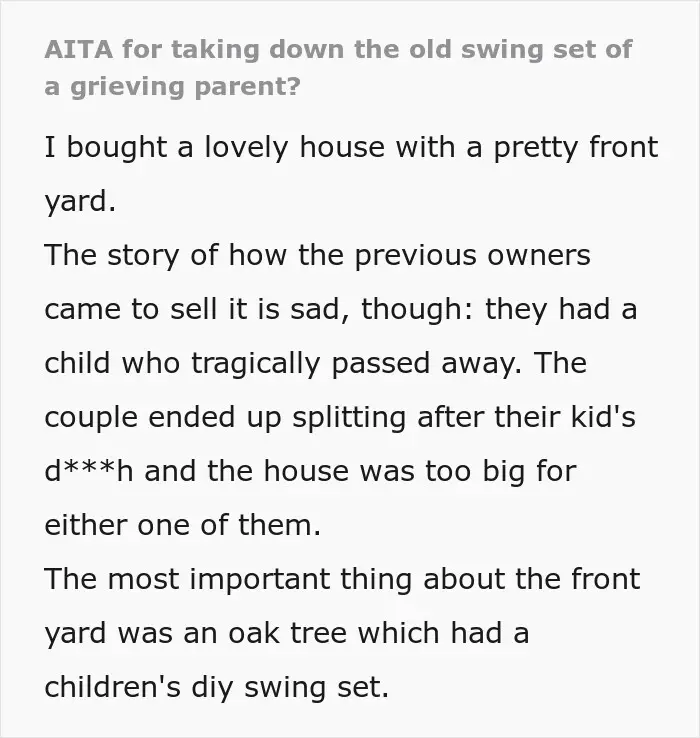
A woman bought a house from a couple who lost their child and left behind a swing set because of its sentimental value
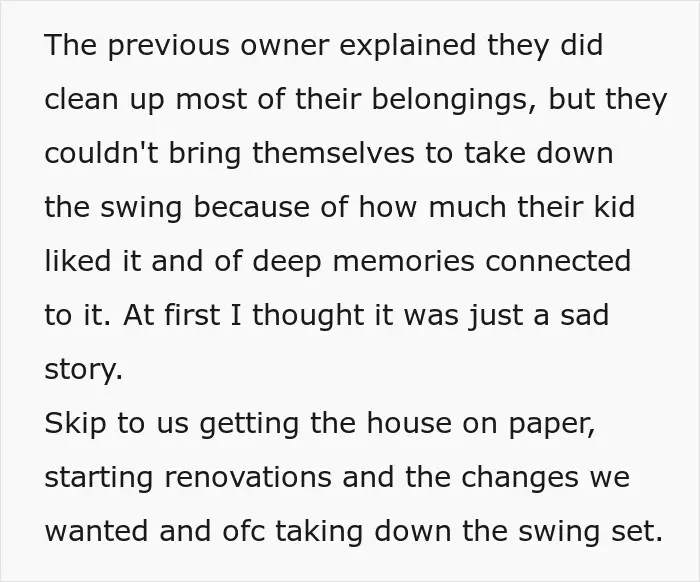

During renovations, she removed the swing because she has no use for it and considered it unsafe and unpleasant to look at
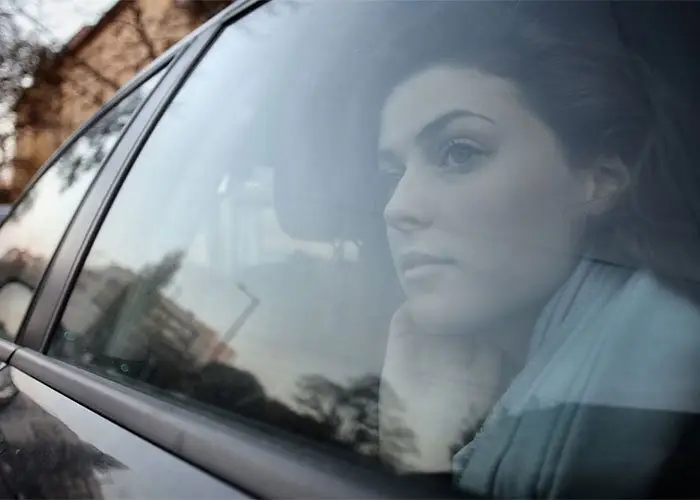
The child's mother called her furious, accusing her of destroying the last memory of her child, leaving the new homeowner questioning whether she did anything wrong
Objects associated with someone who has passed away can bring back powerful memories and emotional responses, and Psychology Today refers to this as continuing bonds. These objects can provide a sense of closeness when the person themselves is no longer there. Their value isn't necessarily financial or practical, but it's the memories and feelings they help preserve.
Psychologists have long studied how sensory experiences are connected to autobiographical memory, and research suggests that familiar cues can help people recall personal experiences and the emotions attached to them. This is one reason people may struggle to discard seemingly insignificant possessions. They aren't necessarily holding on to the object itself, but to the experiences and relationships it represents.
Grief can also be triggered by things people don't necessarily expect. Reminders of a lost person can bring back powerful emotional reactions, even after the initial intensity of mourning has eased. Grief doesn't always follow a predictable pattern, and a reminder that feels manageable one day can be overwhelming the next.
This is why someone can go about their daily life seemingly fine and suddenly feel overcome by sadness after encountering something familiar. These reactions aren't necessarily signs that someone is going backward in their healing. Memories and emotions are closely connected, and certain reminders can make the absence of a loved one feel especially immediate. Sometimes, the hardest moments come from the smallest and most unexpected things.
Losing someone can also mean losing much more than the person themselves. In The Conversation's article about the emotional impact of selling a family home, they explain that bereavement often involves several secondary losses. These can include losing familiar routines, a sense of identity, a home, or the future someone imagined having with the person who is no more.
Such losses may happen months or even years after the original bereavement, creating new waves of sadness long after the funeral is over. Now, these secondary losses can be particularly hard because they aren't always recognized by other people. Friends and relatives might understand why losing a loved one is painful, but they may not realize how much it hurts to leave a familiar neighborhood or change everyday routines.
A house, for example, can represent family traditions, celebrations, and ordinary moments that once made life feel complete. Even when moving is necessary, leaving those surroundings behind can feel like losing another piece of the life someone had before.
However, grief doesn't mean personal boundaries stop mattering, especially when someone else's expectations start affecting your own home. In this case, it's not about being cold or dismissive, rather, it's about recognizing that other people's feelings and expectations don't automatically become your responsibility.
Verywell Mind highlights that empathy can coexist with the right to make independent decisions, particularly when those decisions concern your own property and personal space. This distinction is important because buying a home also means taking on the freedom and responsibility to make it your own. And in this case, being sensitive to someone's loss doesn't mean giving up the right to feel comfortable in your own home.
What would you have done in this situation? Would you have kept the swing as a gesture of kindness, even if it wasn't something you wanted in your garden? Let us know your thoughts in the comments!
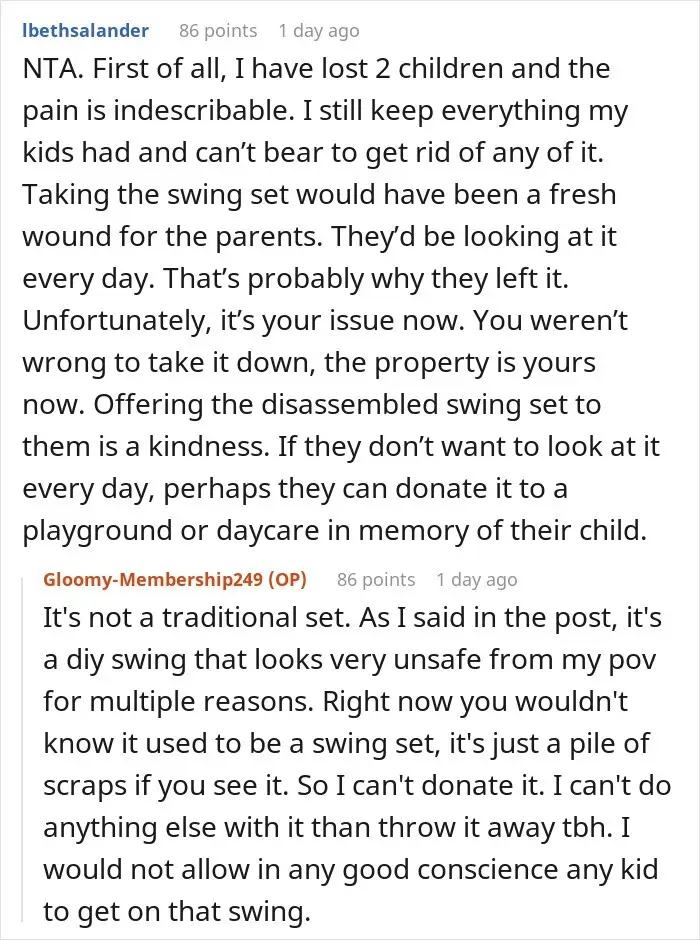
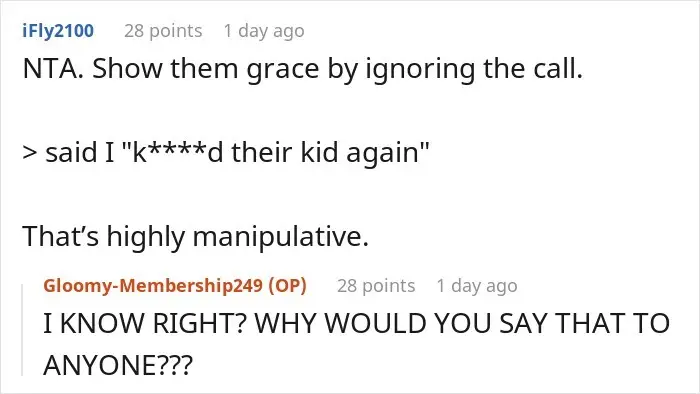
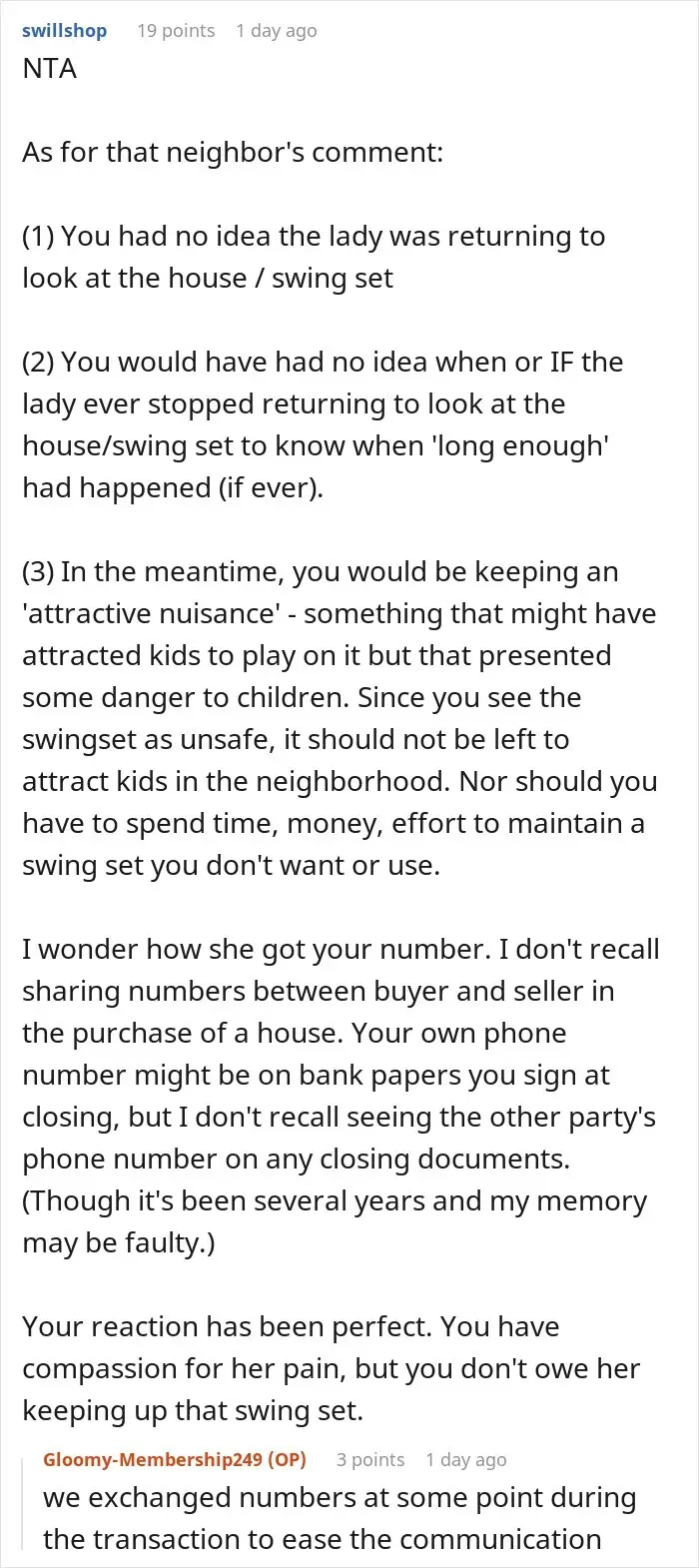
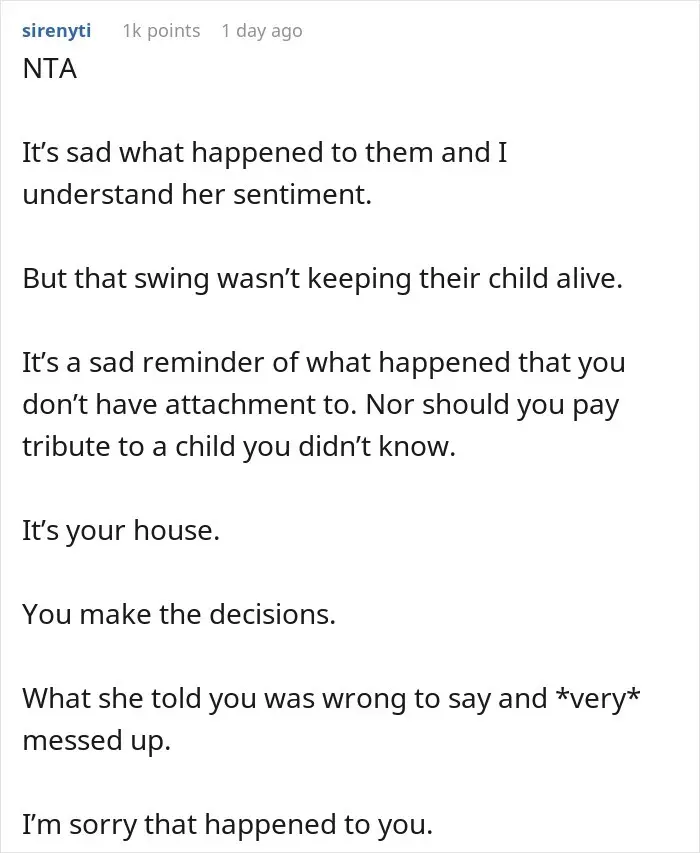
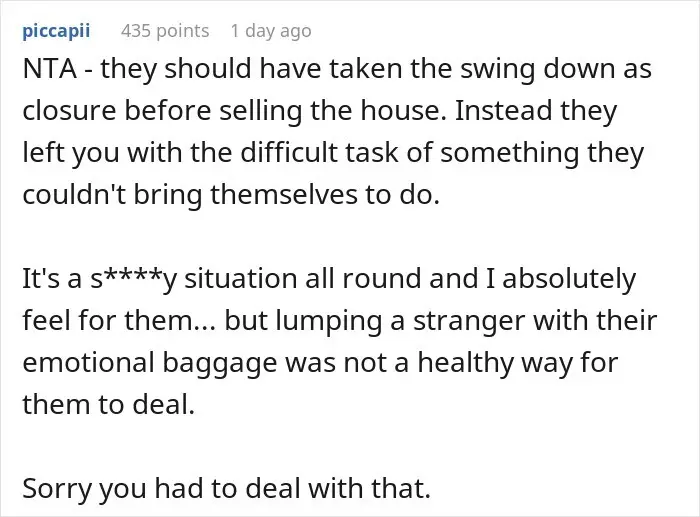
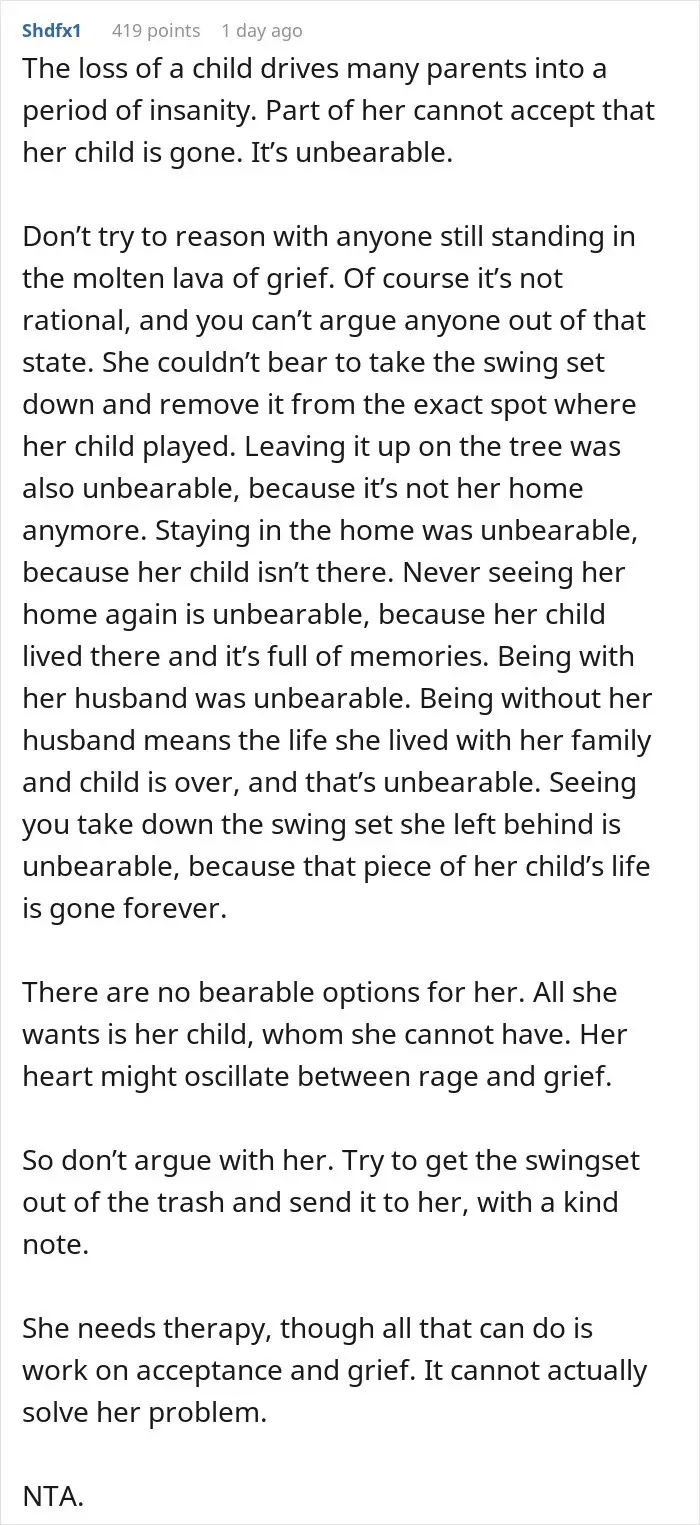
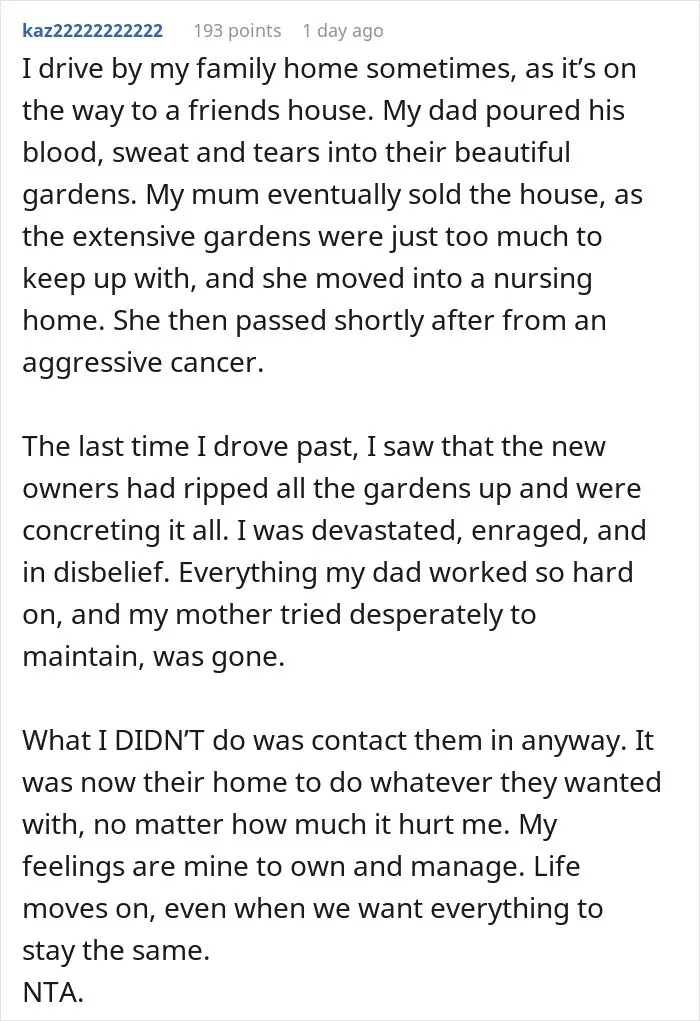
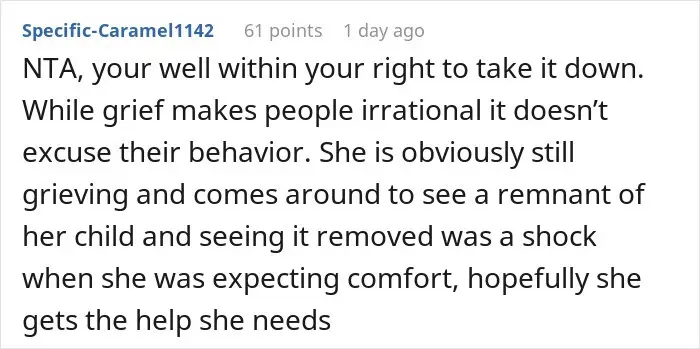
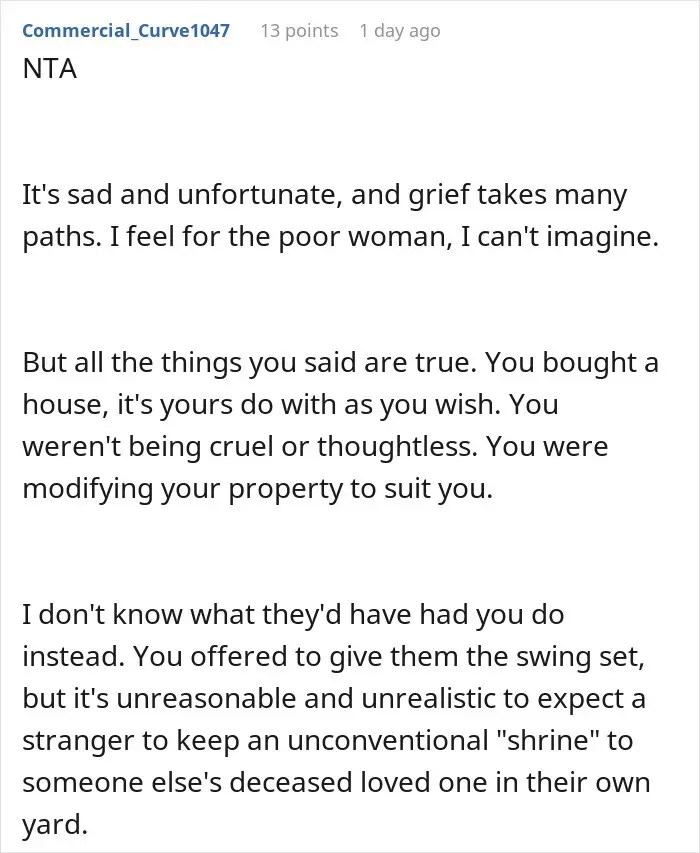
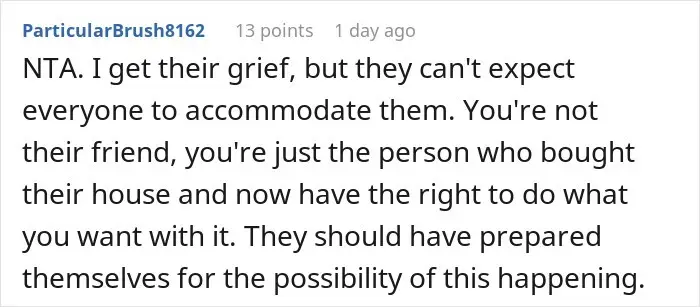
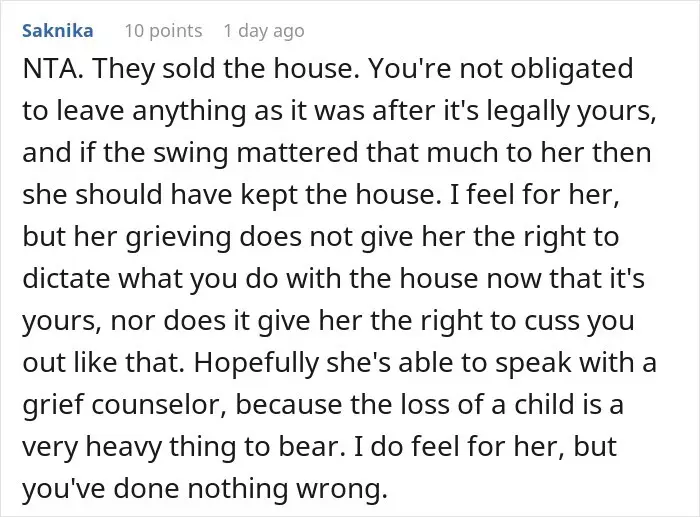
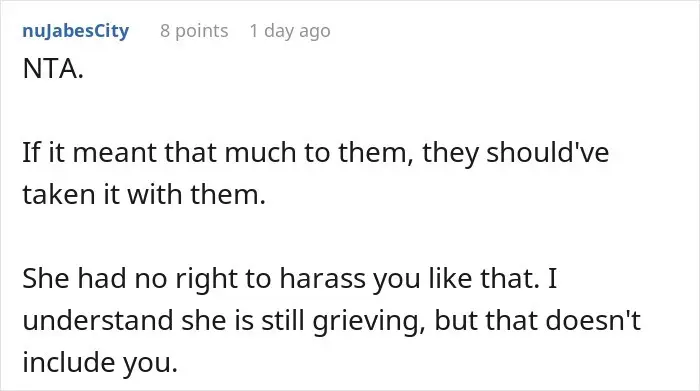
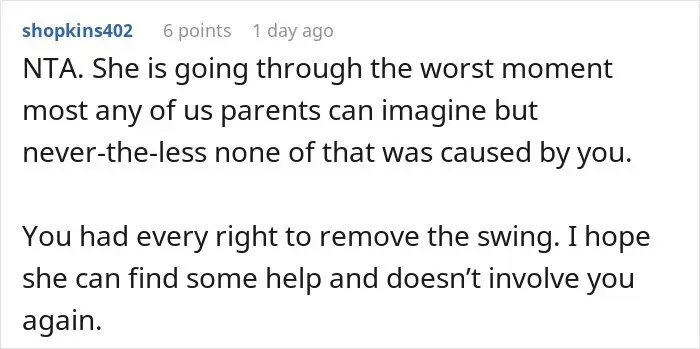
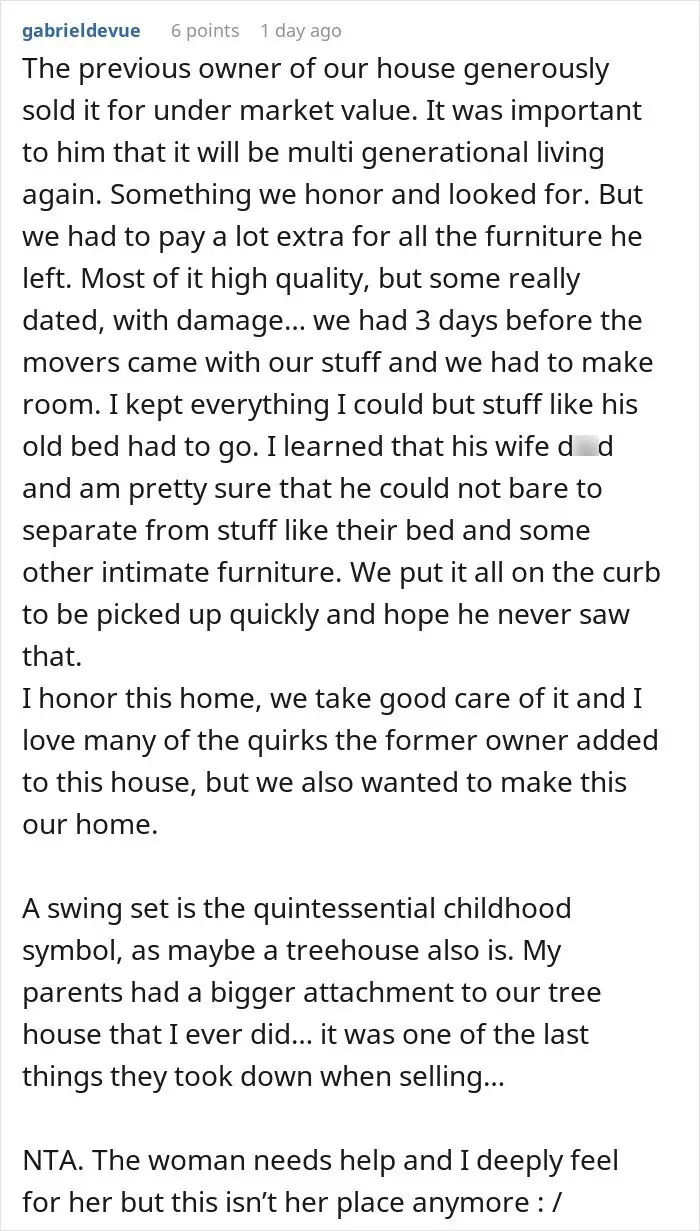
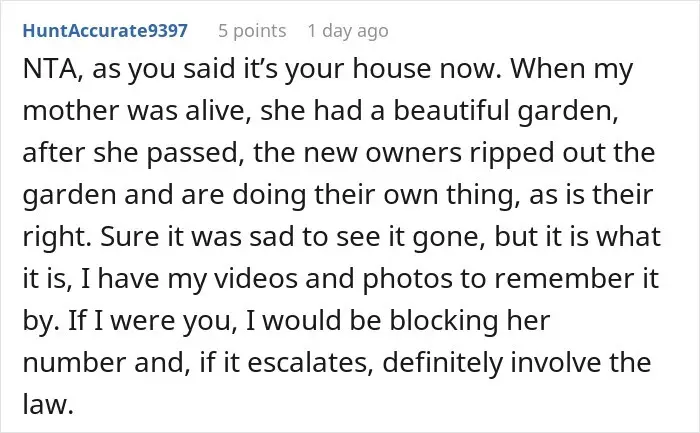
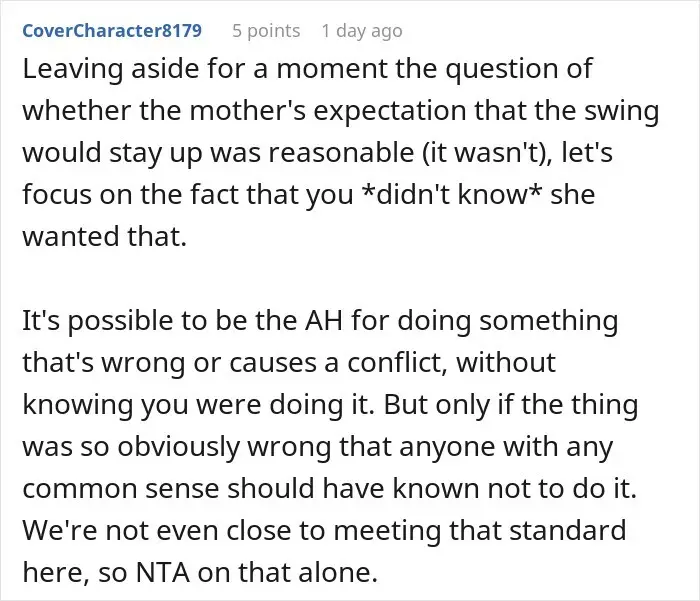
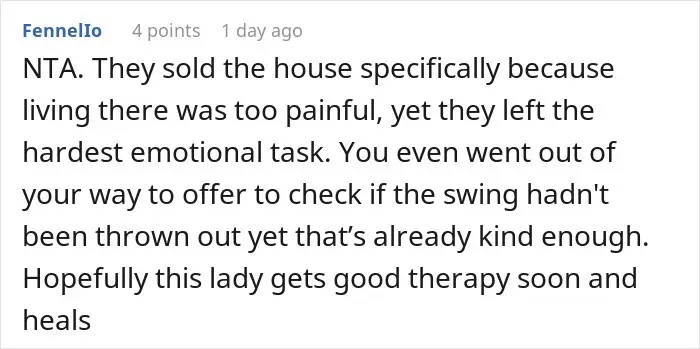
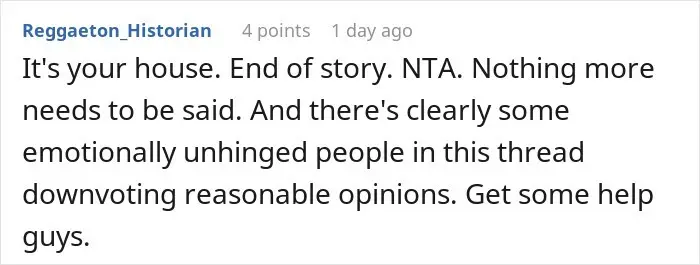
Netizens sympathized with the grieving mother but agreed that the new homeowner had every right to make changes to their own property