

Bored Panda
History Defined: Important Photos That Shed A New Light On Our Past

History Defined: Important Photos That Shed A New Light On Our Past

0
0
Learning about history is an important part of understanding the world around us, but it can be daunting to know where to begin. Wouldn’t it be great if someone else curated historical facts in bite sized pieces to give to you every day? Look no further than the History Defined Instagram account! This page shares facts, stories and videos, so followers can “learn weird things about history” every single day just by logging onto Instagram. We’ve gathered some of the most interesting posts from History Defined, so you can have some historical fun facts in your back pocket to share with others. Then if you’re still hungry for more history lessons, we’ve got another Bored Panda piece featuring a similar Instagram page for you to check out next right here
Click here & follow us for more lists, facts, and stories.

#21 Belgian Coal Miners Crammed In An Elevator At The End Of A Long Day Of Work. 1900
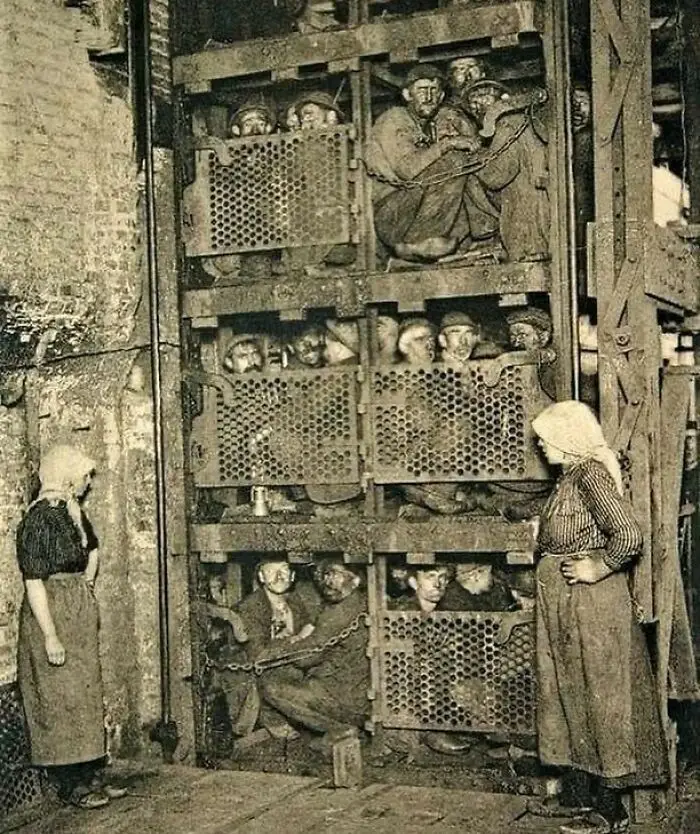
Belgian Coal Miners Crammed In An Elevator At The End Of A Long Day Of Work. 1900
0points

Our brains also register images incredibly fast. After seeing a picture for only 13 milliseconds, our brains can understand what we saw. 90% of information transmitted to the brain is also visual. When we see these interesting photos and videos on History Defined, we have a greater chance of remembering what we read than if someone had only told us the same information or if we had seen it in a book without any visual components. 
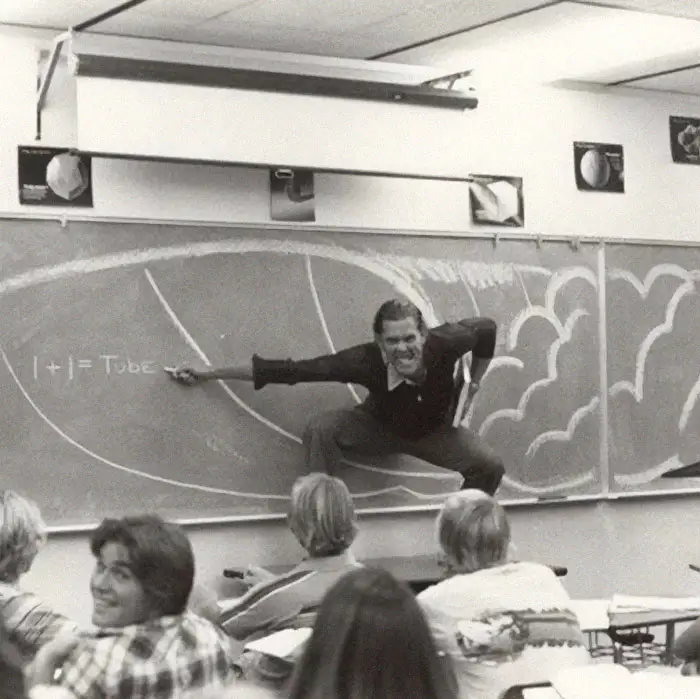
#22 A Teacher Teaching The Physics Of Surfing, California, 1970

A Teacher Teaching The Physics Of Surfing, California, 1970
0points

#23 Woman Going Through An Attitude Adjustment Program, 1930s
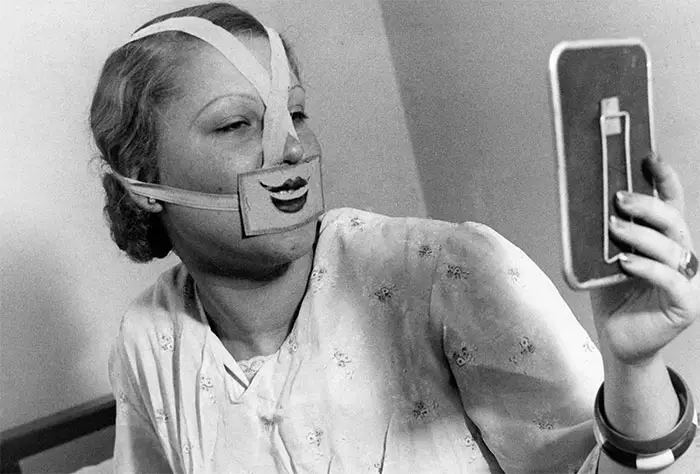
Woman Going Through An Attitude Adjustment Program, 1930s
Women suffering from depression or demonstrating signs of “misbehavior”, such as not “taking proper care of her husband” were legally encouraged to submit into a psychiatric ward. Here, the narrow-minded 1930s would offer a smiling treatment used to condition a woman into always wearing a smile. Experts believed that if a woman saw herself smiling, it would become natural practice and she would be “cured.” This often went along with shock therapy.
0points

#24 Corporal Jackie Was A Baboon In The South African Army During World War I. He Was The Official Mascot Of The 3rd Transvaal Regimen When His Owner, Albert Marr Was Drafted Into War, And Would Not Leave Jackie At Home. He Asked His Superiors If Jackie, Too, Could Join The Army And They Said Yes
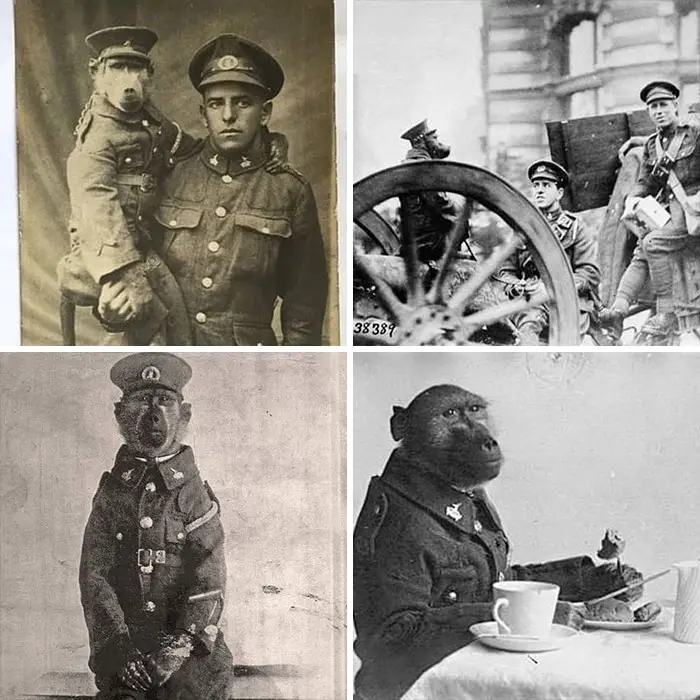
Corporal Jackie Was A Baboon In The South African Army During World War I. He Was The Official Mascot Of The 3rd Transvaal Regimen When His Owner, Albert Marr Was Drafted Into War, And Would Not Leave Jackie At Home. He Asked His Superiors If Jackie, Too, Could Join The Army And They Said Yes
So Jackie was given an official style uniform with a cap, a ration set, and his own pay book. Jackie would salute to superior officers and light soldiers' cigarettes. He would even stand at ease in the style of a trained soldier. Due to his heightened senses, Jackie was useful to sentries on duty at night. The baboon would be the first to know when an attack was coming or enemy soldiers were moving around nearby. Jackie and Marr survived a battle where the casualty rate was 80%, in Delville Wood, early in the Somme Campaign. When Marr was serving in Egypt he was shot in the shoulder at the Battle of Agagia, 26 February 1916, while Jackie was with him, licking the wound as they awaited help. Jackie was given his own rations while with the army, and ate them with his own knife and fork, as well as his own washing basin. When the regiment was drilled and marched, Jackie would be with them. Jackie spent time in the trenches in France where he tried to build a wall around himself during extreme enemy fire, but a piece of shrapnel from an explosion flew over the wall hitting Jackie in the leg and arm. When stretcher bearers tried to take Jackie away he refused, desperate to finish his wall and hide. Doctors treated Jackie's wounds, but they decided his leg had to be amputated and were surprised that he even survived. Jackie was awarded a Medal of Valor for the event of his injuries, and promoted from private to corporal. After the war was over, Jackie was discharged with papers and went back to South Africa. He tragically died in a house fire in 1921.
0points

Learning about history makes us more informed about our world and all the people in it. History Defined does a great job of finding some of the most fun facts from history and passing them along to wider audiences. We all know who Abraham Lincoln is, but seeing a photo of him is exciting. And how many people have seen a picture of teenagers swooning over Elvis Presley at one of his concerts in 1957? It may seem like a simple photo, but it provides us insight into the culture at that time. And it’s a reminder that teenagers have always and will always love going to see their favorite musicians live. History Defined is full of fun images providing us insight into specific moments in the past. 

#25 Michelangelo's Moses Is A Marble Sculpture Made In 1513–15
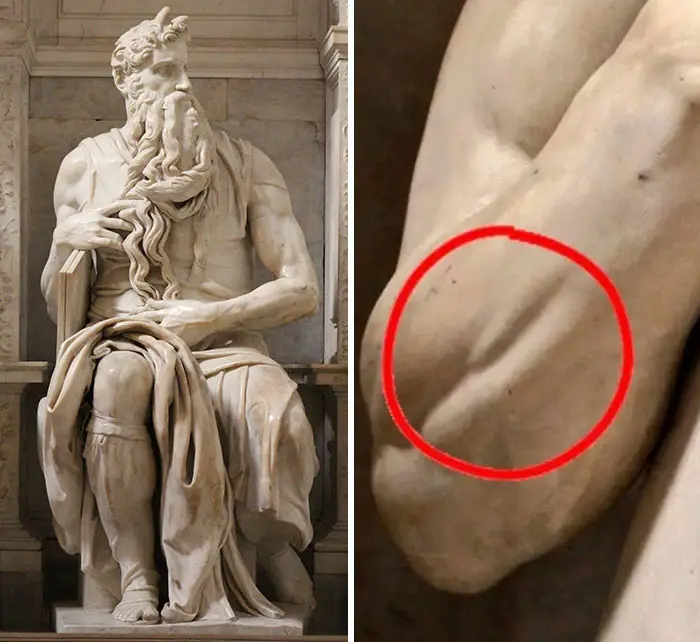
Michelangelo's Moses Is A Marble Sculpture Made In 1513–15
One of the many details of this masterpiece is one very small muscle in the forearms that contracts only when lifting the pinky, otherwise it is invisible. Moses is lifting the pinky, therefore that tiny muscle is contracted. Giorgio Vasari in the Life of Michelangelo wrote: "Michelangelo finished the Moses in marble, a statue of five braccia, unequaled by any modern or ancient work. Seated in a serious attitude, he rests with one arm on the tables, and with the other holds his long glossy beard, the hairs, so difficult to render in sculpture, being so soft and downy that it seems as if the iron chisel must have become a brush. The beautiful face, like that of a saint and mighty prince, seems as one regards it to need the veil to cover it, so splendid and shining does it appear, and so well has the artist presented in the marble the divinity with which God had endowed that holy countenance. The draperies fall in graceful folds, the muscles of the arms and bones of the hands are of such beauty and perfection, as are the legs and knees, the feet were adorned with excellent shoes, that Moses may now be called the friend of God more than ever, since God has permitted his body to be prepared for the resurrection before the others by the hand of Michelangelo. The Jews still go every Saturday in troops to visit and adore it as a divine, not a human thing." The English translation of Sigmund Freud's "The Moses of Michelangelo" also provides a basic description of the sculpture: "The Moses of Michelangelo is represented as seated; his body faces forward, his head with its mighty beard looks to the left, his right foot rests on the ground, and his left leg is raised so that only the toes touch the ground. His right arm links the Tables of the Law with something that looks like a book in the right palm of his hand with a portion of his beard; his left arm lies in his lap." The attention to detail is impeccable.
0points

#26 Jewish German Army Soldiers Celebrate Hanukkah On The Eastern Front, 1916
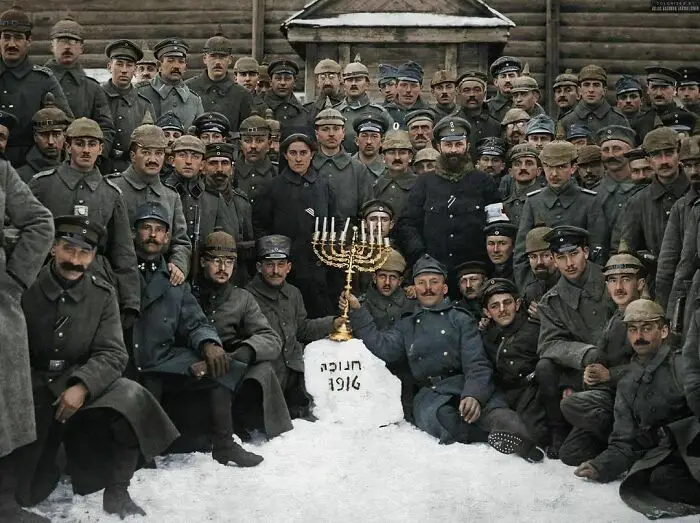
Jewish German Army Soldiers Celebrate Hanukkah On The Eastern Front, 1916
0points

#27 During World War II Those Spying On Behalf Of The Allies Had To Go Through Considerable Trouble In Order To Make Sure That They Weren’t Discovered By The Nazis While Securing Axis Secrets
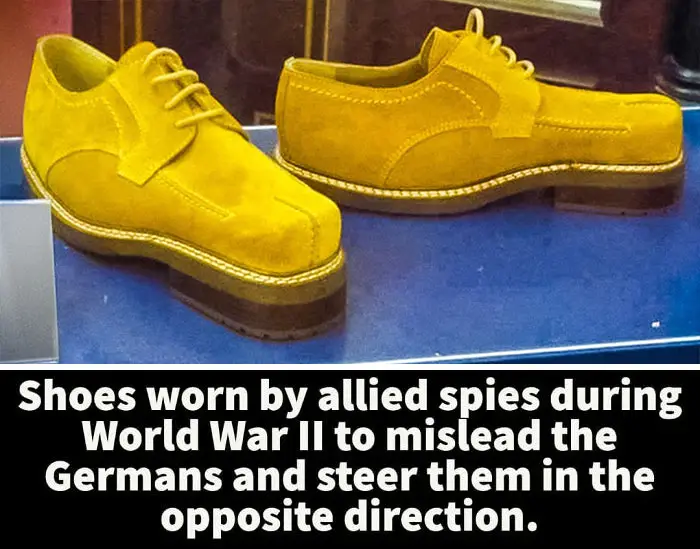
During World War II Those Spying On Behalf Of The Allies Had To Go Through Considerable Trouble In Order To Make Sure That They Weren’t Discovered By The Nazis While Securing Axis Secrets
Aside from going out of their way to disguise their appearance as much as possible, which involved the perfect type of clothing that didn’t make them look too English, they sometimes had to resort to trick shoes like this to throw N**i forces off their tracks. These shoes work similarly to those employed by moonshiners during prohibition (which were likely the inspiration), the soles faced the opposite direction that the wearer was walking, making anyone tracing their footsteps believe that the wearer was walking towards them rather than away.
0points

I think this list is a perfect example of how great learning about history can be, especially when we're not in middle school being forced to memorize information just for exams. We hope you enjoy the rest of these fascinating stories and images and that you learn at least a few fun facts from it. Don’t forget to upvote the posts you found most interesting, and let us know in the comments what little-known history facts you think should be featured on the page. And if you'd like to continue your journey of learning about history, be sure to go follow History Defined on Instagram.

#28 Portraits Of Ellis Island Immigrants By Augustus Sherman, Circa 1905-1914
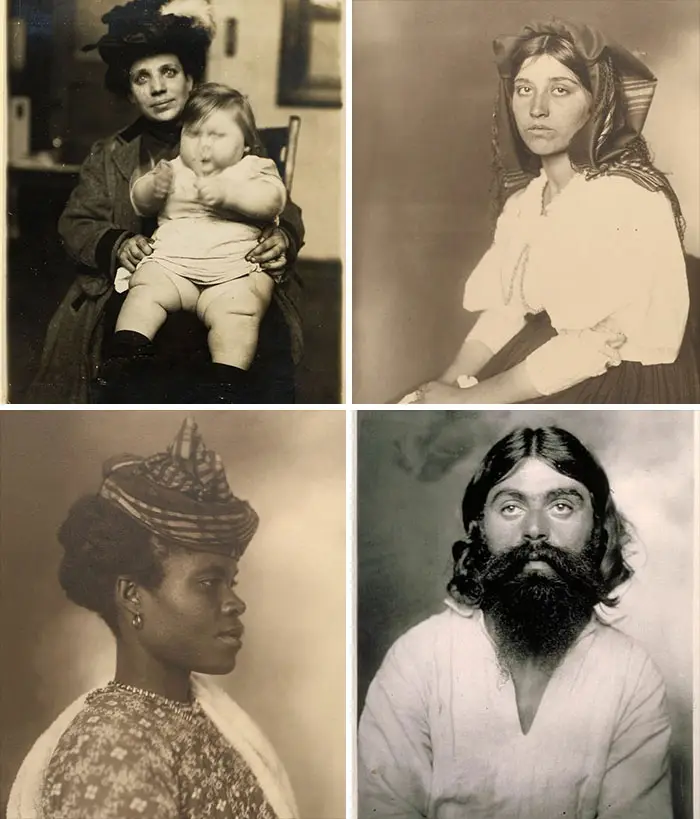
Portraits Of Ellis Island Immigrants By Augustus Sherman, Circa 1905-1914
Sherman worked as a clerk on Ellis Island from 1892 to 1925. During his breaks, he would ask newly arrived immigrants to sit for an intimate portrait. In total, he took around 200 photos. ⁣ Ellis Island was active for more than 60 years, from 1892 to 1954. During that time, more than 12 million people passed through, often escaping political and social turmoil back home. Others came seeking a better life and a fresh start in the so-called land of opportunity.⁣ ⁣
0points

#29 An Indian Student Studying Late At Night At The University Of Madras In Tamil Nadu, 1905
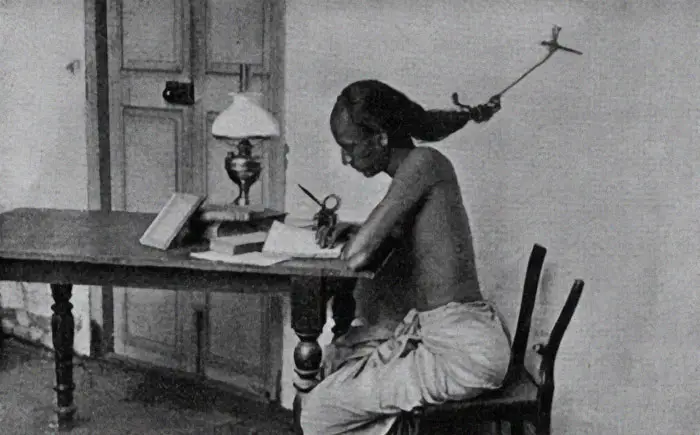
An Indian Student Studying Late At Night At The University Of Madras In Tamil Nadu, 1905

Students use to tie their hairs to a nail in the wall to prevent themselves from falling asleep while studying late at night.
0points

#30 André The Giant On A Plane Traveling To Japan, 1980

André The Giant On A Plane Traveling To Japan, 1980
0points

#31 Breaker Boys At The Woodward Coal Mines In Kingston, Pennsylvania, Ca. 1900
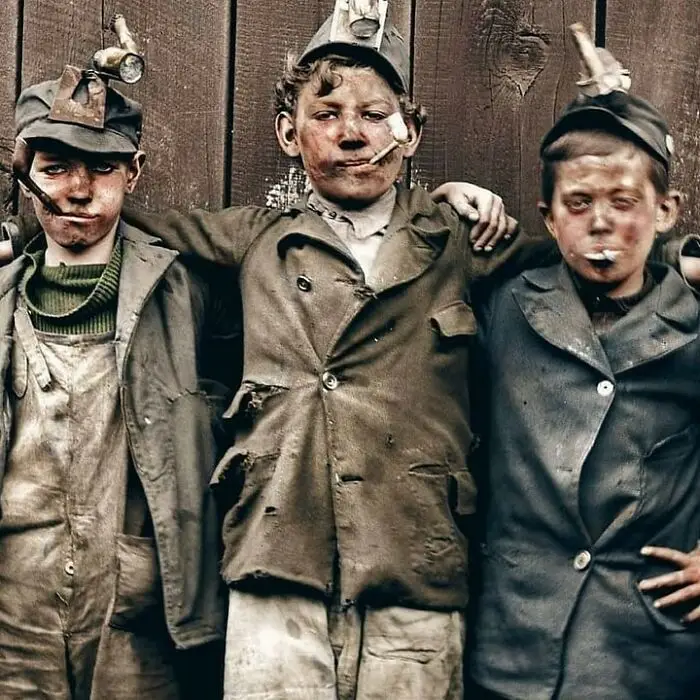
Breaker Boys At The Woodward Coal Mines In Kingston, Pennsylvania, Ca. 1900
Breaker boys worked in the coal mines. Their main job was to separate chunks of coal by hand. As coal came down the conveyor belt, they would break up the coal into common sized pieces and also separate out any things like rocks, clay and soil. Boys were usually between the ages of 8 to 12, but sometimes were as young as 5 or 6. The breaker boys would work 10 hours a day, 6 days a week.
0points

#32 A German Woman Sitting Alone With Her Dog And All Her Belongings In The Ruins Of Cologne, 1945
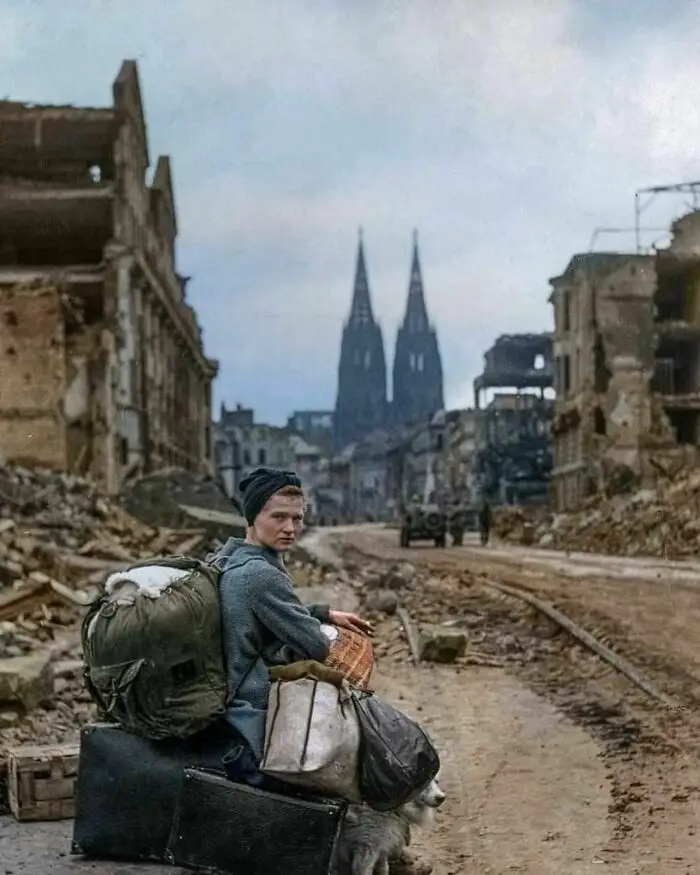
A German Woman Sitting Alone With Her Dog And All Her Belongings In The Ruins Of Cologne, 1945
0points

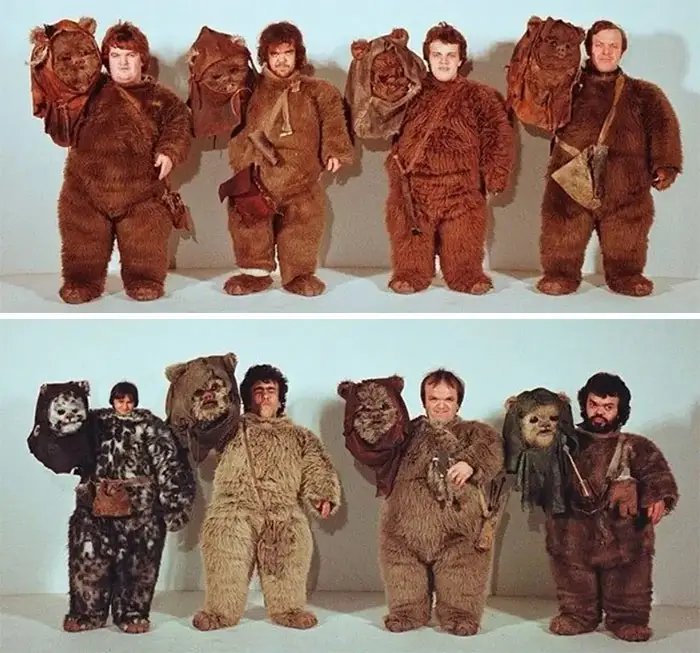
#33 He Cast Who Played Ewoks In The Return Of The Jedi

He Cast Who Played Ewoks In The Return Of The Jedi
0points

#34 In 1731 King Frederick I Of Sweden Sent A Taxidermist His Favorite Lion Who Had Died And This Is What He Received Back. King Frederik's Lion Is On Display To This Day At Gripsholm Castle, A Former Royal Residence And Now A Museum In Mariefred, Södermanland, Sweden
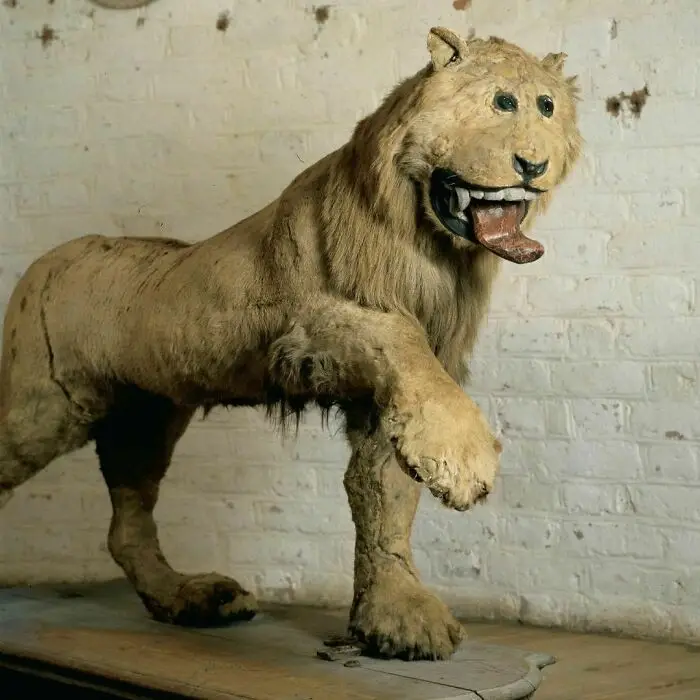
In 1731 King Frederick I Of Sweden Sent A Taxidermist His Favorite Lion Who Had Died And This Is What He Received Back. King Frederik's Lion Is On Display To This Day At Gripsholm Castle, A Former Royal Residence And Now A Museum In Mariefred, Södermanland, Sweden
0points

Add New Image

Not your original work?

0
0
Asli Akalin
Asli AkalinBoredPanda Staff