
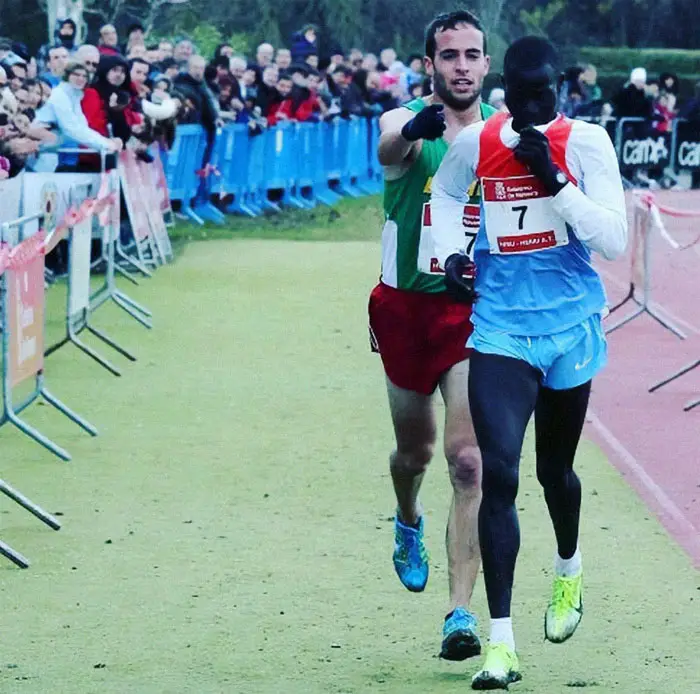
#1 Kenyan Runner Abel Mutai Was Only A Few Meters From The Finish Line, But Got Confused With The Signs And Stopped, Thinking He Had Finished The Race
While Instagram may not be the first place many people go for a history lesson, it’s becoming a popular one. History Defined has amassed 130k followers since its first post in September 2021. It’s probably safe to assume that most users follow the page just for fun, but accounts like this are a great way to show that Instagram can also be used as an educational tool to get students more excited about learning.
We live in a digital age, and we’re just not as likely to pick up a magazine or a book as we are to hop onto the internet. While magazines like National Geographic were once a great way for readers to pick up interesting facts, there are now other more effective platforms. Nat Geo has adapted to our tech-based world and now runs an Instagram account with over 220 million followers. Clearly, there is a demand on social media for learning interesting facts, so History Defined has come along at the perfect time.
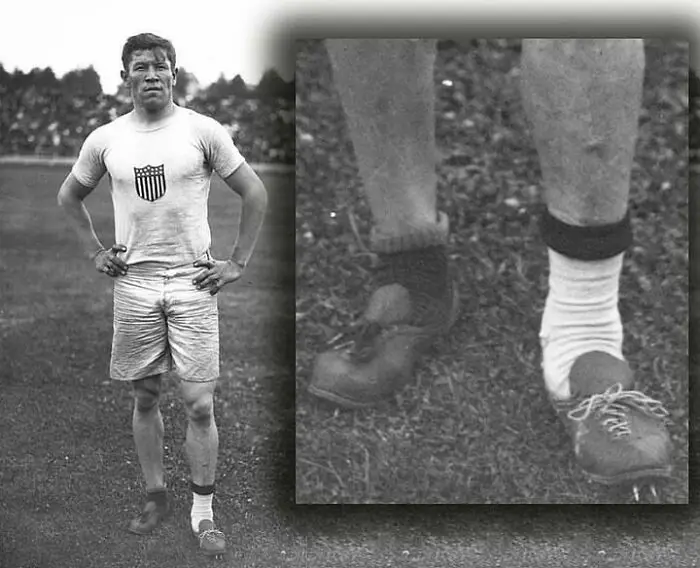
#2 In 1912, Jim Thorpe, A Native American, Had His Running Shoes Stolen On The Morning Of His Olympic Track And Field Events.
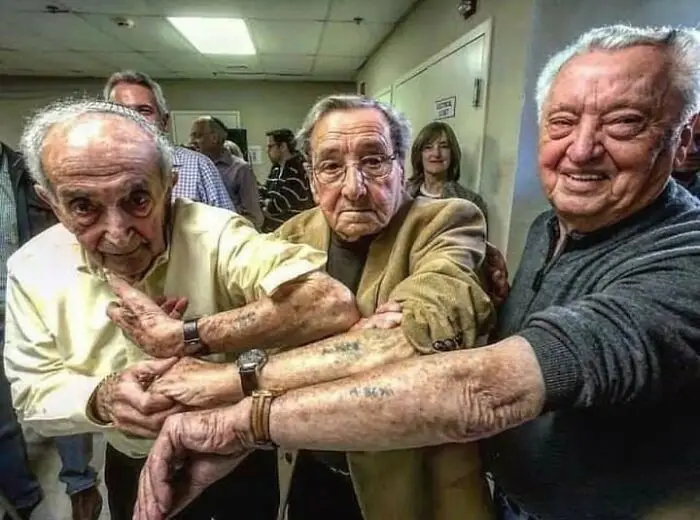
#3 Three Jewish Men Who All Survived The Auschwitz Concentration Camp And Were Liberated On The Same Day, Reunite 73 Years Later, 2019
One professor, Dr. Michael W. Kirst of Stanford University, even recommends utilizing Instagram in the classroom. On his blog The College Puzzle, Dr. Kirst writes that because Instagram is one of the most popular social media sites for young people, with 72% of teens using it, it makes sense to try to use it for educational purposes as well. Students are already spending time scrolling through the app, so they might as well learn something new while they’re at it.
Dr. Kirst mentions that Instagram also helps develop creativity, as users are always trying to think of new ideas for posts. Students also prefer unique methods of studying, including assignments that can be evaluated through Instagram or attending events that students can share about via Instagram. They’ll certainly find posting on social media more interesting than simply writing and submitting an essay. If you’re looking for more educational accounts to follow, NASA Goddard, The Smithsonian, The American Museum of Natural History and The British Library all run active Instagram pages as well.
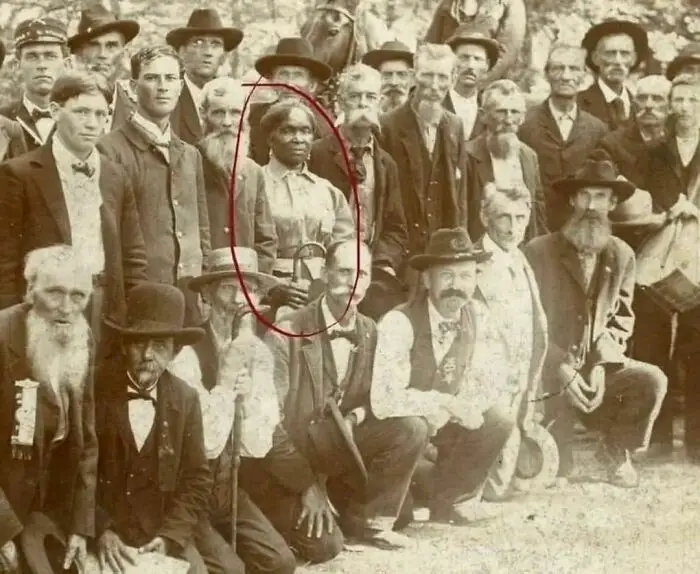
#4 The Lady Circled In Red Was Lucy Higgs Nichols. She Was Born Into Slavery In Tennessee, But During The Civil War She Managed To Escape And Found Her Way To 23rd Indiana Infantry Regiment Which Was Encamped Nearby. She Stayed With The Regiment And Worked As A Nurse Throughout The War
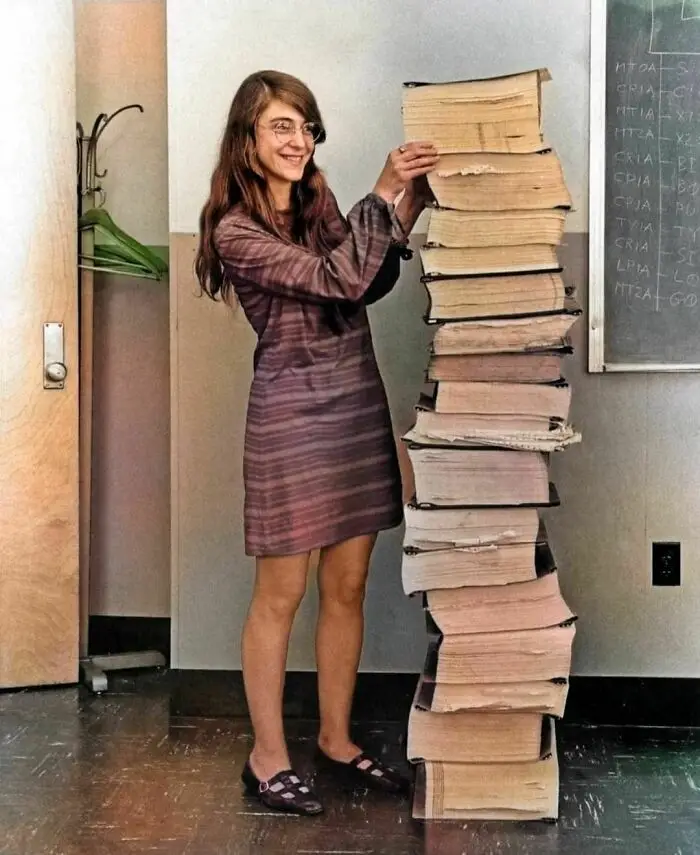
#5 Meet Margaret Hamilton, The Woman Who Took Mankind To The Moon. She Is Standing Beside The Code She Created To Program The Computer Systems On The Apollo 11 Spacecraft, 1969
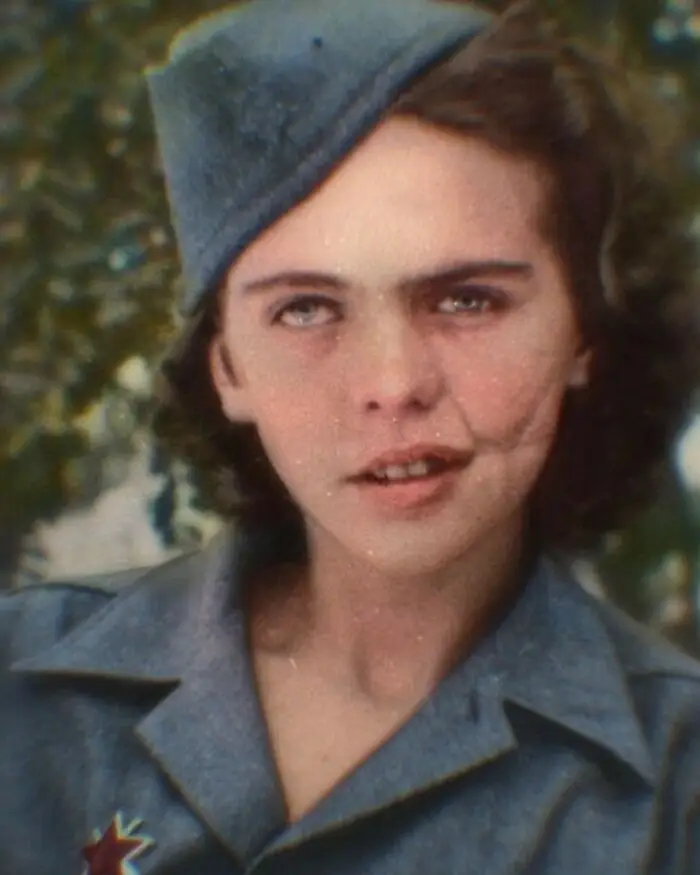
#6 Albina Mali-Hočevar Was A Slovenian Fighter Who Was Wounded In Combat Several Times During Ww2
Maybe you’re not so interested in learning about history, and you need to be convinced as to why it might be a good idea to follow History Defined. Well, according to the Department of History at the University of Wisconsin, “Studying history helps us understand and grapple with complex questions and dilemmas by examining how the past has shaped (and continues to shape) global, national, and local relationships between societies and people.” No, you don’t need to go and get a degree in history. But wouldn’t it be nice to have a greater perspective on our world by knowing more about the past?
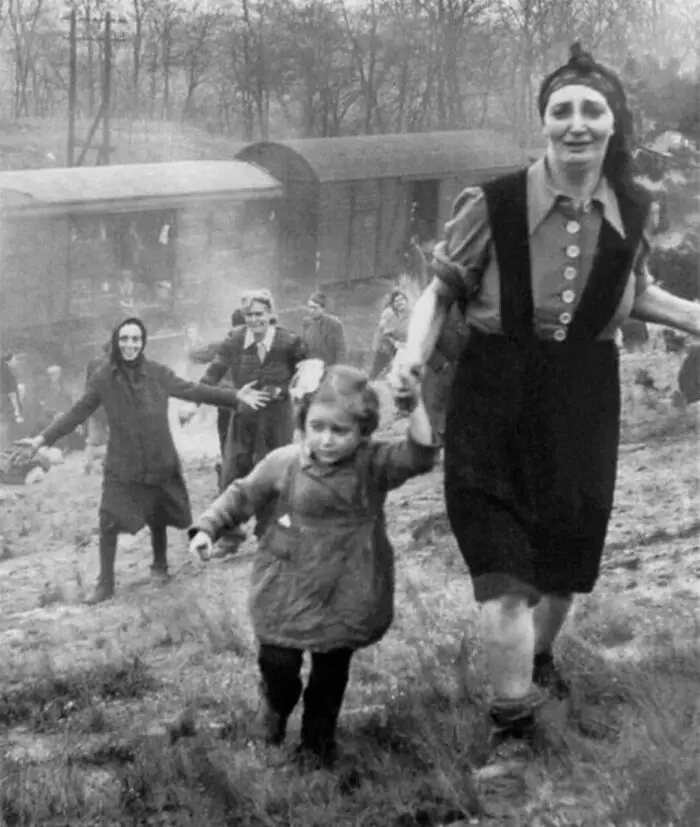
#7 A Train Of Jewish Prisoners Intercepted By Allied Forces.
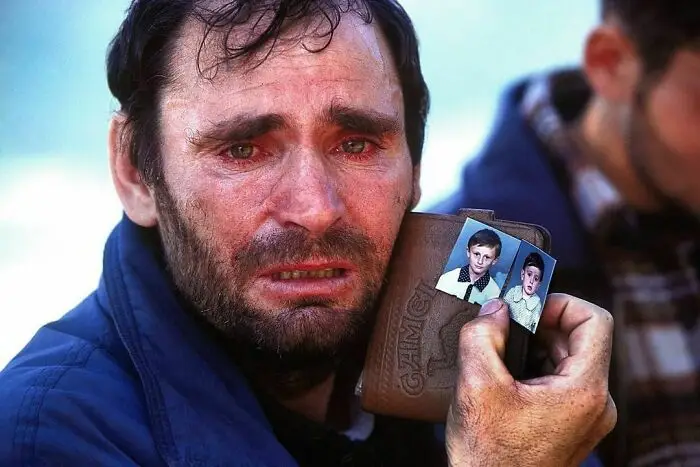
#8 A Father Looking For His Two Missing Sons That Went Missing During The War, Mitrovica, Kosovo, 1999
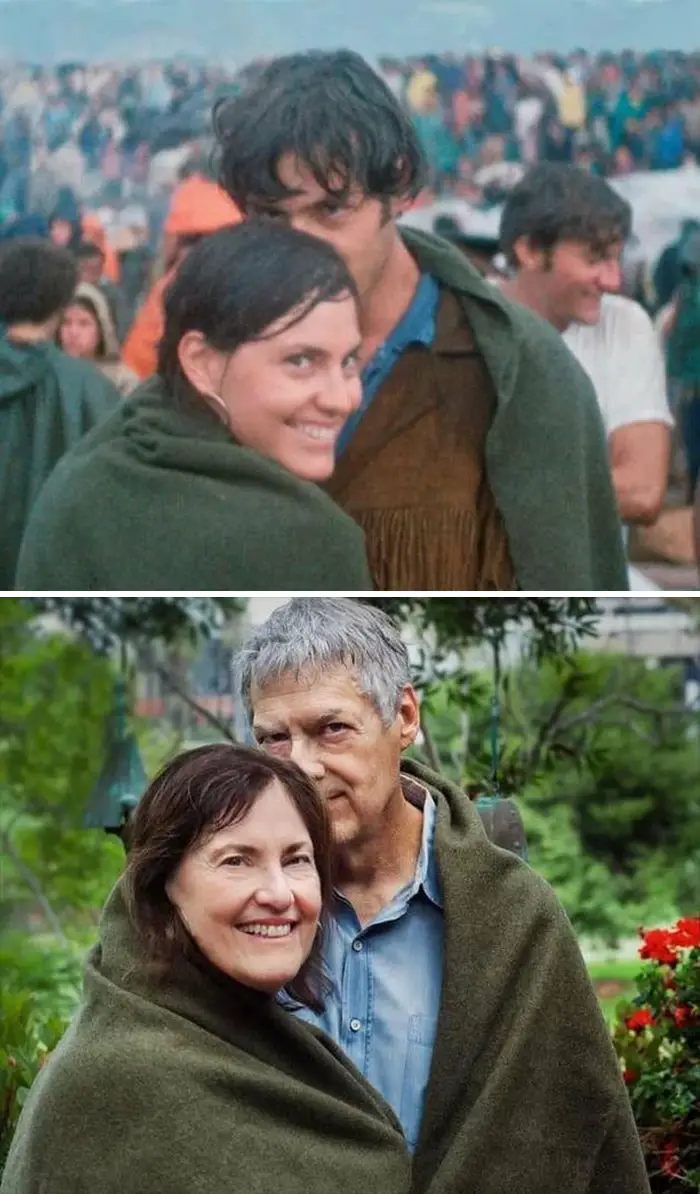
#9 A Couple At Woodstock Only 48 Hours After They Met And The Same Couple 50 Years Later, Happily Still Together
The past teaches us about the present as well. We can analyze issues that occurred in the past, and use our understanding of those events to solve current and future problems. For example, the University of Wisconsin’s website notes that, “A course on the history of public health might emphasize how environmental pollution disproportionately affects less affluent communities – a major factor in the Flint water crisis. Understanding immigration patterns may provide crucial background for addressing ongoing racial or cultural tensions.” History can also help us build empathy through studying the lives and struggles of others. It’s easy to live in a bubble, but when we step outside of our own experiences and learn about others, we value and appreciate their lives and cultures more.
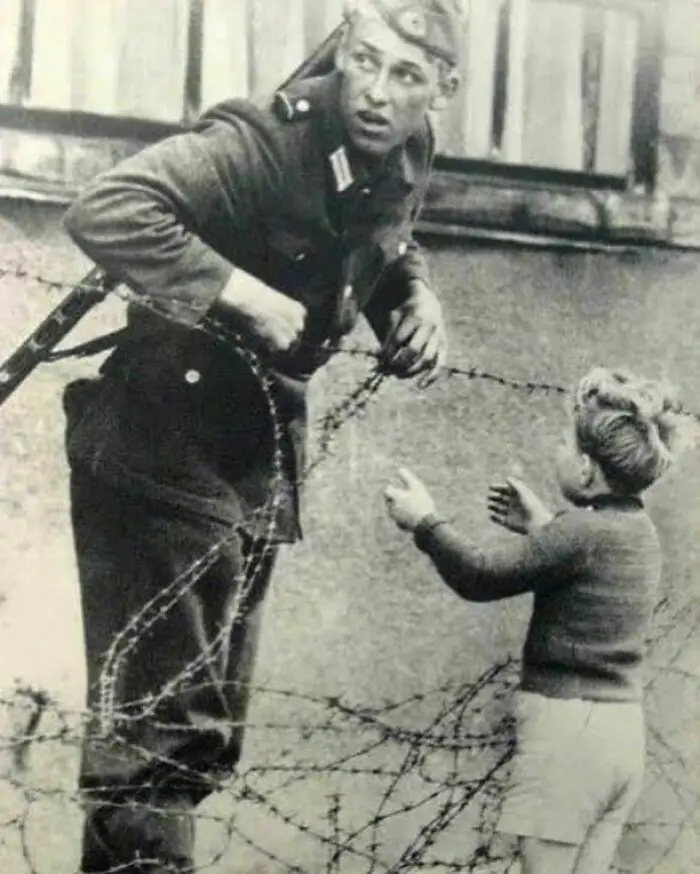
#10 East German Soldier Helps A Little Boy Sneak Across The Berlin Wall The Day It Was Erected In 1961. The Boy Had Been Left Behind In The Chaos Of People Fleeing To Be With Their Families On Either Side Of The Wall
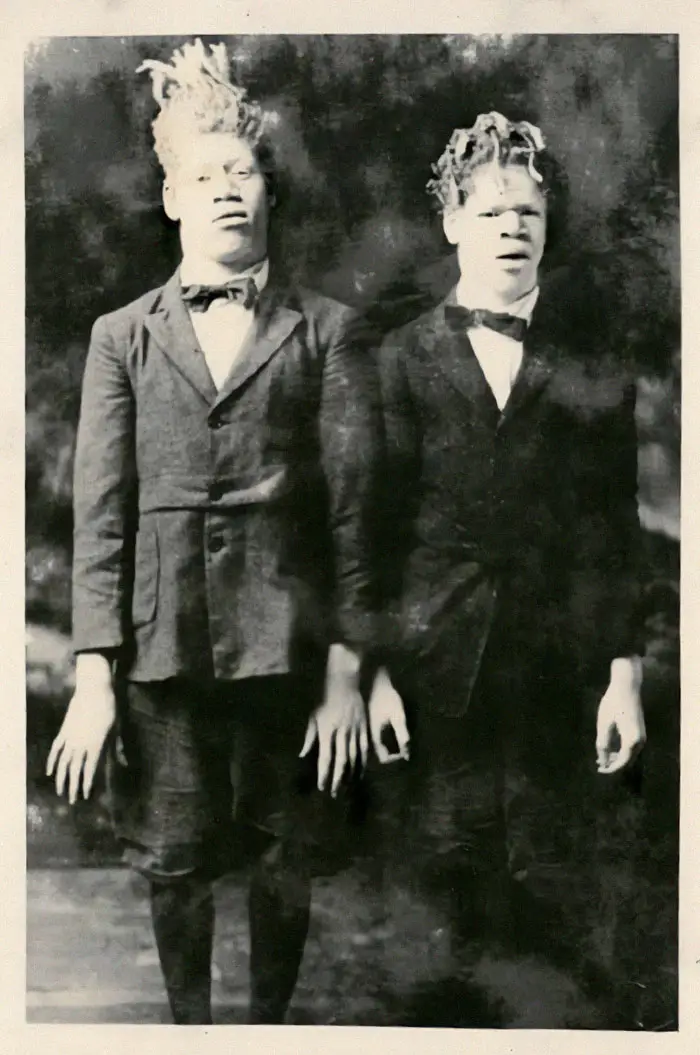
#11 Billed As "The Sheep-Headed Men," "The White Ecuadorian Cannibals Eko And Iko," And "The Ambassadors From Mars,” George And Willie Muse Were World-Famous Sideshow Performers In The Early 1900s. But Even Their White Audiences Hardly Knew The Horrors Of Their Story
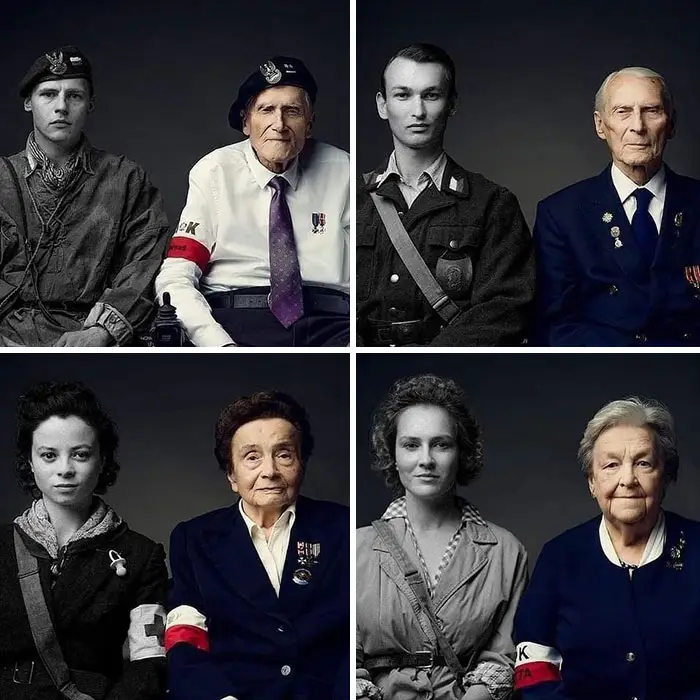
#12 Members Of The Polish Resistance During World War 2, Then To Now. The Polish Resistance Played A Major Role In The Warsaw Polish Uprising 1944
History can also teach us more about ourselves. When we learn about our ancestors, we have a greater understanding of our own lives. For example, knowing where our ancestors lived and what major events they lived through helps us piece together how we got here. On that same note, the University of Wisconsin’s site compares “doing history” to “completing a puzzle or solving a mystery”. “Imagine asking a question about the past, assembling a set of clues through documents, artifacts, or other sources, and then piecing those clues together to tell a story that answers your question and tells you something unexpected about a different time and place. That’s doing history.”
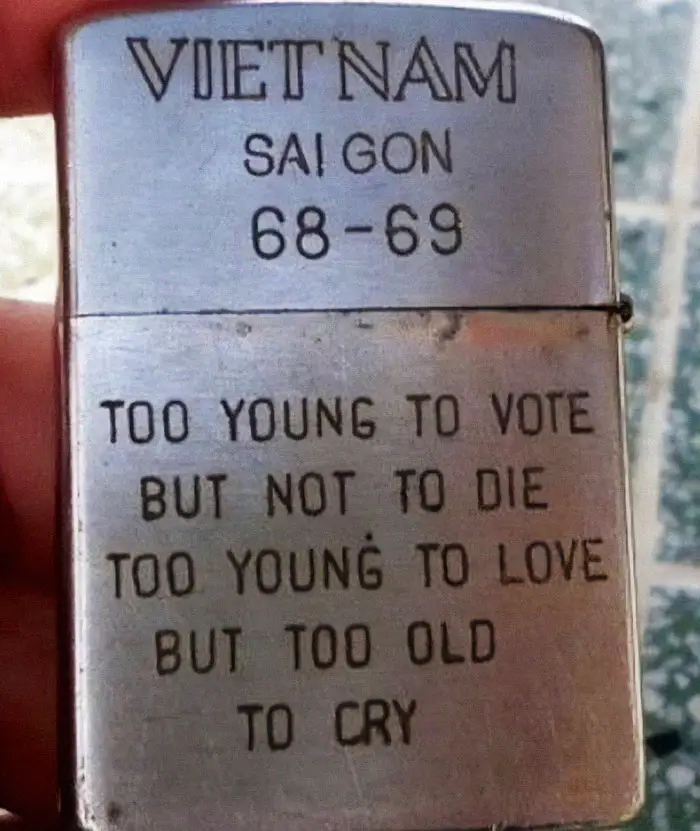
#13 A Lighter Depicting The Tough Circumstances Of The Vietnam War. The Voting Age During This Time In America Was 21, While The Age To Enlist (Or Get Drafted) Was 18. In 1971, President Nixon Passed The 26th Amendment Which Lowered The Voting Age To 18
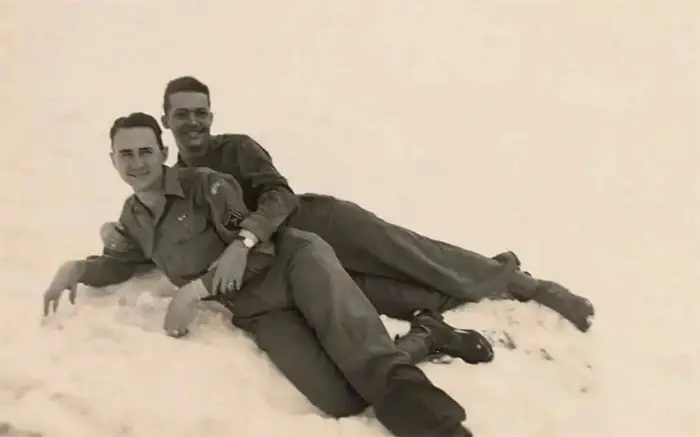
#14 Two Young Soldiers Pose For A Candid Photo In Austria, 1945
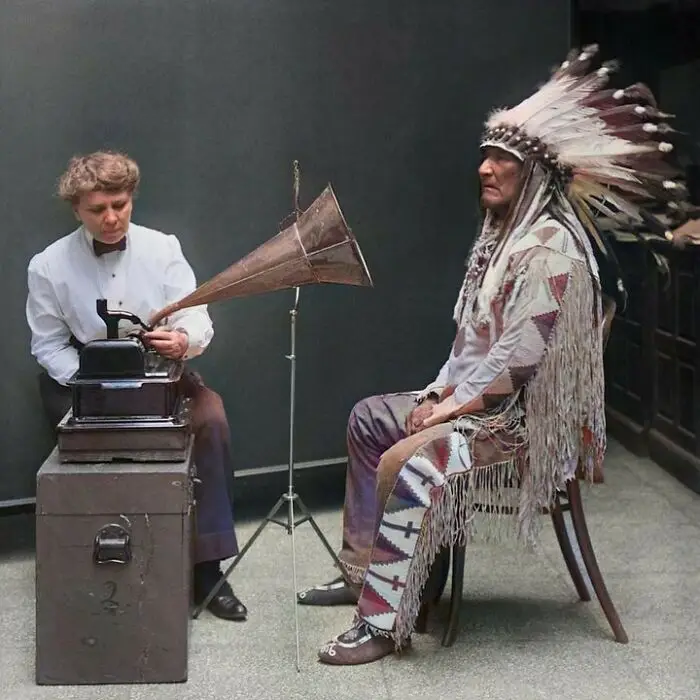
#15 Mountain Chief Listening To A Song Being Played On A Phonograph And Interpreting It In Plains Native American Sign Language To Ethnomusicologist Frances Densmore In 1916
While history may be deemed a boring subject by many students in their school days, it’s understandable that people are eating up these fun facts and stories on Instagram. We love true stories (just look at how popular documentaries have become in recent years), and our brains get excited about learning new information, even if we don’t realize it. In the case of the History Defined Instagram account, followers are in luck if they want to recall what they’ve read. 65% of people consider themselves visual learners, so having interesting images and videos associated with the information shared on Instagram makes us more likely to remember what we’ve read.
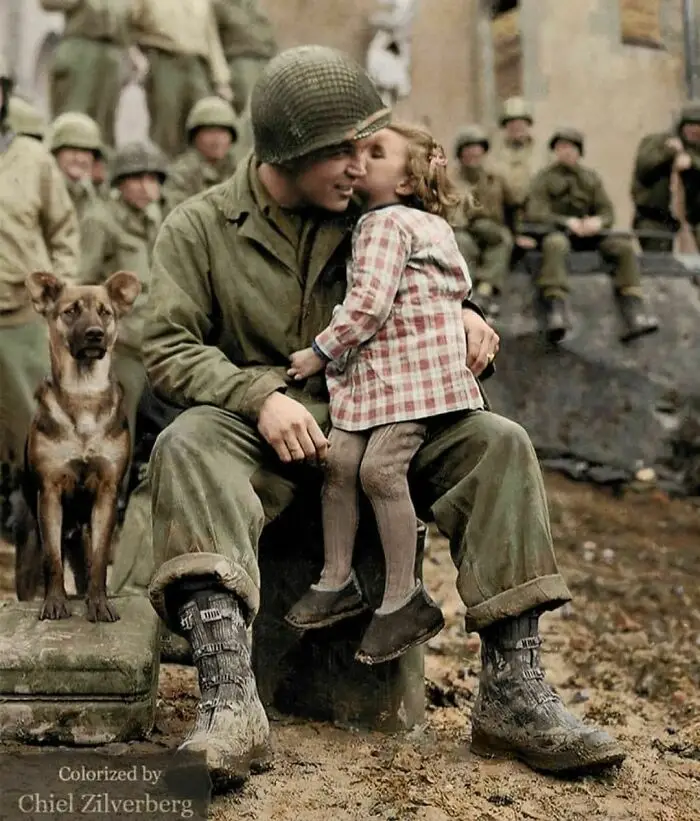
#16 U.S. Army Technician Alvin Harley Of The 9th Armored Division Receives A Kiss From A Liberated French [intimacy] Saint Valentine’s Day. Abancourt, Oise, Picardy, France. February 14, 1945
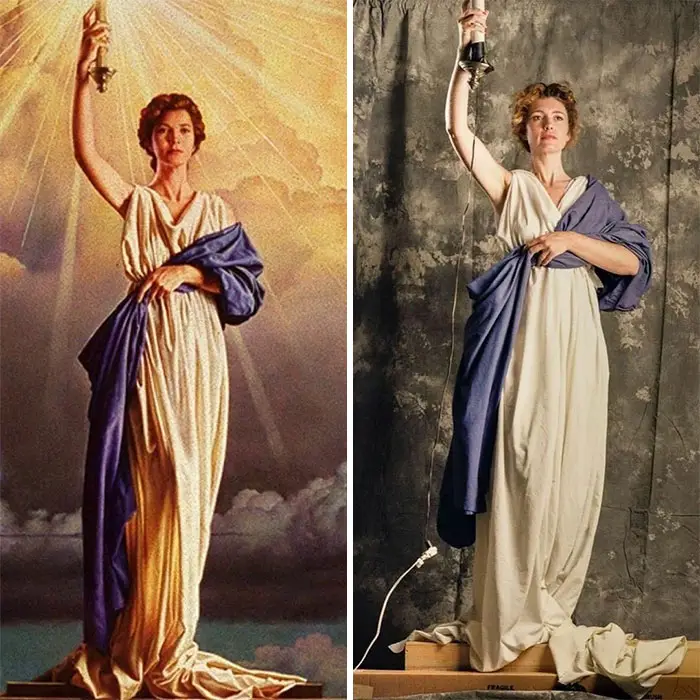
#17 Jenny Joseph Modeling For The Columbia Pictures Logo, 1992. She Had Never Modeled Before, And Never Did Again
There’s a valid reason so many people prefer visual learning. According to Dr. Lynell Burmark, education consultant and author of the book Visual Literacy: Learn to See, See to Learn, “Unless our words, concepts, ideas are hooked onto an image, they will go in one ear, sail through the brain, and go out the other ear. Words are processed by our short-term memory where we can only retain about seven bits of information (plus or minus 2). Images, on the other hand, go directly into long-term memory where they are indelibly etched.”
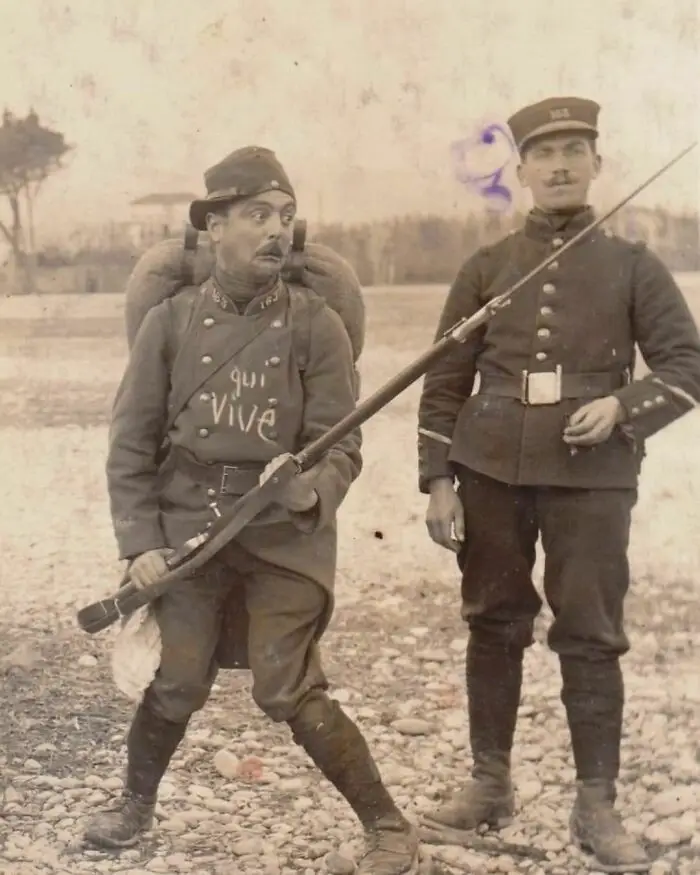
#19 Goofing Around Before Going To The Ww1 Front, 1914
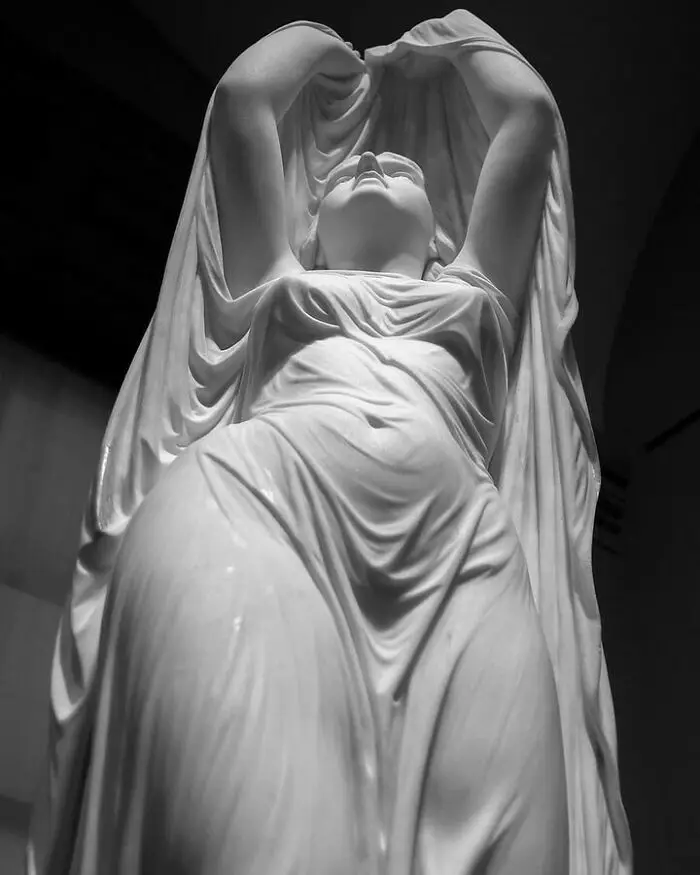
#20 Undine Rising From The Waters (1880) By Chauncey Bradley Ives