

According to a Lithuanian saying, the deeper you go into the forest, the more trees you find. It means that the closer you examine something, the more questions and complexity you’ll uncover.
History works the same way. What first appears straightforward on the surface branches into much greater detail, contradictions, and unexpected connections once you spend time with it.
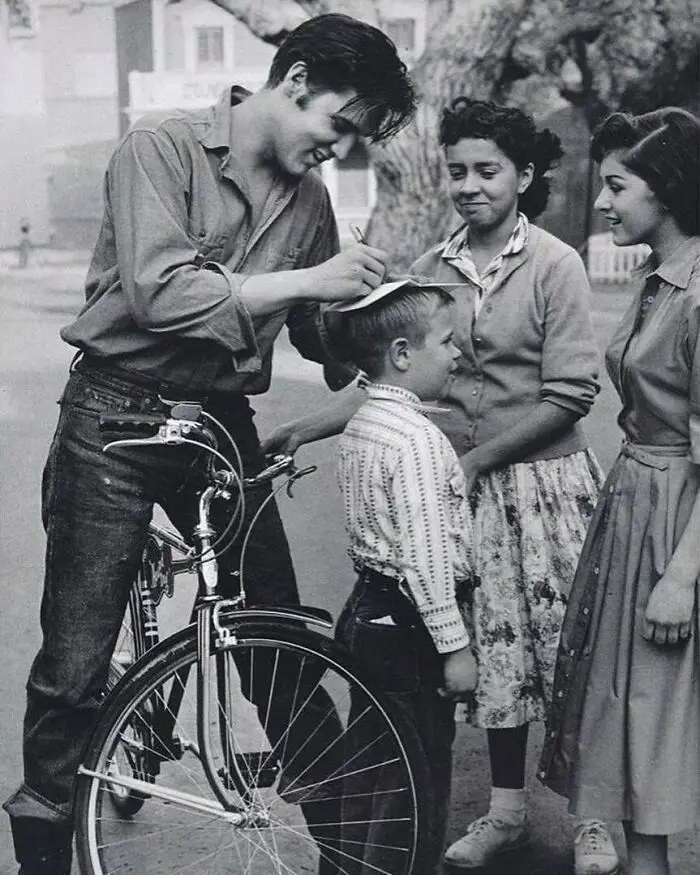
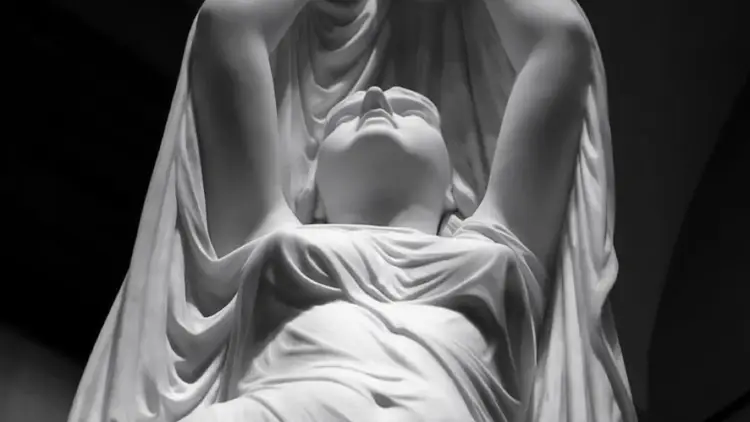
Just take a look at the posts by the Instagram account ‘Historica Leaks.’ Whether it’s the intricacy of ancient Greek sculpture or local life in a quiet corner of Norway, it captures both the grand and the ordinary in equal measure.
More info: Instagram
#63
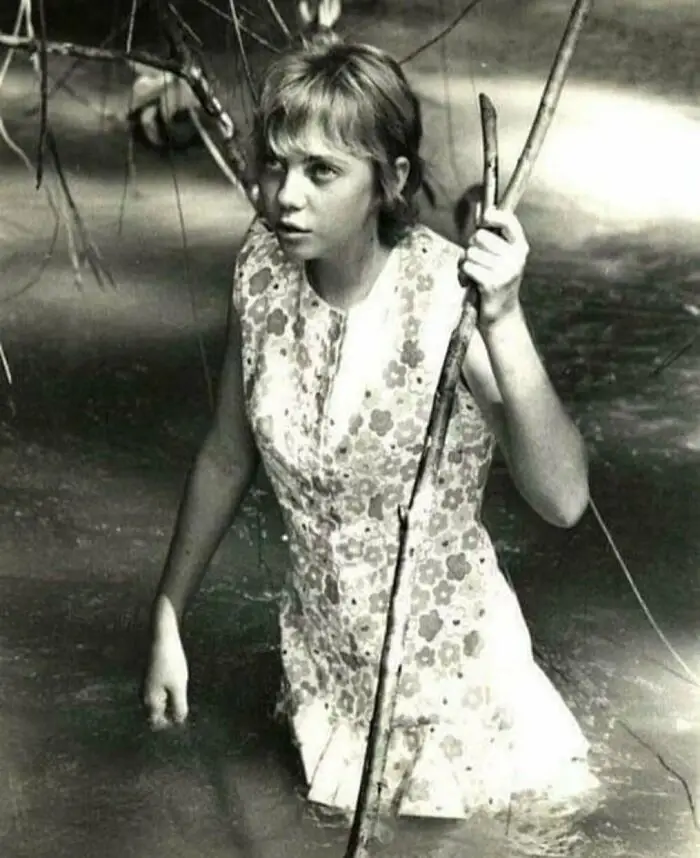
17 year-old Juliane Koepcke was sucked out of an airplane in 1971 after it was struck by a bolt of lightning. She fell 2 miles to the ground, strapped to her seat and survived after she endured 10 days in the Amazon Jungle. After ten days, she found a boat moored near a shelter, and found the boat's fuel tank still partly full. Koepcke poured the gasoline on her wounds, an action which succeeded in removing the maggots from her arm. Out of 93 passengers and crew, Juliane was the only survivor of the LANSA flight 508 crash that took place December 24th, 1971.
Report
26points
#64
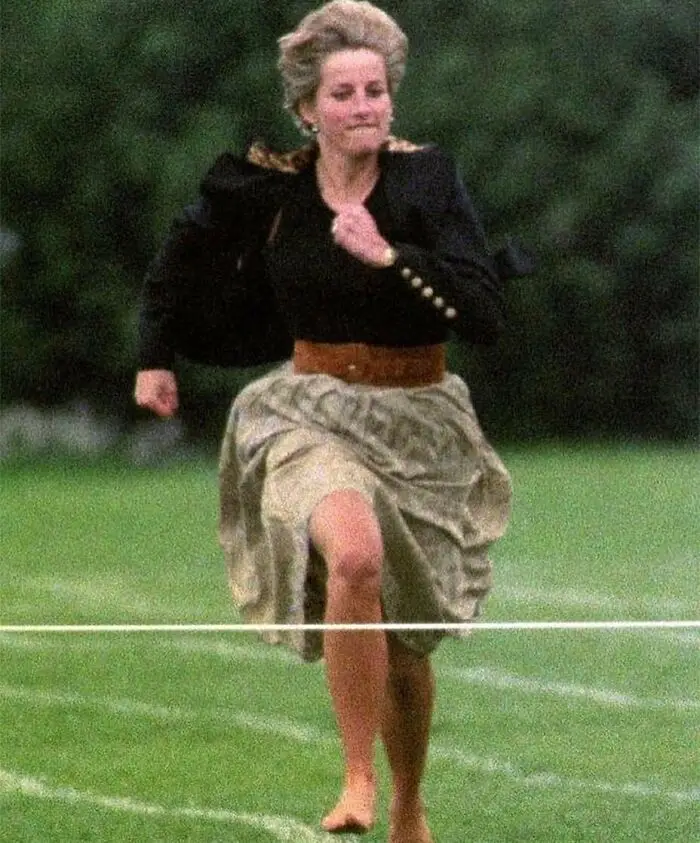
When Princess Diana broke the royal rules for her son William by taking part in the Sports Day running race at her son's school.
Report
26points
#65
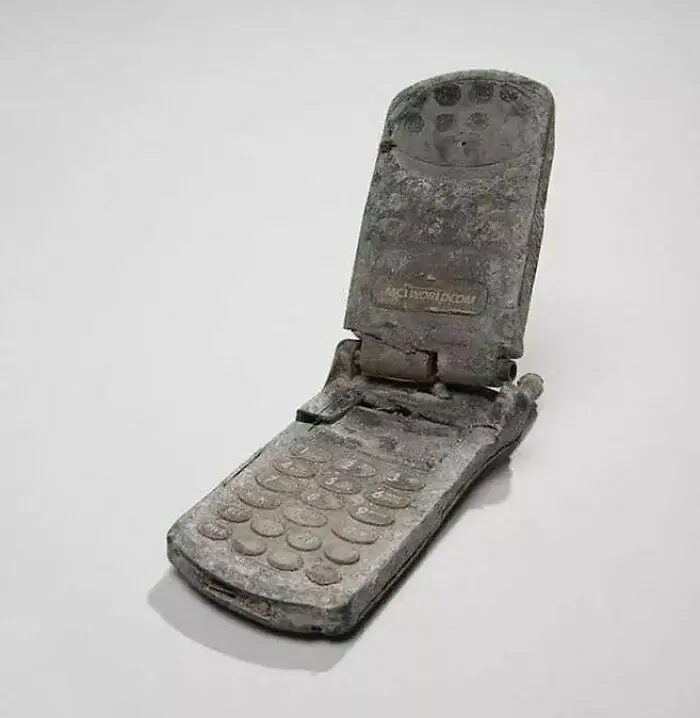
On Sept. 11, 2001, Andrea Haberman started her day with a playful ritual she and her fiancé shared whenever they were apart: whoever called the other first thing in the morning won the competition. That day Andrea won. She took advantage of the time difference and was calling from a desk in the Carr Future offices h**h in the North Tower. She decided to get there early for her 9:00 a.m. meeting. About 40 minutes after she hung up the phone with him, a hijacked commercial airliner crashed through the building a floor above her. Escape was not possible. Months later, recovery workers discovered some of Andrea’s personal items in the debris pile at ground zero. Among them was the cell phone that she used to call her fiancé for that last time. This and some of her other belongings are now a part of the 9/11 Memorial Museum’s collection.
Report
25points
#66
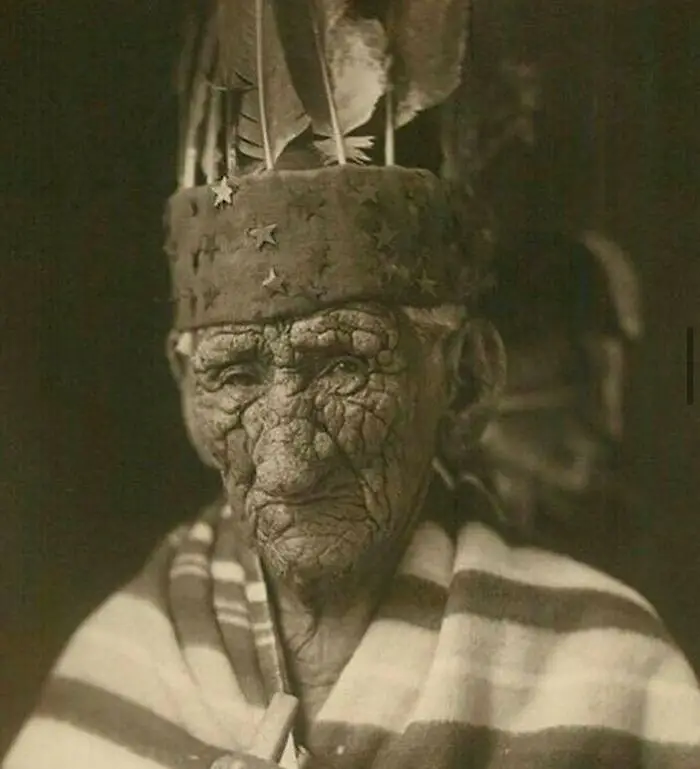
From 1785 to 1922, White Wolf, as known as Chief John Smith said to have lived 137 years. White Wolf Chief John Smith was a Native American of the Ojibwe (also known as Ojibwa, Chippewa, or Saulteux) people that lived in the Cass Lake, Minnesota area of the United States during the 1800s and early 1900s. He is best known for his extremely wrinkled appearance, and that people claimed that he is the oldest Native American to ever live. It is often claimed that he was 138 years old at the time of his death on February 6th, 1922. Chief John Smith was not only known as “White Wolf” but he also had many other nicknames, often related to the way his skin looked, or the fact he was old. He was known as Gaa-binagwiiyaas (translates to “which the flesh peels off”), Kahbe nagwi wens, Ga-Be-Nah-Gewn-Wonce (which roughly means “wrinkled meat”), Grandpa John, and The Old Indian. John Smith had all of these nicknames because he was a relatively well-known face not only in Minnesota but also across the entire country. He was often used as the face of the Chippewa people in the area, being photographed by photographers that would sell the photos as postcards and similar things like that. Chief John Smith himself would carry around photos to sell to “fans”. As well as this, in 1920, White Wolf Chief John Smith featured in a movie that featured old Native Americans called “Recollections of Ga-be-nah-gewn-wonce”. It toured the country so it made him well-known across all of the United States.
Report
25points
#68
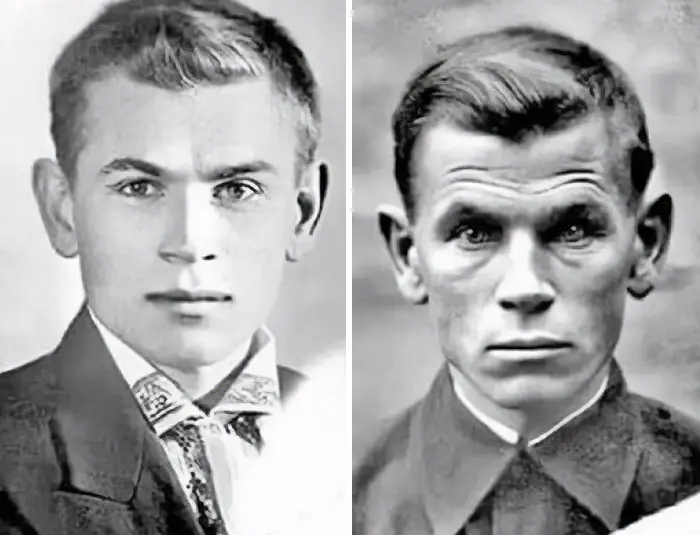
A soldier's face before and after the war: 1941 vs 1945. The man in the photo is Evgeny Stepanovich Kobytev. In 1941 he was a young man ready to start his creative life as an artist when Germany attacked the Soviet Union and he had to join the Army. However, all his dreams were cut short on June 22, 1941 when N**i Germany attacked Soviet Union. The new artist voluntarily became a soldier and enlisted in one of the artillery regiments of the Red Army. The regiment was engaged in a fierce battle to protect the small town of Pripyat, which lies between Kiev and Kharkiv. In September 1941, Kobytev was wounded in the leg and became a prisoner of war. He ended up in a German notorious c****************p operated out of Khorol, which was called “Khorol pit” (Dulag #160). Approximately 90 thousand prisoners of war and civilians died in this camp. In 1943, Kobytev managed to escape from captivity and again rejoined the Red Army. He participated in various military operations throughout Ukraine, Moldova, Poland, Germany. After the Second World War ended, he was awarded the Hero of the Soviet Union medal for his excellent military service during the battles for liberation of Smila and Korsun in Ukraine. However, the H**h Command refused to award him the Victory over Germany medal since his military career was “spoiled” for being a prisoner of war.
Report
25points
#69
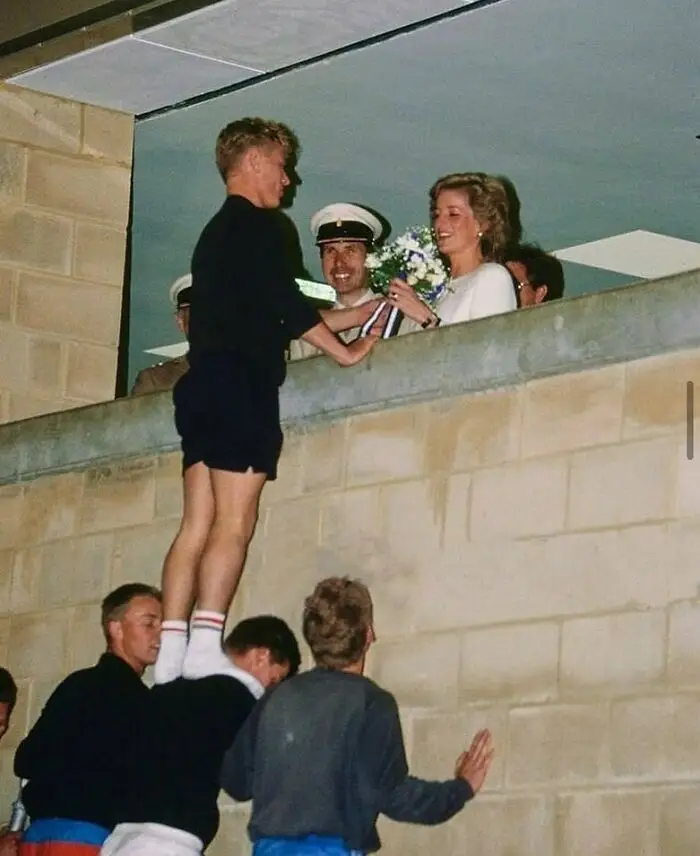
A young man giving Princess Diana flowers with a little help from his friends, 1989.
Report
25points
#70
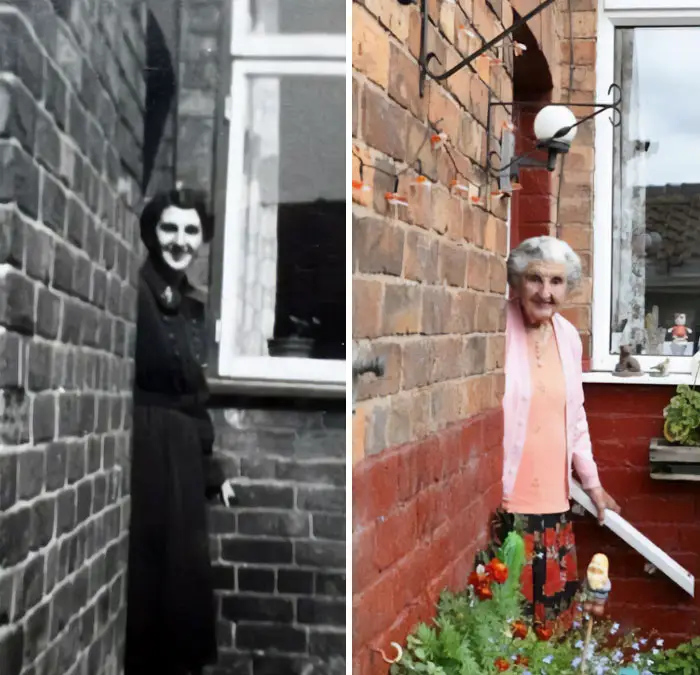
Elsie Allcock has lived in the same house for 104 years. She was born in June 1918 in this house in Huthwaite, Nottinghamshire. It was the tail end of the First World War. King George V was still the king. She has seen two world wars and two royal coronations all from the comfort of the two-bedroom terrace home in Huthwaite. Elsie left school at the age of 14 and stayed at home to help look after the family following the death of her mom, Eliza, who died from pneumonia in 1932. When she married Bill Allcock in 1941 they both decided to continue living in the house with her father. In 1960, Elsie bought her childhood home for £250. Her father, Mark Hall, who worked as a coal miner, had started renting the house for seven shillings and sixpence in 1902.
Report
24points
#71
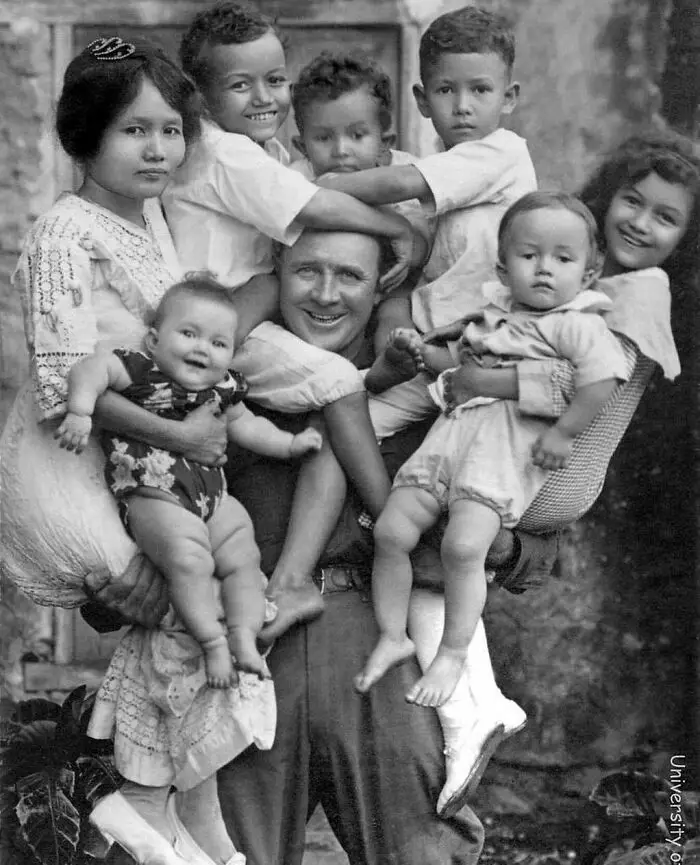
An American man carries his Filipina wife and their children in a family portrait, 1920s
Report
24points
#73
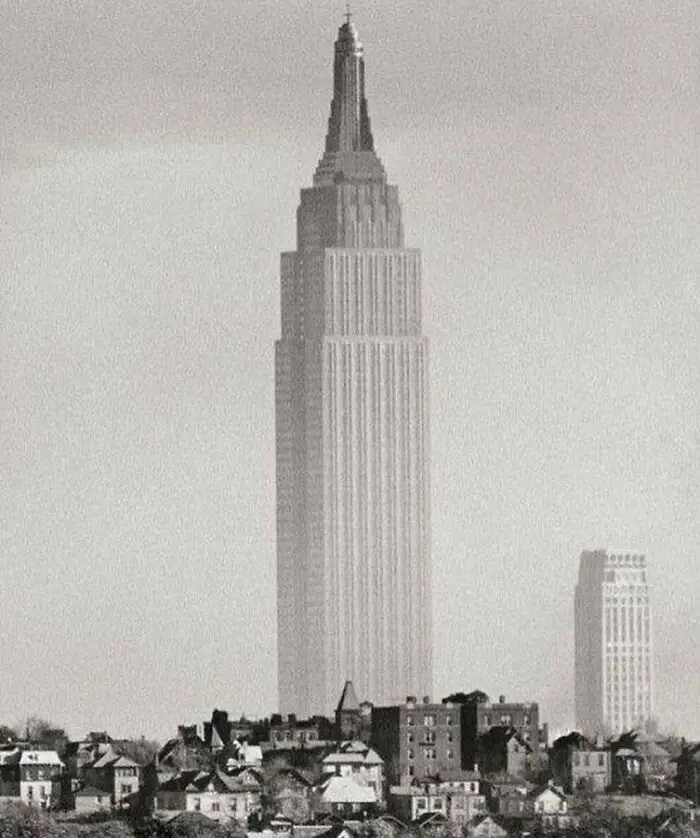
The Empire State Building from New Jersey after it was first completed in the 1930s
Report
24points
#74
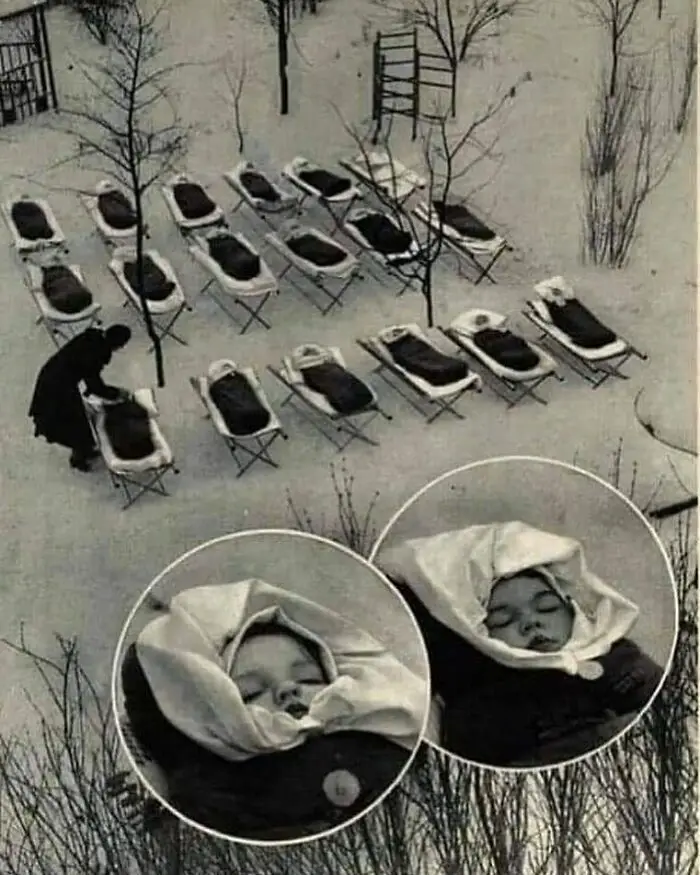
Soviet nurses tending to babies left to sleep outside for ‘cold therapy’ to build their immune system, 1958.
Report
23points
#75
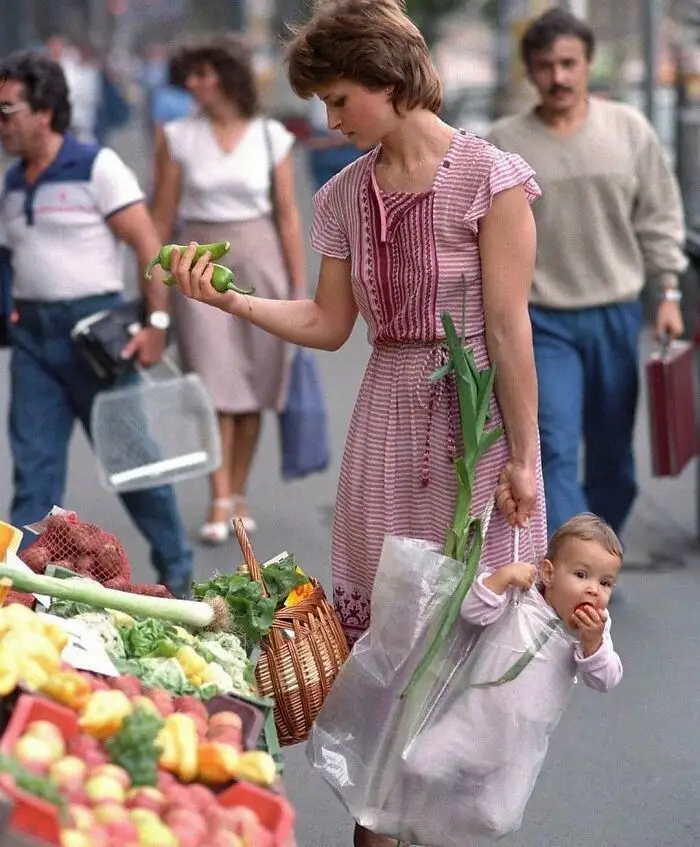
Mother holding her daughter at a Budapest market in 1987. 30 years later, they recreated the photo. The photographer is Atilla Manek. The subjects are his wife and daughter.
Report
23points
#76
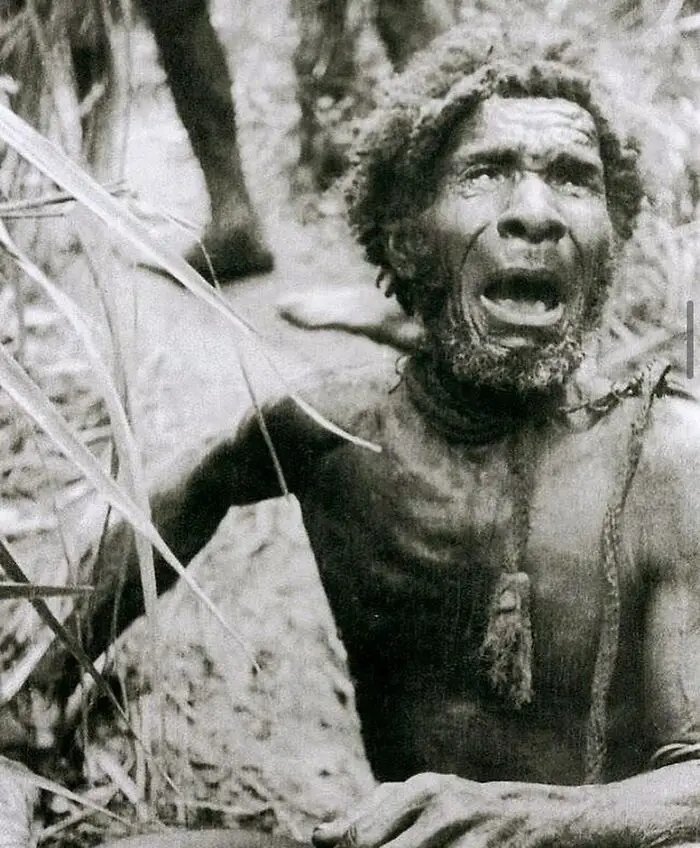
A Highland New Guinean’s reaction to seeing a white person for the first time in his life, 1930. Before this, they thought they were the only living people in the world.
Report
23points
#77
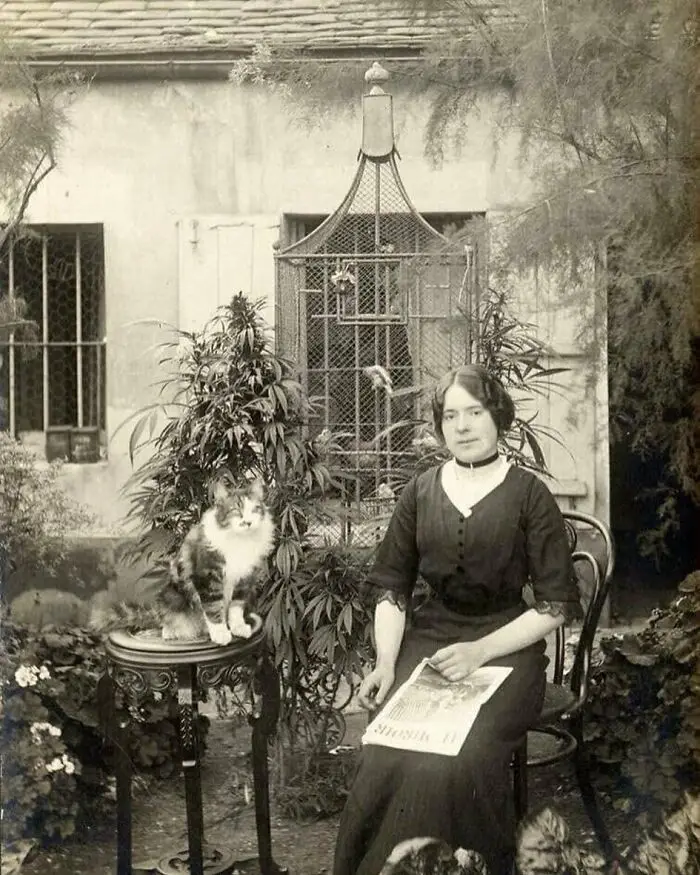
Parisian woman with her cat in her cannabis garden, 1910s. Original caption: “This lovely young Parisian woman is enjoying a serene moment in her lush garden in the 1910s in France. Her companions are her fluffy faithful feline and her caged bird. Keeping songbirds as pets is a hobby as old as the ancient Sumerians, but small home aviaries became a status symbol in the 1800s and early 1900s. Likely, this young lady enjoyed the company of her birds as a way to connect with nature. Interestingly, her garden contains several cannabis plants. It could be that the unique leaves and vibrant foliage was sought after as a garden plant. Or it could be that the young woman or her family were utilizing the medicinal properties of the cannabis plant to treat any one of a number of ailments.”
Report
23points
#78
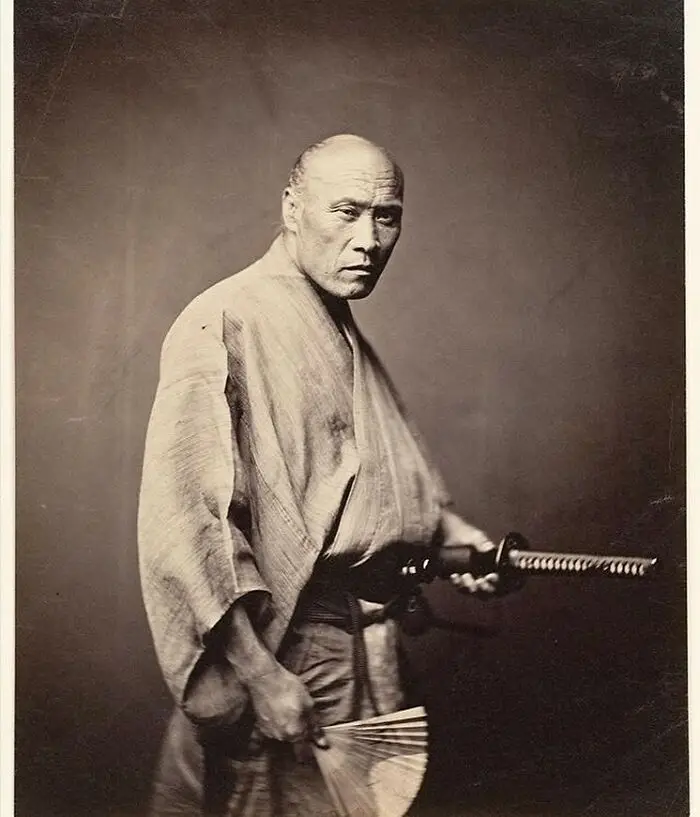
Pictured above is a Japanese Samurai in 1866. Samurai, member of the Japanese warrior caste. The term samurai was originally used to denote the aristocratic warriors (bushi), but it came to apply to all the members of the warrior class that rose to power in the 12th century and dominated the Japanese government until the Meiji Restoration in 1868. At the core of the samurai beliefs was their honor code known as bushido, but the bushido code was just the natural result of the three most important religions and philosophies the samurai followed – Shintoism, Confucianism, and Zen Buddhism. The word "bushido" comes from the Japanese roots bushi meaning warrior, and do meaning path or way. It translates literally to way of the warrior. Bushido was followed by Japan's samurai warriors and their precursors in feudal Japan, as well as much of central and east Asia. The principles of bushido emphasized honor, courage, skill in the martial arts, and loyalty to a warrior's master (daimyo) above all else. In the 1870s, samurai comprised five percent of the population, or 400,000 families with about 1.9 million members. In the 1880s, 23 percent of prominent Japanese businessmen were from the samurai class; by the 1920s the number had grown to 35 percent.
Report
23points
#79
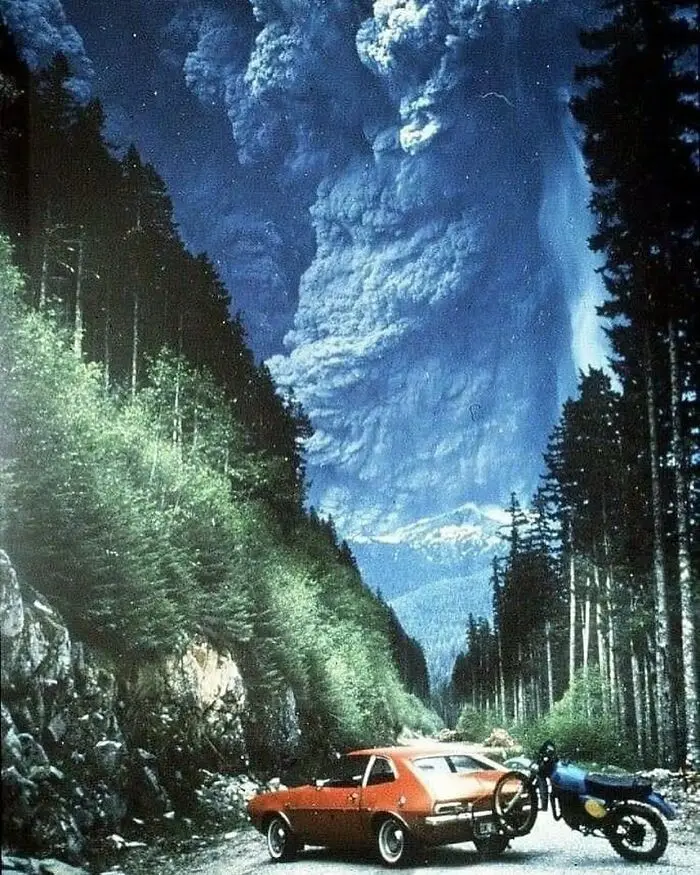
The eruption of Mount St. Helens, 1980. Here’s some background info by a friend of the man who took this photo: "He pulled over and attempted to turn around seeing as the ash cloud was heading his way and fast. In his hurry he bent the forks on his motorcycle. He jumped out of the car and ran up the hillside to get some pics, thinking he might just die for it, and hoping someone would find the camera at least as it was a phenomomenal sight that filled the sky. The first picture he took was the one with the Pinto cocked in the road and the bent motorcycle still in the back with that HUGE cloud going up in the sky in the background. He made his way back down the mountain after being quickly overtaken by the ash cloud. He was completely blinded, and had to drive on the opposite side of the road steering by staying right on the opposite side of the road heading into oncoming traffic, but encountered nobody going up. The car choked out after a while and he rode his bent motorcycle out of the mountains back to the room he had rented. The next day as soon as he could, he rode his motorcycle back up into the now really hot zone with his camera to get what pics he could. He was well into the red no go zone, when a helicopter saw him, and came right down and landed in his path. He was surprised to be arrested on the spot and flown out in the chopper and to jail. They left his motorcycle lay on the mountain. They also kept him in jail for a few days without letting him call anyone or even plead his case. When he finally got out, he again went back up there, (Not sure how) and was able to get his motorcycle back and I think later his car as well."
Report
22points