


#21
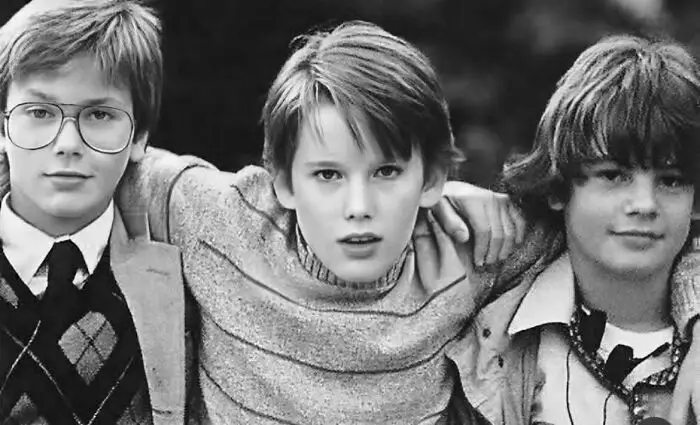
He does mention that while 19th-century cameras might be tricky to locate, 35mm SLRs are still accessible. “You can find them in thrift stores, estate sales, or dusty corners of antique shops. They’re just waiting for someone to rediscover them,” he says. And that search is part of the fun, too. “It’s like treasure hunting,” he laughs. “Every camera has its own story: its scratches, its quirks, it adds charm to your work.”
#22
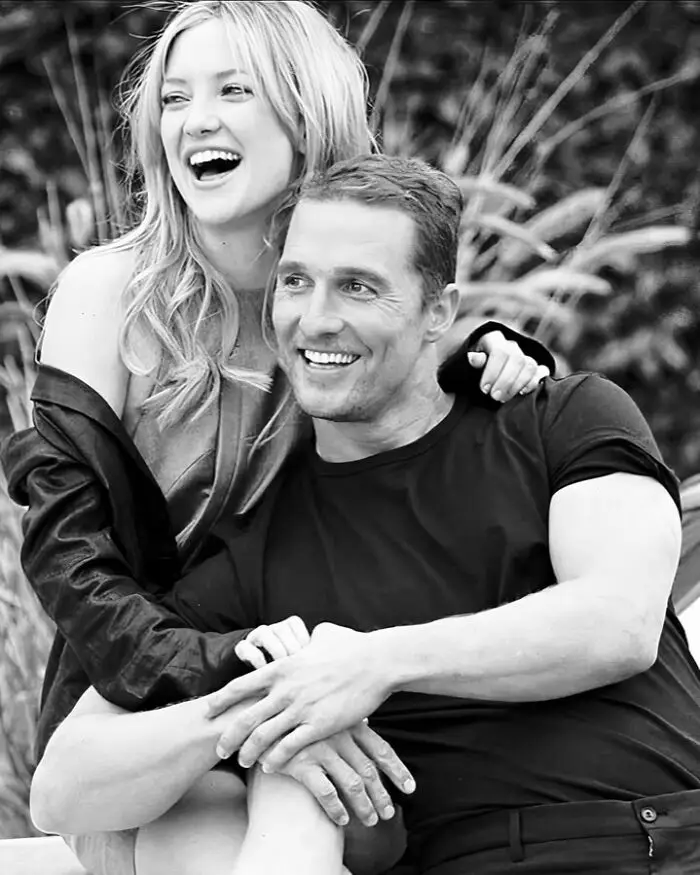
Filmed in New York City in 2002, How to Lose a Guy in 10 Days was released in February 2003 and became an instant hit, grossing over $177 million worldwide. The film reflects early 2000s romantic comedy conventions, blending humor, romance, and urban settings to appeal to a wide audience. Hudson, who had already achieved acclaim for roles in Almost Famous (2000) and The Skeleton Key (2005), delivered a performance that balanced wit and vulnerability, while McConaughey, emerging as a leading man after films like The Wedding Planner (2001), brought a playful confidence that complemented Hudson’s energy. Their interactions, full of banter, misunderstandings, and charming vulnerability, created memorable cinematic moments that continue to resonate with fans of the genre.
The success of How to Lose a Guy in 10 Days solidified both Hudson and McConaughey as leading figures in romantic comedies and contributed to the era’s flourishing rom-com culture. Beyond its box office performance, the film has had a lasting impact on pop culture, inspiring fashion, dating tropes, and countless references in media over the years. Behind-the-scenes stories often highlight the mutual respect and camaraderie between the actors, which translated into the chemistry so evident on-screen. Today, the film remains a defining example of early 2000s romantic comedies, celebrating lighthearted storytelling, star power, and the timeless appeal of on-screen chemistry.
#23
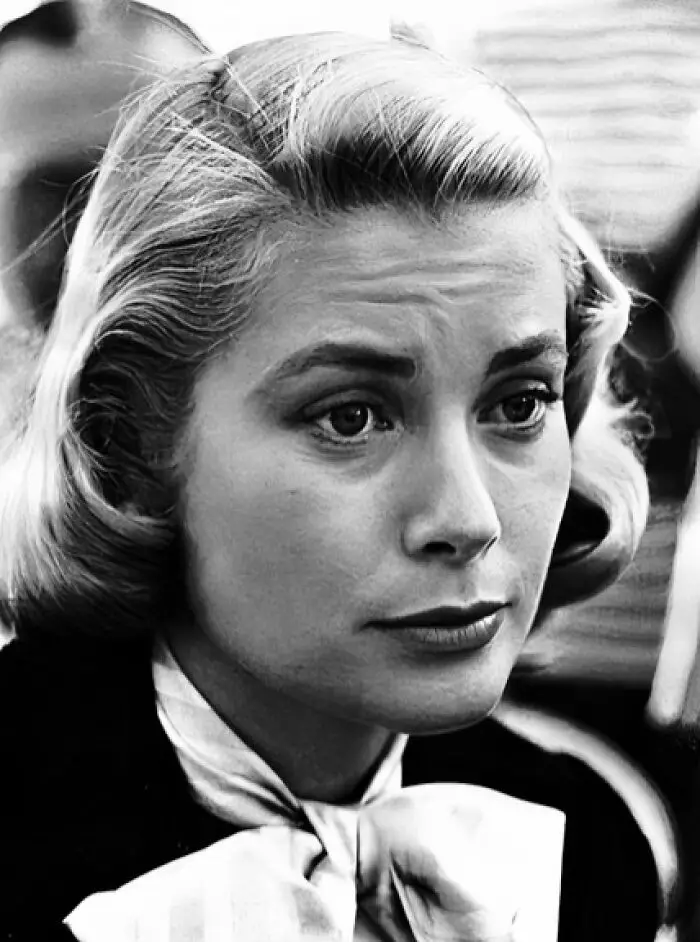
By 1955, Kelly’s refined beauty and acting talent were complemented by a public persona defined by grace, charm, and composure, qualities that were perfectly suited to the grandeur of Cannes. The festival itself, founded in 1946, had by the mid-1950s become a premier destination for filmmakers, actors, and journalists from around the world. Kelly’s participation drew international media attention, with images highlighting her effortless elegance against the backdrop of the French Riviera. Her attire, often featuring tailored gowns, gloves, and understated jewelry, reflected contemporary fashion trends and influenced women’s style choices globally. Cannes provided the perfect stage for Kelly to embody the sophistication and glamour that would define her public image for decades.
This 1955 Cannes appearance also foreshadowed the next chapter in Kelly’s life, as her increasing prominence in European society would eventually lead to her marriage to Prince Rainier III of Monaco in 1956. Photographs and media coverage from the festival reveal not only her cinematic allure but also the cultivated poise and dignity that would define her later years as Princess of Monaco. Kelly’s time at Cannes symbolizes the intersection of film, fashion, and international celebrity culture, capturing a moment when Hollywood elegance met European sophistication. Each image from May 1955 serves as a historical testament to her influence, highlighting the enduring legacy of a woman whose beauty, talent, and grace transcended both cinema and time.
#24
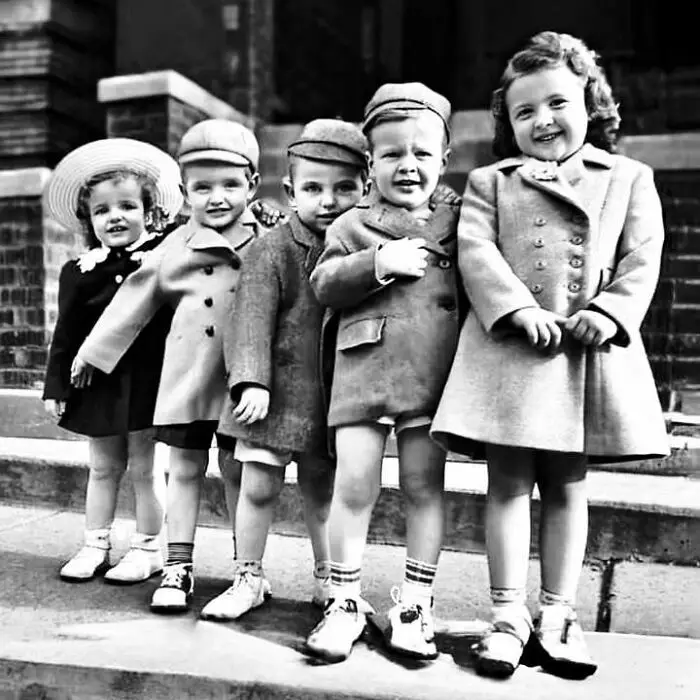
While the film rolls themselves can be expensive, Lokesh feels the payoff is worth it. “There’s something satisfying about slowing down,” he says. “You think more, you compose better, and you value the results more.” For him, it’s about connecting with the moment, not just snapping it. “Film photography isn’t cheap,” he admits, “but that’s what makes it special.” Each click costs, and that cost brings intention.
Lokesh also shares a few practical tips. “Older film had slower ISO, so lenses, shutters, and aperture controls were designed for that. You’ll need to compensate with wider apertures, slower shutter speeds, or brighter lights.”
#25
#26
#27
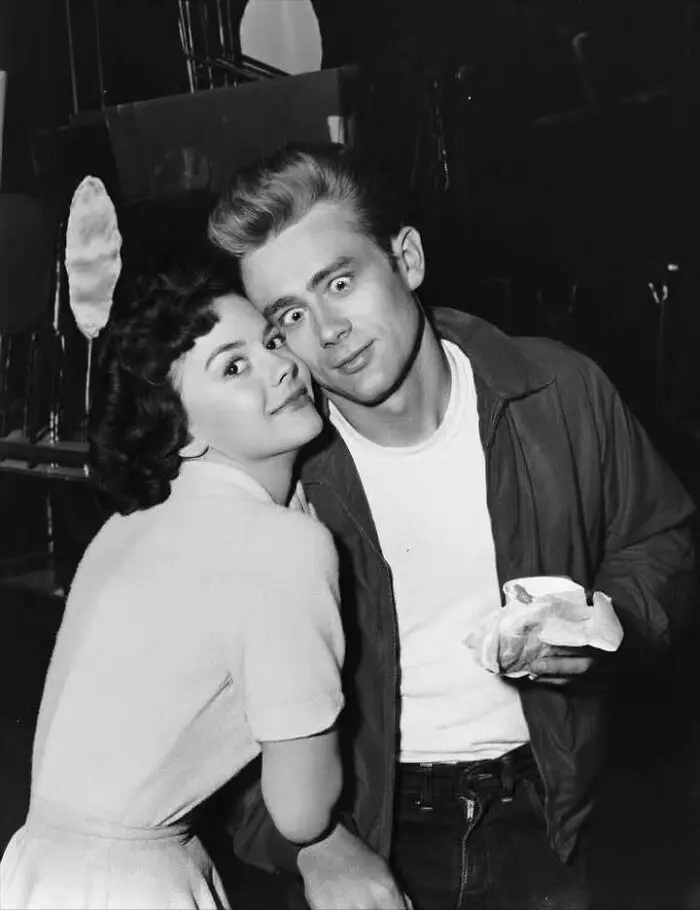
Rebel Without a Cause was groundbreaking in both narrative and style, addressing themes of alienation, generational conflict, and the search for meaning at a time when post-war America was experiencing rapid social change. The film’s iconic imagery—Dean in his red jacket, Wood with her expressive gaze—captured the imagination of audiences and photographers alike, creating enduring symbols of teenage rebellion. Filming took place in Los Angeles, with the Griffith Observatory and local streets serving as key backdrops, providing an authentic urban environment that reflected the tension and excitement of adolescent life. The movie’s release in October 1955 drew critical and commercial acclaim, influencing future films and solidifying the “rebel” archetype in American cinema.
The legacy of Rebel Without a Cause extends far beyond its original release, shaping popular culture, fashion, and cinematic storytelling for decades. James Dean’s tragic passing in a car accident in September 1955, just before the film’s premiere, added to its mythic status, immortalizing him as a symbol of youthful intensity and fleeting genius. Natalie Wood’s performance further established her as a versatile actress capable of conveying vulnerability and strength. Today, colorized images of Dean and Wood on set, allow contemporary audiences to connect with the timeless energy, emotion, and style of a film that continues to define the golden age of Hollywood’s exploration of youth, rebellion, and cinematic artistry.
“Understanding the light sensitivity of your film is key.” He says these details affect the final outcome more than people realize. “Lighting becomes an art in itself,” he adds. “Old photos tell you how people felt, not just how they looked.” That feeling, he says, is what keeps him going back to analog again and again.
Well, which one of these posts stole your heart? Was it the charm of vintage photos, the timeless feel of film, or one of Lokesh’s golden tips? Let us know in the comments, we’re all ears (and a little nostalgic)!
#28
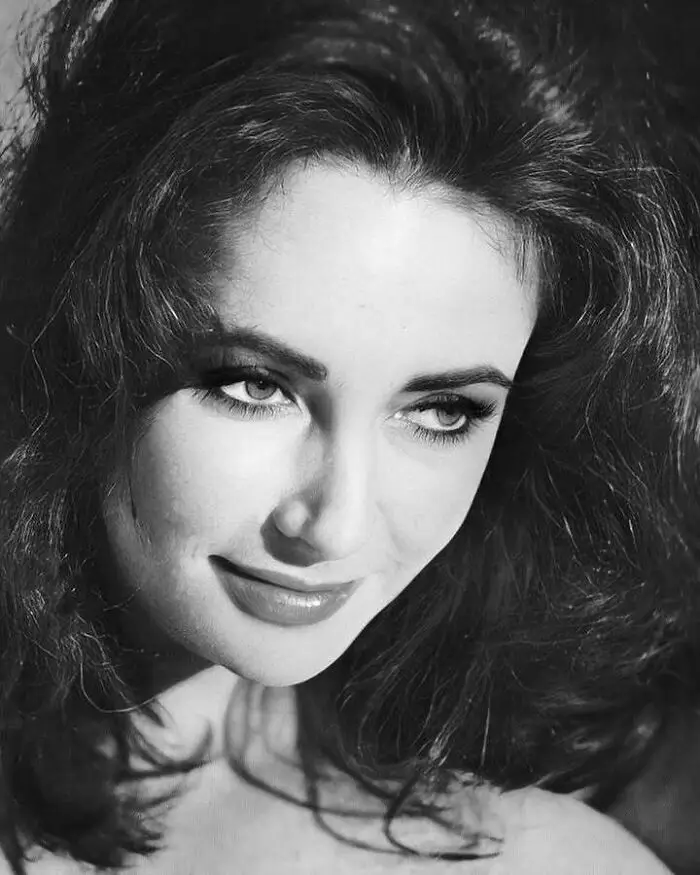
The early 1960s marked Taylor’s reign as Hollywood royalty. Her portrayal of Cleopatra in Joseph L. Mankiewicz’s Cleopatra (1963) remains legendary — not just for its scale, but for how it solidified her status as both a global beauty icon and a commanding performer. The film’s lavish production, filmed in Rome and London between 1961 and 1963, cost a record $44 million and showcased Taylor in over 65 costumes, each more extravagant than the last. Her role as the Egyptian queen became synonymous with her public persona — powerful, glamorous, and unforgettable. It was during this period that her love story with Richard Burton ignited, adding another layer to her mythic aura.
Elizabeth Taylor’s face wasn’t just admired — it became a cultural symbol of mid-century glamour and resilience. Behind the beauty was an actress of remarkable talent, who won two Academy Awards for Butterfield 8 (1960) and Who’s Afraid of Virginia Woolf? (1966). Even decades later, her presence endures — from Hollywood retrospectives to fashion archives — as the embodiment of classic elegance, emotional depth, and the enduring mystique of true stardom.
#29
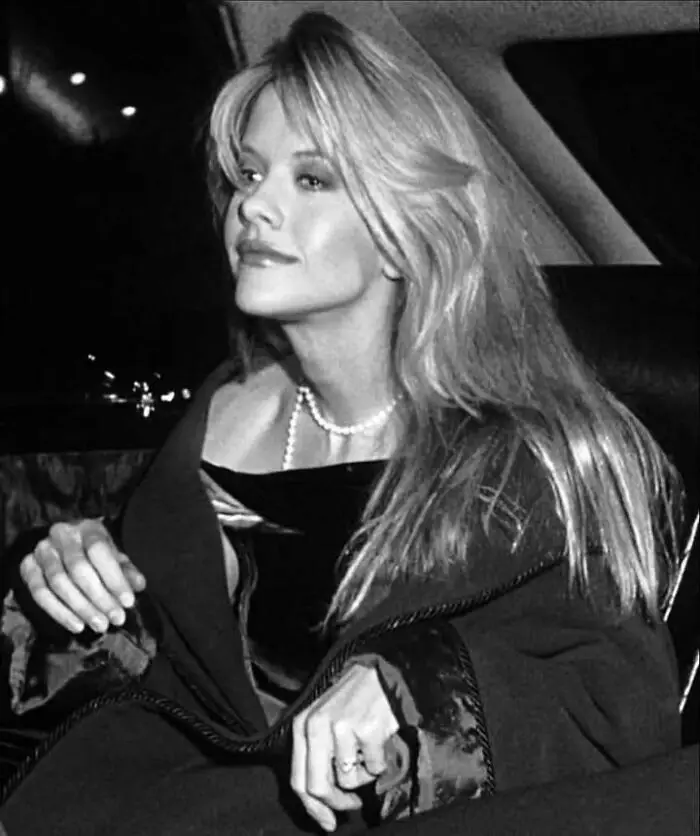
#30
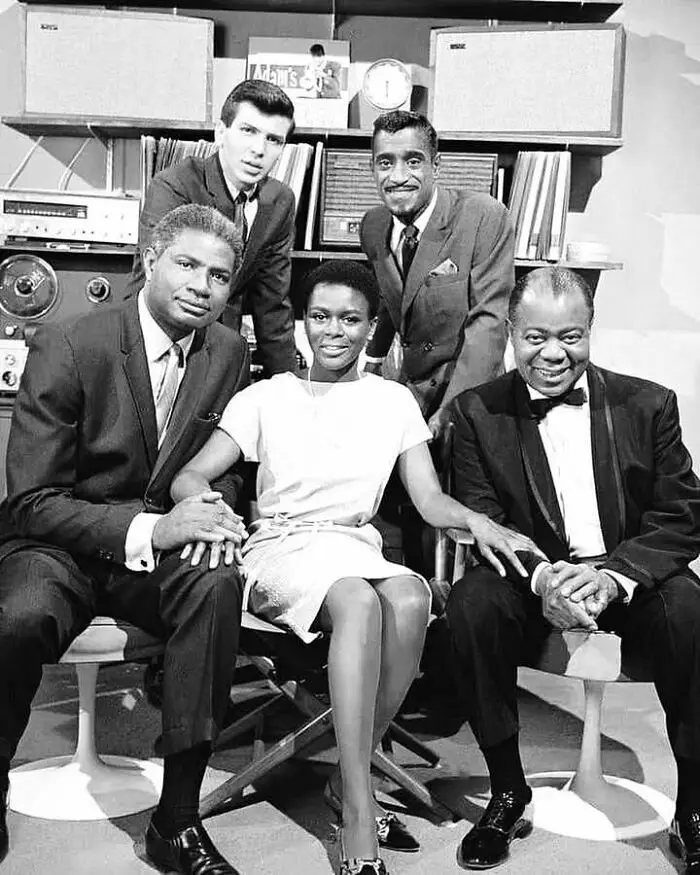
#31
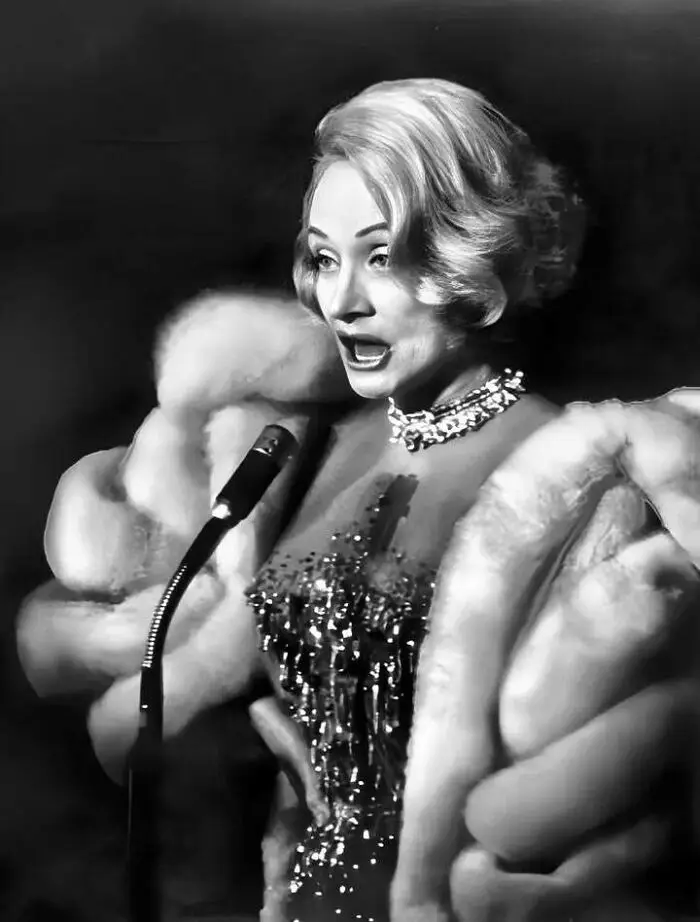
#32
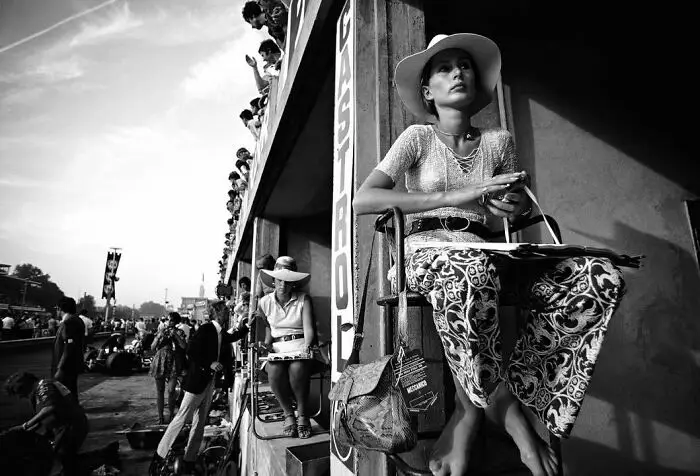
Jochen Rindt’s posthumous championship remains one of Formula One’s most remarkable and poignant stories. Despite his untimely passing, no other driver was able to surpass his points total for the 1970 season, securing him the World Drivers’ Championship — the only driver in F1 history to be awarded the title posthumously. Rindt’s driving style, marked by precision, courage, and technical skill, had already earned him multiple Grand Prix victories earlier that season, including wins in Monaco and the Netherlands. The tragic circumstances of Monza added a layer of legend to his career, underscoring the inherent risks of racing during an era when safety standards were far less developed than today.
In November 1970, the Champion Challenge Trophy was officially presented to Nina Rindt, symbolizing both her husband’s achievement and the human cost of the sport. The legacy of Jochen Rindt endures as a reminder of the bravery and talent that define Formula One history. Photographs like Rainer Schlegelmilch’s, now preserved in archives and shared by motorsport historians, offer a window into a defining moment of racing heritage — combining the triumph, tragedy, and timeless allure of the sport. These images capture not just a driver or a race, but the enduring human stories behind Formula One.
#33
#34
#35
#36

#37
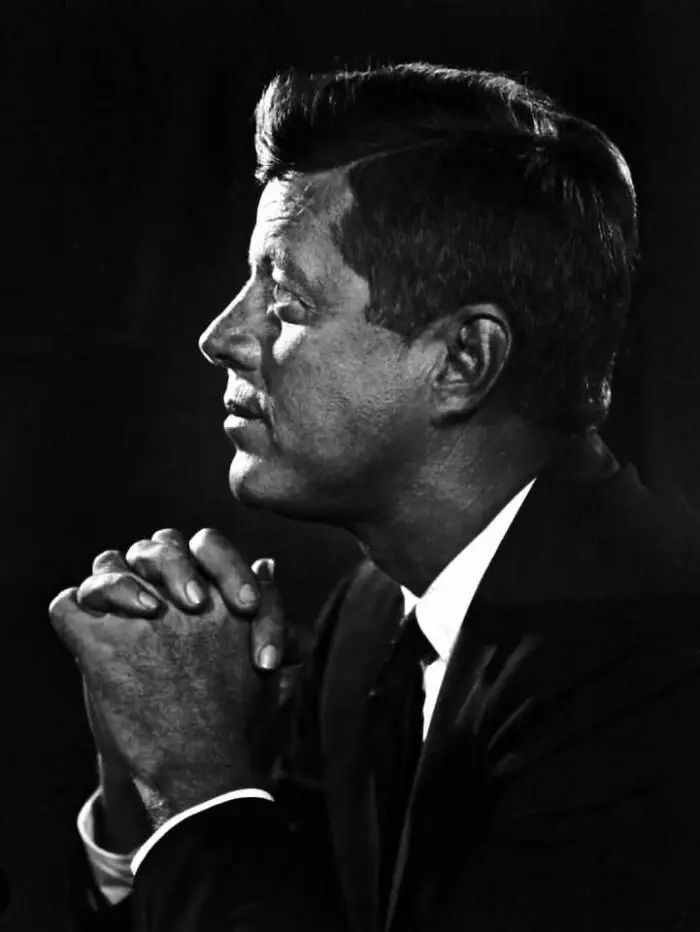
By 1963, Kennedy had evolved into a president unafraid to confront the nation’s moral challenges. His June 11, 1963 address on civil rights marked a turning point — a speech that echoed the ideals of equality and compassion, calling racial injustice “a moral issue as old as the scriptures and as clear as the American Constitution.” That same year, he proposed comprehensive civil rights legislation, paving the way for the Civil Rights Act of 1964, signed later by Lyndon B. Johnson. His words and leadership inspired millions — including Dr. Martin Luther King Jr., with whom he shared a belief in the transformative power of courage and conscience.
This image of Kennedy at prayer feels especially powerful in hindsight. It transcends politics and evokes the humanity of a leader who bore the immense pressure of change with humility. For many, including generations of Americans who benefited from the civil rights movement, this photo represents faith, moral vision, and integrity in leadership. Kennedy’s legacy endures as a reminder that true greatness lies not only in power, but in the courage to seek justice for all.
#38
#39
#40