



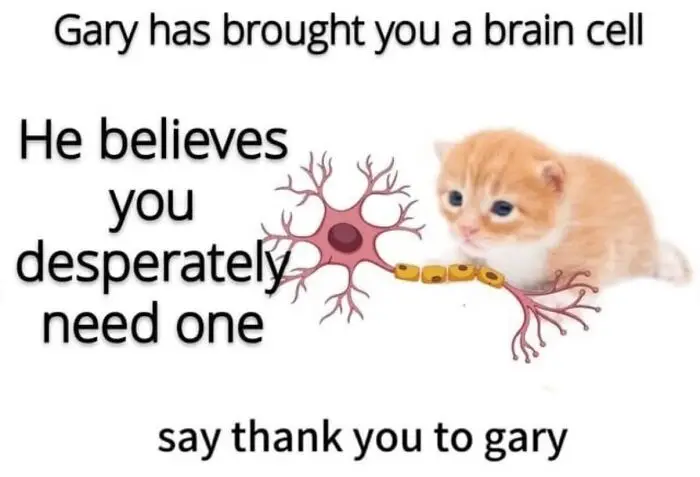

Humor is a curious part of human nature, especially when it comes to things that make absolutely no sense. According to Psychology Today, people naturally look for patterns and expect the world around them to follow a certain logic. Absurd humor plays with this tendency by presenting situations that contradict what we would normally expect, creating a moment of confusion that can quickly turn into amusement.
Whether it is an impossible scenario, an unexpected combination of ideas, or a joke with a completely ridiculous punchline, the entertainment often comes from the contrast between what our brains anticipate and what actually happens. Psychologists refer to this as incongruity theory, which helps explain why the unexpected can be so funny.



Part of the appeal also comes from how harmless these unusual situations are. Something that initially appears strange, inappropriate, or completely out of place can become entertaining once we recognize that there is no genuine threat behind it. This is closely related to the psychological concept of benign violation, which suggests that people often find humor in things that break familiar rules while remaining safe enough to enjoy.
Our reactions can also depend on personal experiences, cultural backgrounds, age, and expectations, meaning that the same bizarre joke might leave one person laughing while another struggles to understand what is supposed to be funny. This helps explain why internet humor can be so unpredictable, with some of the most ridiculous images and ideas becoming someone's favorite source of entertainment.



Beyond the amusement itself, laughter can also have a surprisingly positive effect on our well-being. The Mayo Clinic explains that laughing influences the body's response to stress, initially increasing heart rate and breathing before allowing the body to settle into a more relaxed state.
It is also associated with lower levels of certain stress hormones, including cortisol, and increased production of endorphins, which are linked to positive feelings and pain relief. This temporary shift can make a difficult day feel a little more manageable, even if the circumstances causing the frustration have not changed. Sometimes, taking a moment to enjoy something silly is enough to provide a welcome mental break.



Humor can also influence how people approach everyday difficulties. When something frustrating or uncomfortable is presented in an amusing way, it can become easier to look at the situation from a different perspective rather than getting caught up in negative thoughts. A ridiculous observation about an ordinary inconvenience, for example, might remind someone that their experience is not quite as serious as it initially felt.
Laughter also becomes more meaningful when shared with others, as enjoying the same joke can create a sense of connection and mutual understanding. These small moments of amusement can help people feel less alone when dealing with the challenges and awkward situations that are part of everyday life.



Another reason certain jokes resonate so strongly is that they reflect experiences people recognize in themselves. Greater Good Magazine explores how relatable humor creates a sense of recognition, particularly when someone manages to describe an everyday thought, habit, or frustration in a way that others have never quite put into words.
A joke about procrastination, awkward conversations, or repeatedly opening the refrigerator despite knowing there is nothing new inside can be funny precisely because so many people have done the same thing. The humor becomes even more enjoyable when an ordinary experience is presented from an unexpected angle, making people feel that someone else understands their little quirks.



There is also a reassuring quality to recognizing ourselves in someone else's jokes. Everyday habits and embarrassing moments that might otherwise make people feel self-conscious can become much easier to laugh about when they realize others experience them too. This shared recognition can reduce feelings of isolation and create a sense of belonging, particularly when people discover that strangers have similar reactions to situations they once thought were unique to them.
Laughter is also highly social, often spreading between people and becoming a way of expressing agreement, familiarity, or affection. It is one reason humorous images and observations are so frequently shared between friends, even when they do not necessarily require a lengthy explanation.