



Thanksgiving is one of the most recognizable holidays in the United States, but its history stretches much further back than the familiar family feast suggests. According to the BBC, the holiday originated from harvest celebrations and religious days of giving thanks that existed long before the United States adopted it as an annual tradition.
Although the story most commonly associated with Thanksgiving centers on a 1621 harvest feast in Plymouth, Massachusetts, European settlers had already organized similar celebrations in North America. One documented religious service took place in Newfoundland in 1578, while Spanish settlers in Florida may have held earlier gatherings.
Initially, these occasions were generally solemn religious observances rather than the elaborate family celebrations people recognize today.


Over the following centuries, Thanksgiving gradually developed into a more established holiday. In 1789, President George Washington proclaimed November 26 a national day of public thanksgiving and prayer, although it would take much longer for the familiar traditions to take shape.
The modern Thanksgiving menu, including turkey, stuffing, mashed potatoes, and pumpkin pie, developed gradually rather than being a direct recreation of the 1621 feast. During the 20th century, large family dinners, parades, and football games became increasingly important parts of the celebration.
Today, Thanksgiving falls on the fourth Thursday of November and is often associated with bringing loved ones together, although its colonial history and connections to Indigenous communities remain important parts of the holiday's story.

Over time, the holiday has accumulated plenty of customs that make it recognizable to millions of Americans. National Geographic explains that Thanksgiving traditionally revolves around a shared meal, expressions of gratitude, and spending time with family and friends.
Turkey usually takes center stage, accompanied by familiar dishes such as stuffing, mashed potatoes, gravy, sweet potatoes, cranberry sauce, and pumpkin or pecan pie. Many households also begin dinner with a prayer or take turns sharing what they are thankful for.
Beyond the dinner table, the holiday has become associated with public celebrations, particularly the Macy's Thanksgiving Day Parade, which first took place in New York City in 1924. Football has also become a major part of the occasion, with the NFL making Thanksgiving games a regular tradition in 1934.
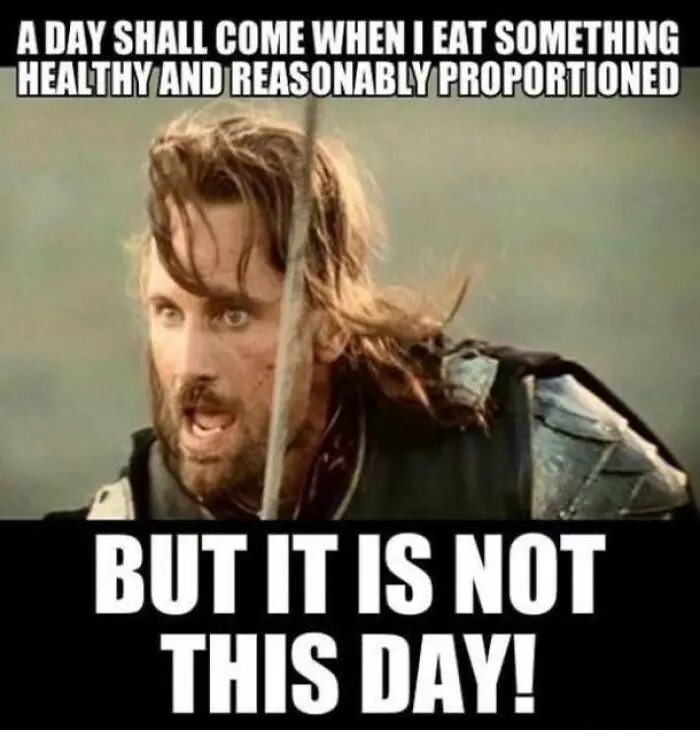
Other activities have gradually found their place in the celebrations, from community charity runs known as turkey trots to families gathering around the television to watch parades and football. Some people also use the occasion to start their holiday shopping, with Black Friday sales becoming closely associated with the Thanksgiving weekend.
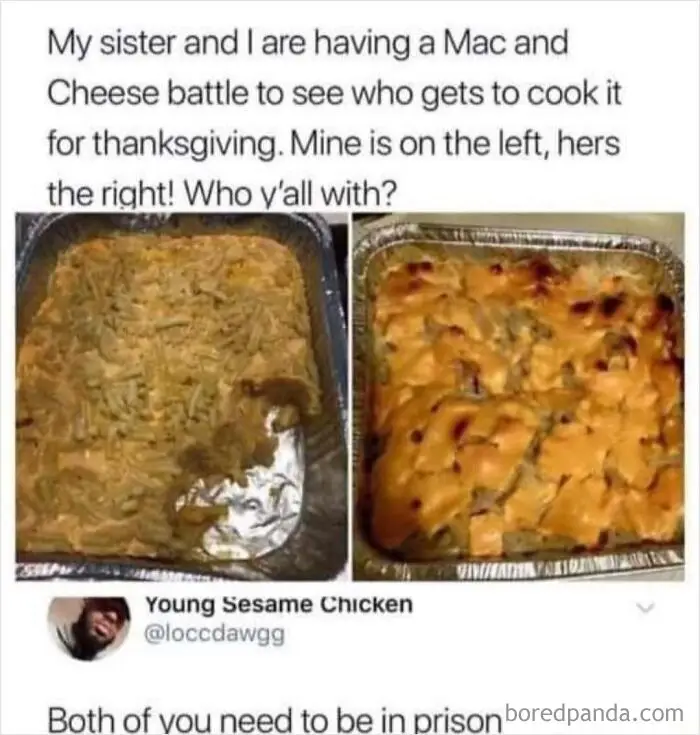
However, the meal remains the centerpiece for many households, and preparing it can be almost as important as eating it. Familiar recipes are often passed down between generations, while relatives take on different responsibilities in the kitchen.
These customs help explain why Thanksgiving is about more than simply enjoying a day off or having a large dinner. The food, activities, and familiar routines all contribute to the feeling of continuity that makes the holiday meaningful to so many people.
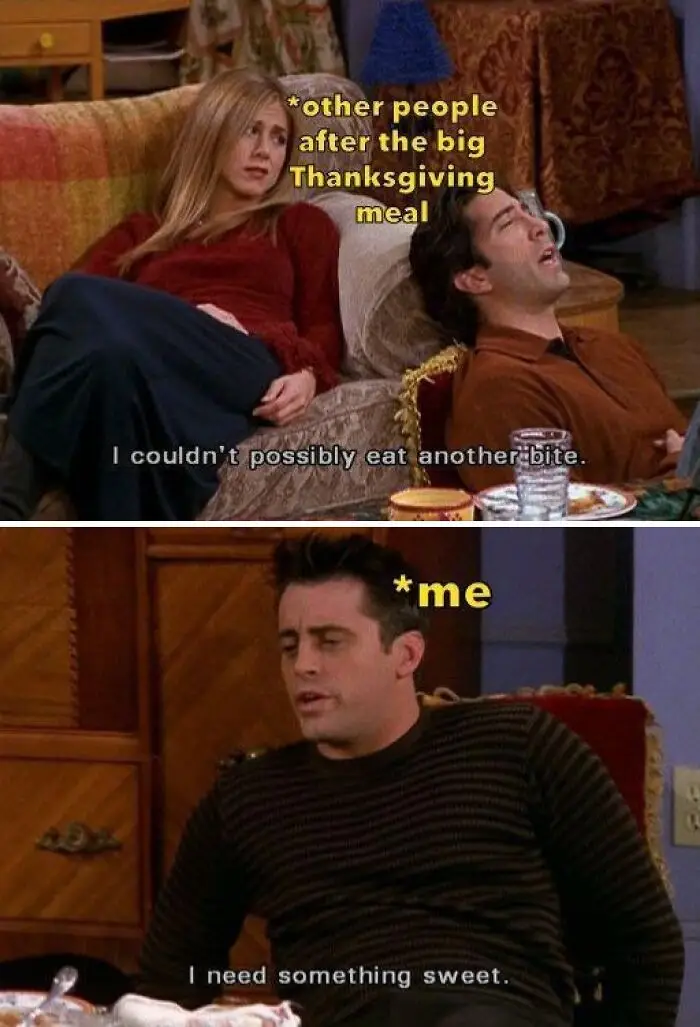


Of course, having so much food available also makes Thanksgiving particularly memorable for anyone who struggles to resist a second or third helping. The Los Angeles Times explores how eating during celebrations is influenced by much more than physical hunger.
Sharing a meal can create a sense of connection, nostalgia, and belonging, especially when people gather around dishes they have enjoyed for years. There is also a psychological phenomenon known as social facilitation, which helps explain why people tend to eat more when dining with others.
One review found that eating in company could increase food intake by approximately 44%, partly because shared meals often last longer. When everyone is enjoying the food and passing dishes around, it becomes easy to keep eating even after feeling full.
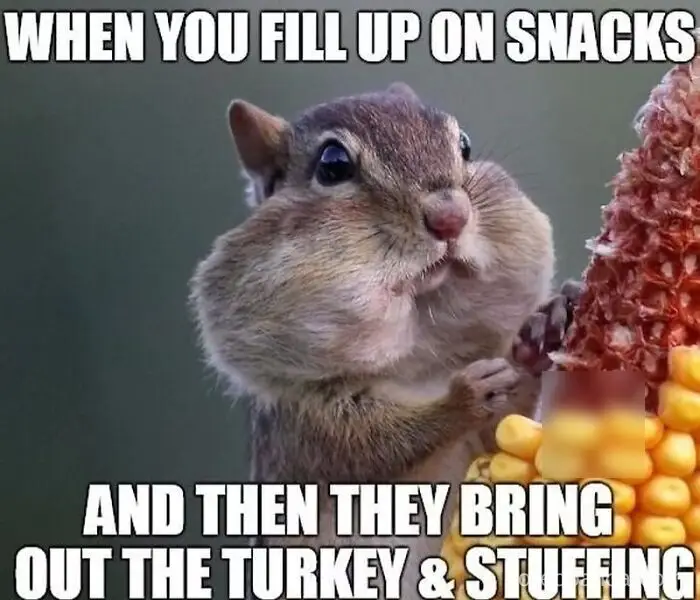
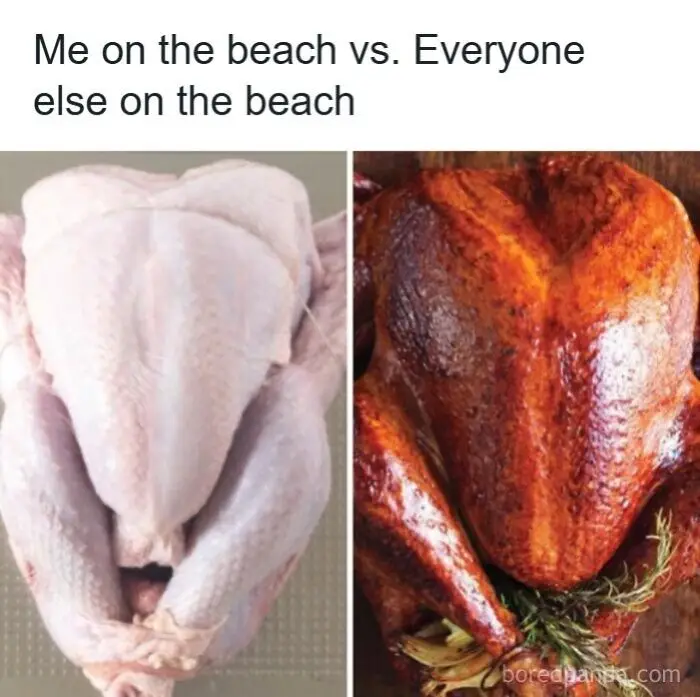
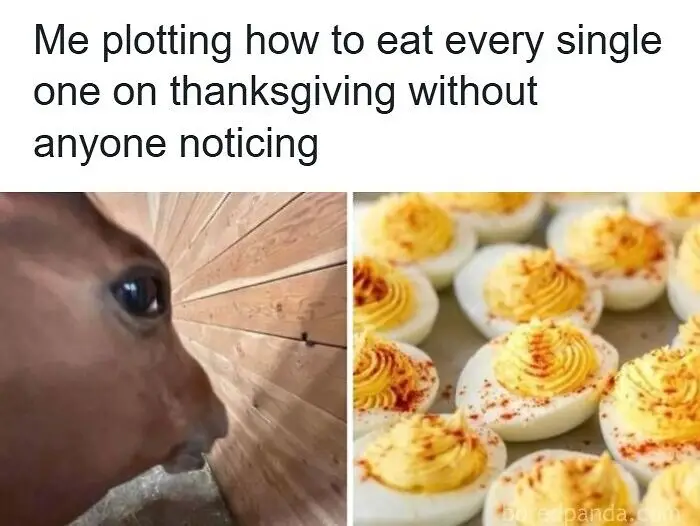
The variety of dishes available can make this even more tempting. With turkey, stuffing, potatoes, gravy, vegetables, and several desserts competing for attention, people may want to sample a little of everything rather than settle for one serving.
They can also unconsciously match the eating habits of those around them, particularly when dining with friends and family. Emotional associations play a role, too, as familiar recipes can bring back childhood memories and make people feel comforted.
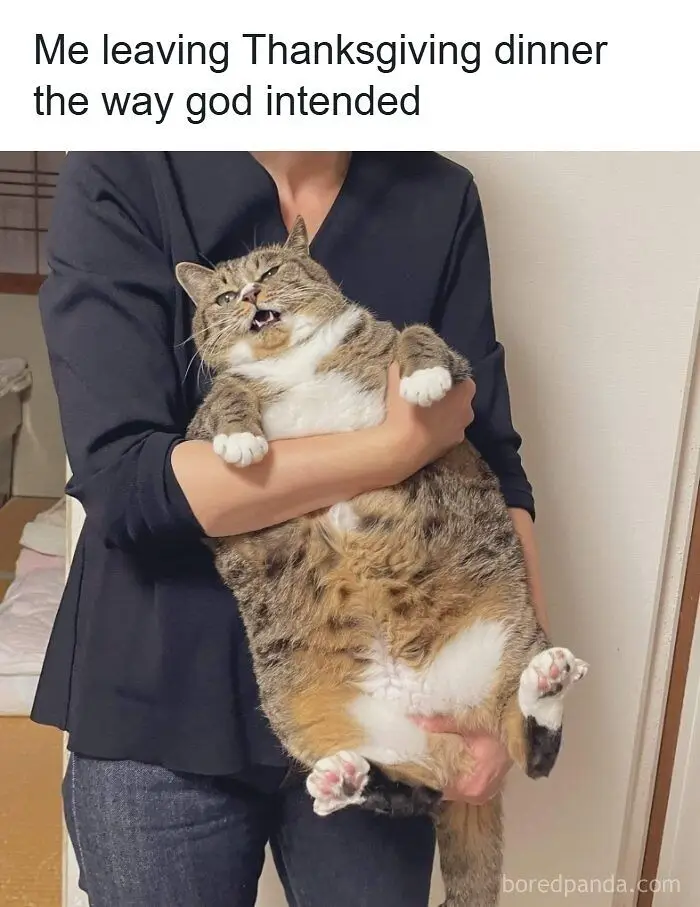
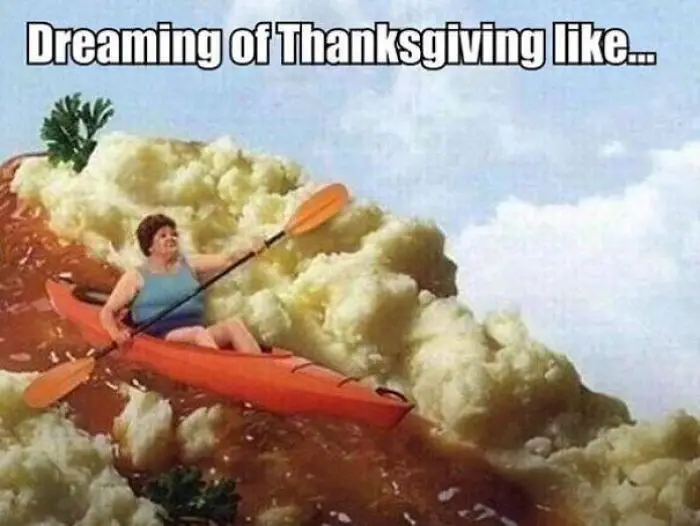
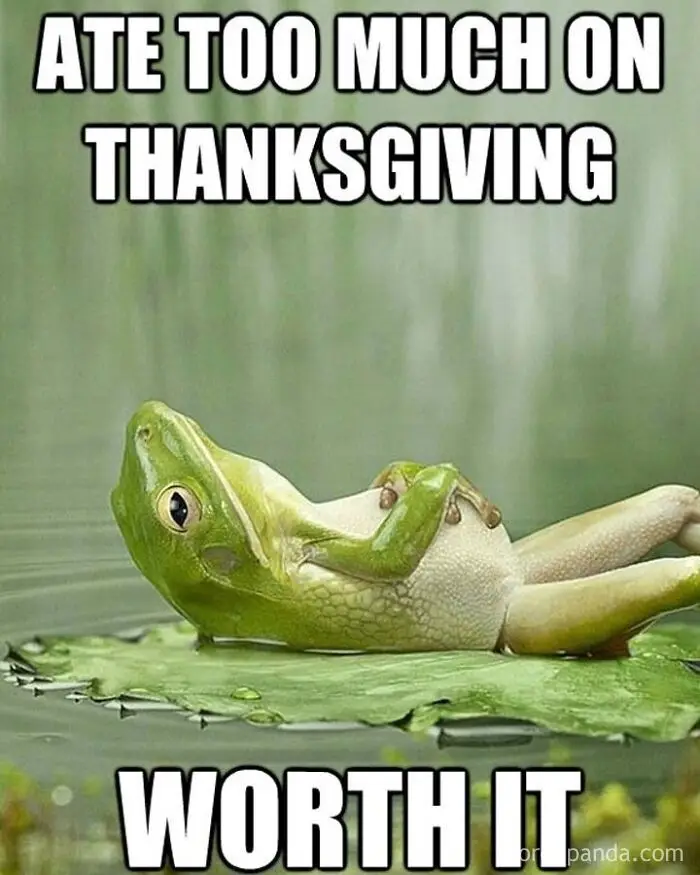
Meanwhile, hosts may enthusiastically encourage guests to take another helping, leaving some people reluctant to decline. All these influences help explain why Thanksgiving meals can become such enormous affairs, often followed by the familiar desire to lie down and recover. It's hardly surprising that food comas and overindulgence have become such popular subjects for holiday humor.