





#1
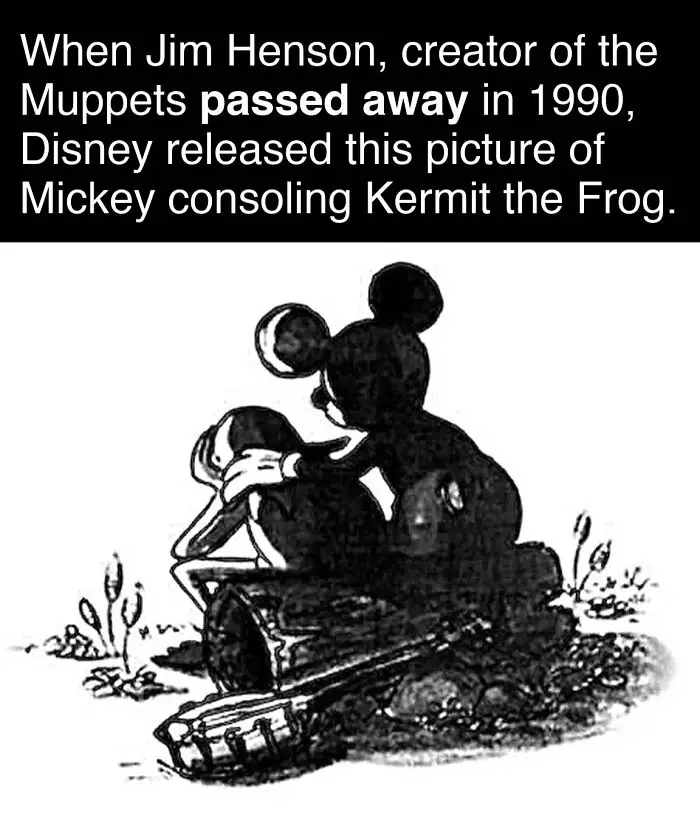
The drawing was created by Disney Imagineers Joe Lanzisero and Tim Kirk and appeared in the summer 1990 edition of WD Eye, Disney’s internal employee magazine. At the time, Henson had been working closely with Disney on new Muppet projects, including MuppetVision 3D, which became one of his final productions. The two companies were also negotiating a deal to bring the Muppets into the Disney family.
Remarkably, Disney didn’t actually acquire Kermit and the other classic Muppets until 2004, fourteen years after Henson’s passing. His daughter Lisa later explained that her father had believed Disney would be the perfect home for his creations. The illustration remains a particularly touching tribute, showing one of the world’s most recognisable characters comforting another after the loss of the man who brought him to life.
#2
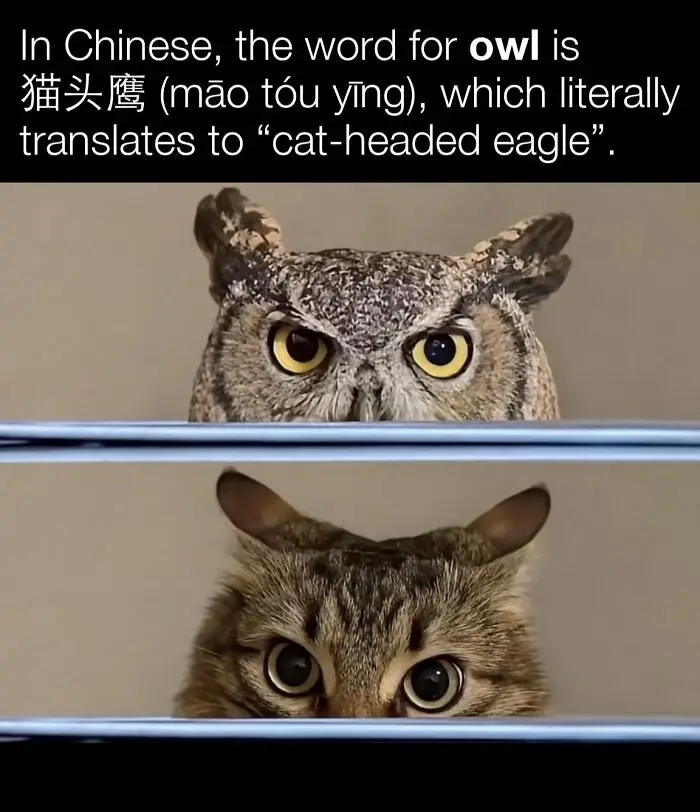
The first character, 猫, means “cat”, 头 means “head”, and 鹰 means “eagle” or “hawk”. The name comes from the owl’s surprisingly cat-like appearance, particularly its rounded face, large forward-facing eyes and the pointed feather tufts found on some species.
Interestingly, those tufts aren’t actually ears. They’re simply feathers that help owls communicate and blend into their surroundings. Their real ears are hidden beneath the feathers on the sides of their heads. Owls also share another characteristic with cats: both are skilled at hunting in low light.
Chinese has another amusing expression, 夜猫子 (yè māo zi), meaning “night cat”. It’s commonly used to describe someone who stays awake late into the night, just like the English expression “night owl”
#3

Stan’s wife, Ruby, had passed away from cancer in 2003, but he had preserved a recording of her voice on their home telephone’s answering service. Whenever he felt lonely or upset, he would listen to her familiar voice for comfort. He even refused to change telephone providers for over a decade because he feared losing the recording.
However, in December 2014, technical work by Virgin Media accidentally erased the message. Stan was devastated, believing he would never hear Ruby’s voice again. After learning about his situation, the company assembled a team of 11 engineers who spent three days searching through their systems to recover it. One executive described the task as being like searching for a needle in a haystack.
Remarkably, they succeeded. BBC Radio Leeds captured the emotional moment Stan heard the recording again, leaving him wiping away tears. He described it as a wonderful sound he had thought was lost forever. Virgin Media also arranged to provide him with a CD copy, ensuring he could keep the recording safely
Staying curious and constantly learning new things keeps your mind active. Not only that, but researching various topics and staying up to date on the latest developments makes you better able to understand the world you live in.
In a nutshell, knowledge is powerful because it lets you understand trends and make better decisions. But when you’re neck-deep in adult responsibilities and beyond anxious, stressed, and exhausted, all of that is easier said than done. So, you need to embody a slightly different strategy when it comes to curiosity.
For instance, you can try an incremental approach that won’t cost you much effort but helps build healthy cognitive habits.
#4
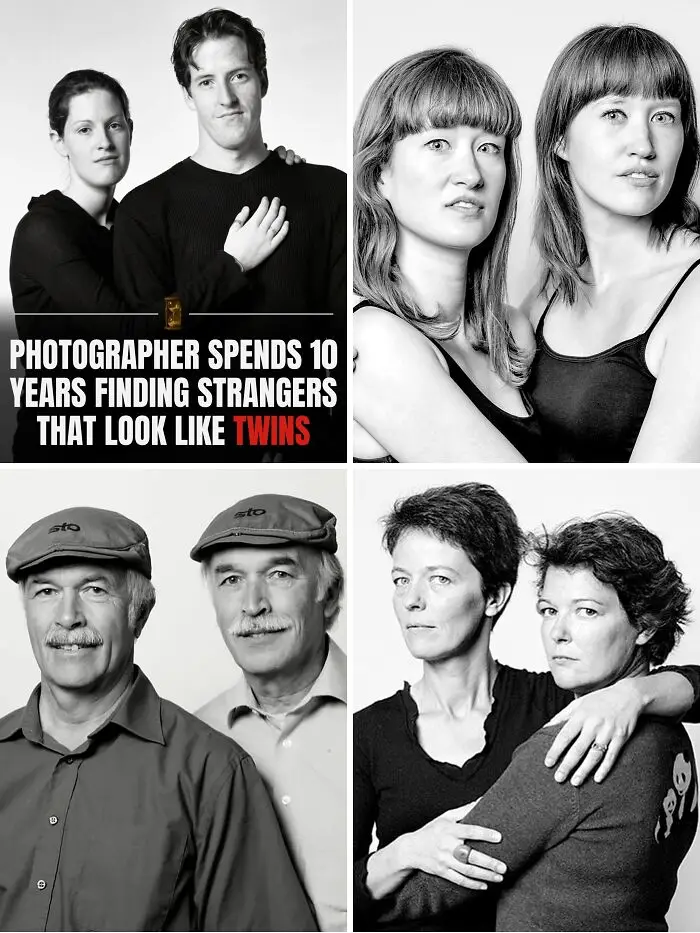
The idea partly began because people kept telling Brunelle that he looked like Mr Bean. Curious about how two unrelated people could share the same face, he began searching around the world for other “doubles”, sometimes photographing people meeting their lookalike for the first time.
The project eventually became useful to scientists too. Researchers studied 32 pairs photographed by Brunelle and found that the strongest lookalikes often shared genetic similarities despite being unrelated — helping explain why your near-double really could be somewhere out there.
#5
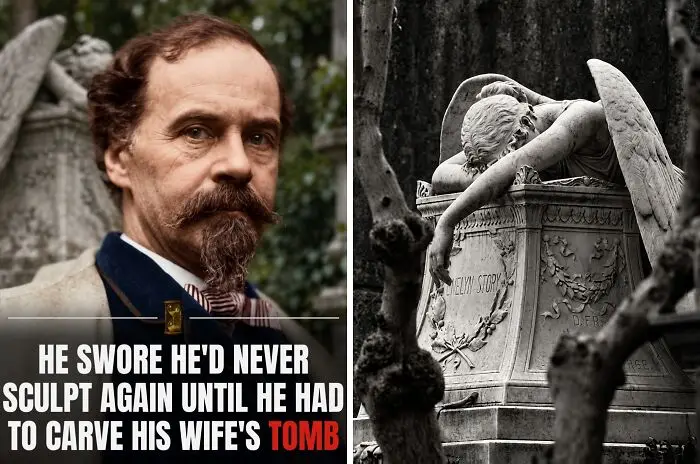
William Wetmore Story (1819–1895) had been married to Emelyn Eldredge Story for more than 50 years when she passed away in January 1894. He was completely overwhelmed by the loss and stopped working. In a letter, he described Emelyn as his life, his joy and the person who had supported him in everything. His children eventually persuaded him that the most fitting memorial would be something created by his own hands.
Story returned to his studio in Rome and carved The Angel of Grief Weeping Over the Dismantled Altar of Life. Instead of showing a proud angel standing over the tomb, he created one almost collapsing onto it, with drooping wings, a hidden face and flowers falling from its hand. Story said the figure represented “utter abandonment,” making the sculpture feel less like a traditional monument and more like his own grief turned into marble.
It became the last major sculpture of his life. Story passed away the following year in 1895 and was buried beside Emelyn beneath the same angel he had carved for her. More than 130 years later, The Angel of Grief still stands in Rome’s Non-Catholic Cemetery and has become one of the most copied memorial sculptures in the world
#6

In Lima, Peru, photographer Ricardo Cuba Zavala noticed a pair of huge golden wings behind an emergency scene in 2016 and waited until a firefighter climbed into exactly the right position, making the wings appear to belong to him. In Rio de Janeiro, Leonardo Sens spent three years working out another much harder alignment. From around 11 kilometres away, he finally captured the full moon directly above Christ the Redeemer’s outstretched arms in June 2023, creating the illusion that the statue was holding it.
A similarly strange effect can be found in Konan, Japan. The 18 metre Great Buddha of Hotei, which has stood there since 1954, sits behind a railway crossing. From one precise viewpoint, two red signal lights overlap with the statue’s eyes and make it look as though the Buddha is wearing glowing sunglasses. In each case, the photograph works because several completely separate elements briefly come together in one perfect frame
According to Jeff Wetzler, Ed.D., who has researched learning and human potential, your brain “shifts into protection mode” when you perceive social, emotional, or status-related threats. Your attention narrows, and you are less likely to prioritize exploration and learning.
So, if you want to retain access to curiosity, you ought to start by “deliberately inserting very small, psychologically realistic moments of curiosity into situations where our minds would otherwise snap to judgment, defensiveness, or disengagement.”
#7
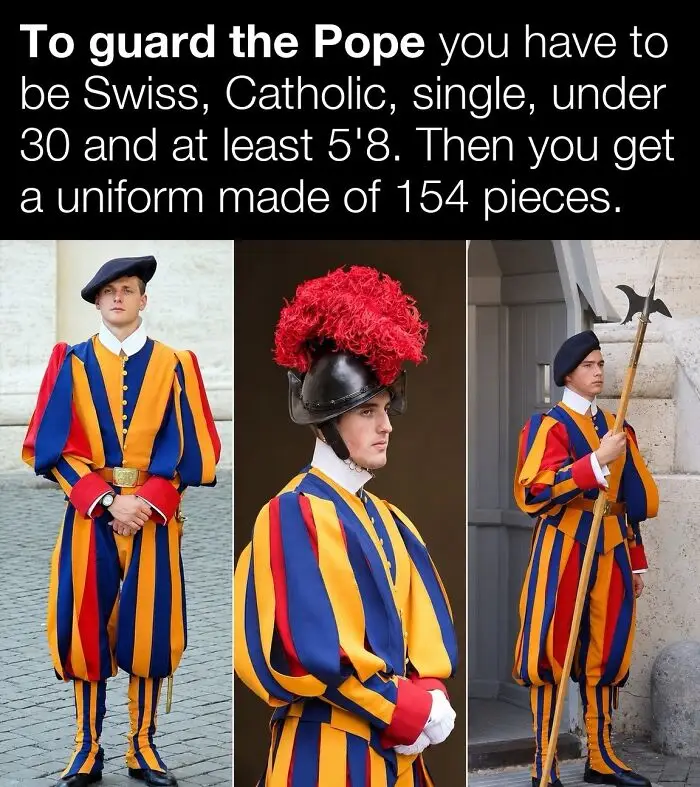
Their colourful uniforms are just as unusual. Each is handmade from 154 individual pieces of fabric, taking around 39 hours to assemble. Despite their Renaissance appearance, the uniforms were actually redesigned in 1914, and contrary to popular belief, they weren’t designed by Michelangelo.
The Swiss Guard has protected popes since 1506. In 1527, during the Sack of Rome, 147 guards lost their lives defending Pope Clement VII, while 42 others helped him escape through a secret passageway. Today, the guards still carry traditional weapons during ceremonies, but are also trained in modern firearms and self-defence
#8
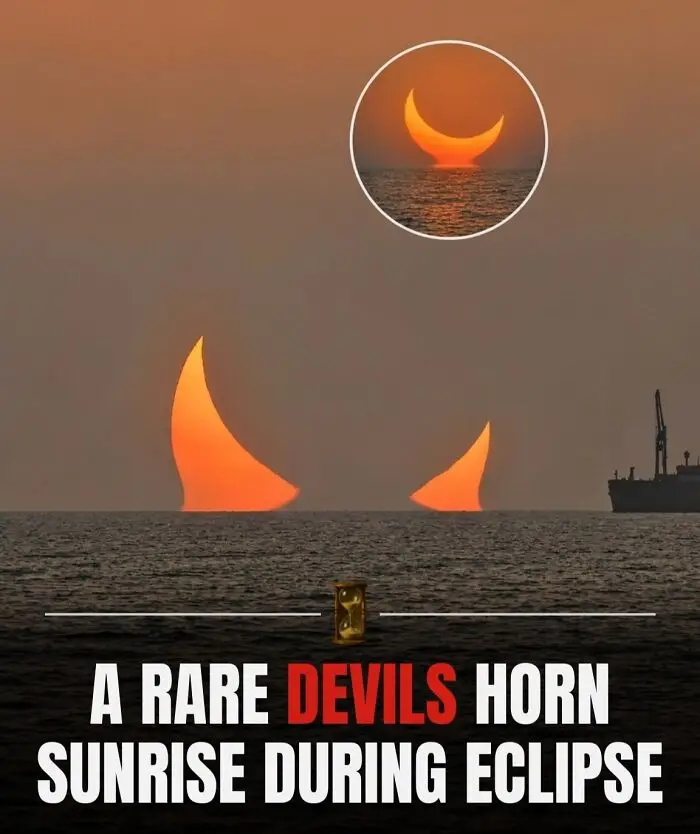
For a few moments, light, atmosphere and a partial solar eclipse combined to make the Sun appear as two glowing horns rising from the horizon.
The strange shape is caused by the Etruscan Vase effect, a mirage created when layers of air at different temperatures bend the Sun’s light near the horizon. Combined with the eclipse covering the centre of the Sun, the distortion produced this almost mythological-looking sunrise.
Photo by @eliaschasiotis
#9

His wife, Nora, had given birth to the boys at Lutheran Hospital that April. Named Tommy, Thenny and George, they attracted newspaper coverage that followed the family well beyond their first appearance at the nursery window.
Pregnancy ultrasound scans were still years away. The pioneering Glasgow research that helped establish obstetric ultrasound was published in 1958, although doctors already had other methods of recognising multiple pregnancies.
The photograph’s original newspaper caption described Arris as “feigning shock”, but the practical challenge of bringing home three babies was real enough. Later coverage showed him washing bottles and carrying the boys together, while Nora used an enormous pram she called her “jeep”. Their fifth birthday even brought a party with three other sets of triplets
Wetzler shares a few examples of practically embracing these small moments of daily curiosity:
- Examine and question one assumption that you treat as a fact right now
- Ask yourself what else could alternatively be going on
- Read, listen to, or speak with one person outside your usual bubble
- Empathize with another person’s internal experience even if you don’t agree with them
- Get curious when you feel frustrated or defensive and examine what your emotions are telling you
- Name the fear that is shutting down your curiosity
- Ask someone you trust what questions you might be overlooking
- Ask questions you don’t already know the answer to, in order to think differently
#10
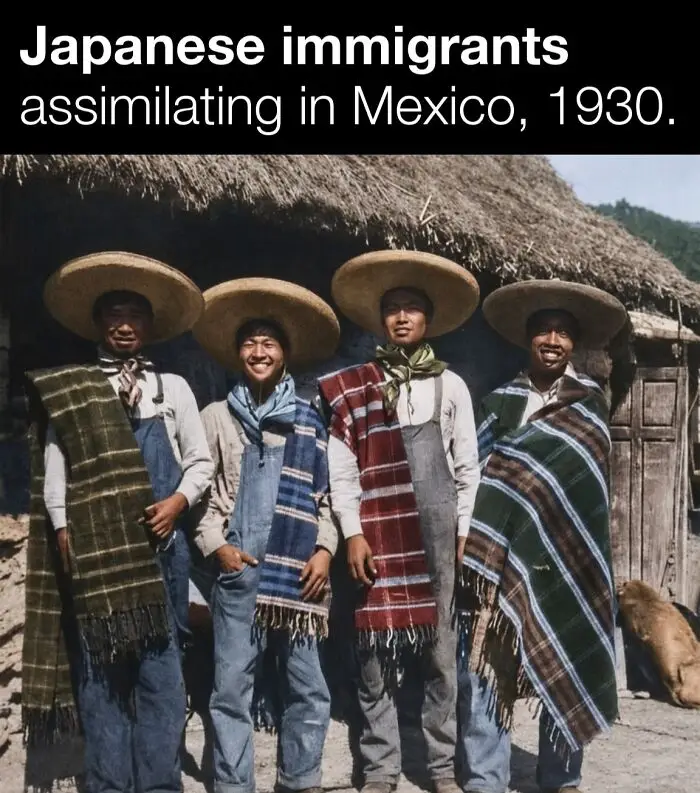
One of these immigrants was Tsutomu Kasuga, pictured on the right, who arrived from Japan in 1930, aged just 20. He initially worked on a ranch before opening a successful shop with his wife, Mitsuko Osaka. However, during World War II, the Mexican government ordered Japanese families to relocate to Mexico City and Guadalajara. Despite local authorities defending the Kasuga family, they were forced to leave their home and business behind.
After relocating to Mexico City, Tsutomu supported his family by selling fruit and vegetables before rebuilding his business. His son, Carlos Kasuga Osaka, later became one of Mexico’s most successful Japanese-Mexican businessmen, helping establish Yakult Mexico and supporting Japanese cultural and educational institutions. Remarkably, his family’s business even helped manufacture the enormous Olympic rings released during the opening ceremony of the 1968 Mexico City Olympics.
#11
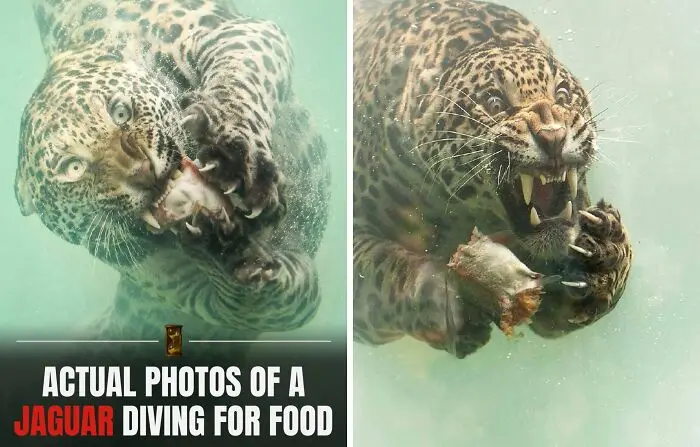
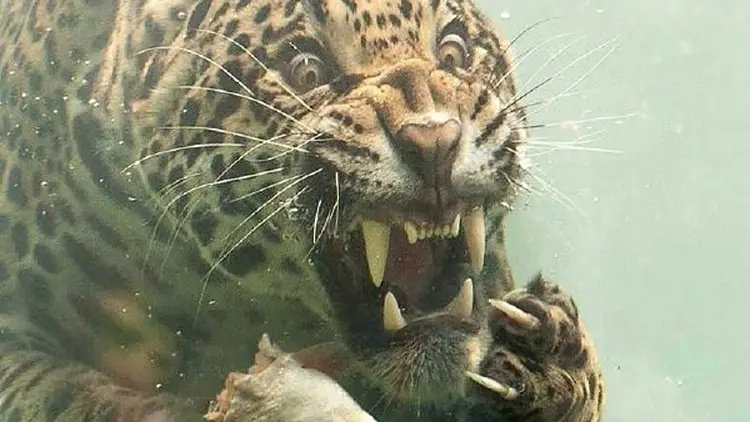
The resulting series shows the jaguar completely submerged, eyes open and body stretched forward as it goes after food underwater. Van der Beek said what struck him most was how powerful and agile the cat still looked beneath the surface, rather than clumsy or slowed down.
The photos later spread widely online because they show a side of jaguars most people never see. Jaguars are unusually strong swimmers for big cats and will willingly enter rivers and wetlands to hunt or cross between areas.
#12
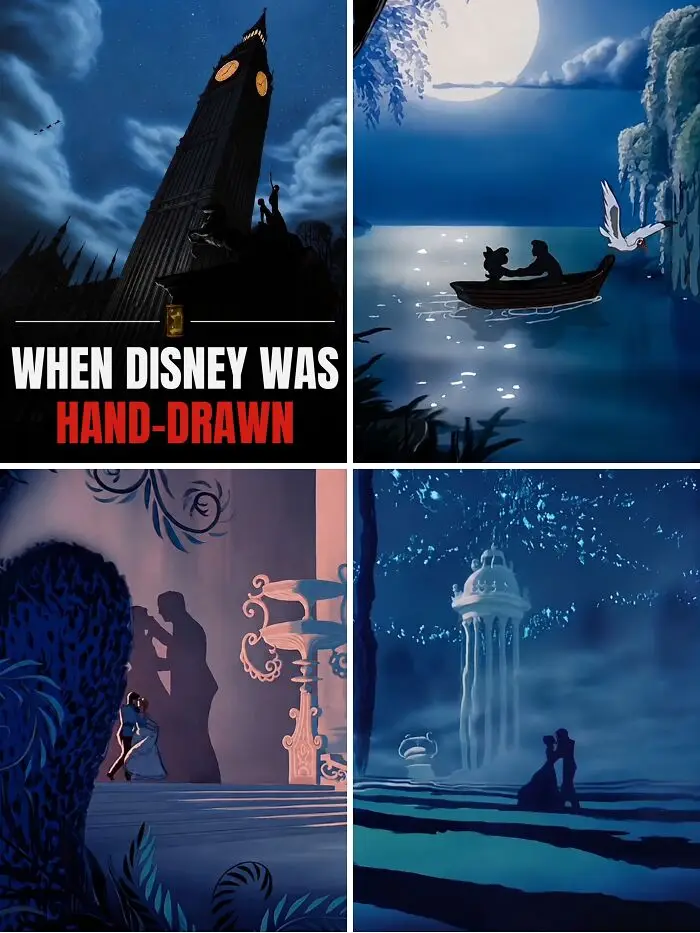
For Bambi, Walt Disney brought live deer into the studio so artists could closely study how they walked, ran, and interacted. That attention to detail helped make Bambi’s movements some of the most realistic ever seen in animation and raised the standard for animated films.
When making Lady and the Tramp, Disney artists visited real Italian restaurants to sketch table settings, kitchens, and the way spaghetti was served. They even studied how dogs naturally ate pasta so the famous spaghetti scene between Lady and Tramp would feel believable, creating one of the most iconic moments in animation history
The expert emphasizes how curiosity depends on your body feeling steady enough to explore. It is not just a mindset. So, if you’re feeling stressed, focus on regulating your nervous system:
- Take slow, deep breaths
- Unclench your jaw
- Drop your shoulders
“Slow breathing activates the parasympathetic nervous system, lowering physiological threat responses,” Wetzler notes.
#13

The modern version of the tradition is often linked to carpenter Seth Kane Kwei in the 1950s, whose workshop in Teshie became famous for creating these highly detailed custom coffins. The tradition later became internationally known, with Ghanaian fantasy coffins displayed in museums and galleries around the world.
#14
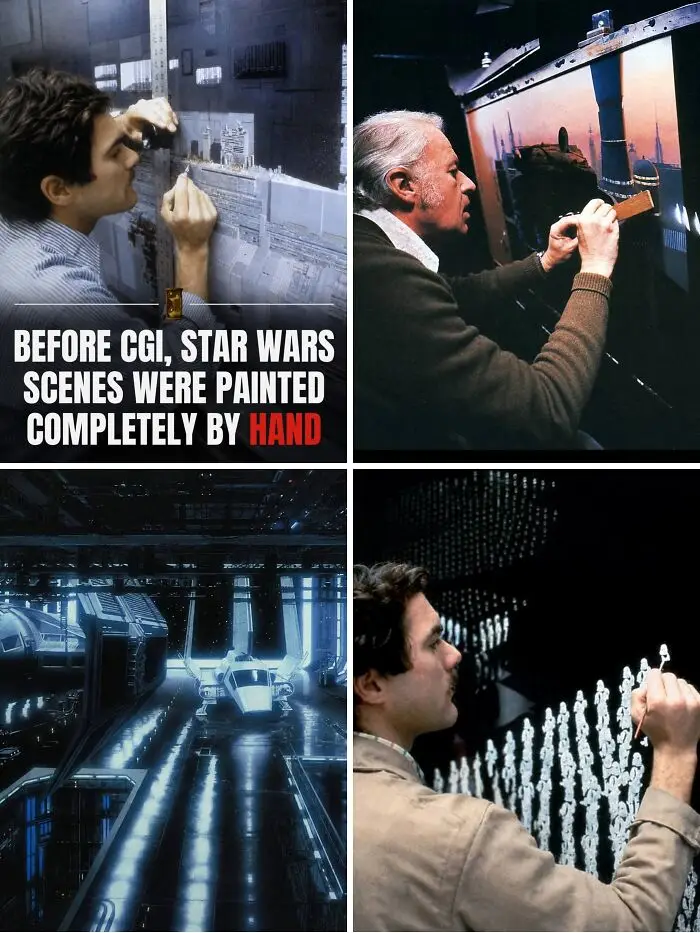
One famous example is the Rebel hangar in The Empire Strikes Back. Only part of what audiences saw was physically there. Artists at Industrial Light & Magic painted much of the enormous surrounding hangar, while similar techniques helped create Cloud City and other locations. Some paintings even contained tiny people, spaceships and lights that viewers naturally assumed were real.
Everything had to line up perfectly. Artists matched the perspective, lighting and scale of the real footage so it was difficult to see where the physical set ended and the painting began. It meant some of the most expensive-looking environments in 1970s and 1980s Star Wars were essentially actors standing in relatively small sets surrounded by carefully positioned artwork.
#15
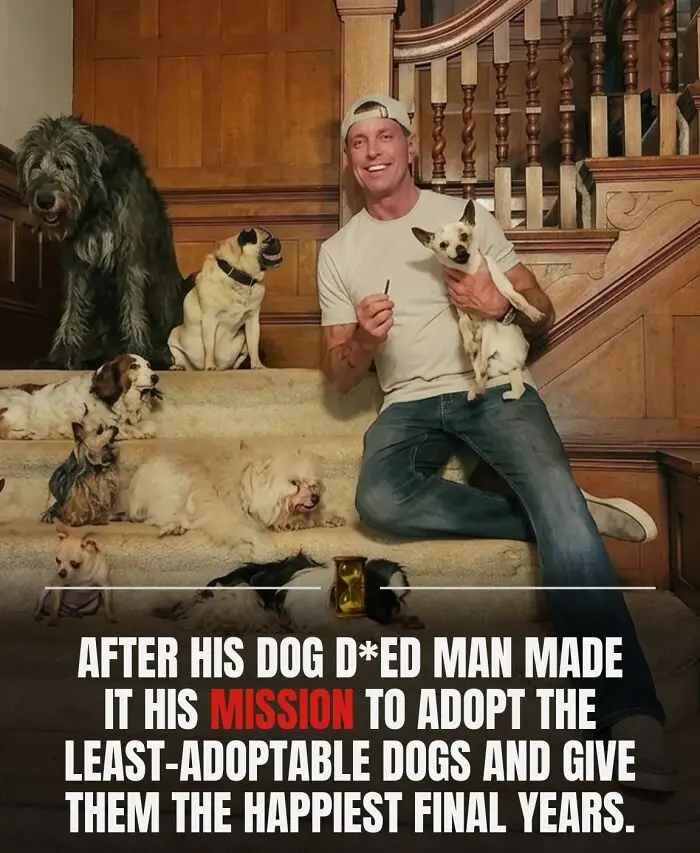
Bringing Eeyore home became the start of something much bigger. Steve began adopting senior dogs with medical conditions and disabilities that were often overlooked in shelters, saying each one deserved to spend its final years in a loving home. Over time, his family grew to include not only elderly dogs, but also rescued cats, a pig named Bikini, a turkey named Cranberry, and other animals, each with their own special needs and daily routines.
Today, Steve’s home has become a sanctuary for animals that many people would have passed by. He prepares individual meals, medications, and care plans every day, and whenever one of his rescued dogs passes away, he honours them by giving another overlooked animal the same second chance. His story has inspired millions of people around the world to see senior pets not as the ones left behind, but as companions still full of love to give.
The ‘Lost In Time History’ project, whose curator started it in late 2021, has a massive online following.
At the time of writing, the account boasts a whopping 1.7 million Instagram followers, all fired up to constantly learn new things about the world.
There’s a good mix of different topics to cater to a very wide audience.
#16
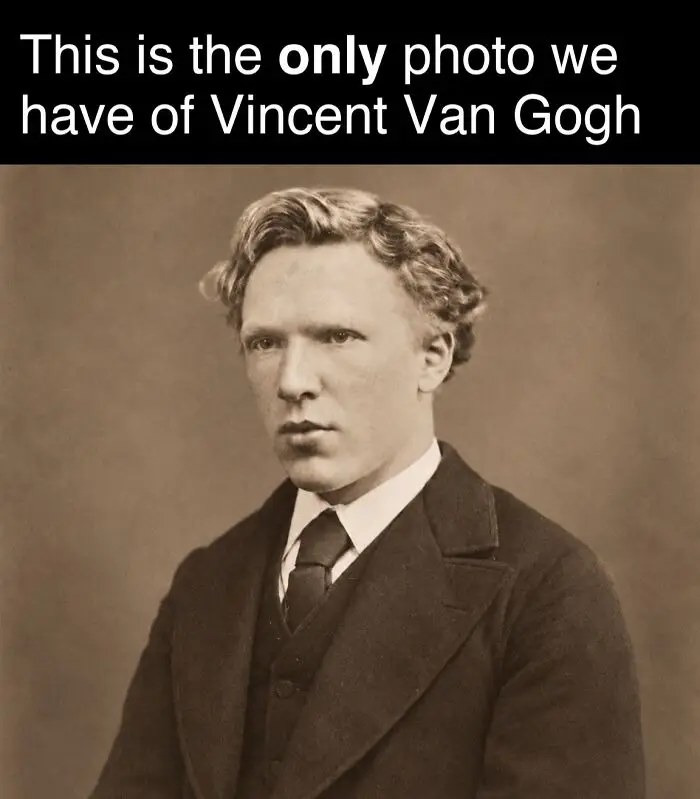
At the time, Van Gogh was working for an art dealership in The Hague, Netherlands. He had yet to begin his career as a painter, which only started several years later. In fact, almost all of the paintings that made him famous were created during the final decade of his life.
For decades, historians believed a second photograph showed Van Gogh as a 13-year-old boy. However, in 2018, researchers at the Van Gogh Museum discovered that it actually depicted his younger brother Theo. Van Gogh himself disliked being photographed, believing paintings captured people more meaningfully than photographs
#17
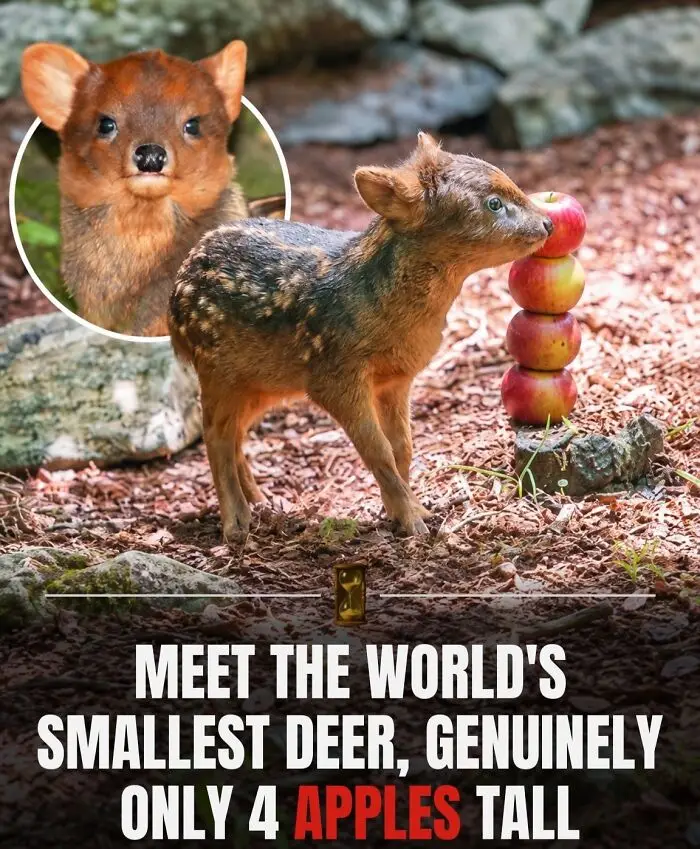
Pudus are native to South America, where they live among thick forests and mountain vegetation. Their compact bodies and short legs make it easier to slip through dense undergrowth, while young pudus are born with pale spots that help them blend into their surroundings.
Males even grow miniature antlers, sometimes only a few centimetres long. Despite their tiny appearance, pudus can run quickly, jump onto fallen logs and move surprisingly well through difficult terrain. The popular description of them being “four apples tall” is only a playful comparison, but it is surprisingly close to showing just how small these deer really are.
#18

This behaviour is part of their return to areas they historically used before disappearing from much of mainland New Zealand. Some females now give birth and raise pups inland, using forests as sheltered places away from busy beaches
How do you stay curious no matter how many responsibilities and challenges you face in your day-to-day life? What topics are you most interested in learning more about, and why?
We’d love to hear your perspectives and insights, Pandas. Once you’ve read through these posts and upvoted the ones that intrigued you the most, join the conversation in the comments.
#19
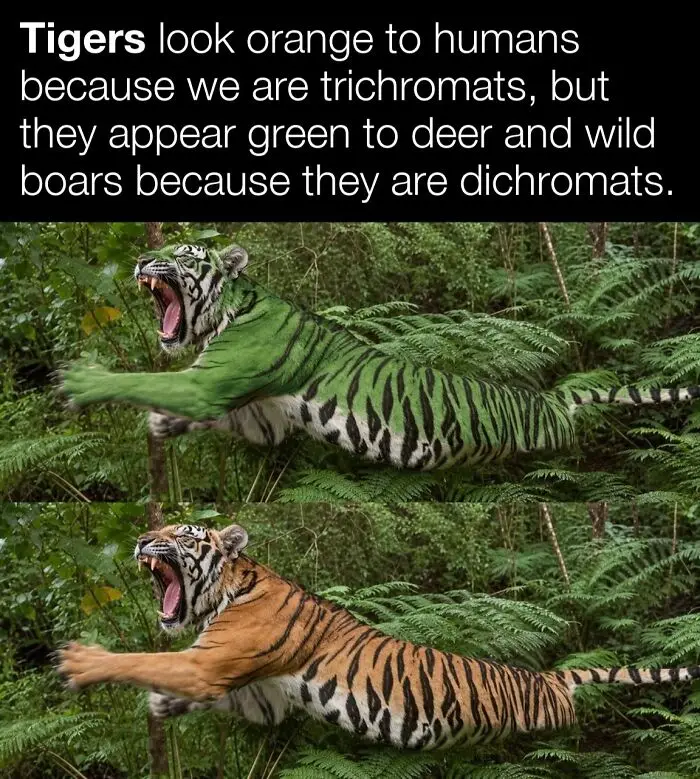
The reason comes down to how different animals see colour. Humans are trichromats, meaning our eyes have three types of colour-sensitive receptors that allow us to distinguish between red, green and blue. Deer and wild boars, two common prey animals for tigers, are dichromats, possessing only two types. This makes it much harder for them to distinguish orange from green.
In 2019, researchers at the University of Bristol investigated this phenomenon and found that a tiger’s orange coat provides remarkably effective camouflage when viewed through a dichromat’s visual system. The black stripes also help break up its outline among trees, grass and shadows, making it even harder to spot.
Interestingly, tigers cannot simply evolve green fur because mammals lack the biological mechanisms needed to produce green pigments in their hair. Fortunately for tigers, their orange colouring works remarkably well against the animals they’re trying to catch.
#20
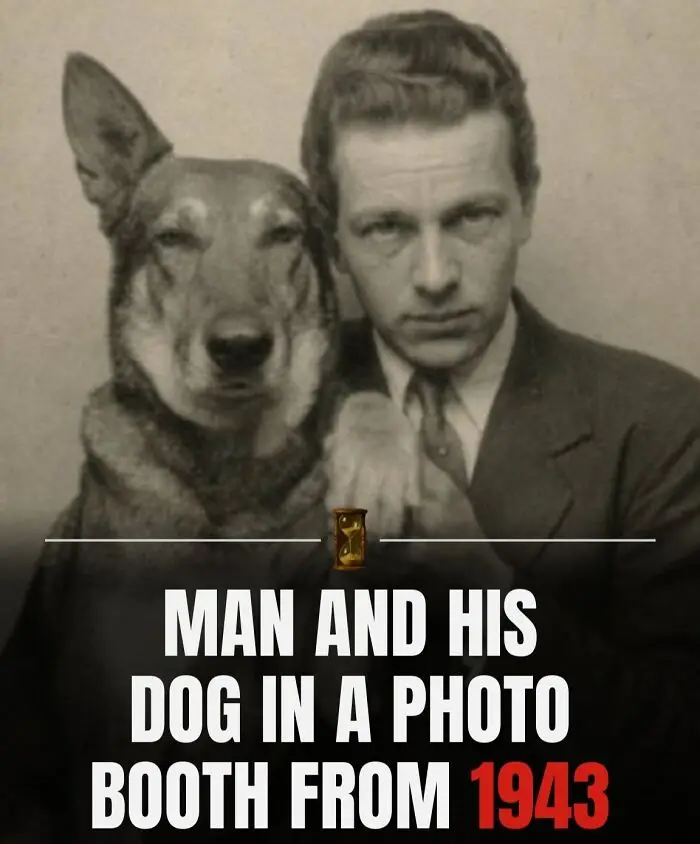
The photograph captures an ordinary moment during an extraordinary year. By 1943, the United States was deep into World War II, and Grand Central had become a major crossroads for servicemen, commuters and families travelling across the country.
Wartime rail travel was so heavily used that passengers were encouraged to cancel unwanted reservations immediately, as an unused seat could mean a serviceman on leave having to wait for another train. Against that backdrop, a simple photograph of a man travelling with his dog becomes a small glimpse of everyday American life continuing during the war.