





#1
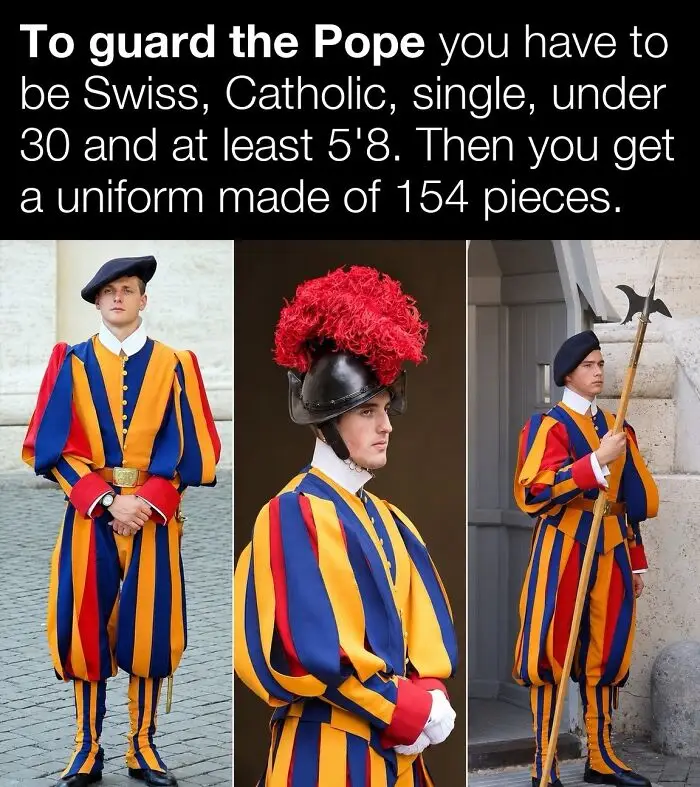
Their colourful uniforms are just as unusual. Each is handmade from 154 individual pieces of fabric, taking around 39 hours to assemble. Despite their Renaissance appearance, the uniforms were actually redesigned in 1914, and contrary to popular belief, they weren’t designed by Michelangelo.
The Swiss Guard has protected popes since 1506. In 1527, during the Sack of Rome, 147 guards lost their lives defending Pope Clement VII, while 42 others helped him escape through a secret passageway. Today, the guards still carry traditional weapons during ceremonies, but are also trained in modern firearms and self-defence
#2
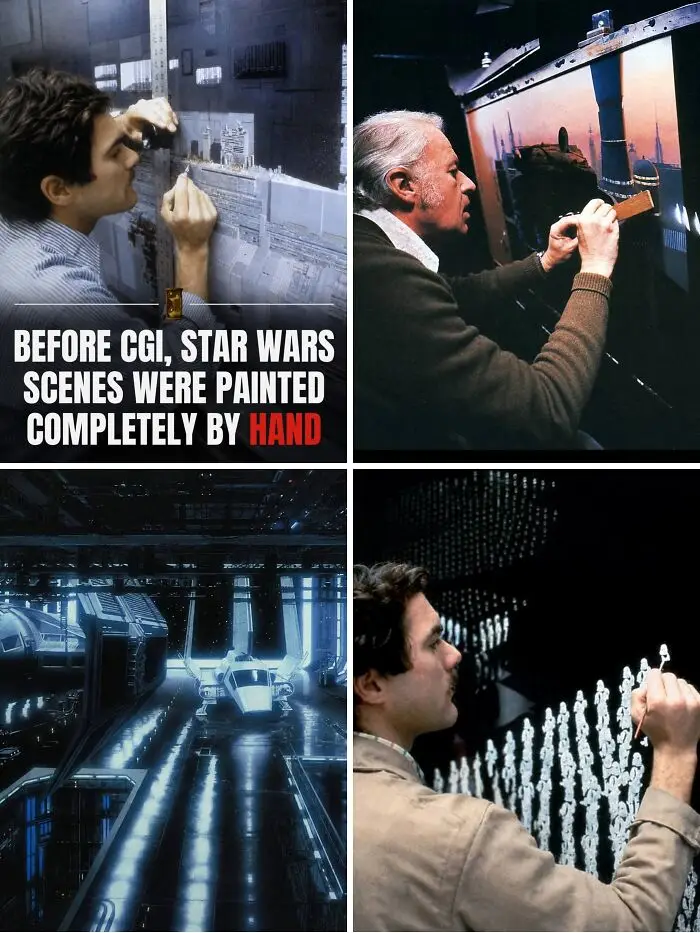
One famous example is the Rebel hangar in The Empire Strikes Back. Only part of what audiences saw was physically there. Artists at Industrial Light & Magic painted much of the enormous surrounding hangar, while similar techniques helped create Cloud City and other locations. Some paintings even contained tiny people, spaceships and lights that viewers naturally assumed were real.
Everything had to line up perfectly. Artists matched the perspective, lighting and scale of the real footage so it was difficult to see where the physical set ended and the painting began. It meant some of the most expensive-looking environments in 1970s and 1980s Star Wars were essentially actors standing in relatively small sets surrounded by carefully positioned artwork.
#3
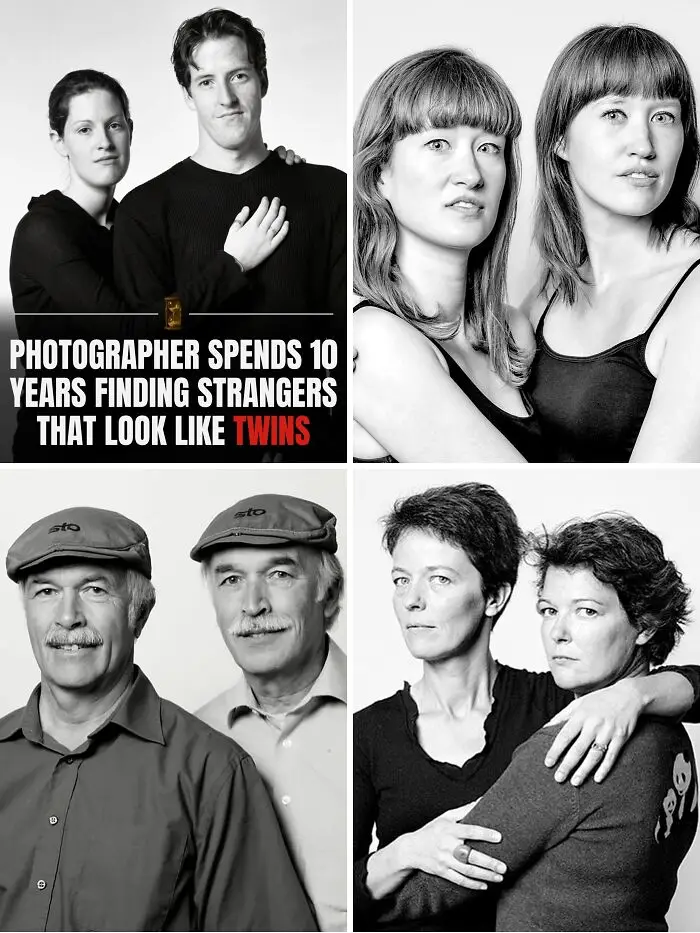
The idea partly began because people kept telling Brunelle that he looked like Mr Bean. Curious about how two unrelated people could share the same face, he began searching around the world for other “doubles”, sometimes photographing people meeting their lookalike for the first time.
The project eventually became useful to scientists too. Researchers studied 32 pairs photographed by Brunelle and found that the strongest lookalikes often shared genetic similarities despite being unrelated — helping explain why your near-double really could be somewhere out there.
Staying curious and constantly learning new things keeps your mind active. Not only that, but researching various topics and staying up to date on the latest developments makes you better able to understand the world you live in.
In a nutshell, knowledge is powerful because it lets you understand trends and make better decisions. But when you’re neck-deep in adult responsibilities and beyond anxious, stressed, and exhausted, all of that is easier said than done. So, you need to embody a slightly different strategy when it comes to curiosity.
For instance, you can try an incremental approach that won’t cost you much effort but helps build healthy cognitive habits.
#4
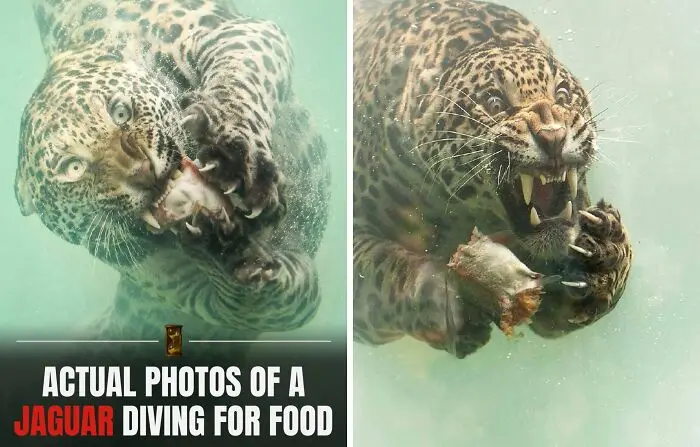
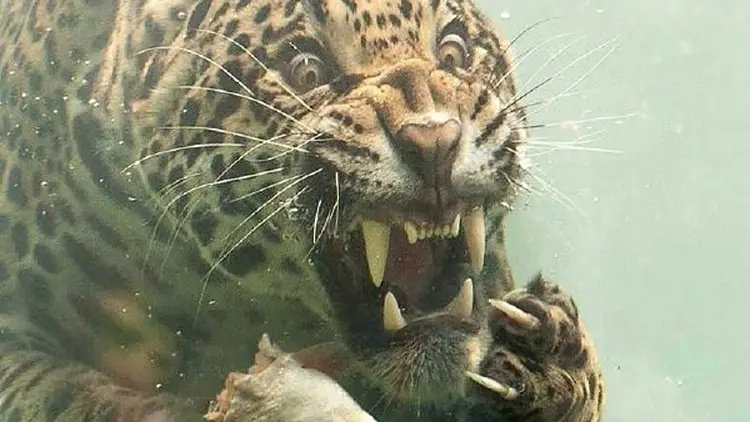
The resulting series shows the jaguar completely submerged, eyes open and body stretched forward as it goes after food underwater. Van der Beek said what struck him most was how powerful and agile the cat still looked beneath the surface, rather than clumsy or slowed down.
The photos later spread widely online because they show a side of jaguars most people never see. Jaguars are unusually strong swimmers for big cats and will willingly enter rivers and wetlands to hunt or cross between areas.
#5

The modern version of the tradition is often linked to carpenter Seth Kane Kwei in the 1950s, whose workshop in Teshie became famous for creating these highly detailed custom coffins. The tradition later became internationally known, with Ghanaian fantasy coffins displayed in museums and galleries around the world.
#6
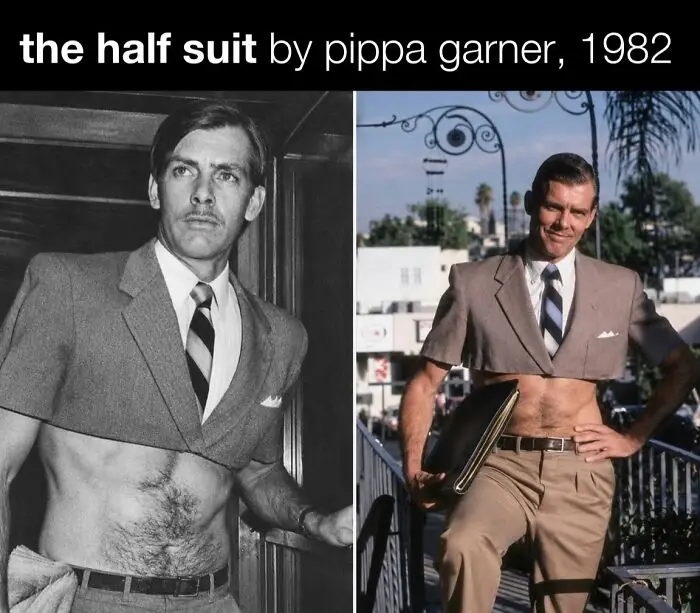
Garner’s idea was that most of a suit’s professional appearance came from the collar, tie and lapels. By cutting away the rest of the jacket and shirt, a businessman could supposedly stay smartly dressed while enjoying the comfort of having his torso exposed.
In 1982, Garner even appeared on The Tonight Show Starring Johnny Carson wearing the Half-Suit, presenting it alongside other ridiculous inventions, including high-heeled roller skates, a two-person baseball cap and an umbrella made from a palm leaf.
The Half-Suit was part of Garner’s wider collection of deliberately impractical inventions, which poked fun at consumer culture and the endless search for new products to make everyday life easier
According to Jeff Wetzler, Ed.D., who has researched learning and human potential, your brain “shifts into protection mode” when you perceive social, emotional, or status-related threats. Your attention narrows, and you are less likely to prioritize exploration and learning.
So, if you want to retain access to curiosity, you ought to start by “deliberately inserting very small, psychologically realistic moments of curiosity into situations where our minds would otherwise snap to judgment, defensiveness, or disengagement.”
#7
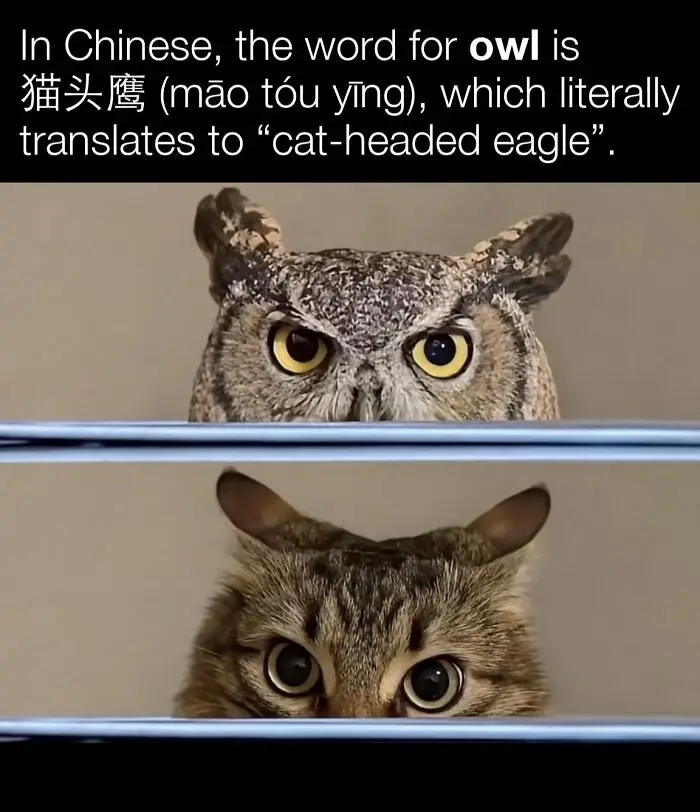
The first character, 猫, means “cat”, 头 means “head”, and 鹰 means “eagle” or “hawk”. The name comes from the owl’s surprisingly cat-like appearance, particularly its rounded face, large forward-facing eyes and the pointed feather tufts found on some species.
Interestingly, those tufts aren’t actually ears. They’re simply feathers that help owls communicate and blend into their surroundings. Their real ears are hidden beneath the feathers on the sides of their heads. Owls also share another characteristic with cats: both are skilled at hunting in low light.
Chinese has another amusing expression, 夜猫子 (yè māo zi), meaning “night cat”. It’s commonly used to describe someone who stays awake late into the night, just like the English expression “night owl”
#8
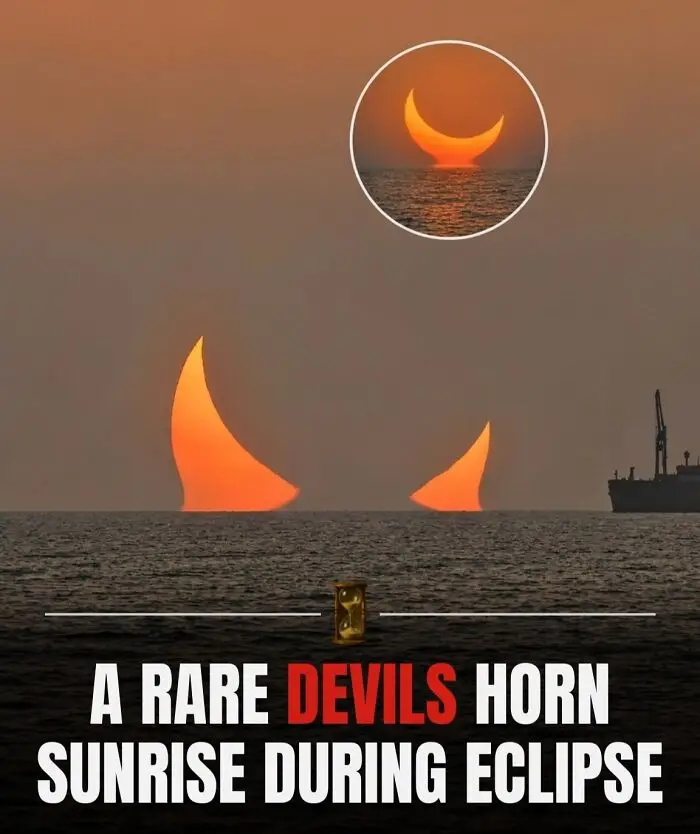
For a few moments, light, atmosphere and a partial solar eclipse combined to make the Sun appear as two glowing horns rising from the horizon.
The strange shape is caused by the Etruscan Vase effect, a mirage created when layers of air at different temperatures bend the Sun’s light near the horizon. Combined with the eclipse covering the centre of the Sun, the distortion produced this almost mythological-looking sunrise.
Photo by @eliaschasiotis
#9
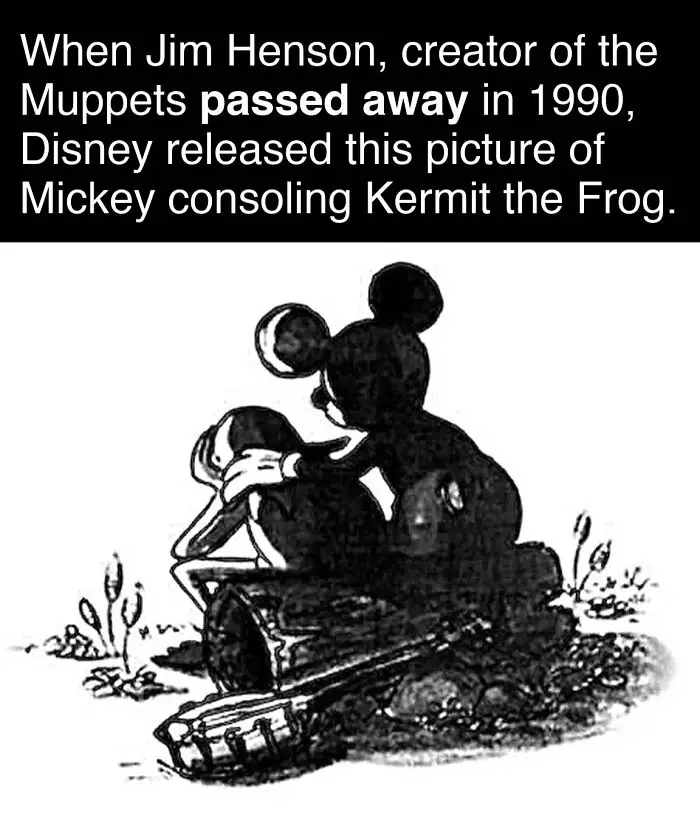
The drawing was created by Disney Imagineers Joe Lanzisero and Tim Kirk and appeared in the summer 1990 edition of WD Eye, Disney’s internal employee magazine. At the time, Henson had been working closely with Disney on new Muppet projects, including MuppetVision 3D, which became one of his final productions. The two companies were also negotiating a deal to bring the Muppets into the Disney family.
Remarkably, Disney didn’t actually acquire Kermit and the other classic Muppets until 2004, fourteen years after Henson’s passing. His daughter Lisa later explained that her father had believed Disney would be the perfect home for his creations. The illustration remains a particularly touching tribute, showing one of the world’s most recognisable characters comforting another after the loss of the man who brought him to life.
Wetzler shares a few examples of practically embracing these small moments of daily curiosity:
- Examine and question one assumption that you treat as a fact right now
- Ask yourself what else could alternatively be going on
- Read, listen to, or speak with one person outside your usual bubble
- Empathize with another person’s internal experience even if you don’t agree with them
- Get curious when you feel frustrated or defensive and examine what your emotions are telling you
- Name the fear that is shutting down your curiosity
- Ask someone you trust what questions you might be overlooking
- Ask questions you don’t already know the answer to, in order to think differently
#10
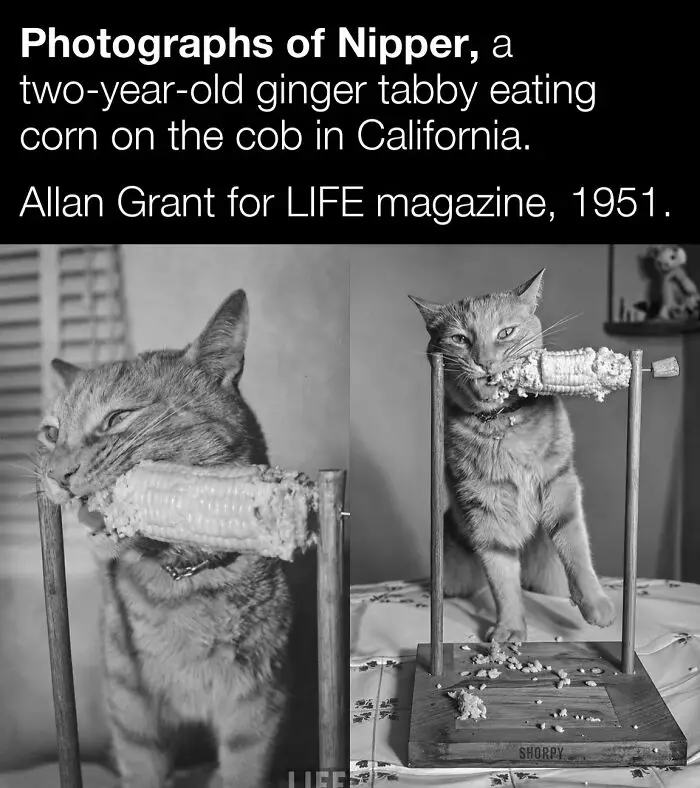
According to contemporary newspaper reports, Nipper had been obsessed with corn since he was a kitten, eating approximately two entire cobs every day. His owner, Dorothy Brinn, even built him a custom wooden holder so he could enjoy his favourite snack without having to hold it himself. And apparently, Nipper was quite particular about his food, preferring his corn served with butter.
Despite his unusual eating habits, Nipper was otherwise a perfectly ordinary house cat. Brinn described him as “just a cat”, with no special pedigree or remarkable background beyond his extraordinary enthusiasm for corn.
The photographs were taken as part of an unpublished LIFE photo essay, but Nipper’s peculiar eating habits had already attracted newspaper attention across America. Decades later, his photographs remain an amusing reminder that cats have always had their own strange personalities and preferences.
#11
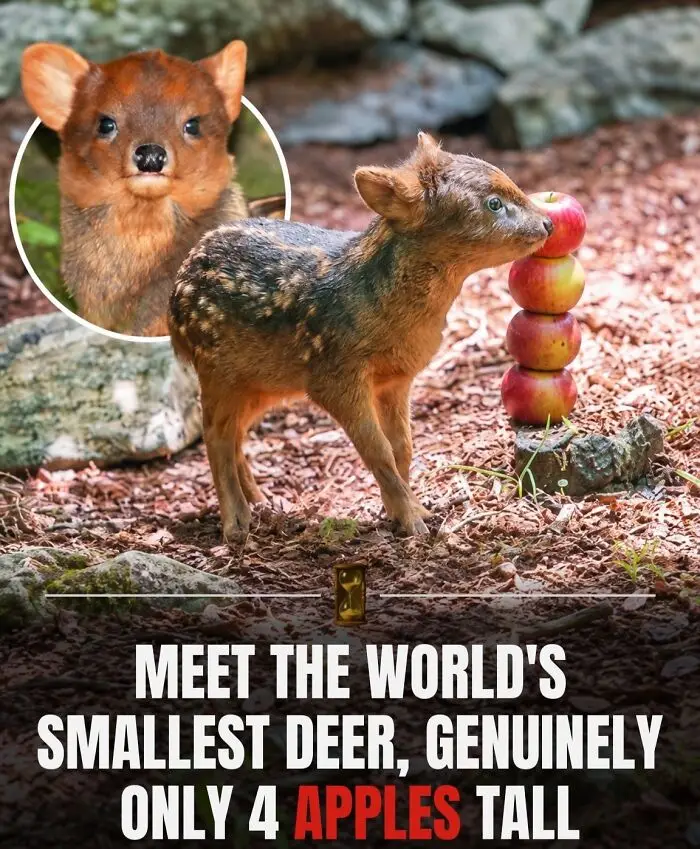
Pudus are native to South America, where they live among thick forests and mountain vegetation. Their compact bodies and short legs make it easier to slip through dense undergrowth, while young pudus are born with pale spots that help them blend into their surroundings.
Males even grow miniature antlers, sometimes only a few centimetres long. Despite their tiny appearance, pudus can run quickly, jump onto fallen logs and move surprisingly well through difficult terrain. The popular description of them being “four apples tall” is only a playful comparison, but it is surprisingly close to showing just how small these deer really are.
#12

This behaviour is part of their return to areas they historically used before disappearing from much of mainland New Zealand. Some females now give birth and raise pups inland, using forests as sheltered places away from busy beaches
The expert emphasizes how curiosity depends on your body feeling steady enough to explore. It is not just a mindset. So, if you’re feeling stressed, focus on regulating your nervous system:
- Take slow, deep breaths
- Unclench your jaw
- Drop your shoulders
“Slow breathing activates the parasympathetic nervous system, lowering physiological threat responses,” Wetzler notes.
#13

His wife, Nora, had given birth to the boys at Lutheran Hospital that April. Named Tommy, Thenny and George, they attracted newspaper coverage that followed the family well beyond their first appearance at the nursery window.
Pregnancy ultrasound scans were still years away. The pioneering Glasgow research that helped establish obstetric ultrasound was published in 1958, although doctors already had other methods of recognising multiple pregnancies.
The photograph’s original newspaper caption described Arris as “feigning shock”, but the practical challenge of bringing home three babies was real enough. Later coverage showed him washing bottles and carrying the boys together, while Nora used an enormous pram she called her “jeep”. Their fifth birthday even brought a party with three other sets of triplets
#14
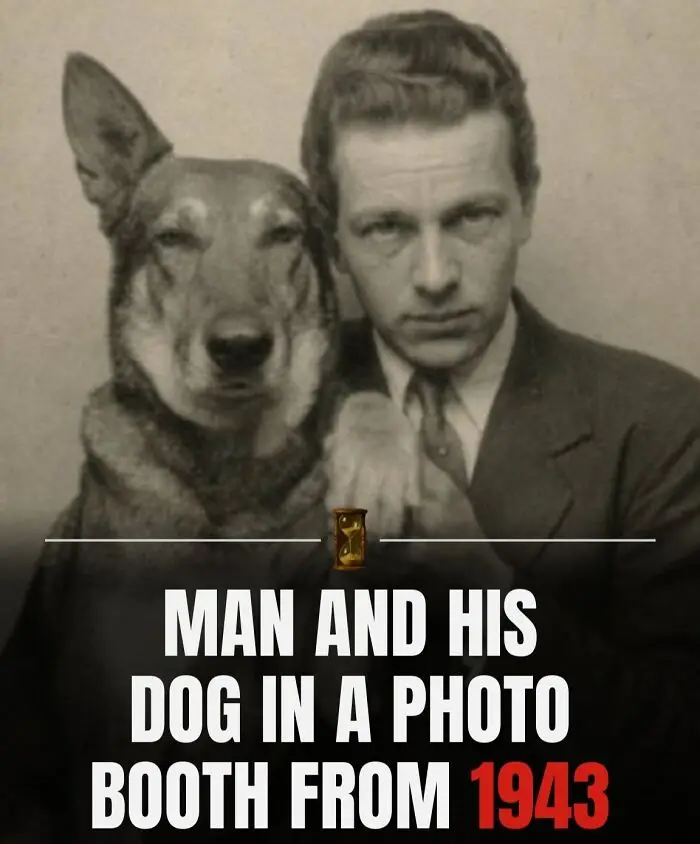
The photograph captures an ordinary moment during an extraordinary year. By 1943, the United States was deep into World War II, and Grand Central had become a major crossroads for servicemen, commuters and families travelling across the country.
Wartime rail travel was so heavily used that passengers were encouraged to cancel unwanted reservations immediately, as an unused seat could mean a serviceman on leave having to wait for another train. Against that backdrop, a simple photograph of a man travelling with his dog becomes a small glimpse of everyday American life continuing during the war.
#15
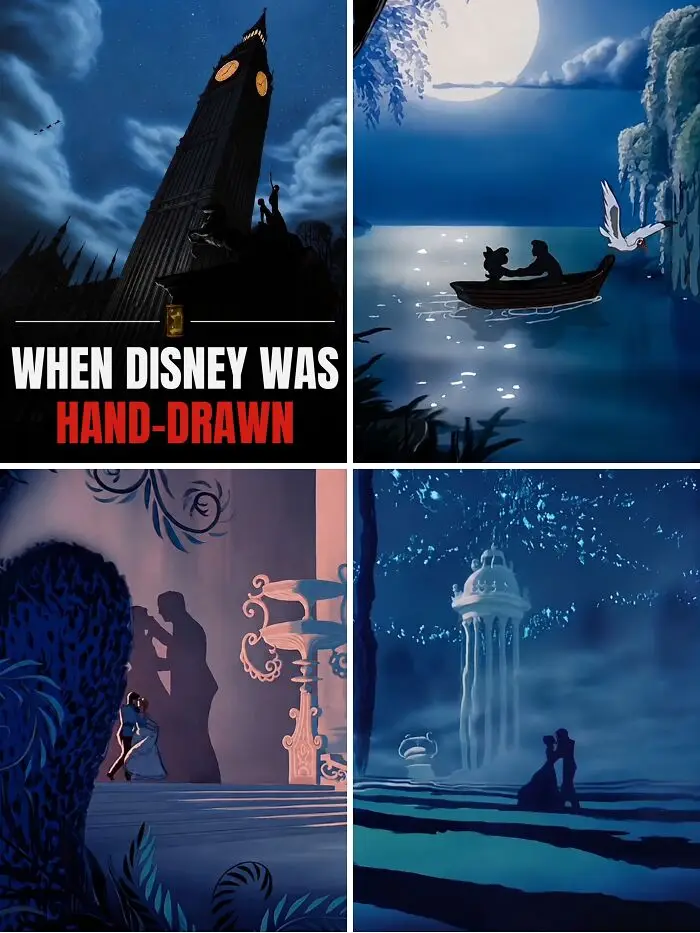
For Bambi, Walt Disney brought live deer into the studio so artists could closely study how they walked, ran, and interacted. That attention to detail helped make Bambi’s movements some of the most realistic ever seen in animation and raised the standard for animated films.
When making Lady and the Tramp, Disney artists visited real Italian restaurants to sketch table settings, kitchens, and the way spaghetti was served. They even studied how dogs naturally ate pasta so the famous spaghetti scene between Lady and Tramp would feel believable, creating one of the most iconic moments in animation history
The ‘Lost In Time History’ project, whose curator started it in late 2021, has a massive online following.
At the time of writing, the account boasts a whopping 1.7 million Instagram followers, all fired up to constantly learn new things about the world.
There’s a good mix of different topics to cater to a very wide audience.
#16
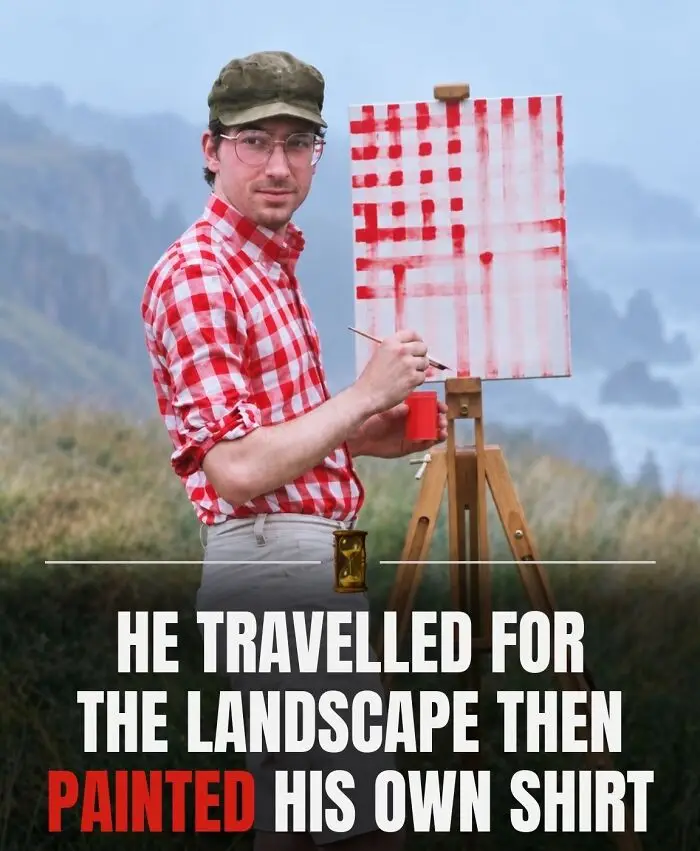
That joke became an ongoing series called Und im Sommer tu ich malen. Since then, the pair have travelled to locations once painted by artists including Monet, Cézanne, van Gogh and Caspar David Friedrich. Schubert photographs the famous view while Schmidt in der Beek sits in front of it, calmly ignoring the scenery and painting whatever shirt he happened to wear that day.
Art by @hankschmidtinderbeek
Photo by Fabian Schubert
Credit @editiontaube
#17

On September 14, 2001, George W. Bush arrived at Ground Zero in New York and climbed onto a crushed fire truck with a bullhorn in his hand. The air still burned with smoke, and families were still searching for names in the dust. When the crowd began chanting “USA,” he tried to respond—but his voice cracked into something raw and unpresidential. “I can hear you,” he said, then paused, visibly holding himself together as the moment turned from leadership into shared mourning in front of millions watching live.
In 2015, Joe Biden stood before cameras again and again speaking about loss—his son Beau, fallen service members, and families he had met in hospital rooms he would never forget. But one moment cut through the rest: his voice breaking as he talked about grief that doesn’t “ever go away,” staring down at his notes as if they weighed too much to lift. The vice president known for being talkative and warm suddenly couldn’t rush through the words, letting silence do what politics never could
#18
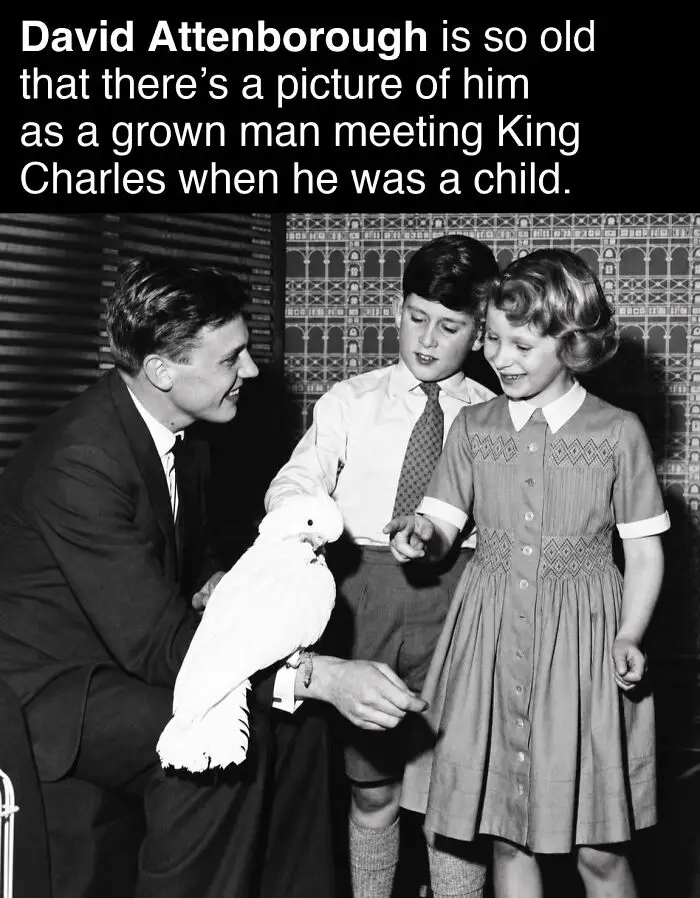
The photograph was taken on April 28, 1958, during a visit to the BBC’s Lime Grove Studios in London. At the time, Attenborough was presenting Zoo Quest, a wildlife television series that took him to remote parts of the world. The cockatoo had been brought back from one of his expeditions, and the royal children were introduced to it after watching a BBC children’s programme.
Remarkably, Attenborough is now 100 years old, having celebrated his centenary in May 2026. His broadcasting career has spanned more than seven decades, from the early days of black-and-white television to the modern era of wildlife documentaries. The photograph captures just how extraordinary that span of time really is.
How do you stay curious no matter how many responsibilities and challenges you face in your day-to-day life? What topics are you most interested in learning more about, and why?
We’d love to hear your perspectives and insights, Pandas. Once you’ve read through these posts and upvoted the ones that intrigued you the most, join the conversation in the comments.
#19

One of the most famous shows Marcy Borders, the “Dust Lady.” The 28-year-old Bank of America employee had been working on the 81st floor of the North Tower when she began making her way down. After escaping, she was caught in the enormous dust cloud from the collapse of the South Tower and took shelter in a nearby building, where photographer Stan Honda captured the photograph that became known around the world.
Another remarkable photograph was actually taken inside the North Tower stairwell. It shows firefighter Mike Kehoe climbing upwards while office workers were heading down to escape. For days after the image circulated, many people assumed Kehoe had not made it out. He had survived, and soon returned to the site to search for six missing members of his fire company.
Thousands of professional and amateur photographs were ultimately preserved from September 11 and its aftermath. The Smithsonian alone collected more than 2,000 images from 25 photographers, creating a historical record that documents not only the scale of what happened, but the experiences of individual people who were there.
#20

In Lima, Peru, photographer Ricardo Cuba Zavala noticed a pair of huge golden wings behind an emergency scene in 2016 and waited until a firefighter climbed into exactly the right position, making the wings appear to belong to him. In Rio de Janeiro, Leonardo Sens spent three years working out another much harder alignment. From around 11 kilometres away, he finally captured the full moon directly above Christ the Redeemer’s outstretched arms in June 2023, creating the illusion that the statue was holding it.
A similarly strange effect can be found in Konan, Japan. The 18 metre Great Buddha of Hotei, which has stood there since 1954, sits behind a railway crossing. From one precise viewpoint, two red signal lights overlap with the statue’s eyes and make it look as though the Buddha is wearing glowing sunglasses. In each case, the photograph works because several completely separate elements briefly come together in one perfect frame