

This post may include affiliate links.
#21
#22
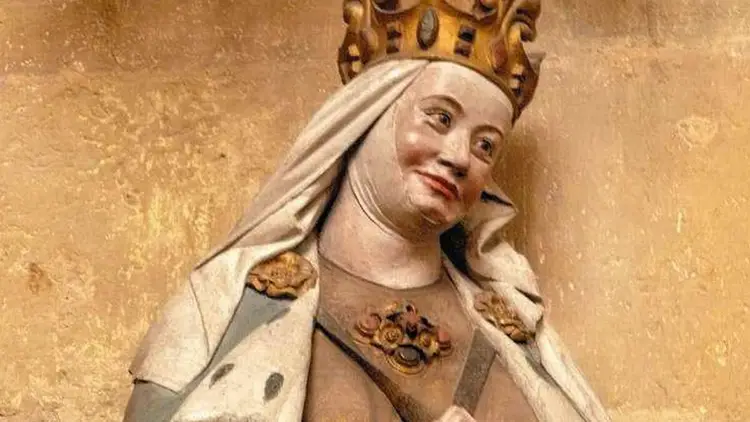
And that's something worth remembering. Archaeology isn't simply about discovering fascinating things from long ago. It's also about respecting the people connected to those discoveries and making sure their heritage is preserved for future generations. After all, understanding history means appreciating both the achievements of our ancestors and the lessons we can learn from them.
#23
#24
#25
#26
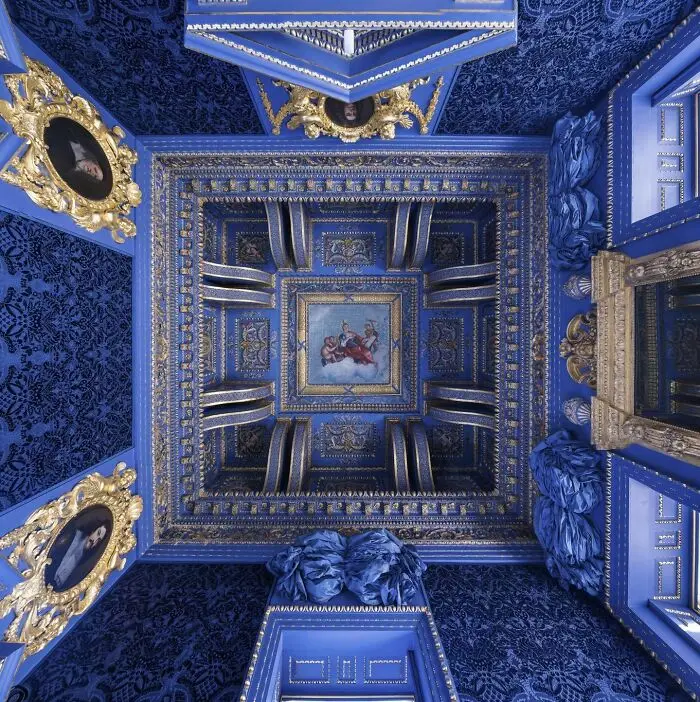
Coming back to today's collection, these pictures of ancient artifacts, archaeological finds, and historical artworks offer a wonderful glimpse into the creativity and craftsmanship of people who lived long before us. So, pandas, which of these finds impressed you the most? Is there a particular period in history that fascinates you? Let us know in the comments below!
#27
#28
#29
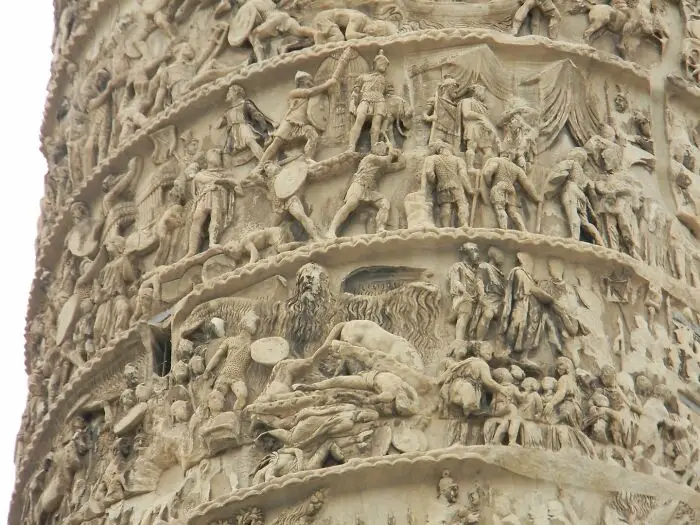
A Doric column adorned with a detailed spiral relief, it was built in honor of Roman emperor Marcus Aurelius and modeled after Trajan's Column. Dedicated to the emperor and his military campaigns during the Barbarian Wars, the monument stands as a testament to his reign from 161 to 180 AD. The column's frieze, approximately 367 feet long, spirals upward 21 times, depicting the emperor’s campaigns against the Germanic and Sarmatian tribes. Its construction likely began after his d***h in 180 AD and was completed around 193 AD, under the reign of Septimius Severus.
#30
#31
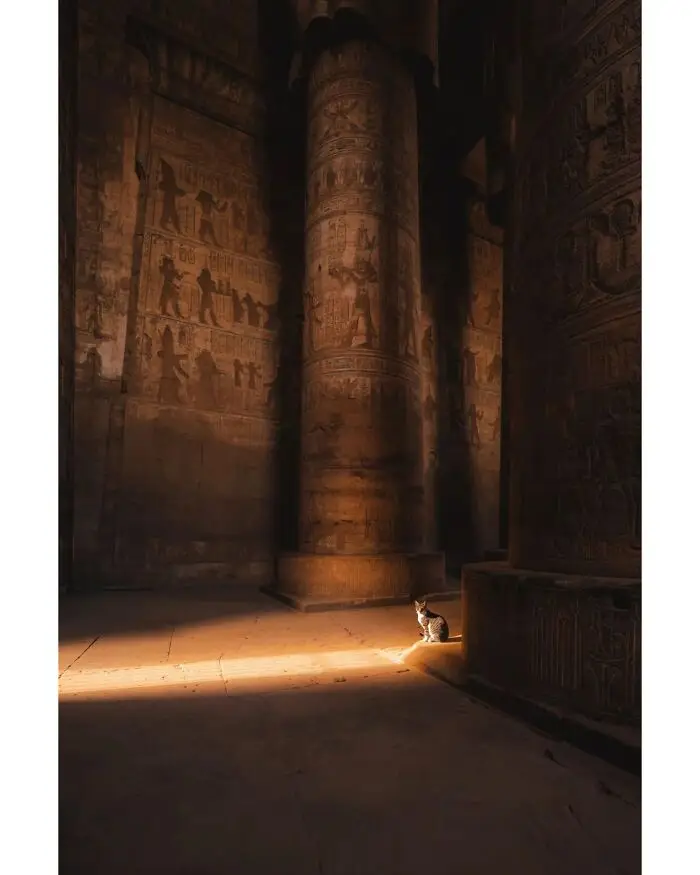
Cats were praised for k*****g venomous snakes, rodents and birds that damaged crops, and protecting the Pharaoh since at least the First Dynasty of Egypt. Skeletal remains of cats were found among funerary goods dating to the 12th Dynasty. The protective function of cats is indicated in the Book of the D**d, where a cat represents Ra and the benefits of the sun for life on Earth. Cat-shaped decorations used during the New Kingdom of Egypt indicate that the domesticated cat became more popular in daily life. Cats were depicted in association with the name of Bastet.
Cat cemeteries at the archaeological sites Speos Artemidos, Bubastis, and Saqqara were used for several centuries. They contained vast numbers of cat mummies and cat statues that are exhibited in museum collections worldwide.
#32
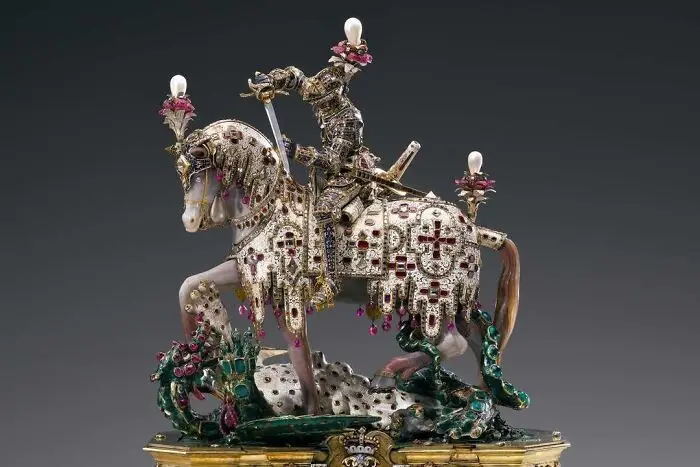
The bearded face of the saint behind the movable visor is carved from boxwood and resembles that of the man who commissioned the statuette, Duke Wilhelm V.
#33
#35
#36

A vishapakar, also known as "dragon stones", are characteristic monoliths found in large numbers in the Armenian Highlands, in natural and artificial ponds, and other sources of water. They are commonly carved from one piece of stone, into cigar-like shapes with fish heads or serpents. Supposedly they are images of vishaps, a water dragon of Armenian folklore. There are about 150 known extant vishap stelae, of which 90 are found in Armenia.
#37
#39