



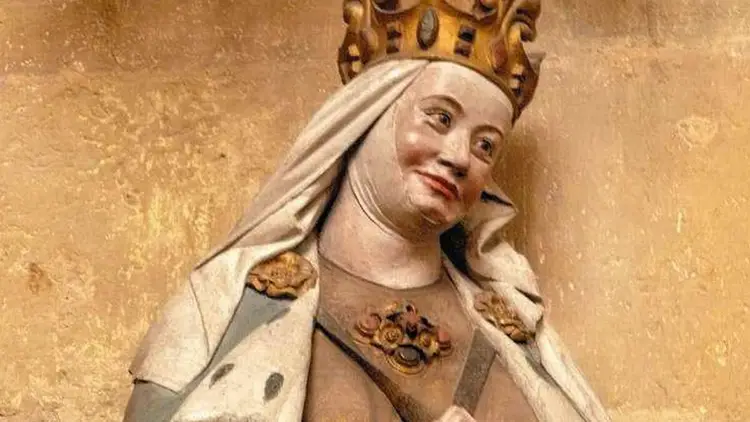


History isn't just something we read about in textbooks, right, pandas? Sometimes, it's a beautifully carved statue, a piece of jewelry worn thousands of years ago, or an everyday object that's somehow survived centuries. And isn't it amazing how people created such incredible things without the modern tools we have today?
Well, if you enjoy a little peek into the past, you're in for a treat! We came across an Instagram page that shares fascinating pictures of archaeological finds, ancient artifacts, and historical artworks. Naturally, we couldn't resist putting together a collection of some of the most interesting ones. From impressive craftsmanship to objects that show us how people lived centuries ago, there's plenty to admire. So, keep scrolling and enjoy this little visual journey through history!
This post may include affiliate links.
#42
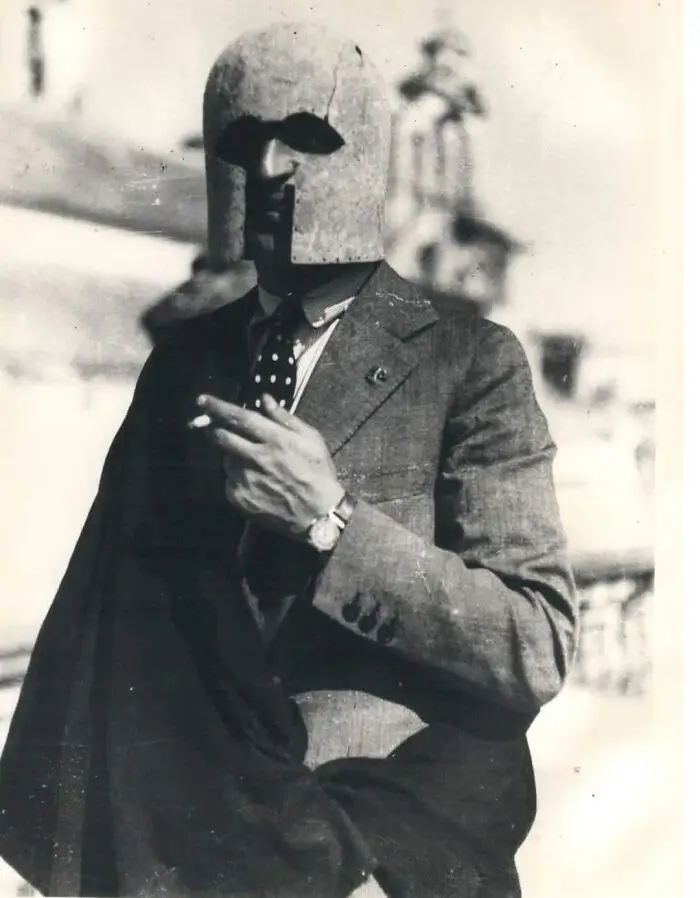
Pictured here is the Spanish archaeologist Manuel Esteve posing with a Corinthian helmet that he had found in 1938.
Report
4points
#43
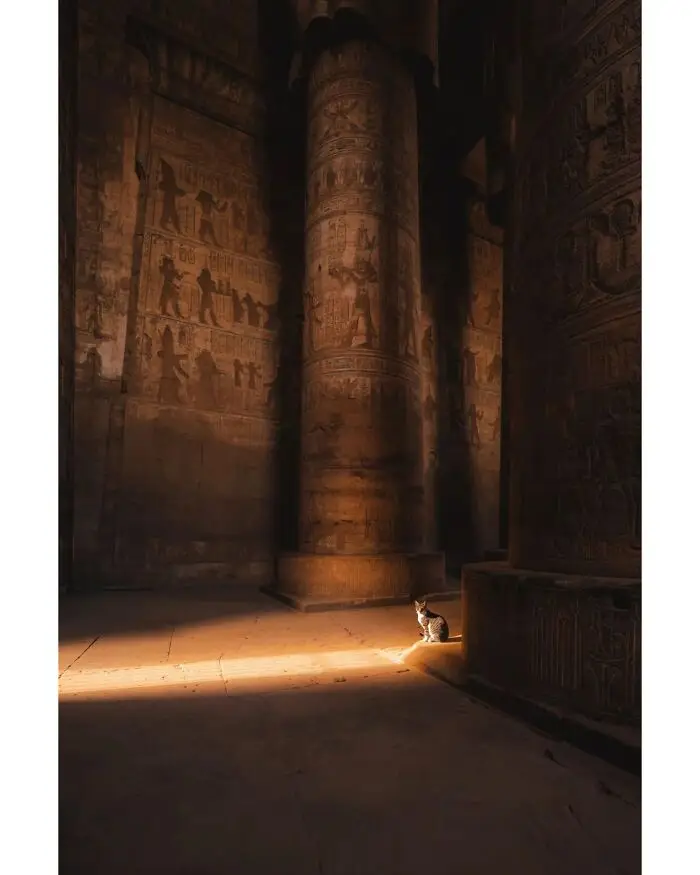
In ancient Egypt, cats were represented in social and religious scenes dating as early as 1980 BC. Several ancient Egyptian deities were depicted and sculptured with cat-like heads such as Mafdet, Bastet and Sekhmet, representing justice, fertility, and power, respectively. The deity Mut was also depicted as a cat and in the company of a cat.
Cats were praised for k*****g venomous snakes, rodents and birds that damaged crops, and protecting the Pharaoh since at least the First Dynasty of Egypt. Skeletal remains of cats were found among funerary goods dating to the 12th Dynasty. The protective function of cats is indicated in the Book of the D**d, where a cat represents Ra and the benefits of the sun for life on Earth. Cat-shaped decorations used during the New Kingdom of Egypt indicate that the domesticated cat became more popular in daily life. Cats were depicted in association with the name of Bastet.
Cat cemeteries at the archaeological sites Speos Artemidos, Bubastis, and Saqqara were used for several centuries. They contained vast numbers of cat mummies and cat statues that are exhibited in museum collections worldwide.
Report
4points
#44
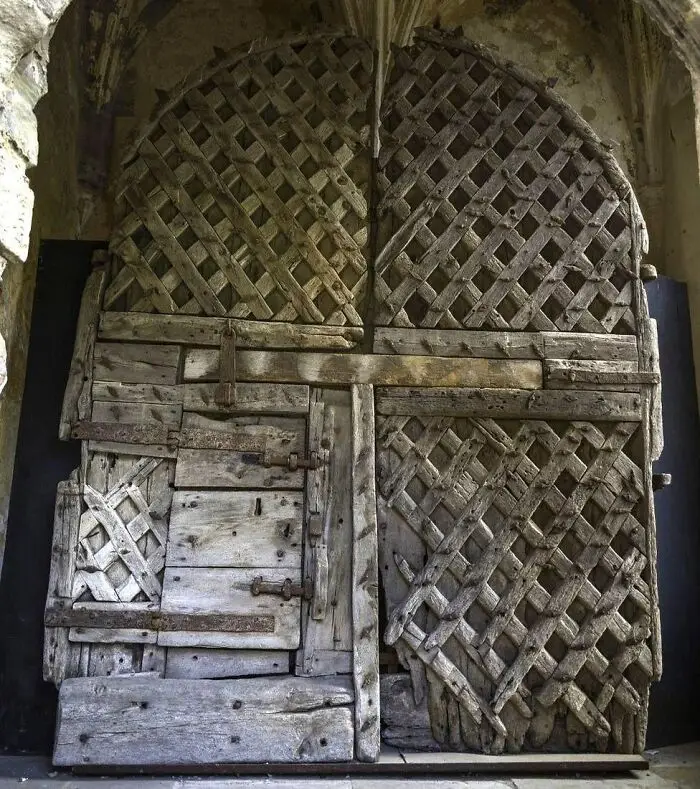
Photographed here is the iron-shod oak doors of Chepstow Castle in Wales. Thought to be the oldest surviving castle doors in all of Europe, they were comissioned in 1190 by the legendary knight William Marshal after Chepstow came into his posession as Lord of Striguil.
Report
4points
#45
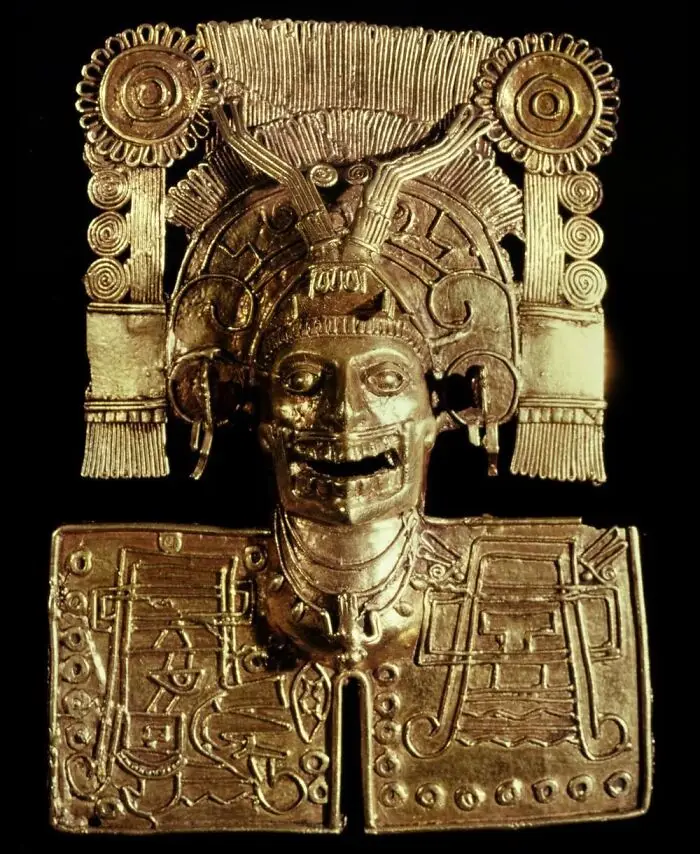
Photographed is a gold plate depicting Mictlantecuhtli, the god of d***h. This was found in Monte Alban, Mexico, and is part of the Mixtec civilization, 1300-1450 AD.
Report
3points
#46
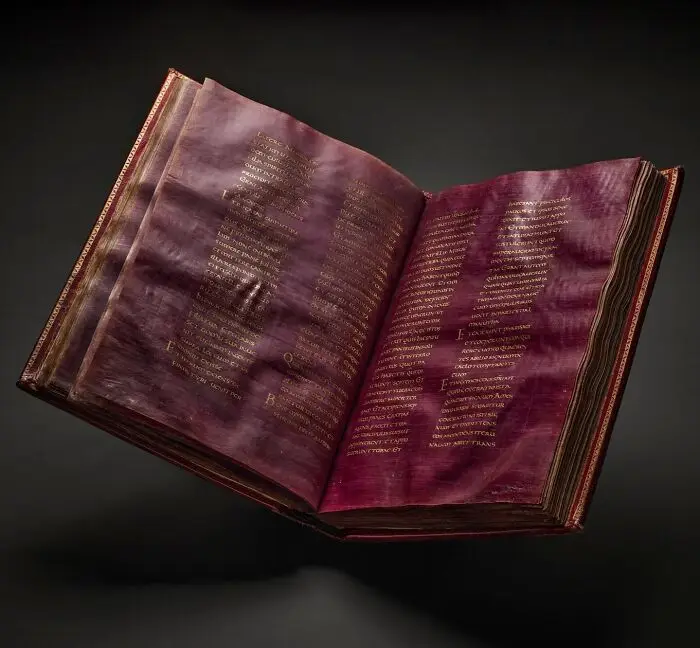
This 1000-year-old manuscript was created by ~16 scribes in a Benedictine Abbey in Trier, Germany. They used gold ink to copy the text of the Gospels onto parchment that had been dyed with a plant-based purple pigment. It is currently housed at the Morgan Library and Museum in New York.
Report
3points
#47
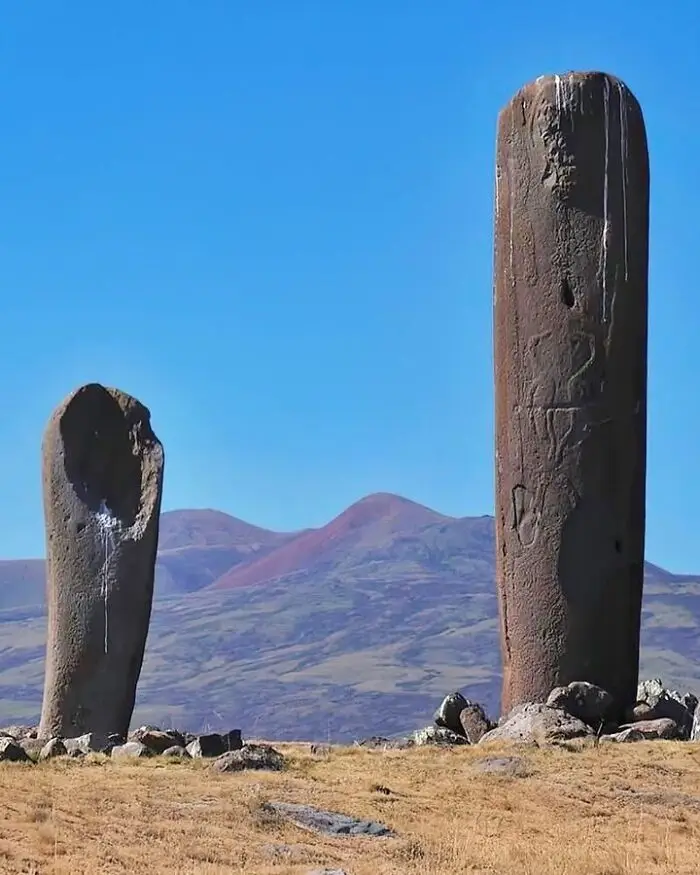
The ancient "Dragon Stones," located beneath the Geghama Mountains in Armenia, have withstood the test of time for over 5,000 years.
A vishapakar, also known as "dragon stones", are characteristic monoliths found in large numbers in the Armenian Highlands, in natural and artificial ponds, and other sources of water. They are commonly carved from one piece of stone, into cigar-like shapes with fish heads or serpents. Supposedly they are images of vishaps, a water dragon of Armenian folklore. There are about 150 known extant vishap stelae, of which 90 are found in Armenia.
A vishapakar, also known as "dragon stones", are characteristic monoliths found in large numbers in the Armenian Highlands, in natural and artificial ponds, and other sources of water. They are commonly carved from one piece of stone, into cigar-like shapes with fish heads or serpents. Supposedly they are images of vishaps, a water dragon of Armenian folklore. There are about 150 known extant vishap stelae, of which 90 are found in Armenia.
Report
3points
#48
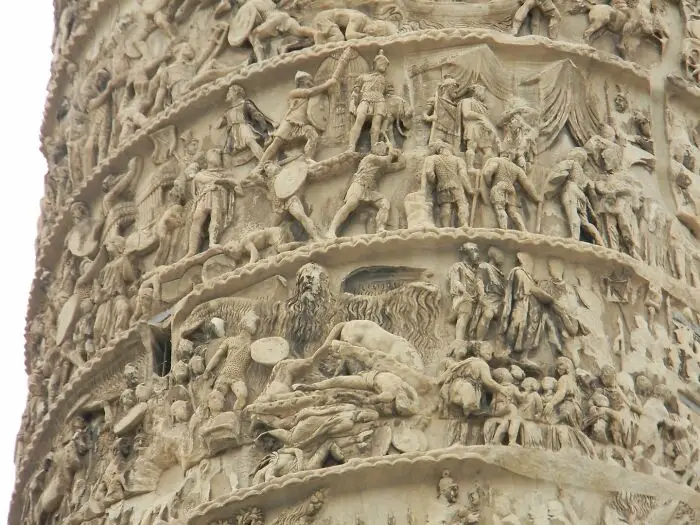
The level of detail on the Column of Marcus Aurelius in Rome is absolutely mind blowing.
A Doric column adorned with a detailed spiral relief, it was built in honor of Roman emperor Marcus Aurelius and modeled after Trajan's Column. Dedicated to the emperor and his military campaigns during the Barbarian Wars, the monument stands as a testament to his reign from 161 to 180 AD. The column's frieze, approximately 367 feet long, spirals upward 21 times, depicting the emperor’s campaigns against the Germanic and Sarmatian tribes. Its construction likely began after his d***h in 180 AD and was completed around 193 AD, under the reign of Septimius Severus.
A Doric column adorned with a detailed spiral relief, it was built in honor of Roman emperor Marcus Aurelius and modeled after Trajan's Column. Dedicated to the emperor and his military campaigns during the Barbarian Wars, the monument stands as a testament to his reign from 161 to 180 AD. The column's frieze, approximately 367 feet long, spirals upward 21 times, depicting the emperor’s campaigns against the Germanic and Sarmatian tribes. Its construction likely began after his d***h in 180 AD and was completed around 193 AD, under the reign of Septimius Severus.
Report
3points
#49
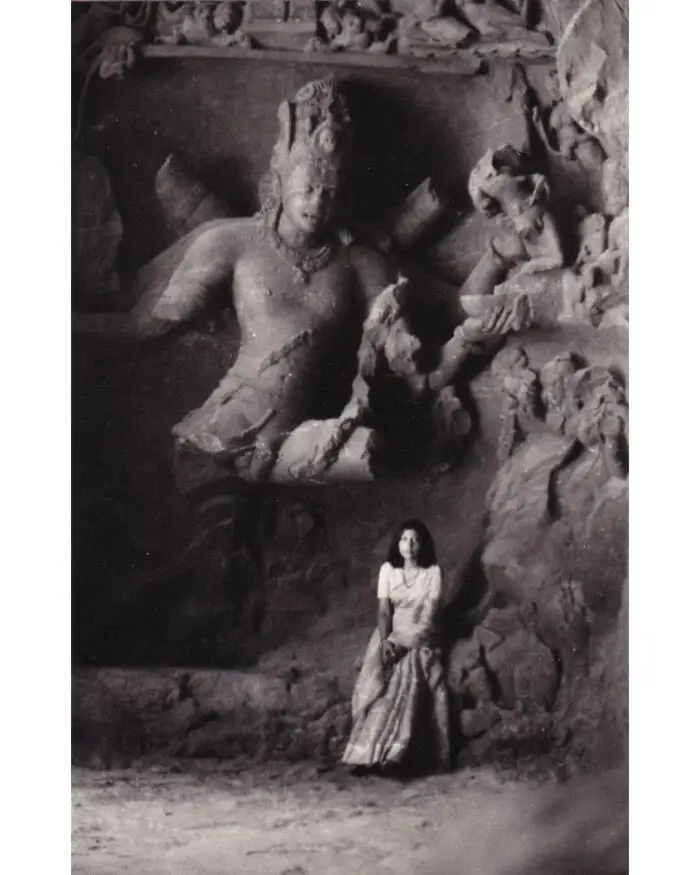
This is a photograph from the Elephanta Caves in India. This high-relief sculpture from the 5th century CE portrays the “Andhakasura-vadha” the slaying of the demon Andhaka (whose name means “blind” or “darkness”) by Lord Shiva. Most of the sculpture was sadly damaged by colonial destruction.
Report
3points
#50
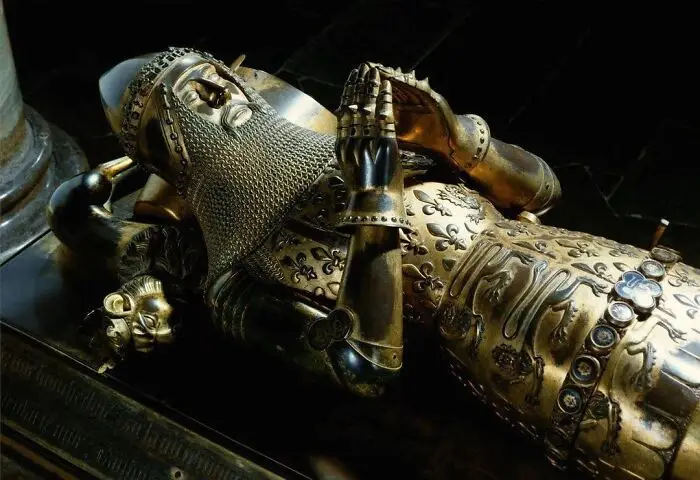
The gilt bronze effigy of Edward, the Black Prince, dated to 1376 CE and housed at Canterbury Cathedral. Its remarkably detailed armor makes it one of the most important examples of English medieval funerary art, especially since so few surviving pieces of contemporary armor remain.
Report
3points
#52
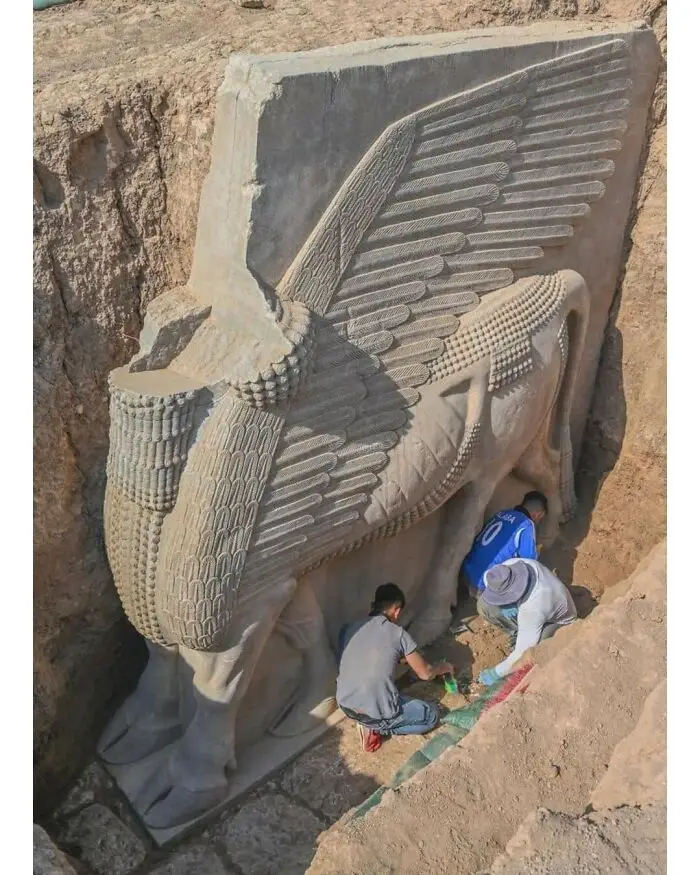
A massive 2,700-year-old, 18-ton statue of an Assyrian deity that was excavated in Iraq in November 2023.
Report
3points
#53
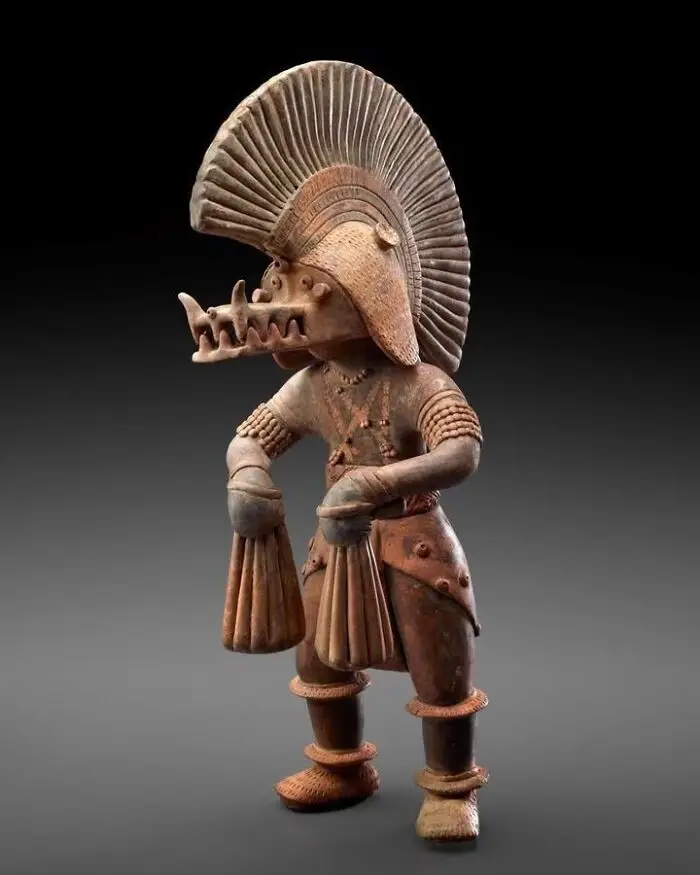
Photographed is a ceramic figure representing a dancer with a removable crocodile helmet from the Colima culture. Created between 300 BC and 300 AD, the piece is now on display at the Museum of Fine Arts, Houston.
Report
3points
#54
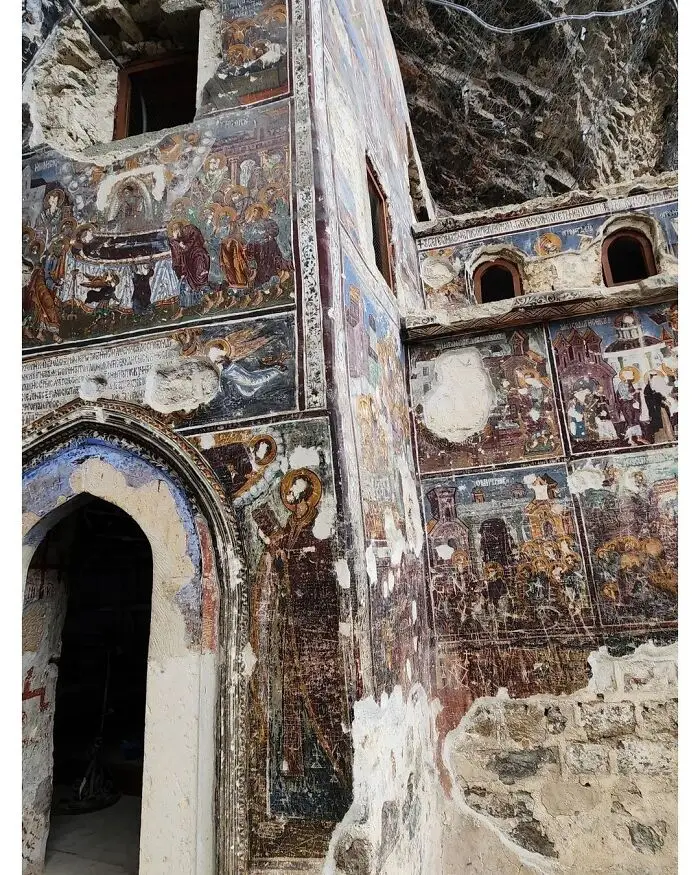
The centuries-old Byzantine frescoes of the Sümela Monastery, located in Trabzon, Turkey.
Report
3points
#55
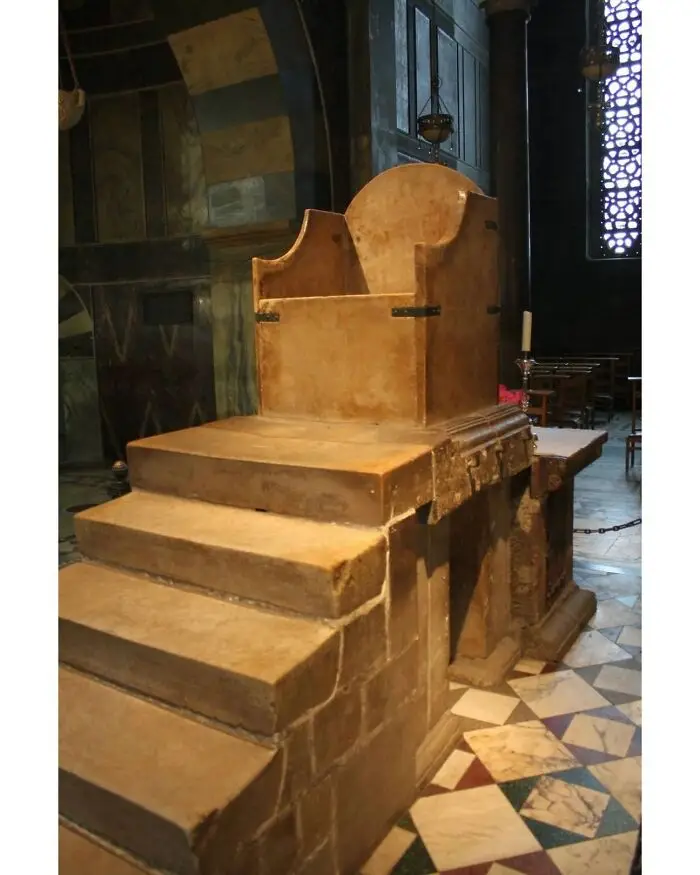
Charlemagne's Throne in Aachen, Germany. It was erected in the 790s. From then until 1531, it served as the coronation throne for thirty-one Kings of Germany.
Report
3points
#56
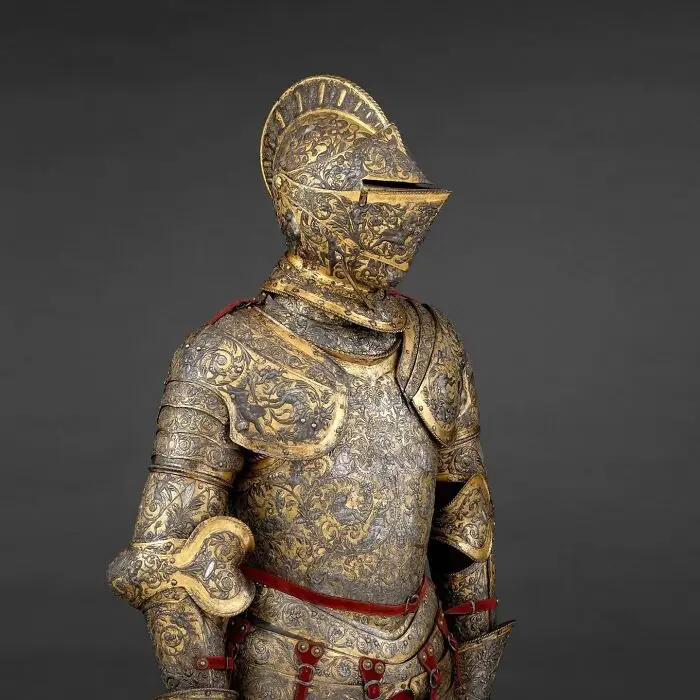
The Parade Armour of Henry II of France, now in the Metropolitan Museum of Art, New York, is believed to date from 1553–55 and its decoration is attributed to the French goldsmith and engraver Étienne Delaune.
Report
3points
#57
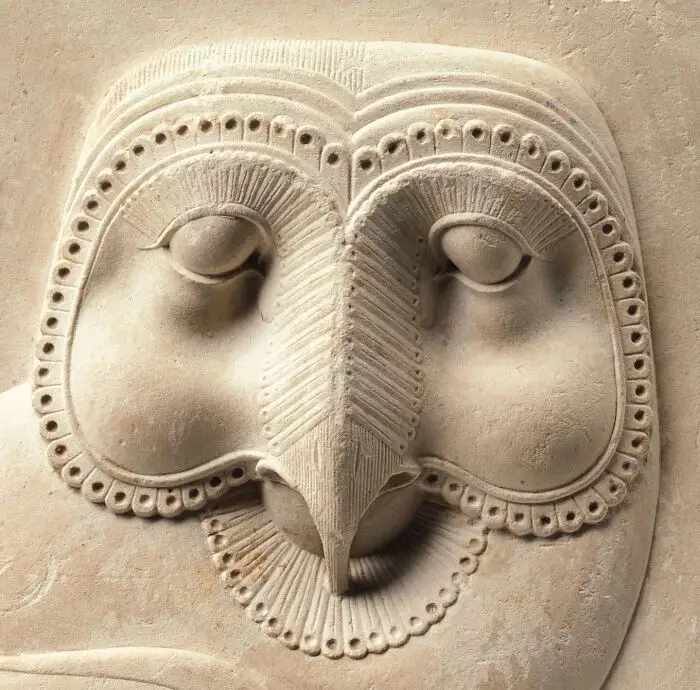
This unfinished limestone plaque features an impressive depiction of a barn owl’s head carved in raised relief. The piece dates to the Ptolemaic Period (304–30 BC).
This piece is now housed in the Metropolitan Museum of Art in New York.
This piece is now housed in the Metropolitan Museum of Art in New York.
Report
3points
#58
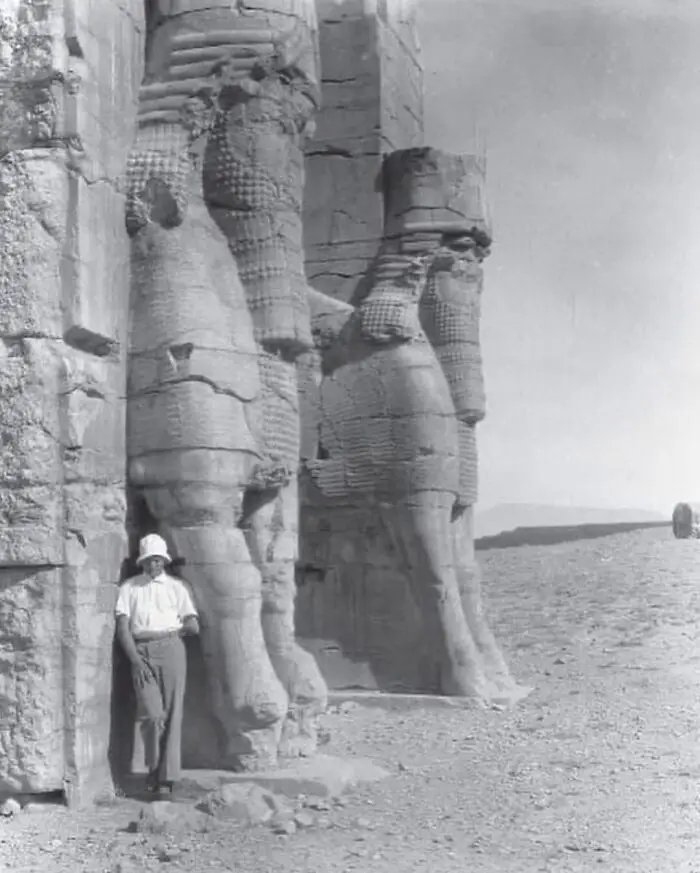
Archaeologist Friedrich Krefter standing at the ancient gates of Persepolis (Iran), circa 1930s.
Report
2points
#59
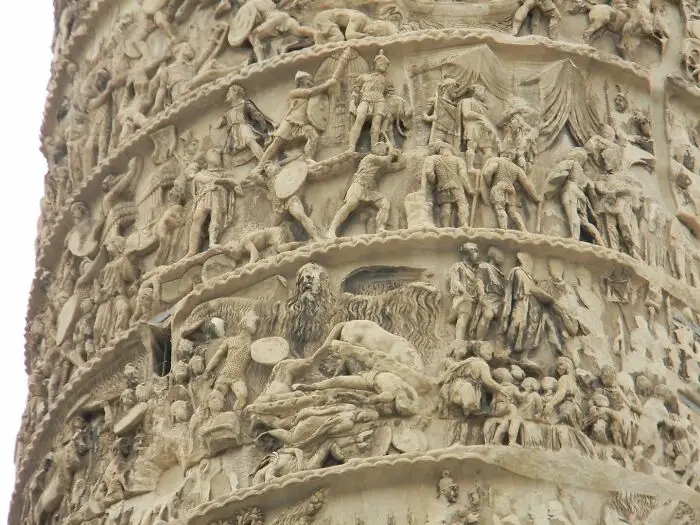
The level of detail on the Column of Marcus Aurelius in Rome is absolutely mind blowing.
A Doric column adorned with a detailed spiral relief, it was built in honor of Roman emperor Marcus Aurelius and modeled after Trajan's Column. Dedicated to the emperor and his military campaigns during the Barbarian Wars, the monument stands as a testament to his reign from 161 to 180 AD. The column's frieze, approximately 367 feet long, spirals upward 21 times, depicting the emperor’s campaigns against the Germanic and Sarmatian tribes. Its construction likely began after his d***h in 180 AD and was completed around 193 AD, under the reign of Septimius Severus.
A Doric column adorned with a detailed spiral relief, it was built in honor of Roman emperor Marcus Aurelius and modeled after Trajan's Column. Dedicated to the emperor and his military campaigns during the Barbarian Wars, the monument stands as a testament to his reign from 161 to 180 AD. The column's frieze, approximately 367 feet long, spirals upward 21 times, depicting the emperor’s campaigns against the Germanic and Sarmatian tribes. Its construction likely began after his d***h in 180 AD and was completed around 193 AD, under the reign of Septimius Severus.
Report
2points
#60
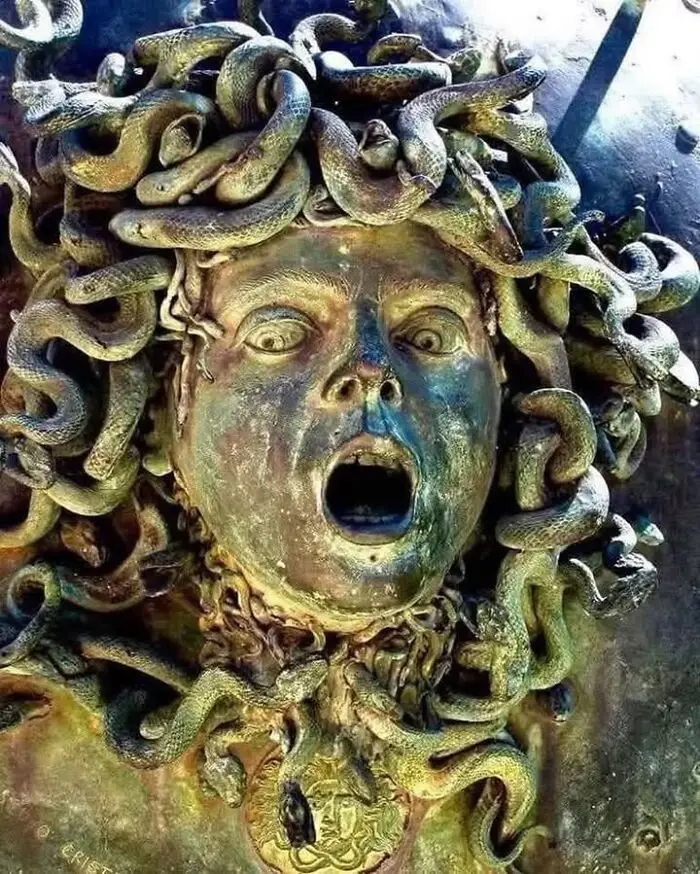
Perseus with the Head of Medusa is a bronze sculpture made by Benvenuto Cellini in the period 1545–1554. The sculpture stands on a square base which has bronze relief panels depicting the story of Perseus and Andromeda, similar to a predella on an altarpiece. It is located in the Loggia dei Lanzi in the Piazza della Signoria in Florence, Italy.
Report
2points
