

Bored Panda
67 Remarkable Artifacts That Prove History Is Full Of Surprises
History,CuriositiesNOV 19, 2026

67 Remarkable Artifacts That Prove History Is Full Of Surprises

51
13
History isn't just something we read about in textbooks, right, pandas? Sometimes, it's a beautifully carved statue, a piece of jewelry worn thousands of years ago, or an everyday object that's somehow survived centuries. And isn't it amazing how people created such incredible things without the modern tools we have today?
Well, if you enjoy a little peek into the past, you're in for a treat! We came across an Instagram page that shares fascinating pictures of archaeological finds, ancient artifacts, and historical artworks. Naturally, we couldn't resist putting together a collection of some of the most interesting ones. From impressive craftsmanship to objects that show us how people lived centuries ago, there's plenty to admire. So, keep scrolling and enjoy this little visual journey through history!

This post may include affiliate links.

#21
67 Remarkable Artifacts That Prove History Is Full Of Surprises
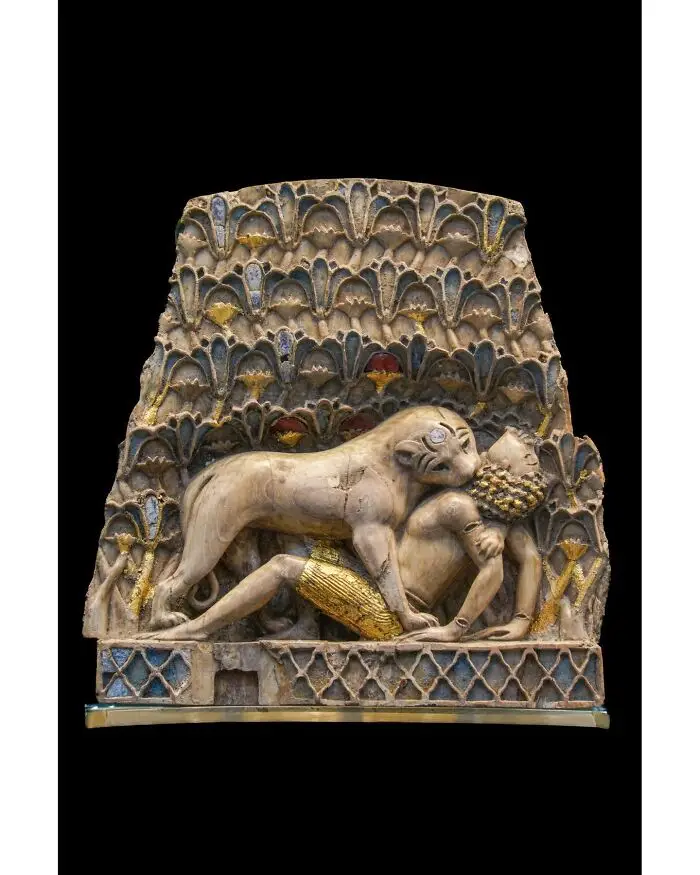
Lioness Devouring a Man, Phoenician Ivory Panel, c. 9-th-8th century BCE. From the palace of Ashurnasirpal II, Nimrud, northern Mesopotamia, Iraq.
23points

#22

67 Remarkable Artifacts That Prove History Is Full Of Surprises
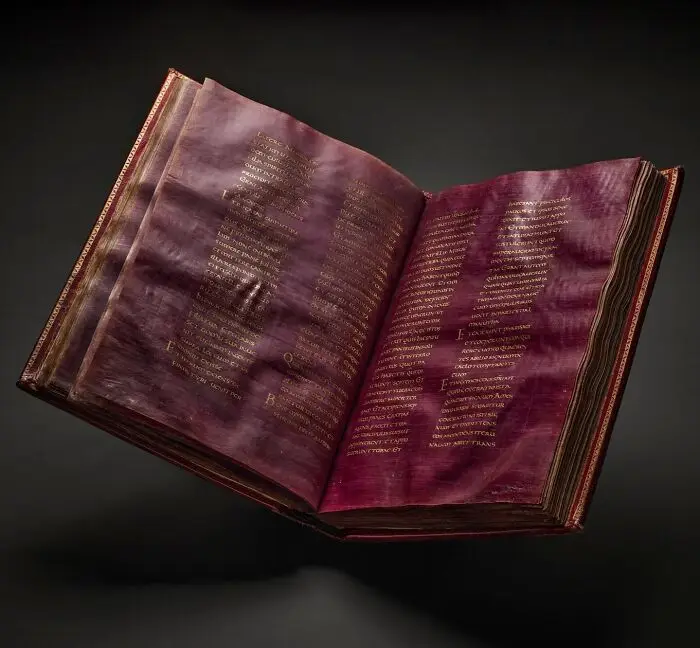
This 1000-year-old manuscript was created by ~16 scribes in a Benedictine Abbey in Trier, Germany. They used gold ink to copy the text of the Gospels onto parchment that had been dyed with a plant-based purple pigment. It is currently housed at the Morgan Library and Museum in New York.
23points

And that's something worth remembering. Archaeology isn't simply about discovering fascinating things from long ago. It's also about respecting the people connected to those discoveries and making sure their heritage is preserved for future generations. After all, understanding history means appreciating both the achievements of our ancestors and the lessons we can learn from them.

#23
67 Remarkable Artifacts That Prove History Is Full Of Surprises
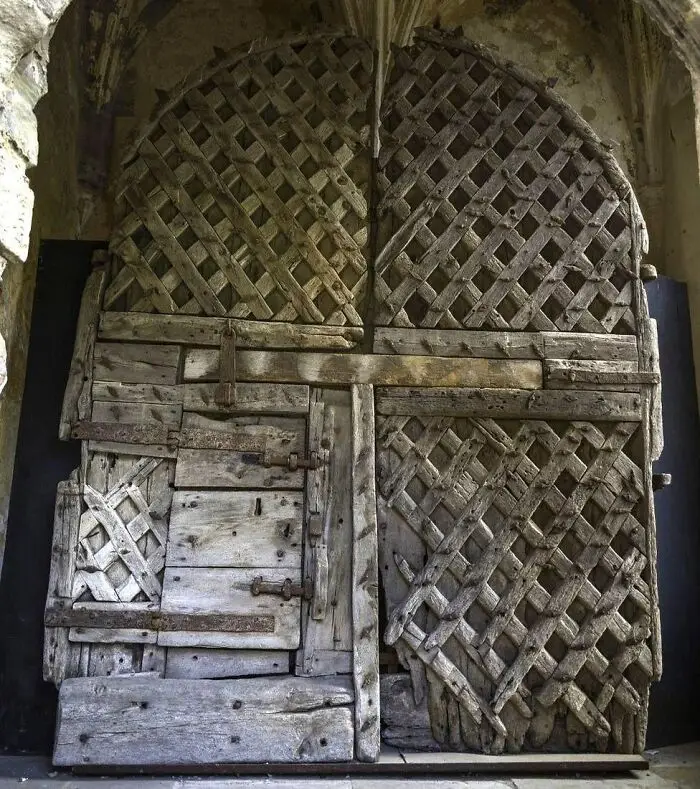
Photographed here is the iron-shod oak doors of Chepstow Castle in Wales. Thought to be the oldest surviving castle doors in all of Europe, they were comissioned in 1190 by the legendary knight William Marshal after Chepstow came into his posession as Lord of Striguil.
23points

#24

67 Remarkable Artifacts That Prove History Is Full Of Surprises
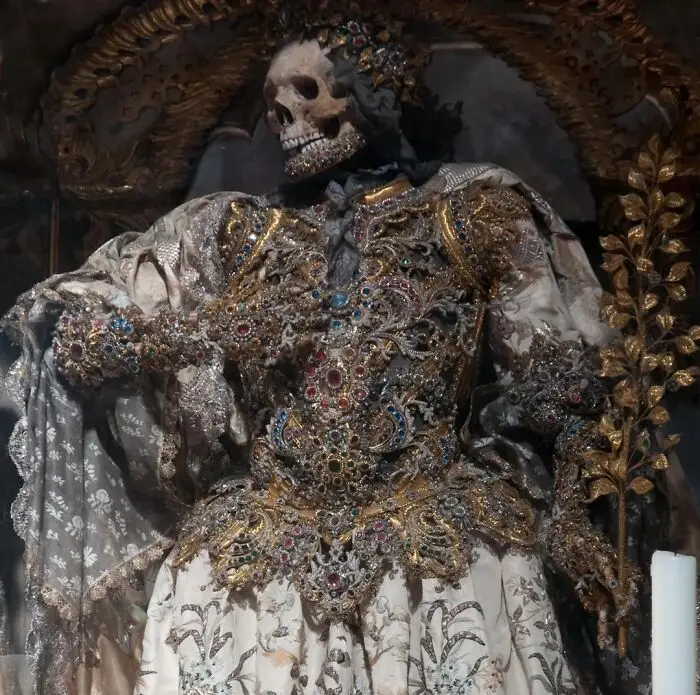
In the Waldsassen Basilica in Waldsassen, Germany, the halls of the church are adorned with "Holy Bodies", or skeletons of Christian martyrs who were exhumed from the catacombs of Rome between 1688 and 1765. These skeletons are dressed in elaborate 18th-century garb, covered in jewels, and generally made to look like royalty.
22points

#25

67 Remarkable Artifacts That Prove History Is Full Of Surprises
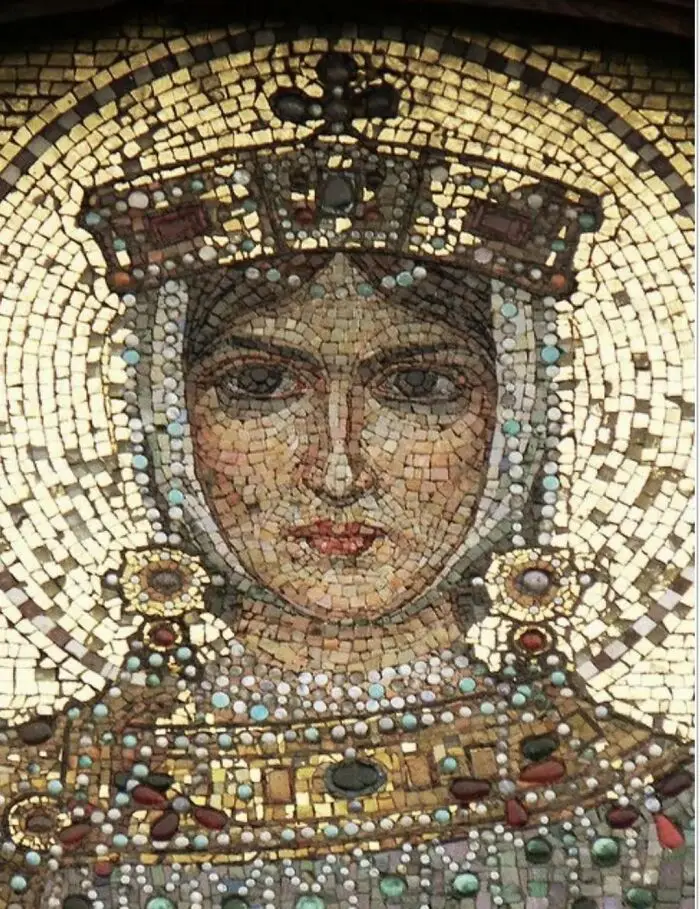
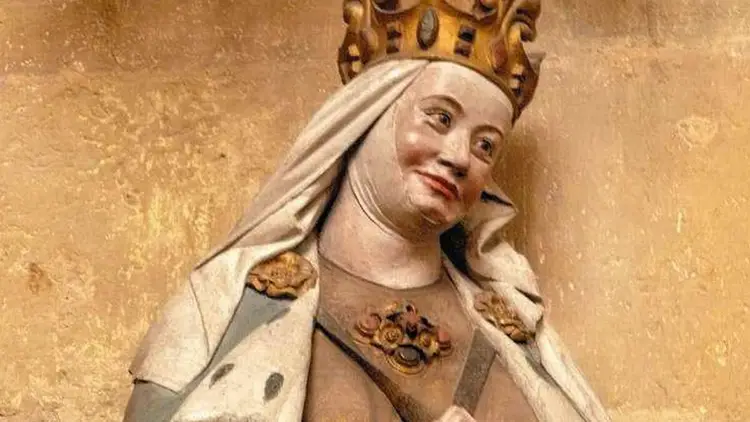
Empress Aelia Eudocia Augusta (c. 401–460 AD), also recognized as Saint Eudocia, created 1924 in the Neo-Byzantine mosaic style. The actual mosaic panel adorns the exterior facade of the St. Alexander Nevsky Cathedral in Sofia, Bulgaria.
21points

#26

67 Remarkable Artifacts That Prove History Is Full Of Surprises
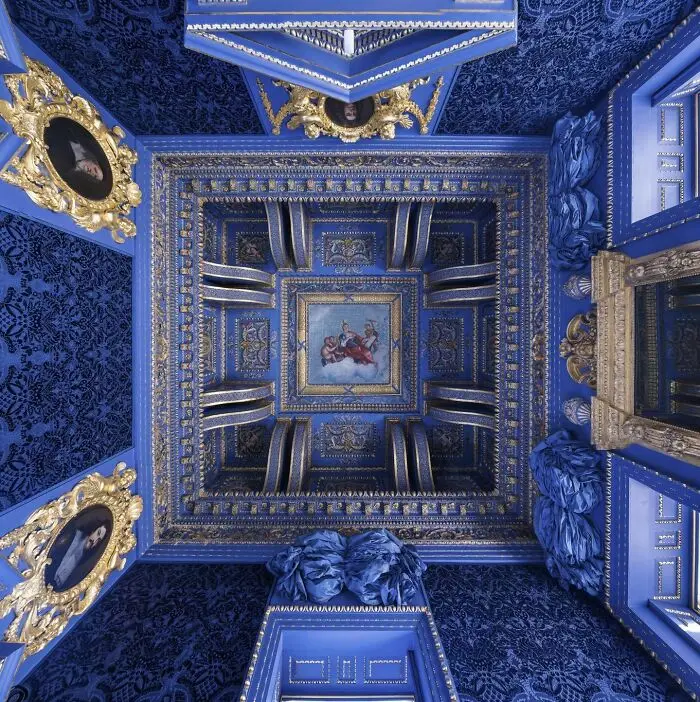
Photographed here is the ceiling of the Blue Velvet Room in Chiswick House in London, England, 1729 CE.
21points

Coming back to today's collection, these pictures of ancient artifacts, archaeological finds, and historical artworks offer a wonderful glimpse into the creativity and craftsmanship of people who lived long before us. So, pandas, which of these finds impressed you the most? Is there a particular period in history that fascinates you? Let us know in the comments below!

#27
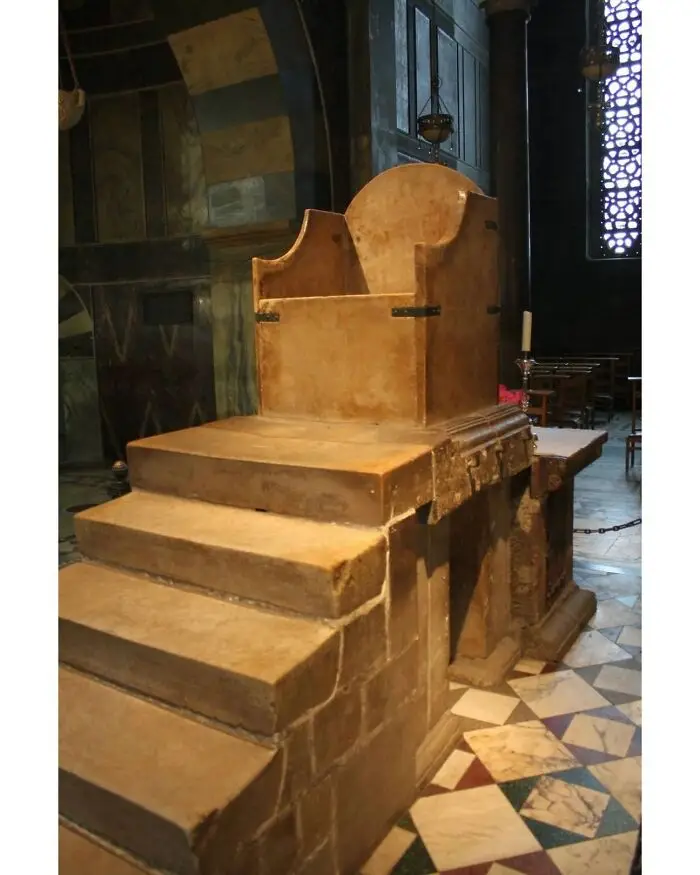
67 Remarkable Artifacts That Prove History Is Full Of Surprises
Charlemagne's Throne in Aachen, Germany. It was erected in the 790s. From then until 1531, it served as the coronation throne for thirty-one Kings of Germany.
21points

#28

67 Remarkable Artifacts That Prove History Is Full Of Surprises
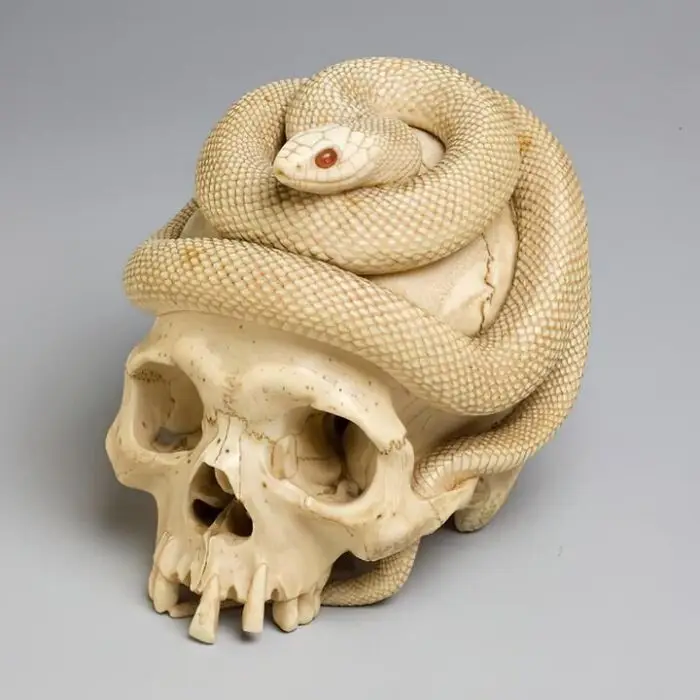
Ivory carving of a skull and coiled snake with carnelian eyes. Japan, Edo period, 1860.
21points

#29

67 Remarkable Artifacts That Prove History Is Full Of Surprises
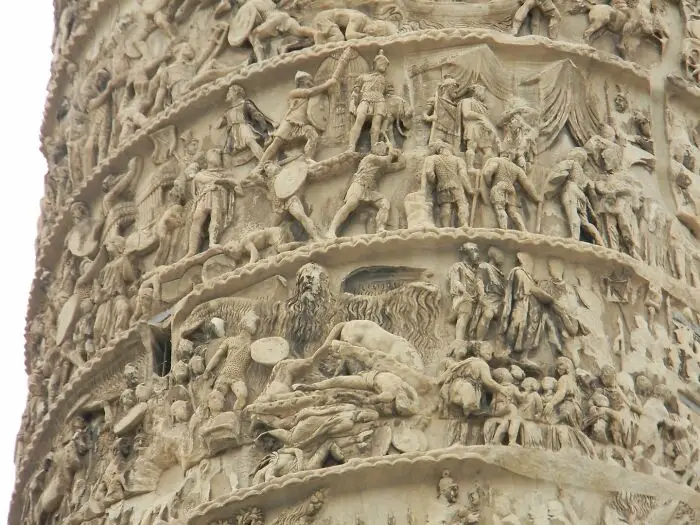
The level of detail on the Column of Marcus Aurelius in Rome is absolutely mind blowing.

A Doric column adorned with a detailed spiral relief, it was built in honor of Roman emperor Marcus Aurelius and modeled after Trajan's Column. Dedicated to the emperor and his military campaigns during the Barbarian Wars, the monument stands as a testament to his reign from 161 to 180 AD. The column's frieze, approximately 367 feet long, spirals upward 21 times, depicting the emperor’s campaigns against the Germanic and Sarmatian tribes. Its construction likely began after his d***h in 180 AD and was completed around 193 AD, under the reign of Septimius Severus.
20points

#30

67 Remarkable Artifacts That Prove History Is Full Of Surprises
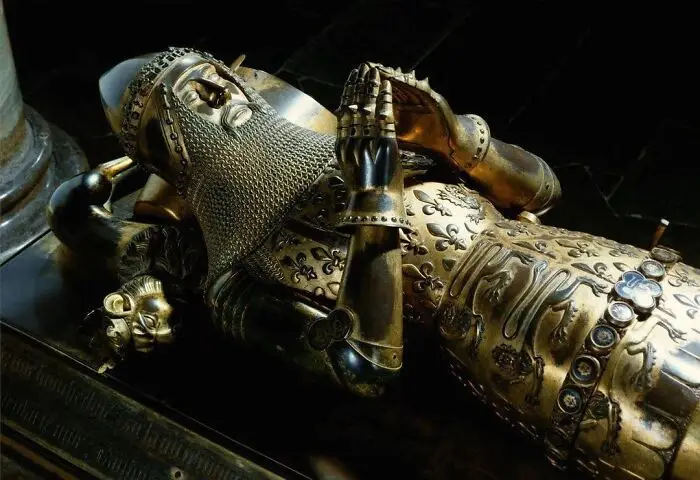
The gilt bronze effigy of Edward, the Black Prince, dated to 1376 CE and housed at Canterbury Cathedral. Its remarkably detailed armor makes it one of the most important examples of English medieval funerary art, especially since so few surviving pieces of contemporary armor remain.
20points

#31

67 Remarkable Artifacts That Prove History Is Full Of Surprises
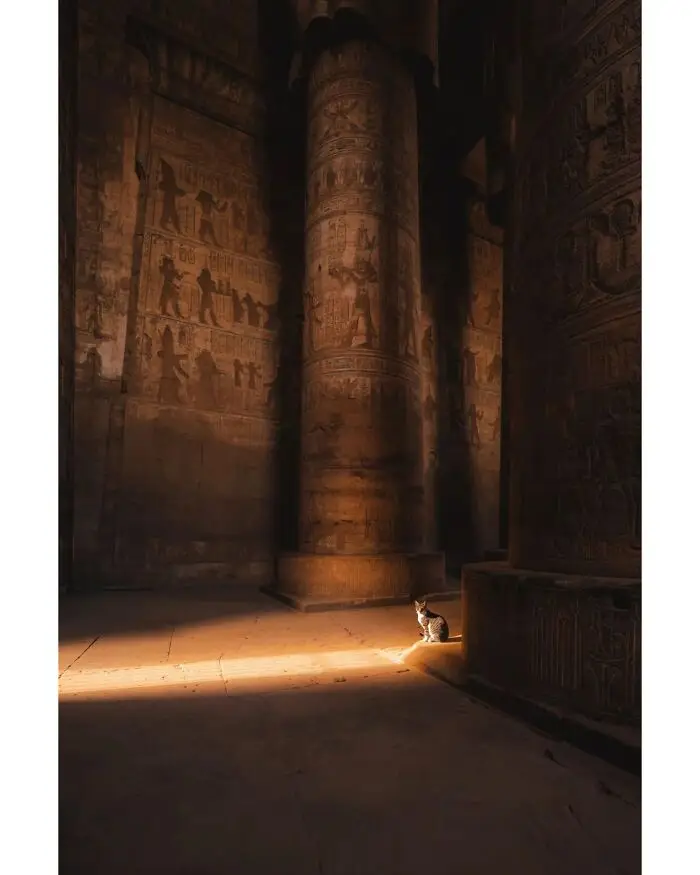
In ancient Egypt, cats were represented in social and religious scenes dating as early as 1980 BC. Several ancient Egyptian deities were depicted and sculptured with cat-like heads such as Mafdet, Bastet and Sekhmet, representing justice, fertility, and power, respectively. The deity Mut was also depicted as a cat and in the company of a cat.

Cats were praised for k*****g venomous snakes, rodents and birds that damaged crops, and protecting the Pharaoh since at least the First Dynasty of Egypt. Skeletal remains of cats were found among funerary goods dating to the 12th Dynasty. The protective function of cats is indicated in the Book of the D**d, where a cat represents Ra and the benefits of the sun for life on Earth. Cat-shaped decorations used during the New Kingdom of Egypt indicate that the domesticated cat became more popular in daily life. Cats were depicted in association with the name of Bastet.

Cat cemeteries at the archaeological sites Speos Artemidos, Bubastis, and Saqqara were used for several centuries. They contained vast numbers of cat mummies and cat statues that are exhibited in museum collections worldwide.
20points

#32

67 Remarkable Artifacts That Prove History Is Full Of Surprises
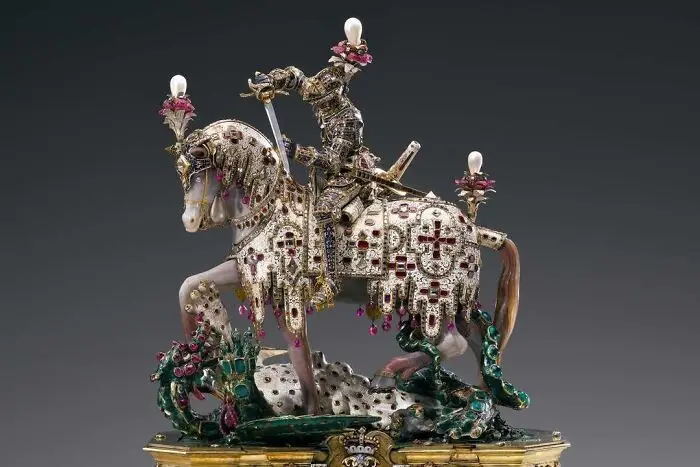
This statuette was made to house a relic of St George that Archbishop Ernst of Cologne sent in 1586 to his brother Duke Wilhelm V of Bavaria. In the seventeenth century, the statuette was displayed on important feast days on the altar of the Ornate Chapel in the Munich Residence.

The bearded face of the saint behind the movable visor is carved from boxwood and resembles that of the man who commissioned the statuette, Duke Wilhelm V.
19points

#33

67 Remarkable Artifacts That Prove History Is Full Of Surprises
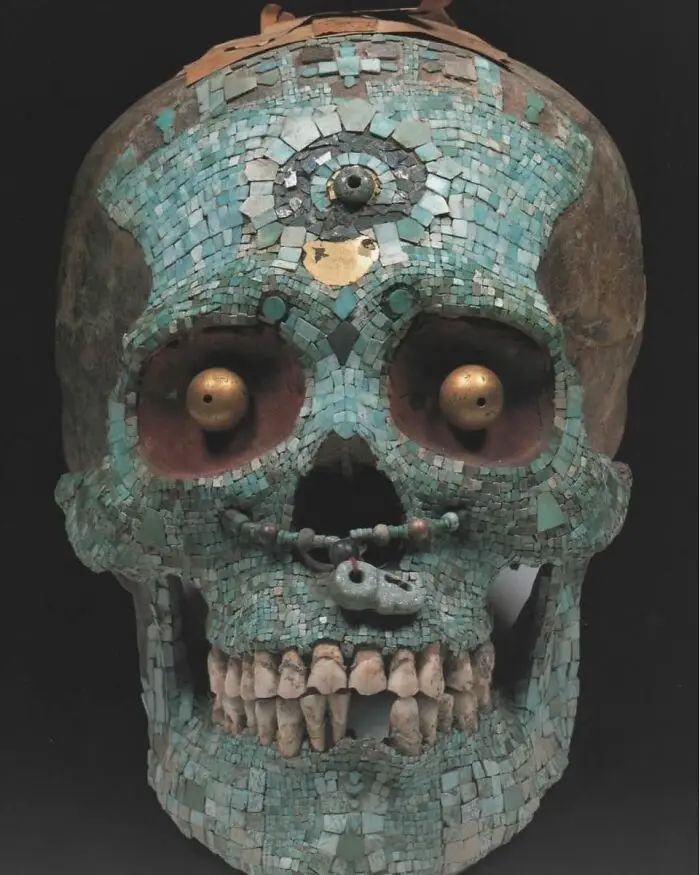
Photographed is an Aztec skull covered with turqoise mosaic, with gold eyes and a jade ornament in the forehead.
19points

#34

67 Remarkable Artifacts That Prove History Is Full Of Surprises
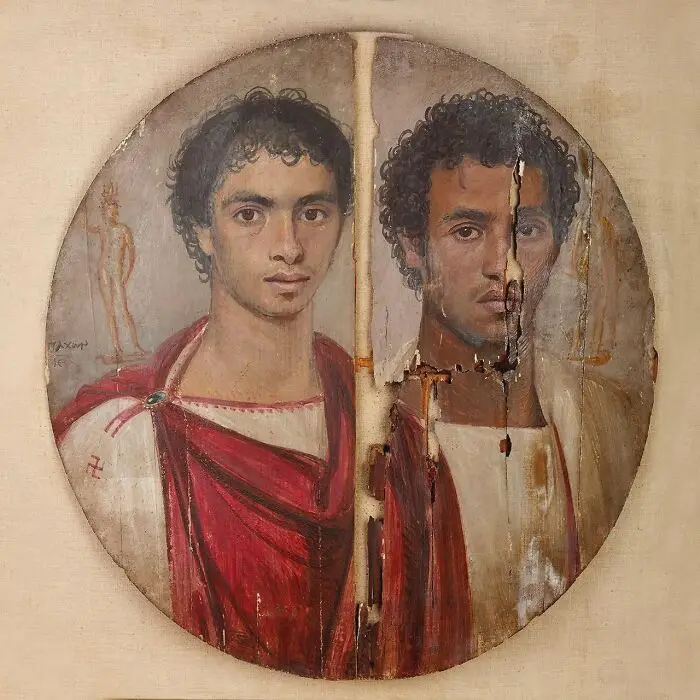
Portrait of two brothers from Roman Egypt, 140 AD.
19points

#35

67 Remarkable Artifacts That Prove History Is Full Of Surprises
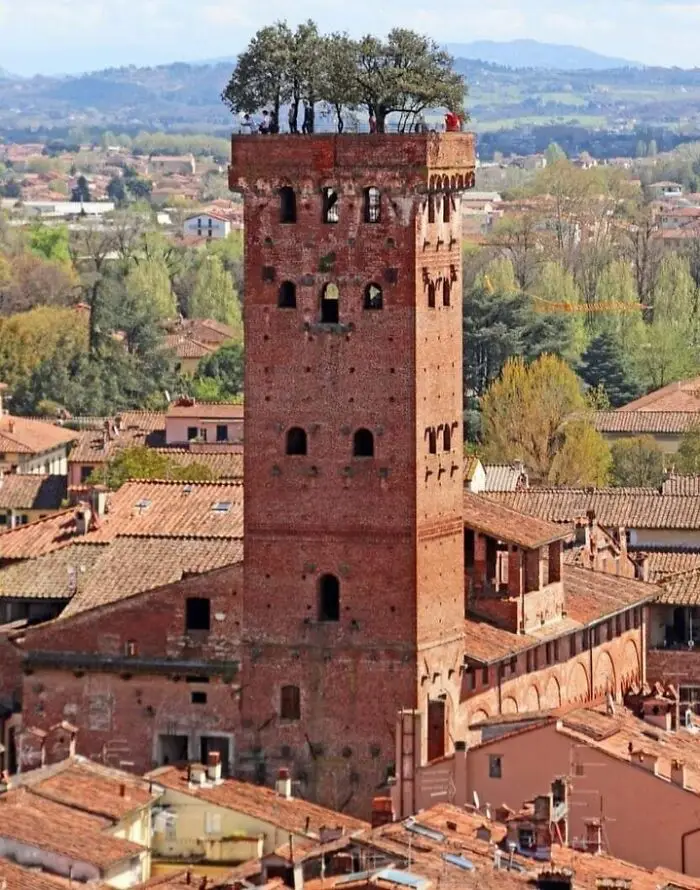
The Guinigi Tower is a 45m tall fortified tower-house built in the 1300s, with holm oak trees growing in hanging gardens at it's top. This is located in Lucca, Italy.
18points

#36

67 Remarkable Artifacts That Prove History Is Full Of Surprises
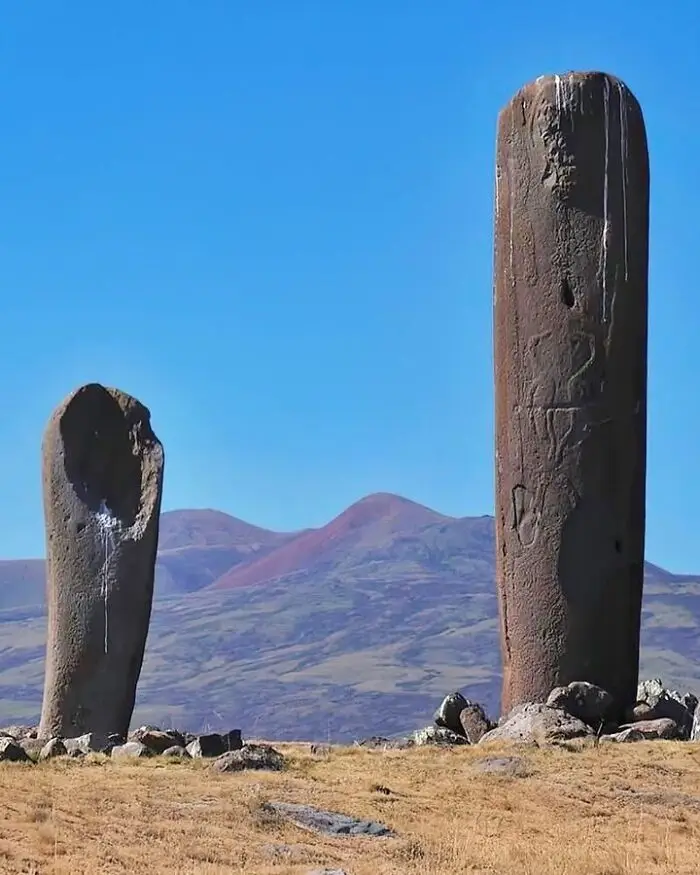
The ancient "Dragon Stones," located beneath the Geghama Mountains in Armenia, have withstood the test of time for over 5,000 years.

A vishapakar, also known as "dragon stones", are characteristic monoliths found in large numbers in the Armenian Highlands, in natural and artificial ponds, and other sources of water. They are commonly carved from one piece of stone, into cigar-like shapes with fish heads or serpents. Supposedly they are images of vishaps, a water dragon of Armenian folklore. There are about 150 known extant vishap stelae, of which 90 are found in Armenia.
18points

#37

67 Remarkable Artifacts That Prove History Is Full Of Surprises
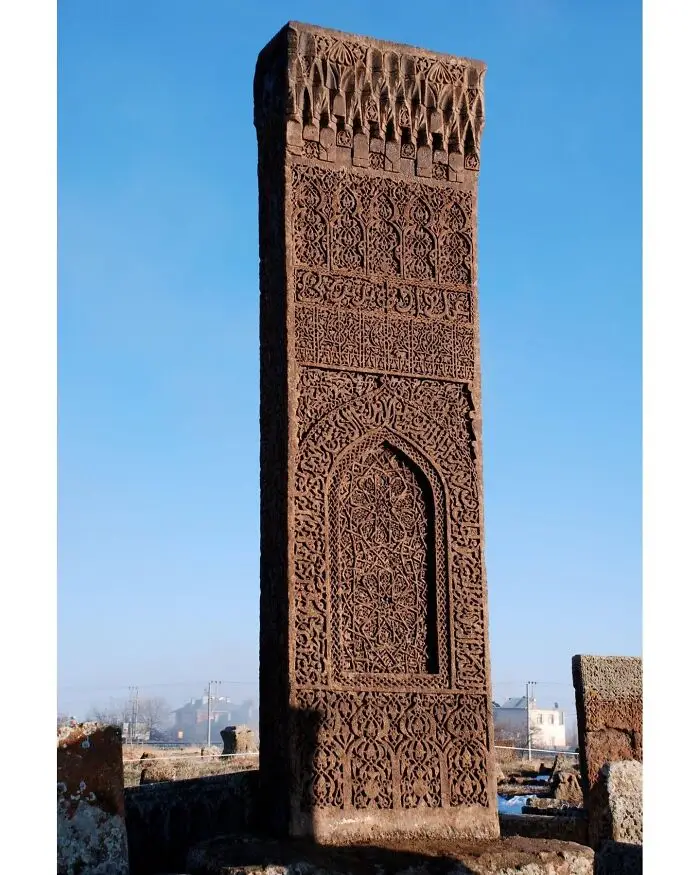
Pictured here is a 12th-15th century tombstone located at the Ahlat Seljuk Cemetery in Turkey.
18points

#38

67 Remarkable Artifacts That Prove History Is Full Of Surprises
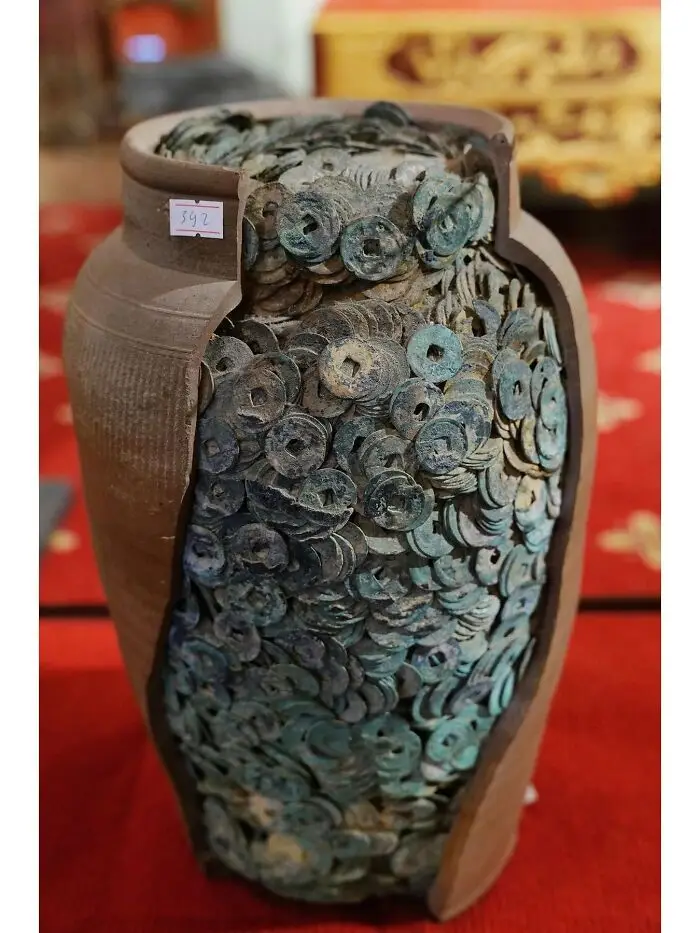
A large coin jar found in Vietnam from the 15th-17th century.
18points

#39

67 Remarkable Artifacts That Prove History Is Full Of Surprises
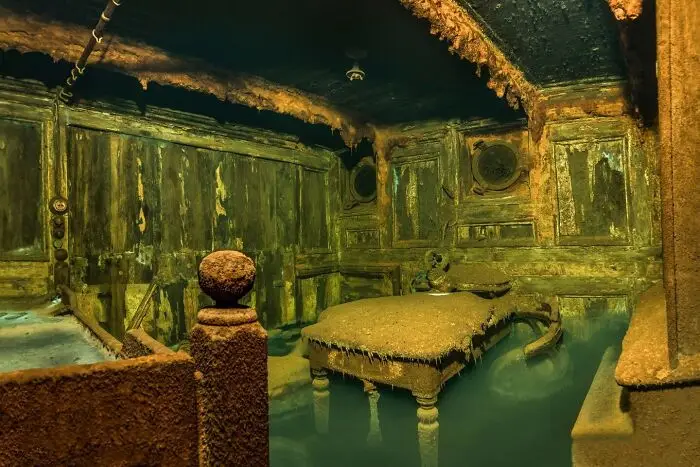
A passenger cabin on board the Aachen, a late 19th-century steamship. The Aachen, which lies off the coast of the Swedish island of Gotland, was built to transport cargo and passengers to and from South America. In October 1914, the vessel was taken over by the Imperial German Navy to be used as a minesweeper. It was sunk in July 1915 after being hit by a torpedo from a British submarine. While three people lost their lives, everyone else in the crew was rescued.
18points

#40

67 Remarkable Artifacts That Prove History Is Full Of Surprises
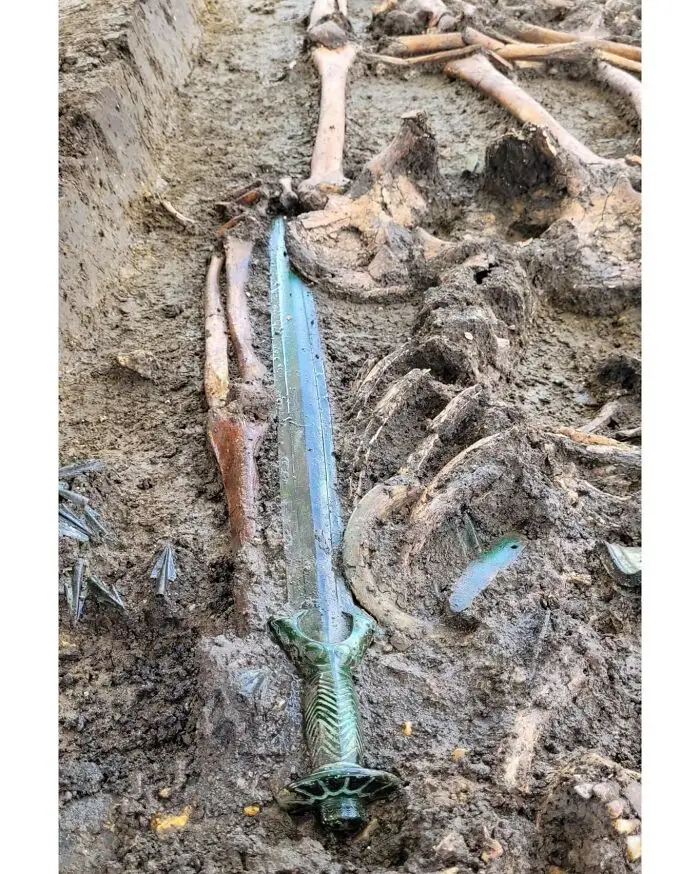
A 3,000-year-old perfectly preserved sword.
18points
51
13