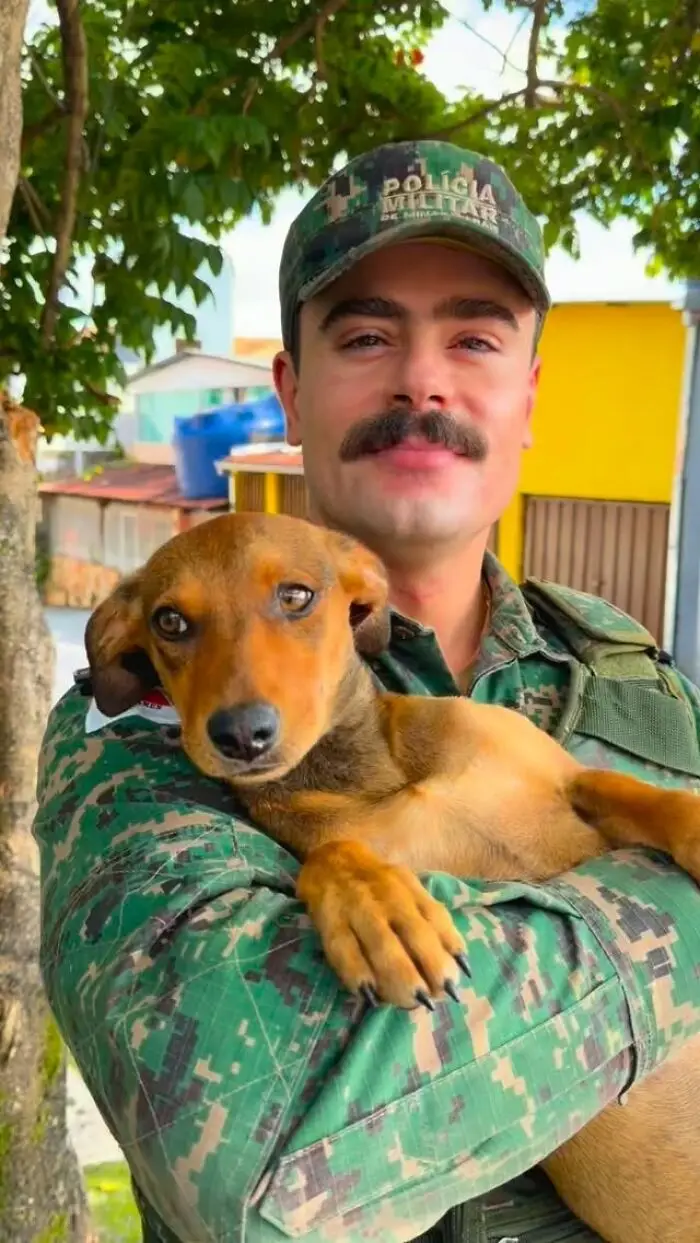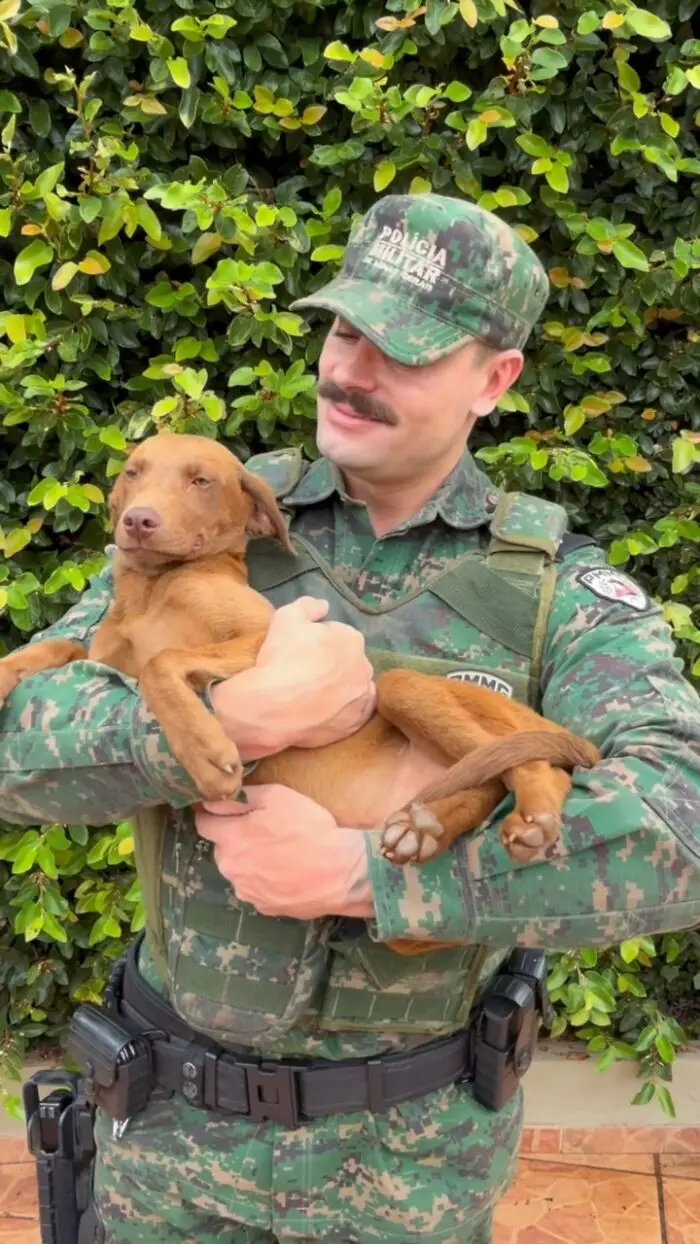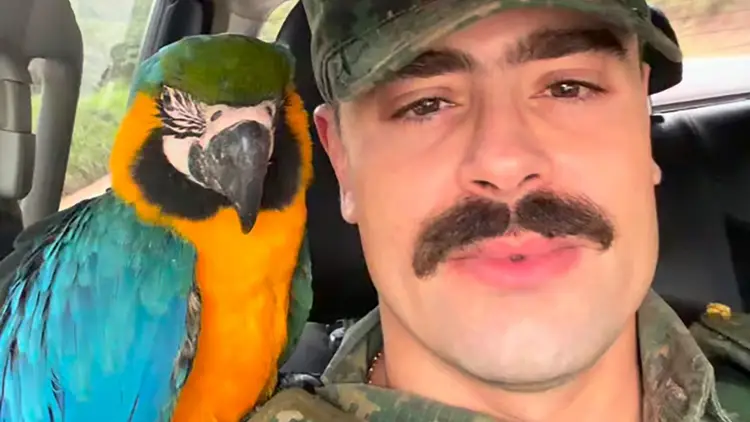


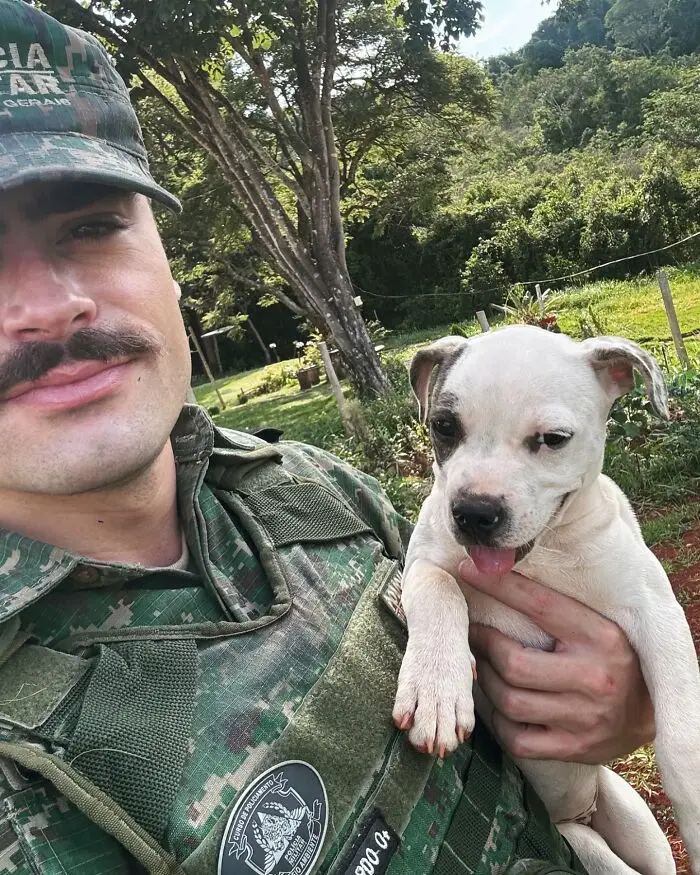
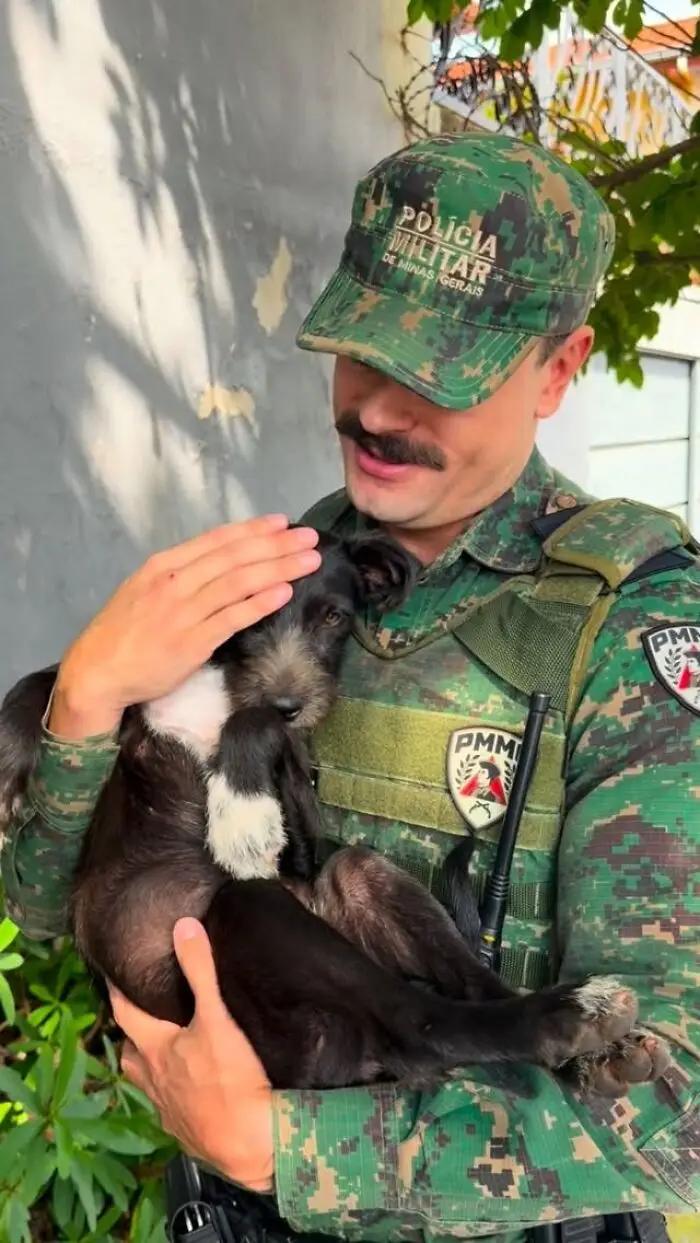
As a 33-year-old officer with the Environmental Military Police in Minas Gerais, Brazil, Lieutenant Bernardo Bax spends his days shutting down illegal gold mines, enforcing fishing bans and going after people who keep wild birds in cages. But the side of his work that has won him more than 440,000 followers on Instagram, is much gentler: four baby toucans perched in his lap, a tiny owlet he named Fernanda, and a macaw that couldn’t stop playing with his mustache.
The clip that made many people fall for him shows a baby anteater orphaned after its mother was hit by a car. Instead of waiting in a transport box, the little one crawled inside Bax’s tactical vest, curled up against his chest and took a nap, as if it had decided a police officer would do just fine as a replacement parent. The cute moments are only half of what keeps viewers coming back. The lieutenant uses each rescue to teach something, from why the anteater wanted to cling to him to what you should do if you find a chick that has fallen from its nest.
Scroll down to see some of the sweetest rescues Bax and his team have shared, and tell us in the comments which of these little patients you’d happily let nap in your jacket.
More info: Instagram
#21
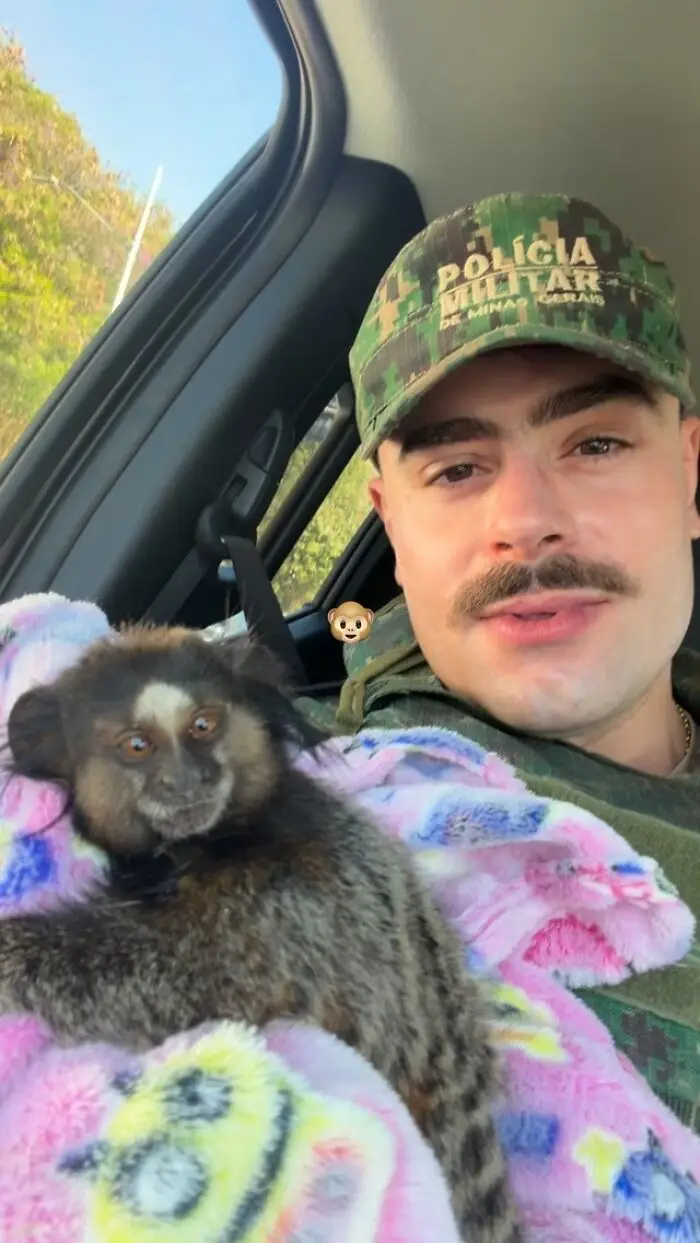
Black-tufted marmosets are a common sight in parts of Brazil, even in city parks and backyards. These tiny primates, named for the dark tufts of fur around their ears, leap between trees, walls and power lines with ease. Living so close to people comes at a cost, though. This one was hit by a car, and Lieutenant Bernardo Bax’s team took it for veterinary treatment, with the aim of releasing it back into the wild once it recovers. It’s a point Bax makes often: many of the animals struck on Brazil’s roads are victims of speeding and distracted driving.
Report
2points
#22
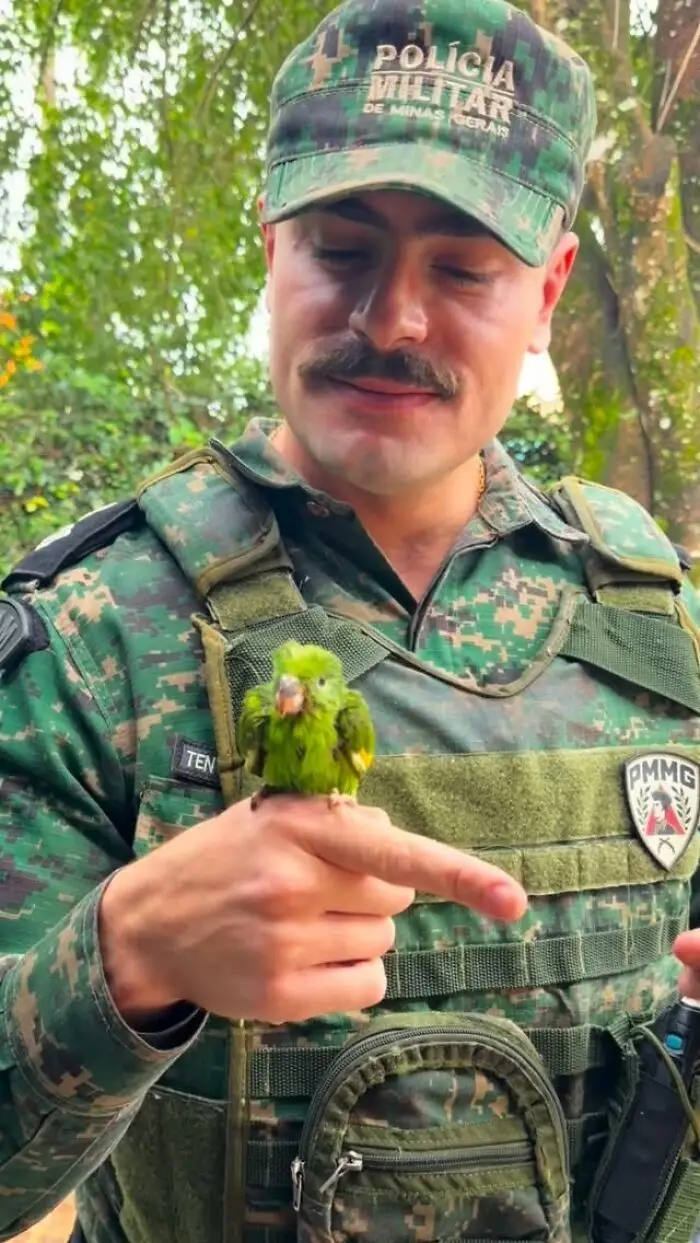
Yellow-chevroned parakeets are among the most familiar birds in Brazilian cities, easy to spot by the bright yellow patch on their green wings. This one was still a baby when a storm sent it tumbling from its nest. Cases like this pile up during the rainy season, when strong winds and downpours bring down nests along with the chicks inside. If you find one, leave the rescue to professionals and call your local environmental authorities.
Report
2points
#24
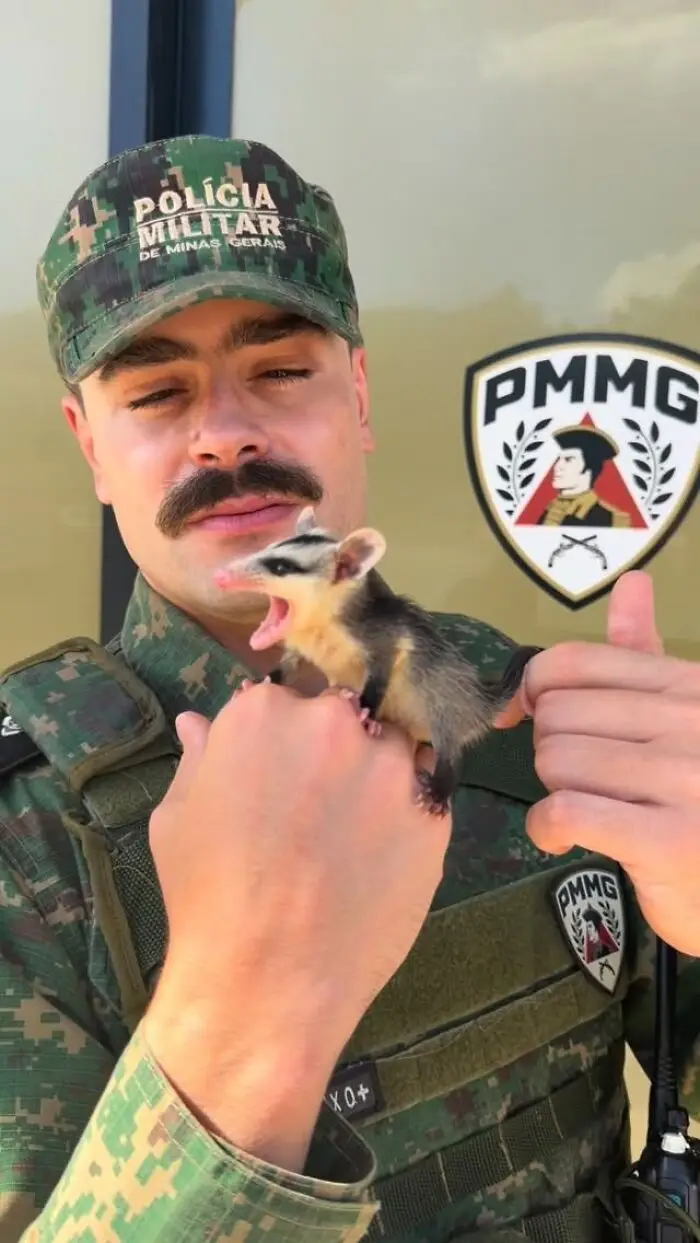
It’s breeding season for opossums, known in Brazil as saruês, so more of them, babies included, are turning up in gardens and backyards. Bax wants people to meet them with curiosity rather than a broom. One of the most common fears is rabies, but the risk of catching it from an opossum is extremely low. They aren’t completely immune, yet cases are very rare, something often linked to their low body temperature, which makes it hard for the virus to take hold. Far from being a threat, these marsupials make useful neighbors, eating insects, scorpions and small rodents.
Report
2points
#25
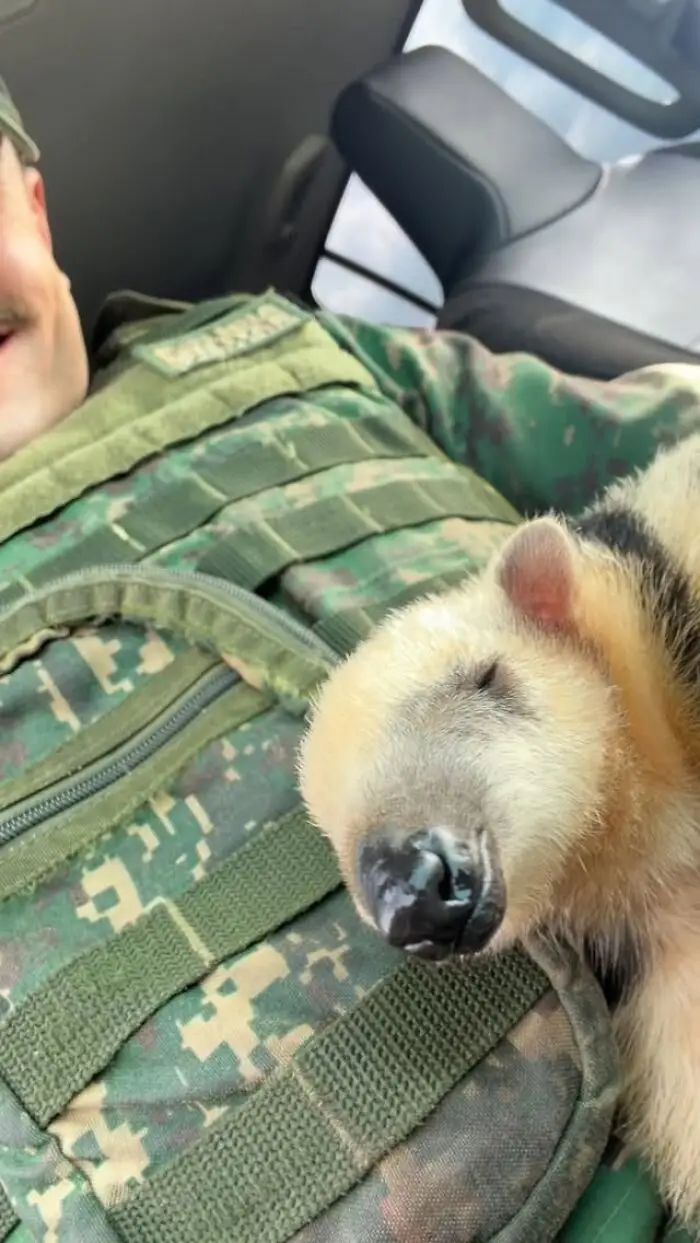
Once he was safe, the rescued baby anteater finally let himself fall asleep.
Report
2points
#26
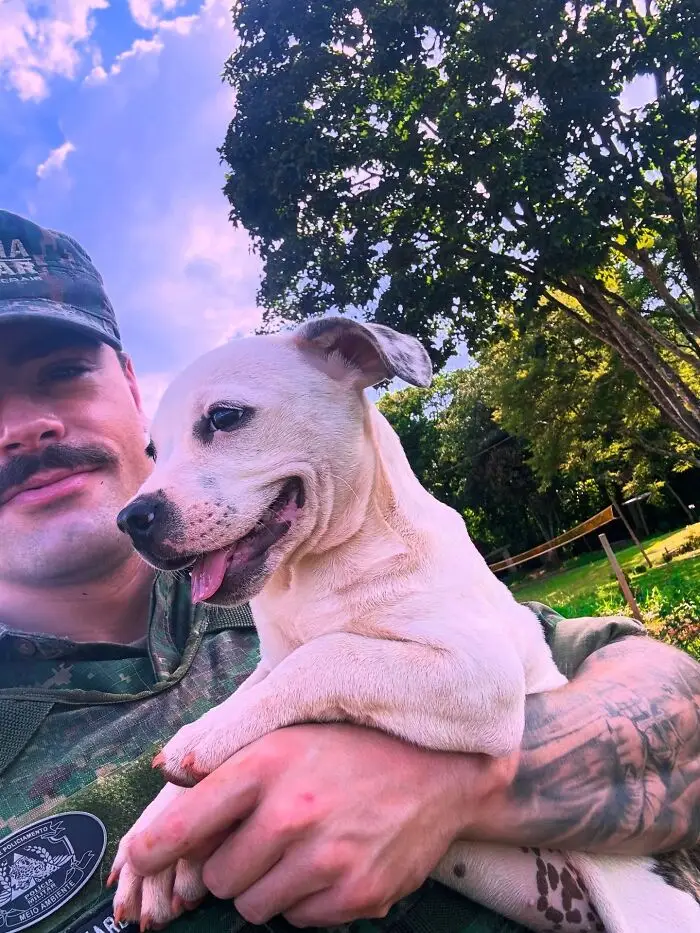
“Animals cannot speak, ask for help, or, in many cases, defend themselves. That’s why we must speak up for them and protect those who depend on us. Every life matters, and every action makes a difference. We will always do everything we can to protect animals!”
Report
2points
#27
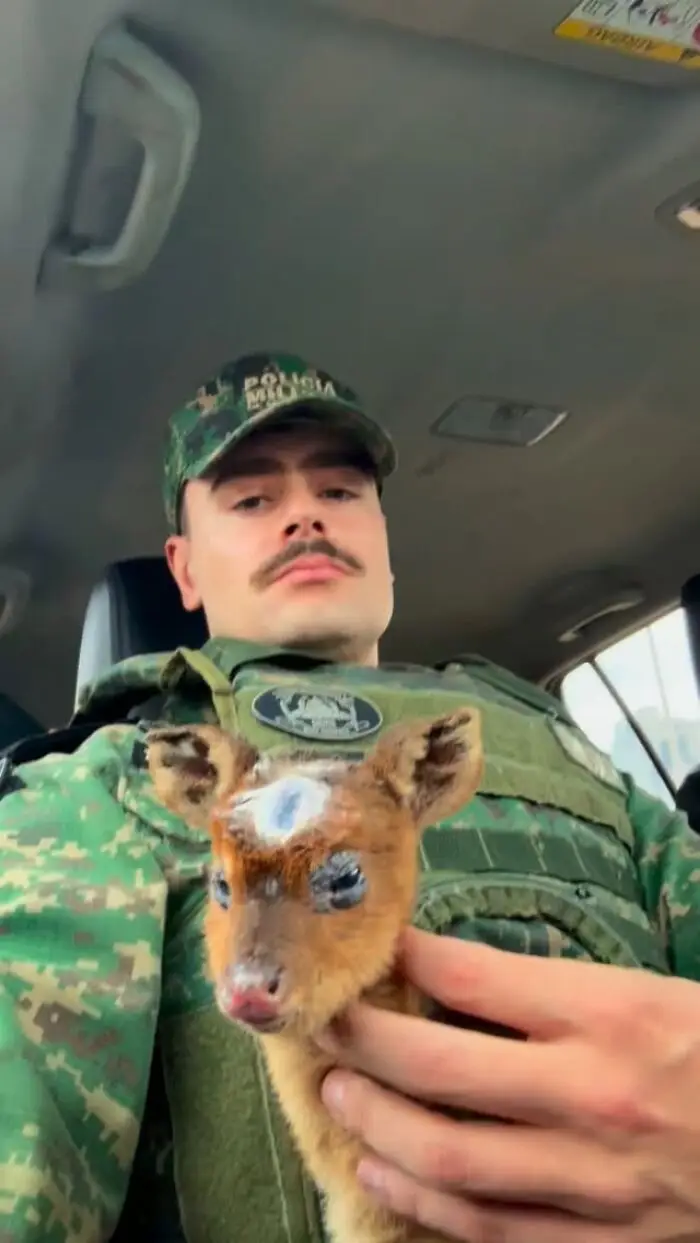
A few months after the rescue, Lieutenant Bernardo Bax and his team went back to see how this youngster was recovering. As soon as the officer started talking, the animal walked over and began sniffing him, as if matching a familiar voice to a familiar scent. The two had history: on the day of the rescue, it spent the whole two-hour trip resting on Bax’s lap in the police car.
Report
2points
#28
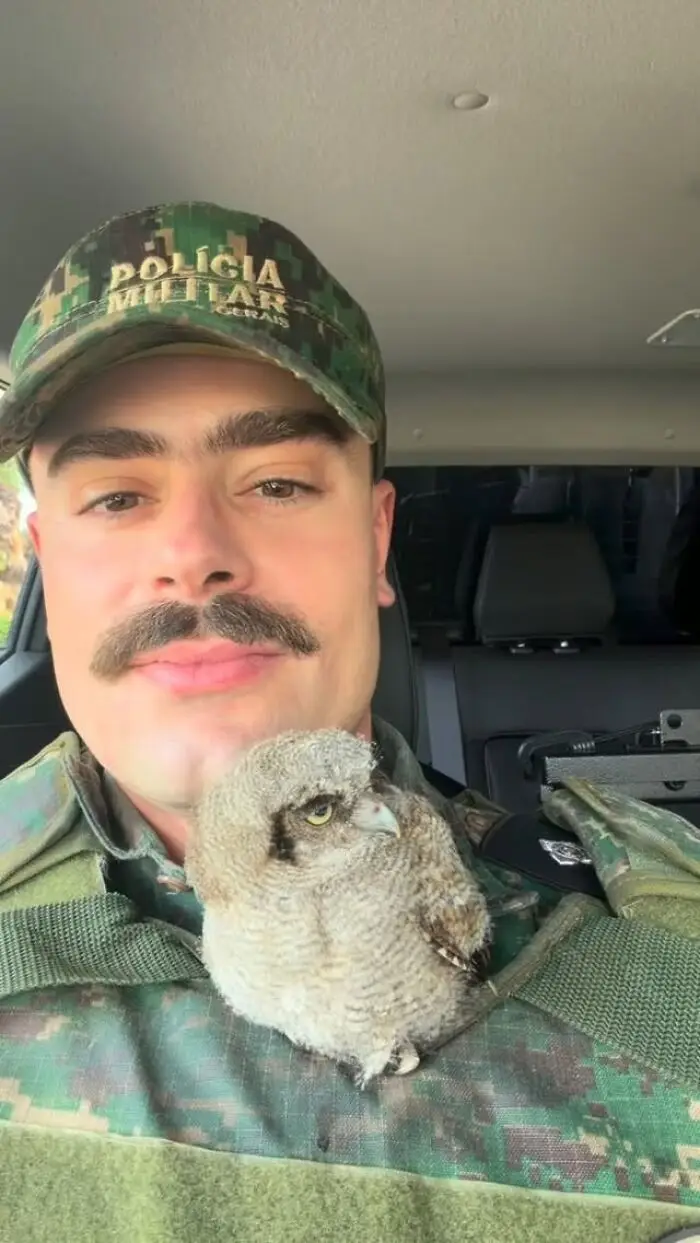
This baby owl was found outside its nest, which often happens after storms, when heavy rain and strong winds knock young owls to the ground. Not every grounded owlet needs rescuing, though. Parents often keep caring for their young after they leave the nest, so it’s best to watch from a distance first and call the authorities only if the bird is hurt, weak or in danger.
Report
2points
#30
2points
#31
Cacau
2points