



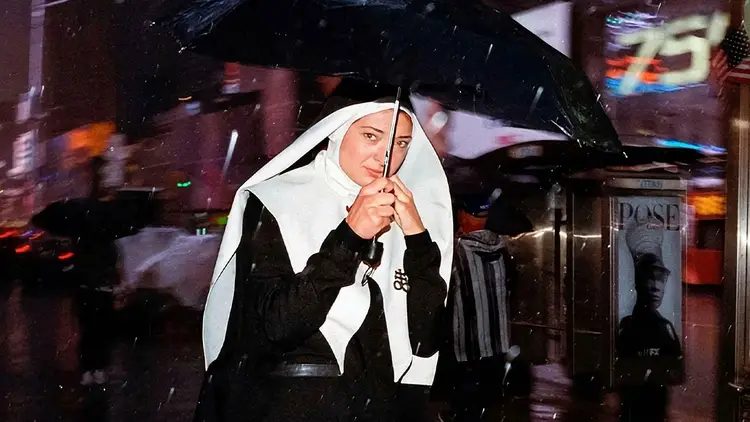


Sometimes, the spectacular moments of history aren’t found in grand events, but in the weird, eerie, or poetic interactions of everyday people at a bus stop or a storefront.
Such a moment can be found in a father and his child pedaling down a French country road in the 1950s with two fresh baguettes strapped to the bike rack, or in two mail carriers trudging through a blinding blizzard just to deliver the morning post.
All of these incredible visual stories are woven together in this collection, which we’ve curated directly from the r/GreatestPhotos community.
Each photo is memorable, helping us understand both the importance and the beautiful weirdness of the past.
Get ready to scroll through a version of history that most of our school textbooks didn’t have enough space for.
#21 Fritz Henle - Manhattan, NYC ( 1947 )
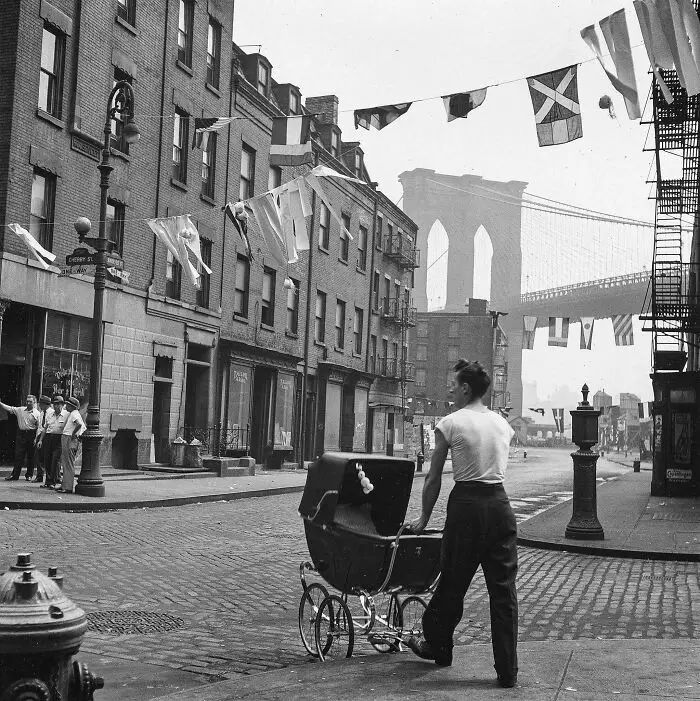
Father at the Brooklyn Bridge, Sunday Morning, Lower East Side.
Report
32points
#22 René Burri - West Germany ( 1957 )
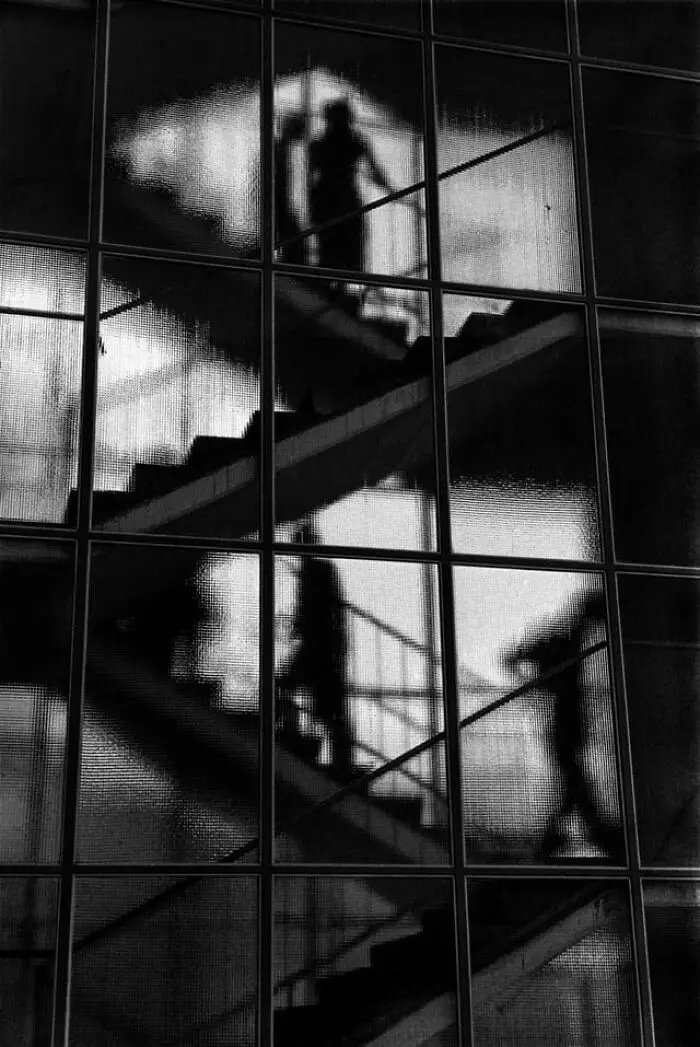
" One of these days, I'm going to publish a book of all the pictures I did not take. It is going to be a huge hit "
~ René Burri
Report
32points
Today, we filter, pose, and curate every second of our lives through our smartphones. Looking at raw images from our history proves that there’s a different kind of magic in the messy and unscripted chaos of the daily grind.
So the next time you step outside, look around. You might capture history in the making.
#23 André Kertész - Buenos Aires, Argentina ( 1962 )
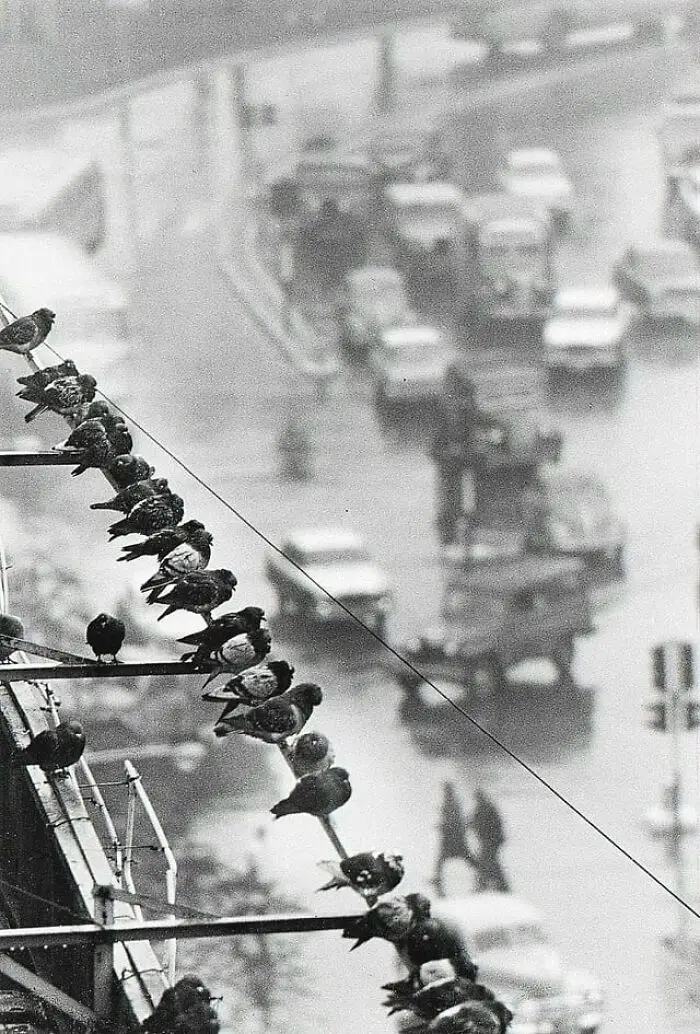
" Technique isn't important. Technique is in the blood. Events and mood are more important than good light and the happening is what is important "
~ André Kertész
Report
32points
#24 Ruth Orkin ( 1921 - 1985 )
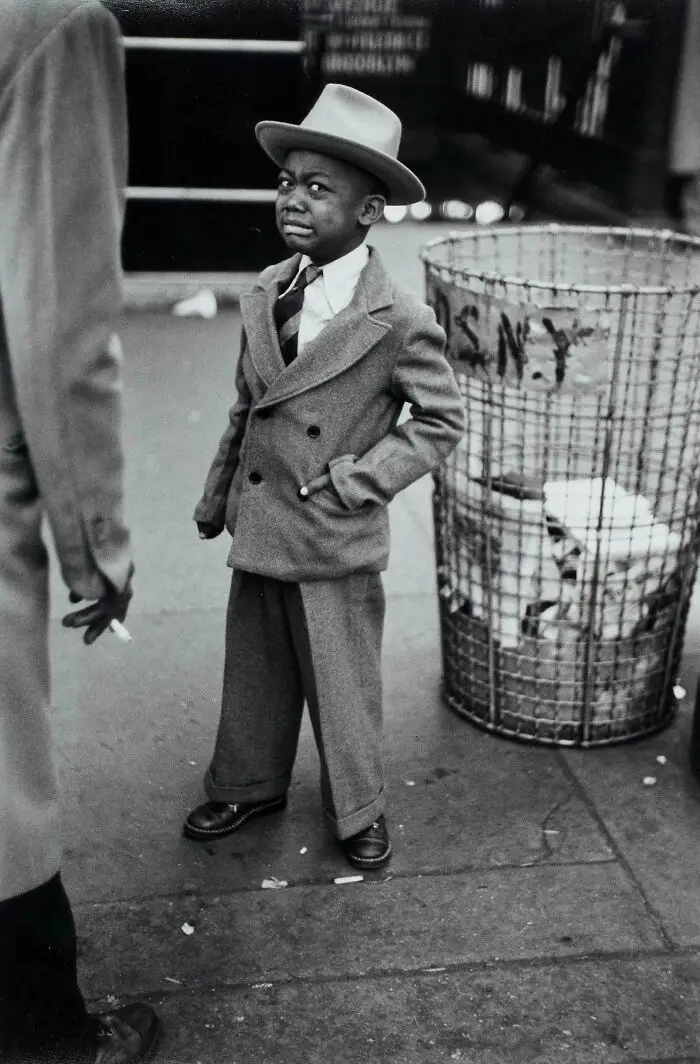
Tired Little Boy Crying Outside Circus Madison Square Garden
Report
31points
#25 James Nachtwey - Kabul, Afghanistan ( 1996 )

During the Afghan Civil War one-third of Kabul was totally destroyed by artillery and rocket fire. This picture of the central business district was made as the capital was being besieged by the Taliban.
Report
31points
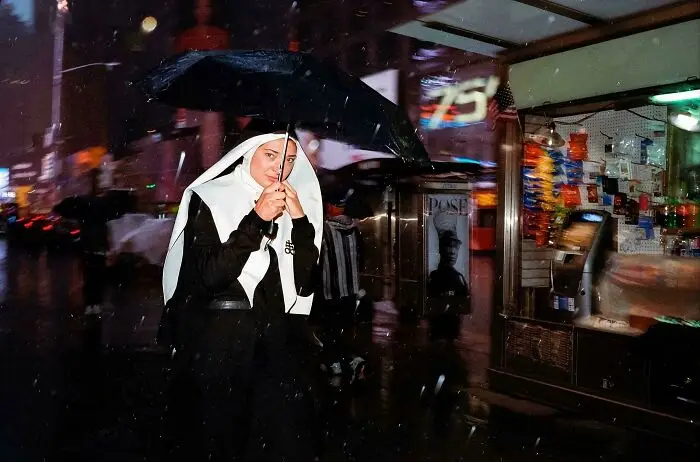
#27 Matt Black - Maine, USA ( 2019 )
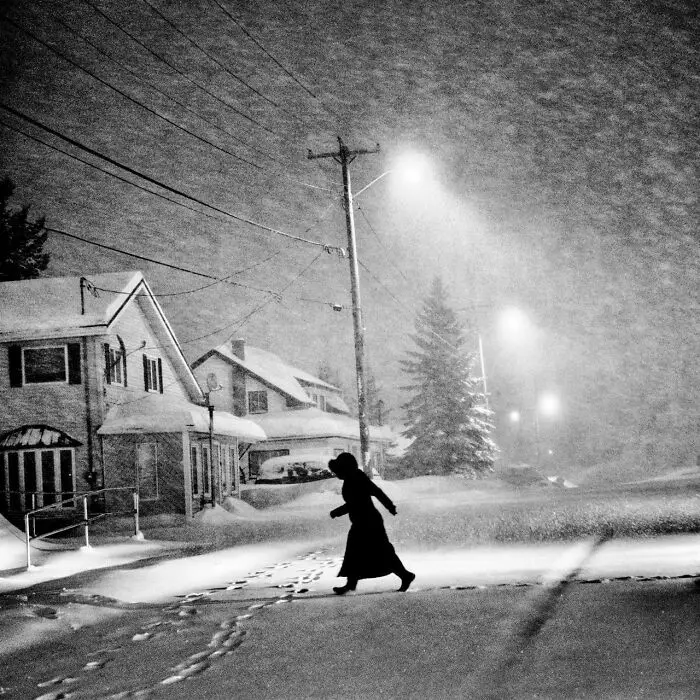
In 2013, Matt Black began photographing isolated communities in California’s Central Valley, the rural, agricultural area where he lives.
In 2015, Black expanded the project to encompass the United States and completed his first cross-country trip, a three-and-a-half-month journey visiting dozens of communities across 28 states. Since then, he has completed four additional trips, traveling over 100,000 miles and making work across 46 states.
Black combines his photographs, personal journal entries, and images of objects collected from his travels over the past seven years into one magazine: American Geography
Report
30points
#28 Bruno Barbey - Palermo, Sicily ( 1963 )
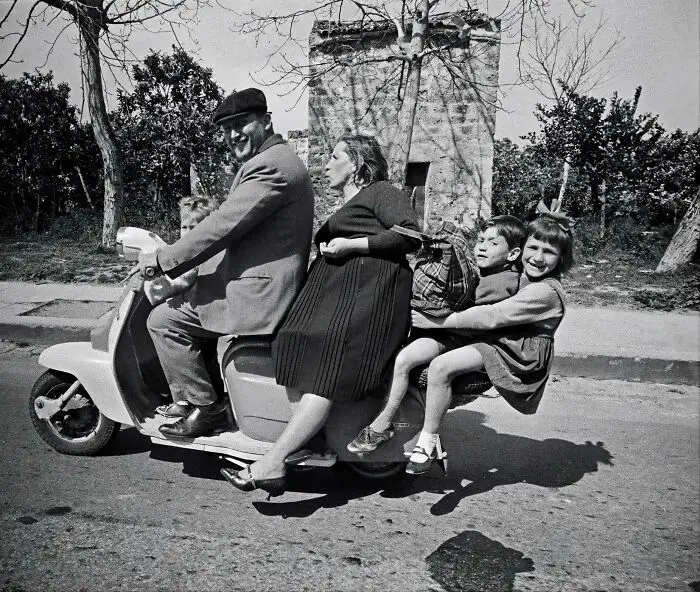
From the Book " The Italians "
Report
30points
#29 Robert Capa - Normandy, France ( 1944 )
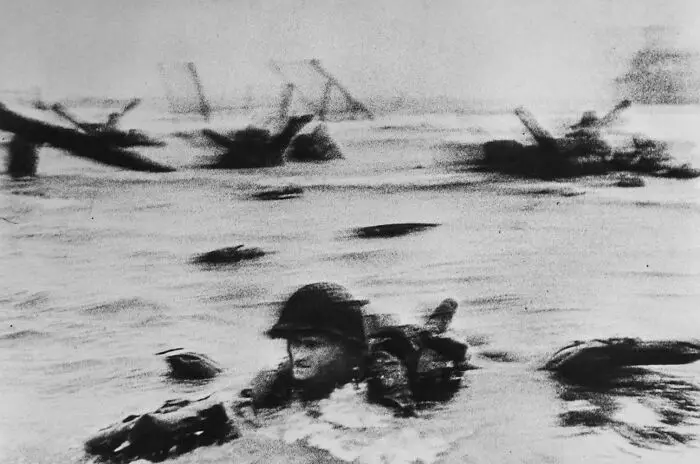
The Magnificent Eleven :
Group of photos of D-Day (6 June 1944) taken by war photographer Robert Capa. Capa was with one of the earliest waves of troops landing on the American invasion beach, Omaha Beach.
Capa stated that while under fire, with two Contax II cameras and 50 mm lenses he took 106 pictures, all but eleven of which were destroyed in a processing accident in the Life magazine photo lab in London, although the accidental loss of the remaining negatives has been disputed. The surviving photos have since been called The Magnificent Eleven.
Report
26points
#30 Nick Waplington - Nottingham, England ( 1987 )
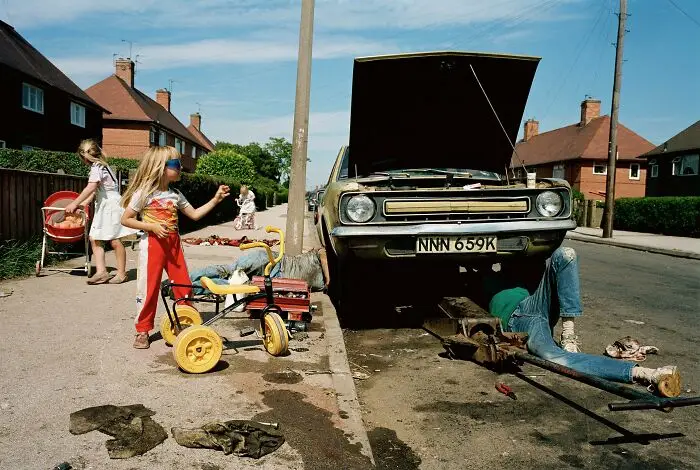
From the Great Book " Living Room "
Report
25points
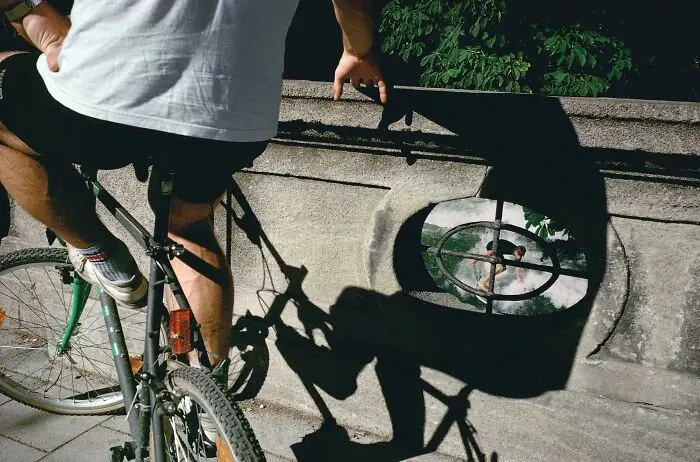
#31 Franco Fontana - Prague, Czech Republic ( 1967 )
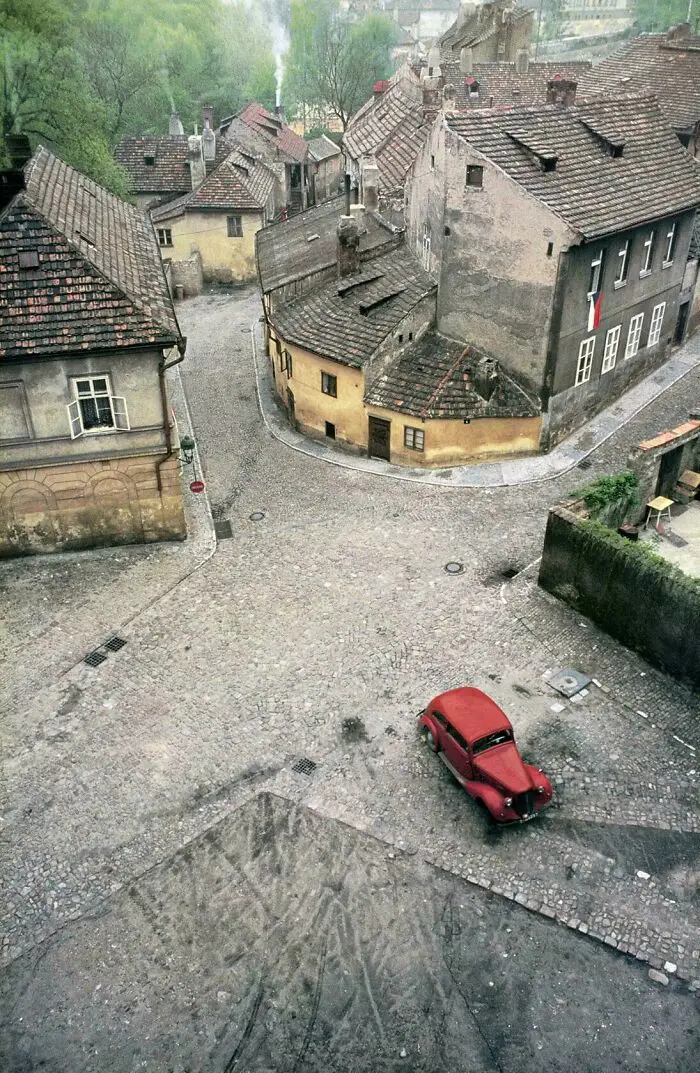
"To quote a phrase from the Prince of Salina in 'The Leopard': everything changes to remain what it is'"
Franco Fontana
Franco Fontana
Report
25points
#32 Garry Winogrand - New York, USA ( 1961 )
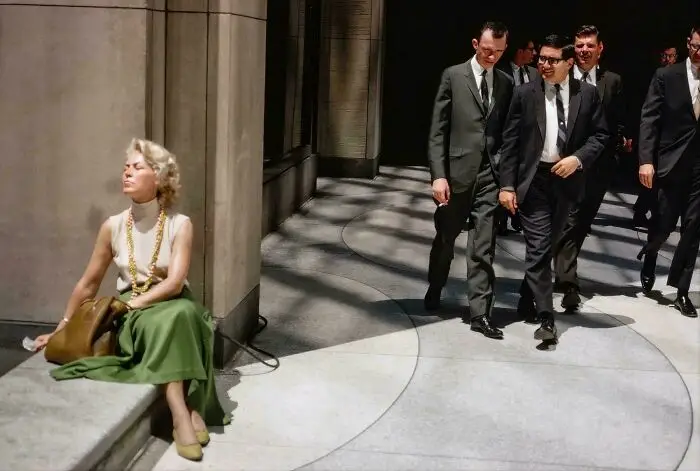
" Photography is always out there; it’s a way to get out of yourself "
~ Garry Winogrand
~ Garry Winogrand
Report
25points
#33 Wayne Miller - Chicago, Illinois ( 1948 )
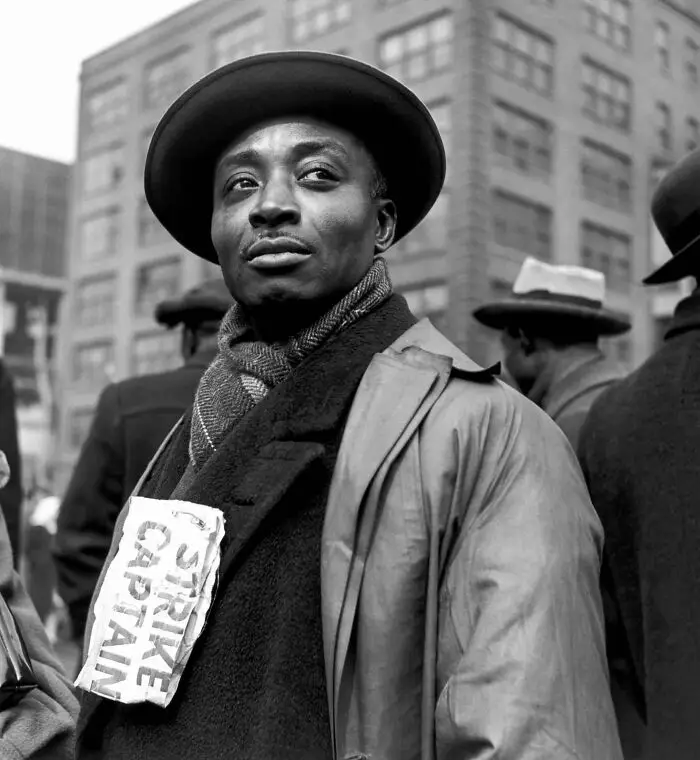
Strike captain during protest by the packing house workers from the Miller's series 'Chicago's South Side ' ( 1946 - 1948 )
Report
25points
#34 Erich Hartmann - New York, USA ( 1955 )
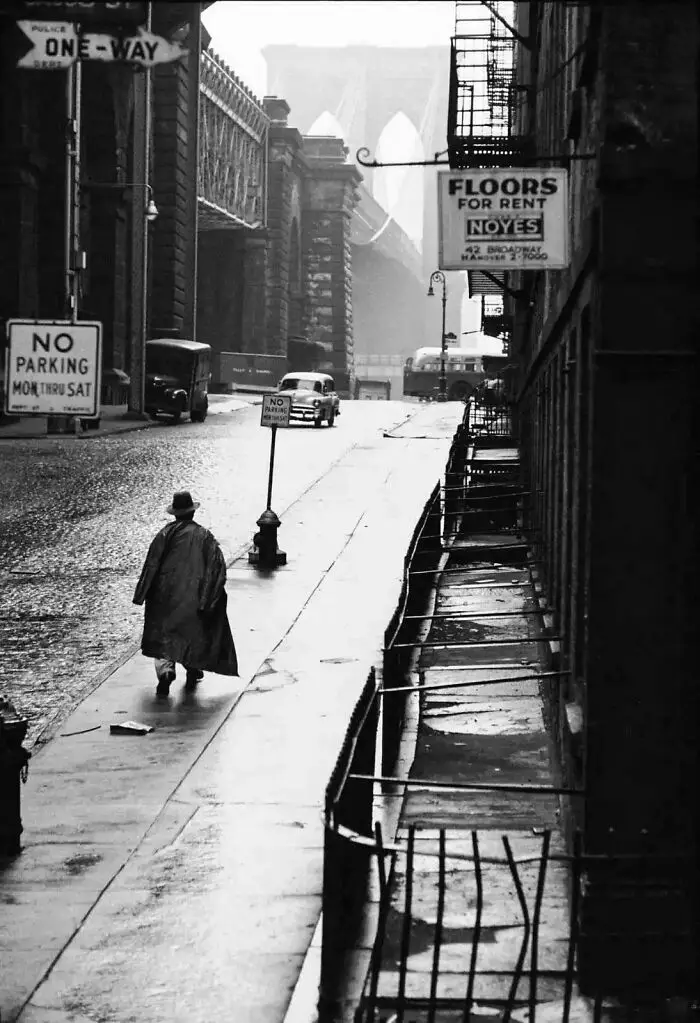
Man in street under the Brooklyn Bridge
Report
24points

#37 Leslie Ronald Jones - Milton, Massachusetts ( 1934 )

A truck is hanging by one wheel after driving off the Adams Street Bridge, which crosses the Neponset River in Lower Mills, between Dorchester and Milton.
Report
22points
#38 Fred Herzog ( 1930 - 2019 )

" I was aware I was taking art. That’s the conceit of young people. I knew that what I am doing is not only unique, but that someday I’m going to unpack that and shock people with it "
~ Fred Herzog
~ Fred Herzog
Report
21points
#39 Willy Ronis - Paris, France ( 1957 )

" I have never separated form and content. The photo should have a meaning. But my photos are also more or less well constructed. If they had false notes, they stayed on the contact sheet. "
~ Willy Ronis
Report
21points
#40 Henri Cartier-Bresson - Marseille, France ( 1932 )
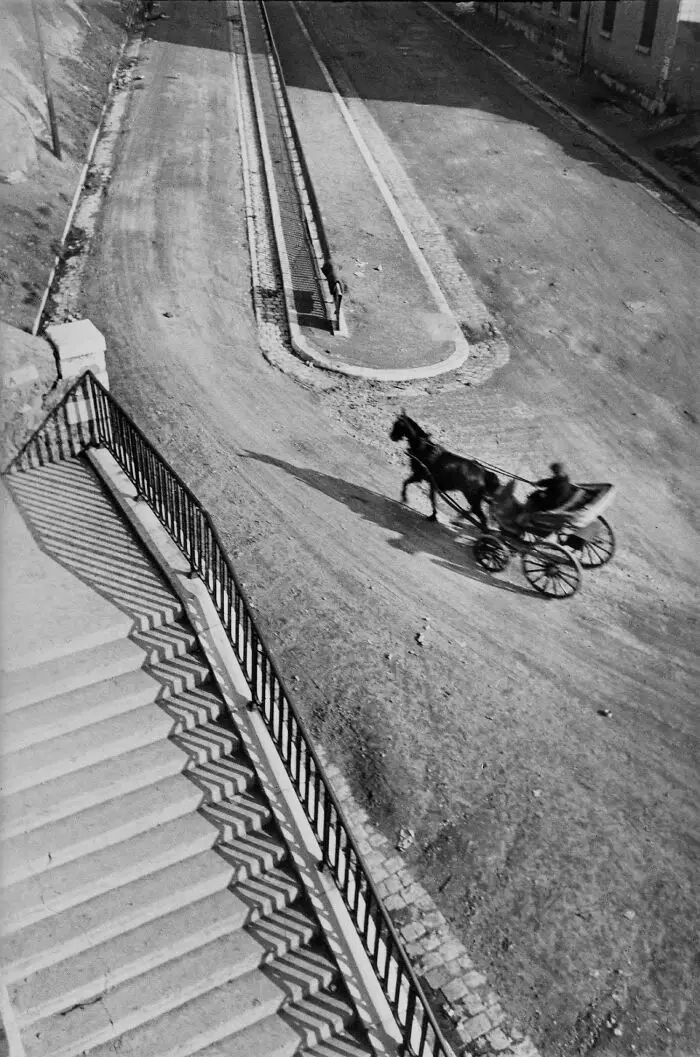
“ Your first 10,000 photographs are your worst ”
~ Henri Cartier-Bresson
Report
21points