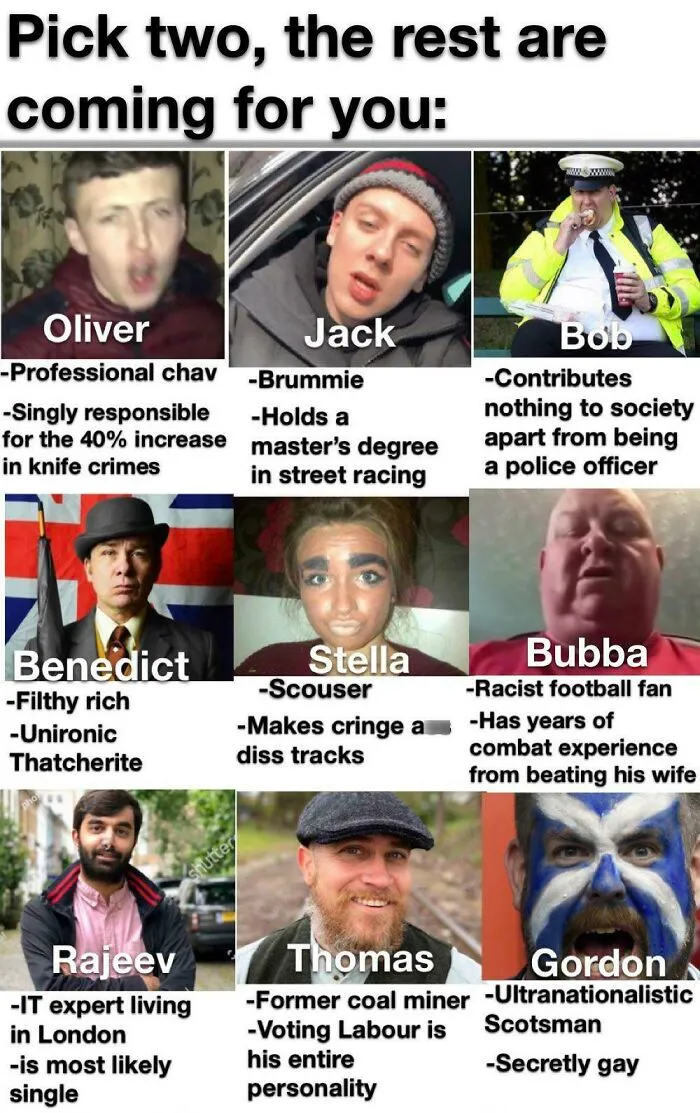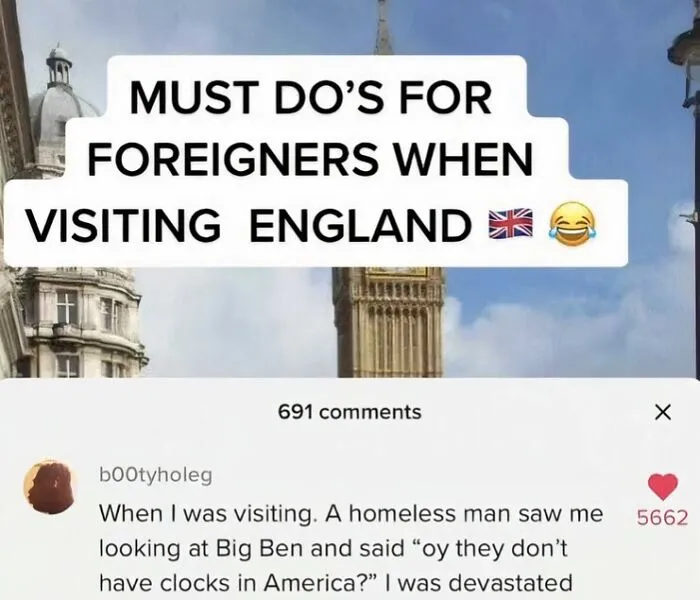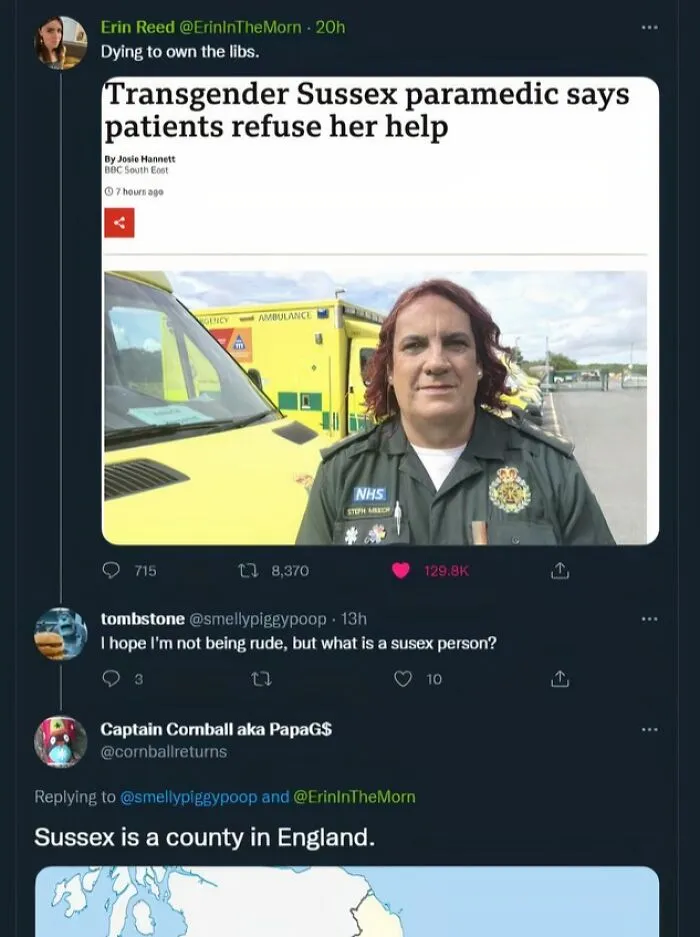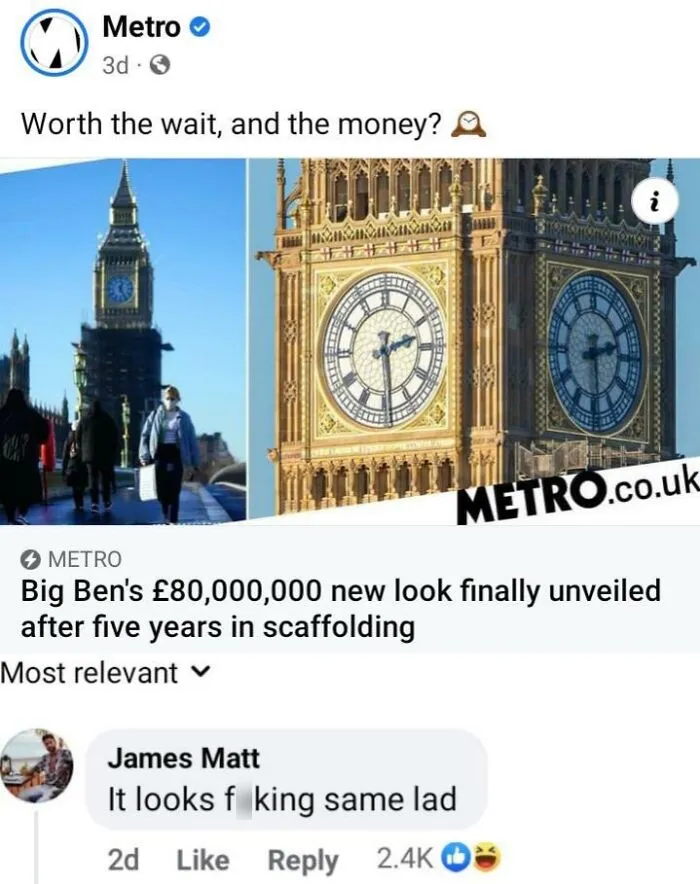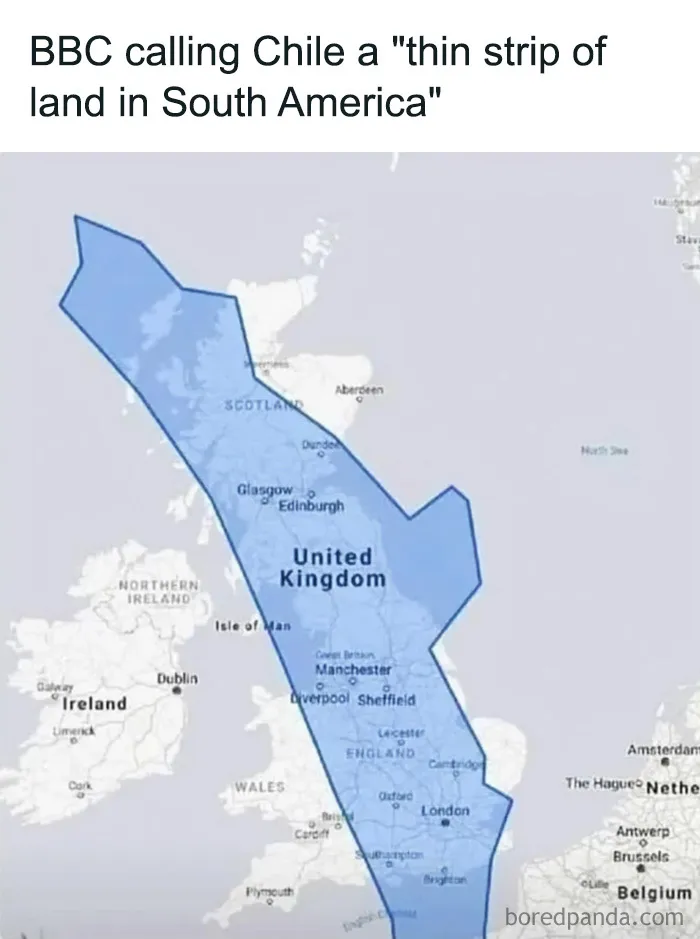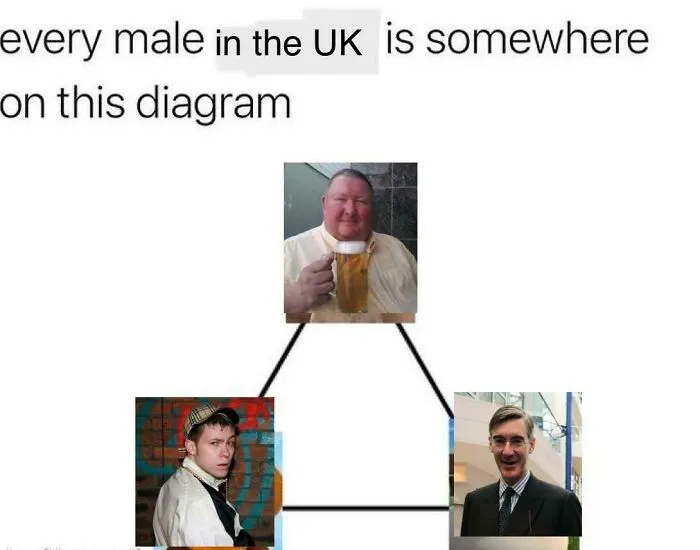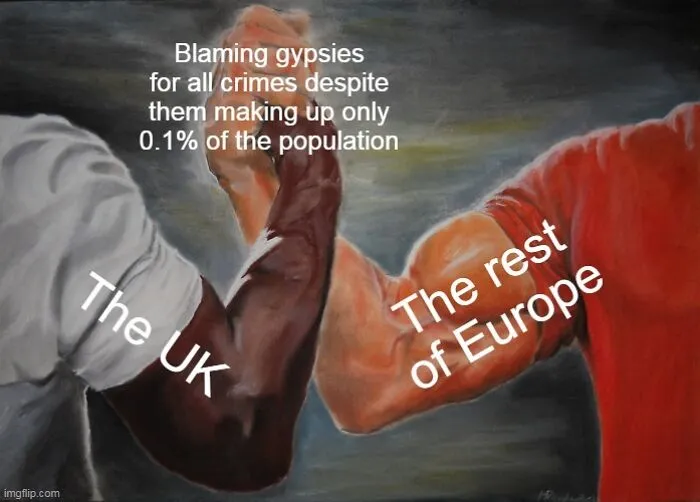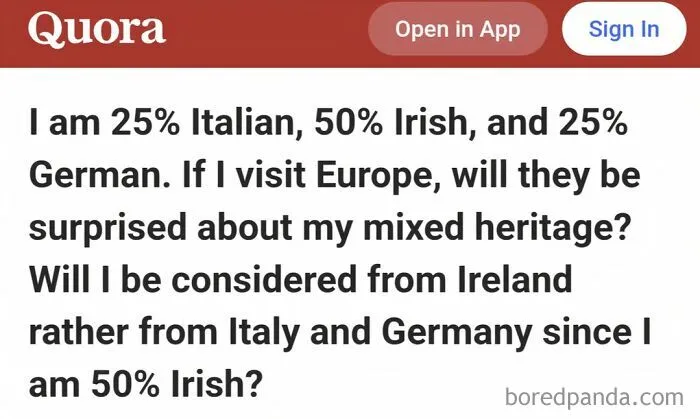



There is also a much older tradition behind the tendency to turn everyday British life and institutions into comedy. As The Herald explains, British comedy has spent centuries making society itself a source of jokes, from Shakespeare's social misunderstandings to Restoration comedy, eighteenth-century satire, Punch, Charles Dickens, and Victorian music hall.
The targets have often been people or institutions that take themselves too seriously: pompous officials, arrogant social elites, rigid bureaucrats, and self-important experts. Comedy works particularly well for this because it can expose the difference between how important someone believes they are and how ridiculous they actually appear without turning the criticism into a formal lecture.
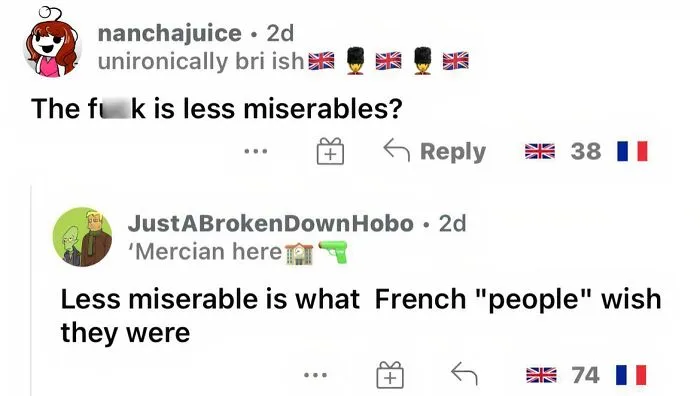
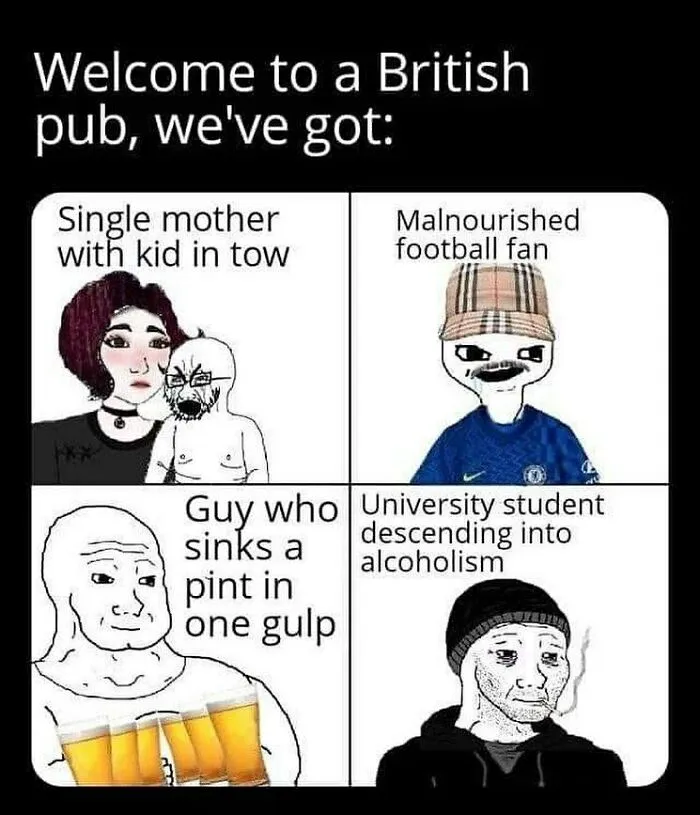
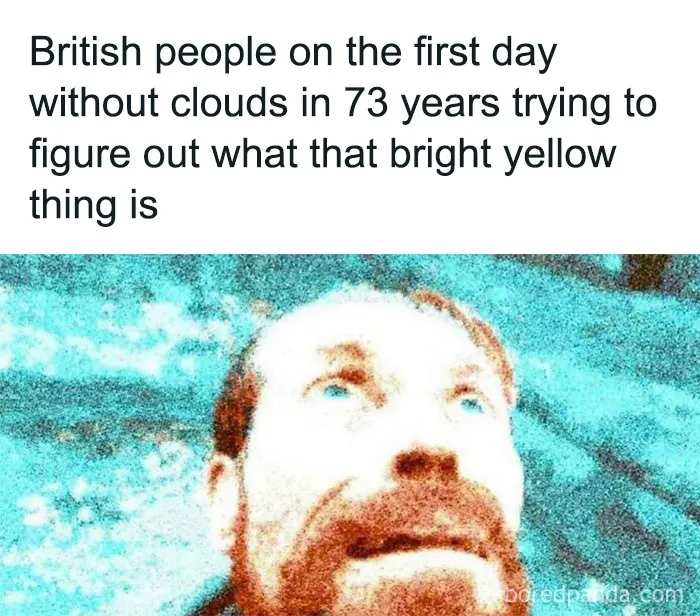
That tradition helps explain why British humor continues to find comedy in ordinary rules, social awkwardness, language, authority, and human imperfections. The subject does not necessarily have to be extraordinary; sometimes the joke comes from recognizing something familiar and looking at it from a slightly different angle.
A strange social convention can become absurd, an awkward interaction can become relatable, and a minor inconvenience can be treated as though it were a major event. Over centuries, the format has changed from stage plays and printed satire to television, online culture, and memes, but the underlying instinct remains familiar: notice something distinctly human, exaggerate its oddness, and laugh at it before taking it too seriously.
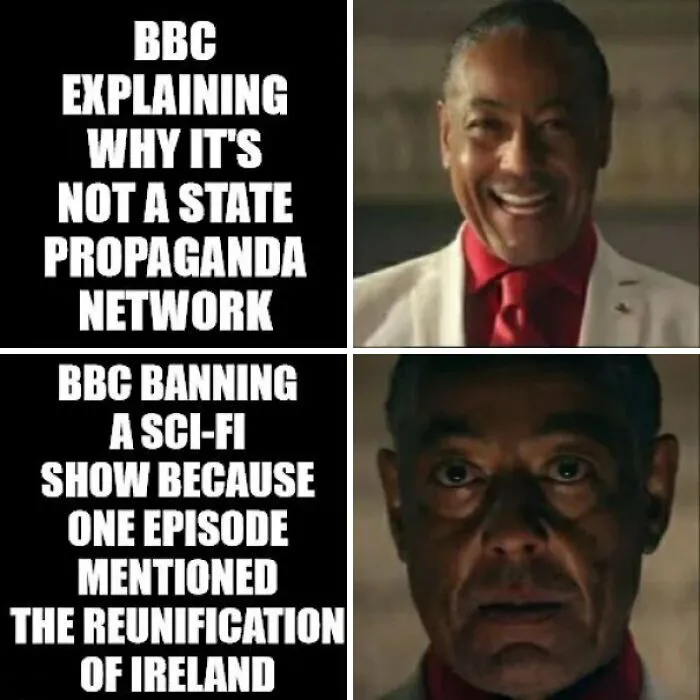
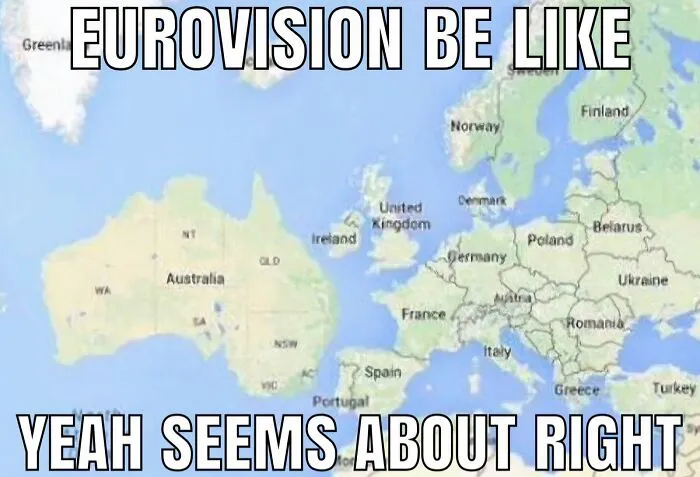
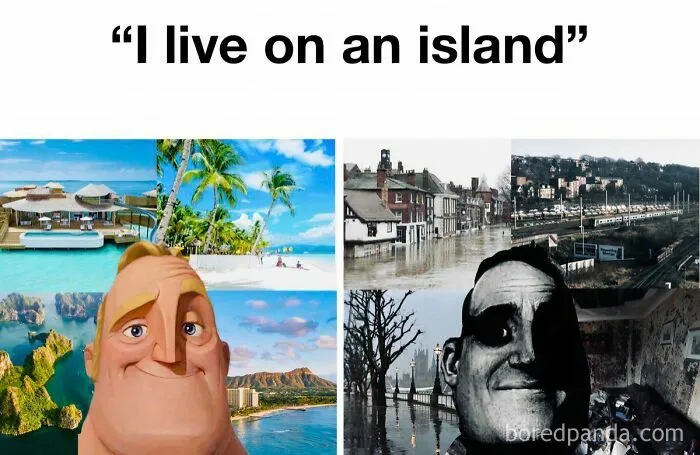
Perhaps that is what makes British memes so easy to recognize. They are not always built around elaborate punchlines or outrageous situations. Sometimes, the humor comes from taking something completely ordinary and showing just how ridiculous it can look when you step back and think about it.
And the best part is that everyone seems to have their own example of something that feels unmistakably British. Maybe it is a particular phrase, an unwritten rule, a strange social habit, or one of those situations that would be difficult to explain to someone who has never lived in Britain. Which of these memes felt the most accurate to you? We would love to hear from you!