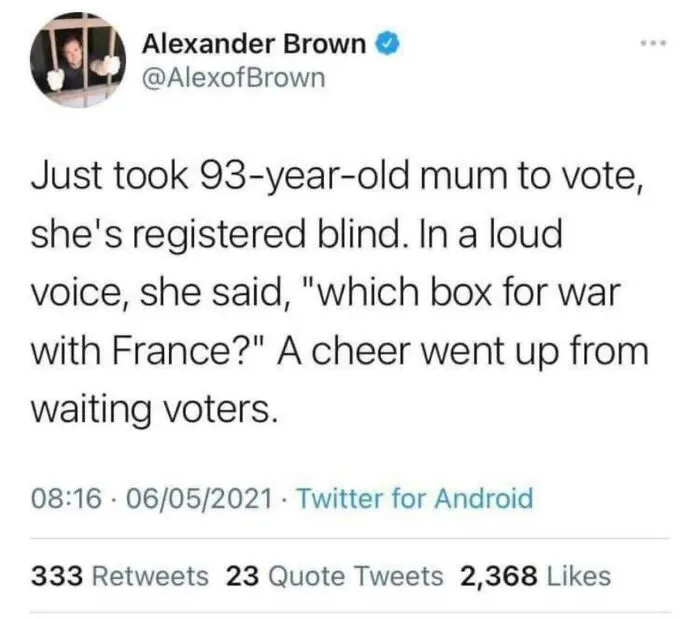



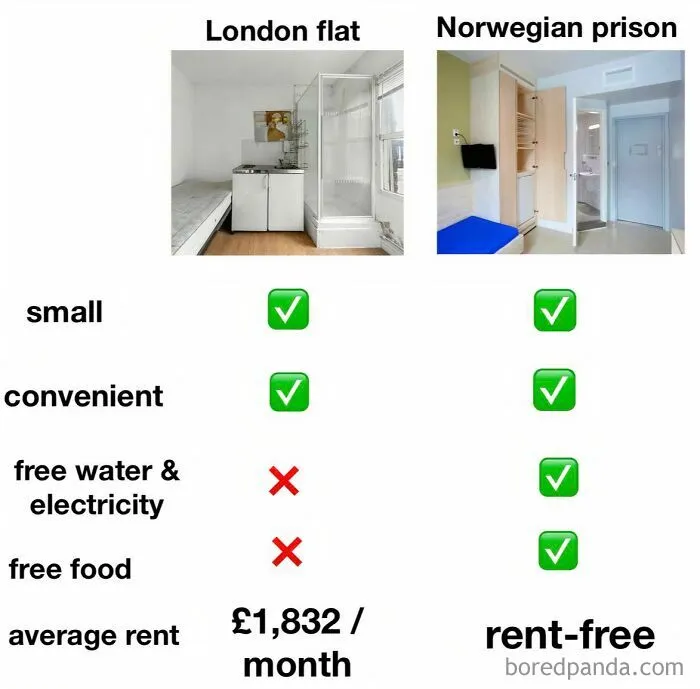
British humor has a recognizable character because it often finds comedy in situations that might otherwise seem ordinary or uncomfortable. The BBC explains that this tradition is shaped by indirectness, irony, emotional restraint, and social observation, rather than being one simple national personality trait. Understatement is particularly important, with serious or dramatic situations sometimes described in remarkably mild terms.
Deadpan delivery, sarcasm, irony, and absurdity add to the effect, allowing people to make jokes without always announcing that they are joking. Even banter, including light teasing and insults between friends, can serve a social purpose by showing that people are comfortable enough with one another to joke freely. These characteristics help explain why British memes can turn mundane experiences into something instantly recognizable and funny.


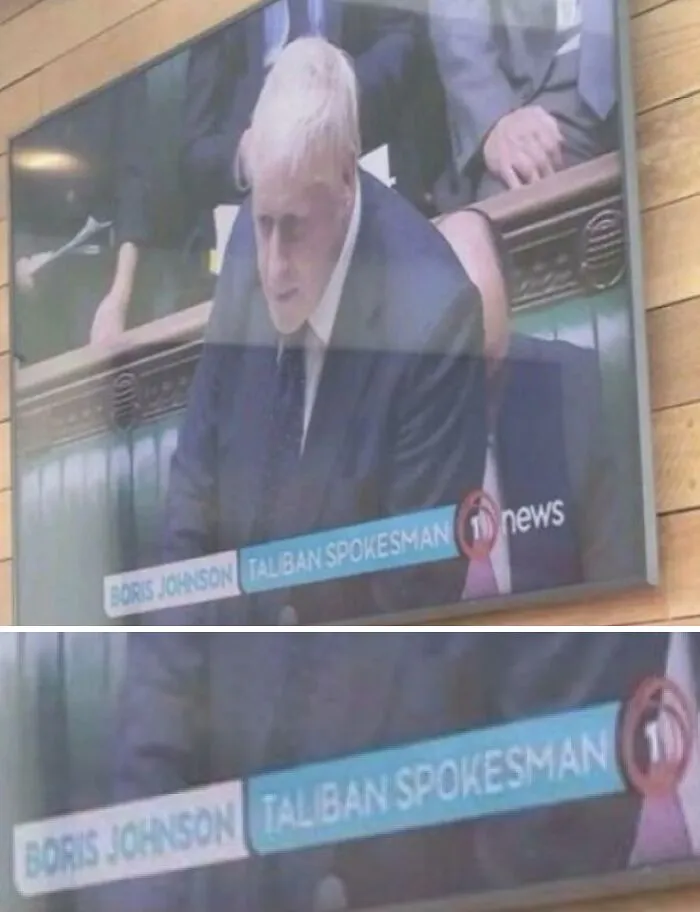
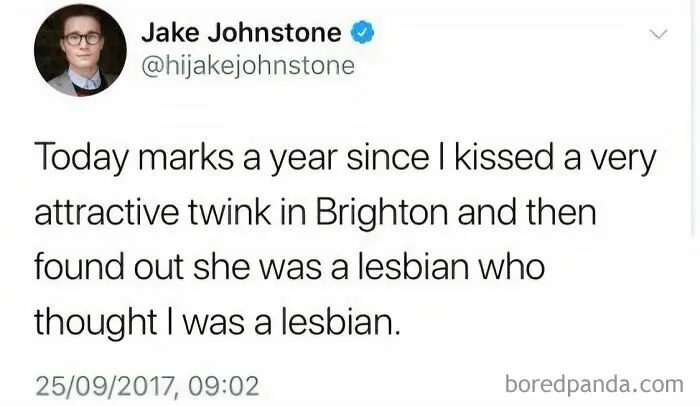
Another important part of that humor is the tendency to make oneself the target of the joke. Rather than openly presenting themselves as impressive or successful, people may undercut their own achievements or laugh at their mistakes before anyone else gets the opportunity. The result is a style of humor that can make awkward situations feel less serious while also making the person seem more approachable.
A disastrous decision, embarrassing moment, or obvious personal flaw can therefore become material for a joke instead of something that needs to be carefully defended. That willingness to laugh at one's own misfortune is one reason so many forms of British humor can feel deliberately understated rather than overly dramatic.

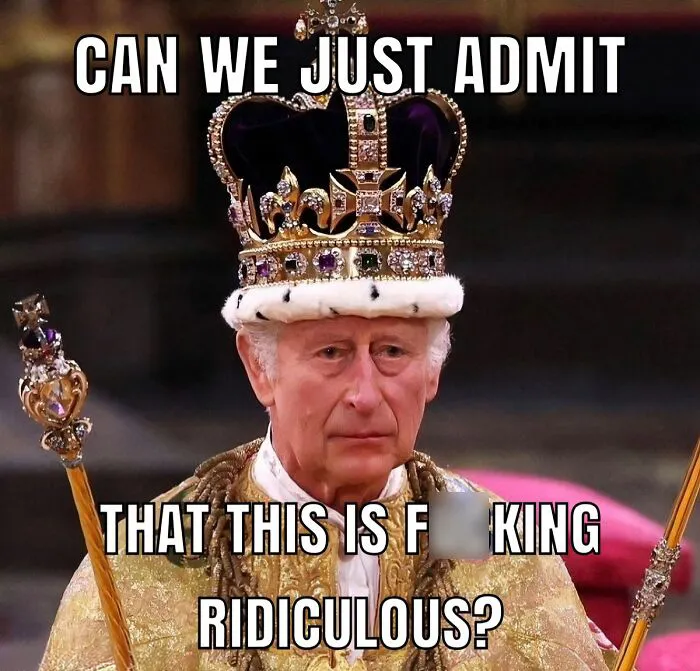

The Independent points out that self-deprecation can also function as a form of social strategy rather than simply reflecting modesty or insecurity. By acknowledging a flaw first, a person can show that they are aware of it and prevent others from interpreting the mistake too harshly. This can be especially useful for people with authority or status, because making fun of themselves can make them appear less intimidating and more relatable.
Research discussed by the publication suggests that self-deprecating humor can even help high-status people appear more agreeable and gain support. Instead of asking others to reassure them, the joke allows everyone to move past the uncomfortable moment together, turning vulnerability into something easier to share.
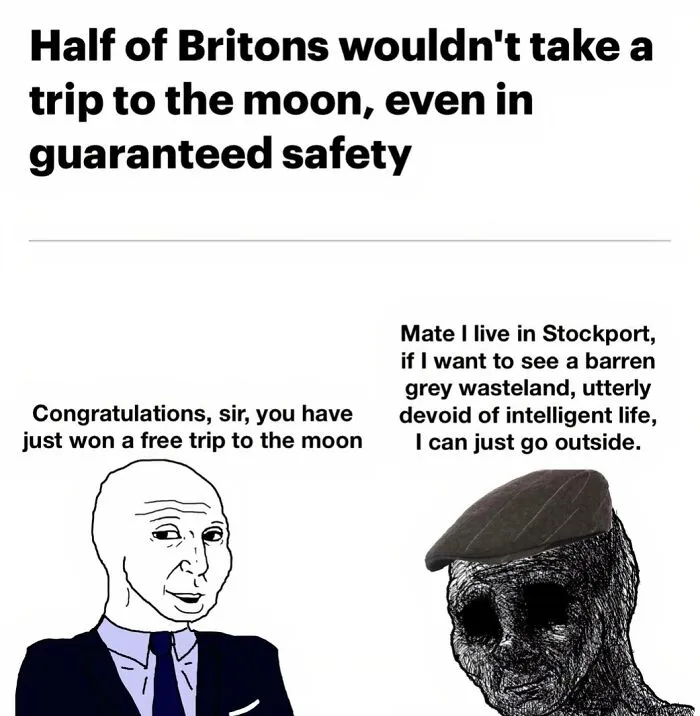

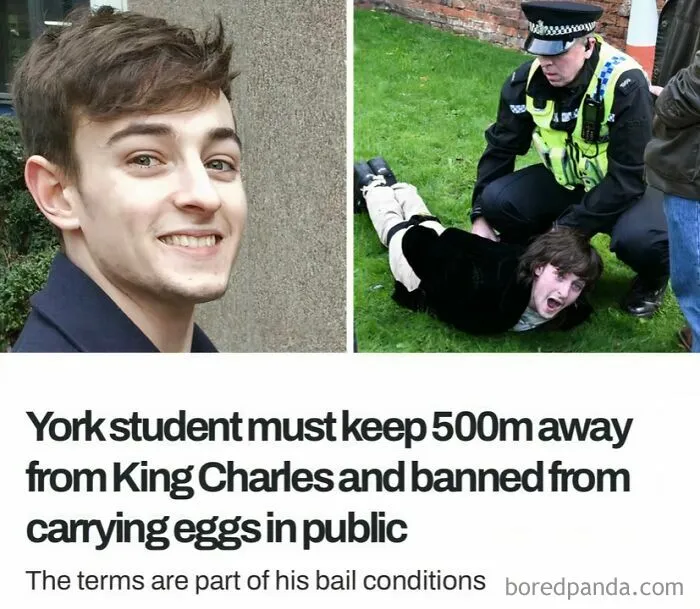
That approach can also reduce the distance between people. Someone joking about being hopeless at cooking, getting lost, or making an embarrassing mistake is not necessarily asking anyone to contradict them; they may simply be making the situation easier for everyone involved. The humor acknowledges that nobody is perfect without requiring a serious discussion about the imperfection itself.
In this sense, self-mockery can act almost like social glue, softening awkwardness and lowering barriers between people. It also fits naturally with the broader British preference for avoiding unnecessary displays of importance, which makes a joke at one's own expense an effective way to appear confident without seeming boastful.
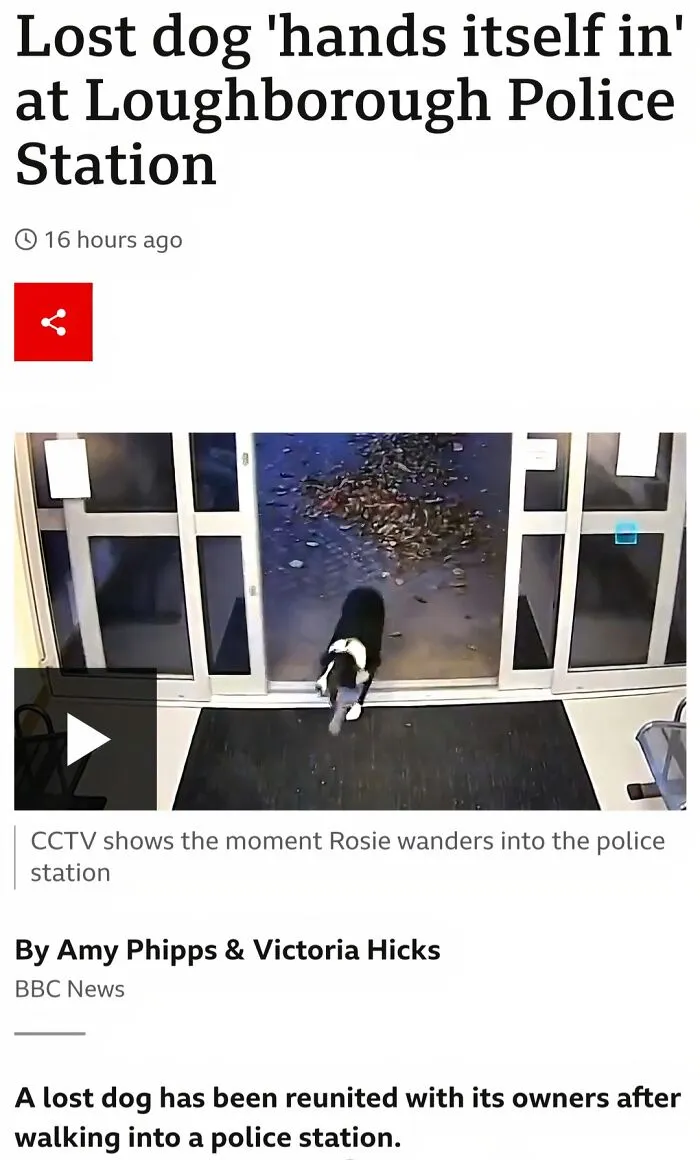
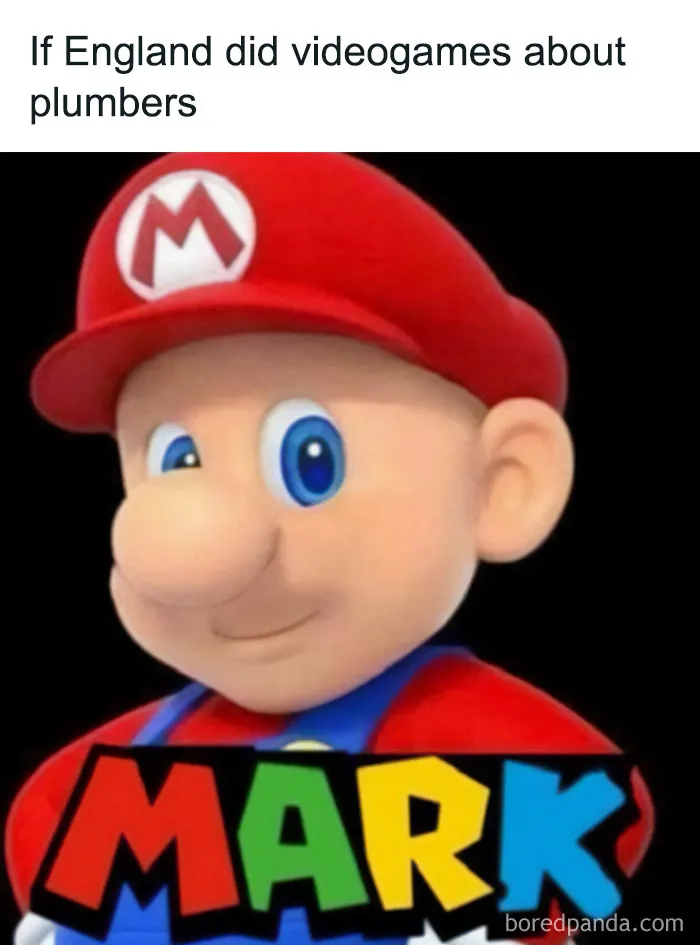

These social expectations extend beyond humor and into the way British people communicate more generally. Research in English Language & Linguistics describes a quiet social code built around not imposing on others, avoiding excessive boasting, waiting one's turn, and using politeness or humor to smooth over uncomfortable situations.
Such conventions vary across regions, generations, social groups, and circumstances, but they help explain why seemingly tiny behaviors can carry so much meaning. A queue, an awkward exchange with a stranger, or a mildly uncomfortable social situation can become funny precisely because people already understand the unwritten rules surrounding it.
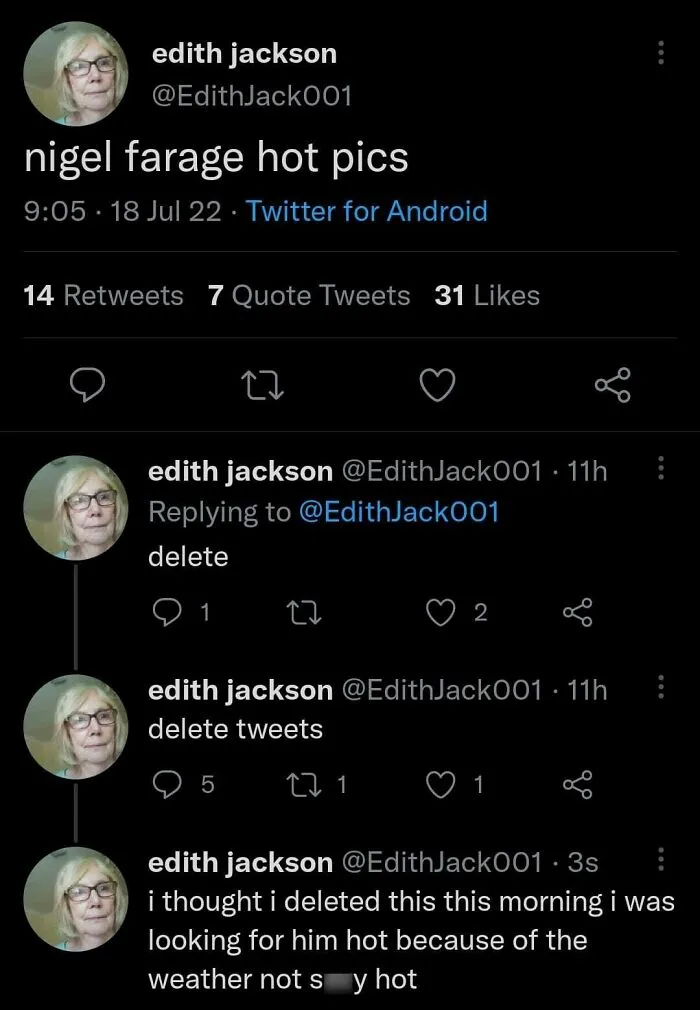

Language adds another layer to that humor. British English makes extensive use of slang, accents, dialects, wordplay, understatement, and shifts in tone, allowing an ordinary sentence to communicate much more than its literal meaning. Words such as "knackered", "gobsmacked", or "cheeky" can convey attitude as well as information, while slang can reveal someone's age, region, social background, profession, or friendship group.
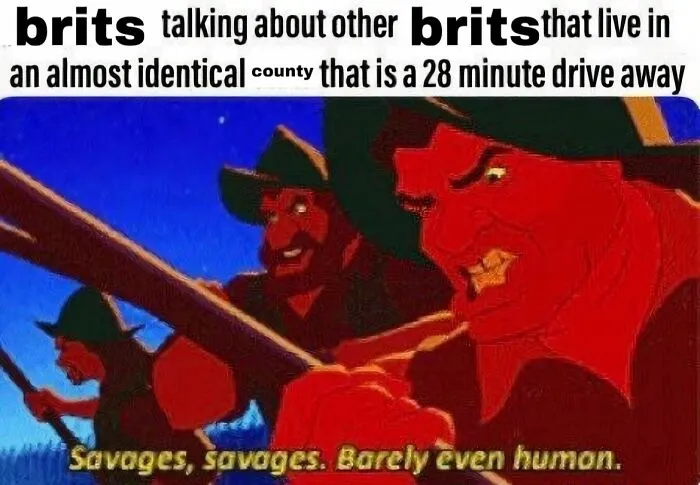
Regional rivalries add another source of comedy, with people teasing neighboring cities, countries, and accents as part of a shared culture of joking. These details give British humor plenty of material because the way something is said can be just as funny as what is actually being said.