

Wouldn’t it be amazing if we never regretted anything and always accepted the outcome of every decision we ever made? According to research by Nathalie Camille from the Institute of Cognitive Sciences in France, people with damage to the orbitofrontal cortex in their brain actually don't experience regret.
That’s because the part of their mind that processes counterfactual thinking isn’t working properly, so they can’t compare what happened in the present to what should have occurred. Without this kind of constant contrast, they can better accept their decisions and avoid ruminating on the past.

Even though it might seem like regret is something that can happen for past events, you might also experience it about the future. This happens when people are so afraid of making a mistake or choosing the wrong path that they might stop themselves in the present from making any decision at all.
This is what research calls ‘regret theory,’ and it shows that a person’s anticipated emotional reaction can strongly influence their behavior. It also demonstrates how powerful the fear of regret can be, as it can motivate people to veer completely from the decision they actually want to make.
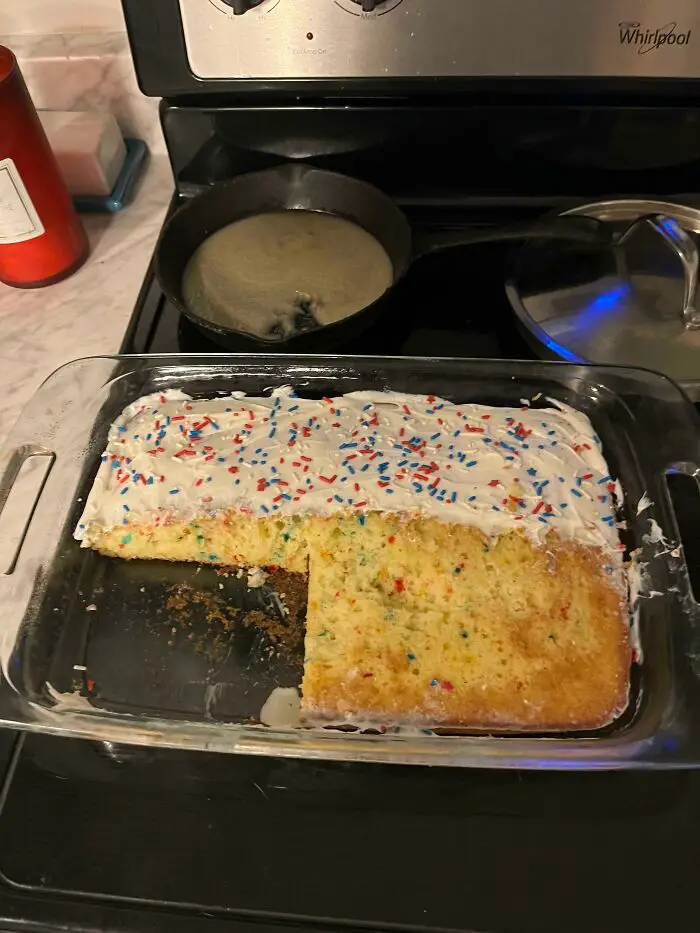
#25 Just Baked This Cake And Ate One Piece, Came Back And The Dog Licked The Icing Off As Far As She Could Reach

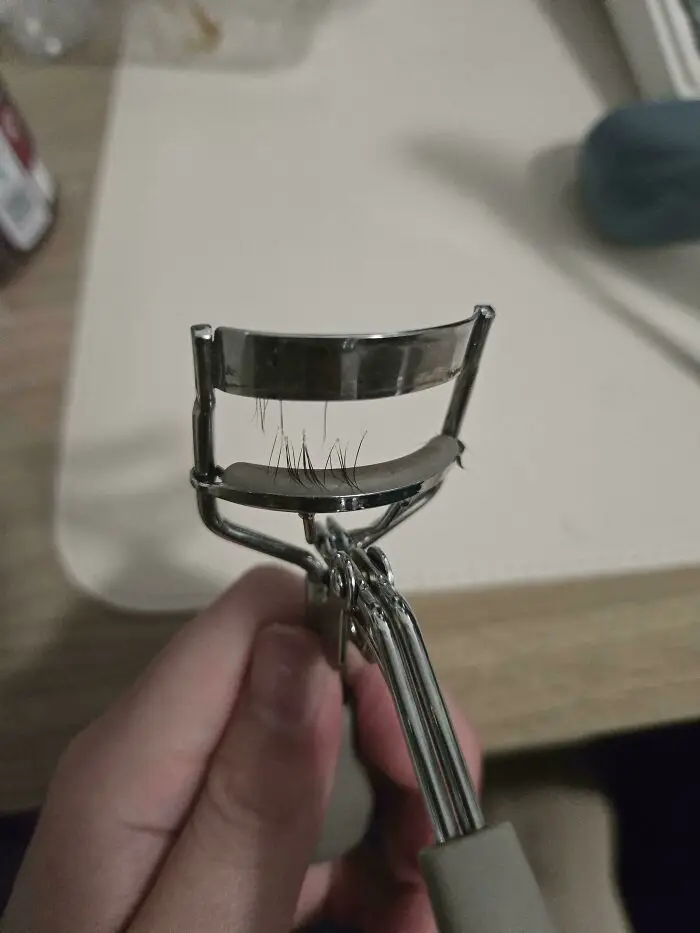
Living with regret can slowly rob you of joy and mental peace, which is why mental health professionals from the Cleveland Clinic advise practicing acceptance. They explain that even if you keep blaming yourself for what you could have done, learning to forgive your past self might help you feel better.
Taking action and trying to improve after a mistake can help you feel in charge of the situation, rather than just lamenting what could have been. In certain instances when things can’t be changed, you can simply take that as a lesson and do better next time.
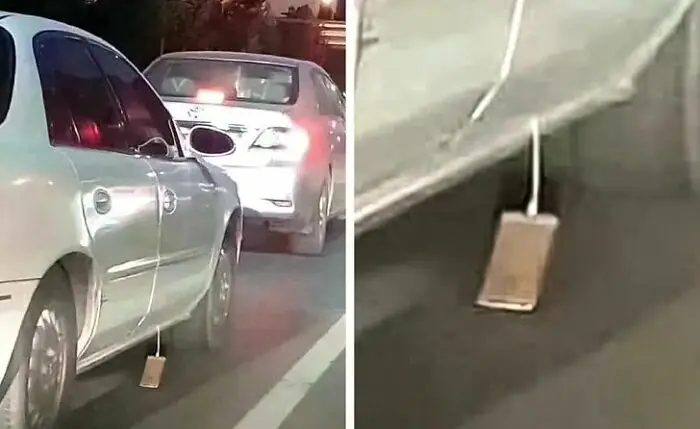

#30 I Was 13 And We Decided To See Who Could Jump The Farthest Off The Swing. This Was The Moment Before I Hit A Pole At The Playground

Everybody makes mistakes, but very few people know how to move on without spiraling into regret. To become that kind of person, researchers at Headspace explain that cognitive reframing can help. This technique helps us question our thoughts and feelings and look at the situation differently.
Regret usually involves a black-and-white view of our actions, while reframing our thoughts can help us see a whole new perspective. This could mean focusing on the positive outcome and shifting attention away from self-blame and toward gratitude that the moment is over.
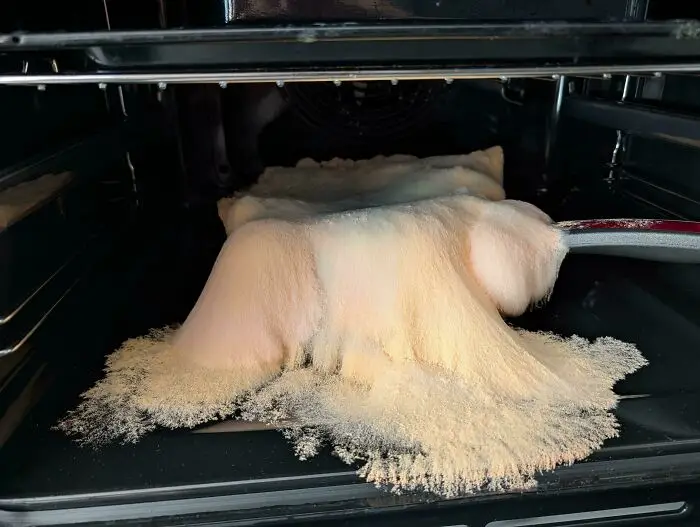
#31 Turns Out Putting My Waterbottle In The Dishwasher In Order To Remove The Smell Was A Terrible Idea

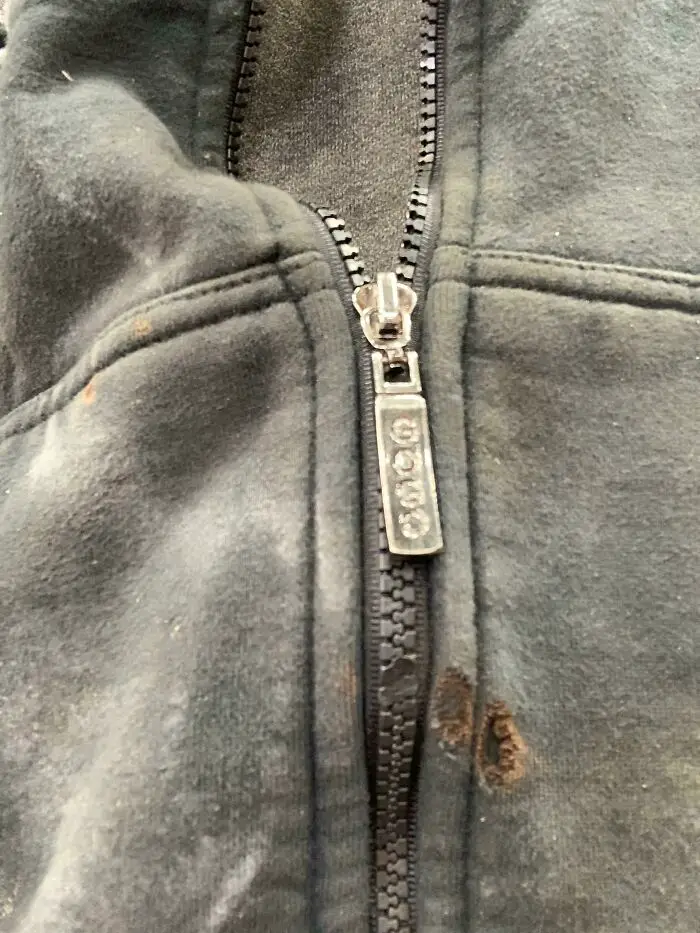
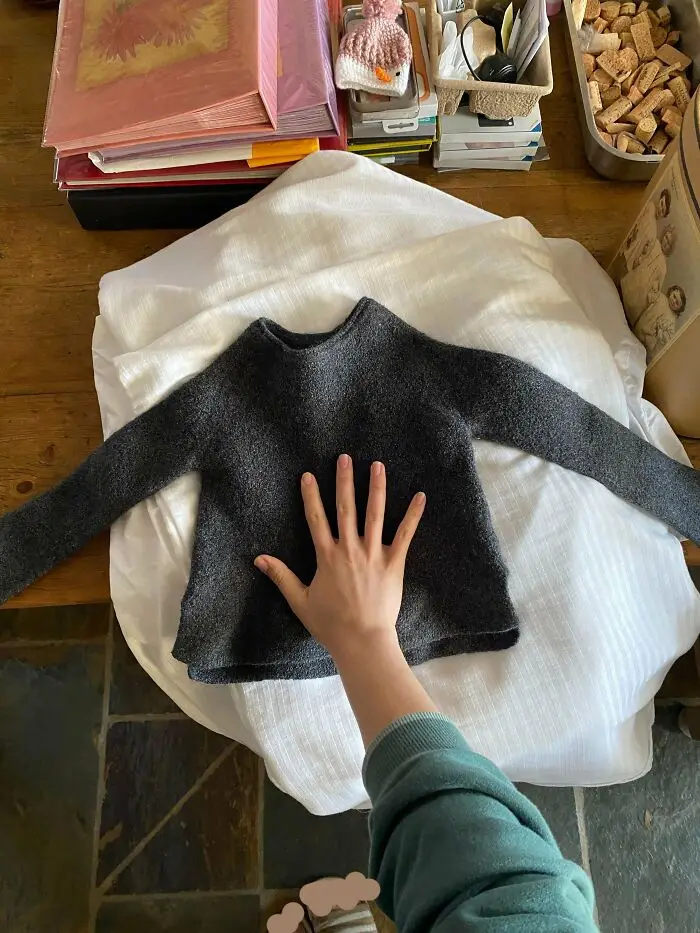
As you’ve probably realized, regret can simply take over your mind and make you feel like the worst person in the world for what you’ve done. Even though it can be a great teacher, it might not do well to dwell on the past and lose out on your present self.
That’s why, even if you regret checking out this post, don’t be too hard on yourself; just be grateful you aren’t one of the people on this list!
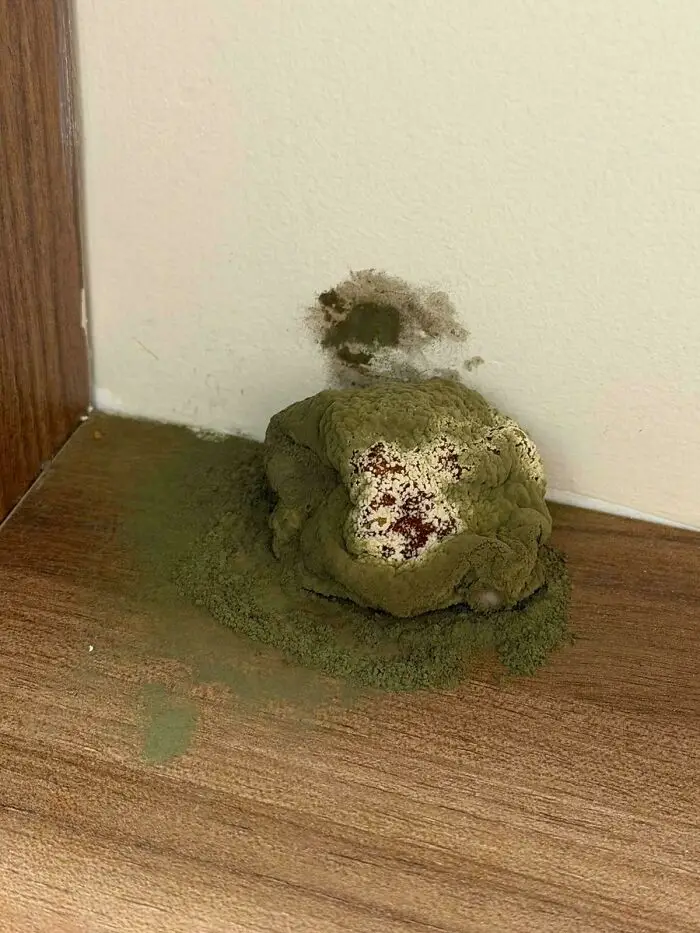
#34 Forgot Spaghetti With Mushrooms In The Microwave For A Week. Now It's A Floofly Ball Of Mold

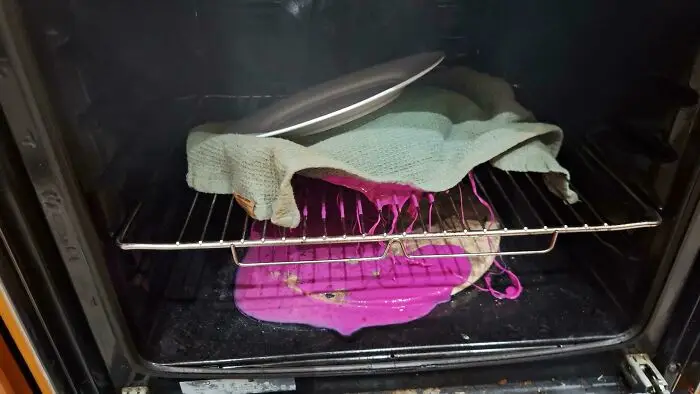
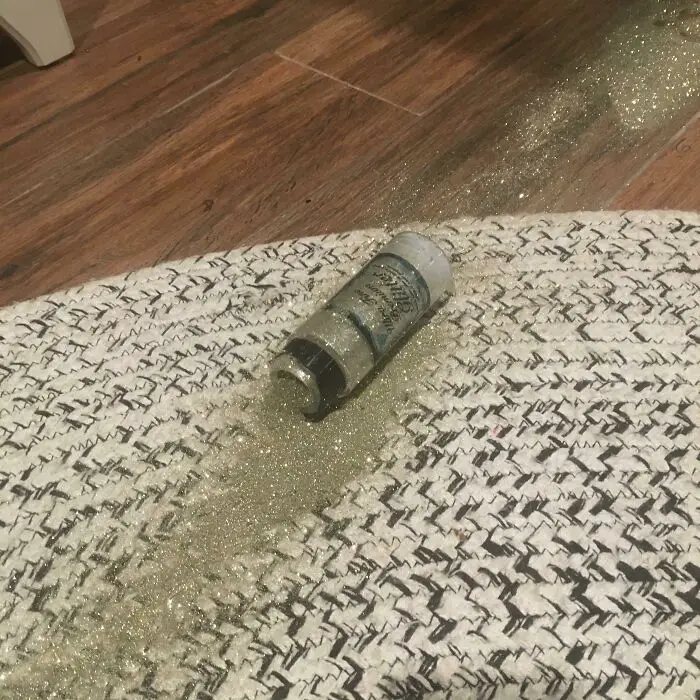
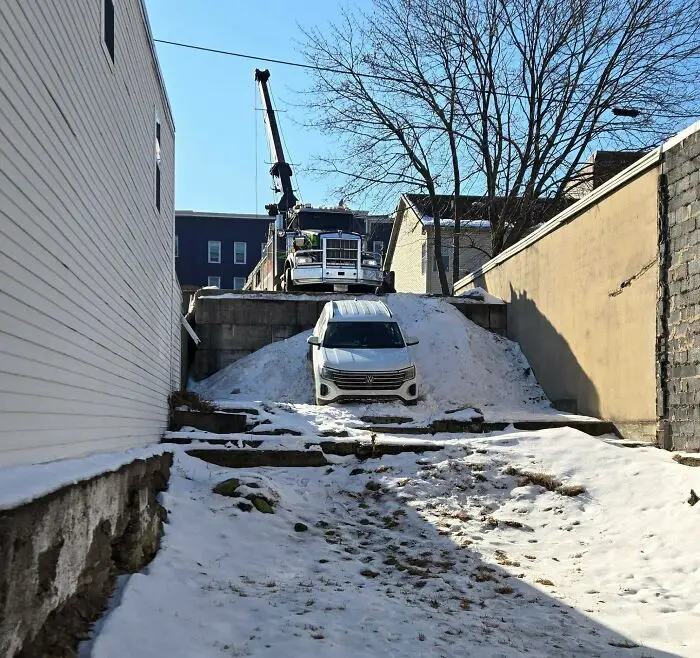
#37 I Drove My Rental Car Straight Off A Ledge That I Thought Was A Steep Driveway