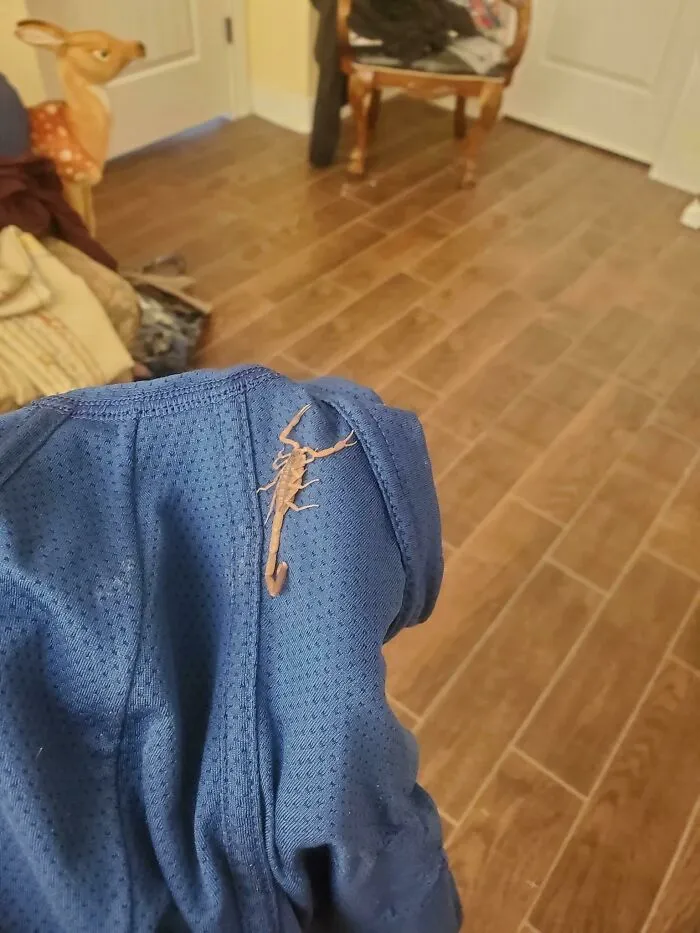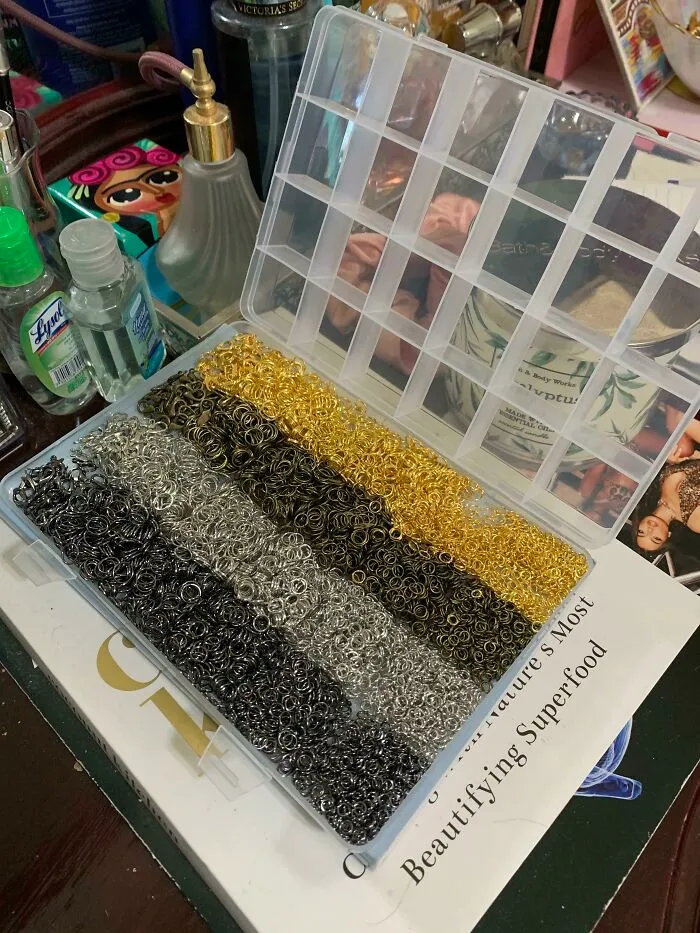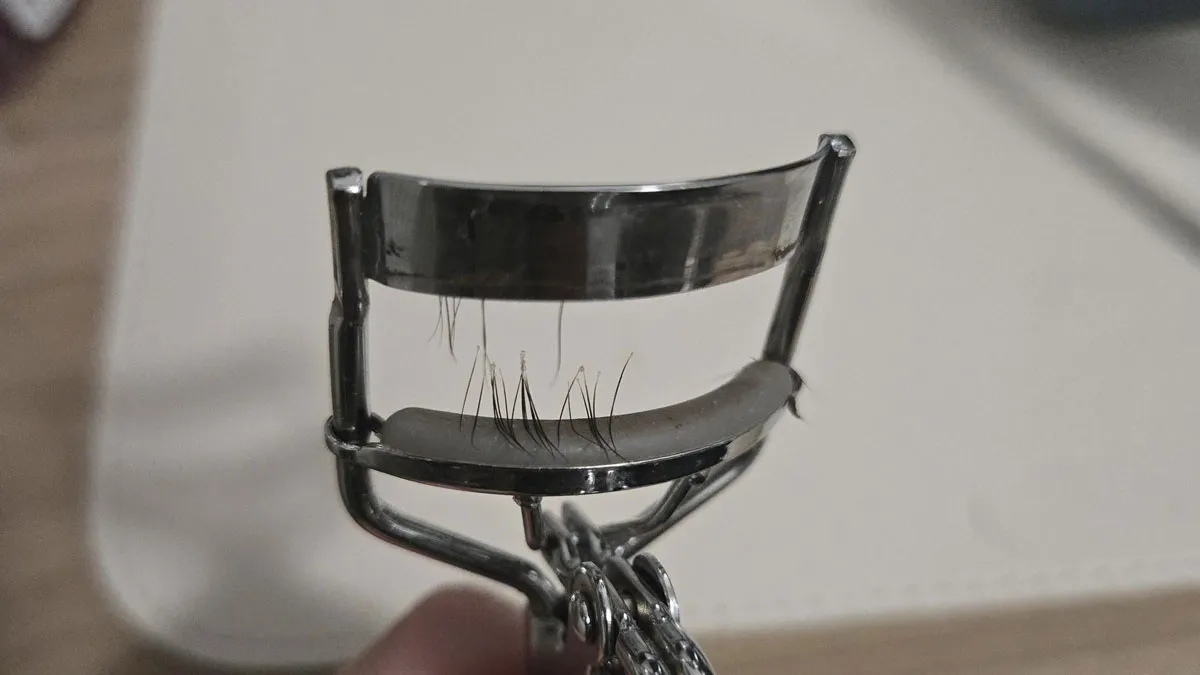


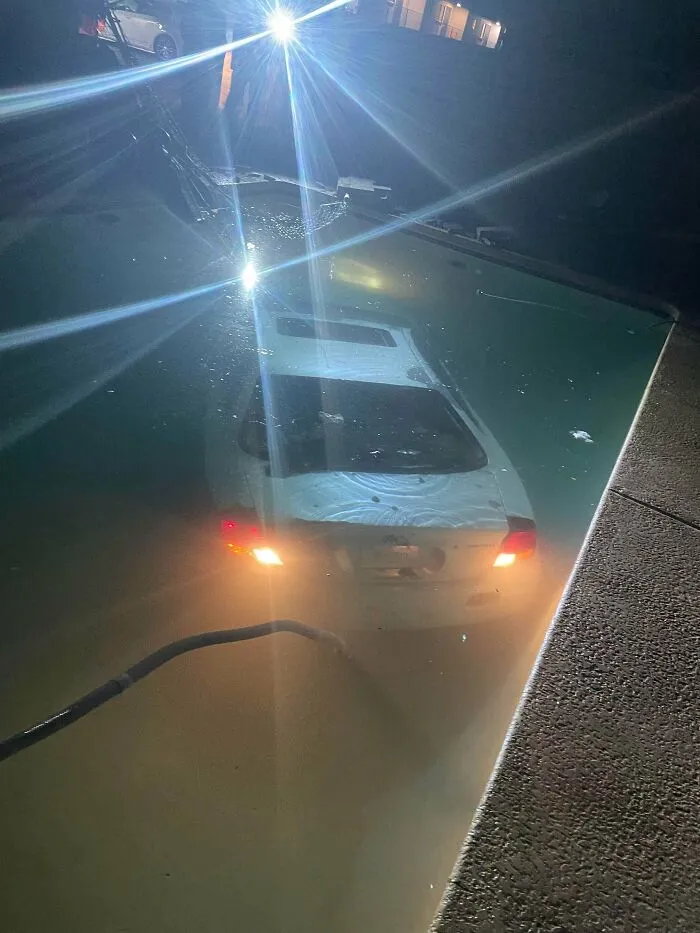
#1 Came Home To A Car In My Pool
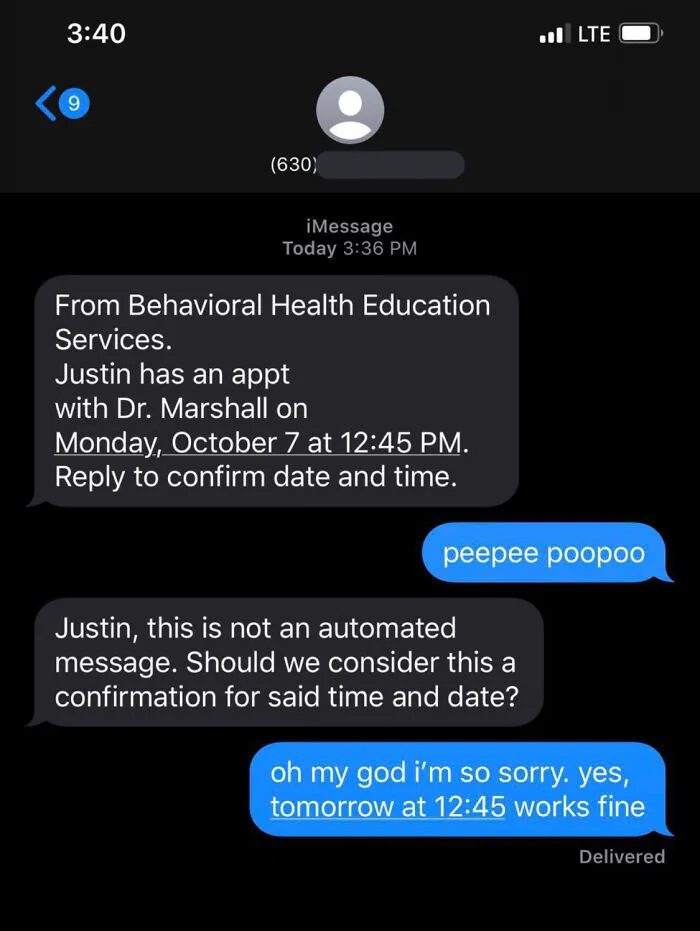
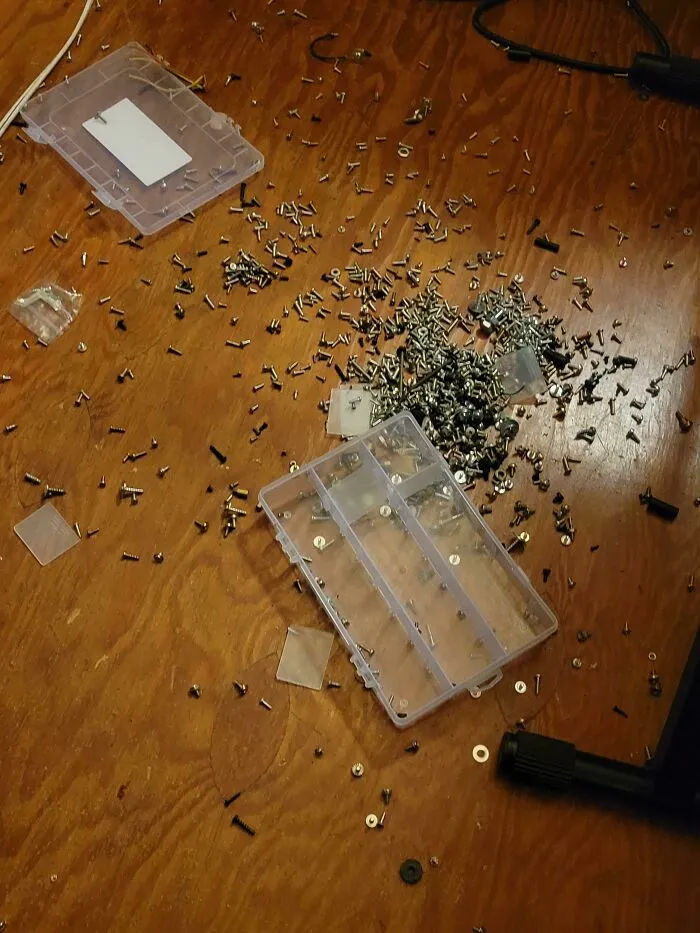
#3 Lesson Learned: Don't Keep Your Size-Organized Screws In An Unfastened Organizer On Your Lap While You're Working
Whenever you look back and wish you could have done things differently, you're swallowing the bitter pill of regret. This feeling is often seen as negative because it comes from a choice you can’t undo, which could be tough for folks to deal with.
Researchers Biscontini and Tyler have also pointed out that “the severity of an individual’s displeasure with the results of their choice may vary.” This means that even if you make a minor mistake, you might get over the regret quickly, but in much more serious situations, the pain might stay with you for the foreseeable future.
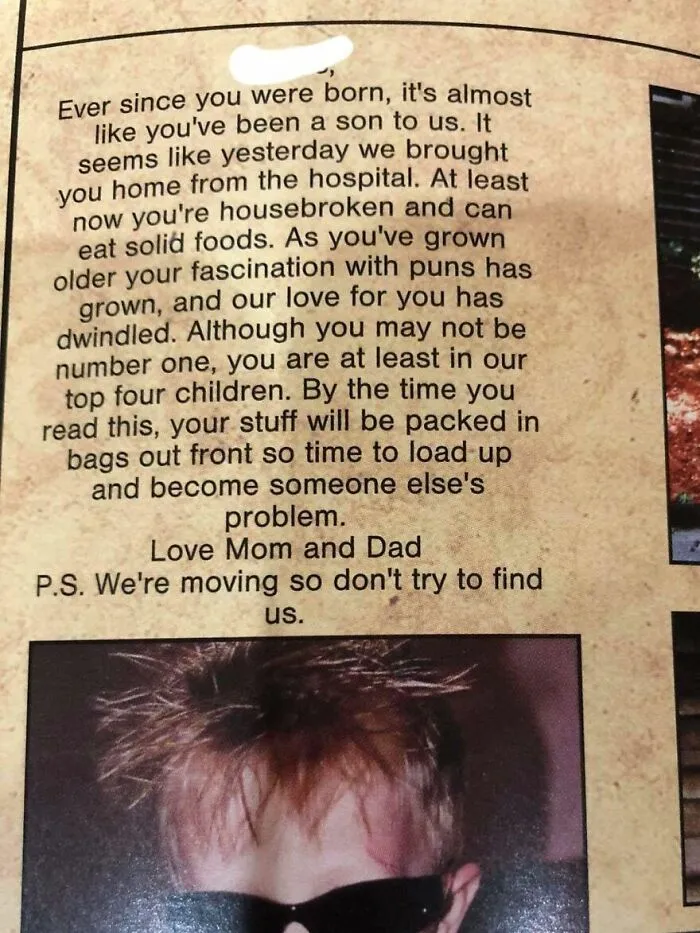
#4 Throwback To When My Mom Forgot To Submit My Senior Baby Ad For The Yearbook And Asked My Dad To Do It
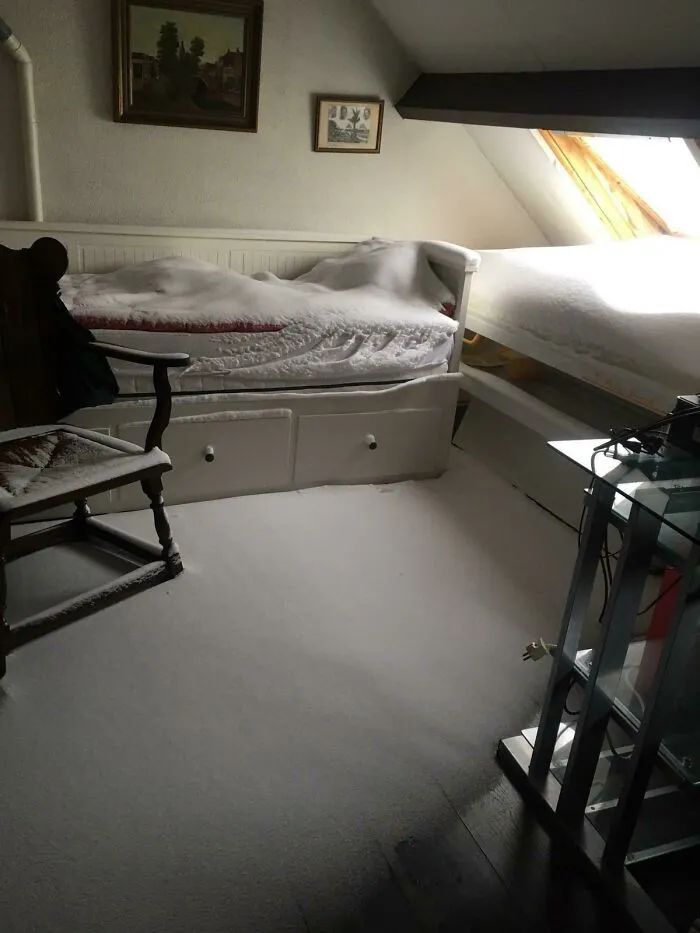
#6 Somebody Didn’t Strap The Egg Trolleys In Properly On The Truck. 10,500 Eggs Broken

Always hoping you could have done things differently often comes from our counterfactual thinking, where we compare what actually happened to what could have been. This process can lead to regret, and scientists have found that children may feel these emotions as young as six years old.
What’s also interesting is that people tend to want to go back and change only what was actually in their control. For example, if someone’s bag got wet because it rained out of the blue, they might feel less regret than if they forgot to bring an umbrella on a rainy day.


When people talk about being regretful, they often use the word remorse interchangeably, but author David Zahl explains that the latter emotion “is what we feel when we’ve hurt others.” It’s often spurred on by our conscience telling us that we caused someone else pain when we shouldn’t have.
On the other hand, the pain of regret is tied to moments and situations where our decision-making failed us. We tend to look back on those choices and wish we could have played things out differently, as it seems so obvious in retrospect what the right decision was.


If you’ve ever gnashed your teeth in despair wishing you could change the past, you’re not alone. Regret is common, but it also brings a host of negative feelings. That’s why brain researchers explain that folks who simply can’t get over their mistakes might experience chronic stress and depression.
These individuals may be unable to stop blaming themselves for past decisions, which can keep them from moving on. Even though there's no way to go back and undo what's been done, it may not stop some obsessed folks from feeling regret.
#13 Was Helping My Husband Do Yard Work For An Elderly Lady And Forgot To Take Sunscreen!


#15 I Ate Half A Bag Of Beef Jerky And Realized I Made A Mistake

According to psychologists Davidai and Gilovich, people have three different perceptions of themselves that can underlie regret. The first is built around who we actually are; the second is related to who we ought to be according to our family history and culture; and the third is who we dream of being.
If someone’s ideal version of themselves is vastly different from who they are now, that can lead to feelings of despair and regret. The more we act in ways that differ from our ideal self, the more uncomfortable we feel and the more we wish to change everything.

#17 Went Fishing, Caught Two Branches In A Row, Went To Take A Sip Of My Arizona, Except There Was A Bee In It

Regret, like any other emotion, arises in the brain, and studies show that the amygdala is one of the most active areas when we experience it. This almond-shaped piece of our grey matter processes all kinds of emotions, but it lights up differently depending on the situation.
Research shows the amygdala activates more strongly when we feel responsible for something and blame ourselves for the outcome. This strong neurochemical reaction to mistakes could help people learn what not to do and avoid the pain of regret in the future.