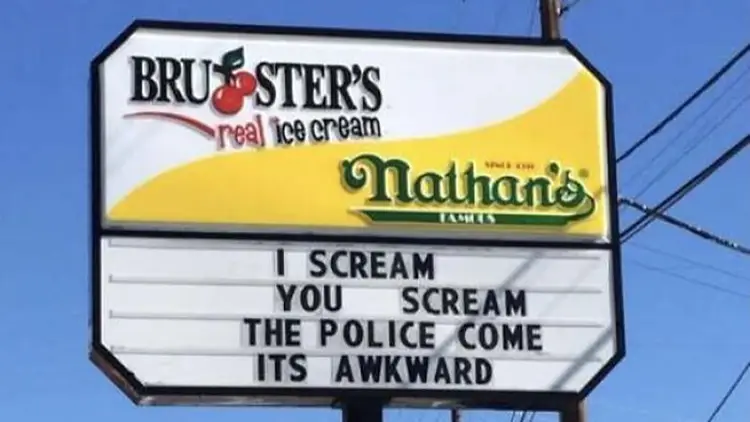


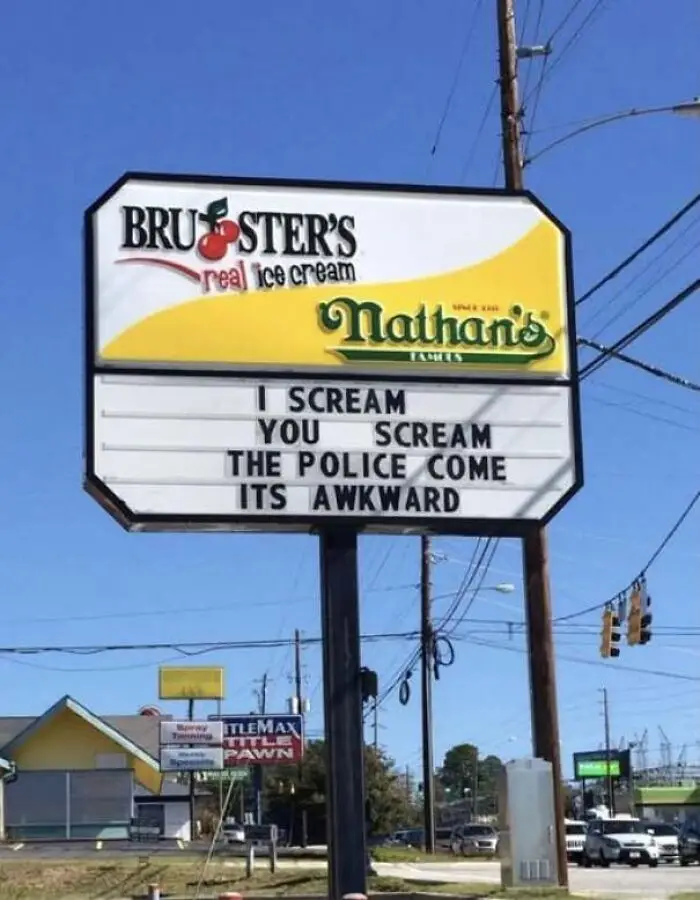


Humor often comes from the difference between what people expect to hear and what they actually encounter. According to the BBC, confusing and contradictory messages can make us laugh because the brain detects a mismatch between an expected pattern and the information it receives.
This is closely connected to a psychological concept known as incongruity theory, which suggests that unexpected twists and contradictions can create amusement. People naturally make predictions while reading or listening, so when a sentence suddenly takes an unusual direction, the brain has to reconsider its interpretation. That brief moment of surprise can turn an otherwise ordinary message into something unexpectedly funny.
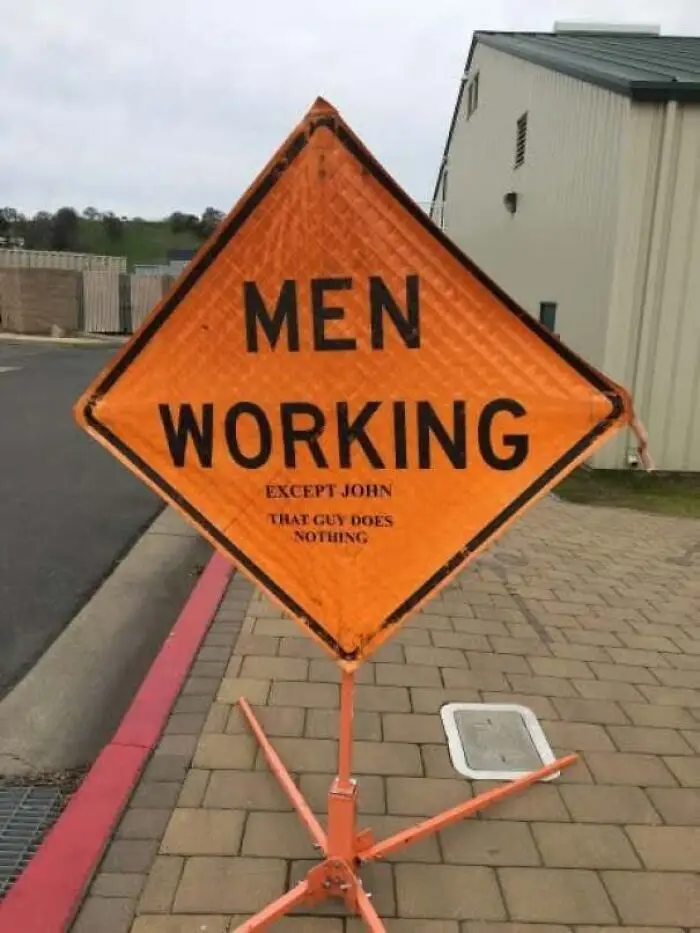

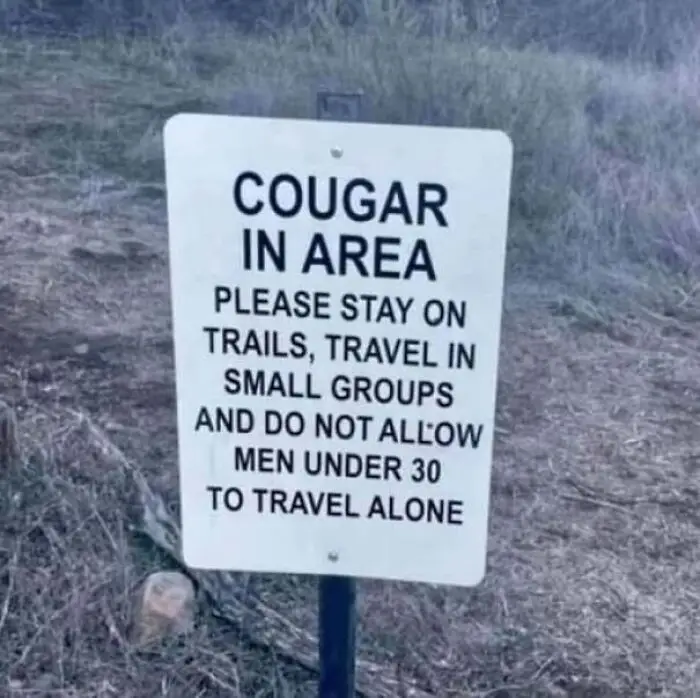
However, confusion alone isn't always enough to make something amusing. The brain also needs to recognize some kind of meaning behind the contradiction. When readers realize that an unusual sentence has an unexpected but understandable interpretation, the initial mental tension can give way to laughter.
Cognitive scientist Scott Weems has explored this relationship between humor and mental conflict, suggesting that laughter can help people process complicated or contradictory information. This helps explain why badly worded instructions, strange combinations of words, and accidental double meanings can be so entertaining.
Even when the person responsible for the wording had no intention of being funny, the unexpected result can create the same kind of surprise that makes a joke work.

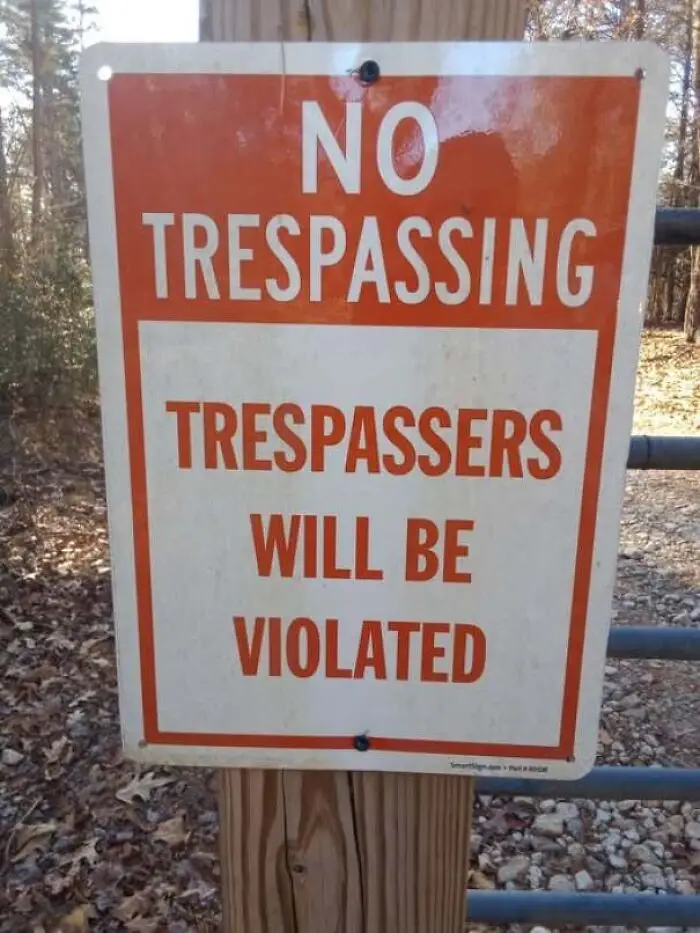

Beyond their entertainment value, signs play an important role in how people understand and interact with their surroundings. Eye Magazine explains that public signage transforms physical spaces into systems of information, helping people identify locations, follow directions, understand rules, and recognize the expectations attached to different places.
Street names, directional arrows, transit maps, and exit markers all help people navigate unfamiliar environments without needing someone to guide them personally. Signs also communicate social boundaries, telling visitors where they can go and what behavior is expected in shared spaces. Some even contribute to a location's identity through historical information, local imagery, and references to the surrounding community.



Because people rely so heavily on these messages, clear and consistent wording can make a significant difference in how comfortable they feel in unfamiliar surroundings. A well-placed sign gives someone the information they need at the right moment, allowing them to make decisions without unnecessary hesitation.
The same applies to notices in shops, restaurants, workplaces, and other public areas, where people often depend on written instructions to understand what is happening around them. When the wording is unclear, or the information contradicts itself, however, something that should make life easier can become another obstacle. Rather than providing straightforward guidance, the sign leaves people trying to work out what they are actually supposed to do.



The Halifax Examiner explores why contradictory instructions can be particularly problematic, explaining that they force people to decide which message deserves their attention. Instead of simply following a direction, someone must compare the available information, determine which instruction takes priority, and make a judgment for themselves.
This creates additional mental effort, especially when people are already distracted, moving quickly, or dealing with time-sensitive situations. Conflicting road instructions, for example, could cause a driver to hesitate while trying to determine which direction to follow. Even a short delay can have consequences when quick decisions are necessary, making consistency an important part of effective public communication.


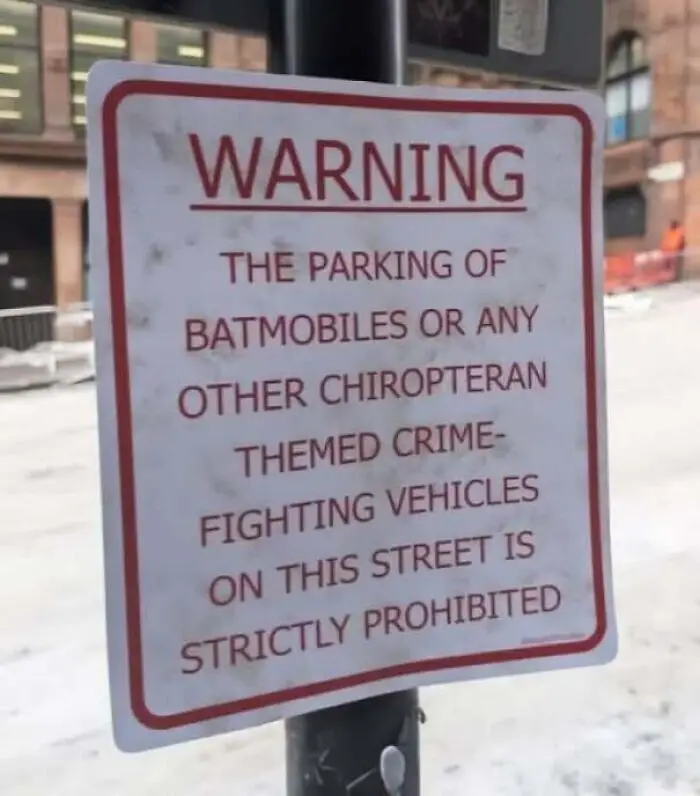
Another complication is that different people may interpret the same conflicting information in completely different ways. Someone might follow the most noticeable sign, while another person could trust the instruction they saw most recently or rely on what they already know about the situation. This can lead to inconsistent decisions, misunderstandings, and potentially unsafe behavior.
Repeated exposure to contradictory messages can also weaken people's confidence in the organizations responsible for providing them. Interestingly, the written words aren't the only things influencing these decisions. People also pay attention to visual elements such as arrows, colors, placement, and symbols, meaning that a sign can create even more confusion when its appearance suggests something different from what its wording actually says.