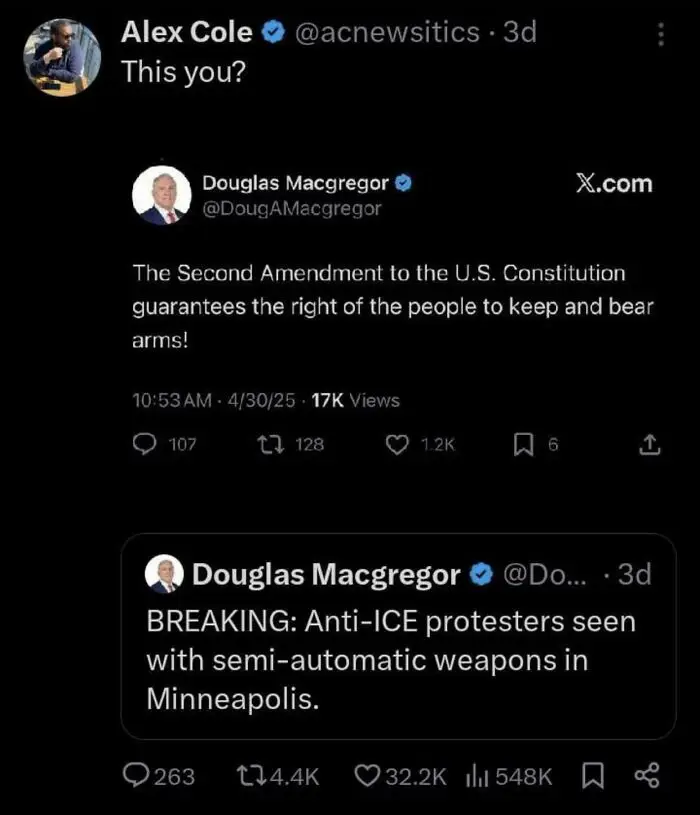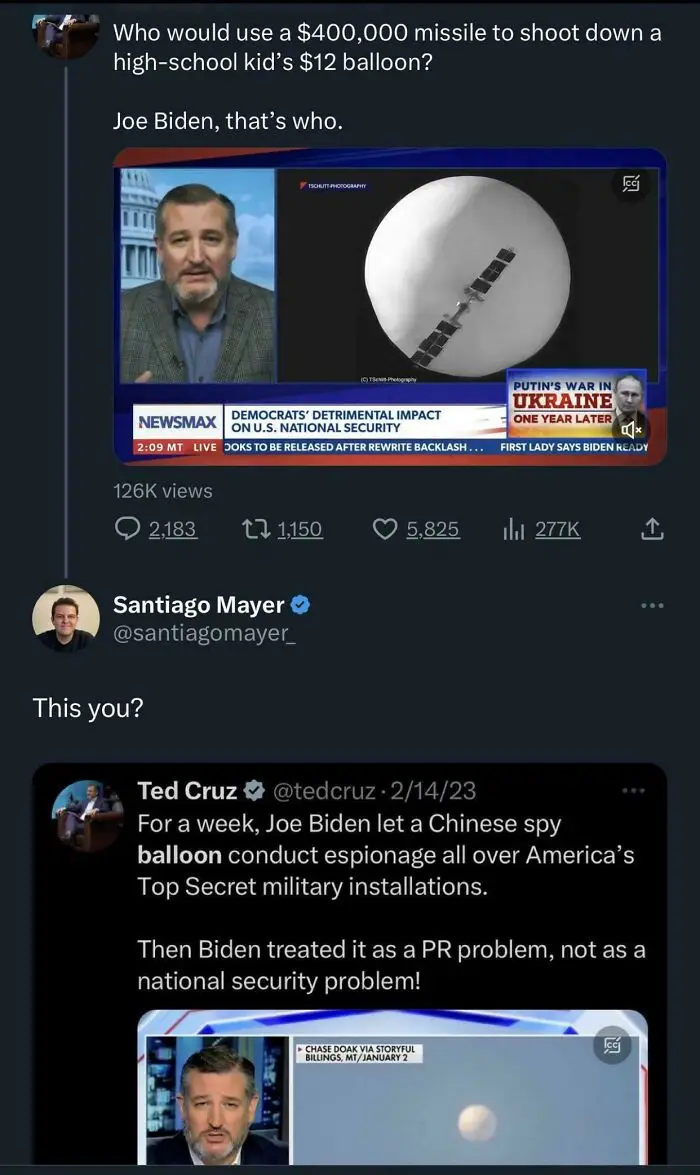


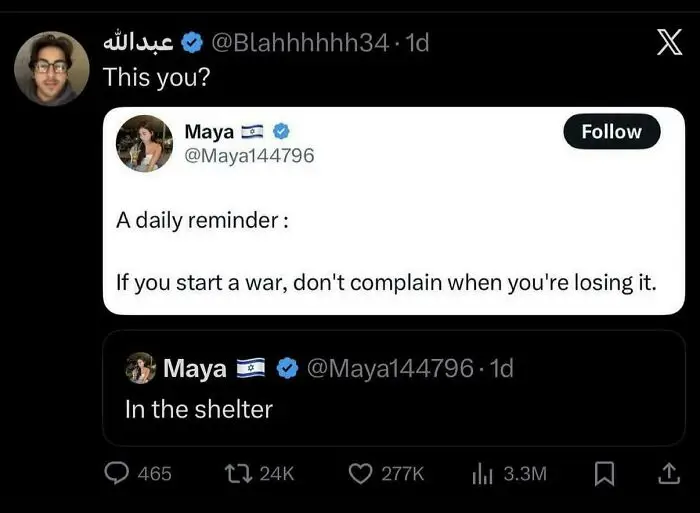
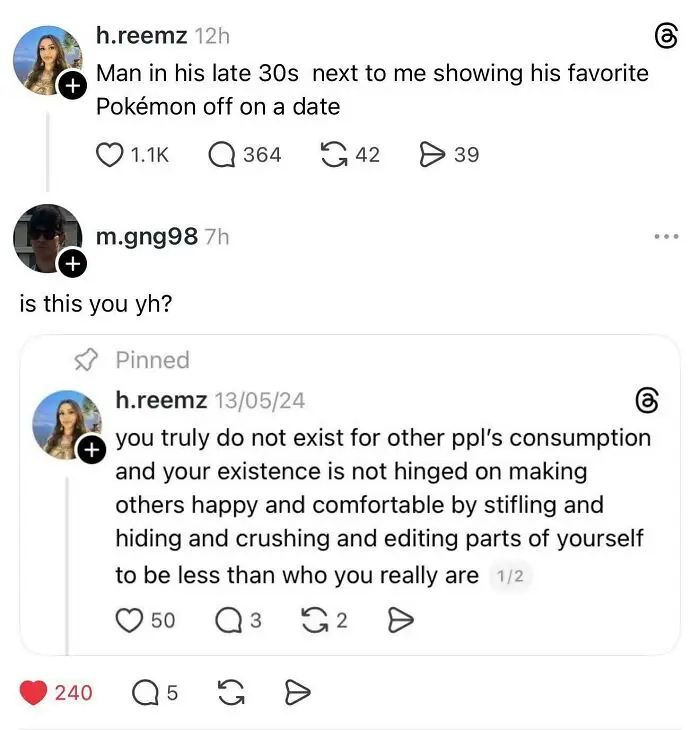
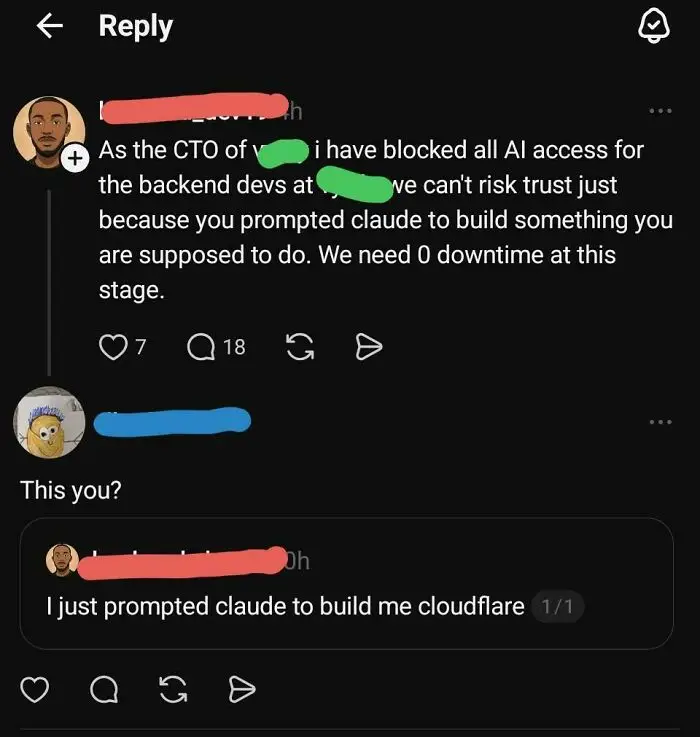
Most people who get an "Is that you?" reply aren't lying when they insist they've always believed what they're saying now. Their memory has been wired to edit itself. In 1973, psychologists George Goethals and Richard Reckman measured students' opinions on school busing, then put them in group discussions where planted participants argued the opposite side.
Many students changed their minds. When asked to recall what they had originally thought, they remembered their old views as much closer to their new ones than they actually were. Their brains rewrote the draft and deleted the evidence, but these days a screenshot is happy to restore it.
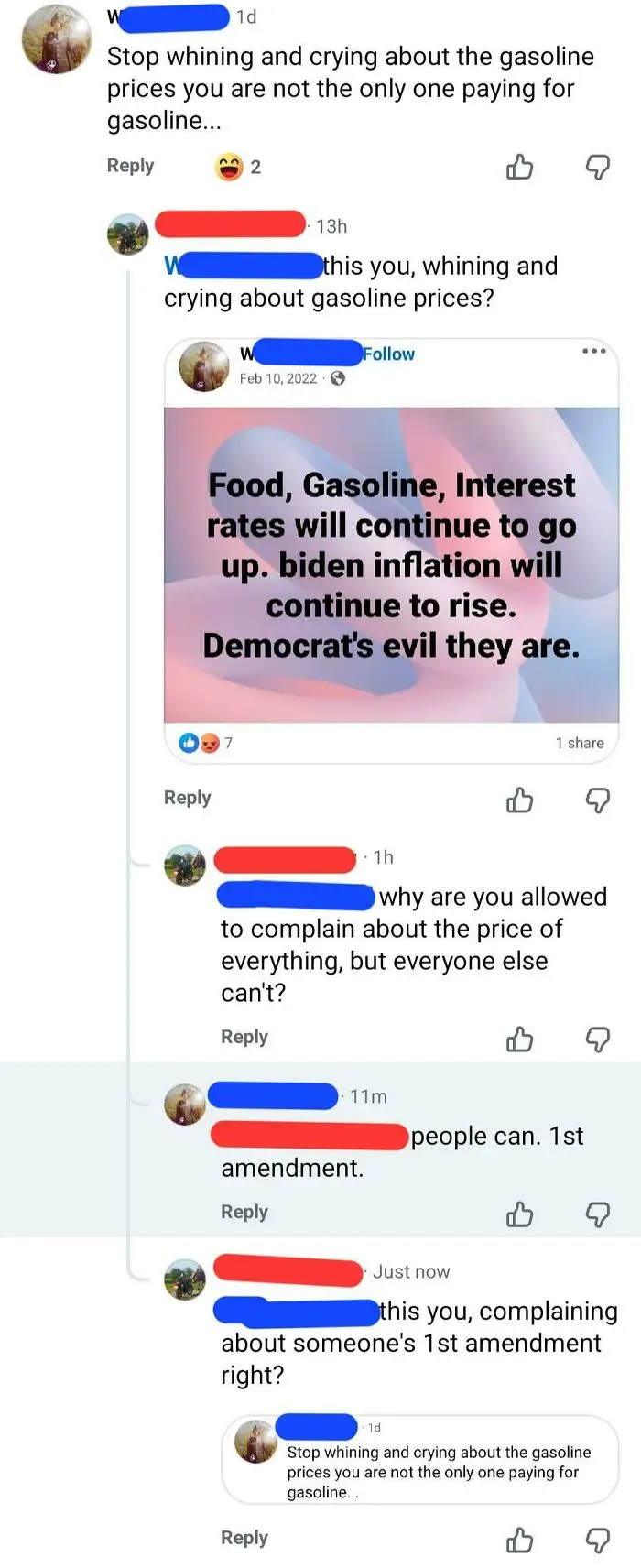
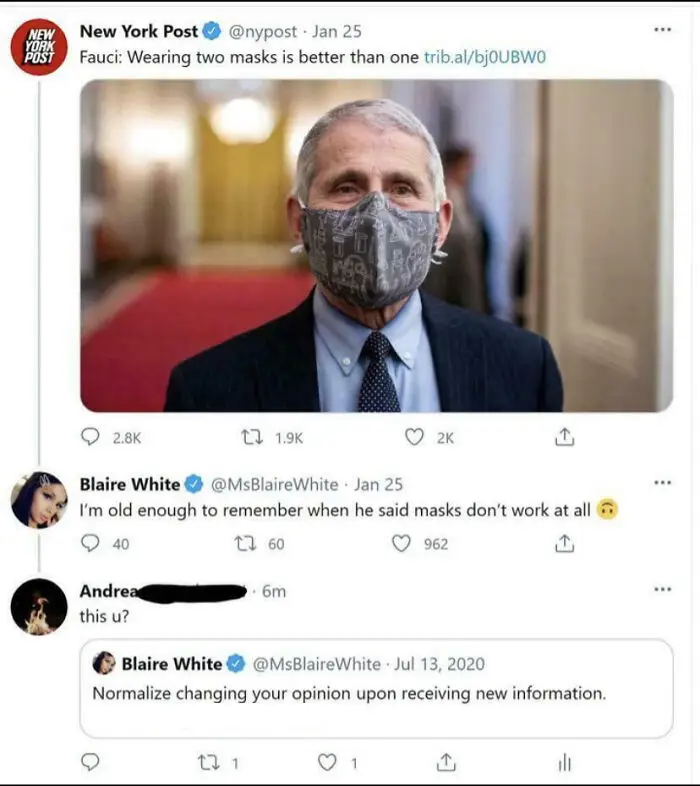
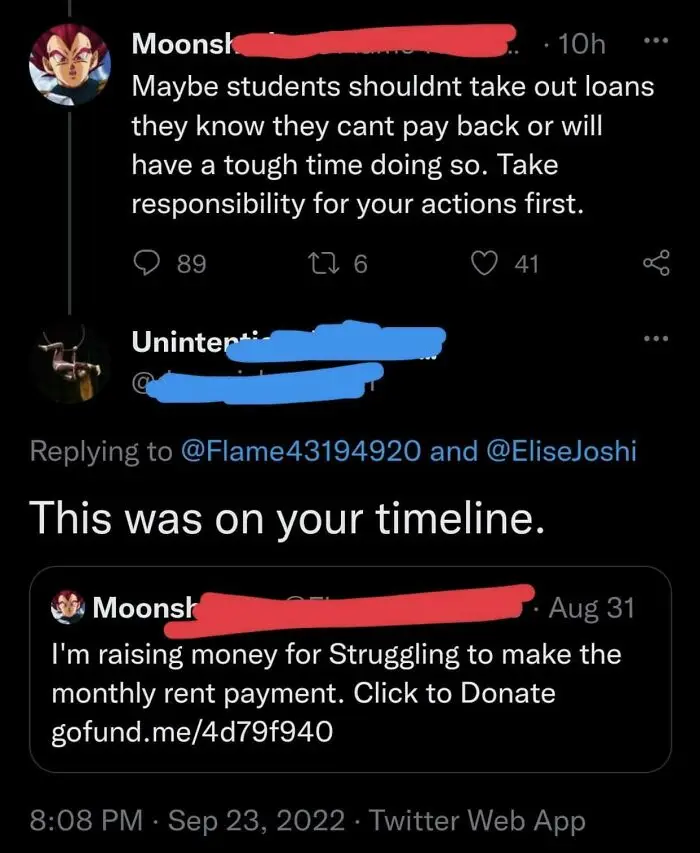
Even people who remember their position will bend it when it's convenient. In 1997, Daniel Batson and his colleagues at the University of Kansas gave participants two tasks to hand out, one with a pleasant outcome and one dull. They were told the fair way to decide was a coin flip. Some participants flipped, and about 90% of those still gave themselves the better task, whatever the coin said. Batson called it moral hypocrisy, the urge to look fair without paying the price of being fair.
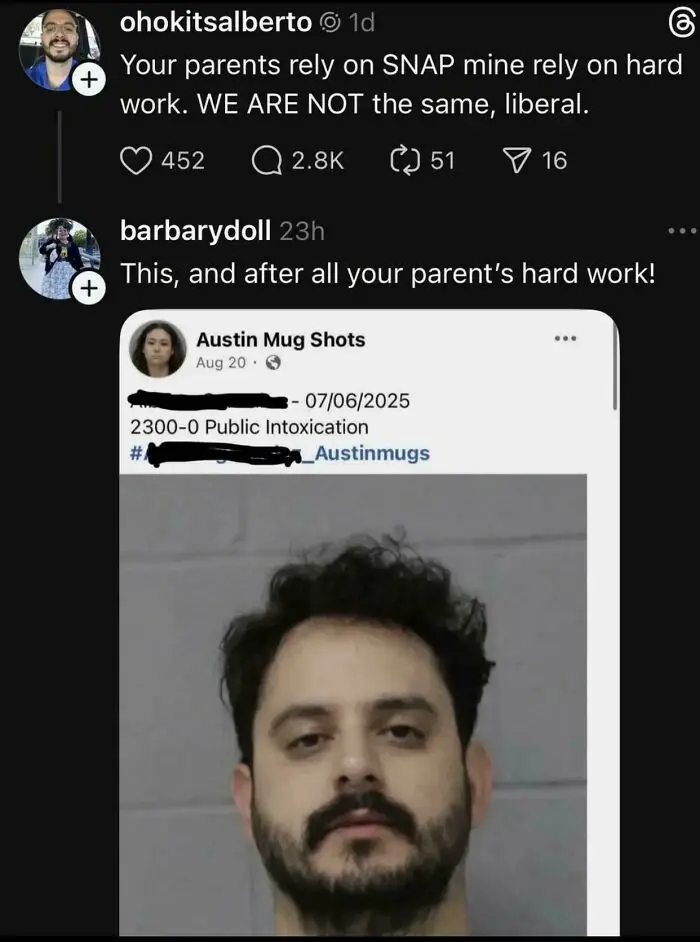
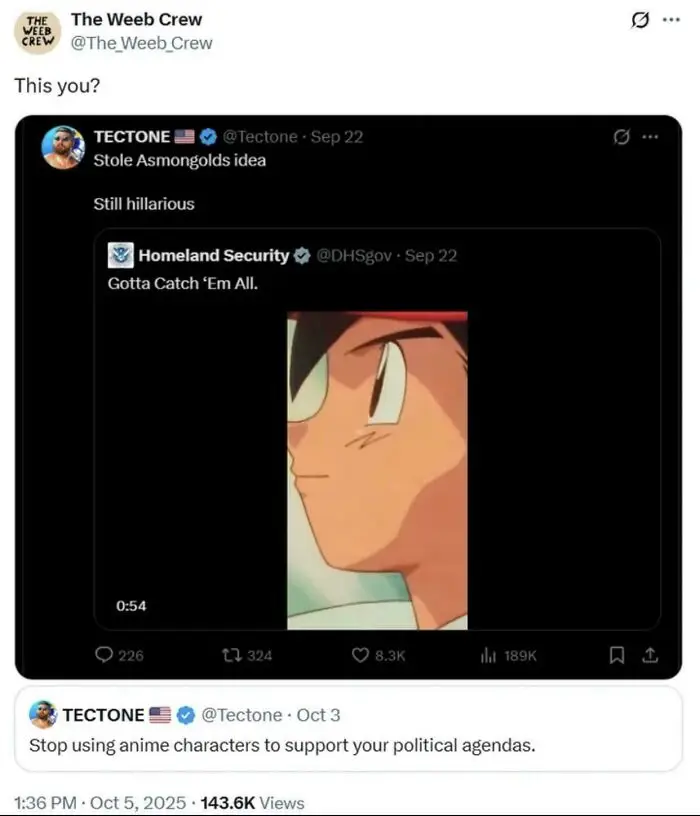
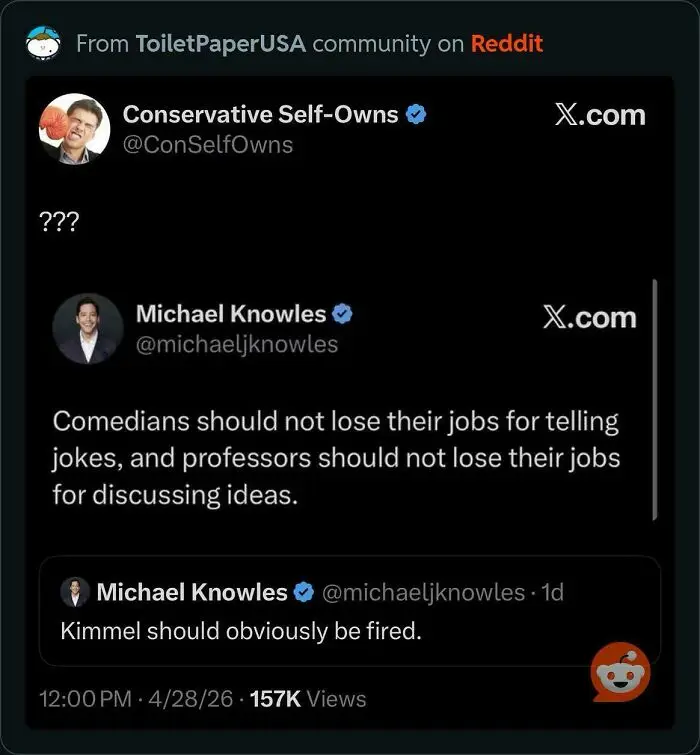
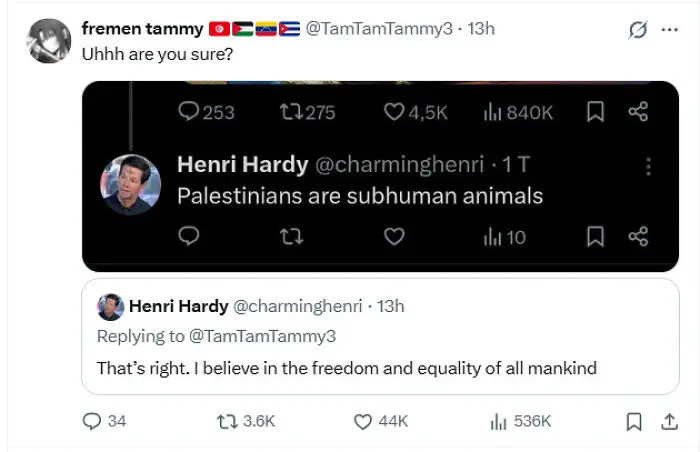
Spotting it in other people is the easy part. In 2002, Princeton psychologist Emily Pronin and her colleagues found that people rate themselves as less biased than the average person, a pattern they named the bias blind spot. Your own opinion feels like common sense, and someone else's feels like an agenda. That's why the scroll-back reply feels so good to write and so bad to receive.
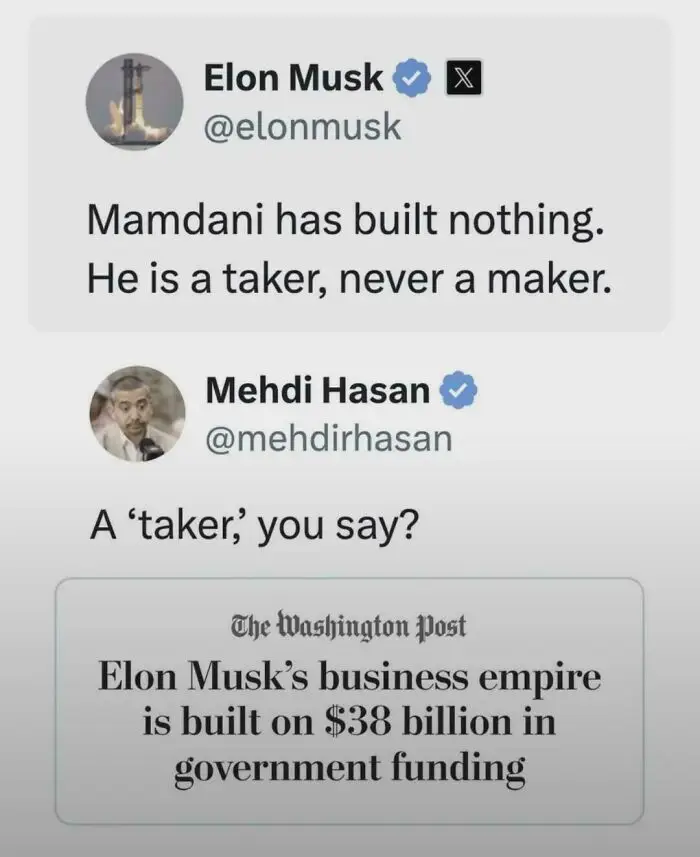
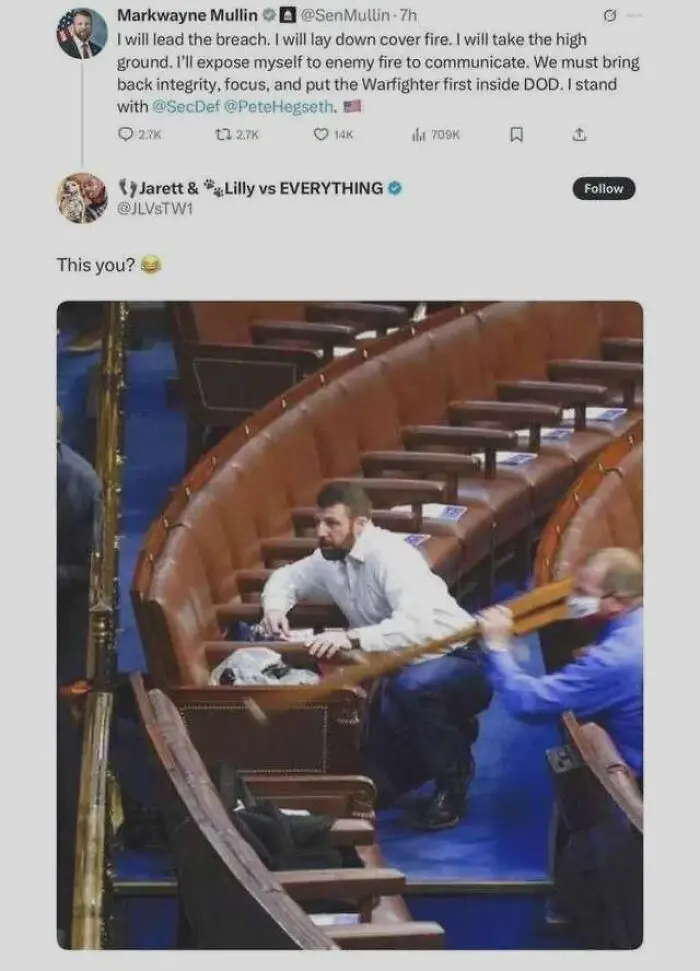
Politicians learned long ago that voters keep score. In March 2004, John Kerry tried to explain a vote on funding for the Iraq war and landed on, "I actually did vote for the $87 billion before I voted against it." The Bush campaign put the line in an ad, and "flip-flopper" followed him through the rest of the race. Eight years later, Mitt Romney's adviser Eric Fehrnstrom told CNN that the general election was "almost like an Etch A Sketch. You can kind of shake it up, and we start all over again." His primary rivals quickly turned the toy into a campaign prop.
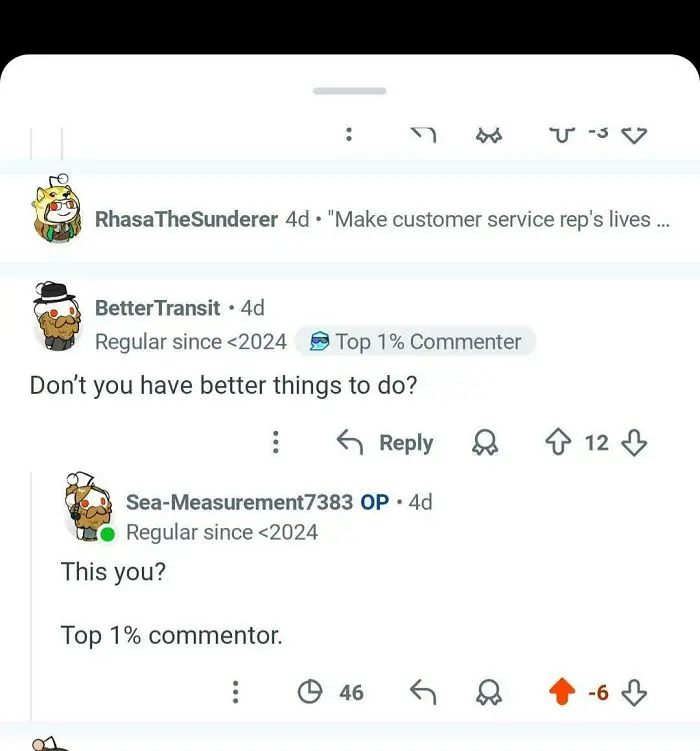
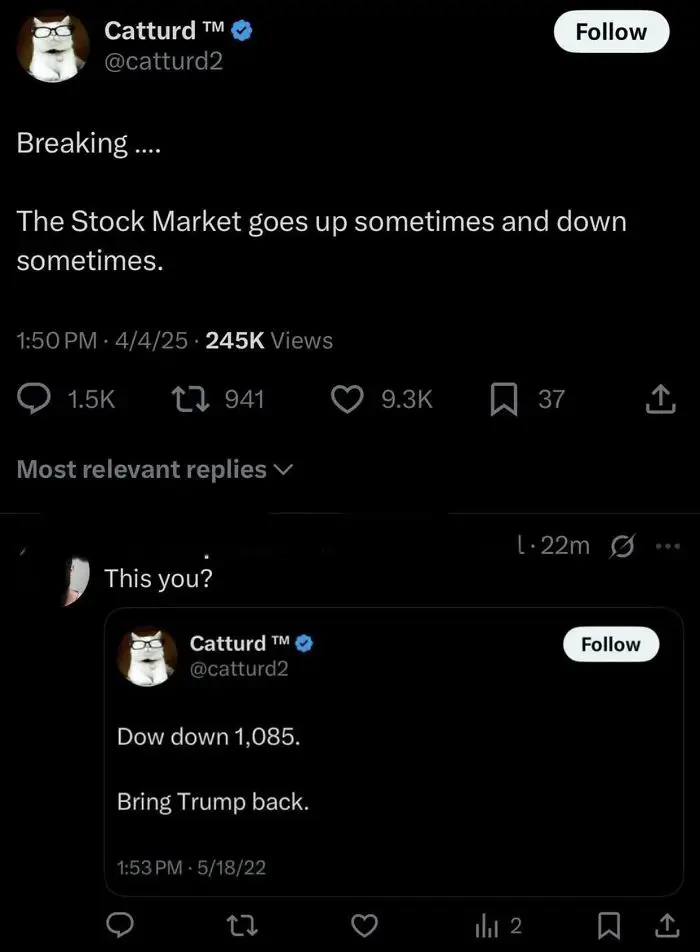
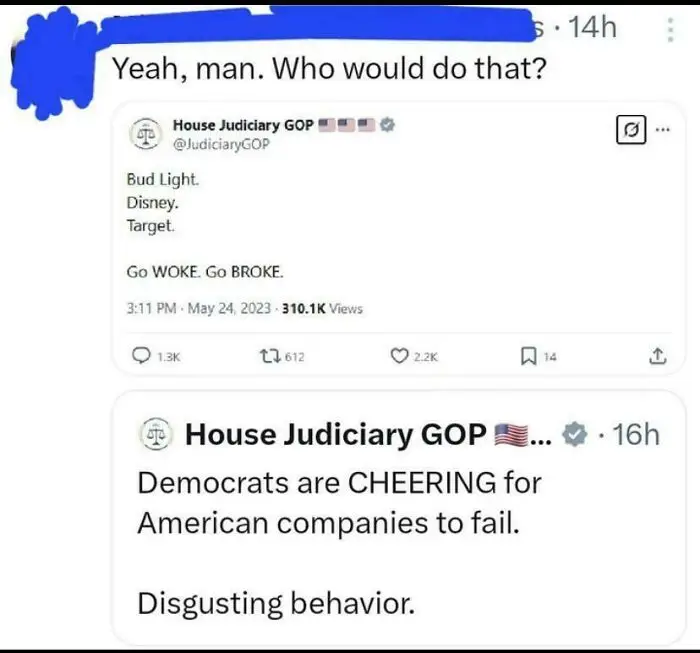
That shake-it-and-restart plan doesn't survive the internet, unfortunately. In 2010, the Library of Congress announced it would archive public tweets, and the Wayback Machine has saved more than 800 billion web pages. A site called Politwoops launched in 2012 to collect the tweets politicians deleted, until Twitter cut off its access in 2015. Deleting a post just makes people more curious about what it said.
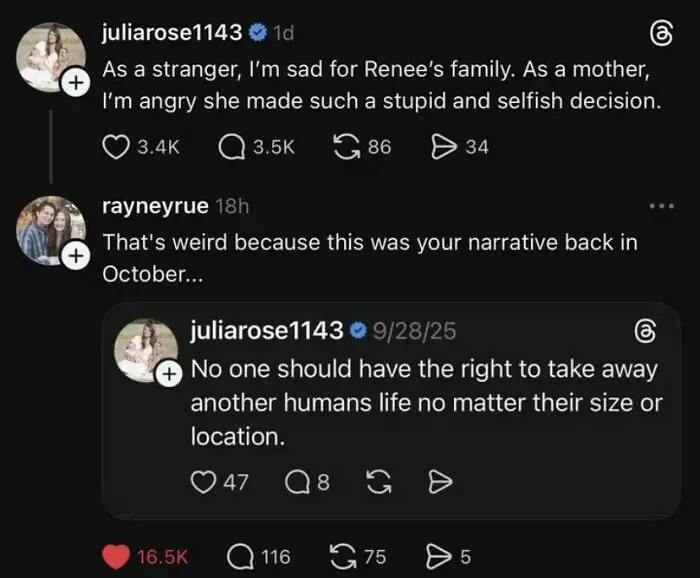
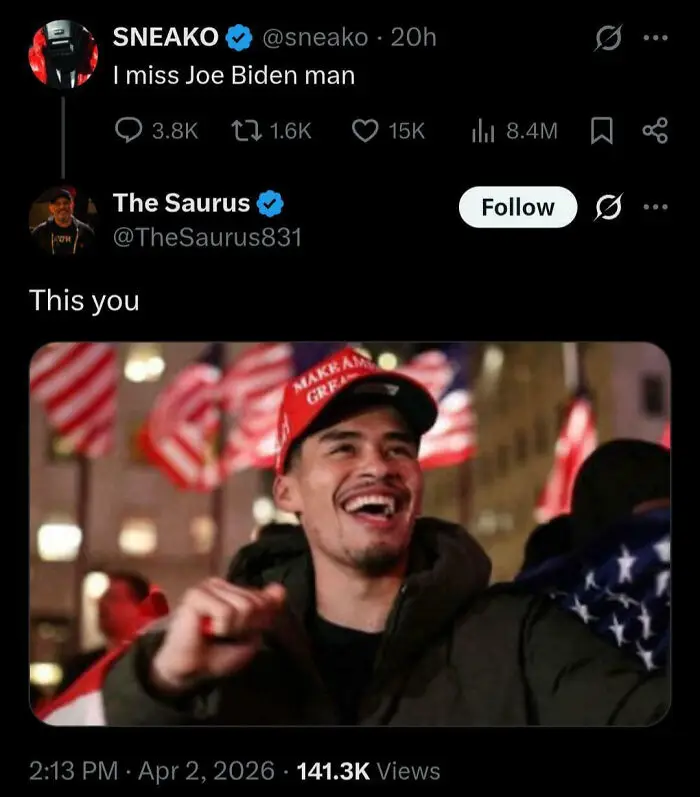
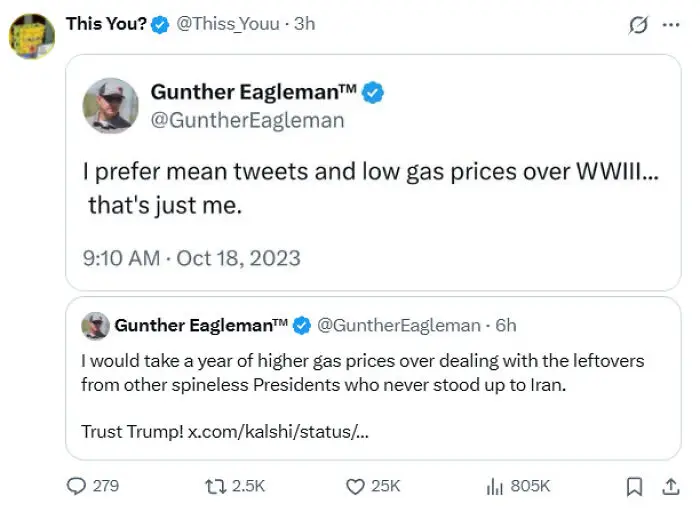
The same archive has ended careers that had nothing to do with politics. In July 2018, Disney fired James Gunn as director of Guardians of the Galaxy Vol. 3 after old tweets joking about taboo subjects resurfaced. It wasn’t all bad news because Disney rehired him in March 2019, and he became co-chief of DC Studios in 2022.
In December 2018, Kevin Hart stepped down as Oscars host over old tweets of his own, but he somehow made it out the other side. A 2018 CareerBuilder survey found that 70% of employers screen candidates on social media, and 57% had found something that made them pass on someone. The archive has no sense of humor about context, but maybe having a little fame on your side helps.