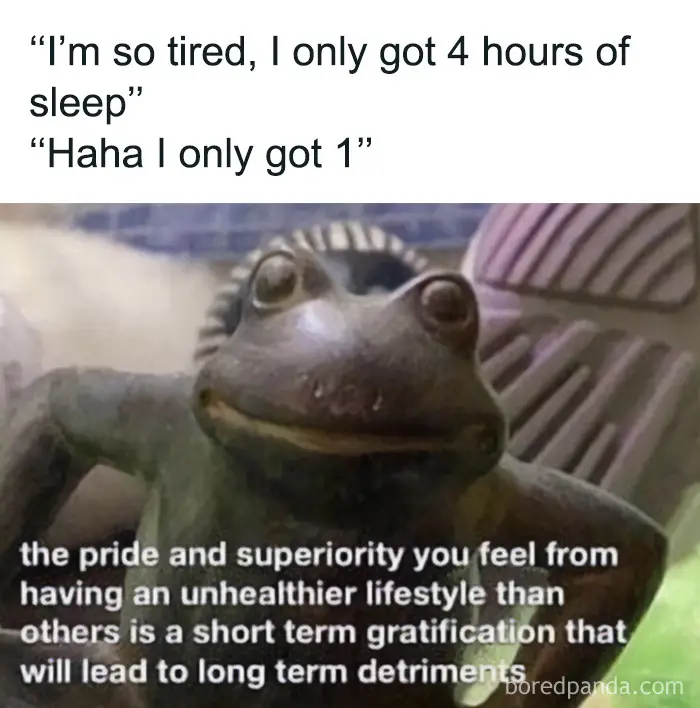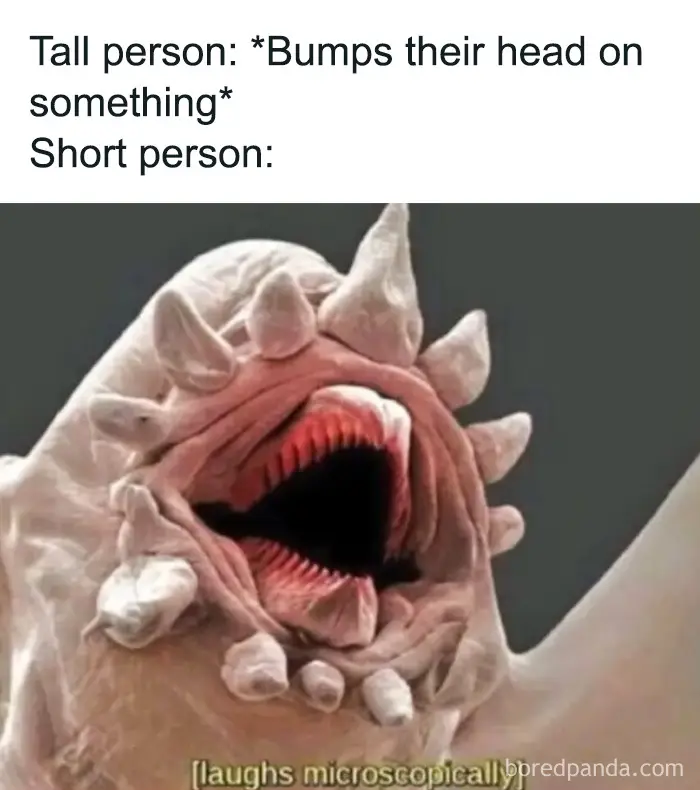



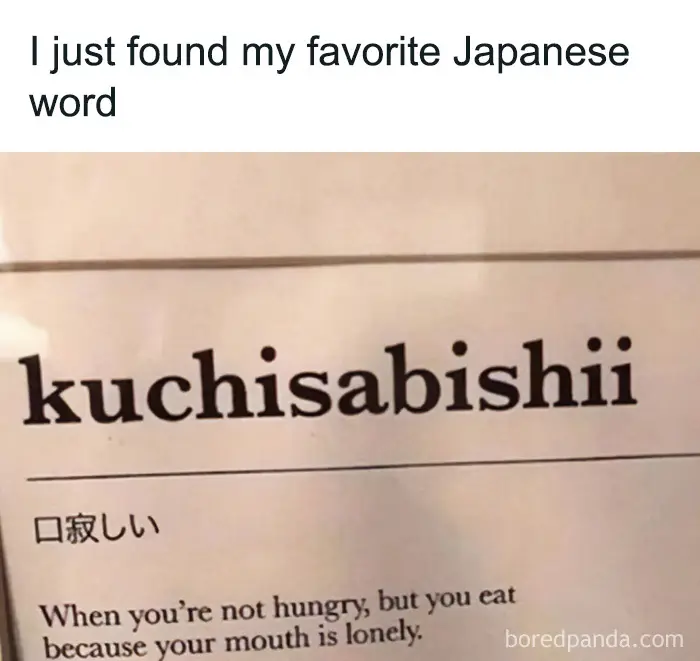
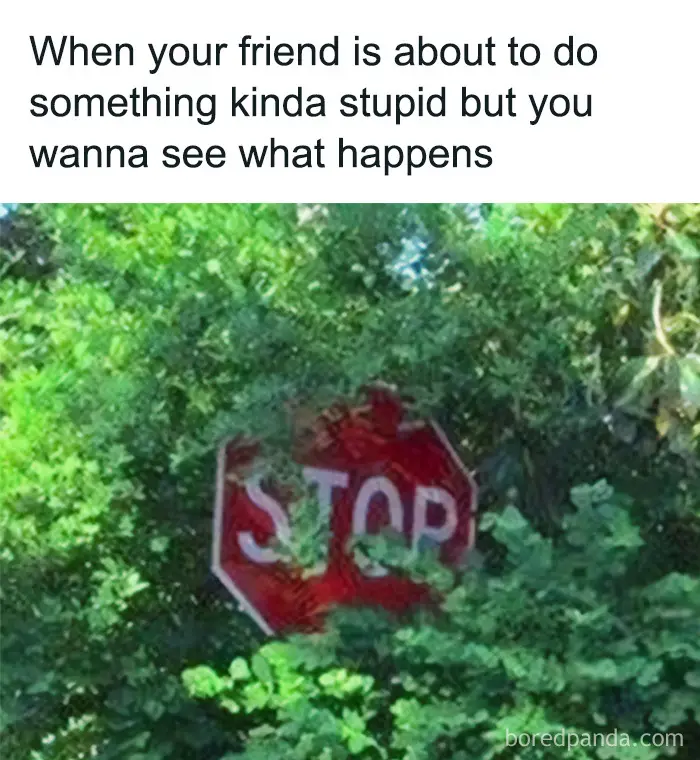
One meme on this list shows a stop sign peeking out from a tangle of leaves. On its own, it's a pretty mundane sight. Relatable? Sure, especially if you live somewhere where trimming the trees isn't exactly top priority. But it only takes one simple line of text to take it to the next level: "When your friend is about to do something kinda stupid but you wanna see what happens." Suddenly, you've never related more to a street sign (even if you’d never admit it).
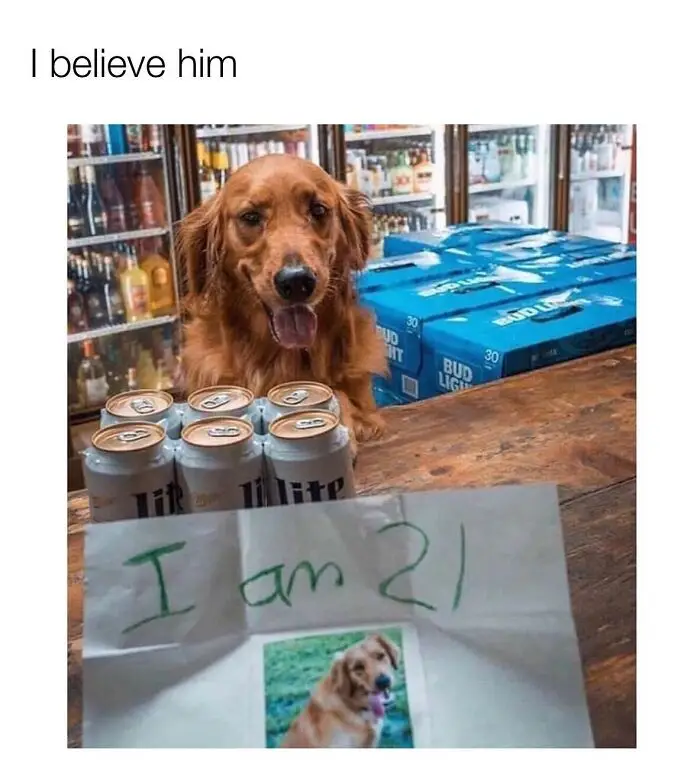
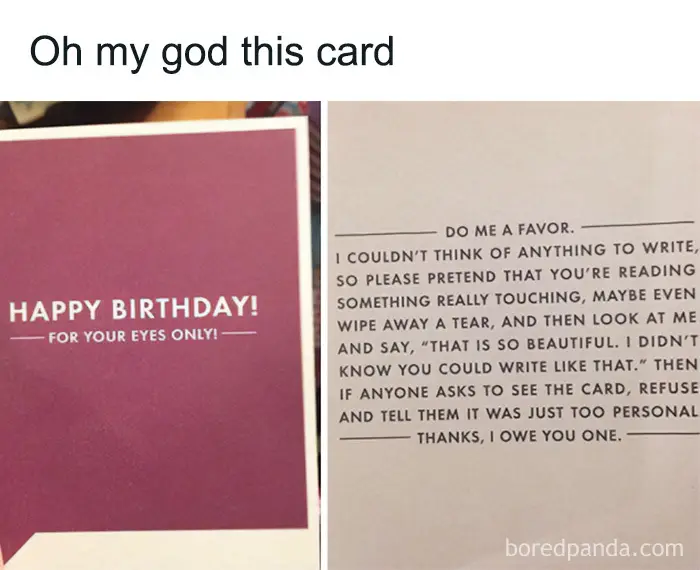
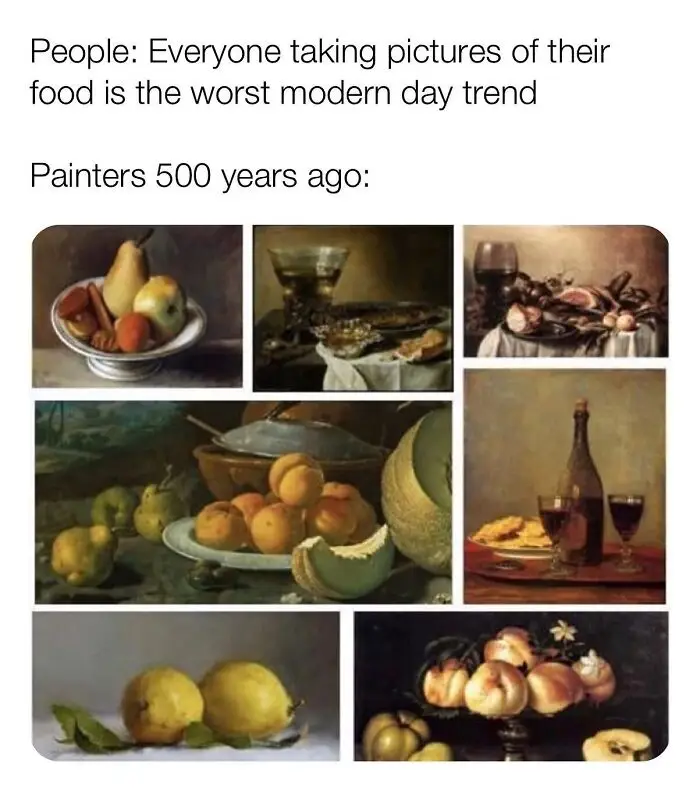
That leafy meme reminded me of a project from my fine art printmaking days, when we were given a brief exploring the relationship between image and text. The idea was simple enough: put words and images side by side, and see what happens to the meaning of each. Turns out, a few words can completely change what you think you're looking at.


Of course, artists have been playing with that tension for centuries. One particularly influential example is René Magritte's 1929 painting of a pipe, with the words "Ceci n'est pas une pipe" ("This is not a pipe") written underneath. At first, the words seem to contradict what's right in front of you. Then it clicks: it really isn't a pipe; it's just a picture of one.

Those few words make you stop and think about what you're actually looking at. In fact, as art historian Julien Delagrange explains, Magritte helped establish the idea that text isn't just a way of communicating, but "a structural element in the production of meaning itself." But the idea of reusing images with new words goes back way further than Magritte.
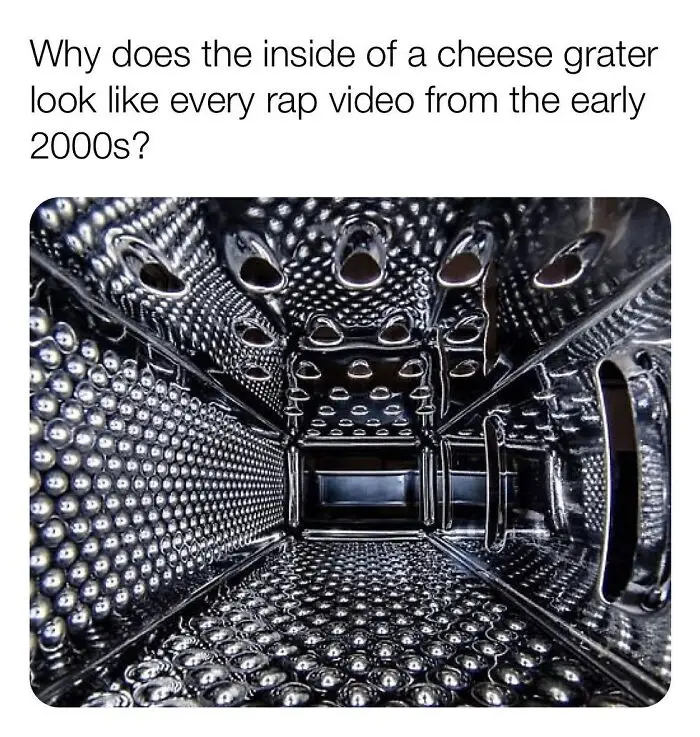
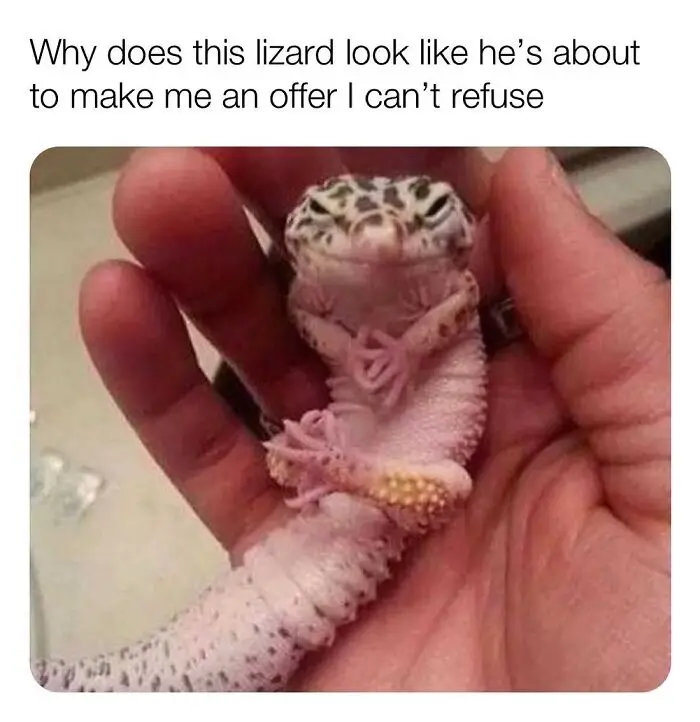
In 17th-century England, for example, woodcut illustrations were expensive to make, so printers reused the same blocks to illustrate all kinds of different ballads. Researcher Katie Sisneros calls these reused woodcuts "proto-memes." One stock figure, nicknamed the "how-de-do man," turned up in more than 100 surviving ballads. Most of the time he was an okay-enough guy. In one, he was recast as a cruel husband.

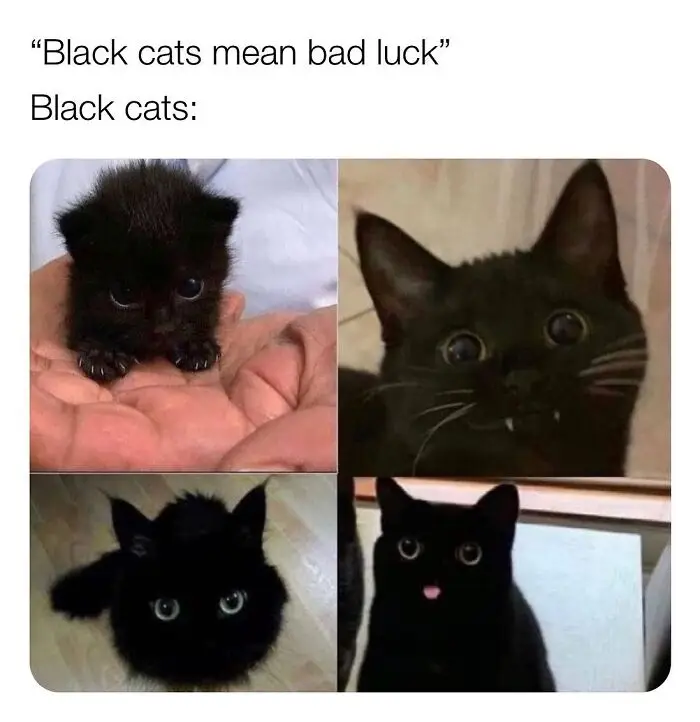
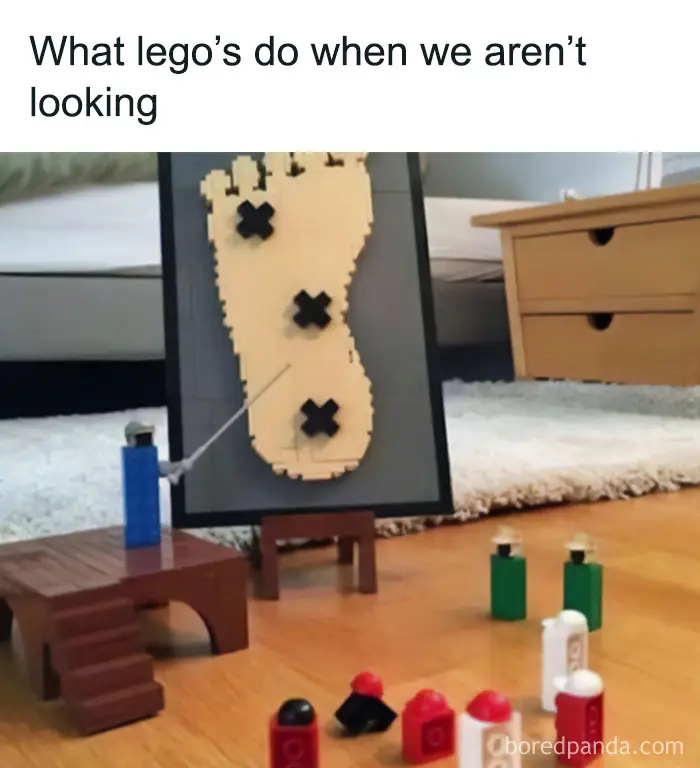
Sisneros compares him to a much more recent image: the "distracted boyfriend" stock photo. It started life as a fairly forgettable picture of a man turning to look at another woman while his girlfriend stares at him in disbelief. Then the internet got hold of it, adding endless new labels to turn it into a commentary on everything from—well, you've seen them.