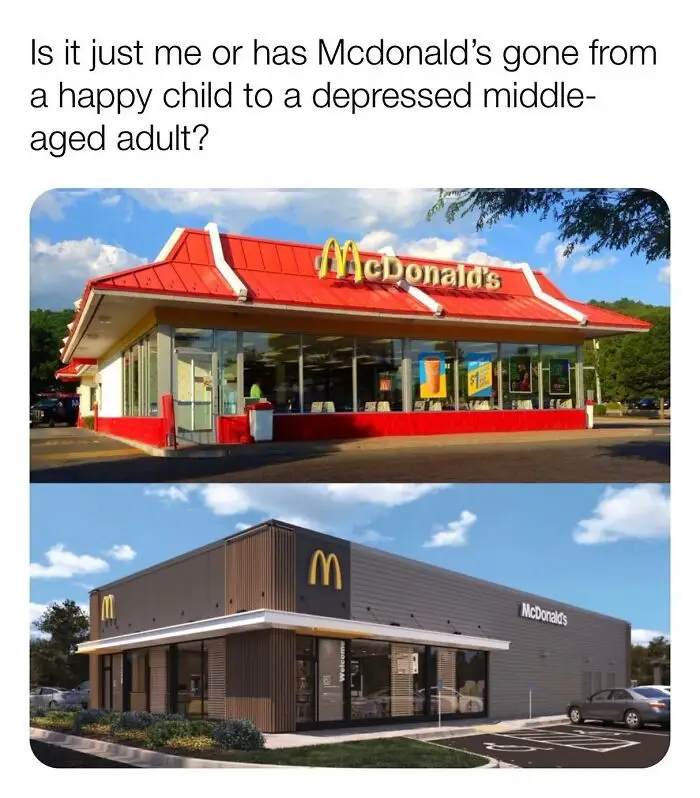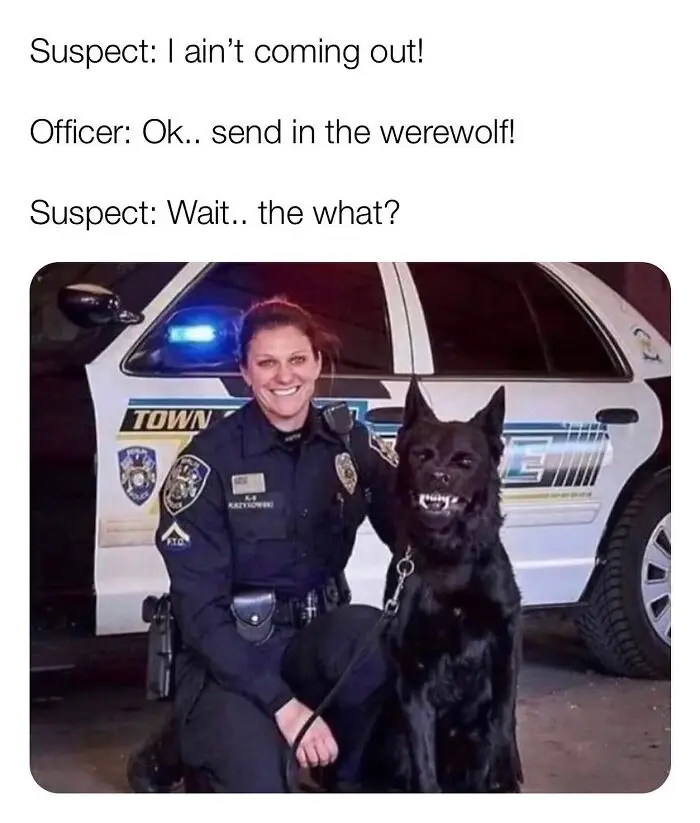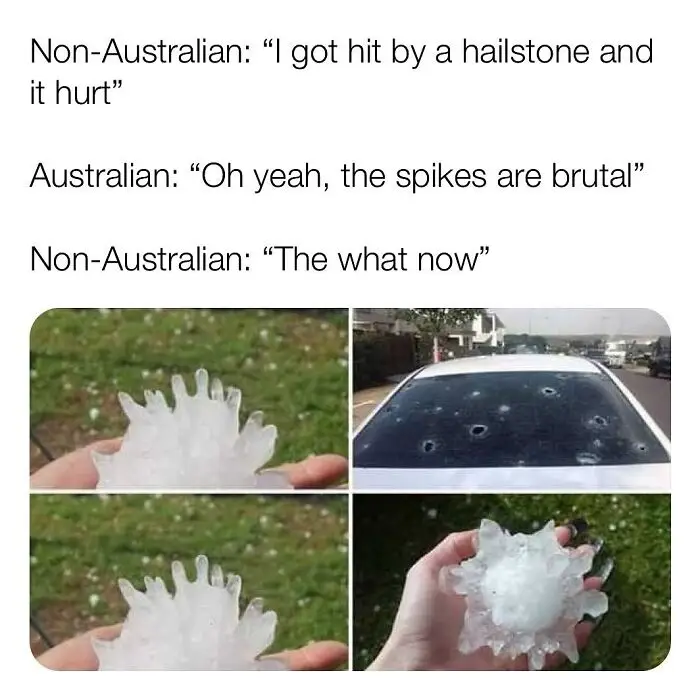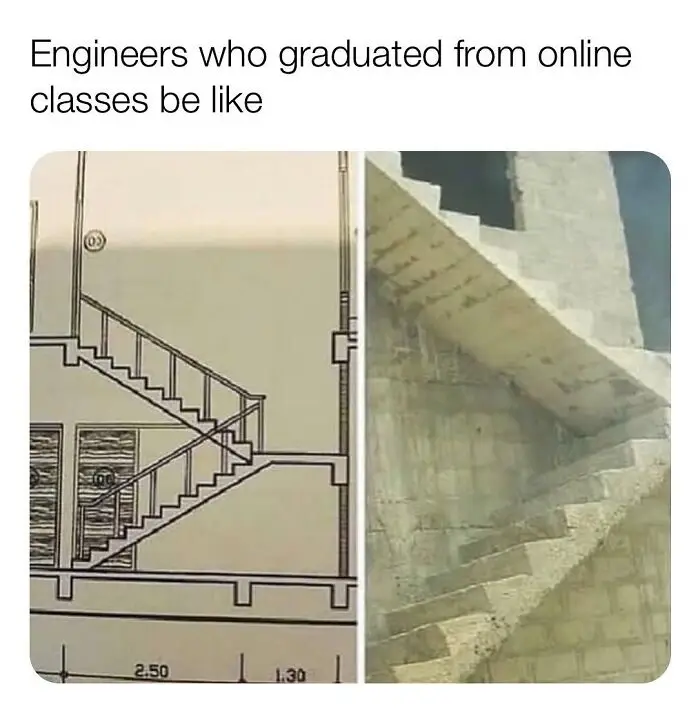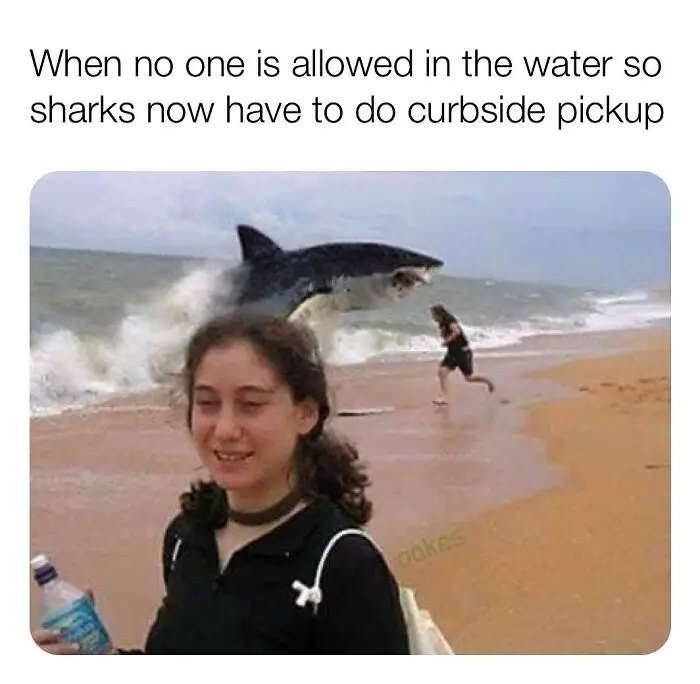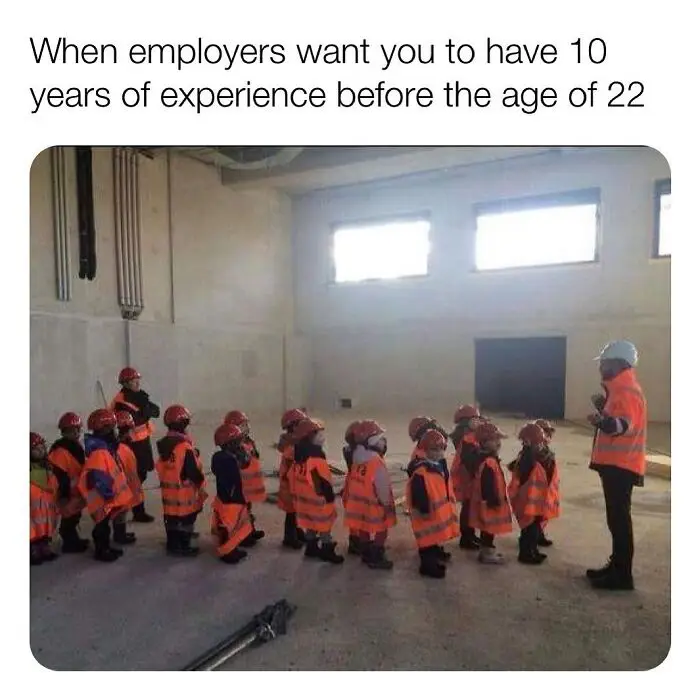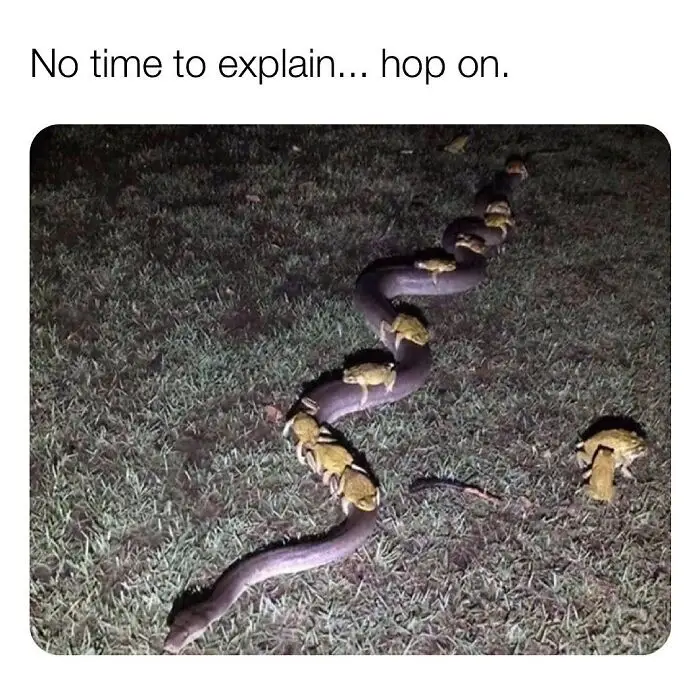



As Sisneros writes, "He reappears again and again, each of the characters in the image relabeled to create a new nexus of interpretation." As semiotics researcher Danilo Petrassi describes it, the caption acts as a kind of interpretive frame. The picture gives you the raw material, but the words tell you how to read it. Swap the caption on that overgrown stop sign, and it could just as easily be about hiding from your in-laws.


In the same paper, Petrassi compares memes to Marcel Duchamp's readymades, everyday objects (most famously, a urinal) that became art simply by being placed in a new context. Like readymades, memes "use something as a starting model" and transform it into something new. The distracted boyfriend is a perfect example: a generic stock photo nobody gave a second thought to, until the internet gave it a whole new life.


Petrassi also turns to Aristotle. The ancient Greek philosopher obviously never scrolled through Instagram, but his ideas can still help us understand what Petrassi calls "memetic aesthetics." The key one is mimesis: the idea that art imitates life. For Aristotle, though, imitation was a creative act: artists selected parts of the world around them and reinterpreted them through their own perspective, turning ordinary reality into something more meaningful.
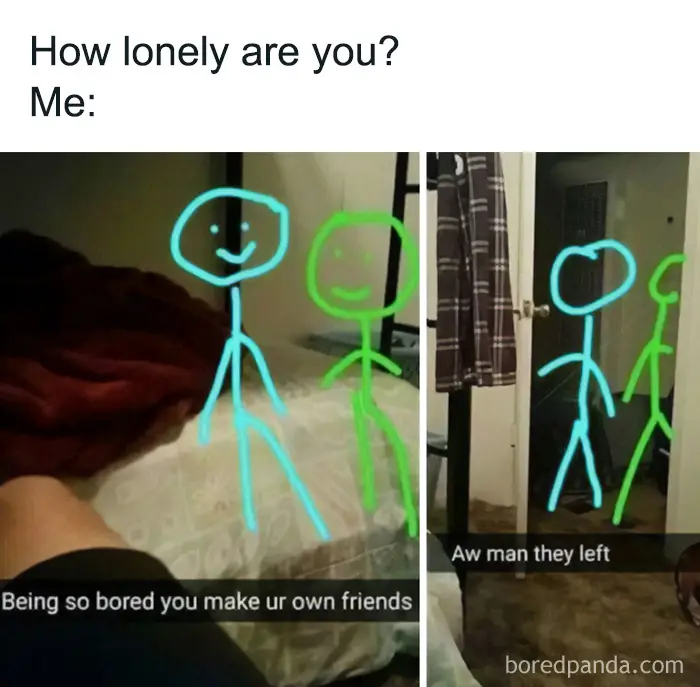
Petrassi argues that memes work in much the same way. They take bits of everyday life and reinterpret them, often through humor, satire or social commentary. The big difference is that memes aren't made by a handful of artists. Anyone can create, share or remix one, so the line between creator and audience starts to blur. Still, the same basic rule applies: how well a meme lands depends on "the audience's ability to recognize and empathize" with what it shows.
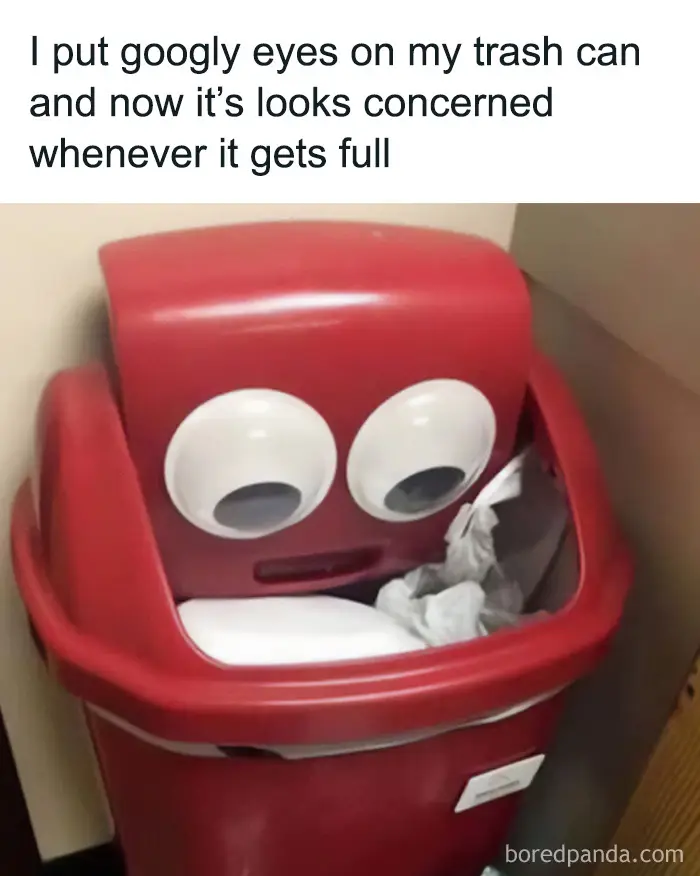
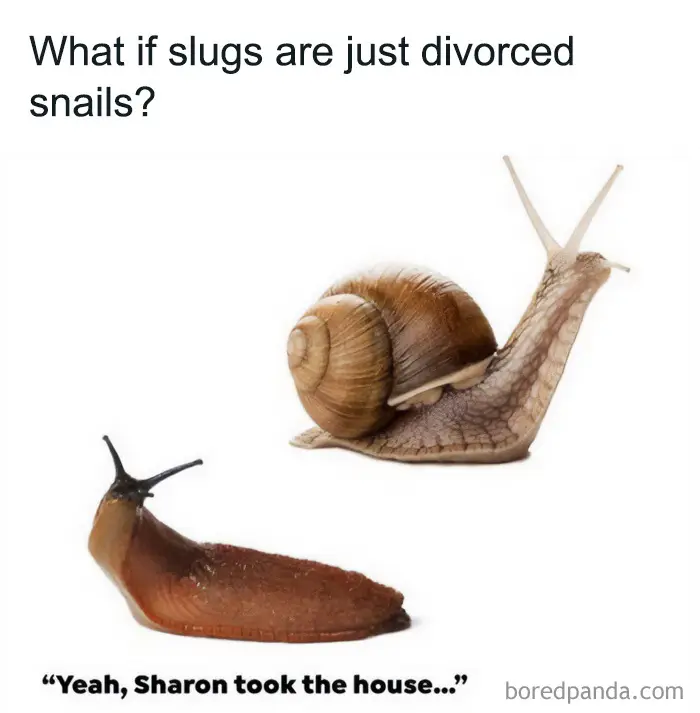
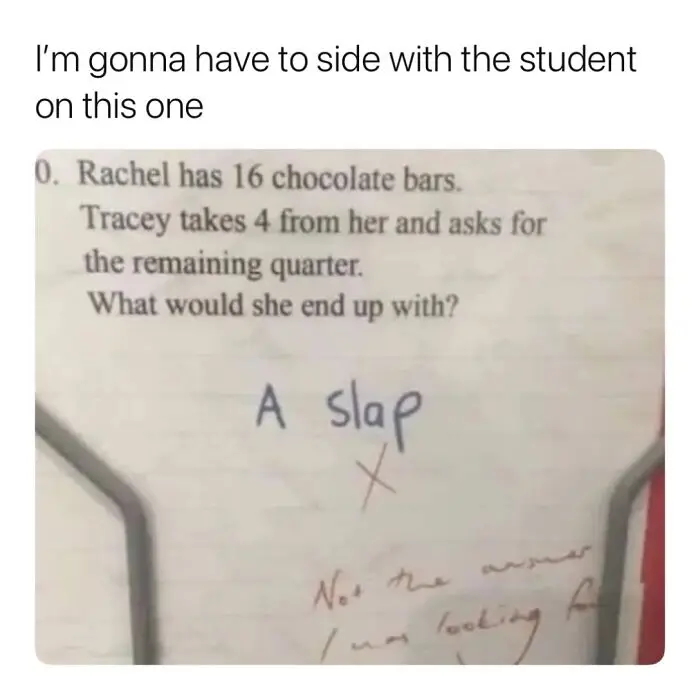
That might explain why the best memes often aren't the cleverest ones, but the most relatable. We laugh because we've been there, and there's something comforting about knowing we're not the only ones. And that's what makes pages like this one so fun to scroll through. They remind us that funny things are hiding in plain sight, waiting for someone to notice them and find the right words. Call them "dumb jokes" if you want, but some of them are tiny masterpieces.