


Psychologists describe passive aggression as a pattern of indirectly expressing negative feelings instead of addressing them openly, a way of communicating anger through behavior instead of words.
It develops, researchers at the University of Alabama found, most commonly in environments where direct expression of conflict feels unsafe or socially unacceptable. The modern workplace, with its performance reviews, open-plan seating, and HR departments, is essentially a perfect incubator for it.
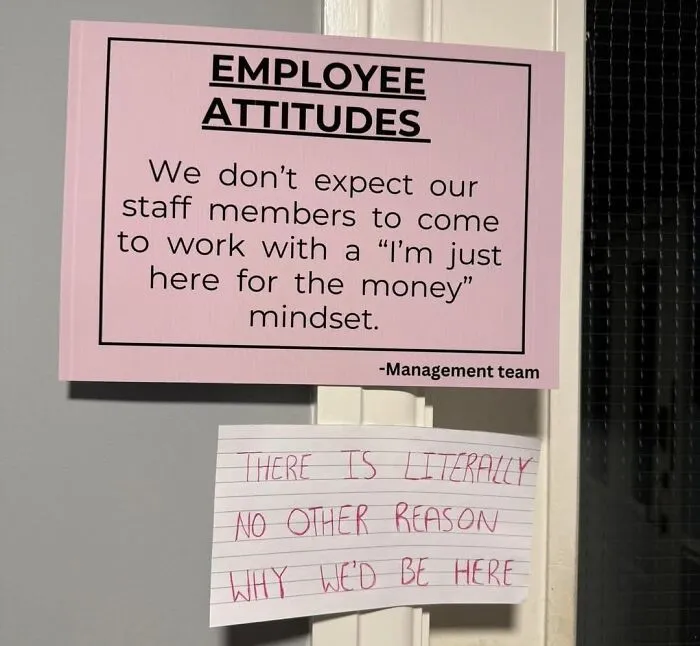
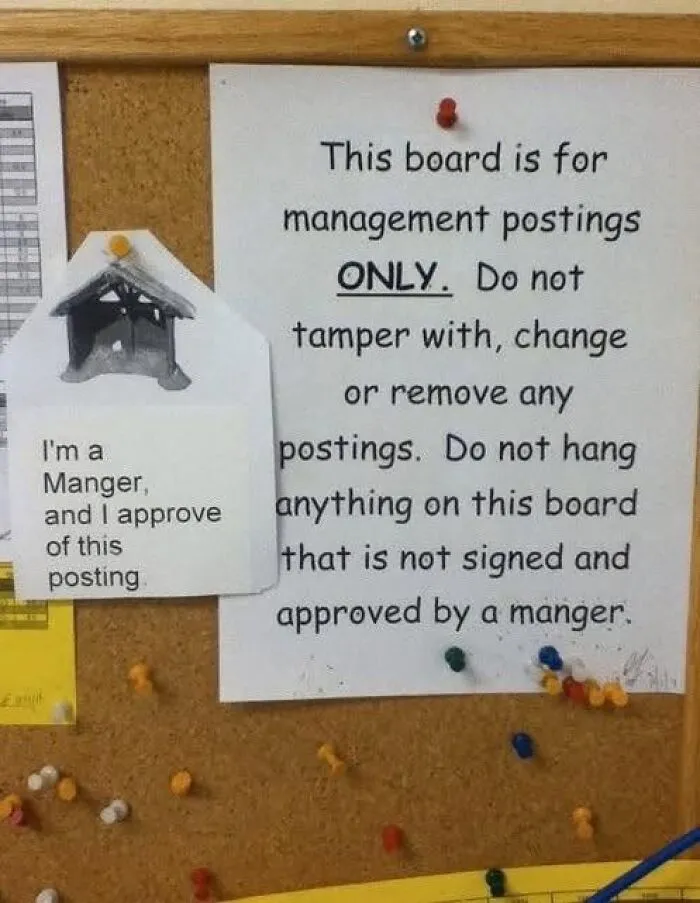
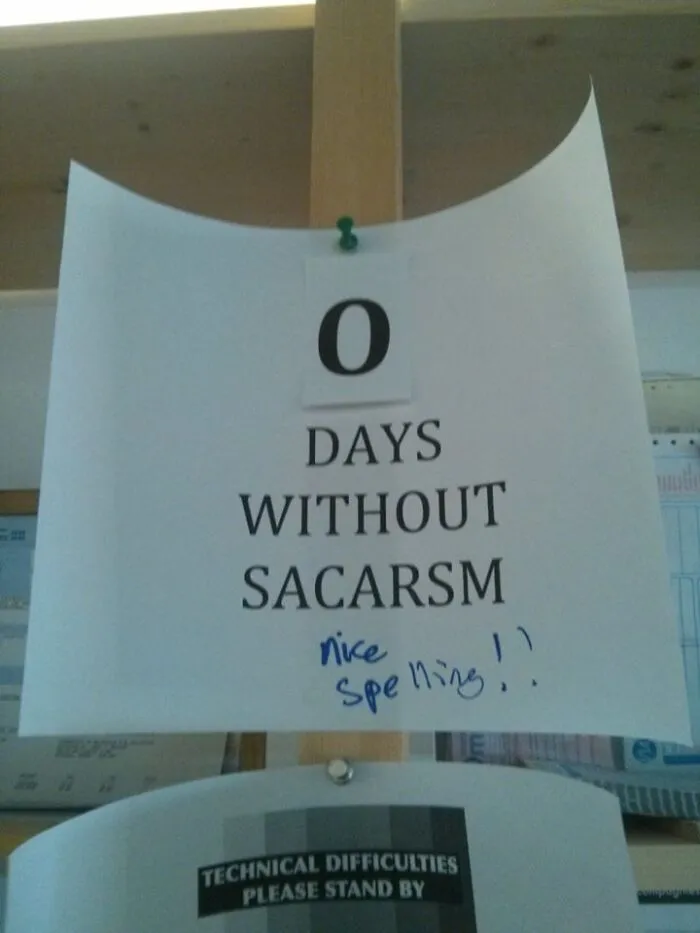
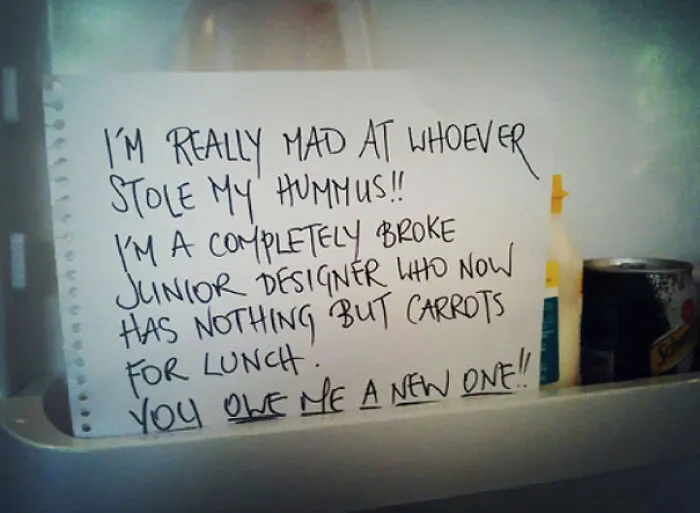
The office kitchen is its natural habitat. A major survey found that 71% of office workers have had food stolen from a shared fridge, making it one of the most universally experienced workplace grievances on record.
The theft of a clearly labeled lunch is a violation so personal that it produces a fury entirely disproportionate to the monetary value of the item, and the note is the only socially acceptable outlet for that fury when you cannot identify the perpetrator, and HR is not going to convene a tribunal over a yogurt.
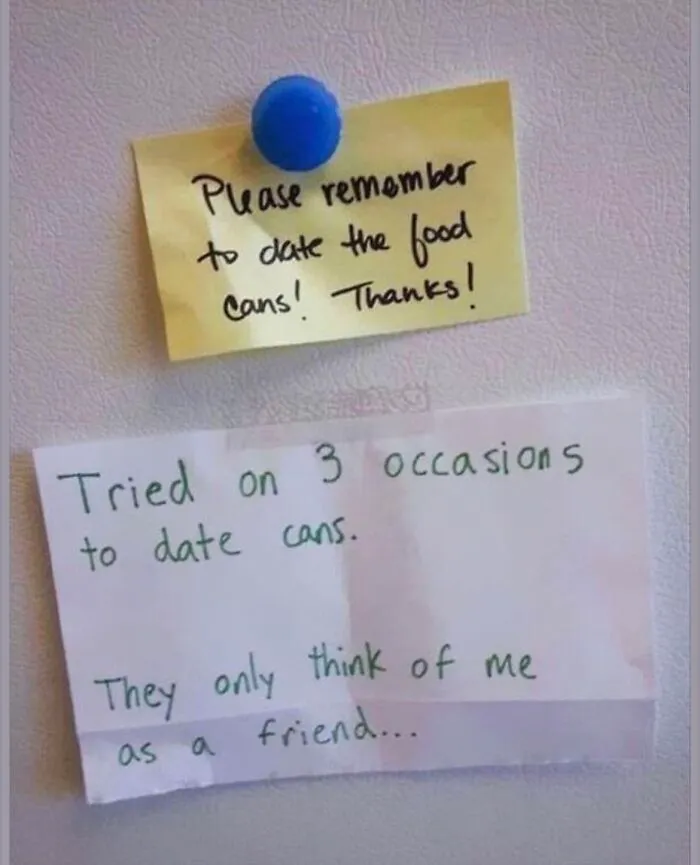
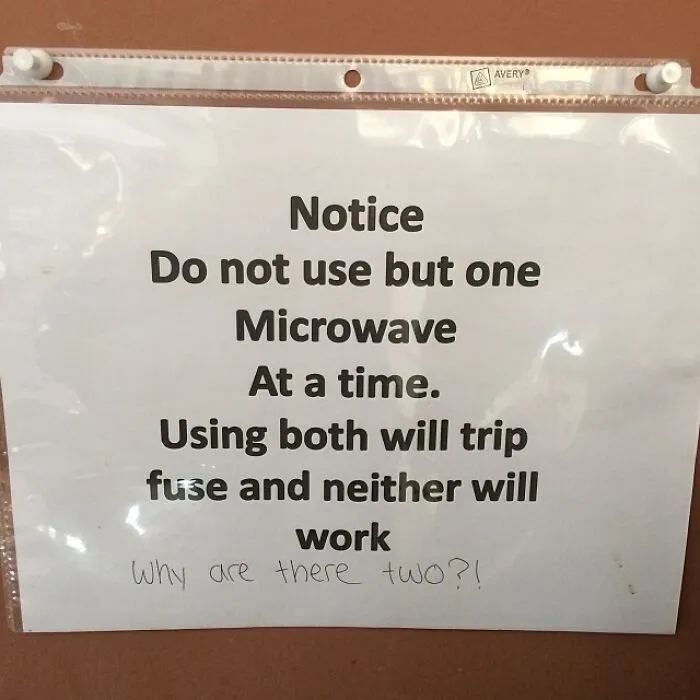
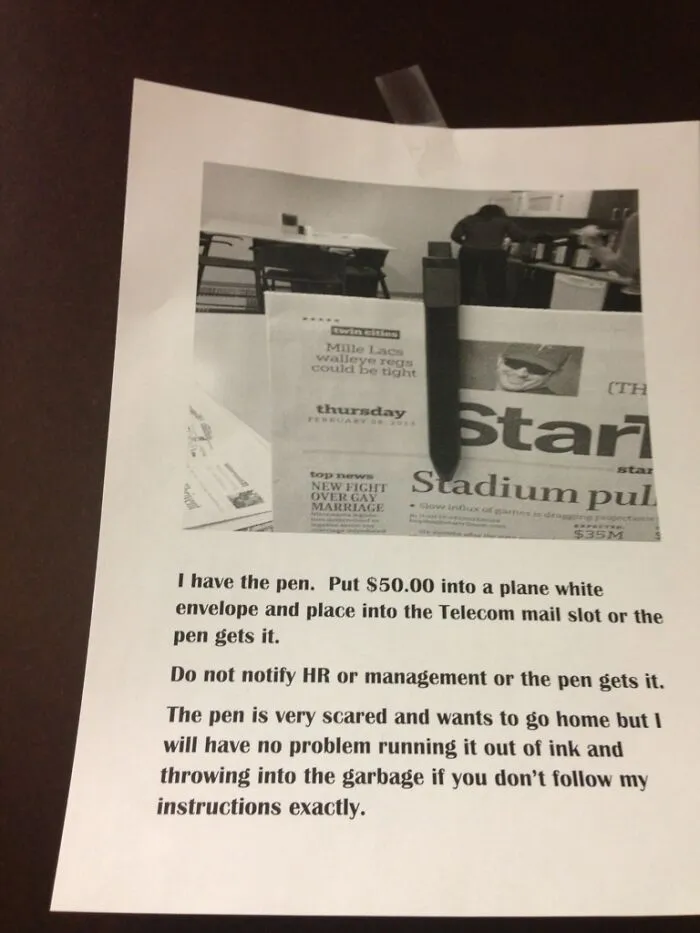
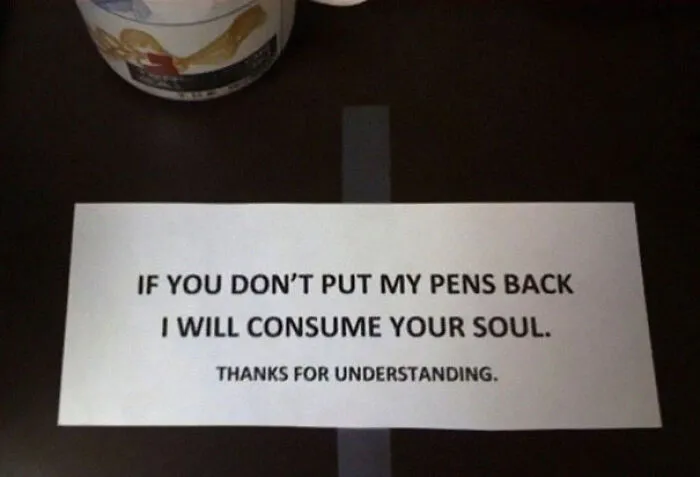
#9 An Email Went Out Around The Office About A Lost Pen. This Appeared In The Break Room The Next Day
The passive-aggressive note has a longer history than the office printer. Ships' logs from the 18th century contain passive-aggressive entries from officers addressing crew behavior in writing rather than confrontation.
Victorian households also saw written notices to servants that read, in tone if not content, remarkably similar to the ones currently taped to communal coffee machines. The format has always been the choice of people who are too angry to stay silent and too conflict-averse to say it to a face.

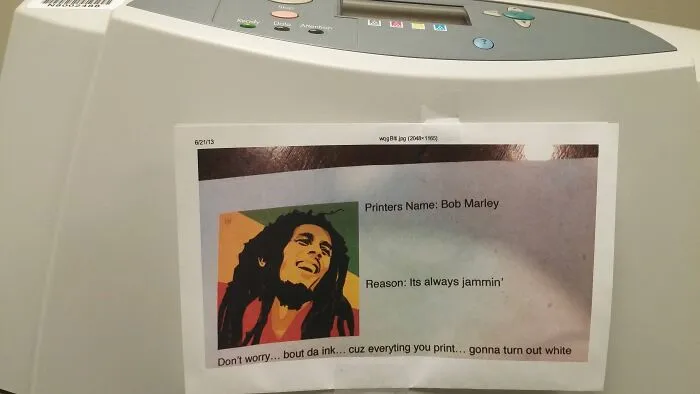
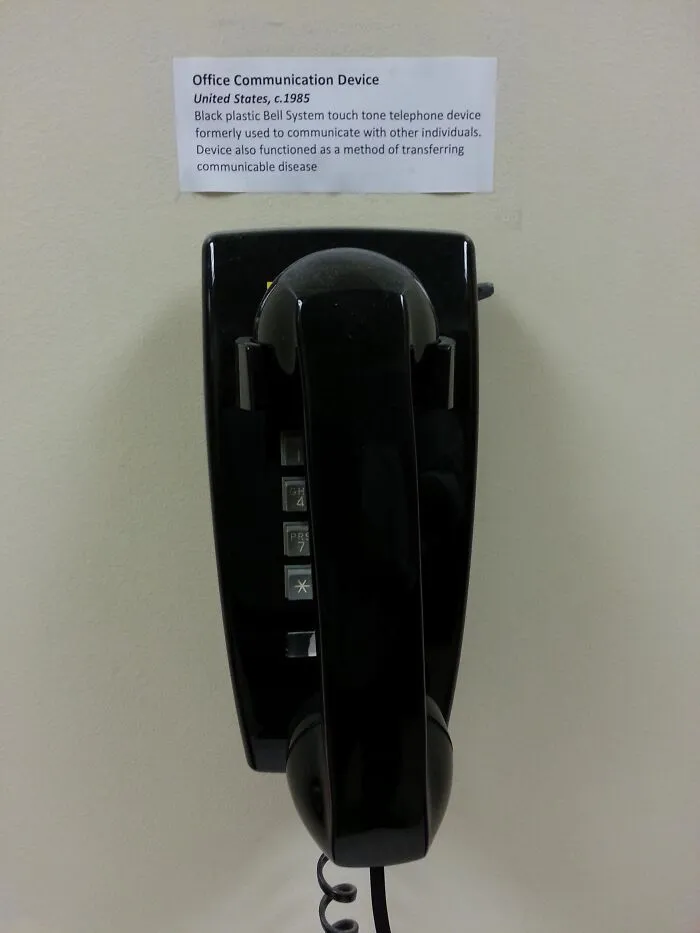
#11 My Office Refuses To Take Down This Non Operating Antiquated Piece Of Equipment , So I Did The Only Logical Thing
What makes the passive-aggressive note so maddening to receive is the plausible deniability baked into the format. Because nothing directly accusatory is stated, the recipient cannot object without revealing that they understood themselves to be the target, which is its own admission.
Researchers call this the double bind of indirect communication. That’s a fancy way of saying that responding confirms guilt; not responding confirms the behavior continues. The note wins either way, which is why people keep writing them despite never having actually resolved a workplace conflict in the history of shared office space.
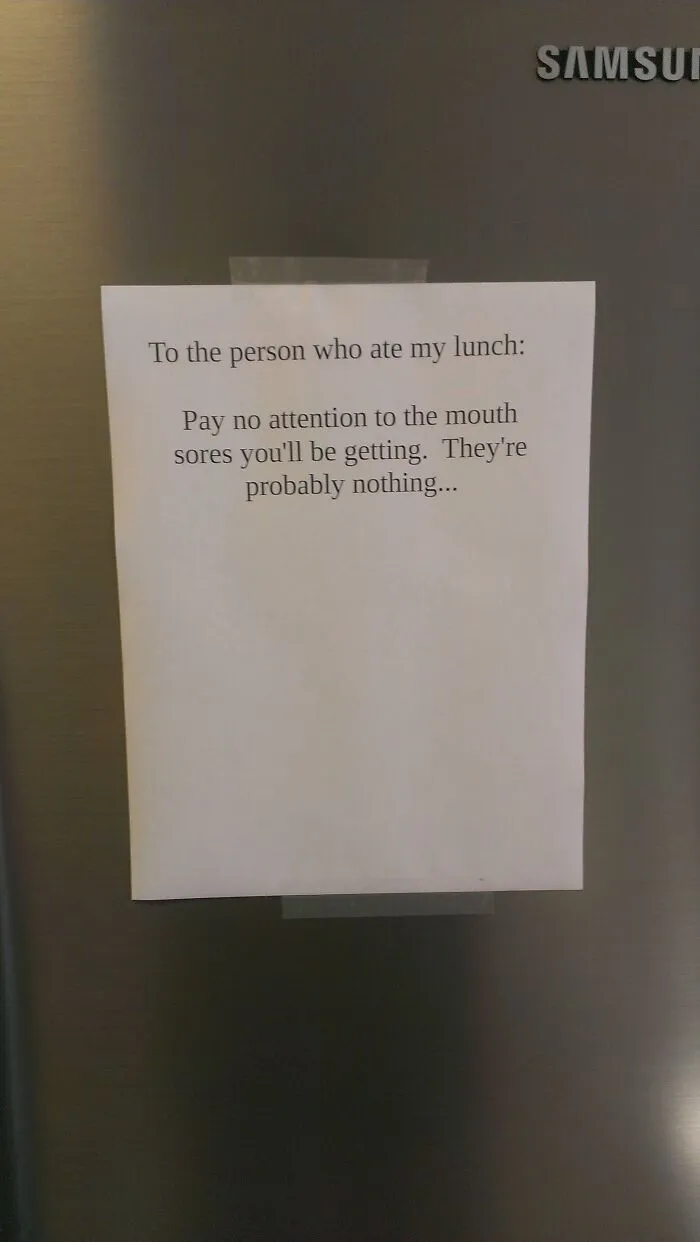
#13 Found This On The Fridge At Work... I'm Pretty Concerned For A Fellow Coworker
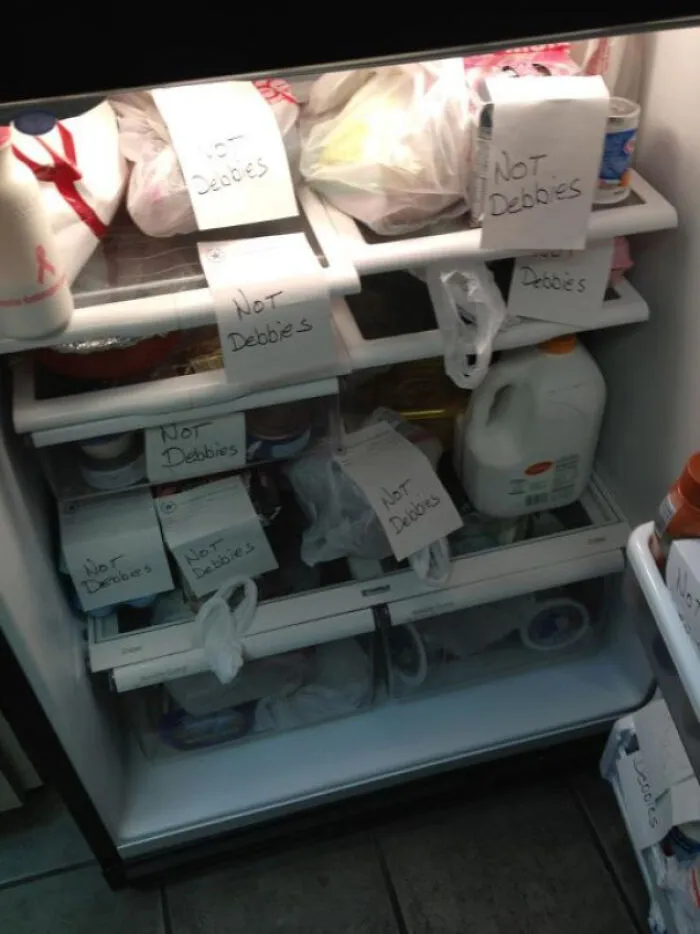
#14 Apparently Debbie Has A Bit Of Bad Reputation Around The Office Refrigerator
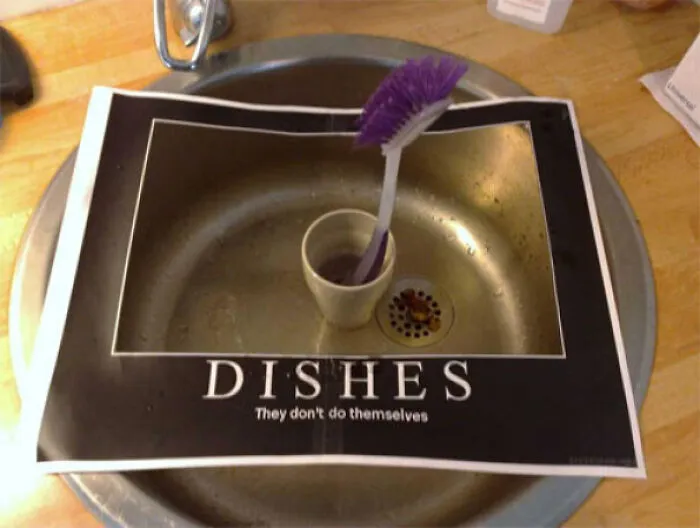
The escalation pattern in workplace note wars follows a remarkably consistent trajectory. The first note is measured and politely worded. The response note, if one appears, is slightly less measured. By the third exchange, the font size has increased, someone has used bold text, and the breakroom has developed a full audience of colleagues who are pretending not to be following the ordeal.
A survey by the Society for Human Resource Management found that 60% of employees reported witnessing workplace conflicts that went unresolved for weeks or months, during which time the tension found other outlets. The note is usually one of them.
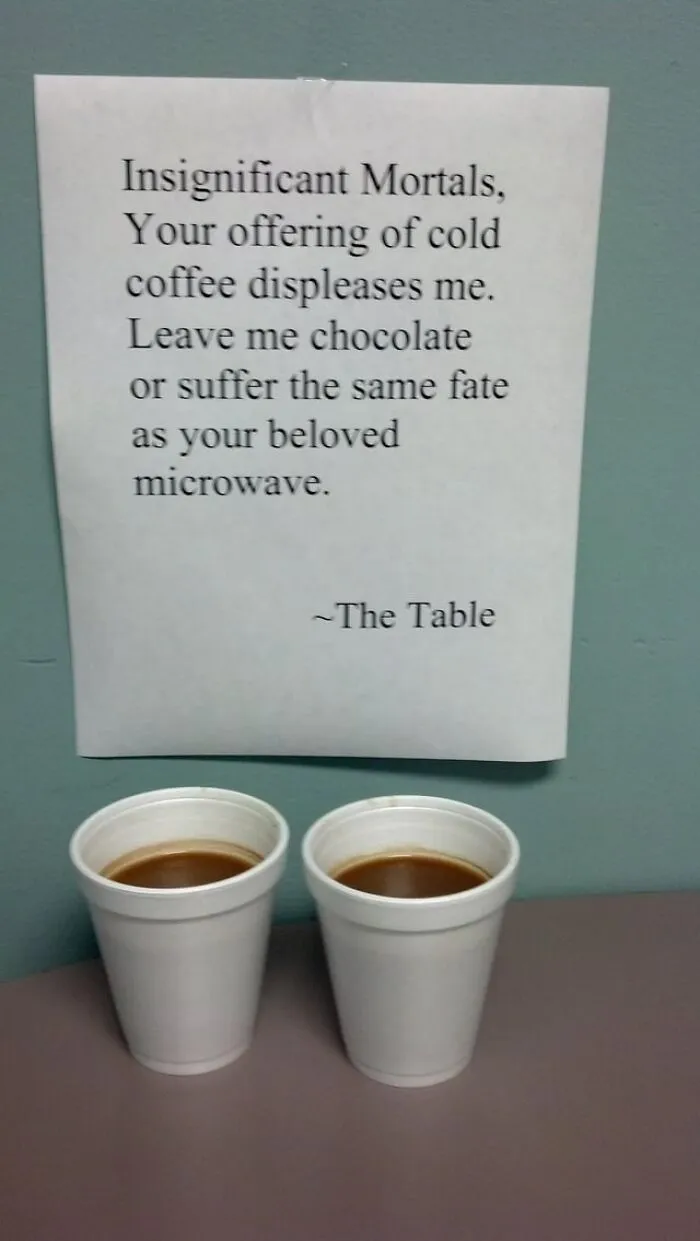
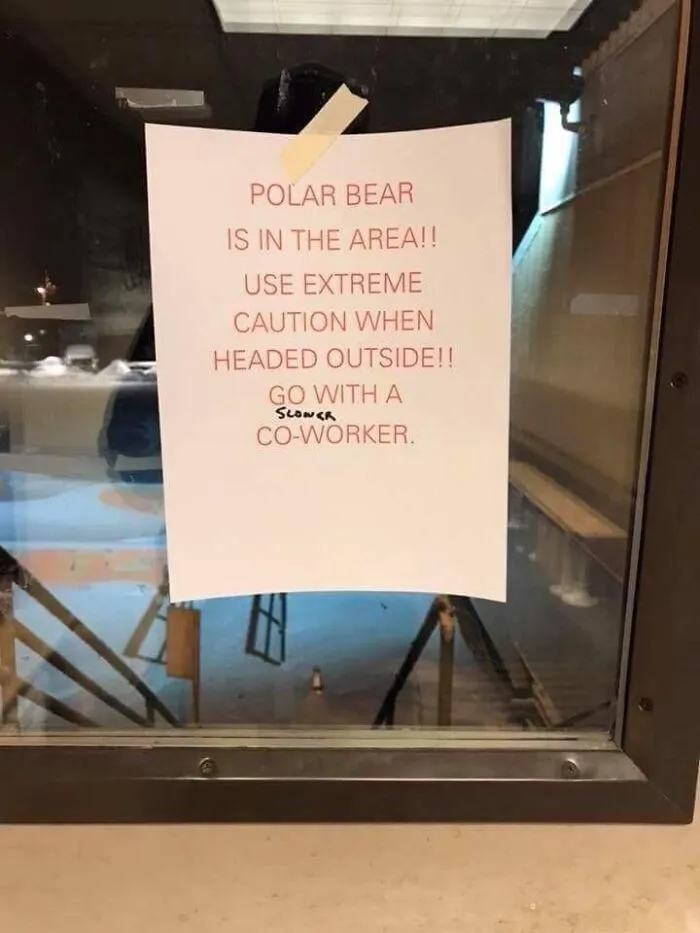
#18 Thanks For Understanding
The alternative to the passive-aggressive note is the direct conversation, which workplace psychologists unanimously recommend and which nobody wants to have. Research from Harvard Business School found that people consistently overestimate how badly a direct conversation will go, predicting more conflict and discomfort than actually occurs when the conversation takes place.
The fear of the confrontation is reliably worse than the confrontation itself, which means the note exists largely because of a threat that turns out not to be as significant as imagined. This information has had no measurable impact on the volume of passive-aggressive notes produced in office kitchens globally.
#19 Shaaame!