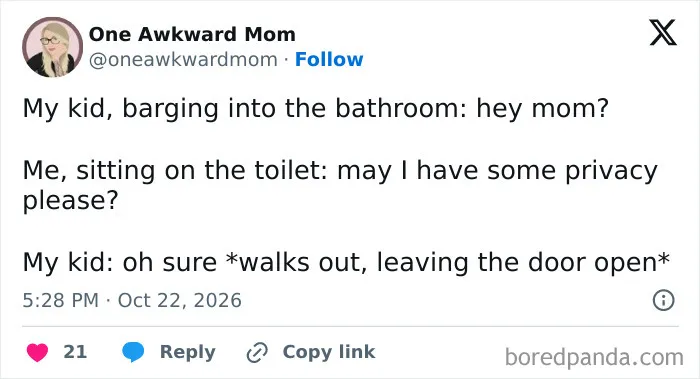


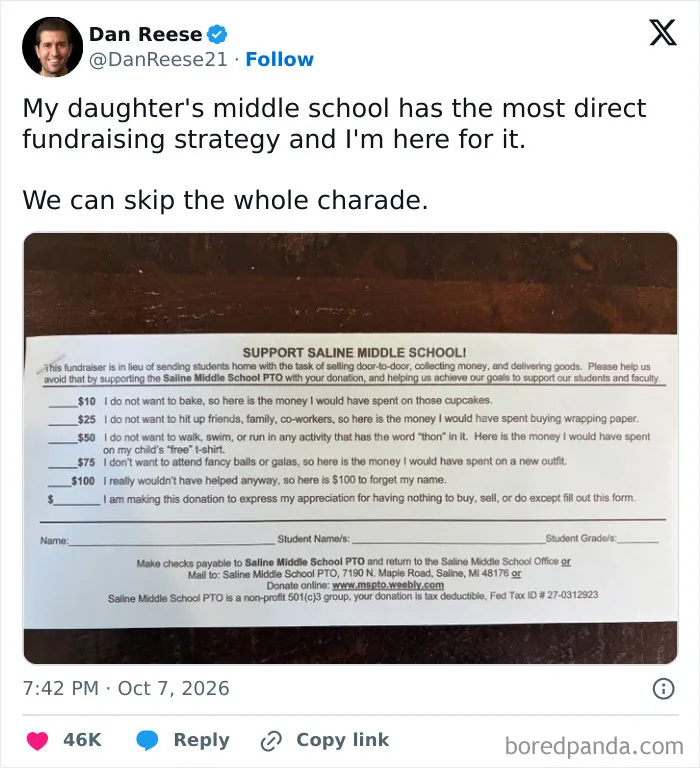
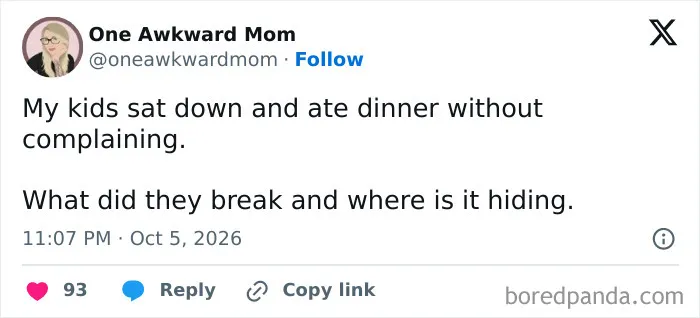

There’s a moment at the end of most days, once the kids are finally asleep and the house has gone quiet, when many parents take a long look around the living room and wonder how it all got this way. There are crayons on the dining table, mismatched socks on the kitchen counter, and a circle of stuffed animals that seems to have been abandoned mid-tea party.

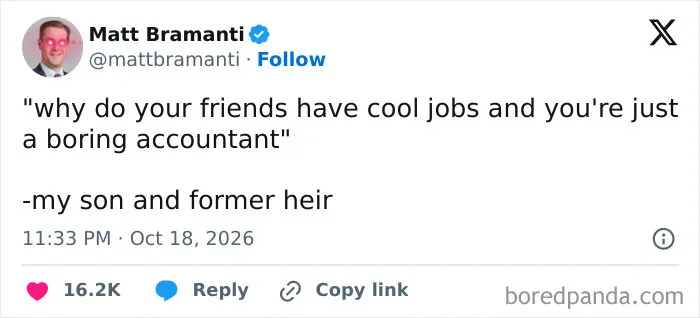

Finally able to finish a full thought without being asked for something, some parents find that this is also the moment when they start questioning whether they’re getting it all wrong. As Danielle M. D**k, Ph.D., a scientist who studies child development, writes for Psychology Today, many parents survey the aftermath and wonder what life hack they might be missing to keep the chaos under control, quietly asking themselves, “Why can’t I get it together?”

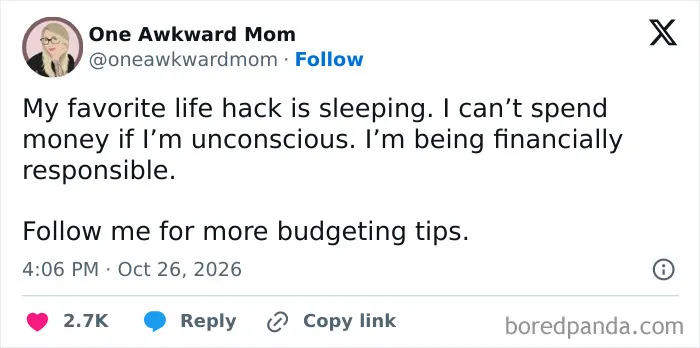

If that sounds familiar, you’re not alone. Even former U.S. Surgeon General Vivek Murthy, a father of two himself, admits in his 2024 advisory on parents’ mental health that he’s constantly wondering if he’s getting it right. And according to the advisory, he’s far from the only parent feeling the strain: 48% of parents say their stress is completely overwhelming on most days, compared to 26% of other adults, while 41% say they’re so stressed they can’t function, compared to 20% of other adults.

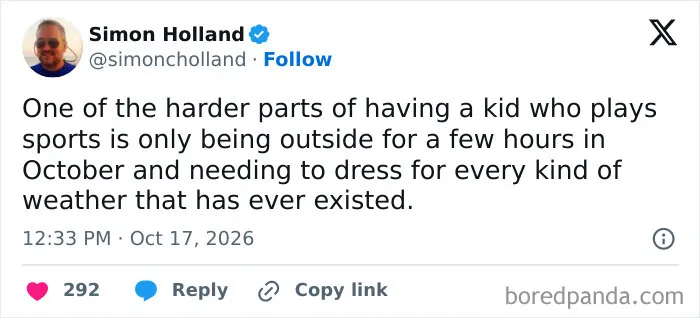

It’s not hard to see why. The report points to the mental labor that comes with parenting—balancing complicated schedules, anticipating a child’s ever-changing needs, and making countless decisions every single day—which can take a real toll on memory, focus, and well-being. Parents in 2022 were also spending more time on hands-on child care than they did in 1985 (up from 8.4 to 11.8 hours a week for moms and from 2.6 to 6.6 hours for dads), often at the expense of sleep and leisure time.
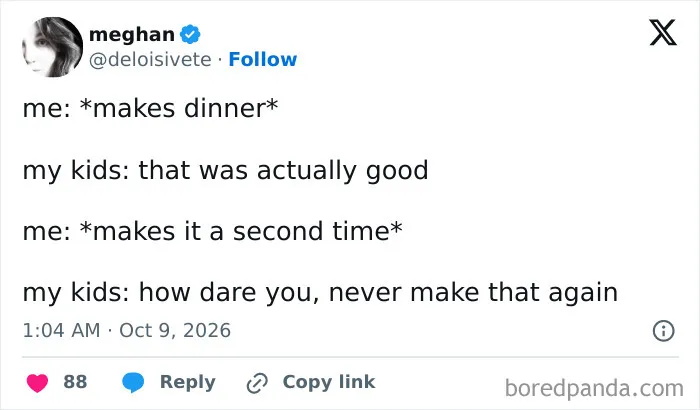
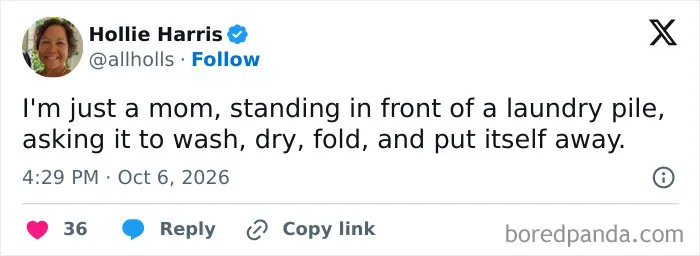
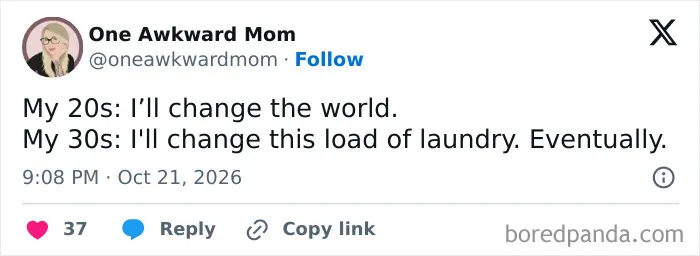
Then there’s the loneliness. In a 2021 survey cited in the report, around 65% of parents and 77% of single parents said they experienced loneliness, compared to 55% of non-parents. Murthy has explained this in an interview with NPR, pointing out that many parents have “lost their village,” even though “parenting is a team sport.” Combine that with a culture of comparison often fueled by online influencers, and it’s easy to see why so many parents end up feeling guilty, exhausted, and perpetually behind.

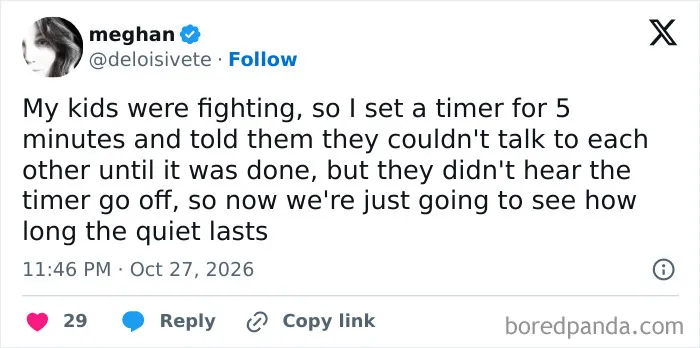

That’s why the advisory encourages parents to talk more openly about the stress and struggles that come with raising kids. These conversations can help ease feelings of shame and guilt and give parents a greater sense of support. Creating opportunities for them to come together and share their experiences can also help combat loneliness. “Simply put, caregivers need care, too,” it states. And in its own way, that’s exactly what happens when parents share the funny, messy reality of life with kids online, reminding others that they’re not the only ones in the thick of it.