






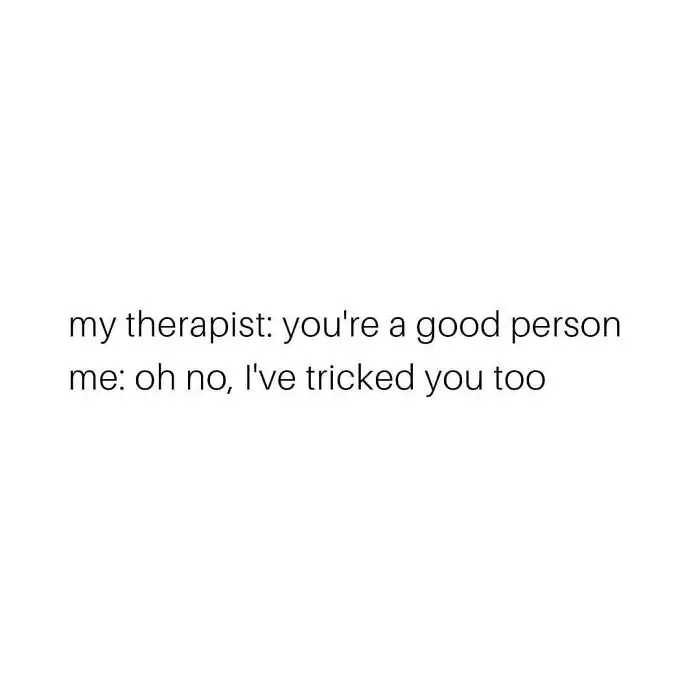
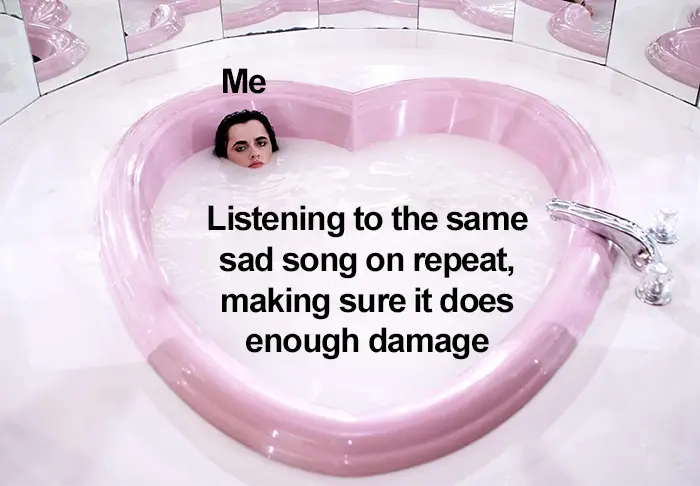
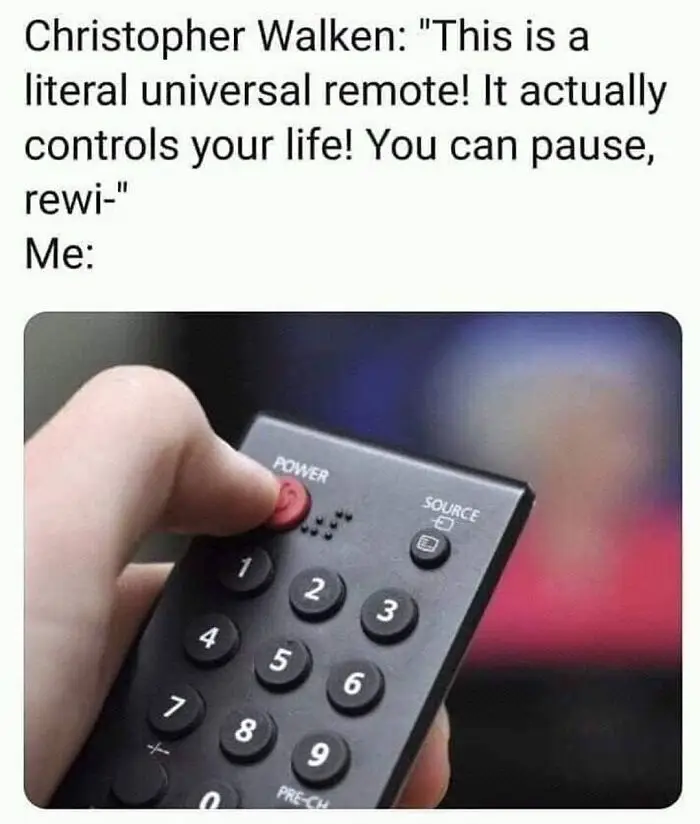
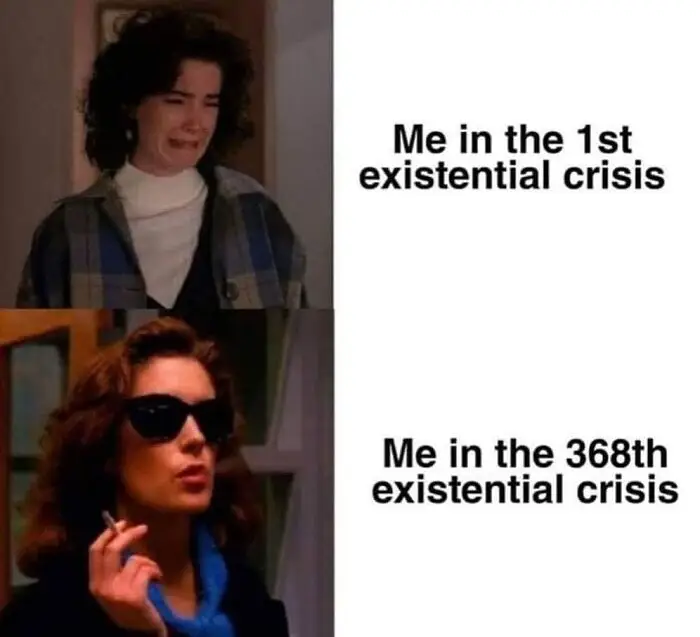
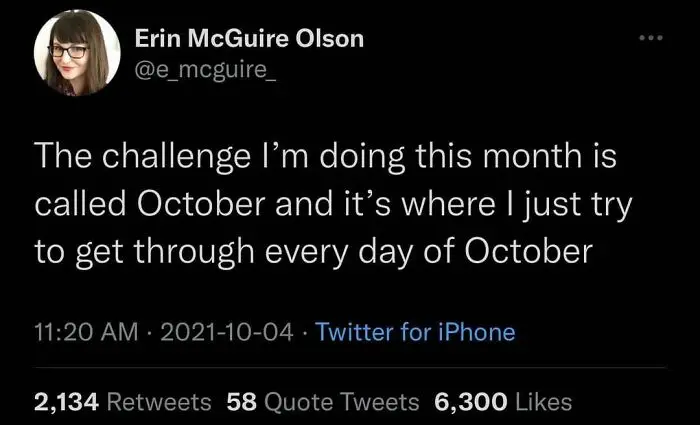
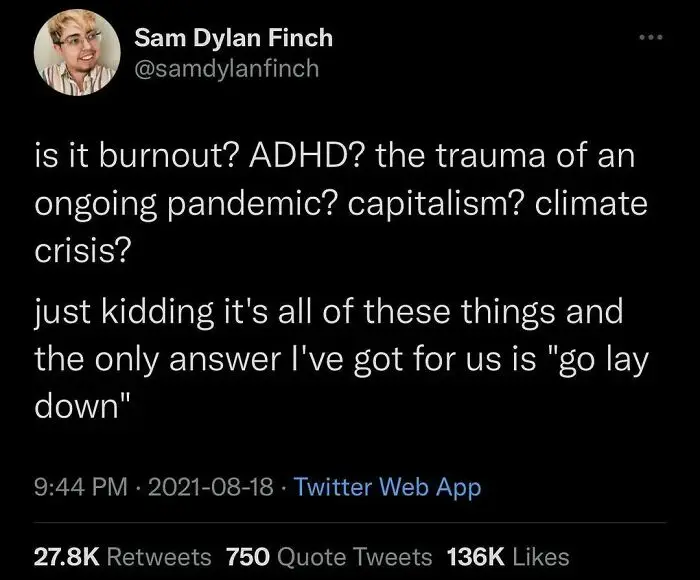
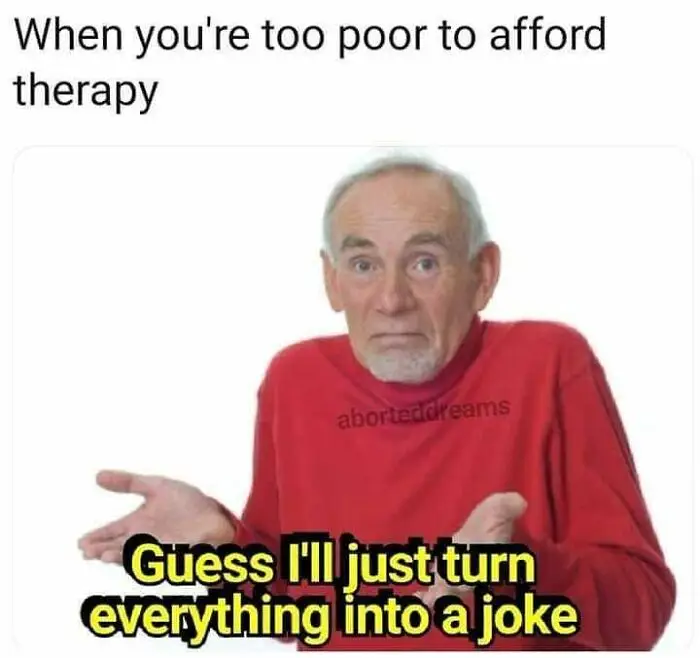
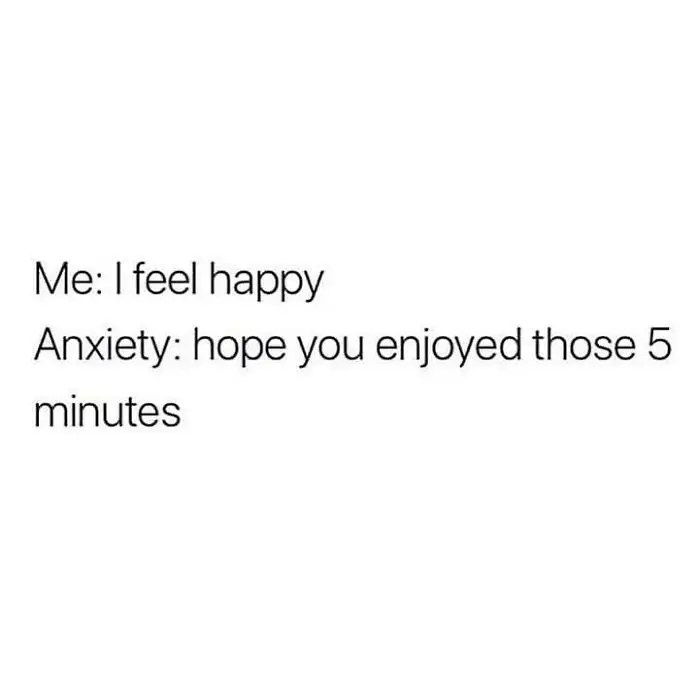
When it comes to memes, nothing is off the table, even mental health. Licensed Clinical Psychologist and Professor Lynn Zubernis, Ph.D., writes that memes can actually help us cope. The humor and communication that they can provide help us deal with anxiety and stress. And when we relate to them, it validates our sadness and our struggles.
Full of such memes is the page "Just Nihilist Things." Its creator simply shares content they find funny. Why? "Well, I don't know either since none of this really matters," the page's bio reads in a very fitting manner. If few things in the world make sense anymore, perhaps this collection of memes will?
Bored Panda reached out to Dr. Benjamin Burroughs, associate professor of Emerging Media at the University of Nevada, Las Vegas (UNLV), and he kindly agreed to share his expertise with us. His research focuses on social media and digital journalism, so we asked him how memes about mental health fit into the larger context of Internet culture. We also asked Dr. Janina Scarlet of Superhero Therapy to weigh in on the effect of mental health memes. Read the insights from both experts below!
This post may include affiliate links.
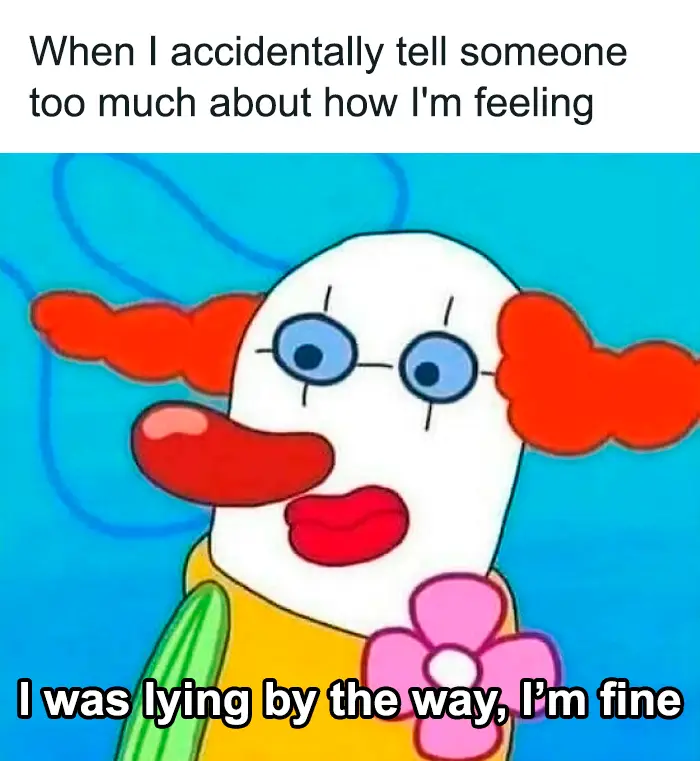

The phenomenon of humorous content transcending beyond the simple act of making people laugh is not exclusive to platforms like 'Just Nihilist Things.' This trend was already visible in cultural staples such as SpongeBob SquarePants. The series itself has given rise to numerous memes that carry deeper meanings and emotional resonance.
For an intriguing exploration into the humor and heartfelt connections created by SpongeBob content, you might want to dive into these memes showcasing iconic moments.
