

This post may include affiliate links.
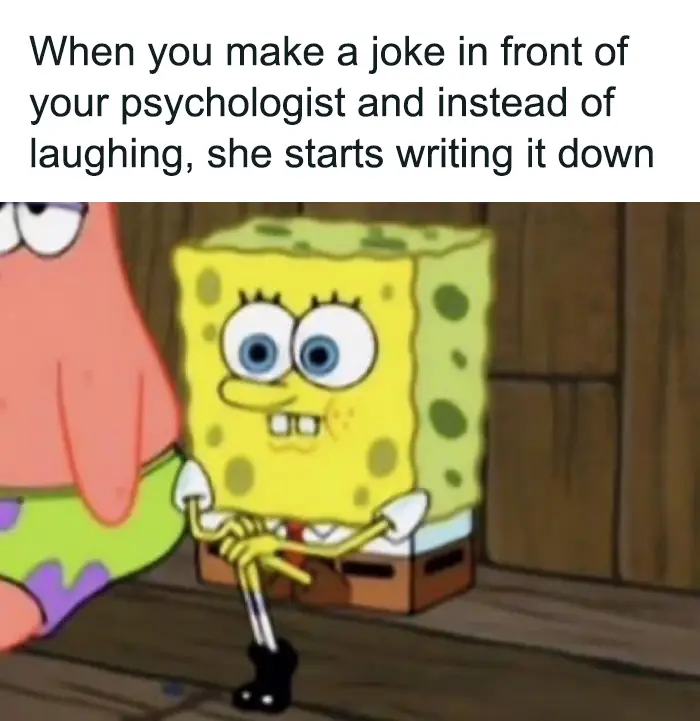
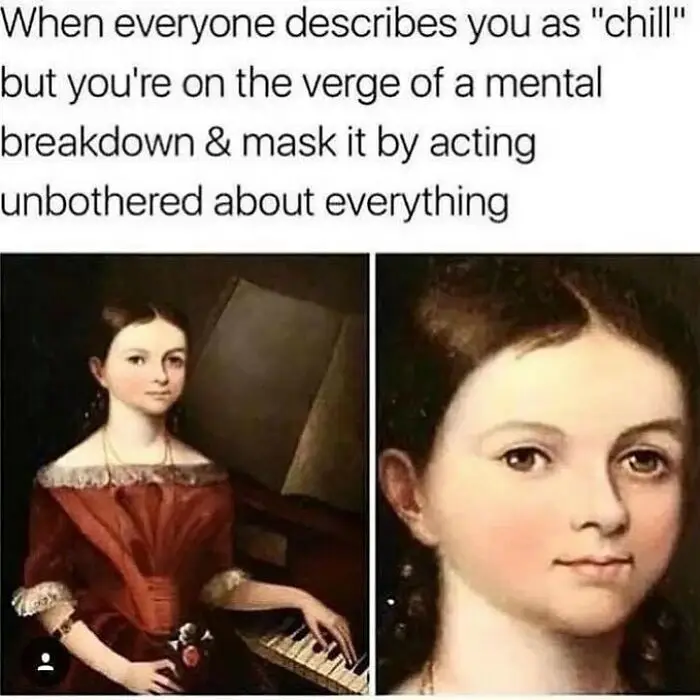
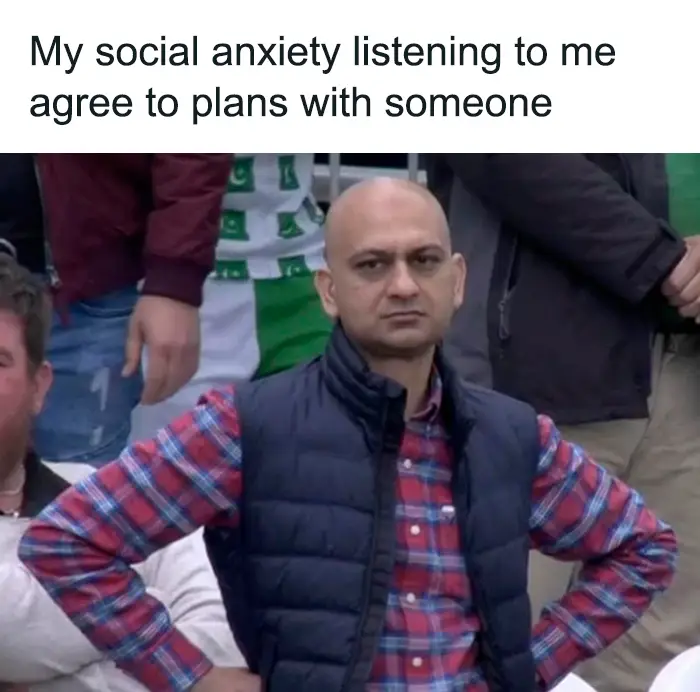
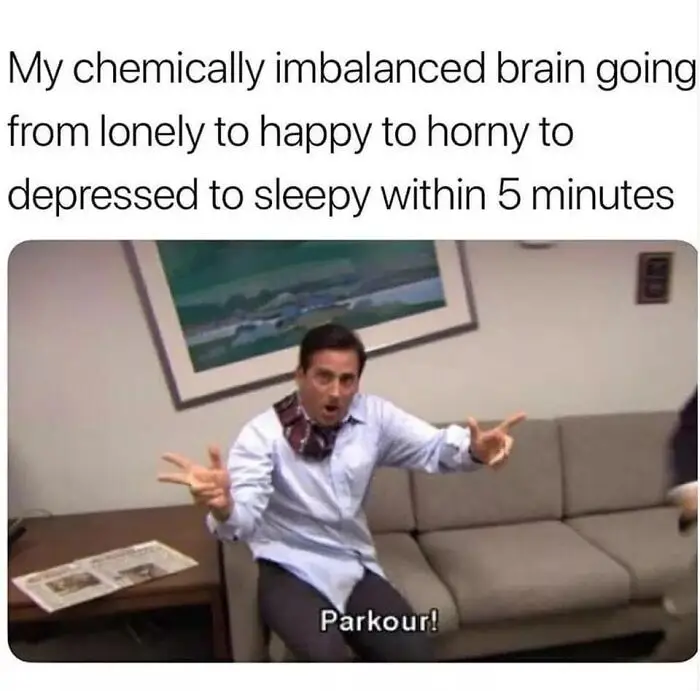
Researchers have already proved that browsing the Internet for memes can help with anxiety. In a 2021 study, people said that viewing and sharing COVID-19-related memes helped them deal with severe anxiety. The researchers concluded that memes, thus, can be a great coping mechanism for those struggling with anxiety-related symptoms.

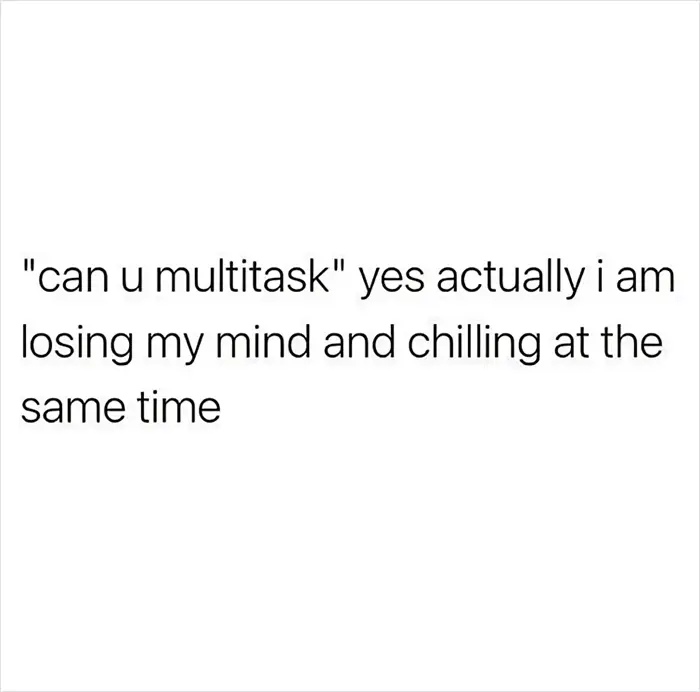

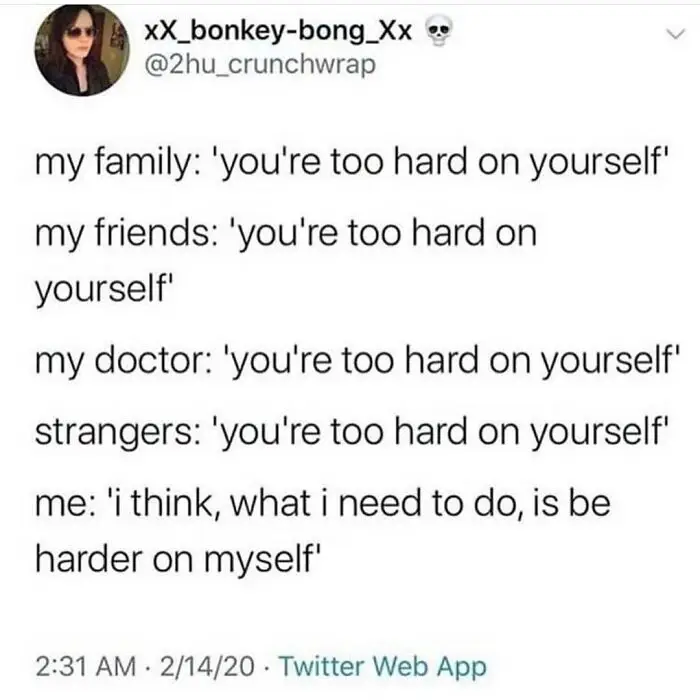
Another study in 2022 concluded that memes can help individuals with psychiatric symptoms. "While mental health memes typically depict dark and negative humour, their proximal nature to those experiencing psychiatric symptoms may be considered contextually positive," the researchers wrote. "Most psychiatrically vulnerable individuals report positive experiences when engaging with such memes."
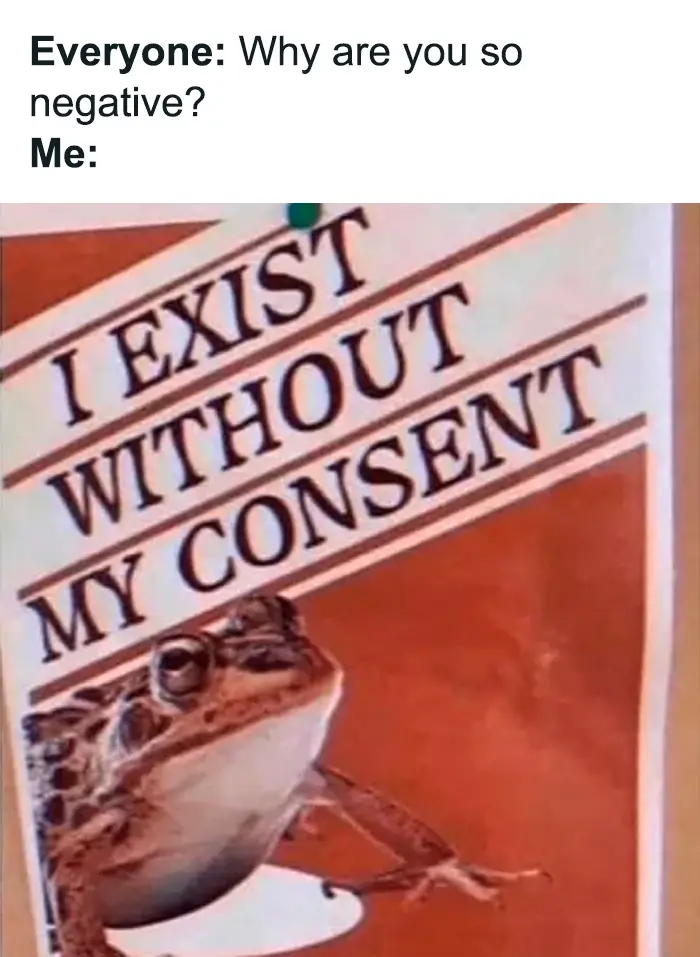
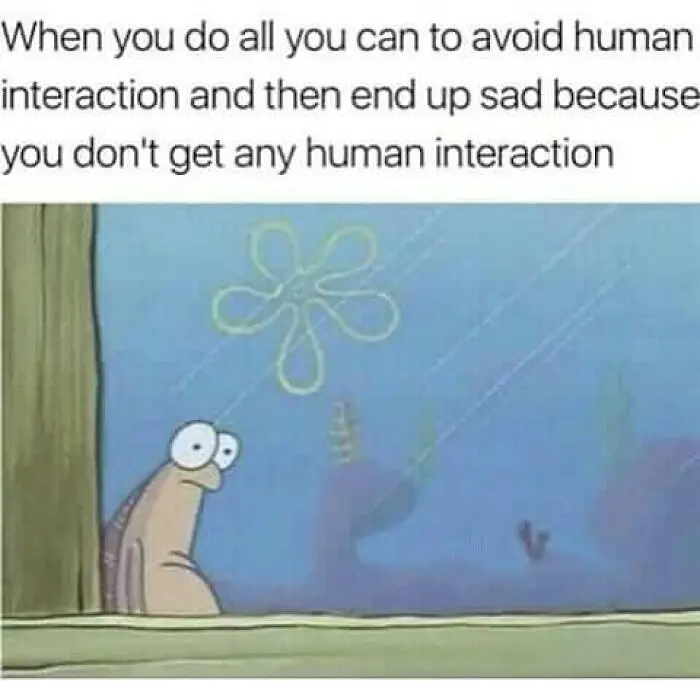
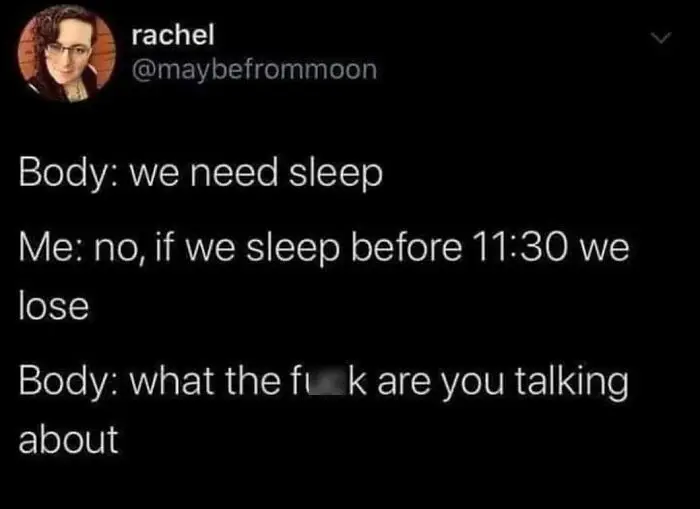
'Depression memes' and 'sad posting' can also be an antidote to the perfection we see online. Donna Freitas, the author of The Happiness Effect, interviewed more than 800 college students and found that the majority feel pressured to post happy things online.
Because we see our friends and peers only post positive things about their lives, this creates a false image in our heads that everyone else's life is perfect except for ours. But memes about mental health struggles subvert the happiness effect.
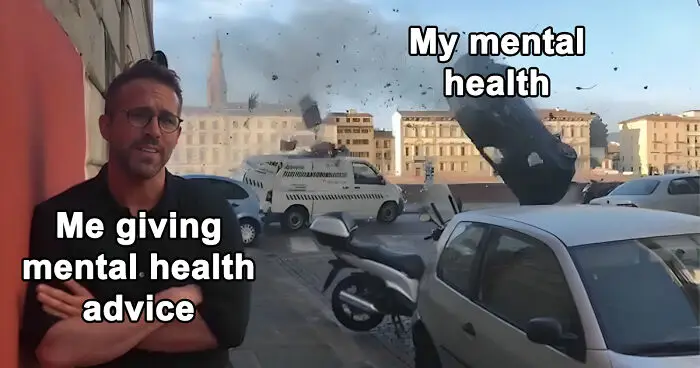
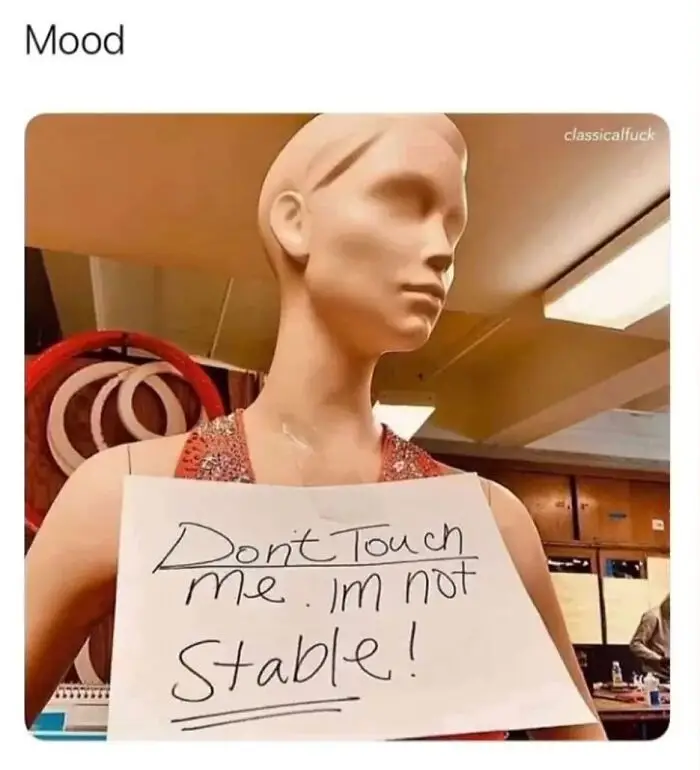
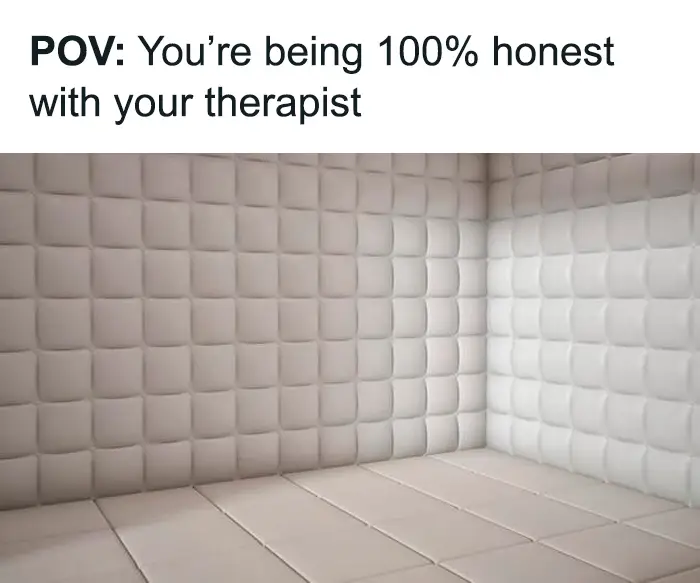
People perceive mental health memes as authentic, as representations of who they are and how they feel. As PhD researcher at Tilburg University Lucie Chateau writes, "The meaning to be reconstructed in a depression meme consists in peeling back the layer that demands from us to act as the best, happiest, version of ourselves online. Simply put, it unmasks the actual authentic self behind the curated one."