



Not every country scrolls at the same pace, of course. A small interview study of six graduate students from China, Korea and Japan, archived by Kyoto University, suggested that memes play a much bigger role in China and Korea than in Japan. The researchers pointed to cultural factors such as attitudes toward copyright and how much interpersonal distance people like to keep.
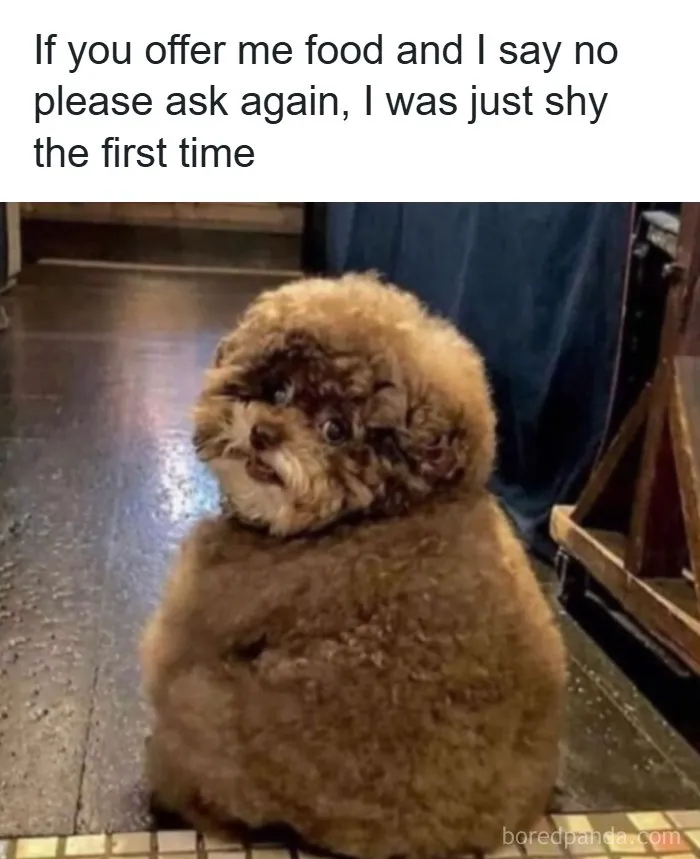


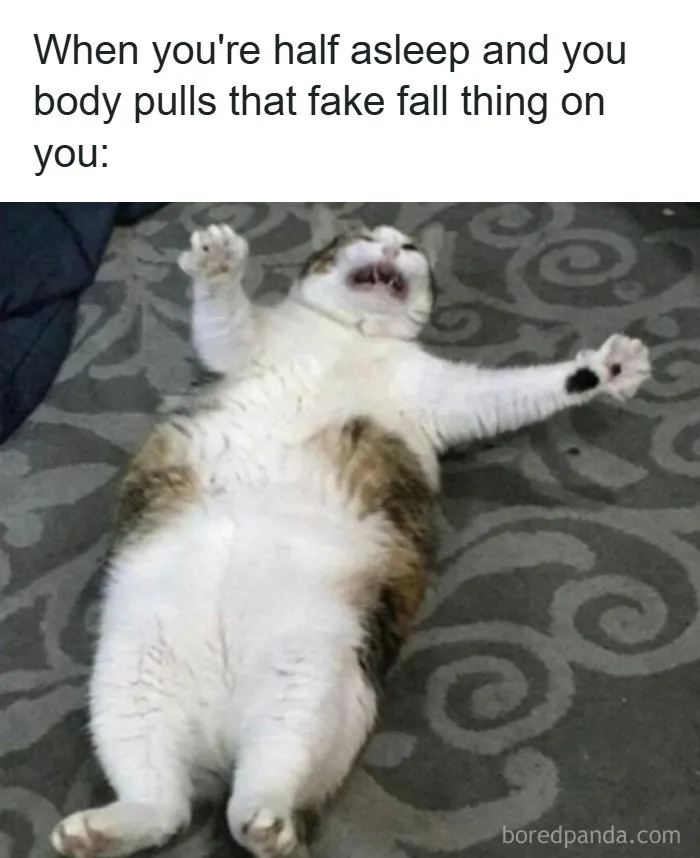
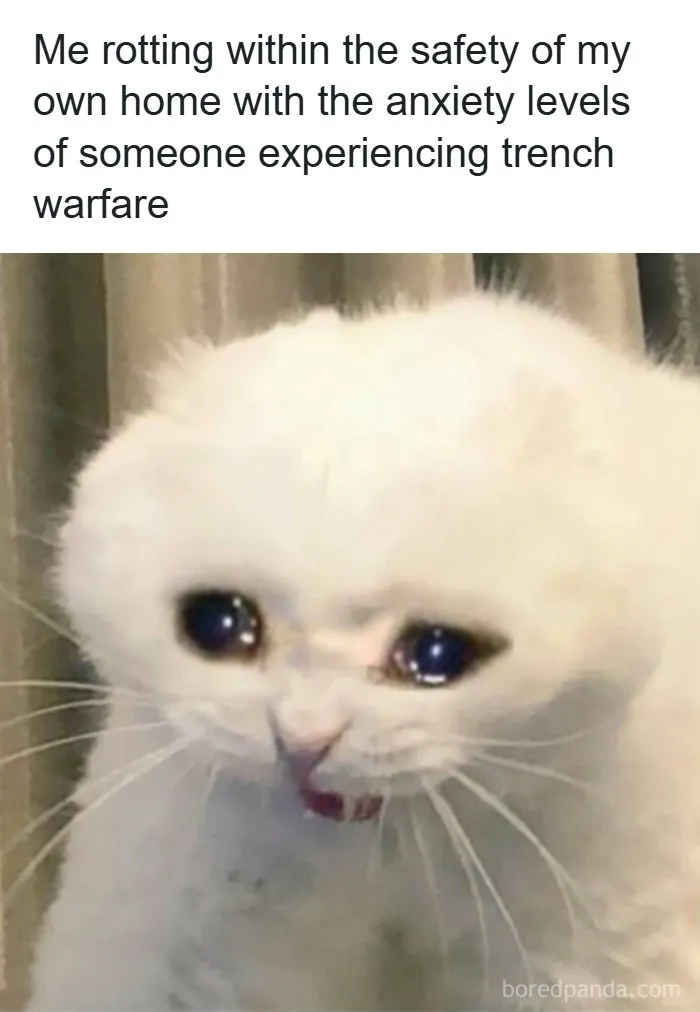
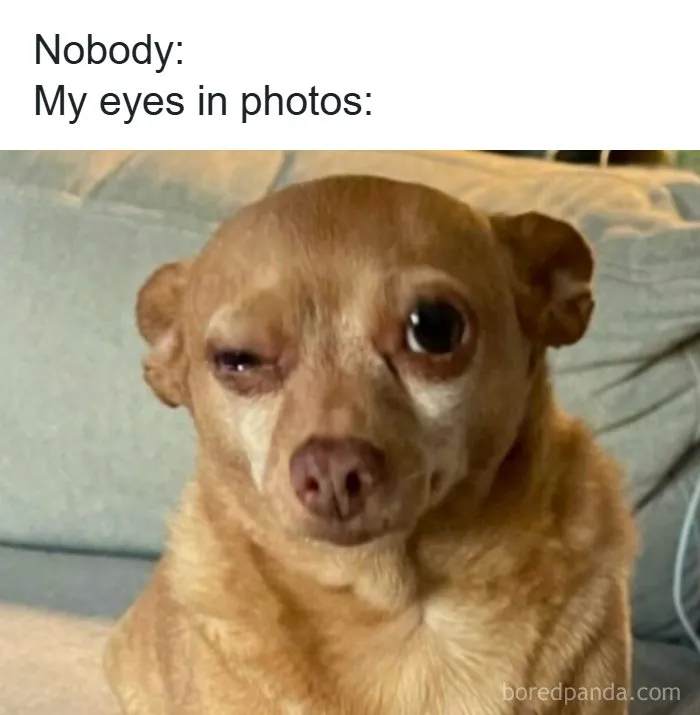
It is a tiny sample, so treat it as a conversation starter rather than a final verdict, but it hints that even a joke has to clear local customs before it takes off. Then the pandemic hit, and people everywhere suddenly needed a laugh. A paper in the European Journal of Humour Research analyzed 300 Covid memes in Czech, Chinese and Spanish, building on the idea that humor helps people ease fear and uncertainty and feel connected to each other.
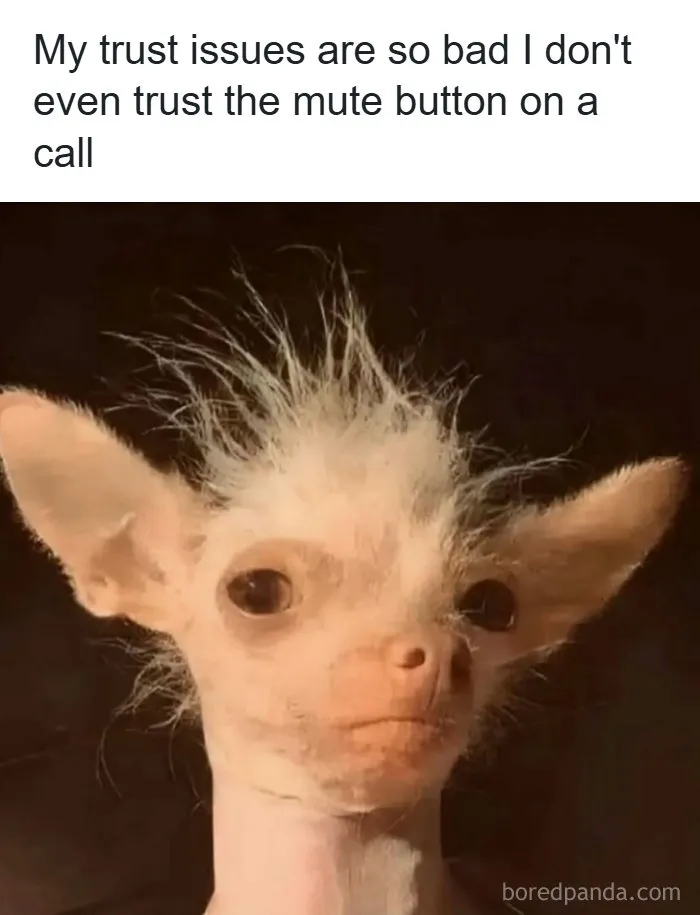


Picture a teenager in Madrid and a grandparent in Prague forwarding the same style of joke and you get the idea. Languages and punchlines differed, but the job description stayed the same: help everyone get through the week. So whether you are a daily sender in São Paulo, a thirty minute scroller in Mumbai or a quiet lurker somewhere in between, you belong to the biggest comedy club ever assembled. There is no cover charge, the jokes arrive by the minute, and the seating is whichever sofa you happen to be on. With that in mind, let's see what the internet has been laughing at.