



Let's start with a number to chew on. When GlobalWebIndex polled internet users in the US and UK in March 2020, about a third of them had looked at a meme on the very day they were asked. That landed memes in sixth place out of twenty online activities, behind things like music and funny videos but ahead of the other fourteen.
Not bad for a picture with a caption on it. eMarketer also noted that part of the surge simply came from people spending more time on social media during the pandemic, which sounds about right to anyone who remembers their 2020 screen time.
Younger crowds take things even further. YPulse found that three quarters of people aged 13 to 36 share memes. Zoom in on 13 to 35 year olds and 55 percent send one every week, while 30 percent send one every single day. The top reason won't shock anyone. Most people hit send to make someone laugh, and around half use a meme as a quick reaction when typing a full reply feels like too much work.
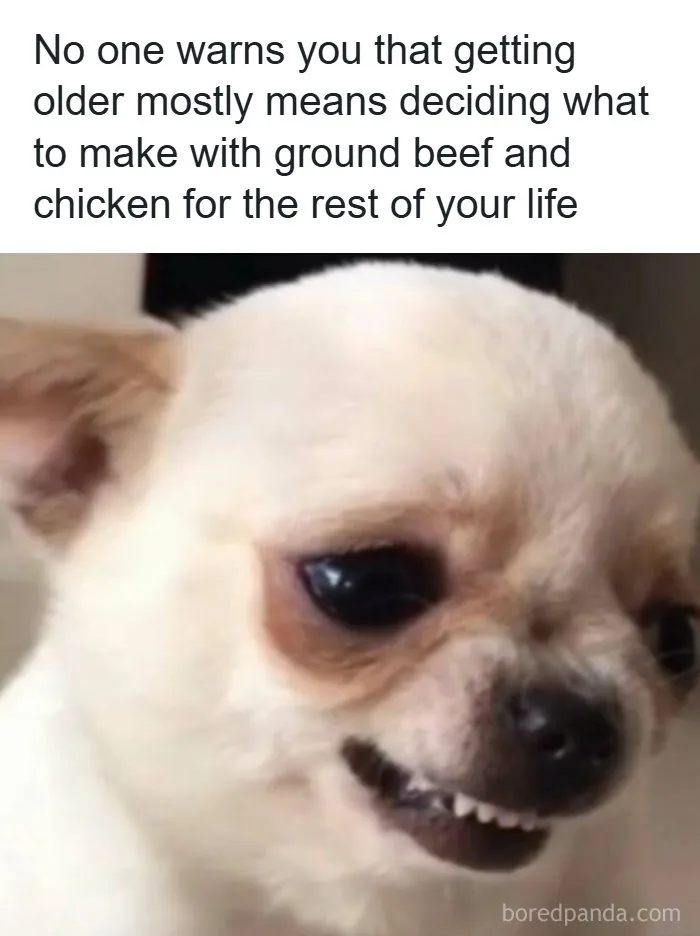
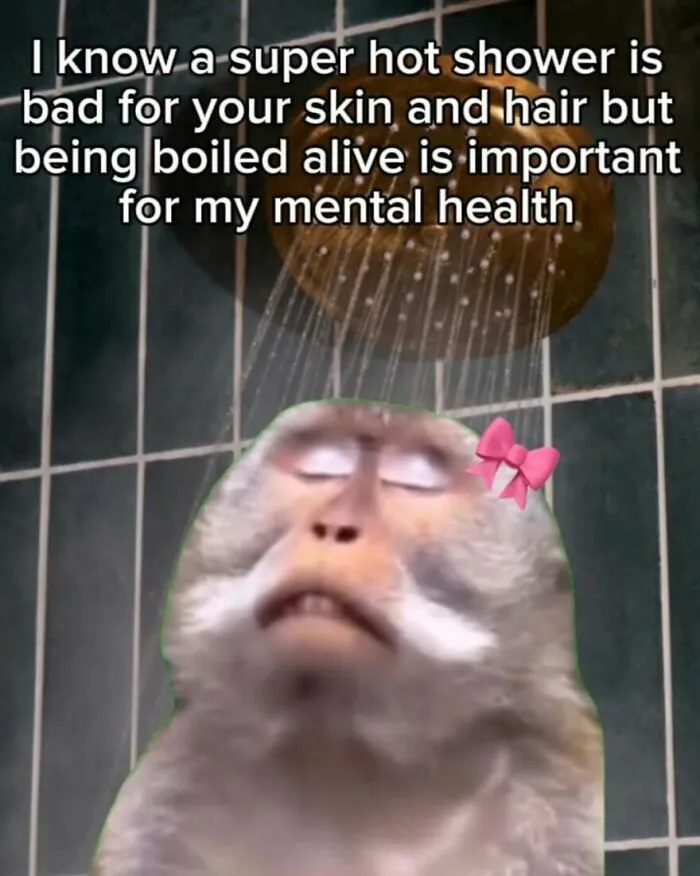

As for where all this sharing happens, 31 percent share in both social feeds and chat apps, which tells you memes are comfortable in public and in the group chat alike. That daily habit also helps explain why meme formats come and go at warp speed. If you are sending something every day, you are always hunting for something new.
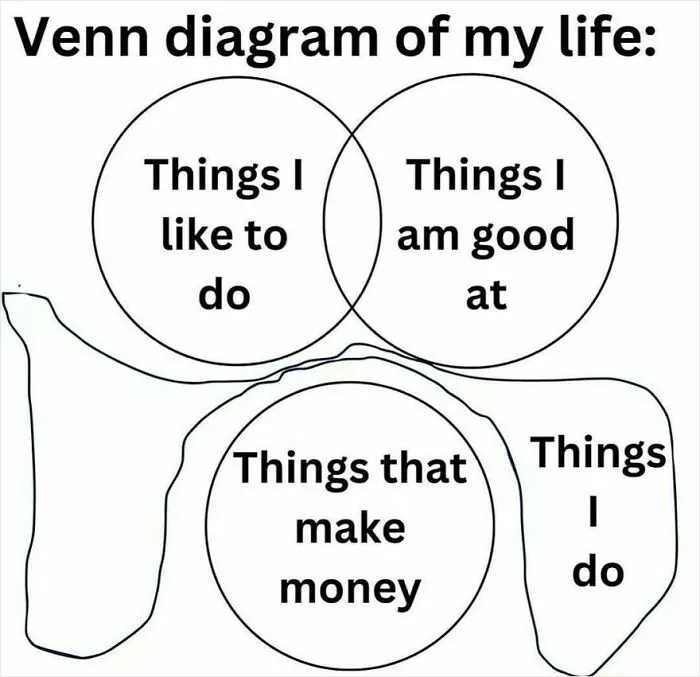

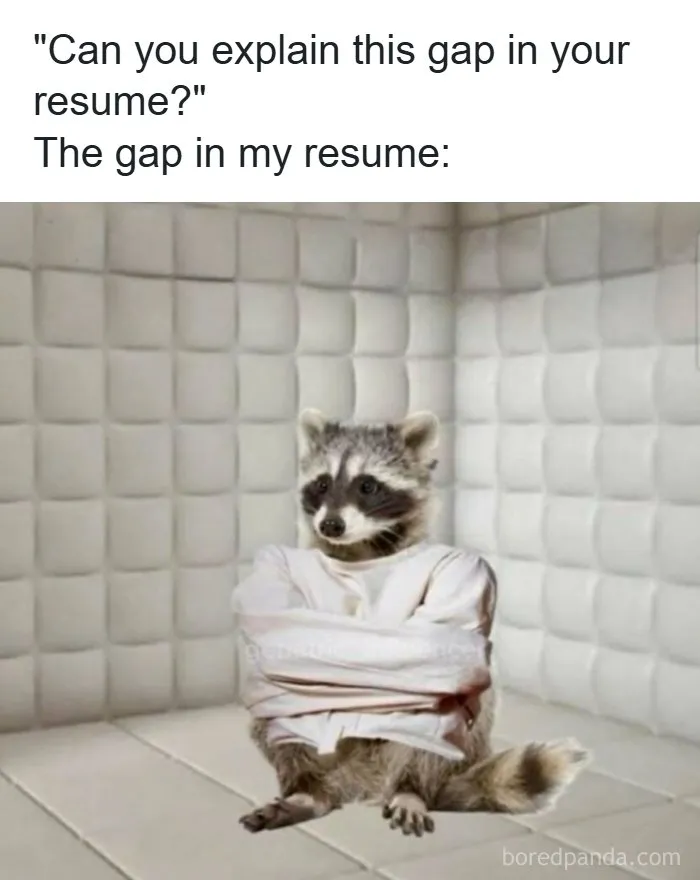
Even movie night has competition. When YPulse asked Gen Z and millennials which pop culture moments their generation cares about, memes and viral videos landed at the top of the list, ahead of new movie releases, big sporting events and celebrity scandals. The most popular memes even escape the screen entirely and turn up on shirts, socks, bags and phone covers.
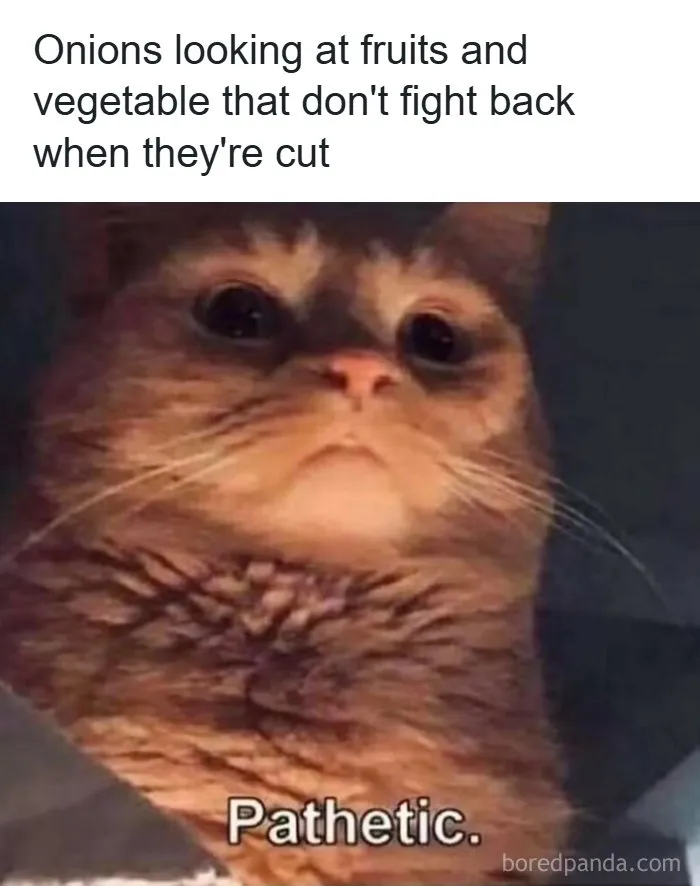
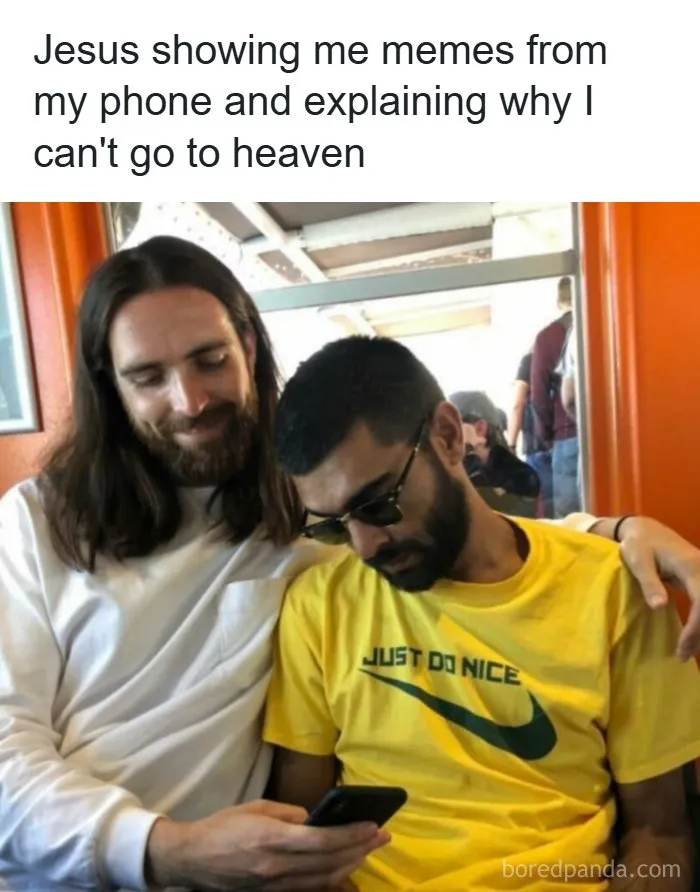

Now let's hop across the globe. In India, a Redseer report found that smartphone users spend about 30 minutes a day on memes, and roughly 80 percent said they had increased their meme consumption over the last year. Most users described memes as a handy way to release stress, and 90 percent said they would be open to creating memes themselves. Social media was the main way people found them, with word of mouth from friends and family coming second, so the classic "wait, you have to see this" still carries real weight. The report adds that meme creation apps are crowding the market to keep up with demand.
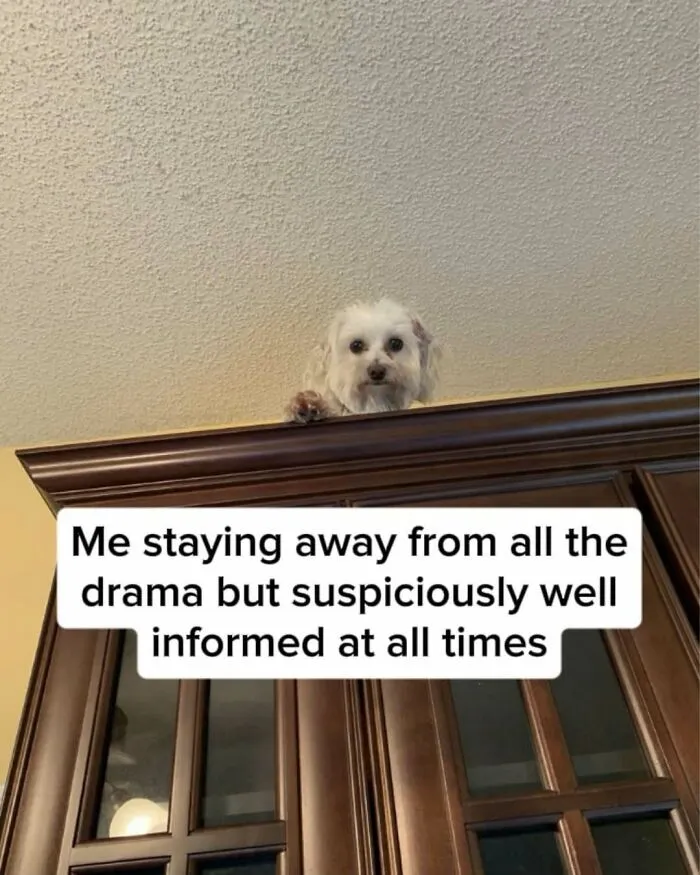
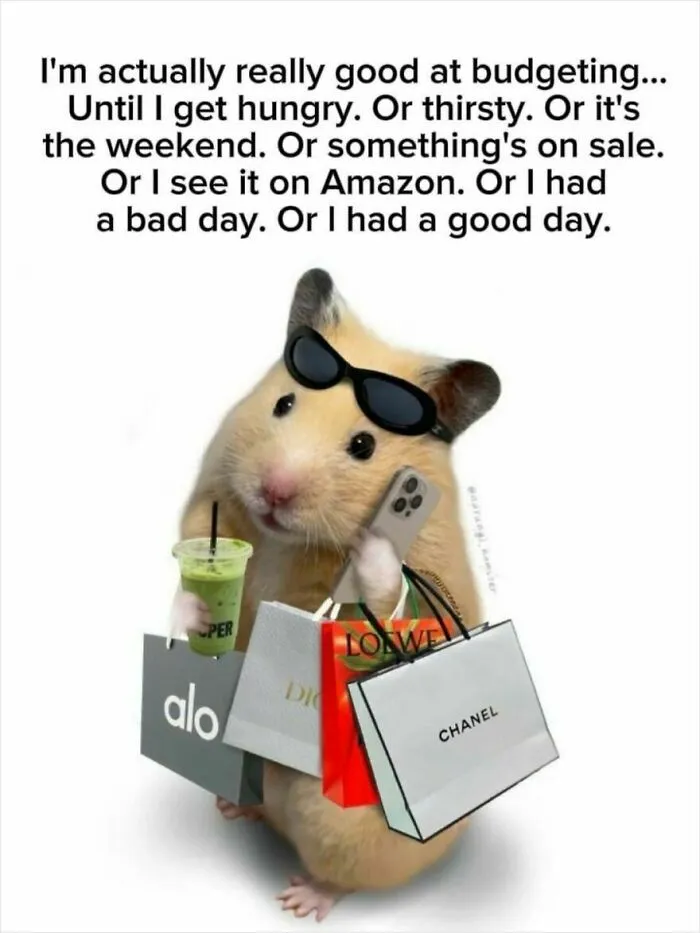
Brazil, meanwhile, may take memes more seriously than anyone. Global Voices reports that the country launched a Meme World War against Portugal in 2016 after a Portuguese Twitter user borrowed a beloved Brazilian meme. The same piece points out that Brazilians were remixing popular rhymes and soap opera catchphrases long before the internet arrived, so memes were basically a national hobby waiting for a connection.