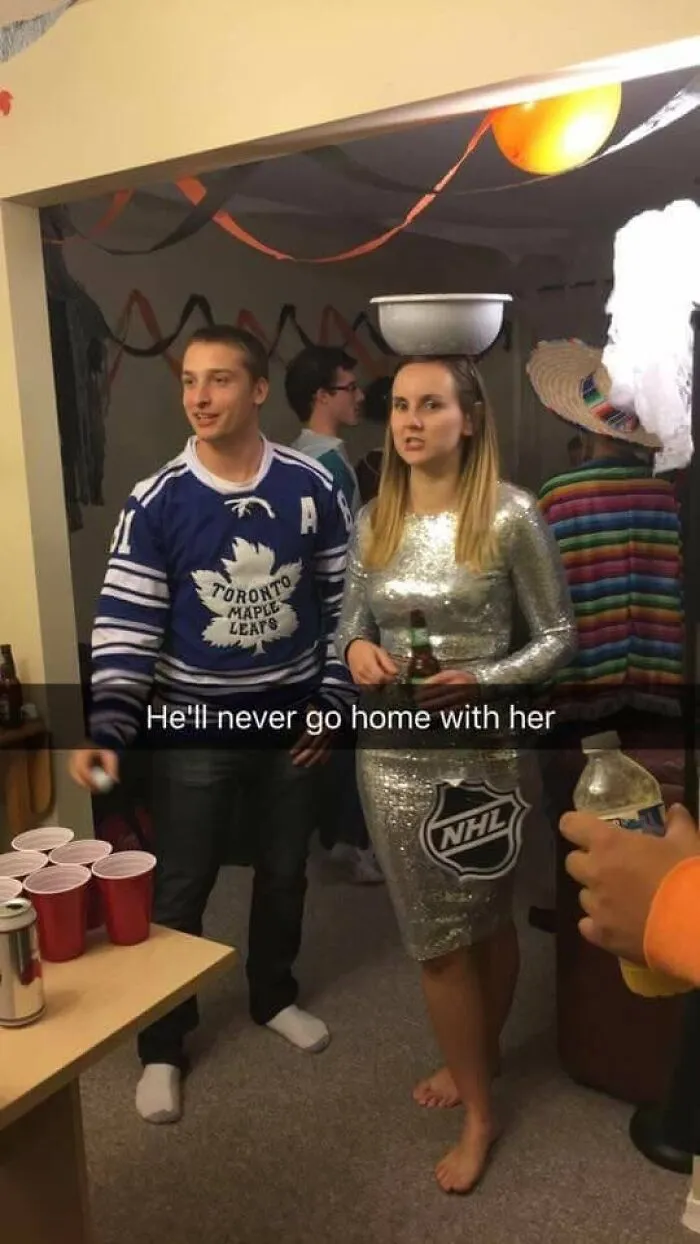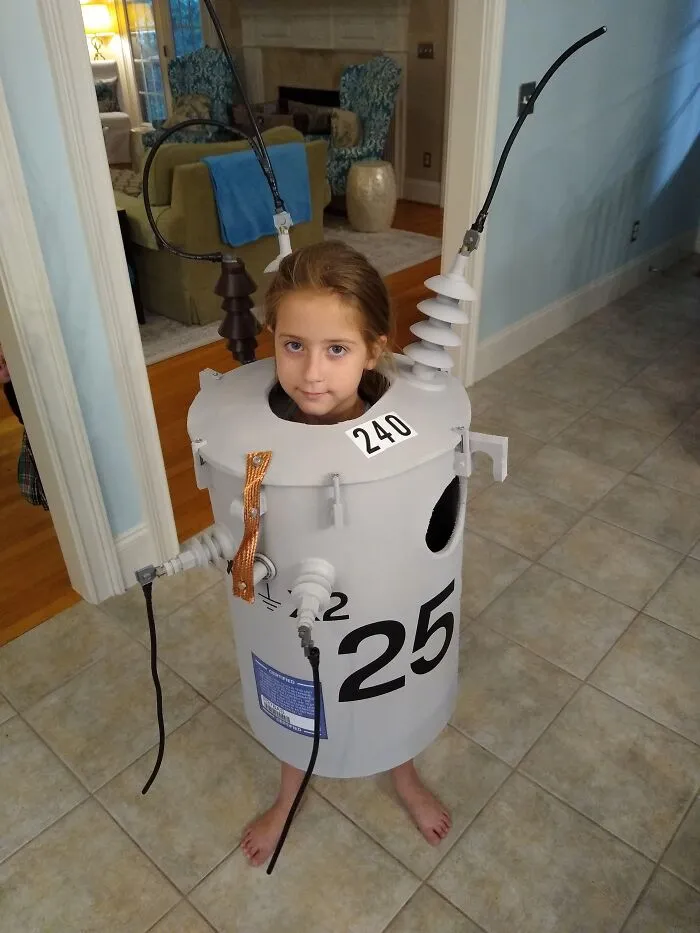


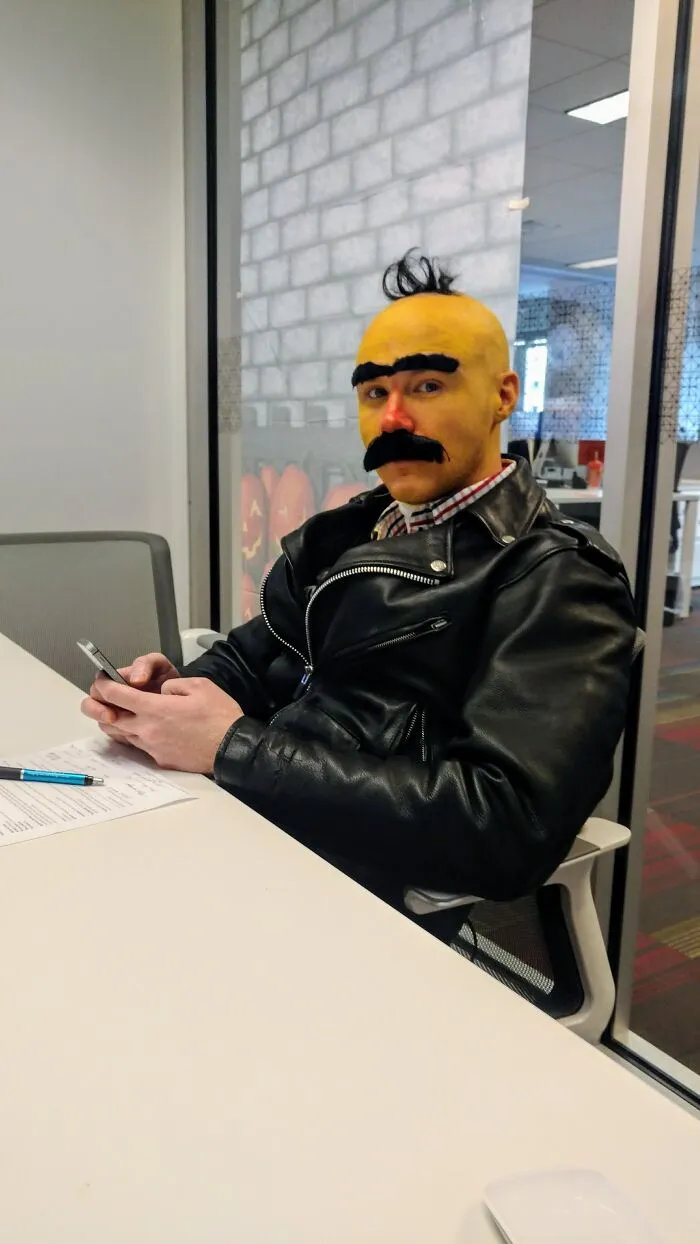
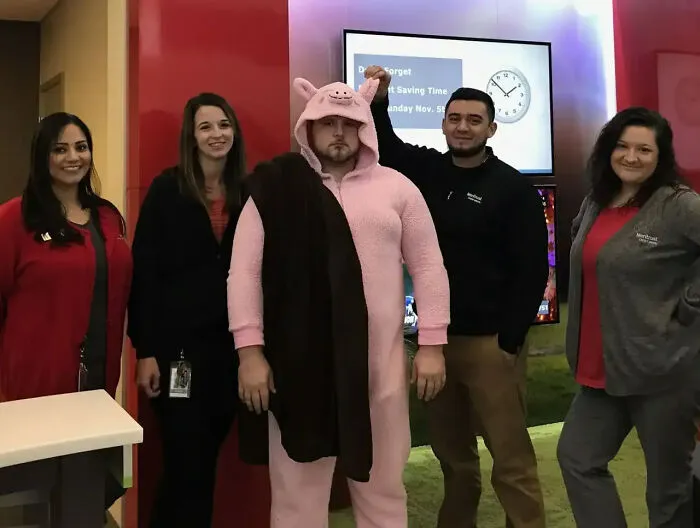
#2 My Vp Of Purchasing Sitting In A Meeting Right Now Listening Intently To Our President. He's The Only Person In Costume
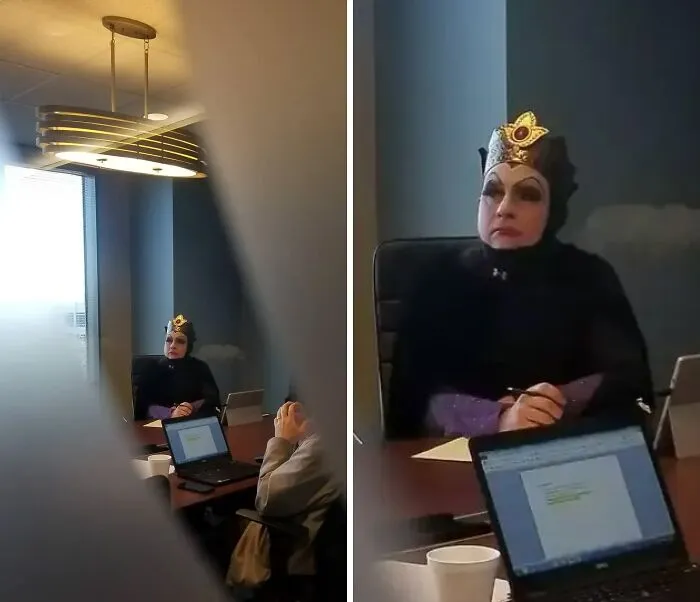
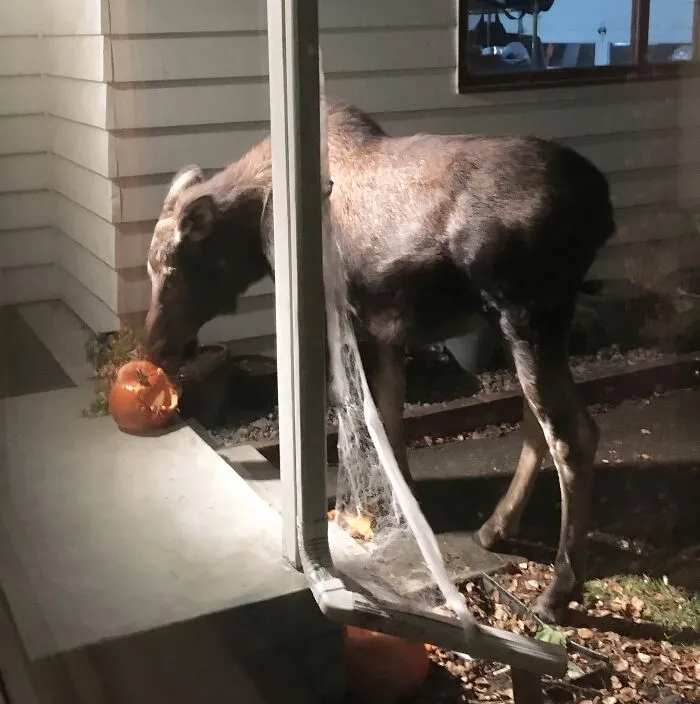
Halloween costumes are meant to bring creative ideas to life, but sometimes the finished product looks nothing like what the wearer had in mind. Psychology Today explains that humor often comes from the gap between expectations and reality, especially when someone puts considerable effort into an idea that produces an unexpectedly ridiculous result.
A costume intended to resemble a frightening vampire might end up looking more like an exhausted office worker in a poorly fitted cape. The contrast between the original vision and the final appearance makes the mishap amusing because the audience can immediately recognize what went wrong.
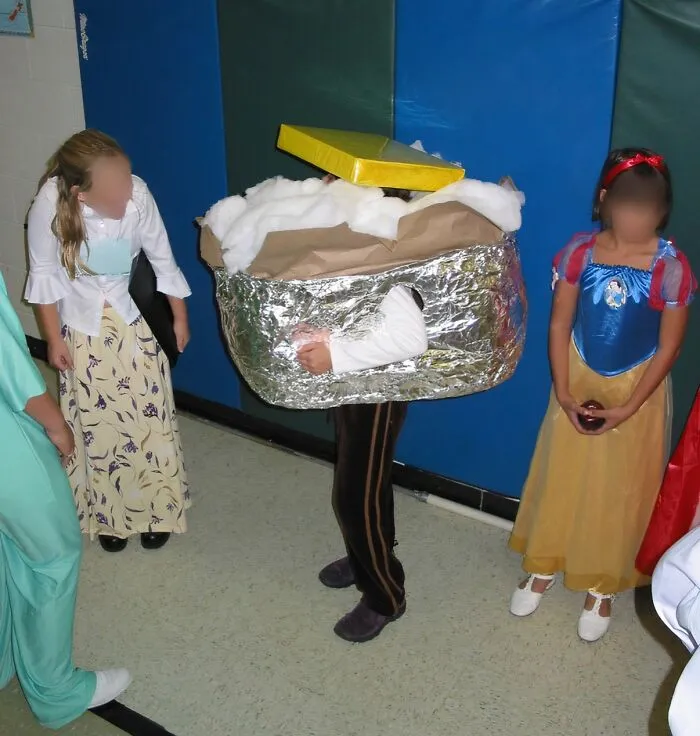
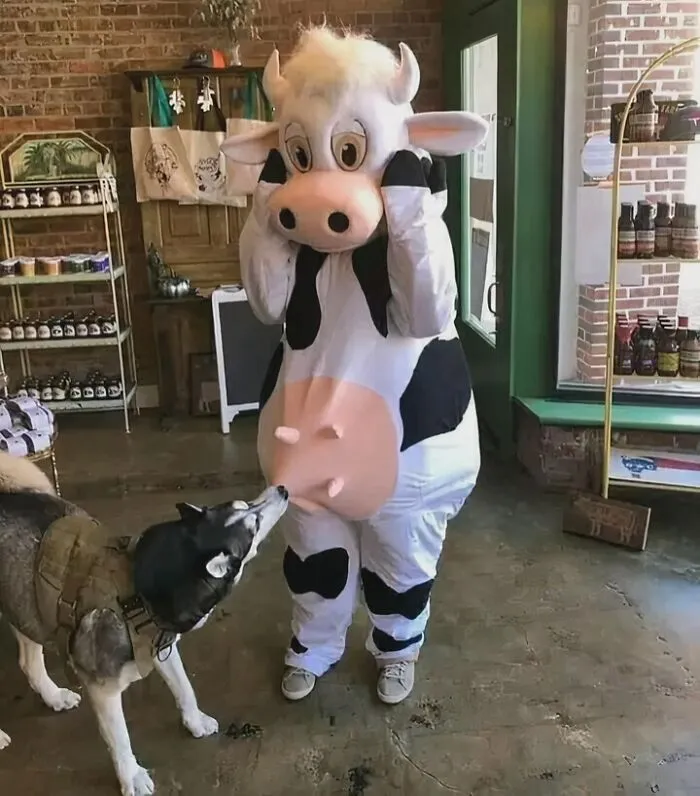
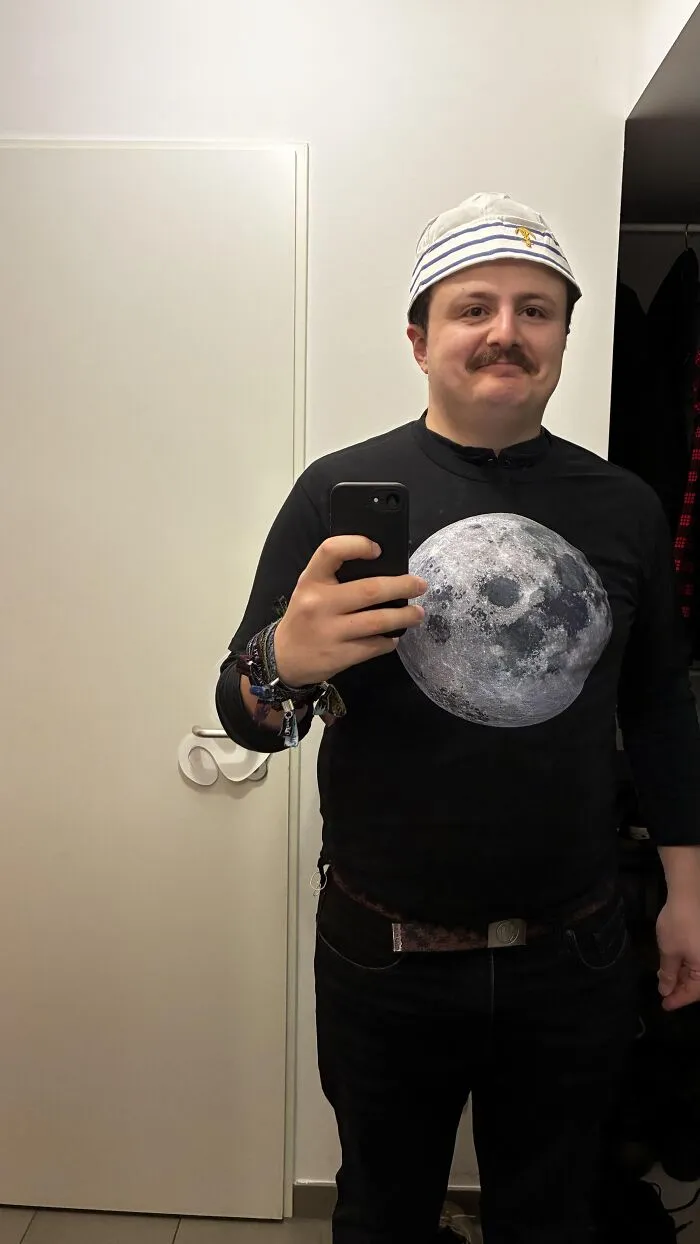
There is also something relatable about costumes that fail to meet expectations. Perfectly executed outfits can be impressive, but imperfect ones reveal the challenges of bringing an idea to life with limited time, questionable crafting skills, or last-minute supplies.
These little mishaps can make the wearer more approachable, particularly when they are willing to laugh at their own efforts. For example, a crooked wig, a badly fitted outfit, or an accessory that refuses to cooperate can turn an ordinary costume into an unforgettable source of amusement. However, the humor works best when the mistake is harmless and does not rely on offensive stereotypes or make someone else uncomfortable.
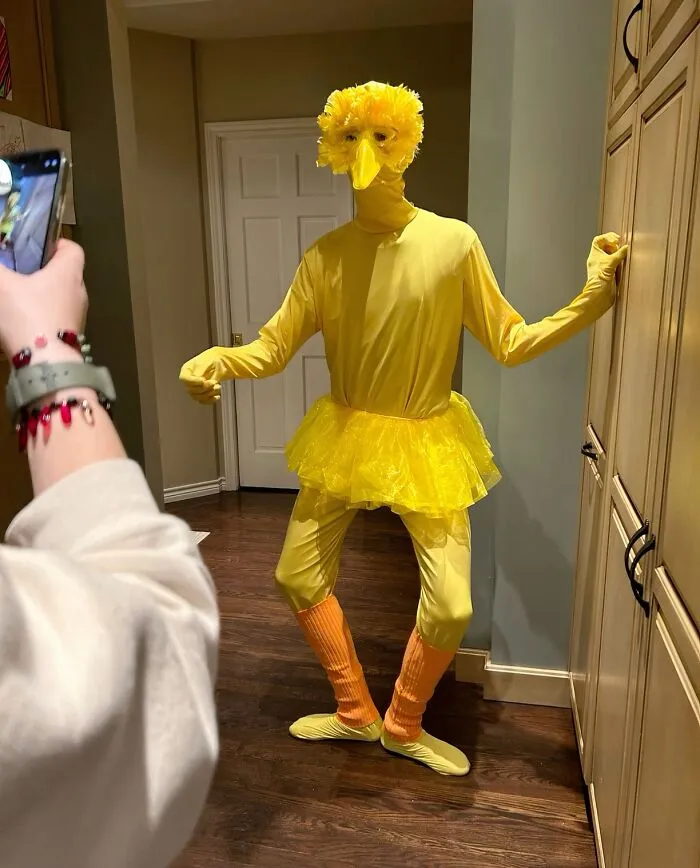
#7 Ballerina Bird

The history of Halloween costumes helps explain how these outfits became such an important part of the celebration. CNN traces their origins to ancient Celtic communities, where disguises worn during Samhain were connected to beliefs about spirits roaming among the living.
Over the centuries, the practice gradually shifted toward social festivities, and by the 18th and 19th centuries, Halloween was increasingly becoming a community celebration. Victorian fascination with ghost stories helped popularize familiar spooky figures, including witches, ghosts, and devils, paving the way for costumes to become an entertaining tradition rather than simply a response to supernatural fears.
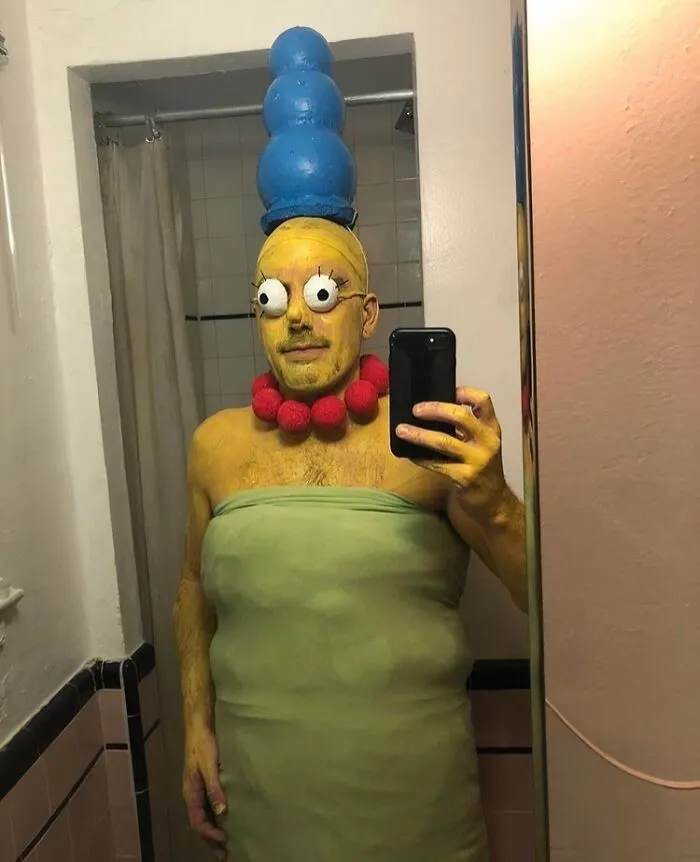
During the early 20th century, Halloween costumes increasingly became commercial products, with manufacturers selling simple outfits and masquerade parties growing in popularity. After World War II, television introduced children to superheroes, Western heroes, and other recognizable entertainment characters, inspiring new costume ideas beyond traditional spooky disguises.
Adult dressing-up also gained popularity again from the 1970s onward, expanding into satire, nostalgia, and pop-culture references. Today, people can choose anything from elaborate fictional characters to deliberately silly outfits, giving them countless opportunities to experiment with their appearance, even if their final creations do not turn out as expected.
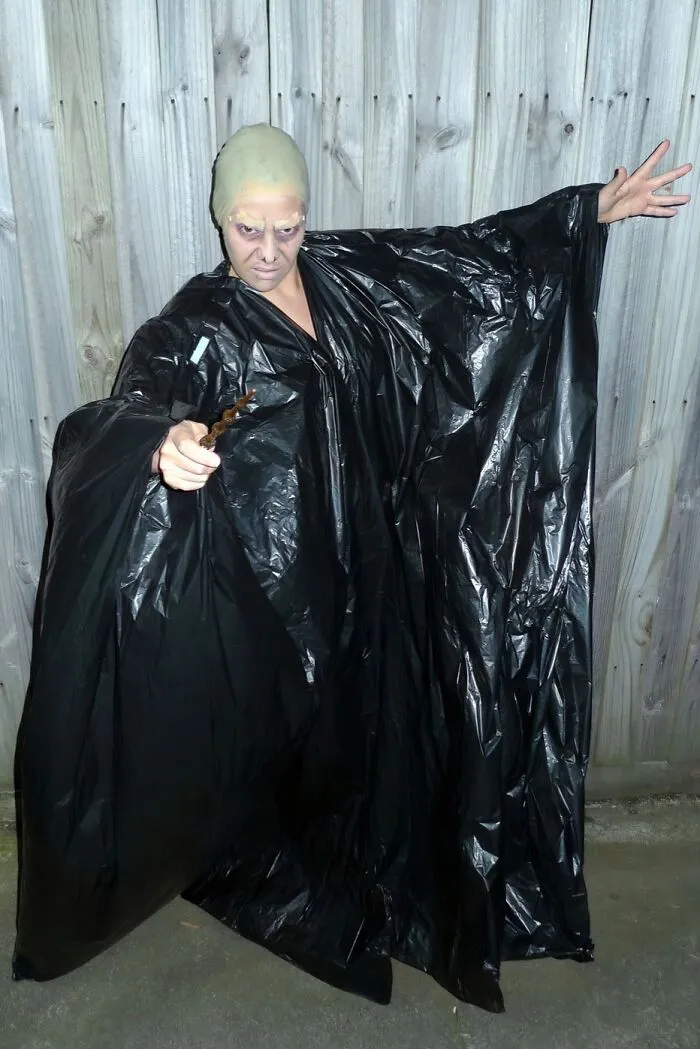
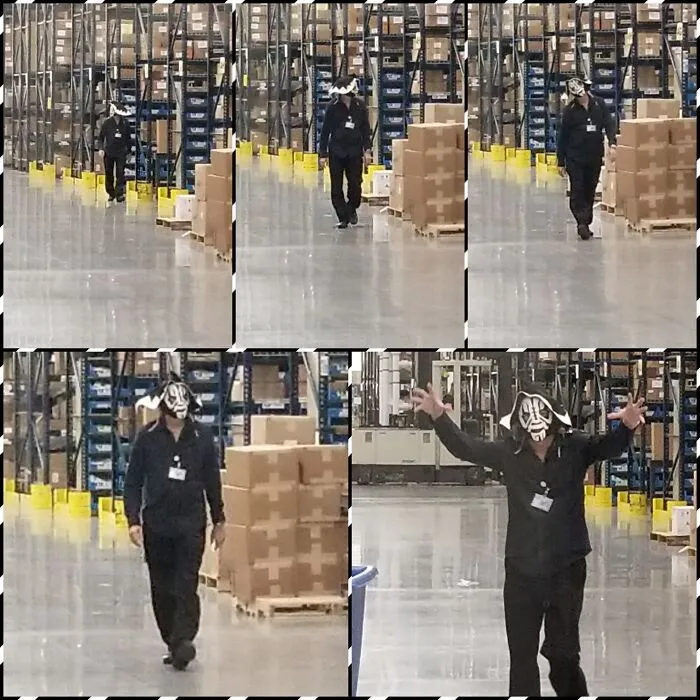
#13 Lord Voldemort Budget Version
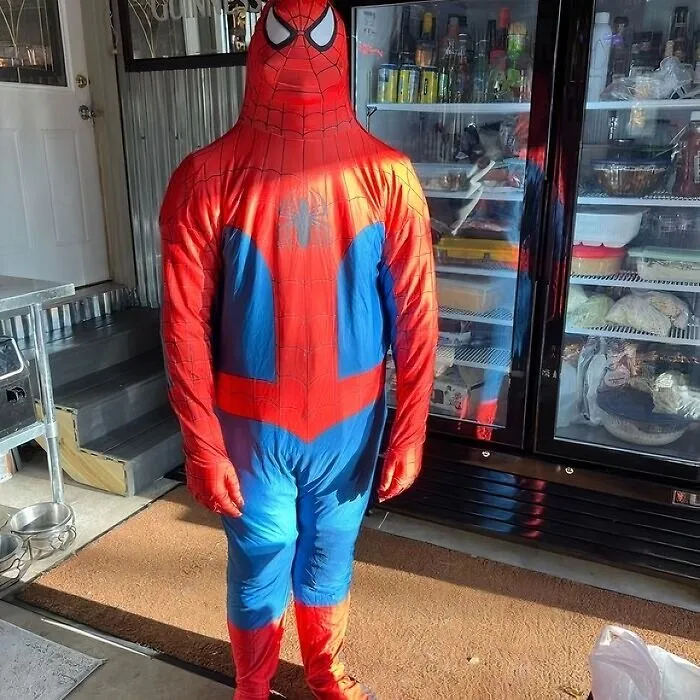
#14 Spider-Man
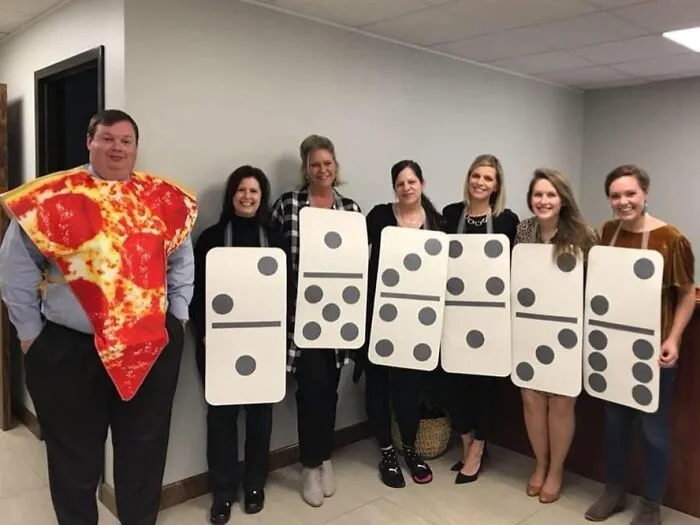
However, recreating a recognizable character can be more difficult than it appears. Antique Trader explains that popular characters have distinctive visual features that audiences learn to associate with them, including particular hairstyles, colors, clothing, accessories, and mannerisms.
A costume might capture the general idea but still miss important details that make the character recognizable. This can be especially challenging when the original design includes complicated armor, elaborate makeup, unusual proportions, or signature props. The more familiar audiences are with a character, the easier it becomes for them to notice when something about the recreation looks wrong.
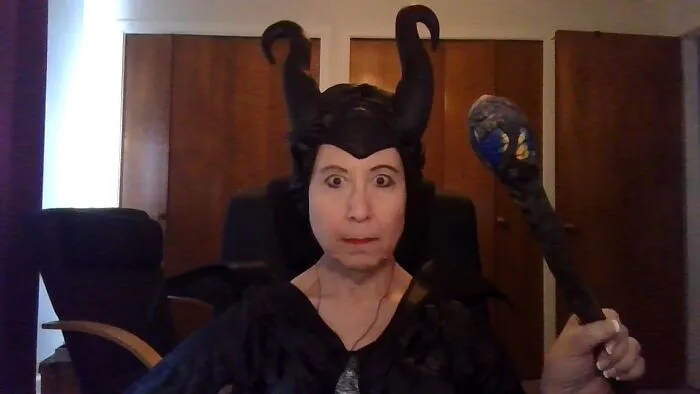
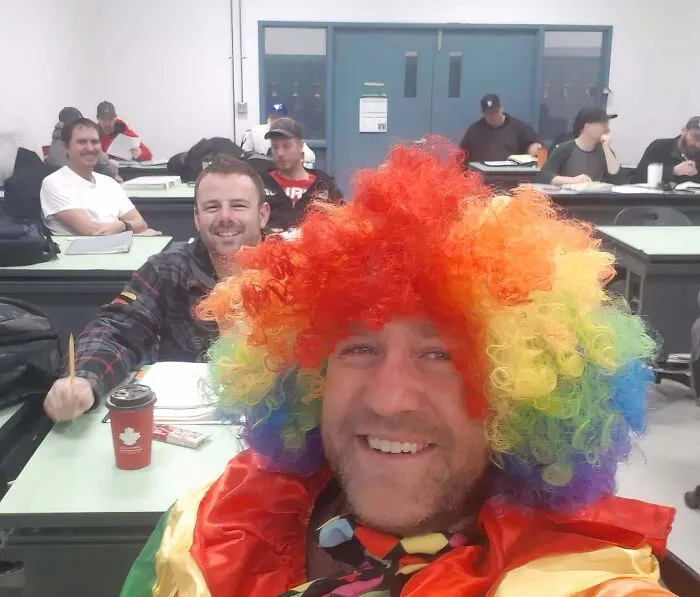
#16 This Is Joel - The Only Person At Work Who Dressed Up For Halloween. He Doesn't Care That No One Else Dressed Up, He's Been Working All Day Like This!
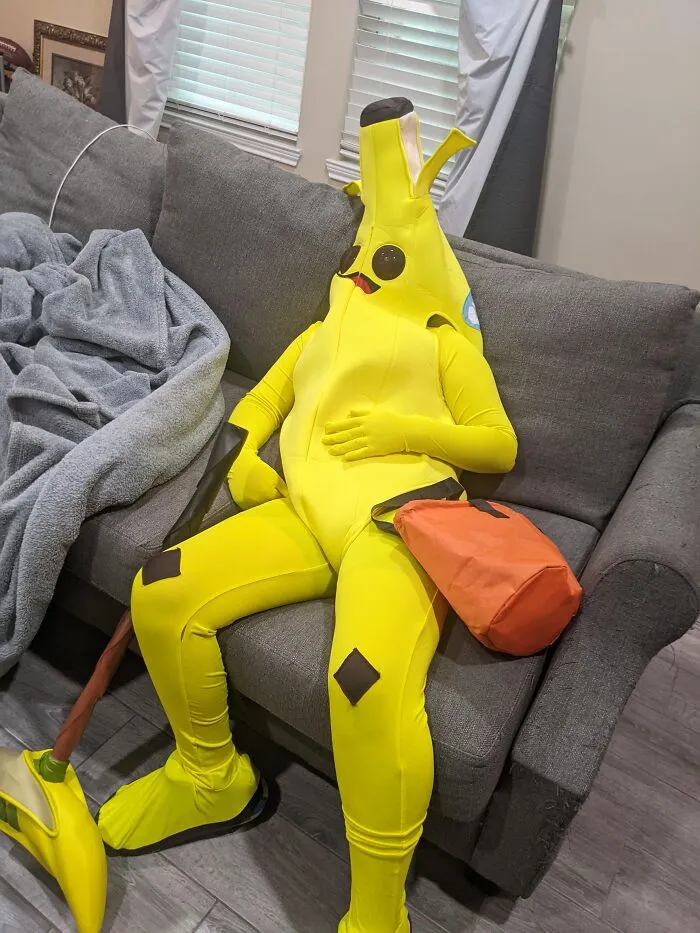
These expectations can make even ambitious costume attempts unintentionally funny. Someone might spend hours assembling an outfit, only for a poorly fitted wig, an awkward accessory, or an inaccurate color scheme to change the entire impression. Some characters are also difficult to portray because their appearance is so distinctive that even small differences become obvious.
Meanwhile, simple disguises such as ghosts can be effective with very little effort because audiences already understand what they are supposed to represent. The contrast between a straightforward costume and an elaborate recreation that misses the mark shows how the amount of effort involved does not always determine how successful the final result will be.