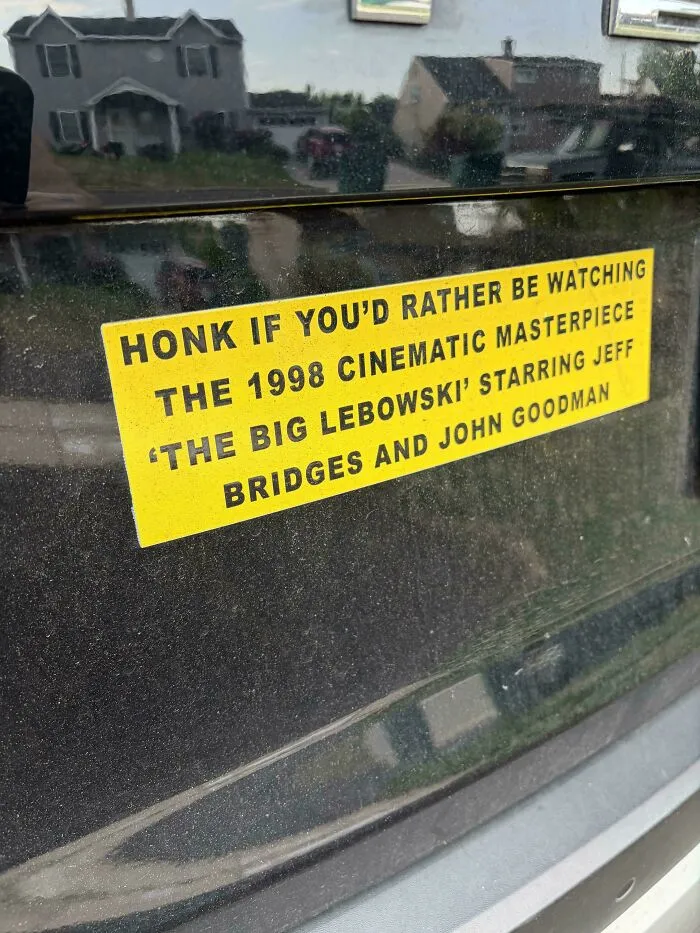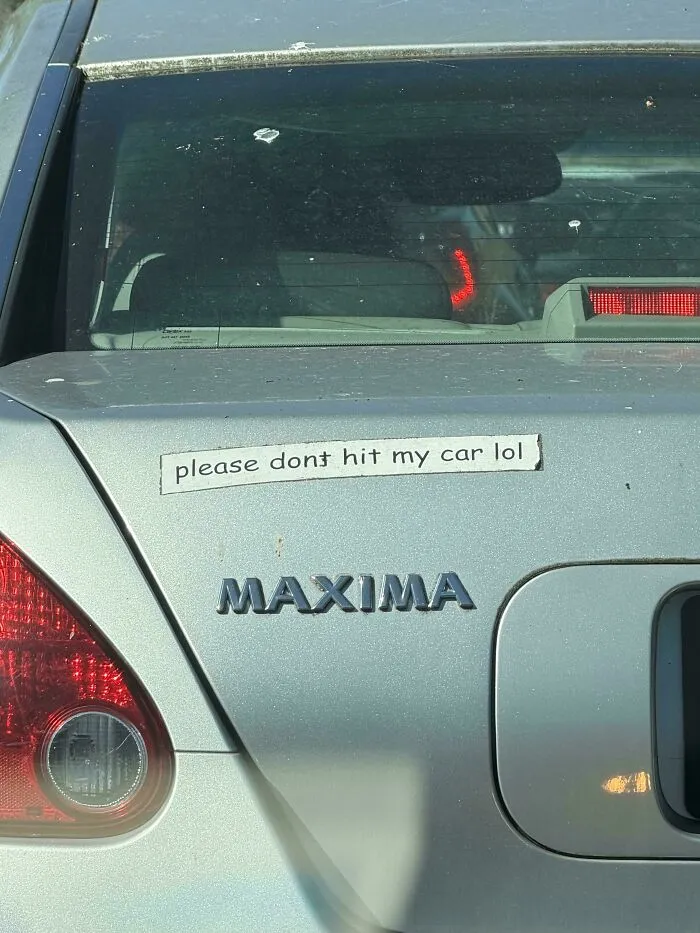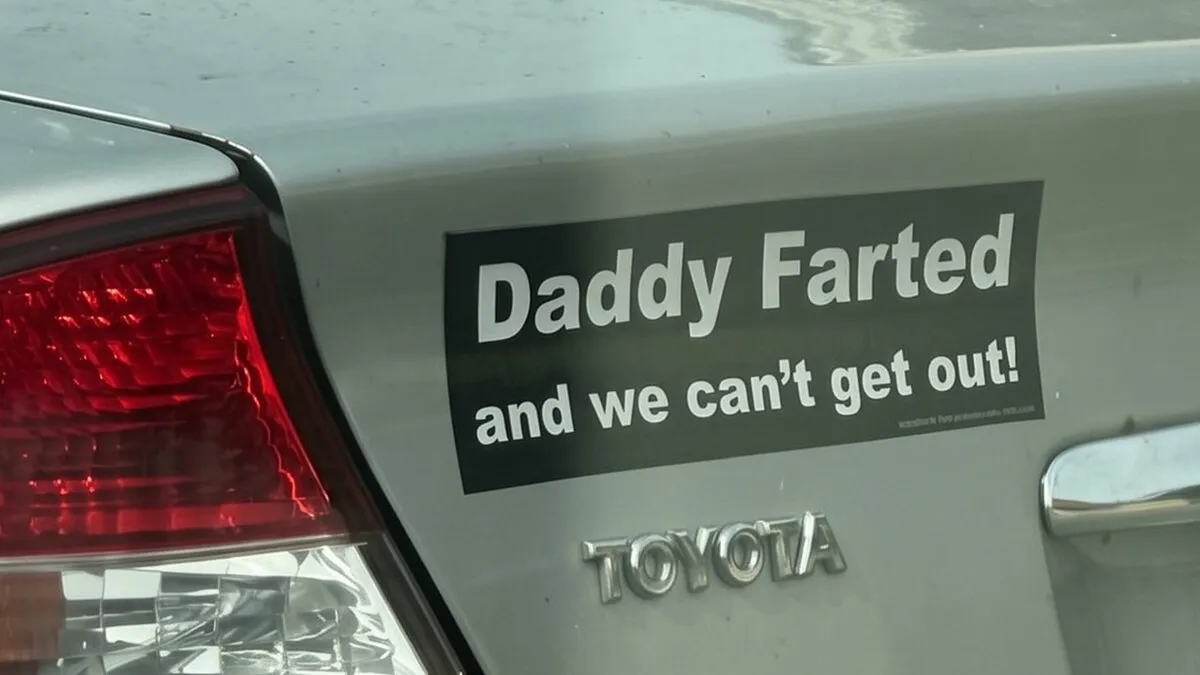



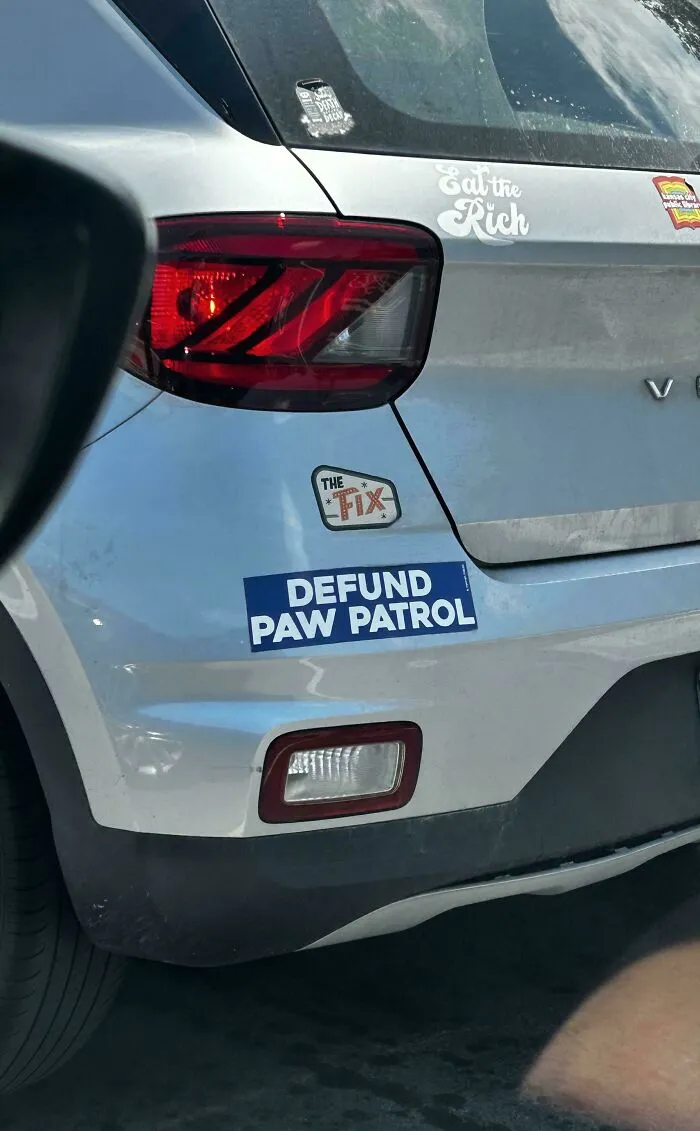
The profits helped Lerner’s company, Safety 1st, branch out into outlet plugs, cabinet locks and other child safety gear, which is a respectable second act for a novelty sign. The jokers were not far behind. Baby Driving, Baby Carries No Cash and Grandma on Board flooded the market, and in parts of the New York area the knockoffs reportedly outnumbered the real thing five to one. The cherry on top is that Lerner never had children of his own.
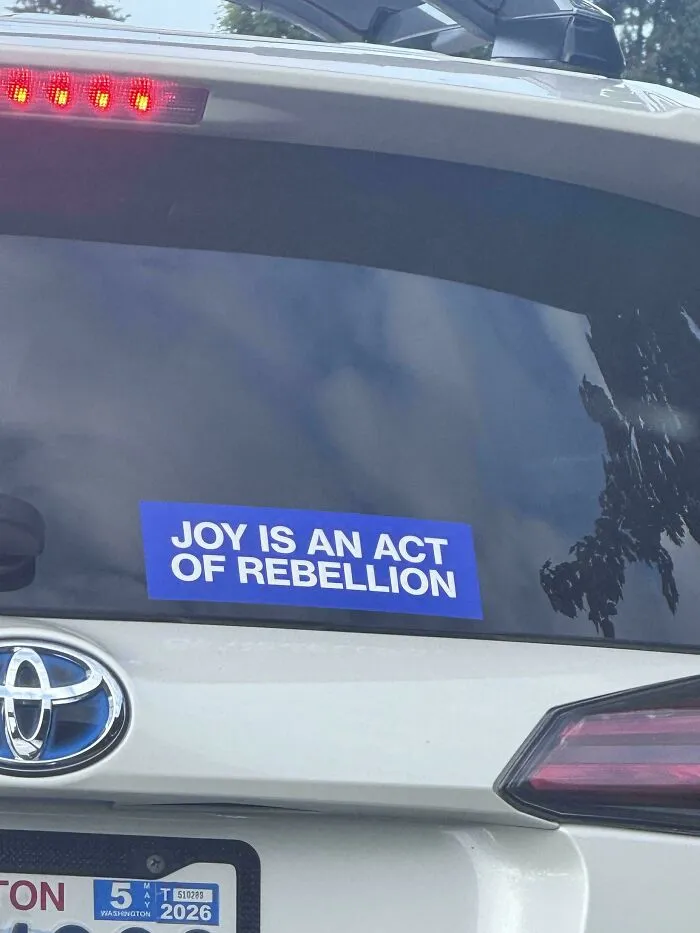
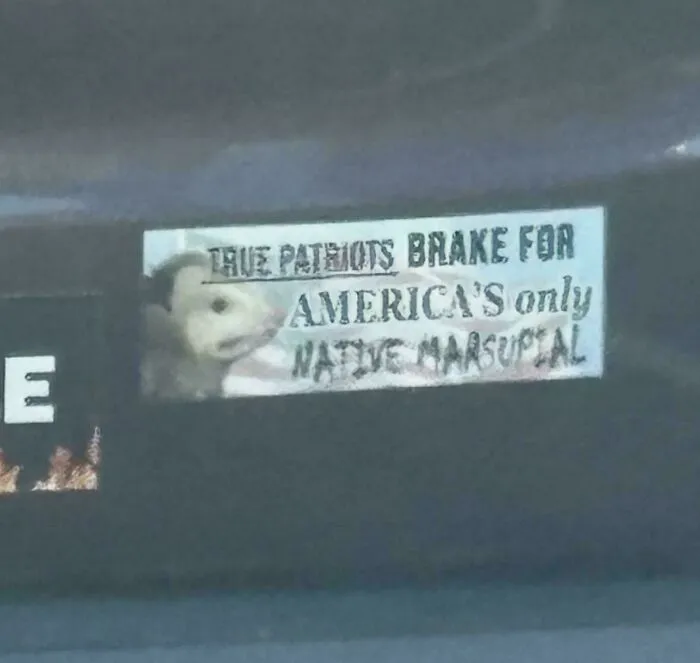
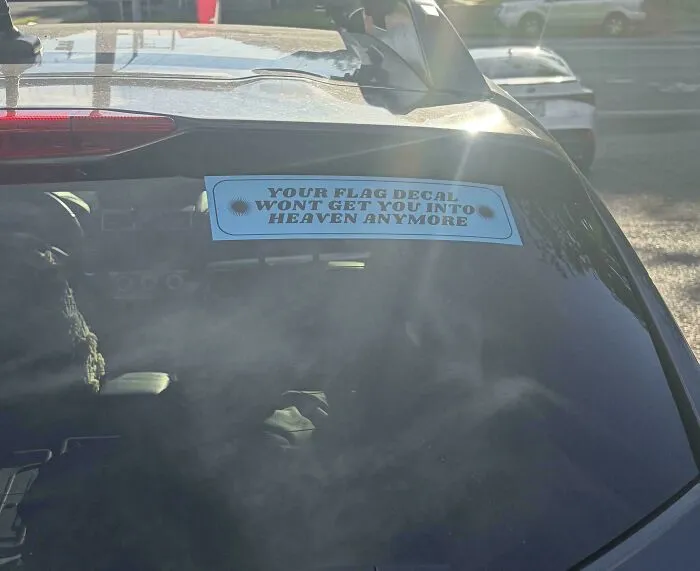
By 2008, researchers at Colorado State University were asking who exactly drives around with all these messages. In one experiment, cars wearing stickers or other personal markers honked nearly two full seconds sooner when blocked at a green light. Researchers also reported that the number of markers predicted road rage better than a car’s value or condition. The wording did not seem to matter, since even drivers displaying messages of love and acceptance landed in the more aggressive group, so the car politely urging you to visualize world peace may be the one riding your tail.
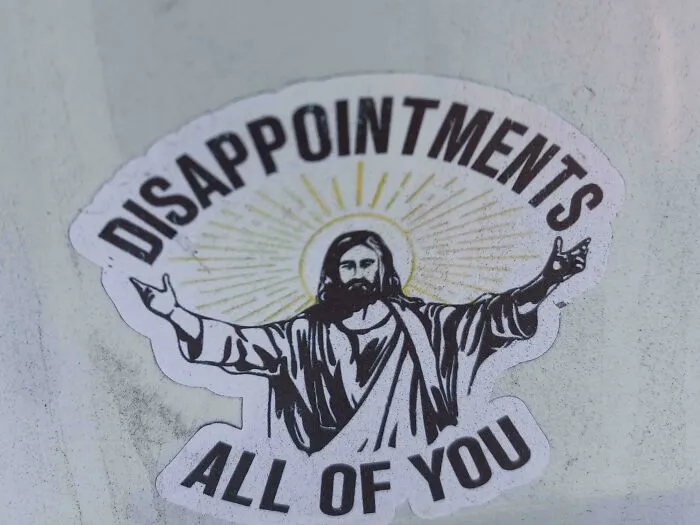
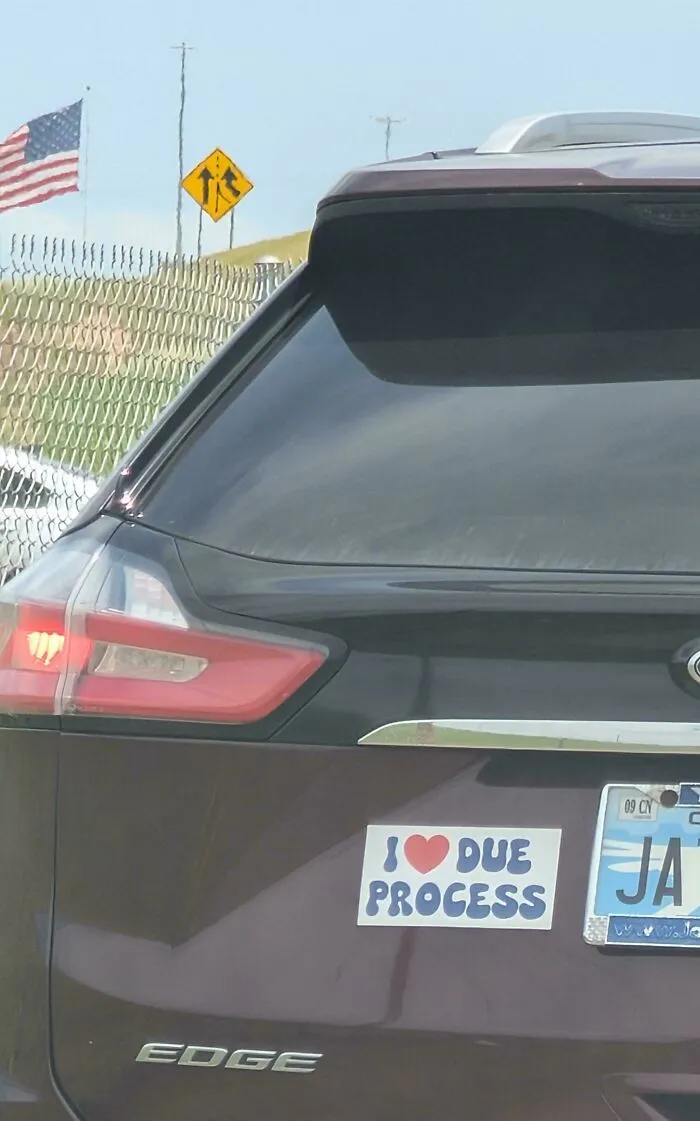
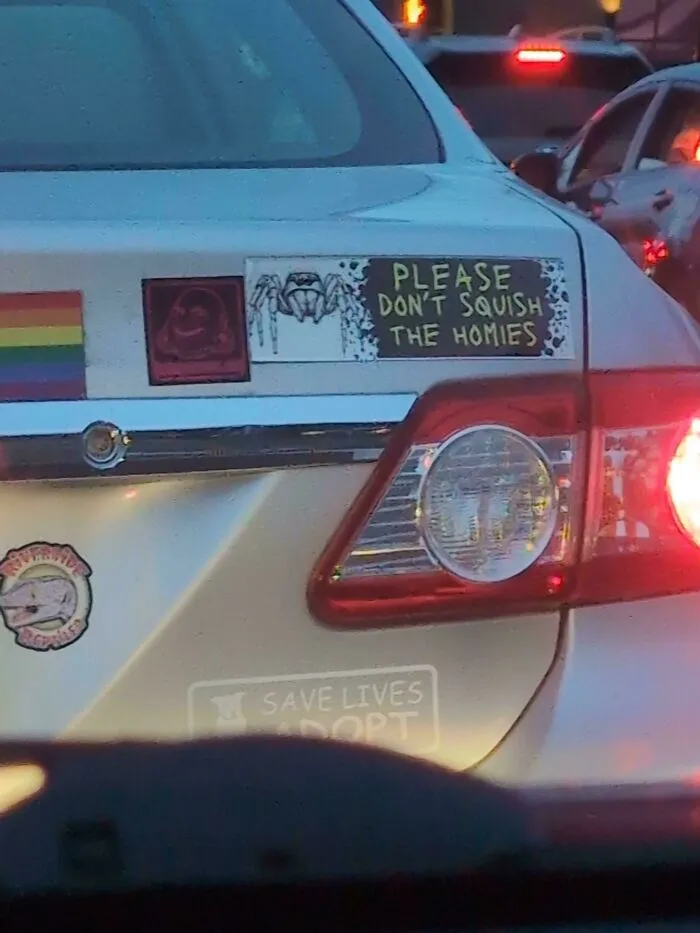
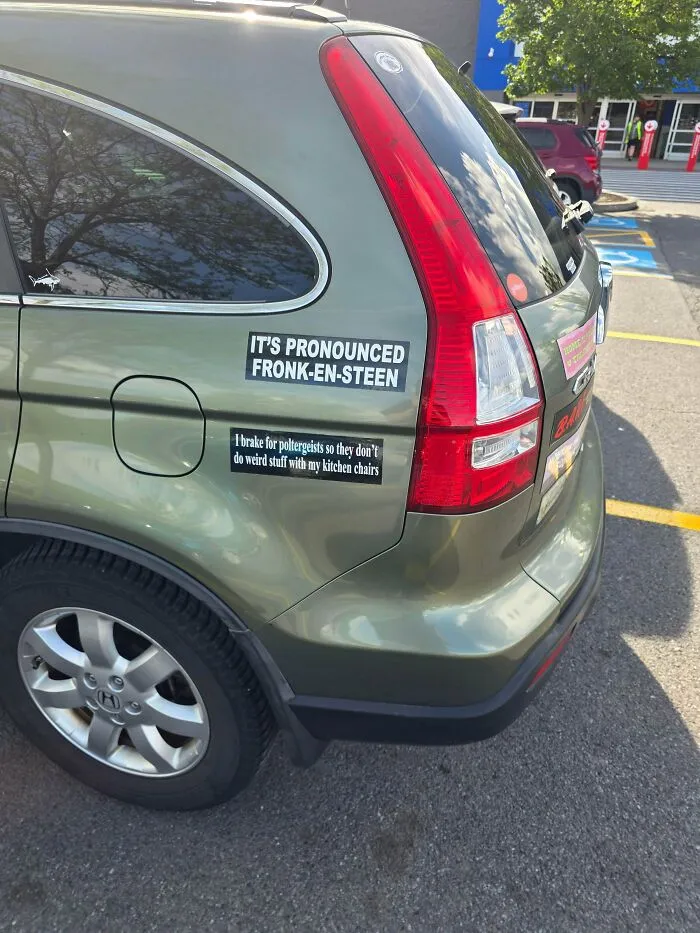
All of this helps explain why the bumper sticker is such a strange little genre. It began as a souvenir, grew up as campaign merchandise, and eventually became a way to share one opinion with strangers traveling at forty miles an hour. Proud honor student announcements and their cheeky rebuttals still share the road.
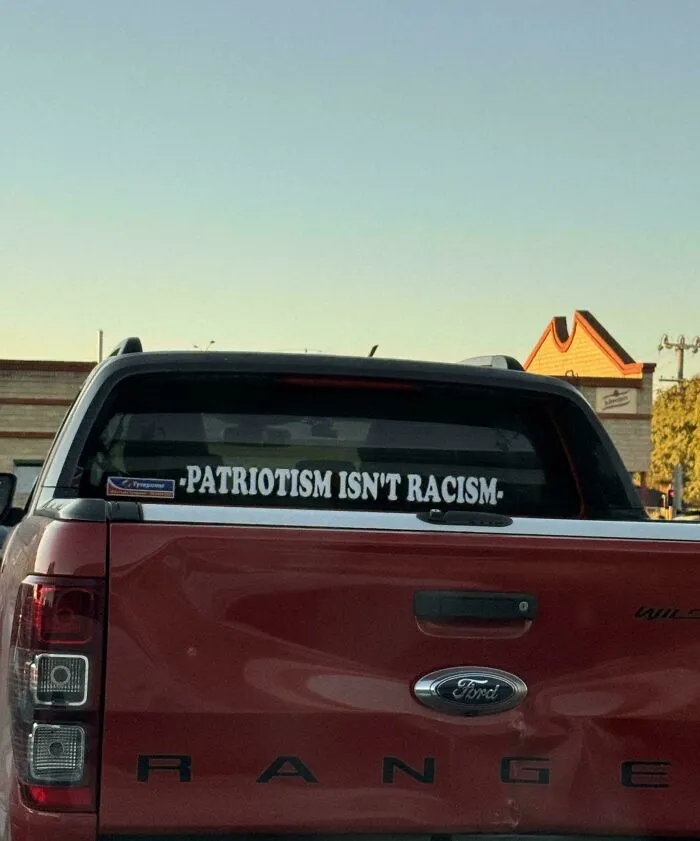
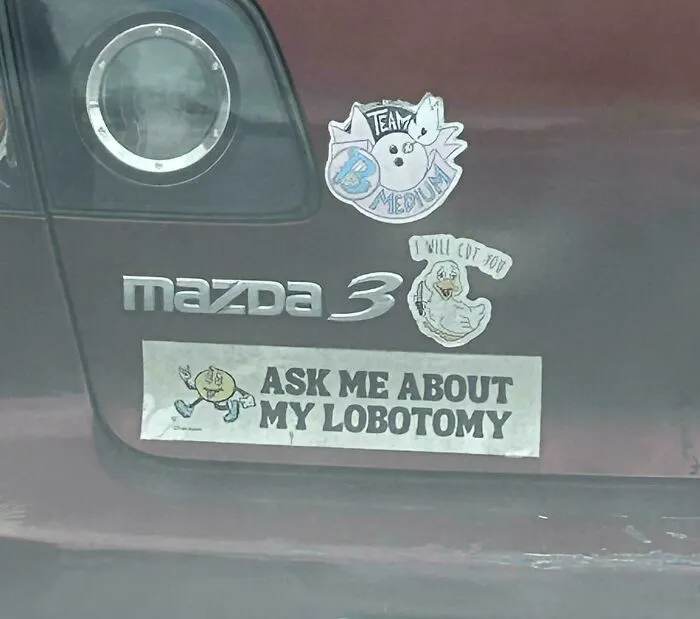
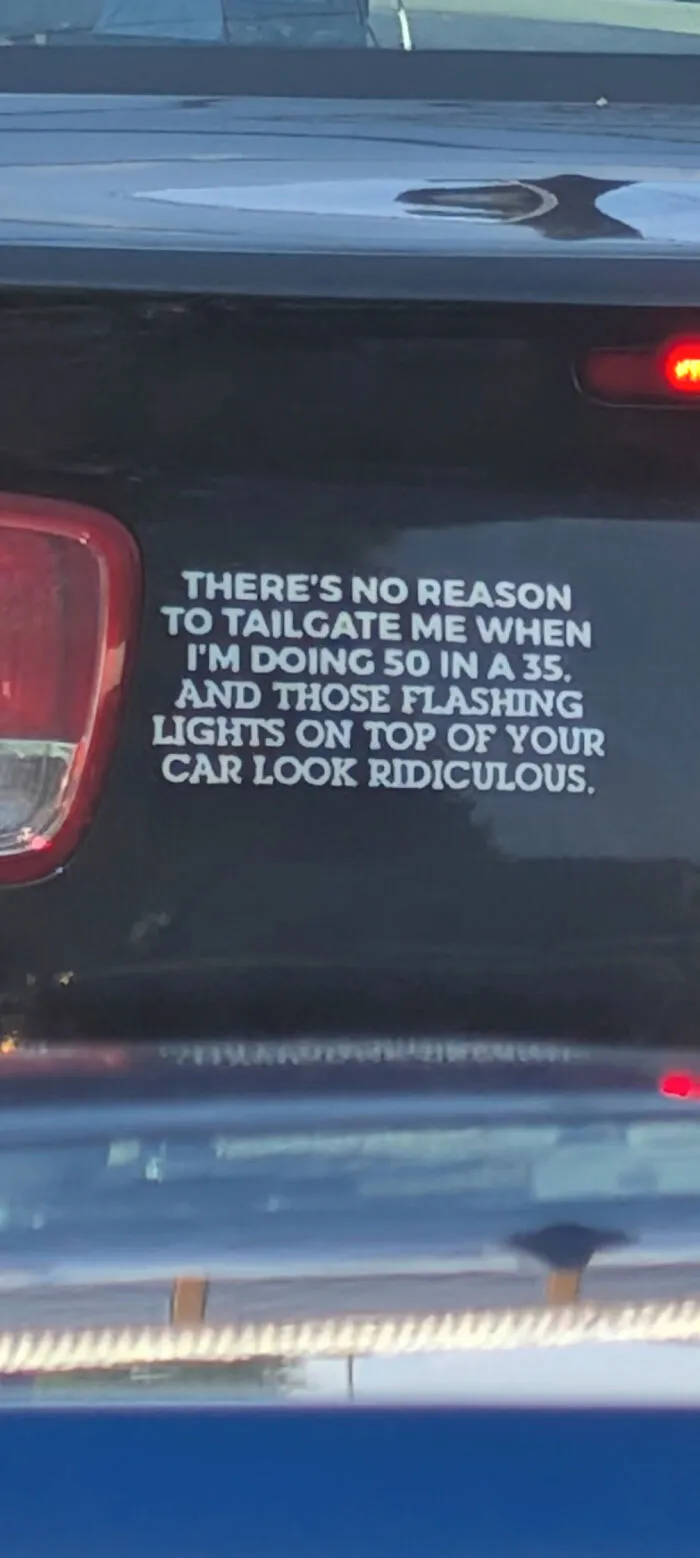
Add cheap vinyl, endless jokes and the fact that nobody needs permission to stick one on, and you get a medium where a gentle plea for peace can sit a few inches from a message that makes absolutely no sense. Forest Gill lived to the age of 99, long enough to watch his invention become one of the most opinionated objects in America. Not bad for something that started with string.
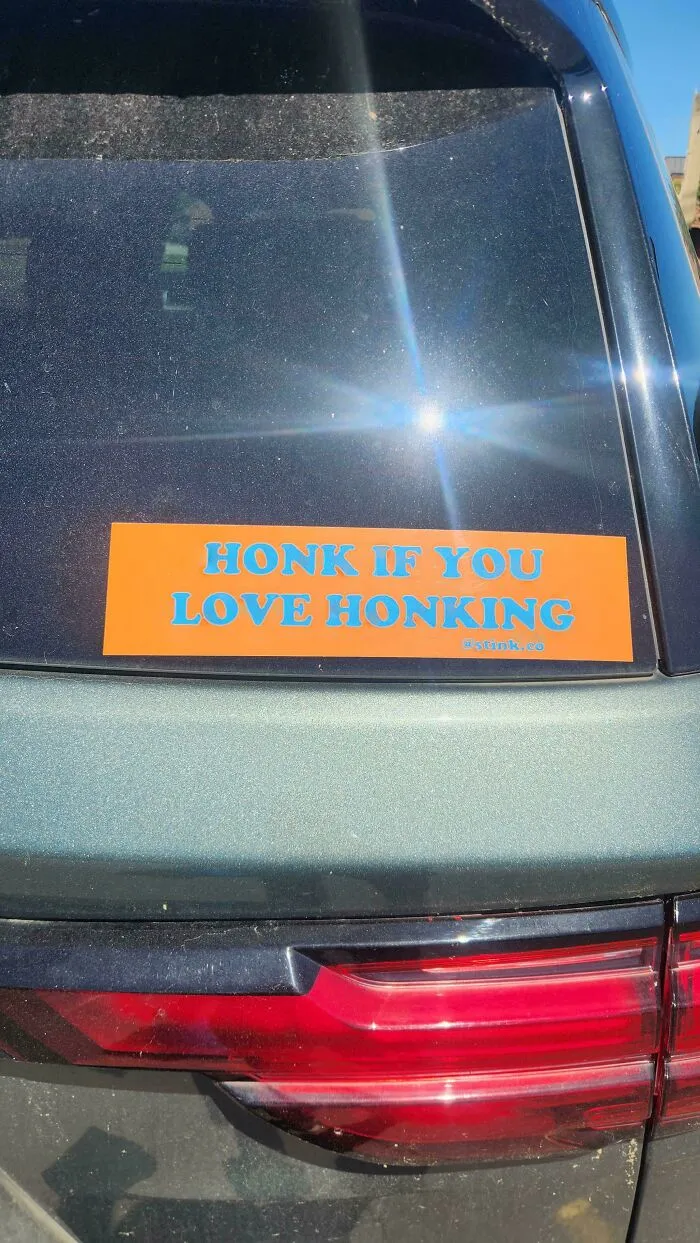
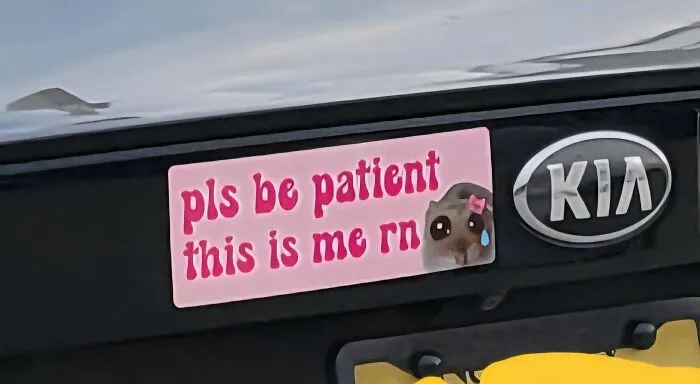
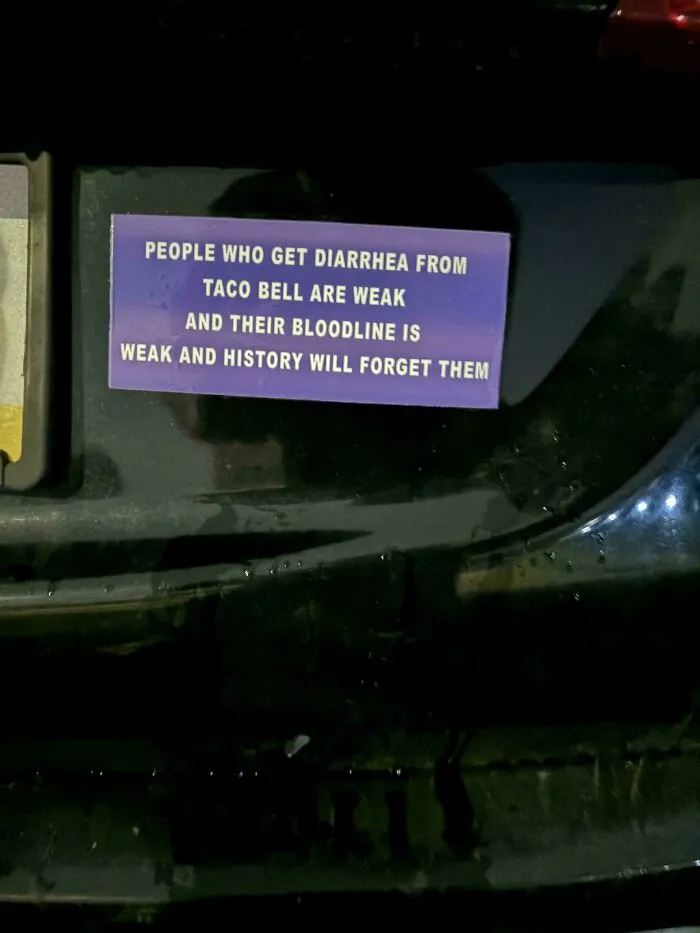
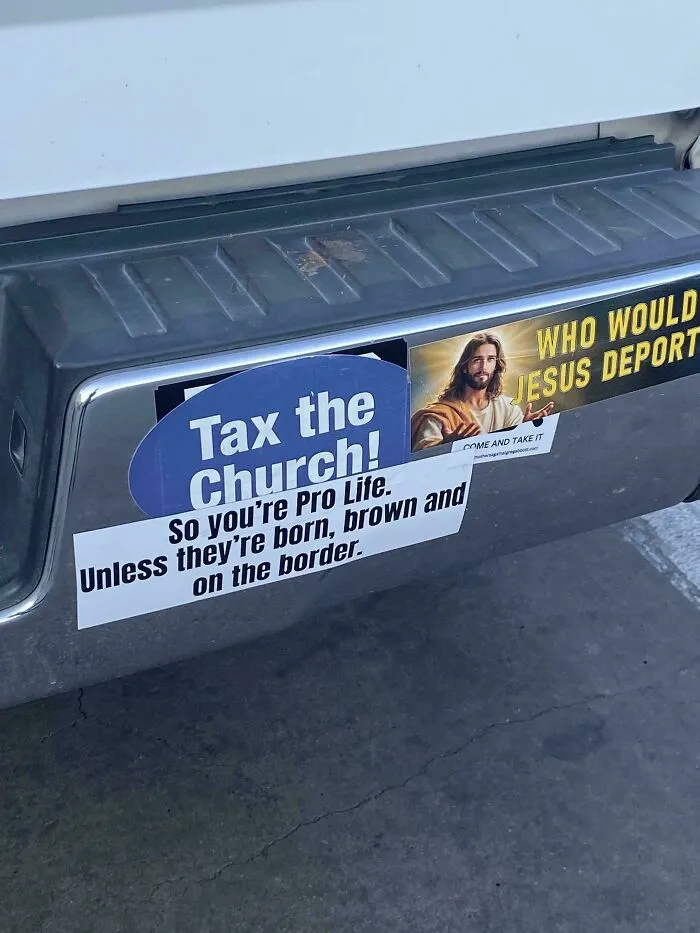
#35 Definitely Agree With That…..and Not Just The Church, But The Synagogues, Mosques, Gurdwaras …