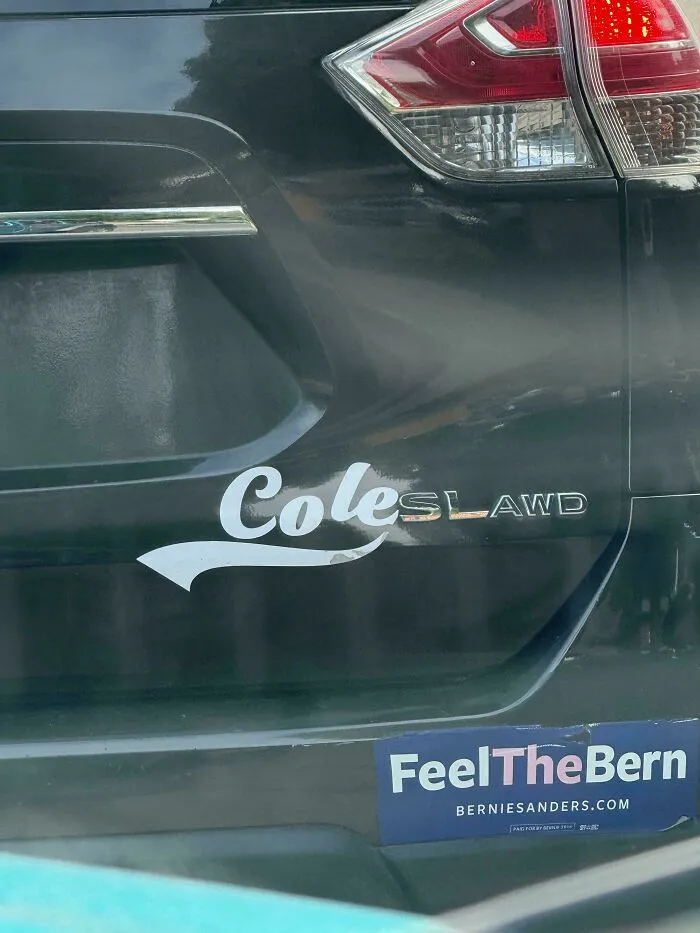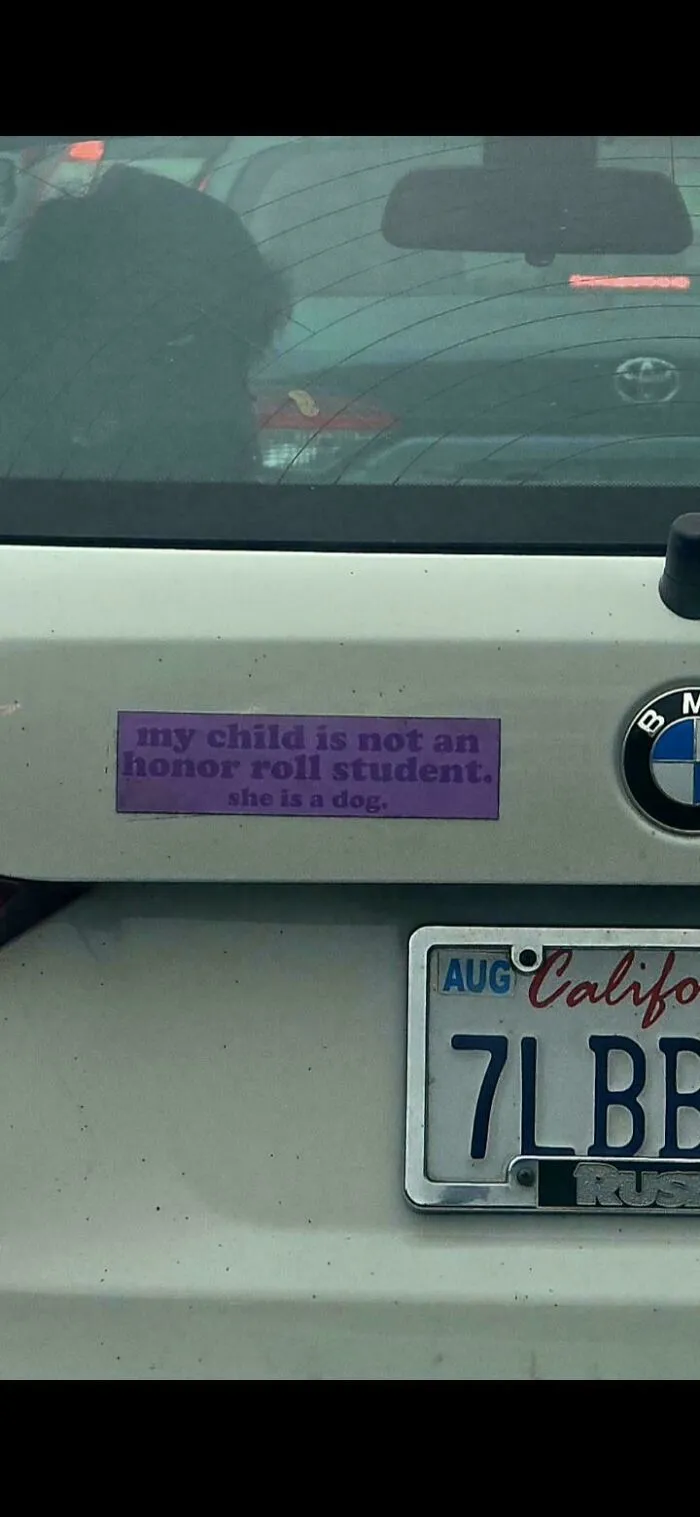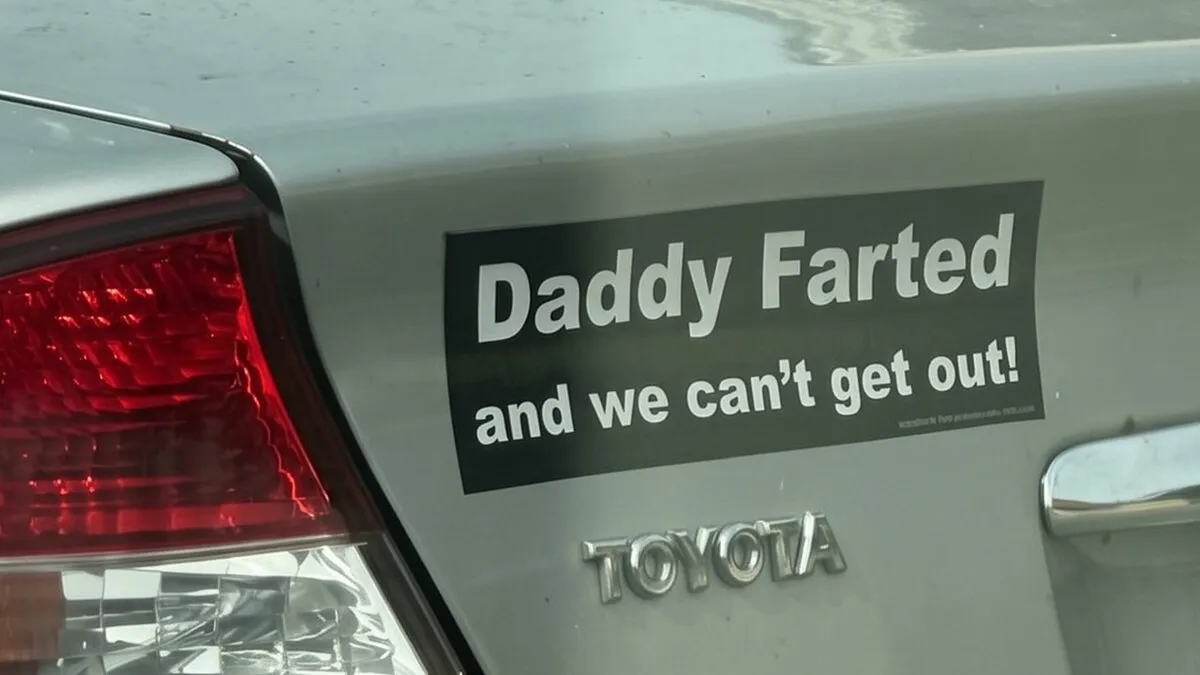



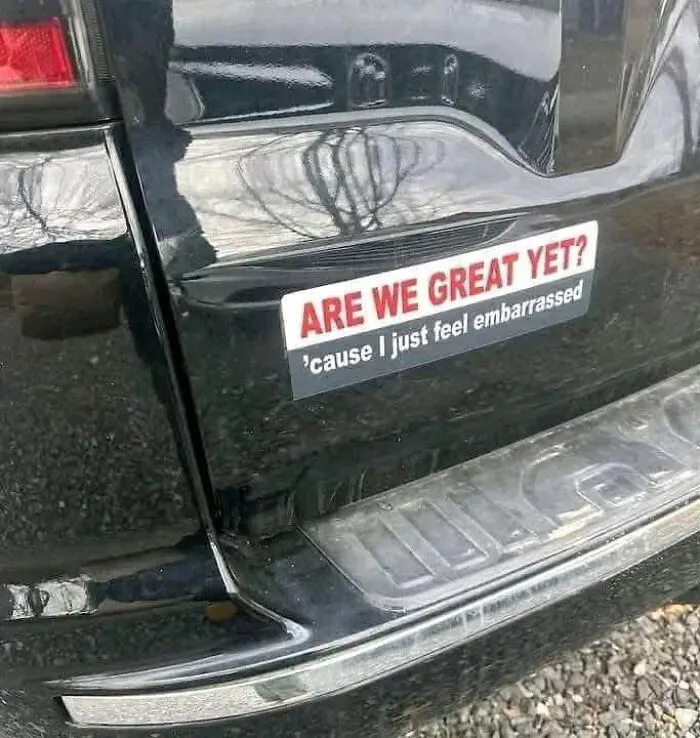
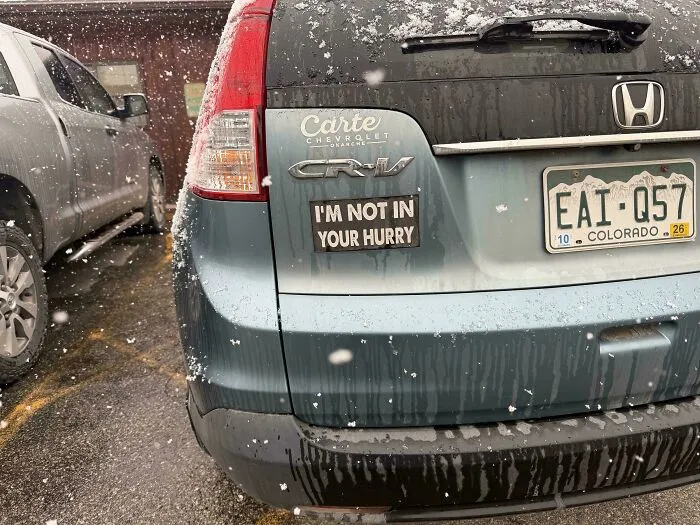
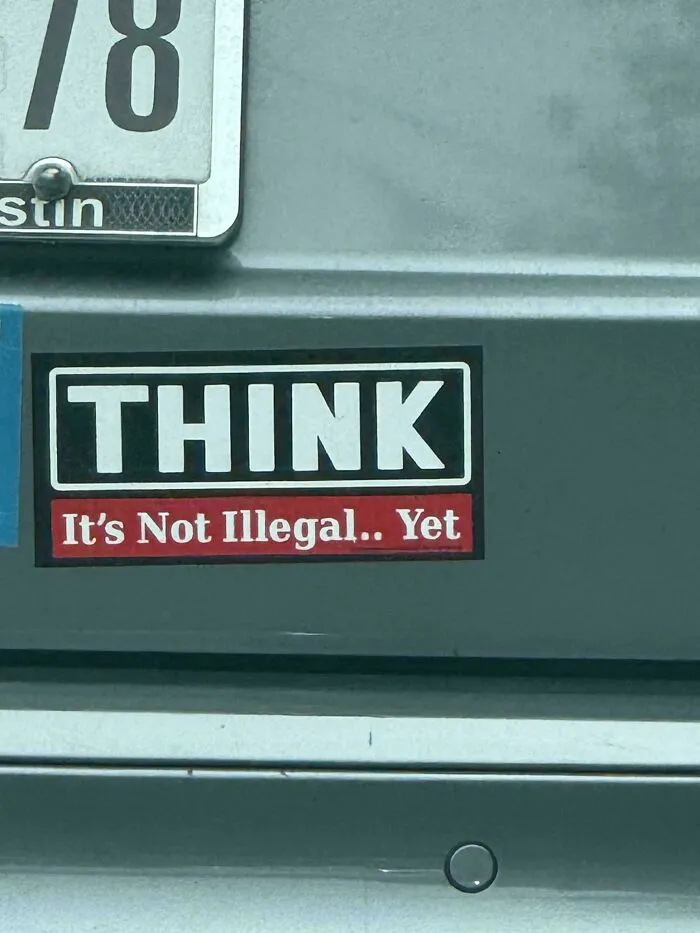
Before anyone could slap a joke about their cat onto a bumper, advertising on cars was a clunky business. Early vehicle signs were chunks of cardboard or metal fastened on with wire, and one of the biggest fans was Lester Dill, the showman behind Meramec Caverns in Missouri. While visitors toured his cave, he sent employees into the parking lot to tie souvenir signs onto their cars, which turned every tourist into a free billboard on wheels. No glue, no style, just string and nerve.
The sticky version showed up in the 1940s, and the credit usually goes to Forest Gill, a silkscreen printer from Kansas City who had launched his business in his basement back in 1934.
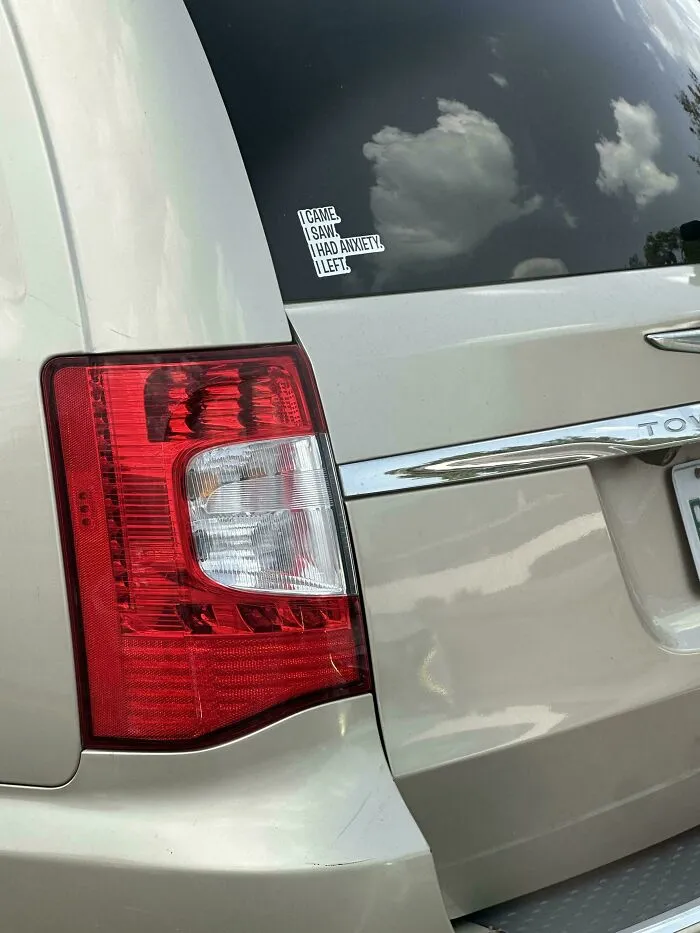
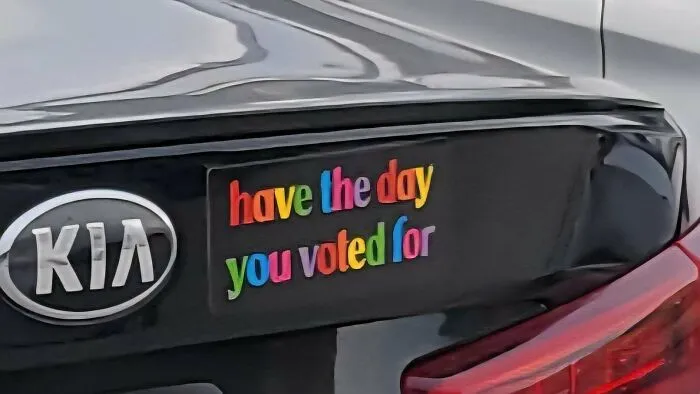
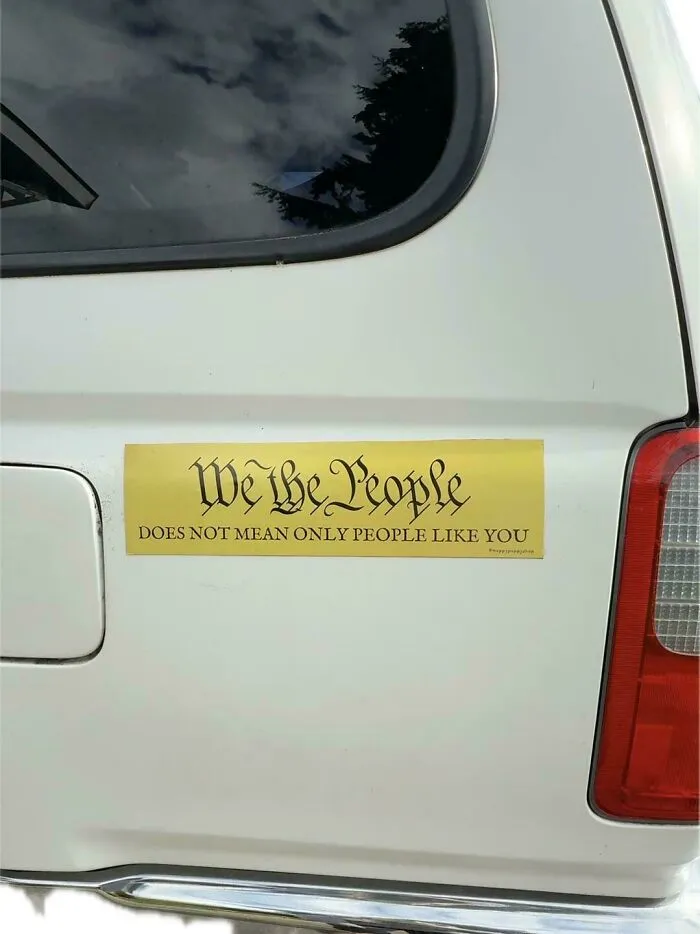
Around 1946, according to the Florida Historic Capitol Museum, Gill combined two wartime leftovers, adhesive backed paper and fluorescent paint, and made something that outlasted the homemade signs. That glow came in handy, since a message needs to grab attention fast when the audience is speeding past. The story goes that he strolled into a parking lot and measured actual bumpers to figure out the right size. Those early paper versions had gummy glue, so removing one was an exercise in patience and regret.
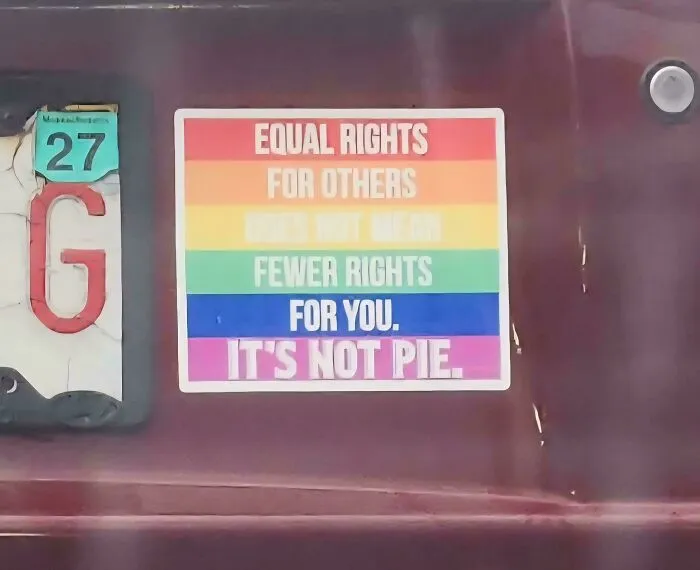
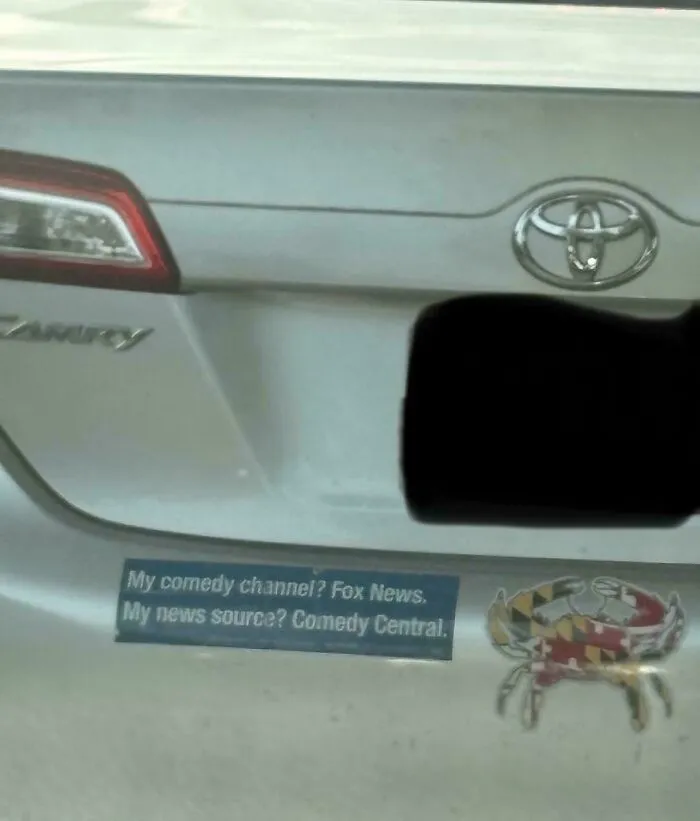
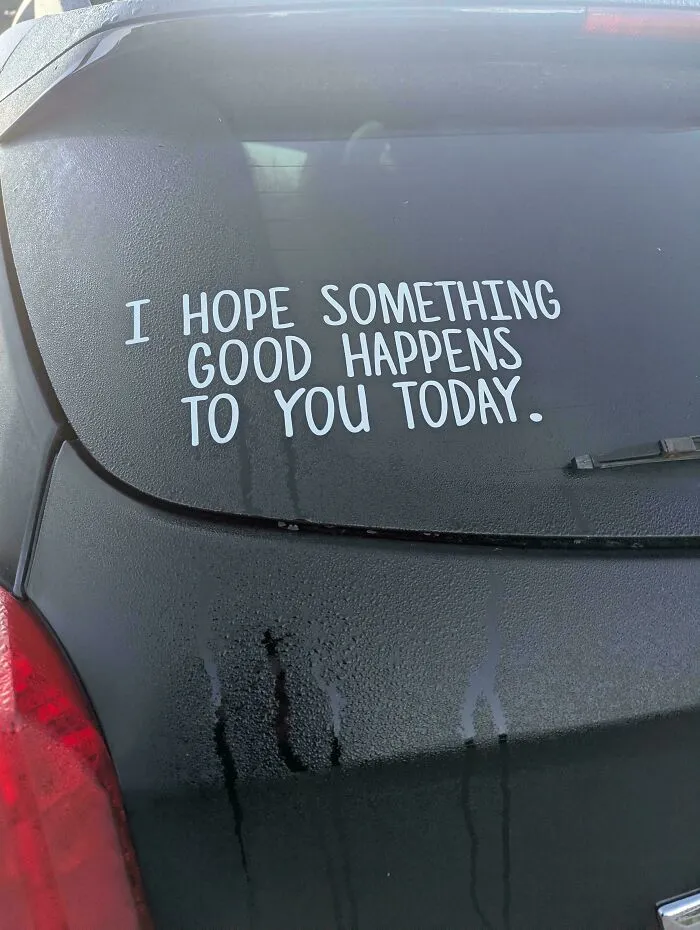
Tourist attractions jumped on the idea first. Gill’s company landed its first big order, 25,000 stickers, from Marine Gardens, an attraction in Clearwater, Florida, and promoters would often stick them onto visitors’ cars while their owners were still inside having fun. Consent was optional. Politics muscled in next.
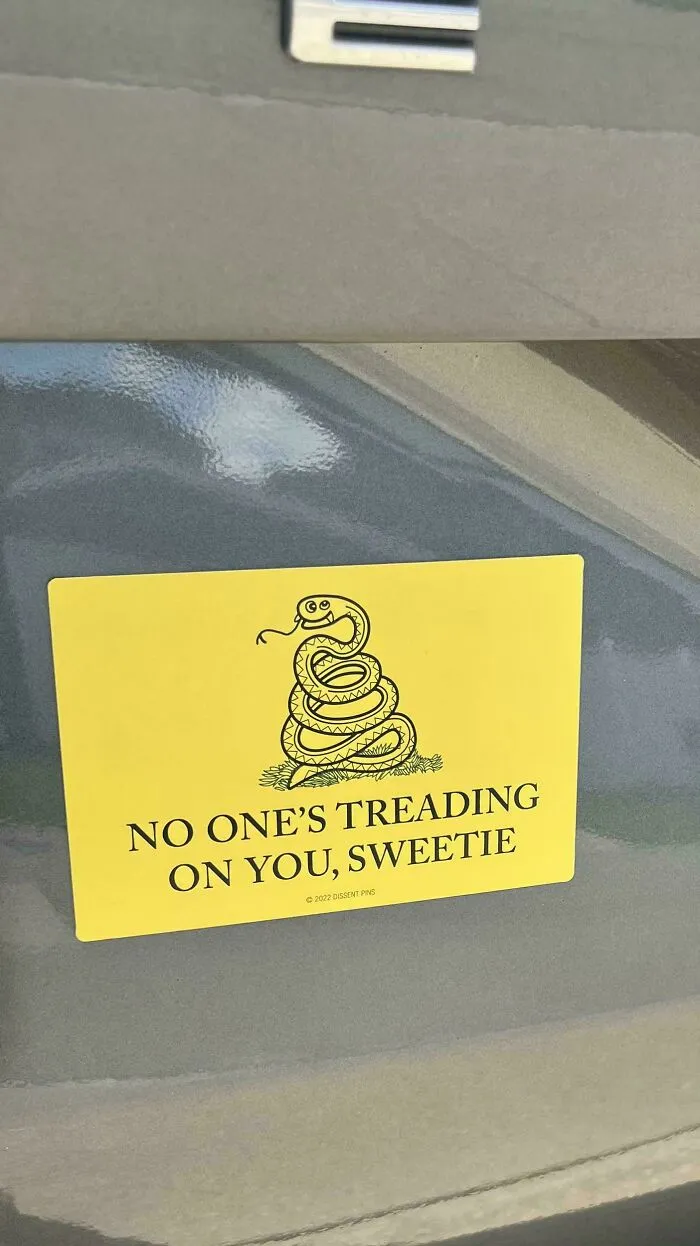
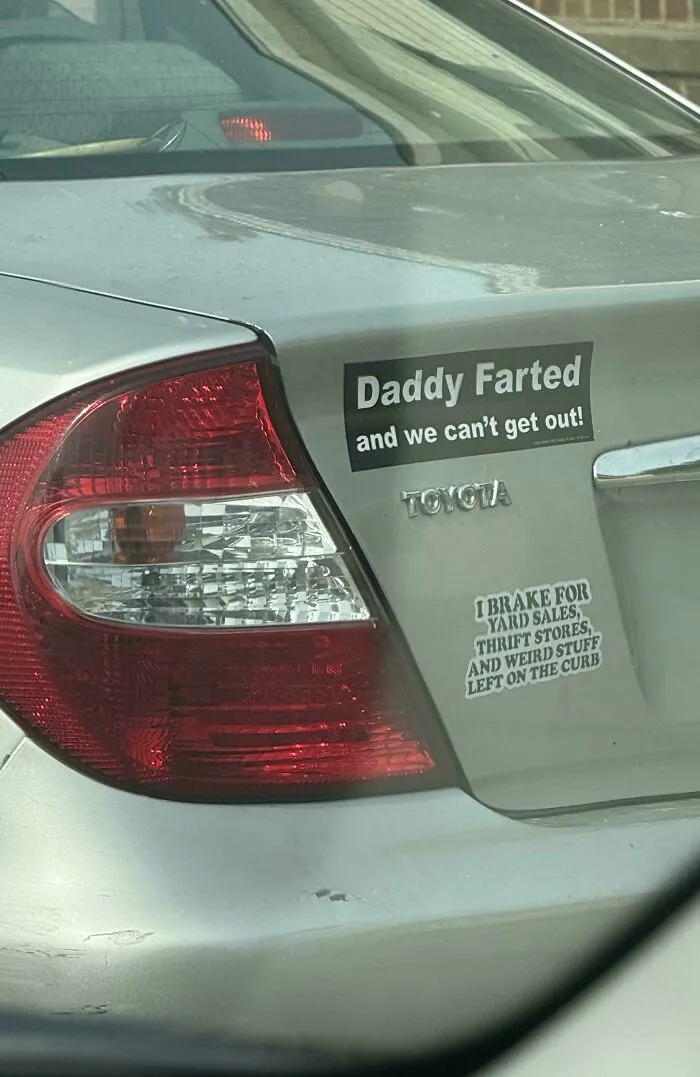
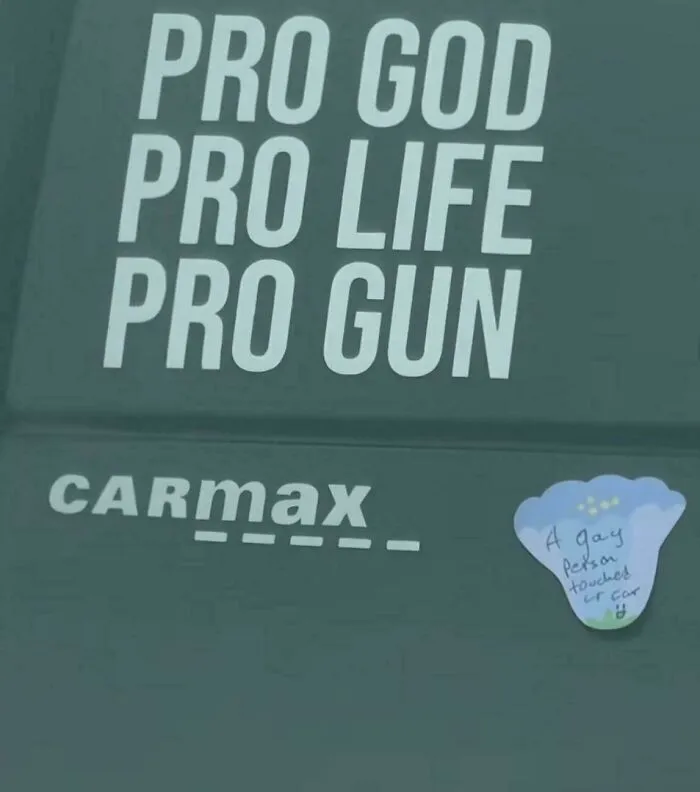
The first documented political use came in 1952, when Eisenhower and Stevenson battled for the White House, and Gill later made much of his money from election years, with the big orders arriving right after the party conventions. Paper eventually gave way to vinyl, which was promoted in the 1950s and caught on in the 1960s.
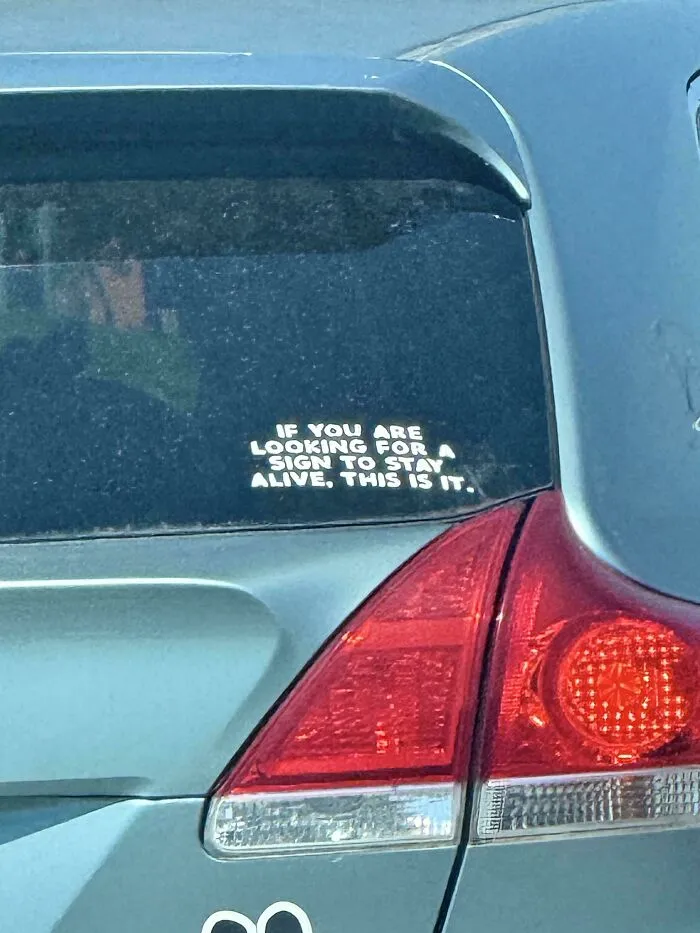
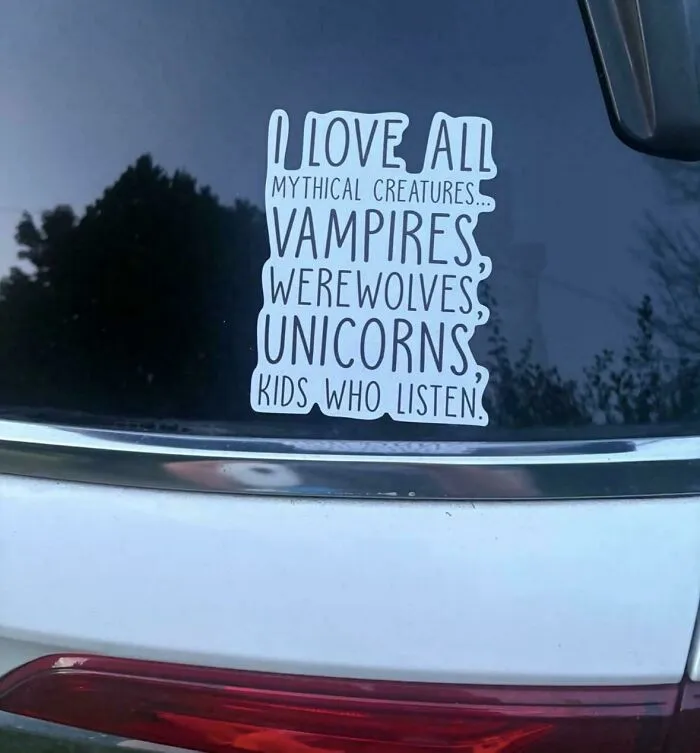
#15 When You Have Siezure Disorder And You Spot This At The Gas Station Getting Your Morning Coffee
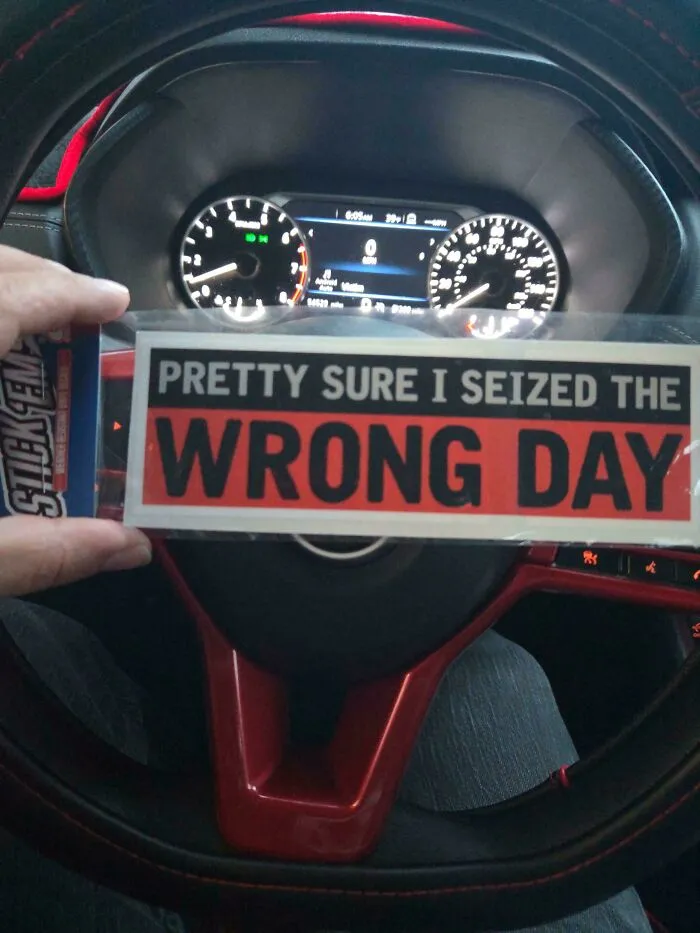
A bumper sticker was only expected to last two to four weeks, so being easy to remove became a selling point, according to research from a conservator at the University of Kansas Libraries. Anyone who has tried to scrape one off a decade old hatchback knows how that promise turned out.
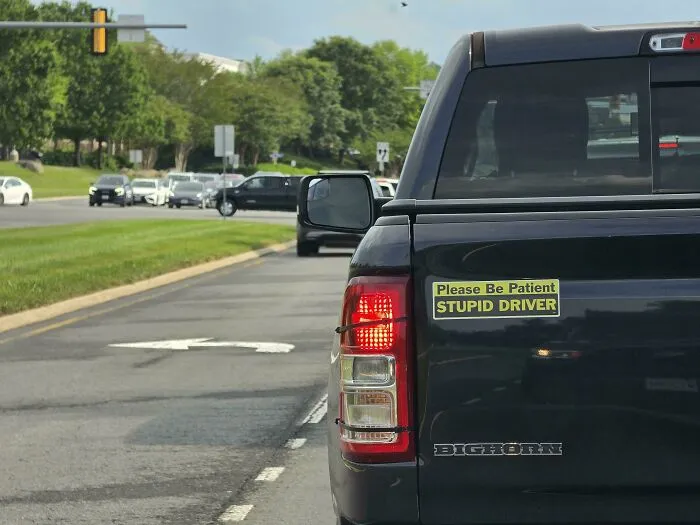
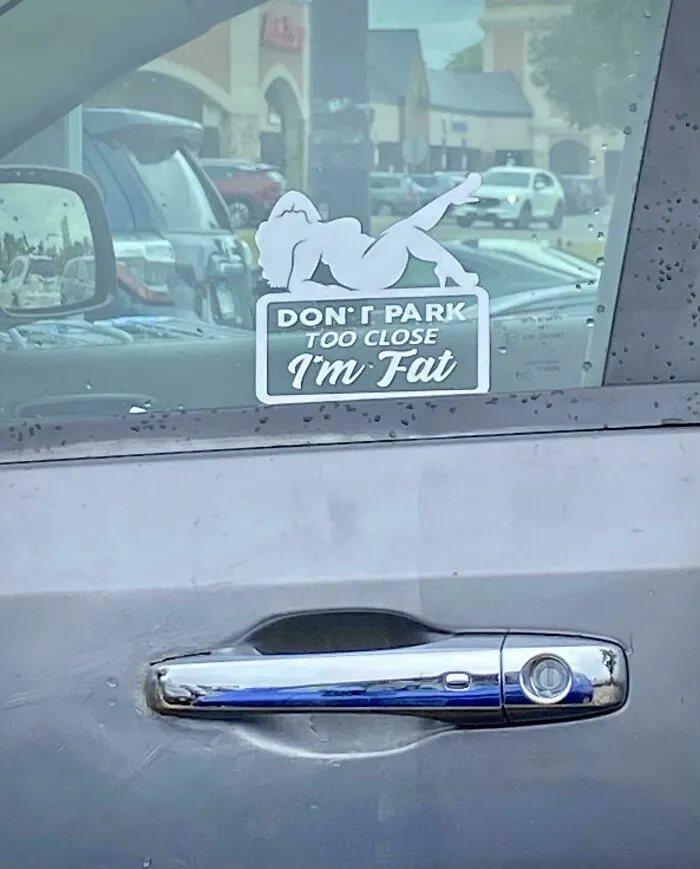
Then 1984 delivered the bright yellow diamond that changed the game. Michael Lerner, a former real estate investor, drove his 18 month old nephew home, got tailgated and cut off the whole way, and soon licensed a safety sign that two sisters had spotted in Europe. The first batch of Baby on Board signs sold 10,000 copies in a month, and within a year more than 3 million cars were wearing one.