

Ever wondered why Halloween involves dressing like a ghost, knocking on strangers’ doors for candy, and putting creepy faces on perfectly good pumpkins? These traditions have surprisingly different backstories, and some go back further than you might imagine.
Halloween has changed quite a bit over the centuries, blending old customs with newer influences to become the spooky celebration we know today.
One of Halloween’s earliest influences was the ancient Celtic festival of Samhain, which marked the end of the harvest and the beginning of winter. People believed spirits could cross into the world of the living around this time, so they lit bonfires and wore disguises to protect themselves from unwanted supernatural visitors.
Later, Christian observances honoring saints and the dead became intertwined with these older customs, helping shape the holiday now known as Halloween. What started as seasonal rituals eventually became an excuse to dress up and have fun.

As Halloween traditions traveled and evolved, they picked up influences from different communities. Irish and Scottish immigrants brought their customs to North America, where celebrations gradually took on a more local flavor. By the 19th century, Halloween gatherings included games, fortune-telling, and spooky storytelling.
Over time, the focus moved toward neighborhood celebrations, costumes, and activities for children, turning the holiday into a more community-centered event.
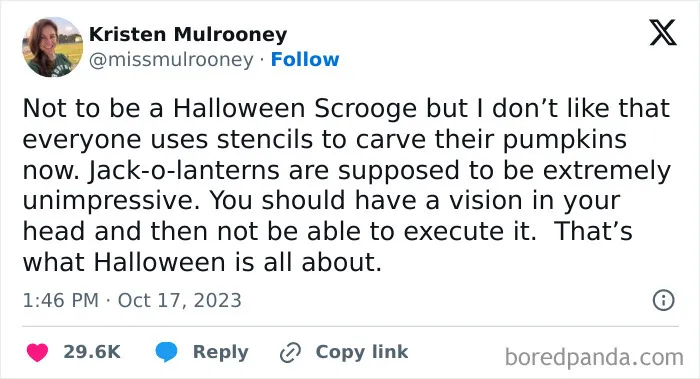
One of the most recognizable Halloween traditions is carving pumpkins into jack-o’-lanterns. The custom is linked to an Irish legend about Stingy Jack, a man condemned to wander with a glowing ember inside a carved vegetable.
In Ireland, people originally carved turnips and other root vegetables, but pumpkins were easier to hollow out after the tradition crossed the Atlantic. Today, they’re transformed into everything from grinning faces to elaborate spooky scenes.
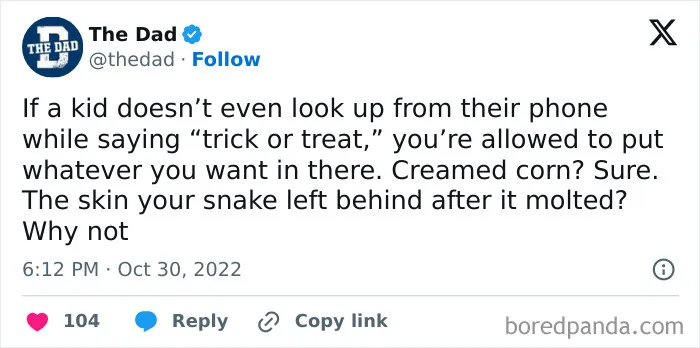
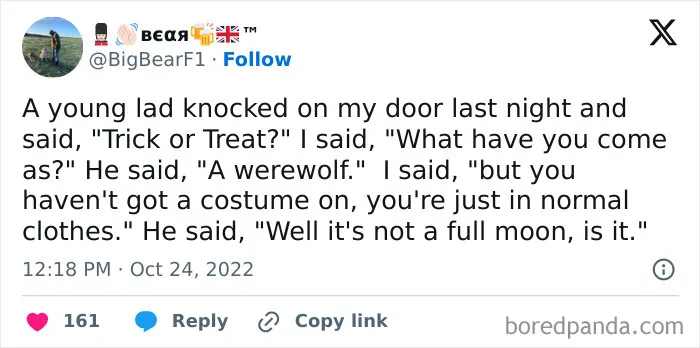
Trick-or-treating is one of Halloween’s most recognizable traditions with roots that stretch back centuries. One possible predecessor was the medieval practice of “souling”, when people went door to door asking for food in exchange for prayers for the dead.
In Scotland and Ireland, a related custom called “guising” involved dressing up and performing a song, poem, or joke to earn a treat. These practices gradually evolved, and by the mid-20th century, trick-or-treating had become a familiar Halloween activity in the United States. Today, the costumes may be more elaborate and the treats sweeter, but the door-to-door tradition lives on.
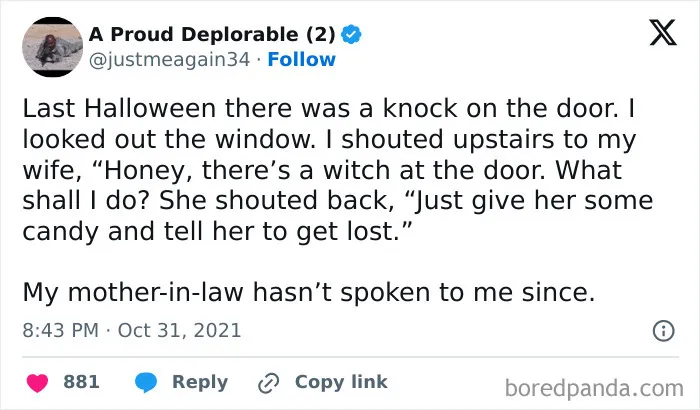
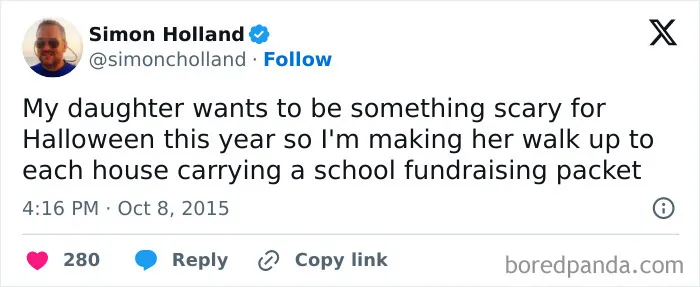
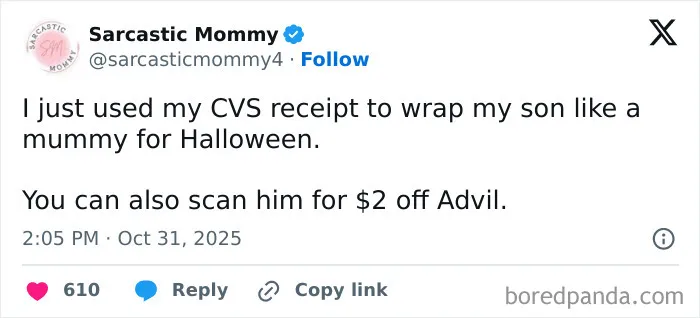
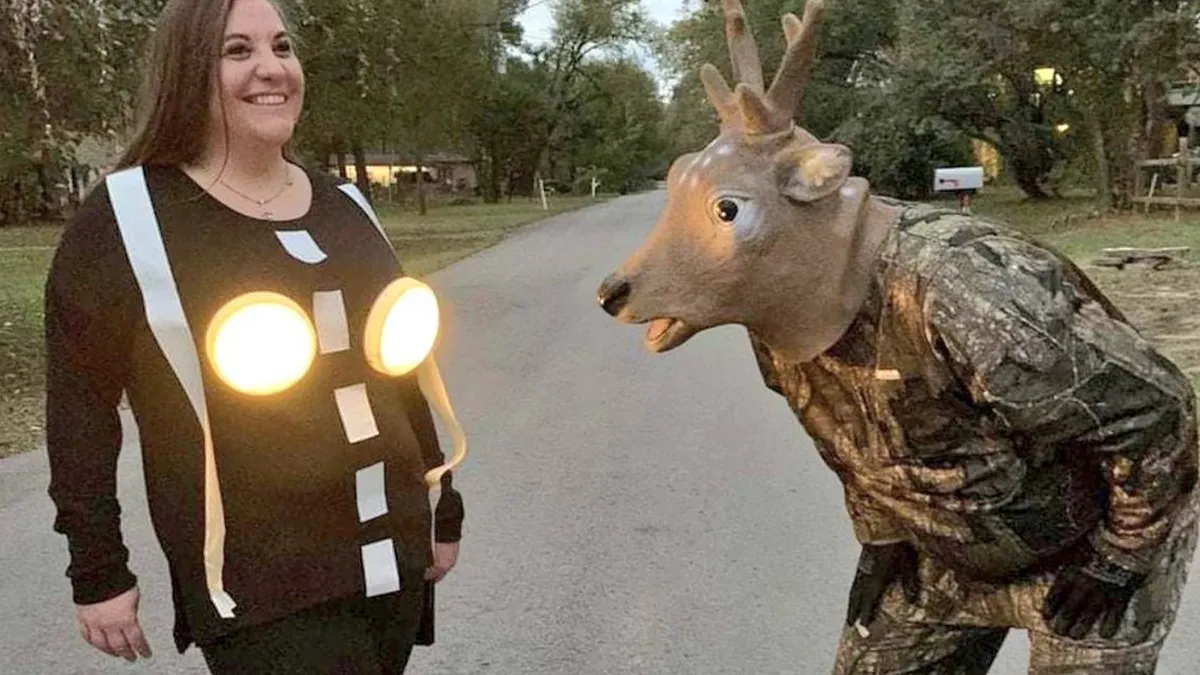
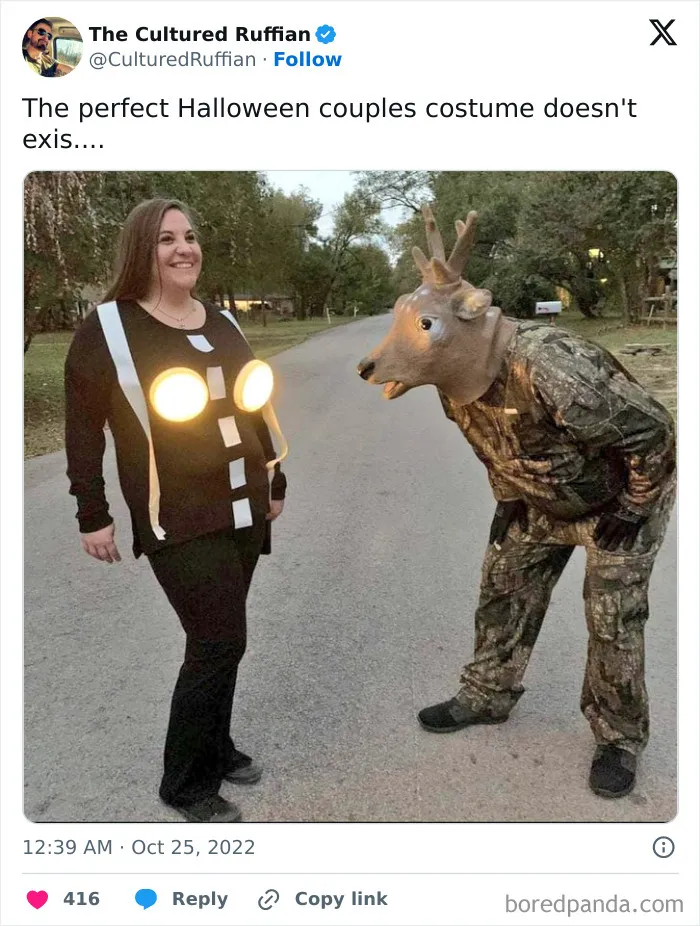
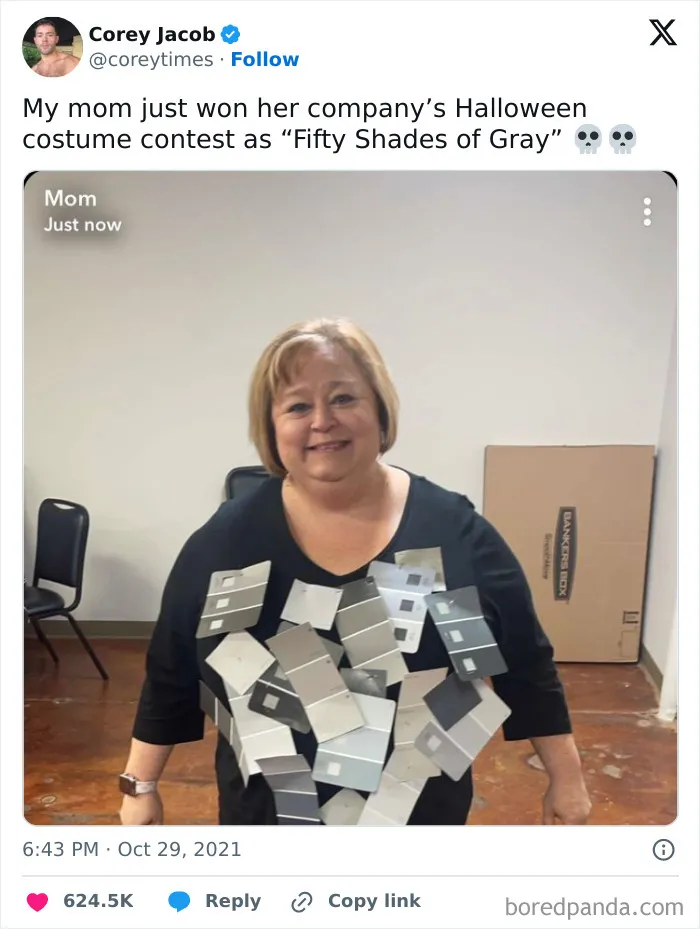
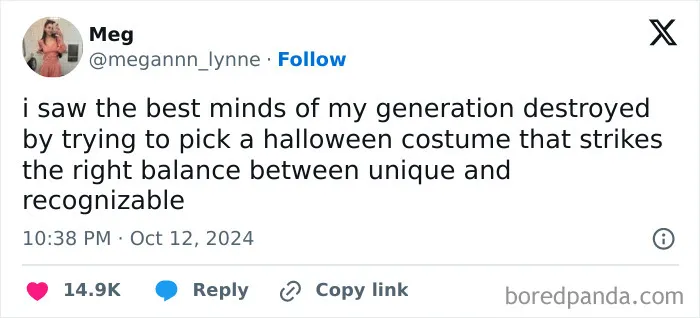
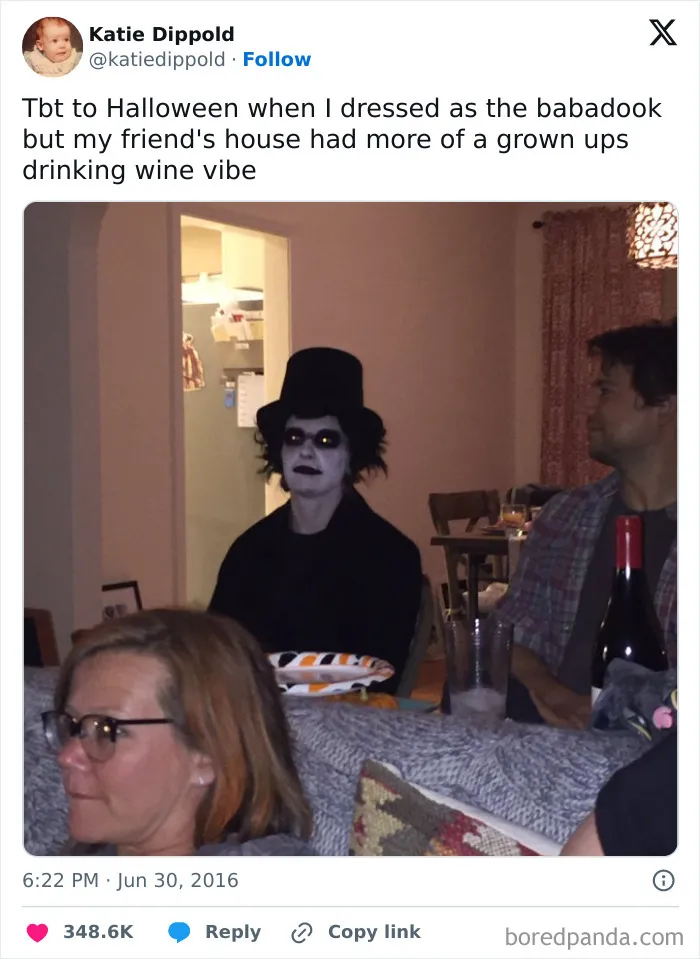
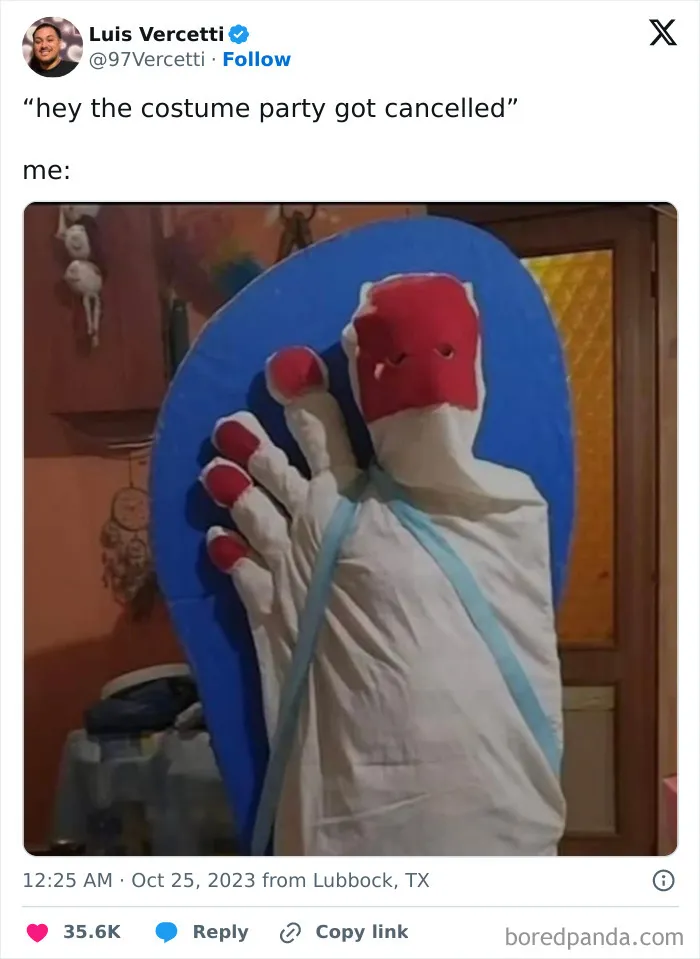
Halloween costumes have evolved over the years as well. Earlier, people wore disguises to confuse or ward off bad spirits. But now, Halloween outfits are often inspired by horror movies, celebrities, popular television shows, or whatever happens to be trending online.
Some people spend weeks putting together elaborate costumes, while others throw on a sheet and become a ghost with minimal effort. There’s no wrong approach, really, as long as you’re having fun and can still explain what you’re dressed as when someone asks.