





Observational humor is built around noticing the little things people experience every day but rarely stop to think about. According to Psychology Today, this type of comedy takes familiar situations, ordinary behaviors, and small social absurdities and presents them in a way that makes people recognize just how amusing they can be.
Much of its appeal comes from the familiarity of the experience, especially when someone points out something that others have encountered but never quite put into words. However, simply describing an everyday occurrence isn't always enough to make it funny. The observation also needs an unexpected angle that encourages people to look at something familiar differently.



This kind of humor relies on a combination of relatable situations, precise details, and surprising twists. A comedian might start with something everyone recognizes, such as an awkward social interaction or a common daily inconvenience, before drawing attention to an unusual detail that makes the situation seem ridiculous.
The ability to notice these details is an important part of observational comedy, as even the smallest habits, contradictions, or unspoken social rules can become entertaining material. The more specific an observation is, the easier it can be for people to recognize the experience and appreciate the humor behind it.
Sometimes, the funniest jokes are simply ordinary situations described in a way that makes their absurdity impossible to ignore.
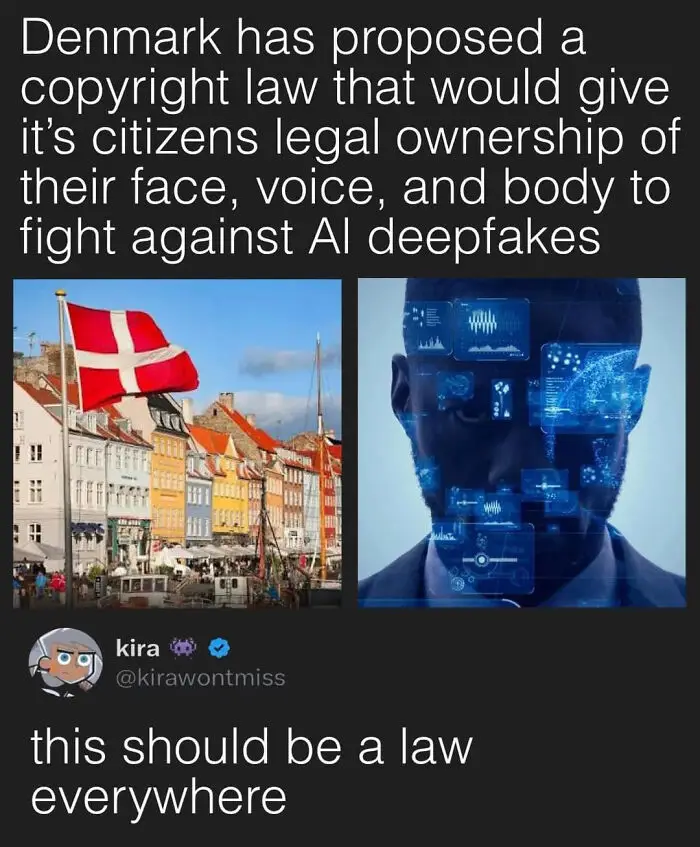


Beyond making people laugh individually, humor also has an important social function. Research discussed by the Greater Good Science Center found that sharing laughter can increase people's feelings of similarity toward one another, which can subsequently make them feel more positively about each other and more interested in building a connection.
This suggests that finding the same things funny can be more meaningful than simply enjoying a good joke. When people recognize the same absurdity or relate to the same everyday experience, they discover a small point of common ground that makes interacting with one another feel more natural.



This sense of connection can develop in several ways. Laughter can make unfamiliar social situations less uncomfortable, ease tension during difficult conversations, and help people feel more relaxed around one another. It can also create a sense of belonging when people develop shared jokes or recognize the same amusing details in their surroundings.
Even during stressful situations, finding something to laugh about can make an experience feel more manageable and remind people that they are not dealing with everything alone. These shared moments can become memorable parts of relationships, which is one reason humor remains such an effective way of building familiarity and strengthening social bonds.



The social appeal of humor also helps explain why people are so eager to share funny content with others. According to The Conversation, passing along a meme, video, or amusing observation is not always just about showing someone something entertaining.
It can also be a way of sharing a positive emotion and inviting another person to experience it. Amusement is an activating emotion, meaning that it can encourage people to do something with the excitement they feel, including sending the content to friends or family. Sharing something funny can therefore become a small social gesture that expresses warmth, affection, and an interest in connecting with someone.



There are also several psychological reasons why people enjoy passing humorous content around. Laughing at the same thing can suggest that two people have similar perspectives or understand the same references, making it easier to establish common ground. It can also communicate familiarity and appreciation without requiring a lengthy conversation.
Sometimes, a funny observation is particularly appealing because someone immediately thinks of a person who would appreciate it just as much. In other cases, humor can help lighten an awkward or frustrating situation, giving people a reason to relax and enjoy a shared moment. This makes funny content more than something people consume individually, as it can also become a way of maintaining relationships and creating shared experiences.