



According to provisional data from the National Vital Statistics System, about 2,128,446 marriages occurred in the US in 2024. The provisional marriage rate was 6.3 per 1,000 people, based on a total US population of 340,110,988.
In contrast, Americans filed 662,950 divorces. The provisional divorce and annulment rate was 2.3 per 1,000 people, based on a total US population of 284,385,897 (excluding a few states).



The legal experts at Consumer Shield stated that the percentage of marriages that end in divorce has fallen. They believe this is because couples are marrying later and, presumably, understand each other better as they get older. So, they tried to understand the reasons for breakups and found many.
However, the number one reason for divorce arises from a lack of commitment. Experts said that in one study, over 70% of couples agreed this factor played a role in their divorces. The other top reasons for divorce include financial problems, too much conflict and arguing, substance misuse, domestic violence, and infidelity, they added.



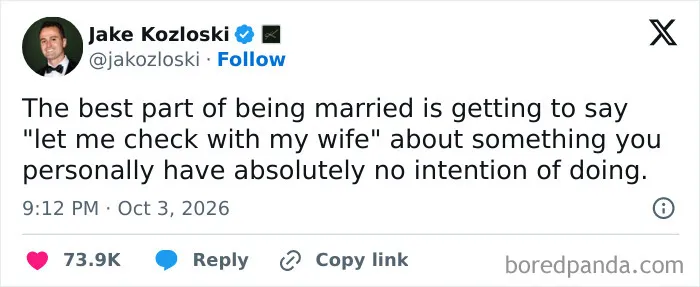
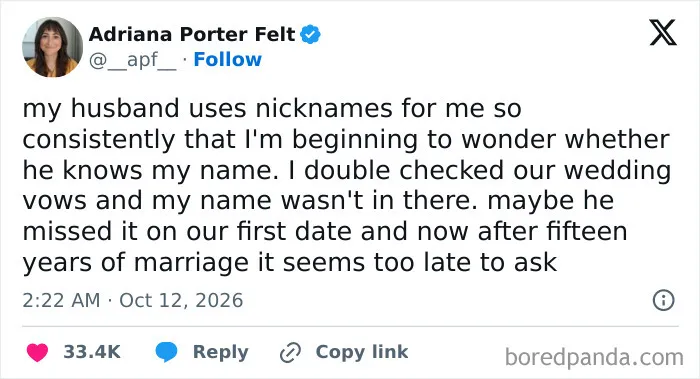
Now that we have looked at the reasons, let’s explore how marriages can actually thrive. Psychologist and professor Enrico Gnaulati argues that marriage scholars often overlook humor, irony, and an appreciation for the absurd as mindsets conducive to success in love.
Yet he believes they provide the best way for intimate partners to adapt to all the mundane annoyances baked into marriage and long-term romantic partnerships.



Prof. Gnaulati adds, “When a relationship plentifully meets our essential needs and is mostly good, what makes it chug along, rather than keep sputtering out, is a mindset of mirthful acceptance in the face of a mate’s negative traits.”
“You need an openness to humorously shrugging off the myriad inescapable sources of potential irritation that are part of sharing a life with a fellow flawed human being. You need to find a way to snicker, not bicker,” he explains.



Beyond humor, Dr. John Gottman, another psychologist and professor, focused on the small, almost forgettable moments in a couple’s daily life rather than the big ones. He came up with what he calls ‘bids for connection.’ He talks about attempts a person makes to connect with their partner.
These bids can be as simple as sharing a meme or patting your partner on the shoulder as you pass by. His research suggests the secret to a happy marriage may lie in how couples show up for each other in small, daily moments.



Dr. Gottman noted that people can respond to their partner’s bid in 3 ways. After thousands of responses to these small moments, a pattern forms that might determine whether the relationship survives.
People either turn toward the bid by acknowledging it and engaging with it. When people respond this way, they let their partner know they are being heard and seen. The second one is turning away from the bid, where it’s ignored. Although it might not be intentional, partners might feel neglected if it happens constantly.