







Even if you are relatively well traveled, one can always run into something in another country that just makes you pause and Google what is going on. However, as with so many things, there is no better source than a local.
Someone asked “In your country, is there any situation that foreigners would completely misunderstand unless they lived there for a while?” and people shared interesting examples from their countries. So get comfortable as you scroll through, upvote the ones you didn’t know about and be sure to add your own ideas in the comments down below.
#21 Chile
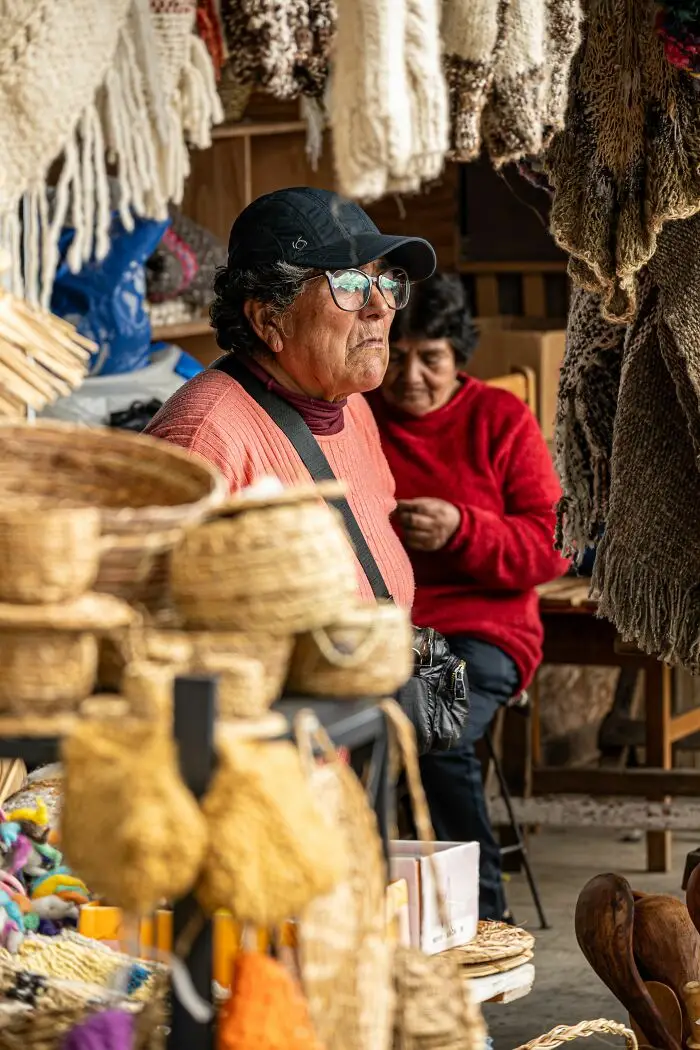
In Chile, at the supermarket checkout the cashier will always ask for something that sounds like "surrut". Foreigners are confused by this, what do they want? It's not even asked as a question!
What they want is "su RUT", basically your unique government ID number. This is used to get discounts or gather points to later exchange for products. If you don't have a points account with that particular supermarket, they will insist that you should become a member. They can be VERY insistent.
What many families do is have one account, and whoever buys something gives that "RUT". They don't mind, it could be my brother using my mom's number, they just ask if the name is correct, only to confirm that it is is correct.
My mom usually uses those point to basically buy everything for Christmas and New Year's dinner this way, a full fancy feast.
27points
#22 New Zealand
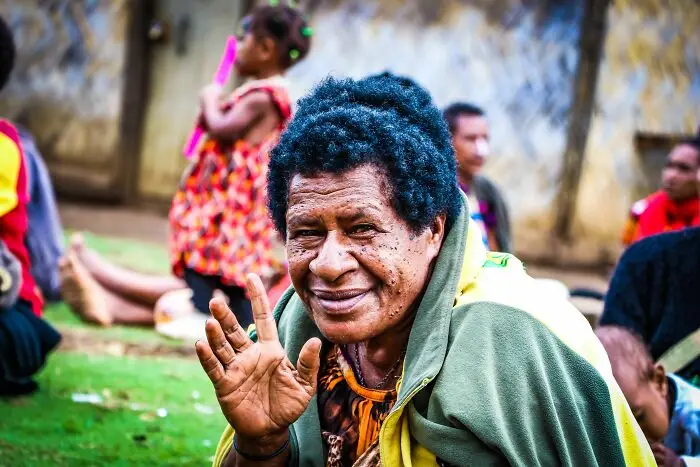
Yeah nah = no
Nah yeah = yes
Also most of our firefighters are volunteers, which means they have other jobs. In small towns there is often a siren that goes off to alert them that they are needed. This can be scary for tourists as a lot of them think they are tornado or tsunami warnings. Or maybe a sign of the purge starting.
Report
26points
#23 United States Of America
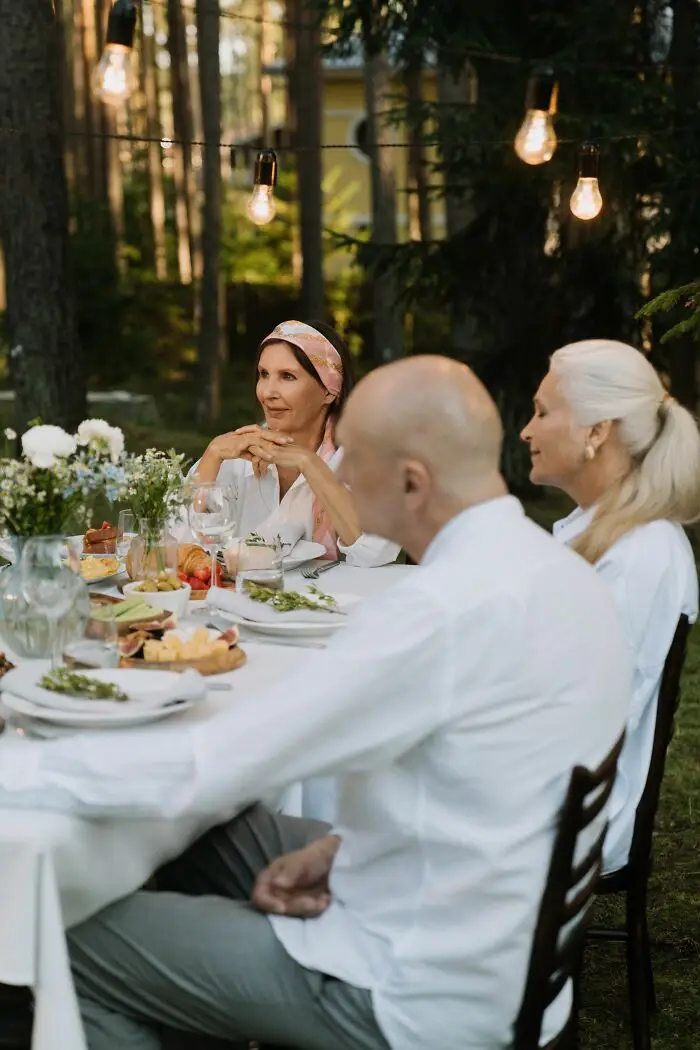
Welp. Then hit the legs and get up.
Very midwestern way of saying it’s time to go home.
Very midwestern way of saying it’s time to go home.
Report
24points
#24 India
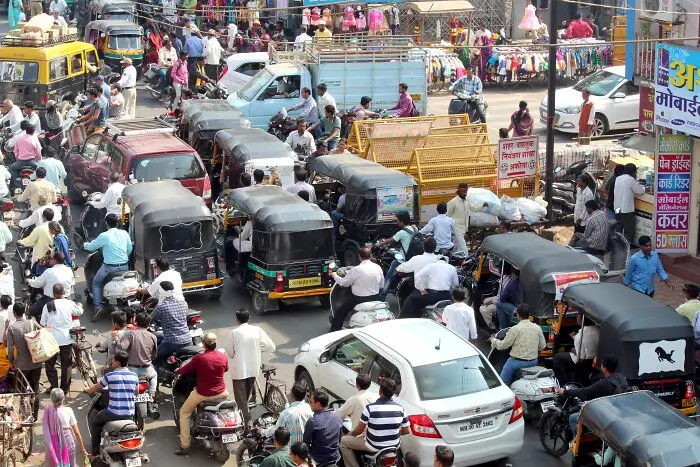
Being 30–60 minutes late is often normal for social events, meetings, or even some professional ones (especially outside big cities).
Foreigners see it as disrespectful, but it's tied to traffic, family priorities, and a relaxed view of clock time. Arriving exactly on time can sometimes catch hosts off-guard.
Foreigners see it as disrespectful, but it's tied to traffic, family priorities, and a relaxed view of clock time. Arriving exactly on time can sometimes catch hosts off-guard.
Report
23points
#25 Canada

This may be more well known now, but just how big our country is. People think they can fly into Toronto and take a day trip to see friends in Vancouver. Unless you have 2 extra weeks, I would not recommend. Even within my own province, it'll take 20+ hours to drive from one end to the other.
Also, not sure if it counts, but I've befriend people while visiting other countries, and when we move onto messaging each other, I use exclamation marks to convey excitement, but I'm always asked why I'm so angry.
Also, not sure if it counts, but I've befriend people while visiting other countries, and when we move onto messaging each other, I use exclamation marks to convey excitement, but I'm always asked why I'm so angry.
Report
23points
#26 France

Usually right before having dinner with friends or family, you drink what's called apéritif (can be almost anything) in order to celebrate. You also eat various snacks such as crisps, cherry tomatoes, peanuts, etc. which are in bowls. Most of the time, if there is only one item left in a bowl, don't eat it. It's considered kind of rude.
22points
#27 Malaysia, Cameroon, Netherlands
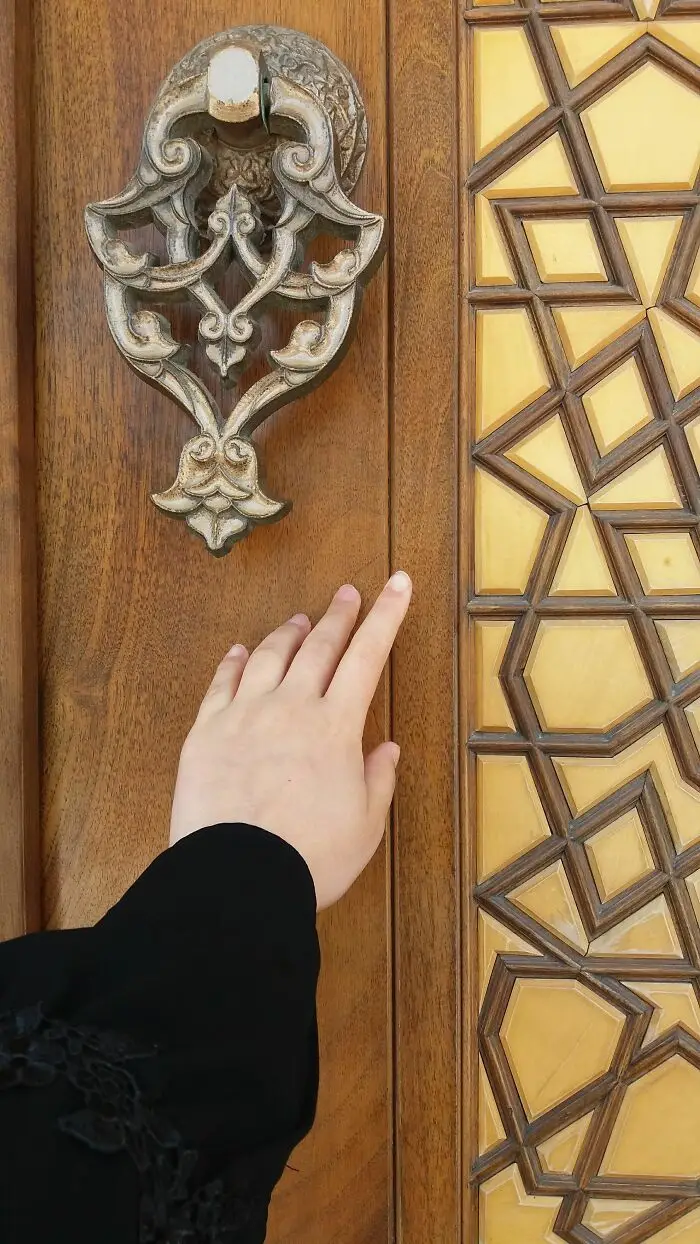
Knocking on the door before entering an empty room you'll be staying in. Doesn't matter if it's a new house you bought, a hotel room, an Airbnb or even the room of a friend's home. It's more of a ritual to politely tell any spirits that may be inside that you'll be entering their home and that you're staying there as their guest.
Report
21points
#28 New Zealand
Nz, we'll often say you can leave your shoes on when you come inside, but you're expected to take them off at the door
It's like we're testing you idk why we do it
This is the way.
It's like we're testing you idk why we do it
This is the way.
Report
19points
#29 United States Of America
If someone says “How are you?” in the US, and probably most of Canada, the most they expect is a “fine.” It’s not even really a question, it’s mostly a formality.
I have heard a lot of people from Russia and Eastern Europe have had trouble with that when they came over here, because apparently you are expected to *actually* say how are doing when someone asks. I mentioned this to a Russian woman who was getting her doctoral degree over here, and she said “Oh, that’s why I don’t have any American friends.”.
I have heard a lot of people from Russia and Eastern Europe have had trouble with that when they came over here, because apparently you are expected to *actually* say how are doing when someone asks. I mentioned this to a Russian woman who was getting her doctoral degree over here, and she said “Oh, that’s why I don’t have any American friends.”.
Report
18points
#30 United States Of America

A brawl in the Waffle House isn't an emergency situation, it's *atmosphere.*.
Report
18points
#31 Philippines
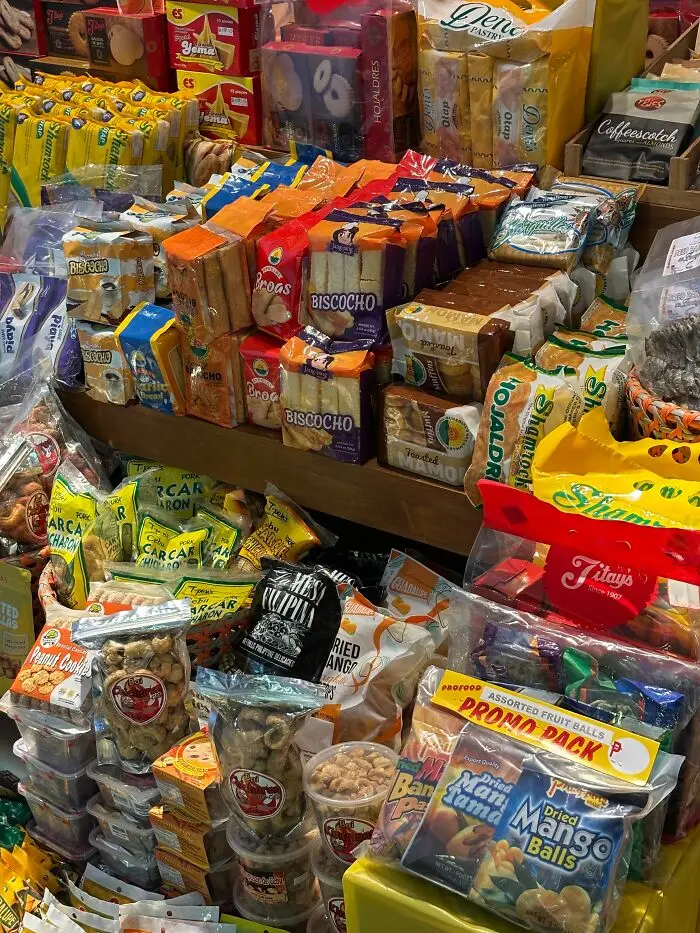
We have a pasalubong culture here. Whenever you travel, you buy souvenirs for your family and friends. Now if that was a work trip, include the folks in the office who didn’t get to go. It’s usually something small like a keychain or a shirt or a local delicacy. It’s just to tell someone you’re thinking of them. It’s also a way to gauge how close you are with someone or if someone is chill with you. You can easily offend an auntie you forgot to get a pasalubong for. You could also tell someone that you’re relationship with them is not as close as they think by not getting them one or tell them that you’re friends, at least on your end, by getting them something. Some folks use this as a way to butter up their boss too.
It doesn’t even need to be a big trip either. Sometimes I brought something home when I came home for the week in college.
It doesn’t even need to be a big trip either. Sometimes I brought something home when I came home for the week in college.
Report
18points
#32 Argentina

Here in Argentina, if a friend calls you something derogatory or refers to you by a "bad" quality, it's because they care about you. We have a positively toxic way of relating to each other, so that we all grow mentally stronger.
The one who is fat will be nicknamed "the fat one," and the one who is black will be "the black one." And so on with everything you can think of.
Foreigners simply don't understand this, and any explanation we give seems to fail to convince them because they apply their culture to ours, which is very different.
Report
18points
#33 India
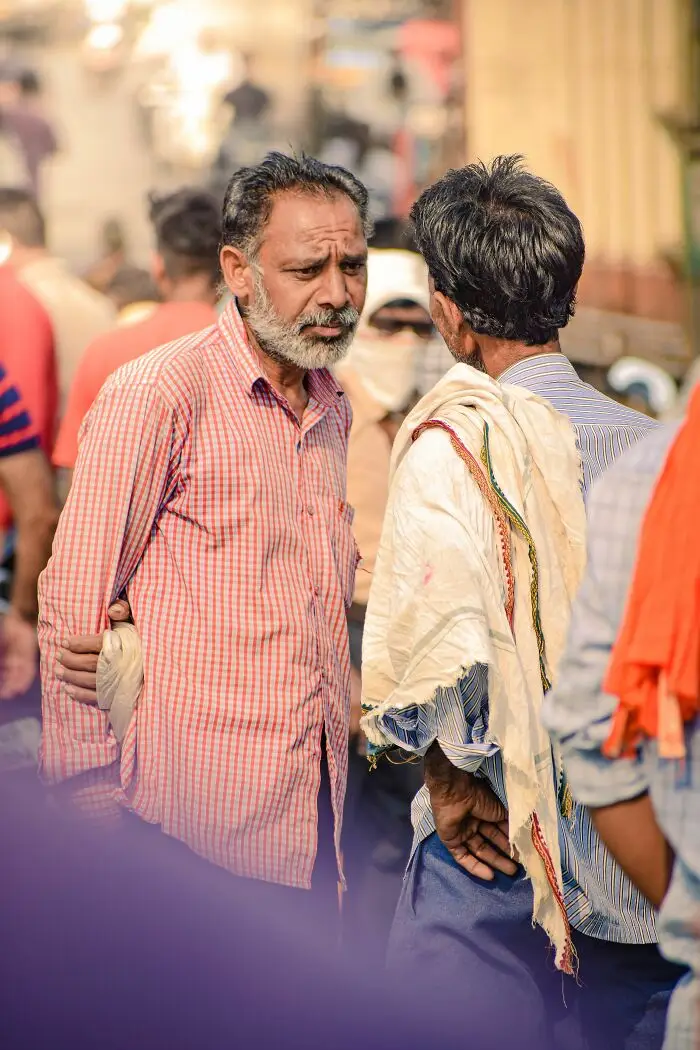
In India, if you meet someone after a long time, it is customary to insist that they visit your home (while secretly hoping they don’t accept)
It is also customary that the other person says that they will visit (without actually visiting)
“Please come home”
“Yes, of course we will”.
It is also customary that the other person says that they will visit (without actually visiting)
“Please come home”
“Yes, of course we will”.
Report
18points
#34 Mexico
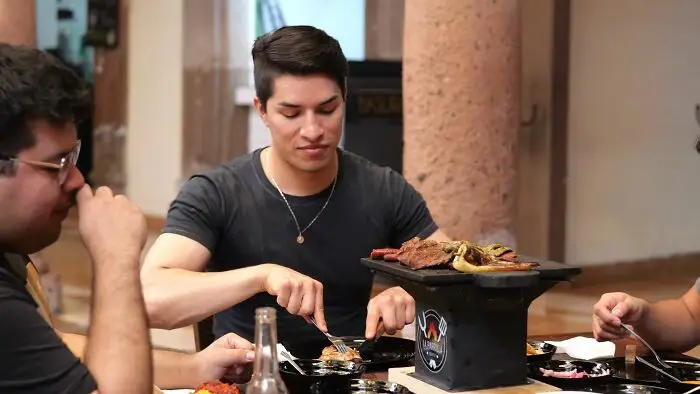
It’s pretty normal for strangers to wish each other “Buen provecho” (bon appétit) after finishing the meal and leaving the restaurant or diner, even food trucks!
Report
17points
#35 Ireland
There was a tradition in ireland of just knocking into your neighbours for a chat. No reason, no message, no urgent news. Just to say hello. .
Report
16points
#36 France
The proper way to cut cheeses, the idea is to share the best part (center) while cutting.
Report
16points
#37 Türkiye
Mom's calling their kids "mommy" and dads calling their kids "daddy". Not just that but any other title as such are used this way (aunt, uncle etc).
Report
16points
#38 Türkiye
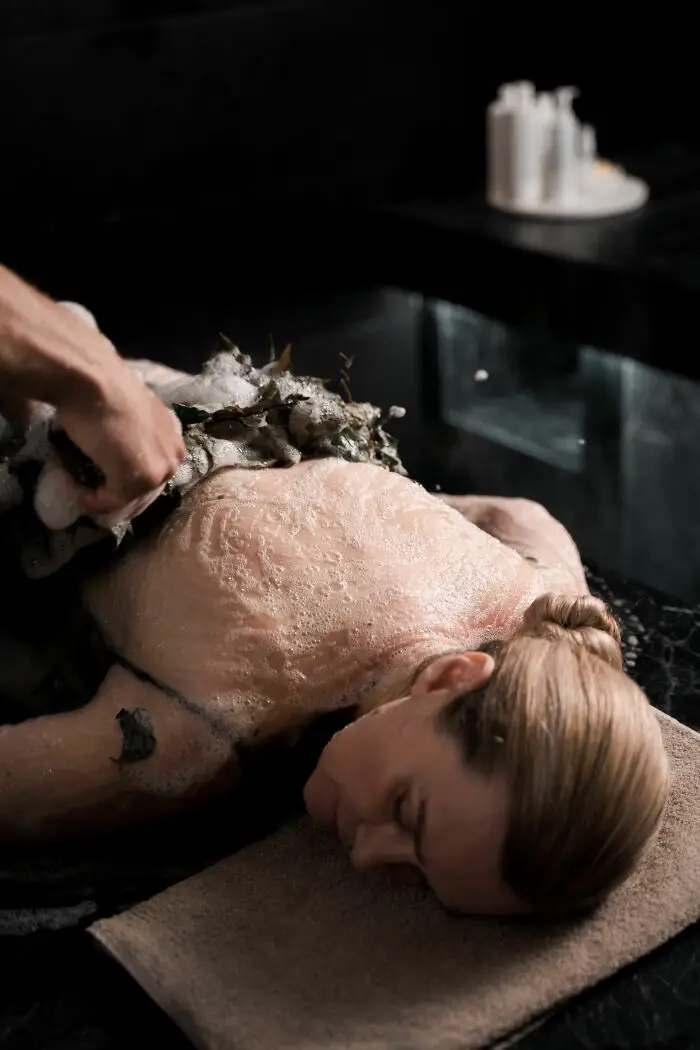
Hamam's.
Imagine an underground bath house where big men only wear some loincloths, massage eachouther by beating eachother up and even use a pillowcase full of soap to clean. And its also the most straight experience you can have.
Imagine an underground bath house where big men only wear some loincloths, massage eachouther by beating eachother up and even use a pillowcase full of soap to clean. And its also the most straight experience you can have.
16points
#39 Mexico
In mexico, hospitality is a custom thats only in word, if you’re offered anything when entering a home which will happen every time, it is expected for you to decline, unless you really are thirsty lol.
It is also normal to be late, being very punctual to non formal gatherings could cause you to show up to a party that hasn’t even been set up!
It is also normal to be late, being very punctual to non formal gatherings could cause you to show up to a party that hasn’t even been set up!
Report
15points
#40 Australia
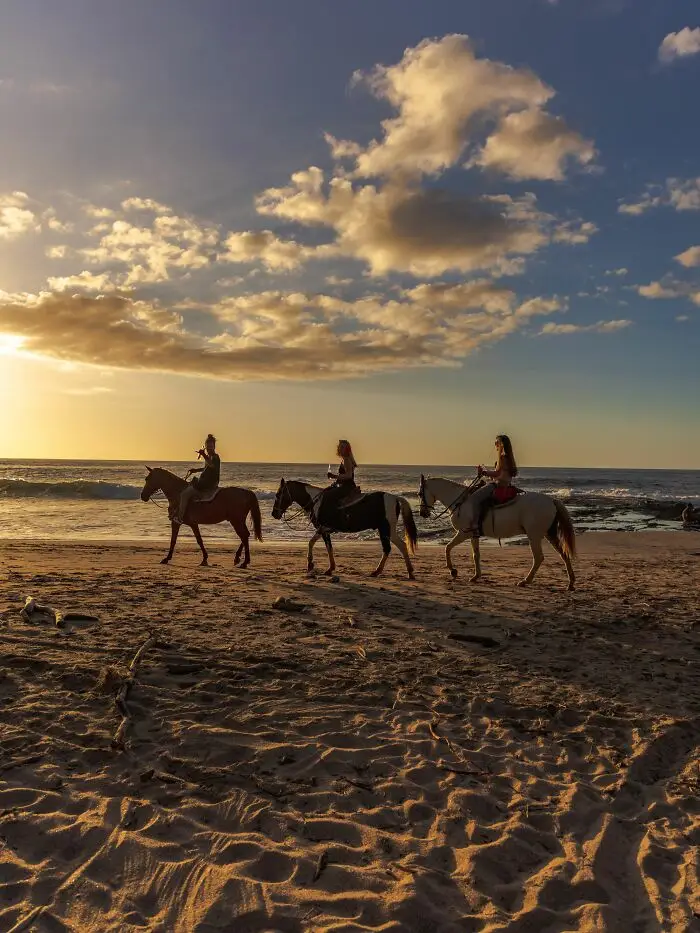
Every year the state of Victoria stops everything for a day to go punt on horses, punters with enough money show up in person while the average punter watches on tv. About 65% of tickets last year came from interstate and international punters.
14points