





It’s a fascinating world we live in; and the deeper into its secrets we delve, the more there is to discover. That’s probably the reason all sorts of informative platforms online—whether they’re focused on videos, podcasts, or other formats—seem to be blooming nowadays.
One of such rabbit holes of information about anything and everything in life is the ‘fasc1nate’ account on X (Twitter). The posts, enthralling you to scroll for hours, cover information about science, gadgets, history, art, and much more, providing a little something for everyone to enjoy. We have gathered some of the most captivating examples shared by the account on this list for you today, so wait no longer and scroll through to learn something new.
#21
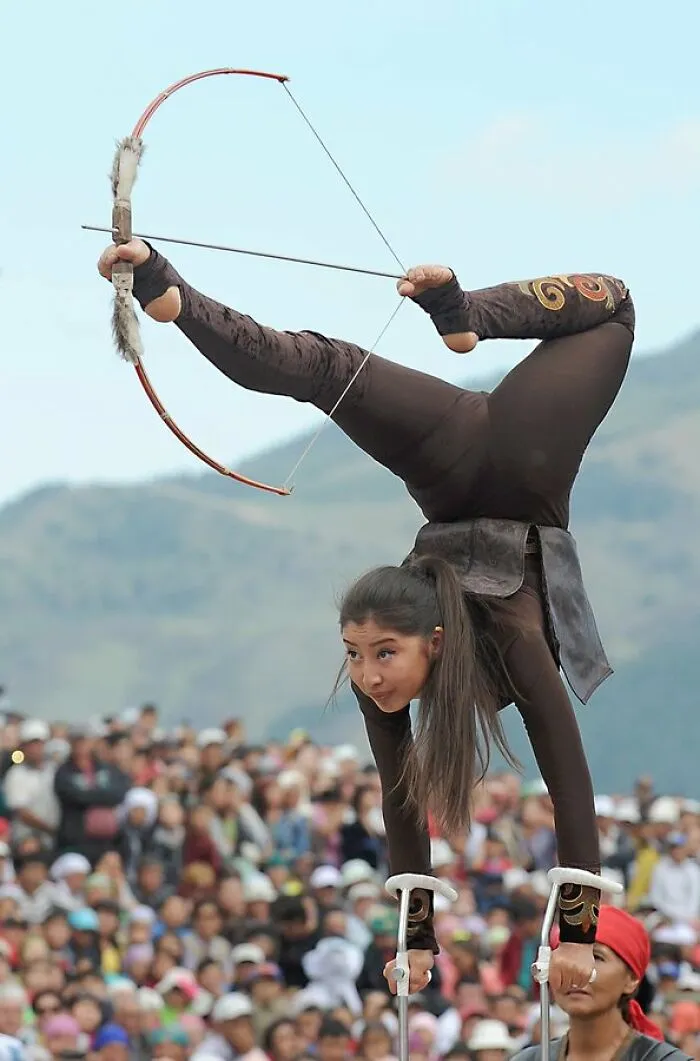
An acrobatic archer competing in the 2016 World Nomad Games in Kyrgyzstan
Report
167points
#22
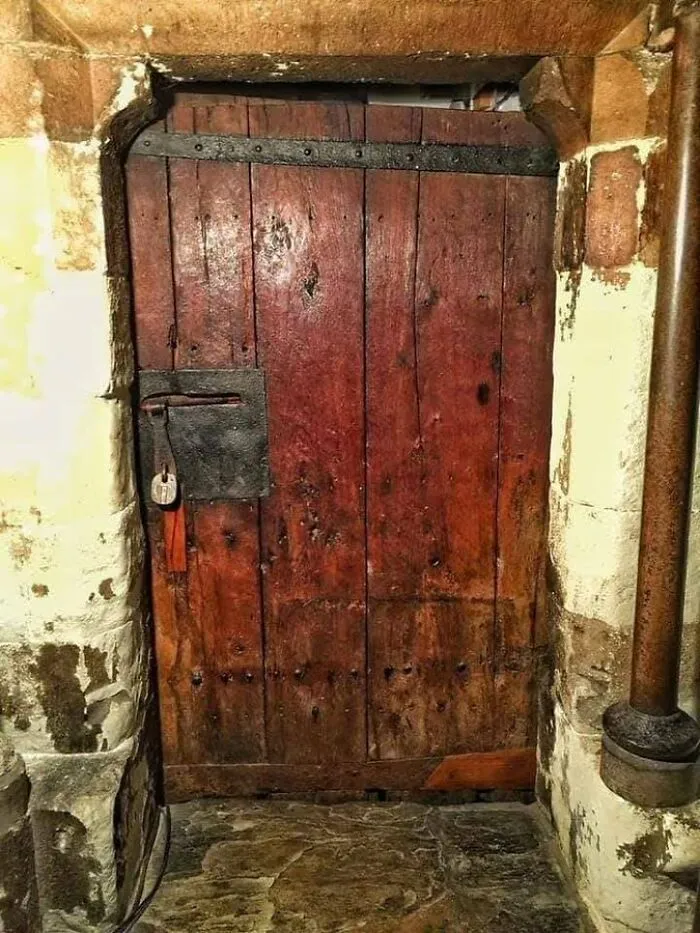
This oak door belonging to Westminster Abbey is the oldest door in Great Britain. It has been standing for over 950 years, dating back to the reign of Edward the Confessor in the 1050s. The door was made from a single oak tree
Report
164points
#23
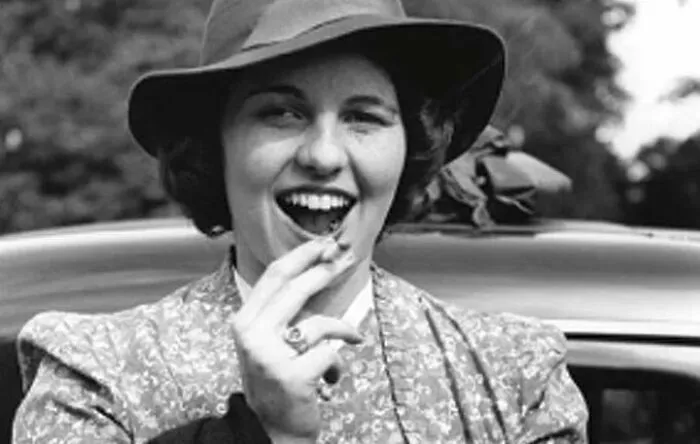
When she was 23, Rosemary Kennedy, the sister of JFK and RFK, had a forced lobotomy arranged by her father. The surgery left her incapacitated for the rest of her life
Report
162points
#24
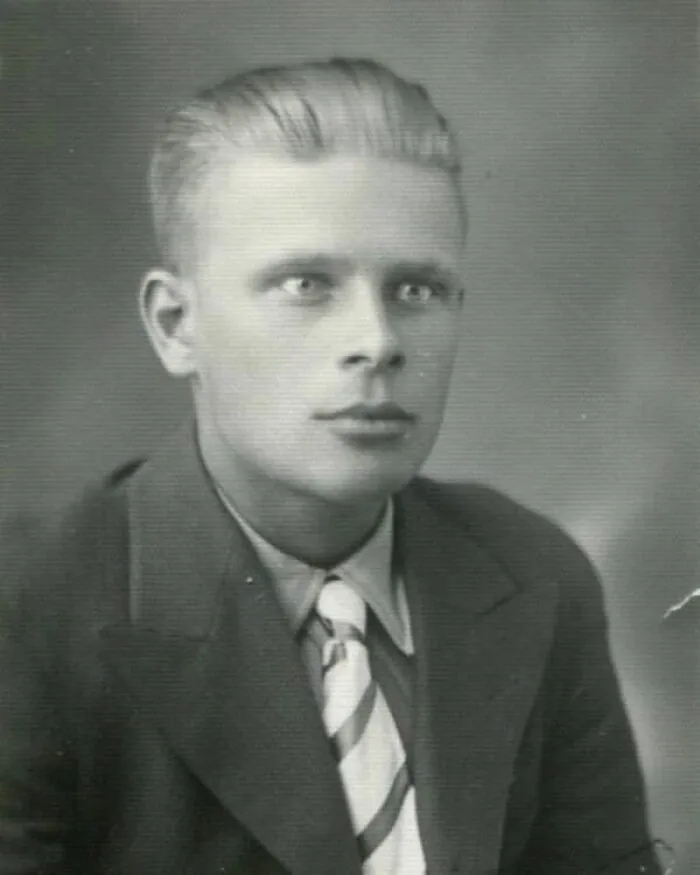
On March 18, 1944, 27-year-old Aimo Koivunen and his Finnish ski unit were in Lapland, Finland's northernmost region, when they were attacked by superior Soviet forces. Forced to retreat through deep snow, Koivunen found himself exhausted.
He remembered he had a supply of Pervitin, an early form of crystal meth used in World War 2. Unable to open just one pill while skiing away, he swallowed all 30 pills. This gave him an immediate burst of energy, allowing him to outpace the Soviets and his unit before passing out.
When he woke up, he'd covered 100 kilometers (62 miles) alone and high, without food or ammunition. He kept skiing, encountering the Soviets multiple times but always escaping, even after an injury from a landmine.
He traveled 400 kilometers (250 miles) to reach Finnish territory. Upon arrival, he weighed only 94 pounds, and his heart raced at 200 beats per minute. He survived until age 71, dying in 1989.
Report
154points
#25
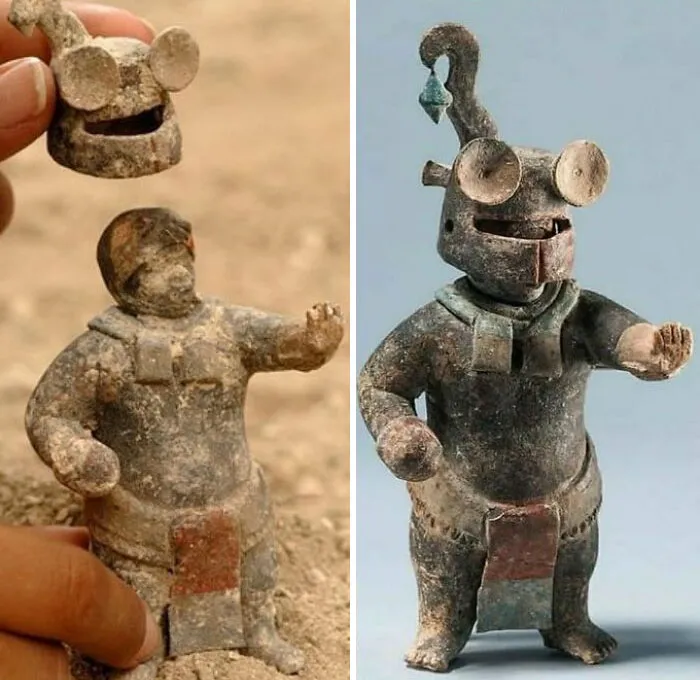
1,500-year-old Ceramic Maya Figurine with Removable Helmet, from El Perú-Waka', Petén, Guatemala
Report
149points
#27
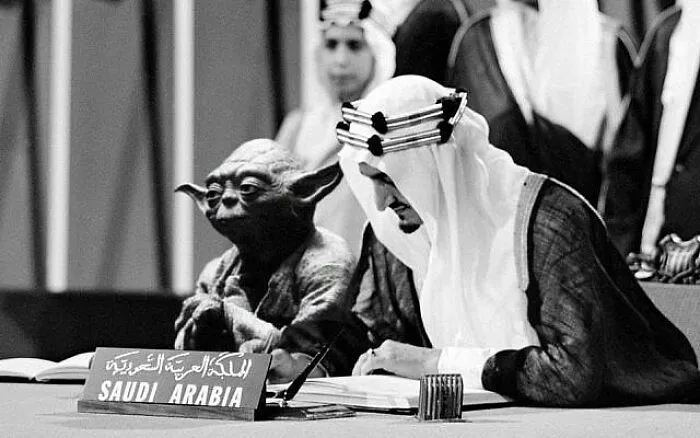
Saudi Arabia accidentally printed thousands of textbooks containing this image of Yoda sitting next to King Faisal while he signed the 1945 UN charter
Report
145points
#28
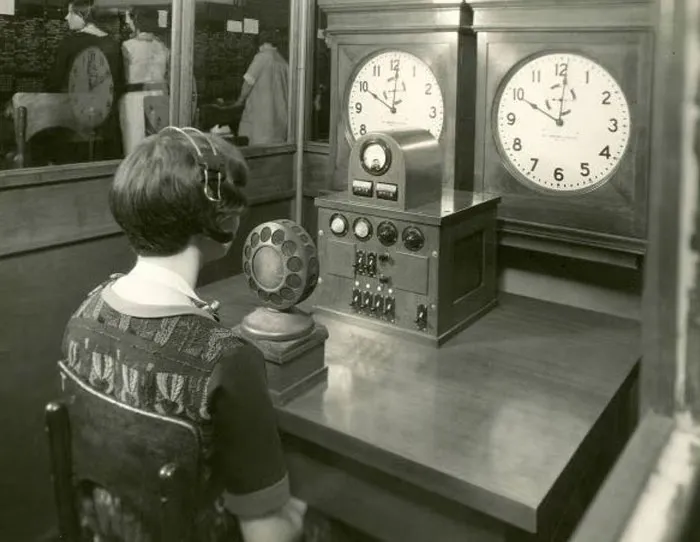
The "Time Lady" or "the Speaking Clock" before the introduction of automated equipment. Her job: giving the correct time 'live' all day long. C. 1930s
Report
144points
#29
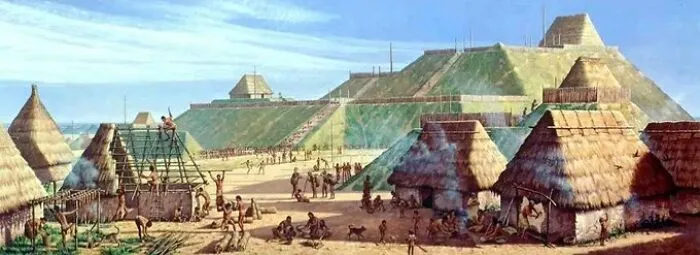
At its height, around four centuries before Columbus arrived in the Americas, Cahokia was a thriving pre-American city with a population comparable to that of London at the time.
Situated in southern Illinois, just eight miles from today's St. Louis, it likely held the title of the biggest city in North America north of Mexico during its era.
The Mississippians, Native Americans who spanned much of what is now the southeastern U.S., from the Mississippi River to the Atlantic coast, were its builders.
Despite Cahokia being advanced and worldly for its era, its story remains largely unfamiliar to many Americans, including those in present-day Illinois.
This image is a painting by Michael Hampshire.
Report
143points
#30

1,200 stone sculptures with different facial expressions at the nenbutsu-Ju Buddhist temple in Kyoto, Japan
Report
143points
#31
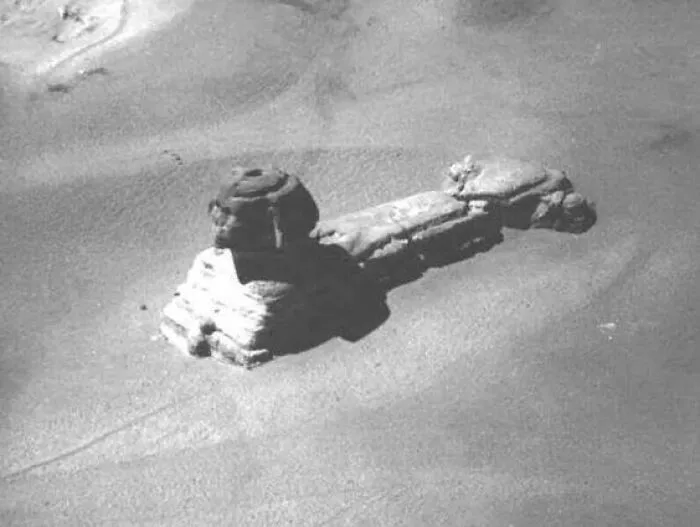
A rare early 19th-century photo of the Great Sphinx from a hot air balloon. This is before it was excavated and restored
Report
138points
#32
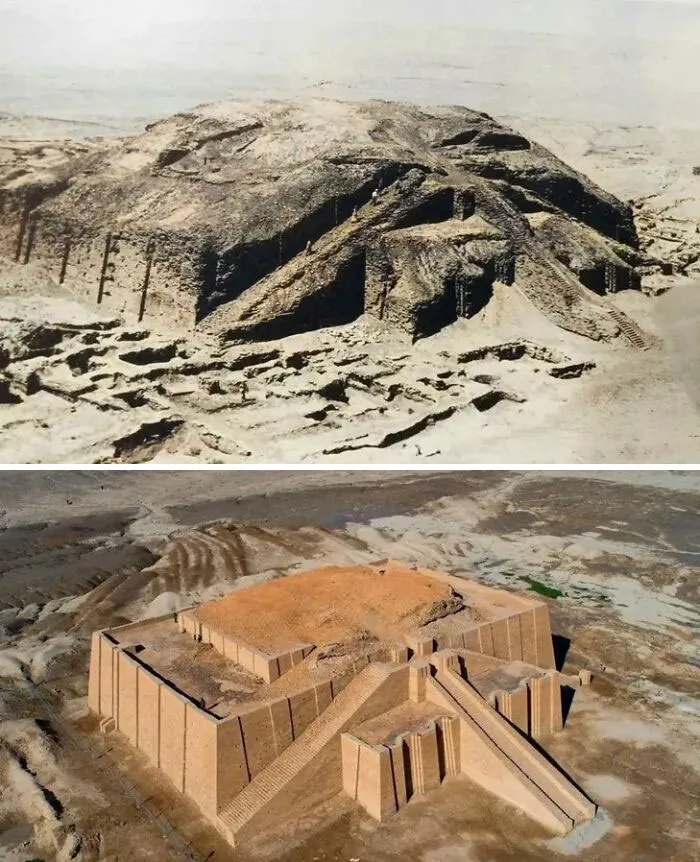
Before and after the excavation and restoration of the Ziggurat of Ur.
The Ziggurat of Ur was built around 4000 years ago by King Ur-Nammu of the Neo-Sumerian Empire, is one of the oldest surviving temples in Iraq. Located near Nasiriyah, it showcases religious practices from around 2050 BC.
The site was discovered in 1850 and was extensively excavated in the 1920s and 1930s. However, it suffered damage during the 1991 Gulf War. Today, excavations still occur, revealing more artifacts and findings
Report
137points
#33
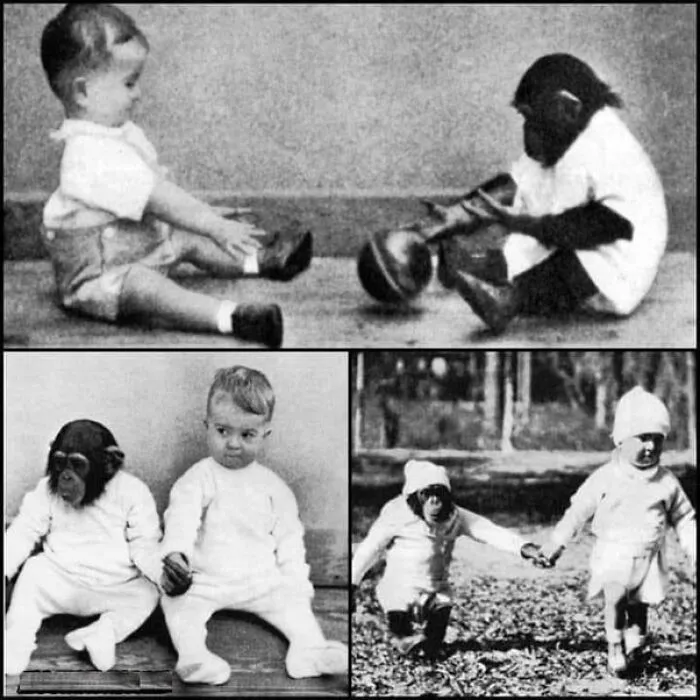
In 1931, two psychologists, Winthrop and Luella Kellogg, began an experiment to see if a chimpanzee could learn human behavior by raising it with their own baby. The idea was to see if the chimp, named Gua, would learn to walk upright, speak, and engage in other human-like activities.
For the first few months, the experiment was going well. Gua learned to mimic some of the actions of Kelloggs' son, Donald.
However, after 9 months, the Kelloggs were forced to cancel the experiment. It turns out that Donald was beginning to behave like an ape himself, mimicking Gua's behaviors and even attempting to communicate with grunts and other animal-like sounds
Report
134points
#35
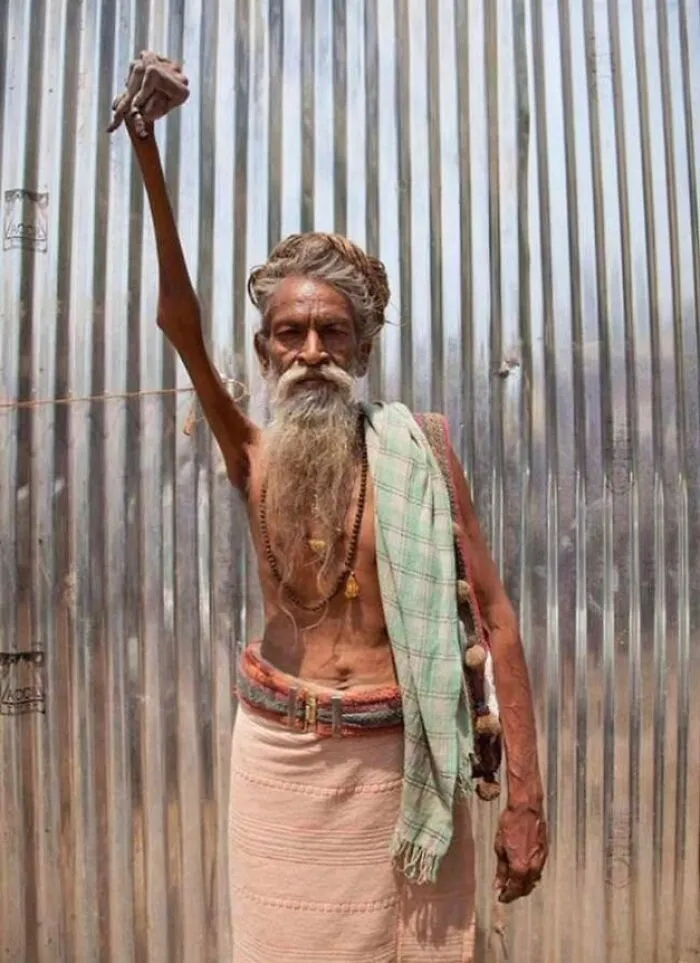
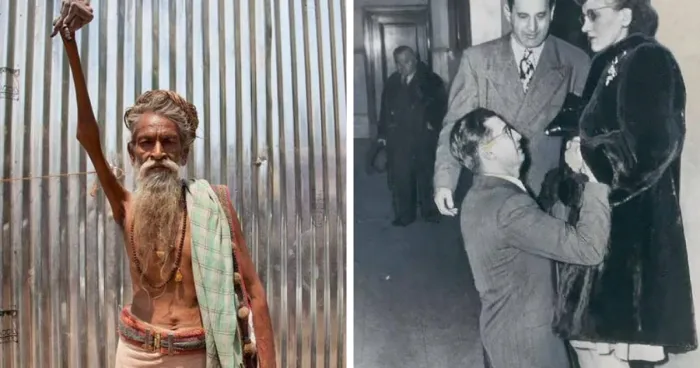
A Hindu sadhu (holy person) named Amar Bharati lifted his right hand in 1973 and has held it up ever since.
He sees this as showing his dedication to Lord Shiva and his goal of promoting peace worldwide. Bharati is a well-known holy man who often joins in large religious events called Kumbh Melas.
Report
122points
#36
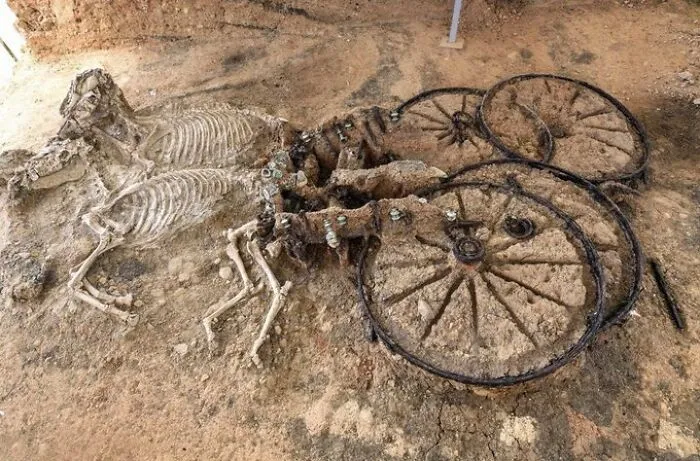
A 2000-year-old Thracian chariot with horse skeletons discovered by archaeologist Veselin Ignatov.
fasc1nate
Report121points
#37
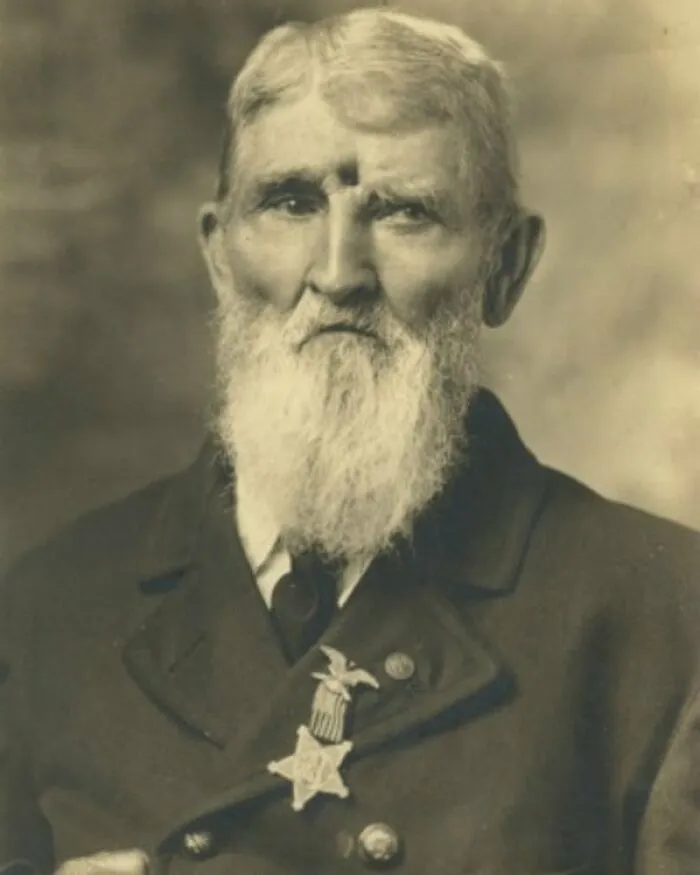
In 1863, Civil War veteran Jacob Miller was shot in the forehead at Brock Field at Chikamauga, Georgia. He had the following to say about it:
"When I came to my senses some time after I found I was in the rear of the confederate line.
So not to become a prisoner I made up my mind to make an effort to get around their line and back on my own side.
I got up with the help of my gun as a staff, then went back some distance, then started parallel with the line of battle.
I suppose I was so covered with blood that those that I met, did not notice that I was a Yank, (at least our Major, my former captain did not recognize me when I met him after passing to our own side).
I suffered for nine months then I got a furlough home to Logansport and got Drs. Fitch and Colman to operate on my wound.
They took out the musket ball. After the operation a few days, I returned to the hospital at Madison and stayed there till the expiration of my enlistment, Sept. 17, 1864.
Seventeen years after I was wounded a buck shot dropped out of my wound and thirty one years after two pieces of lead came out.
Some ask how it is I can describe so minutely my getting wounded and getting off the battle field after so many years.
My answer is I have an everyday reminder of it in my wound and constant pain in the head, never free of it while not asleep.
The whole scene is imprinted on my brain as with a steel engraving. I haven’t written this to complain of any one being in fault for my misfortune and suffering all these years, the government is good to me and gives me $40.00 per month pension."
Report
119points
#38
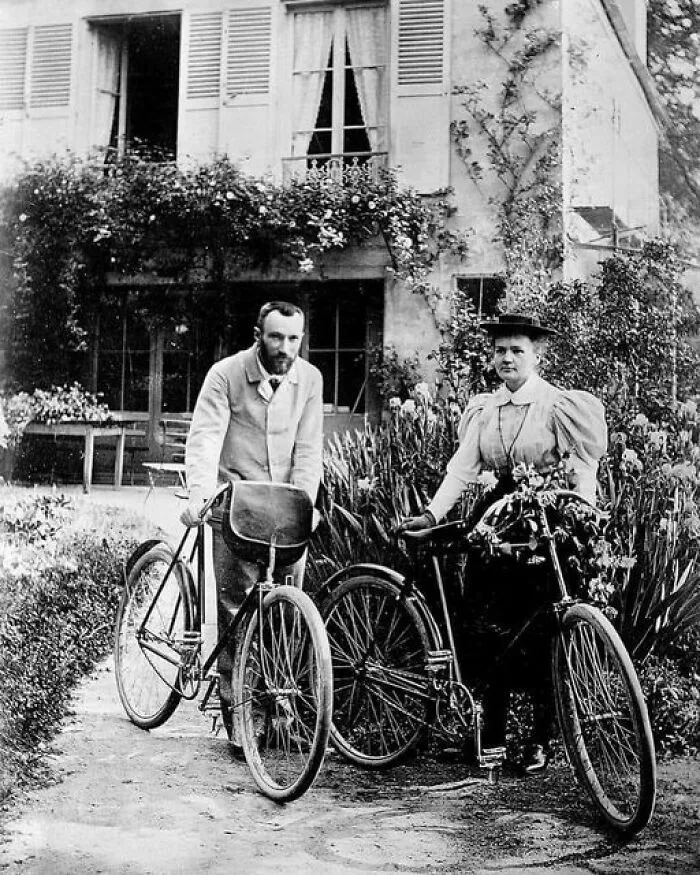
Physicists and Nobel Prize winners Marie Curie and Pierre Curie shortly after their wedding. France, 1895
Report
113points
#40
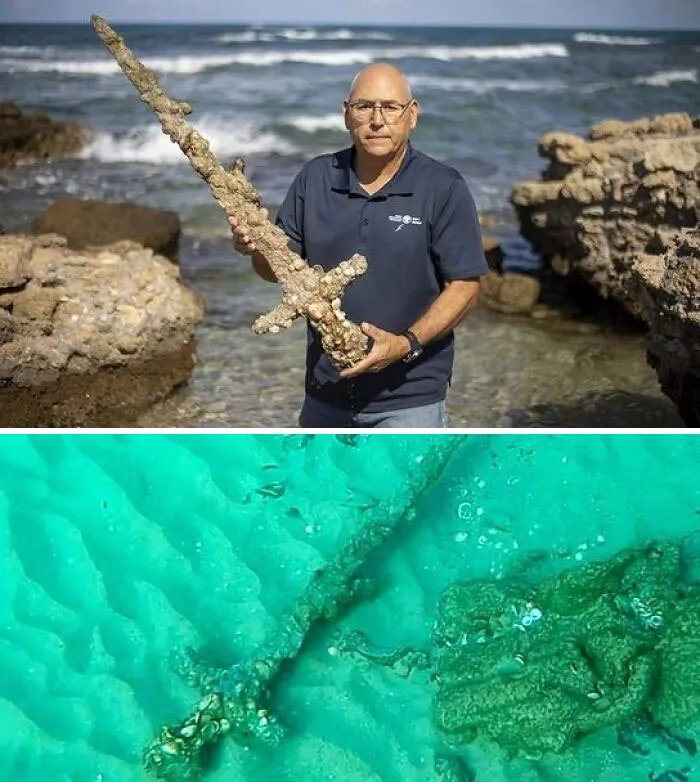
This is a crusader sword dating back 900 years. The discovery was made by Shlomi Katzin whilst he was scuba diving a natural cove near the ancient port city, that the crusaders captured from the Arabs during the early 12th century AD
Report
107points
