



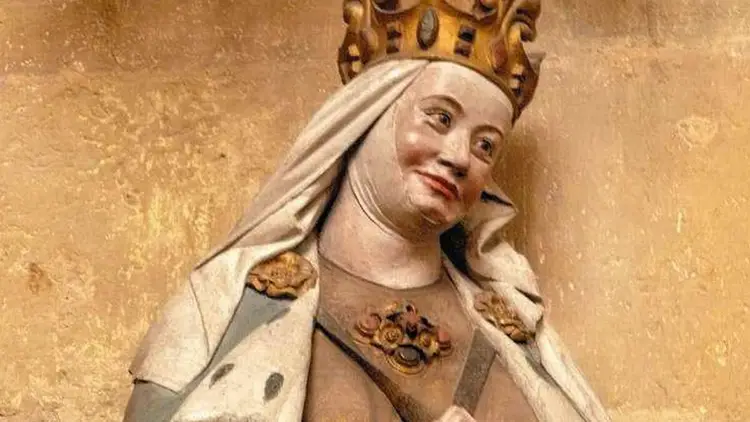


History isn't just something we read about in textbooks, right, pandas? Sometimes, it's a beautifully carved statue, a piece of jewelry worn thousands of years ago, or an everyday object that's somehow survived centuries. And isn't it amazing how people created such incredible things without the modern tools we have today?
Well, if you enjoy a little peek into the past, you're in for a treat! We came across an Instagram page that shares fascinating pictures of archaeological finds, ancient artifacts, and historical artworks. Naturally, we couldn't resist putting together a collection of some of the most interesting ones. From impressive craftsmanship to objects that show us how people lived centuries ago, there's plenty to admire. So, keep scrolling and enjoy this little visual journey through history!
This post may include affiliate links.
#61
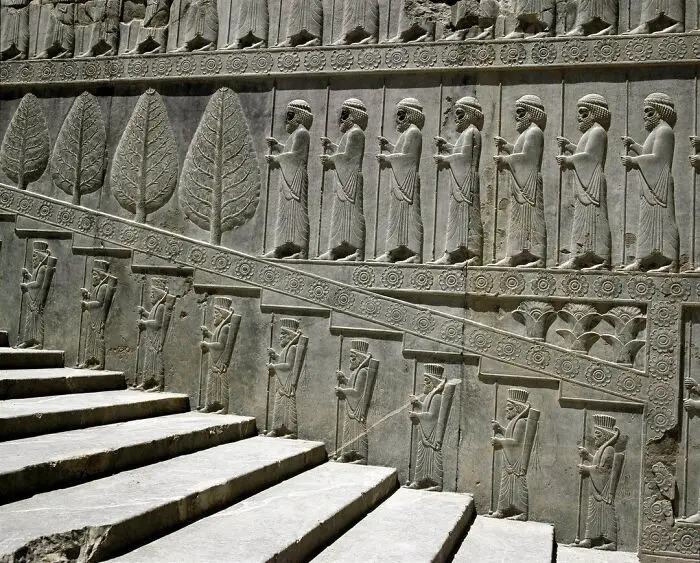
Pictured is the Guards of Susa and Persia, reliefs of the eastern staircase of the Apadana, created in the 6th century BC.
Report
2points
#62
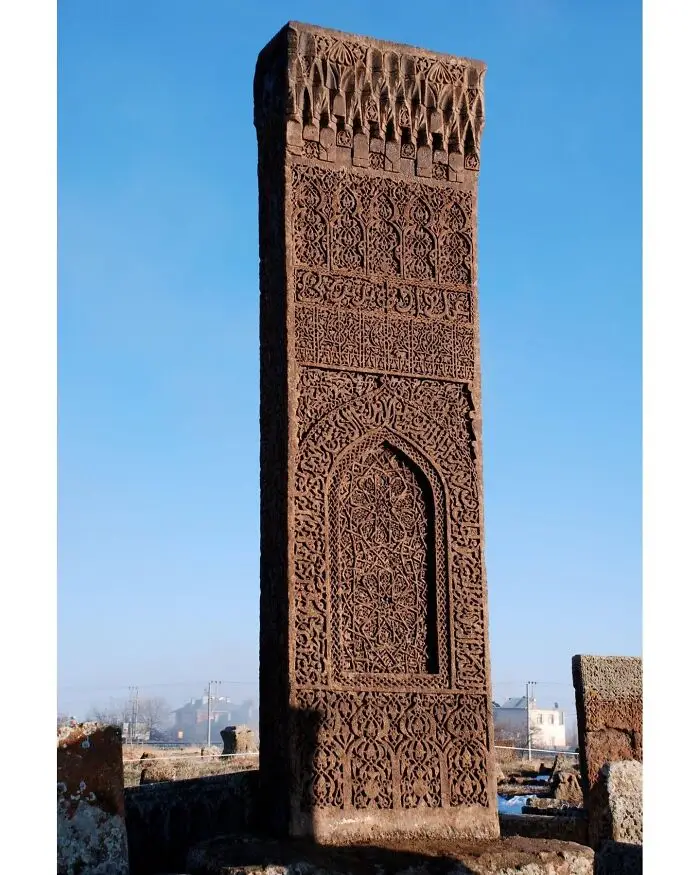
Pictured here is a 12th-15th century tombstone located at the Ahlat Seljuk Cemetery in Turkey.
Report
2points
#63
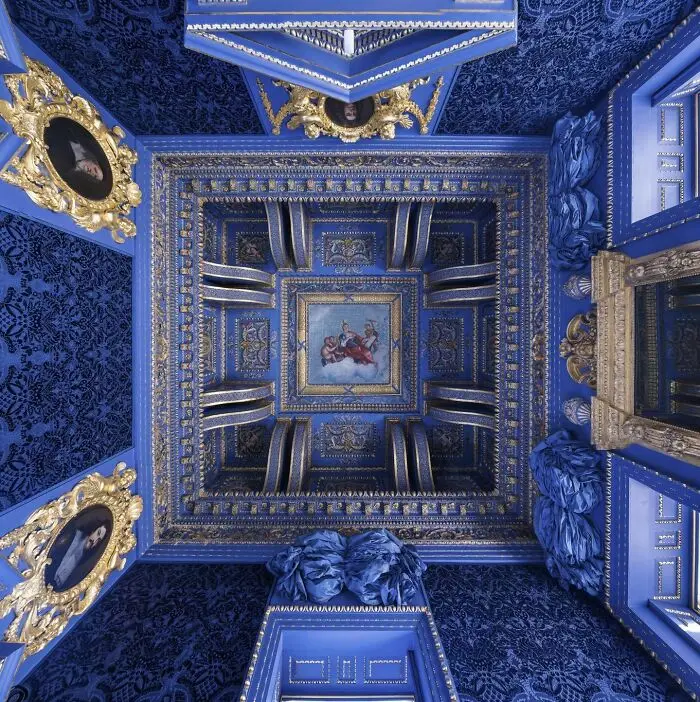
Photographed here is the ceiling of the Blue Velvet Room in Chiswick House in London, England, 1729 CE.
Report
2points
#64
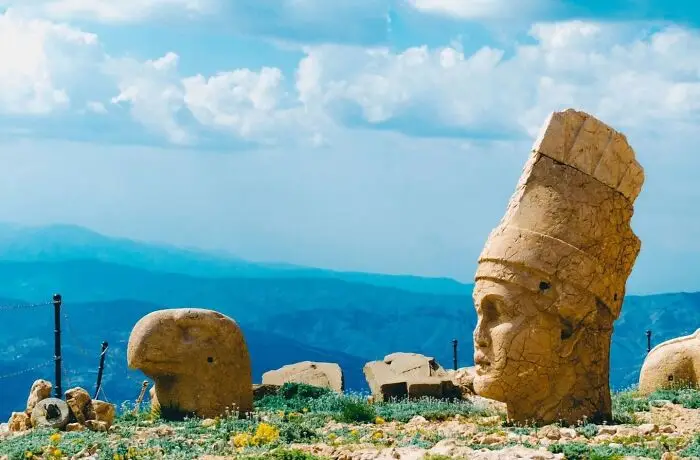
Mount Nemrut is a 2,134-metre-high (7,001 ft) mountain in southeastern Turkey, notable for the summit where a number of large statues are erected around what is assumed to be a royal tomb from the 1st century BC. It is one of the highest peaks in the east of the Taurus Mountains.
In 62 BC, King Antiochus I of Commagene built on the mountain top a tomb-sanctuary flanked by huge statues 8–9-metre high (26–30 ft) of himself, two lions, two eagles, and various composite Greek and Iranian gods, such as Heracles-Artagnes-Ares, Zeus-Oromasdes, and Apollo-Mithras-Helios-Hermes.
When constructing this pantheon, Antiochus drew heavily from Parthian and Armenian traditions in order to reinvigorate the religion of his ancestral dynasty. The statues were once seated, with names of each god inscribed on them. At some point the heads of the statues were removed from their bodies, and they are now scattered throughout the site.
Report
2points
#65
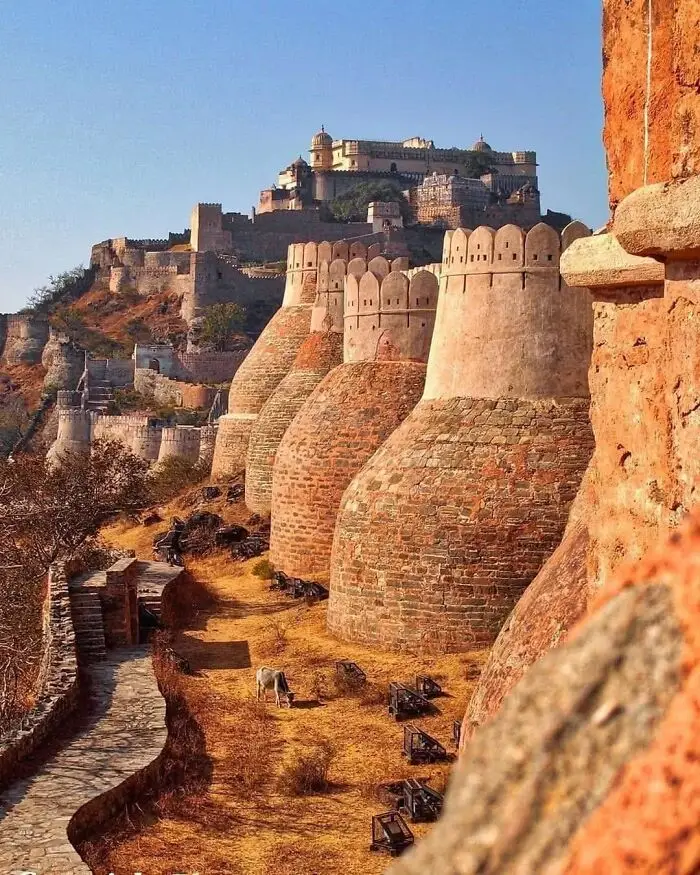
This image shows the Kumbhalgarh Fort, a massive 15th-century fortress located in the Rajsamand district of Rajasthan, India.
Report
2points
#67
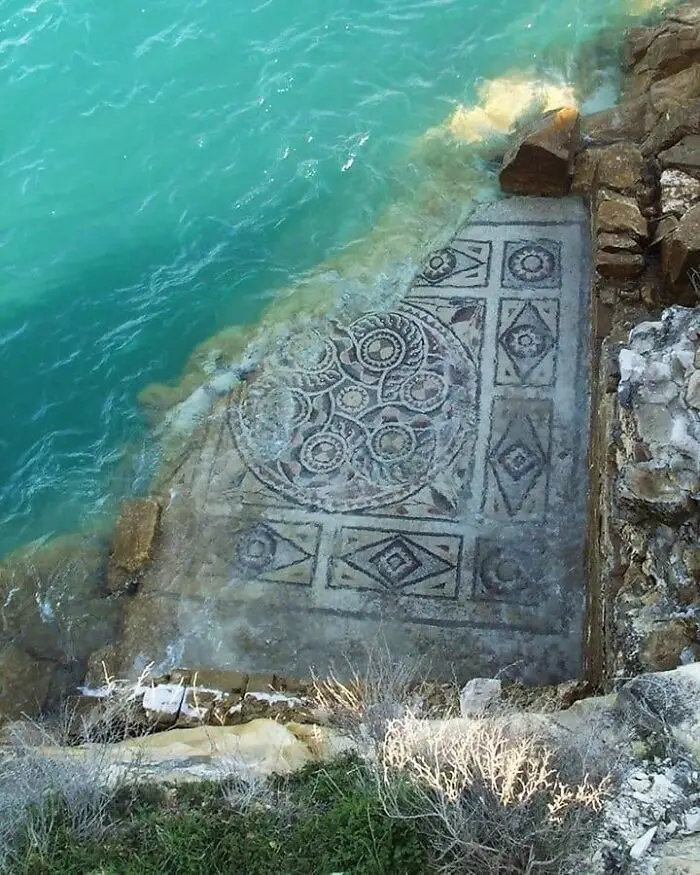
2,000-Year-Old Mosaics unearthed by the waves in Turkey.
#history #historylovers #artifact #heraldofages #archaeology.
#history #historylovers #artifact #heraldofages #archaeology.
Report
2points
