




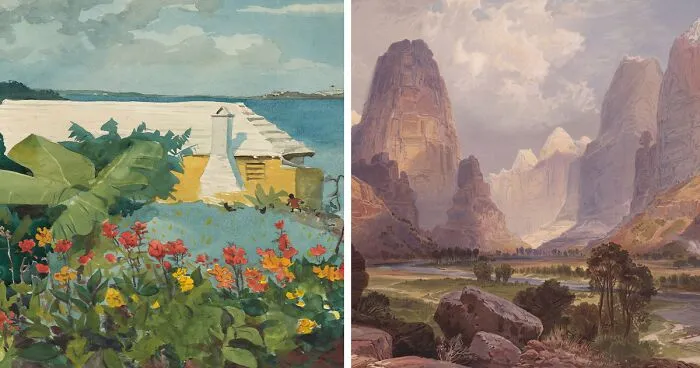

After covering famous still-life paintings, it was almost natural for us to write about the medium often utilized in the still-life genre. With watercolors, one may create nearly any genre of art, from vivid abstracts and crisp photorealist portraits to anatomical sketches and urban landscapes. Hence, it is no wonder some of the most famous artists utilized the watercolor technique in numerous, now considered some of the most famous paintings in art history.
Among the many exquisite watercolor paintings by famous artists are works that date back to the Renaissance. Watercolors were first employed by painters like Albrecht Dürer for new uses such as sketches, impromptu drawings, and making replicas.
In Britain, as "landscape" was finally accepted as an appropriate subject to paint, watercolor paintings were commonly employed to document journeys and adventures. Still, it wasn’t until the 19th century that watercolors finally began to climb the status ladder, and some of the most famous watercolor paintings started to materialize. Not by themselves, of course, but at the hands of some of the greatest artistic geniuses.
Below, we’ve compiled a list of the most famous watercolor paintings of all time. If a painting caught your attention, make sure to give it an upvote! Also, if you have anything to add about a particular painting or perhaps a famous watercolor painter behind it, leave a comment, as we are also stunned to learn more about the history of art and watercolor!
#41 Self-Portrait By Paul Cézanne
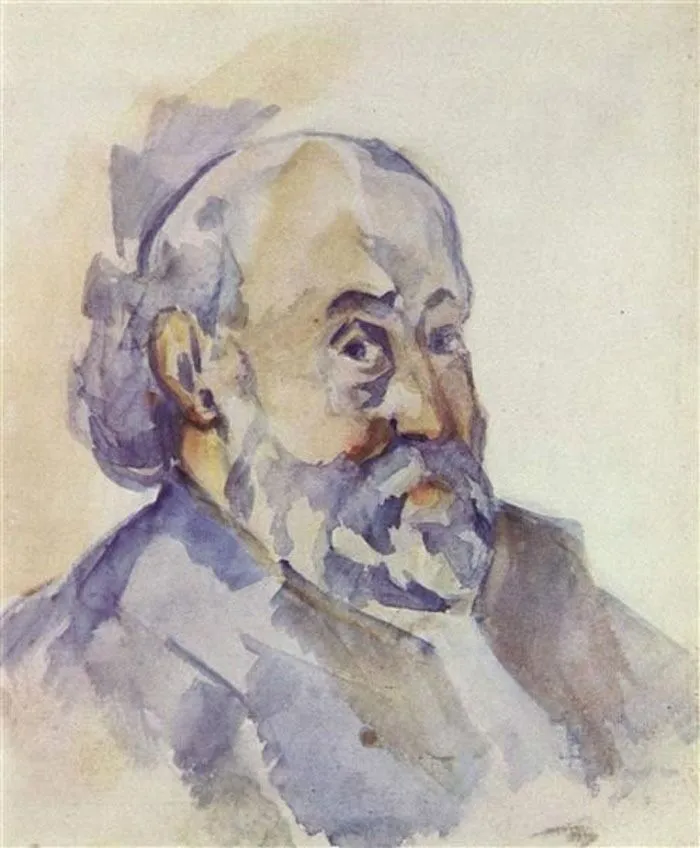
Artist: Paul Cézanne | Year (completed): 1895 | Period: Post-Impressionism
One of the most significant artists of the 19th century was undoubtedly Paul Cezanne. As the movement began, he eagerly joined Pisaro, Renoir, and Monet in producing outstanding Impressionist landscape and portrait paintings. During the remainder of the 1870s, Cezanne stuck to the Impressionist style. Still, Cezanne's work was never truly Impressionist; it was always something else.
Report
11points
#42 Still Life With Green Melon By Paul Cézanne
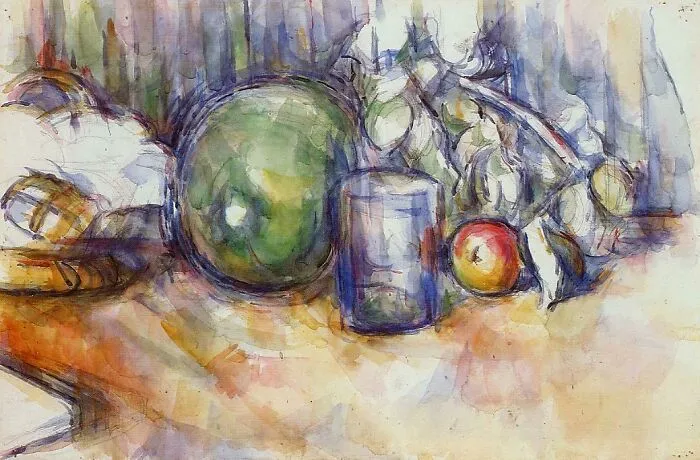
Artist: Paul Cézanne | Year (completed): 1906 | Period: Post-Impressionism
This piece is arguably one of the most realized watercolor still lifes Cézanne created during his later years. He made over twenty of these. The artist draws attention to his abilities in both production and observation with fluid strokes of dynamic colors. While not so obvious, what seems like thumbtack marks in the corners serve as a reminder of how this brilliant watercolor was created.
Report
11points
#43 A Mill Near Colchester By John Constable
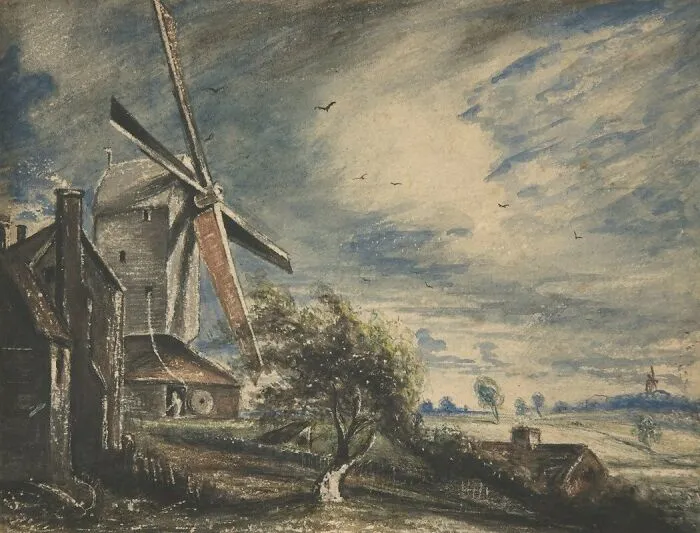
Artist: John Constable | Year (completed): 1833 | Period: Romanticism
John Constable is known for producing powerful depictions of rural England. He was a committed "naturalist" who stuck to familiar landscapes, refused to idealize, and frequently employed experimental methods. Apparently, this 1830s drawing was created impulsively and intensely. Titled A Mill Near Colchester, this watercolor is dominated by a hilltop mill with its sails reefed for high winds. The scudding clouds and the twirling leaves on the foreground tree hint at the force of the wind.
Report
11points
#44 Vista De La Orotava Y Del Pico Teide By Elizabeth Murray
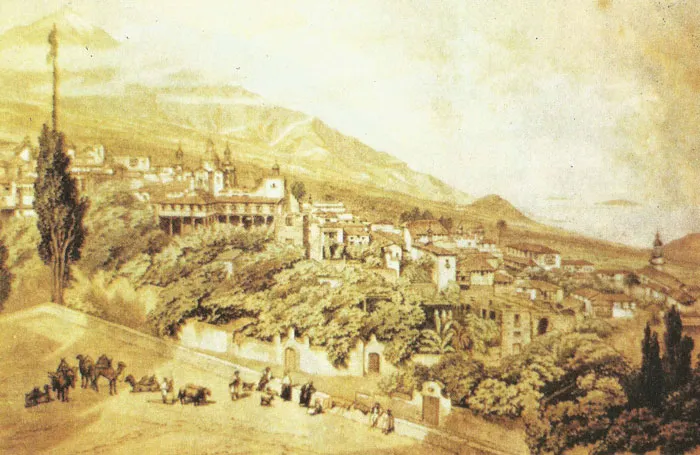
Artist: Elizabeth Murray | Year (completed): 1851 | Period: Neo-Expressionism
The scenery of the valley of La Orotava and Teide, the peak that can be seen in the backdrop, is depicted in this painting in question. Although a group of Canarians wearing traditional attire can be seen in the foreground together with grazing animals and cargo, the landscape is primarily made up of the valley. The painting mainly uses red, green, and brown hues.
Report
11points
#45 Portrait Of Paul-César Helleu By John Singer Sargent
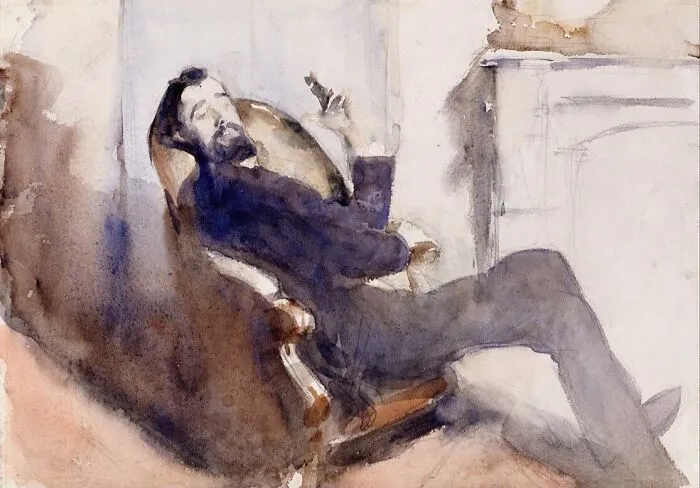
Artist: John Singer Sargent | Year (completed): 1885 | Period: Impressionism
Paul César Helleu, a French painter and printmaker who lived from 1859 to 1927, was Sargent's close friend and someone he met in Paris sometime about 1876. Helleu, a former pupil of academic painter Jean-Léon Gérôme, made his name in the 1890s by painting portraits of fashionable beauties. The current drawing, which started with a pencil sketch and finished with large watercolor brushstrokes, demonstrates the immediacy typical of Sargent's portrait style.
Report
10points
#46 The Green Pitcher By Paul Cézanne
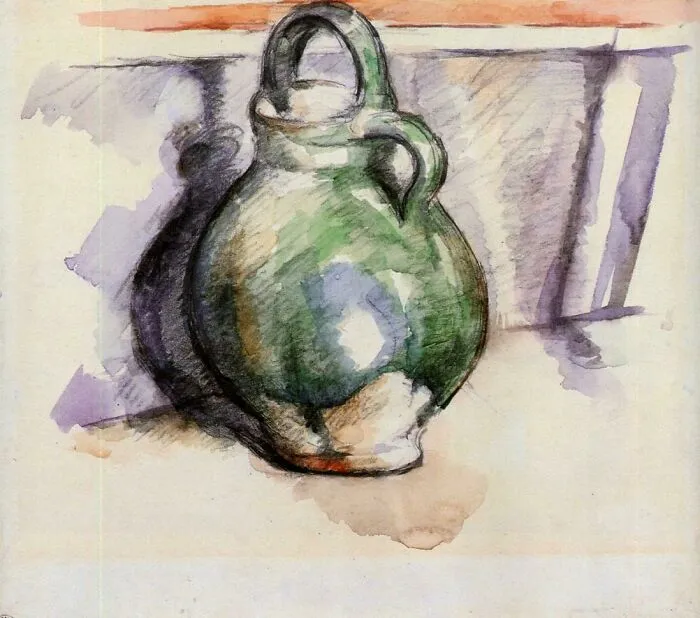
Artist: Paul Cézanne | Year (completed): 1887 | Period: Post-Impressionism
European art underwent a permanent revolution thanks to Paul Cézanne. He changed how we perceive the world as well as how we document it. Not just his paintings but also his works on paper, mainly the watercolors, provide evidence for this. Watercolor gradually took Cézanne’s place as the dominant medium in the 1880s. With it, he pursued themes such as landscapes, bathing scenes, portraits, and still lifes in addition to his paintings. He didn’t start creating watercolors as standalone works of art until near the end of his life, when his reputation among collectors, dealers, and other painters grew.
Report
9points
#47 Pifferari Playing To The Virgin Scene In Rom By Elizabeth Murray
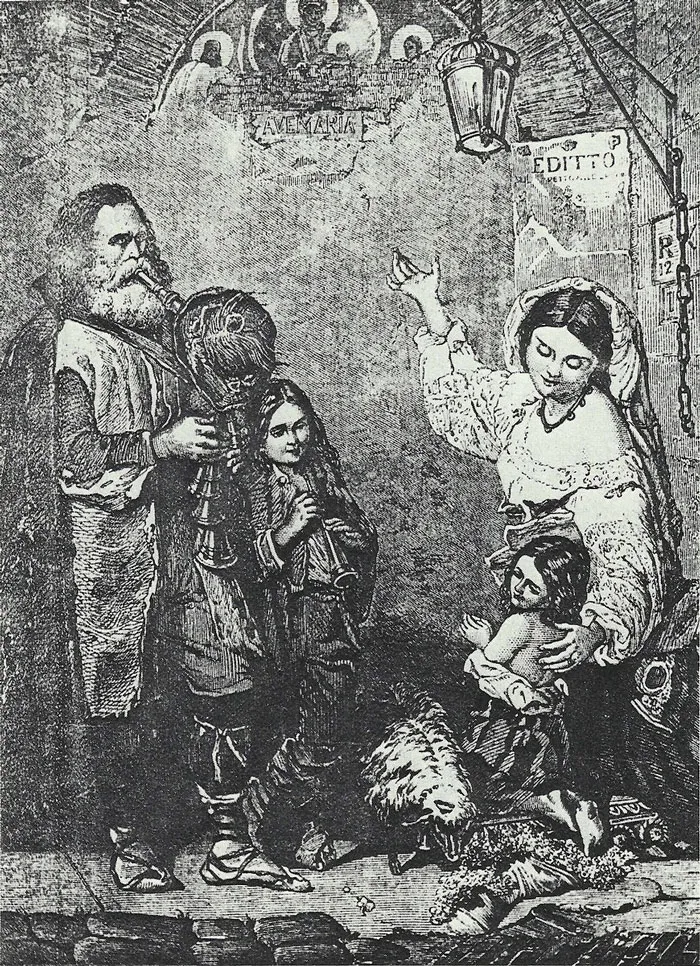
Artist: Elizabeth Murray | Year (completed): 1859 | Period: Neo-Expressionism
This painting shows two fife players — an adult and a child — and a mother and her son. The musicians are pifferari, Campania peasants who perform during Christmas in front of images of Mary. Given the appearance of the pifferari and the usage of "Rome" in the work's title, it is clear that Murray depicted an Italian scene.
Report
9points
#48 Encampment Near Mount Coke, South Africa By Rhoda Holmes Nicholls
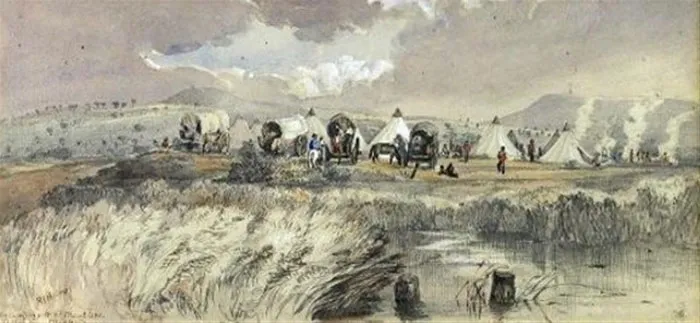
Artist: Rhoda Holmes Nicholls | Year (completed): 1884
Born in Coventry, England, Rhoda Holmes Nicholls was an English-American watercolor and oil painter. Her work was admired and viewed at the time by the queens of both England and Italy, where she studied art. Nicholls captured the Port Elizabeth region's landscape, fauna, and architecture in a collection of works while living in South Africa, where she spent a year residing on an ostrich farm owned by her brothers. Hence, South Africa's vistas were a common subject of her many watercolors.
Report
9points
Exploring different painting techniques can greatly enrich an artist's skill set. For example, embracing the vibrant and versatile qualities of gouache, a medium celebrated for its forgiving nature, can complement the delicate transparency and fluidity seen in traditional watercolor works.
This balance of mediums is well illustrated in explorations of new paint mediums, where daily practice fosters creativity and mastery.
