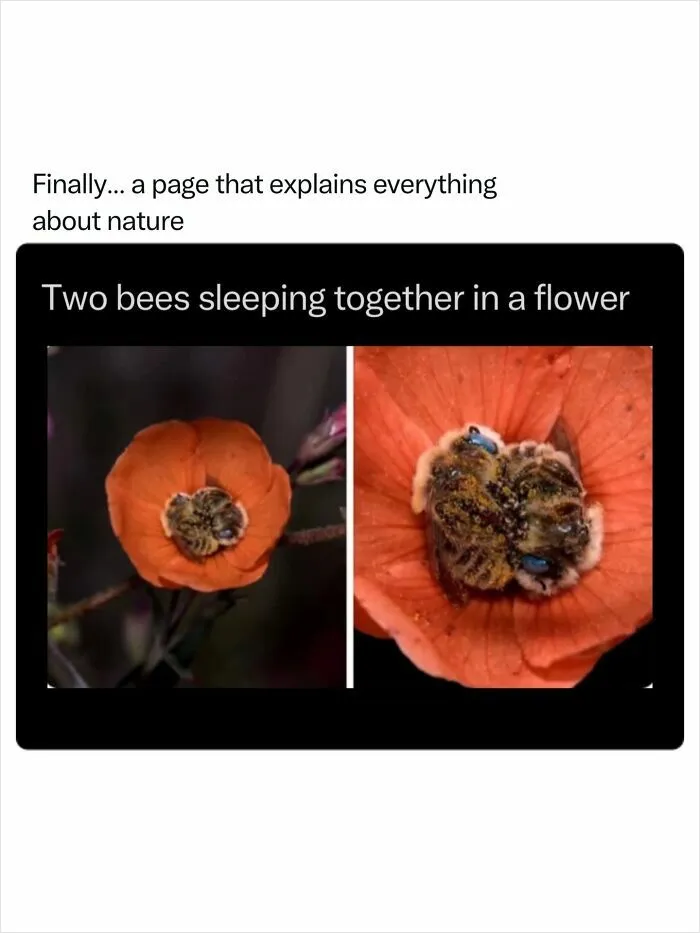



#1
#2
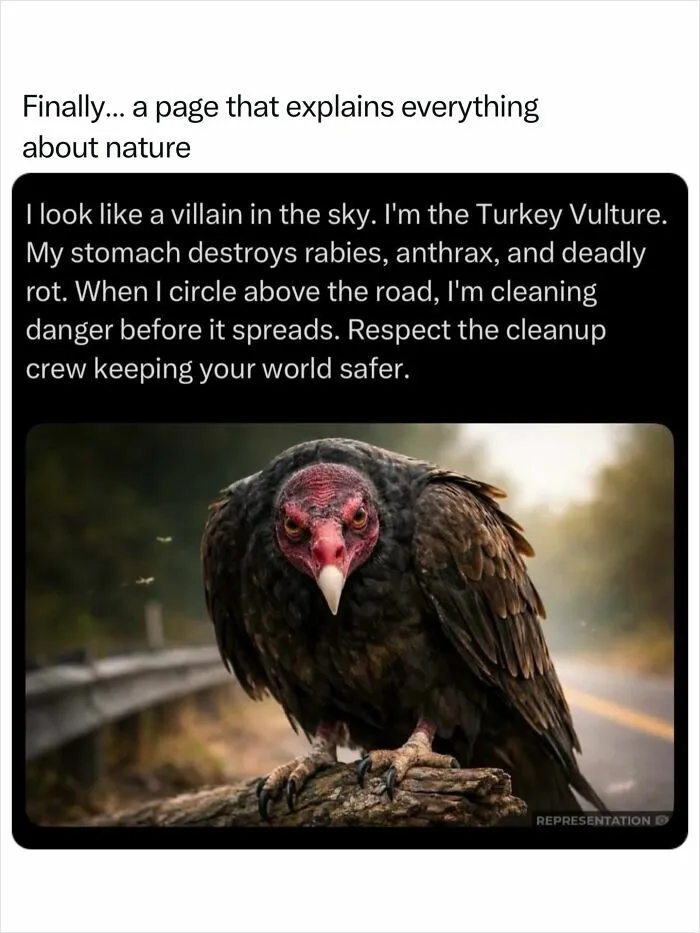
#3
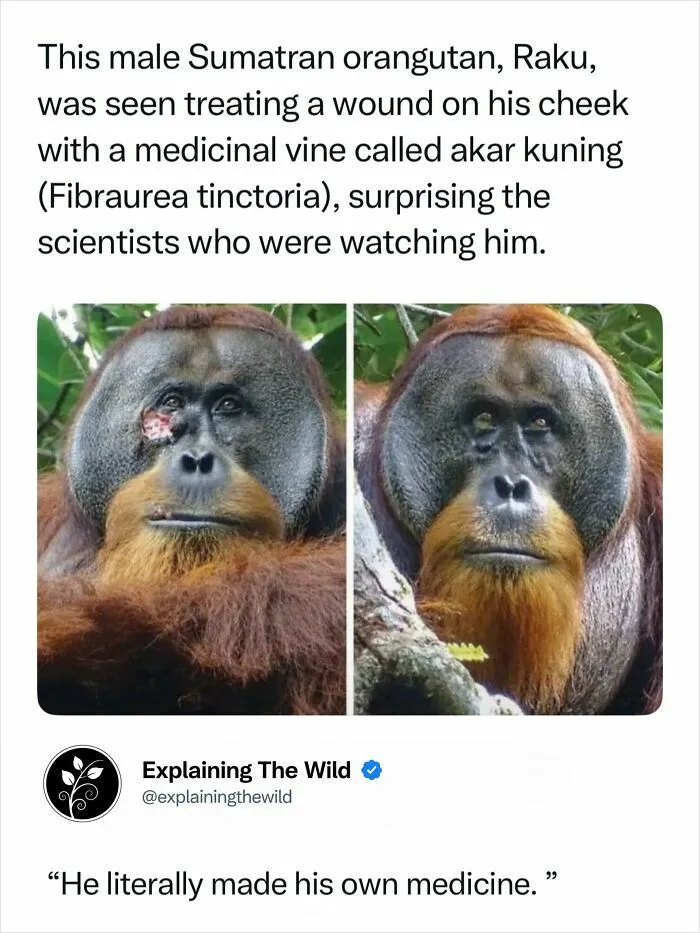
As fascinating as nature is, our relationship with it has changed quite a lot over time. We can learn about animals from our phones and watch some of the most remote places on Earth from our sofas. Yet for many of us, actually spending time around nature has become something we have to make an effort to do.
And research suggests that this disconnect has been happening for a long time. In a 2025 study published in the journal Earth, University of Derby professor Miles Richardson used a computer model to look at how people’s connection with nature may have changed since 1800.
His model estimated a decline of around 60%. Interestingly, the use of nature-related words such as “river” and “blossom” in books also fell by roughly the same amount at its lowest point.
#4
#5
#6
When you think about modern life, that probably isn’t too hard to believe. Plenty of us live in cities and spend most of the day indoors. We get around by car or public transport, then a lot of our free time ends up being spent looking at a screen.
Sure, some people are much more outdoorsy than others, but for many of us, going for a hike feels like an activity we specifically plan rather than a normal part of the day.
Even our relationship with food can feel pretty removed from nature. Most of us can walk into a supermarket and buy whatever we need without thinking much about how it grew or where it came from. Growing your own vegetables or spending an afternoon working in a garden isn’t part of everyone’s routine anymore.
Richardson’s research also points to the importance of parents passing their own interest in nature on to their children, meaning that this disconnect can continue from one generation to the next.
#7
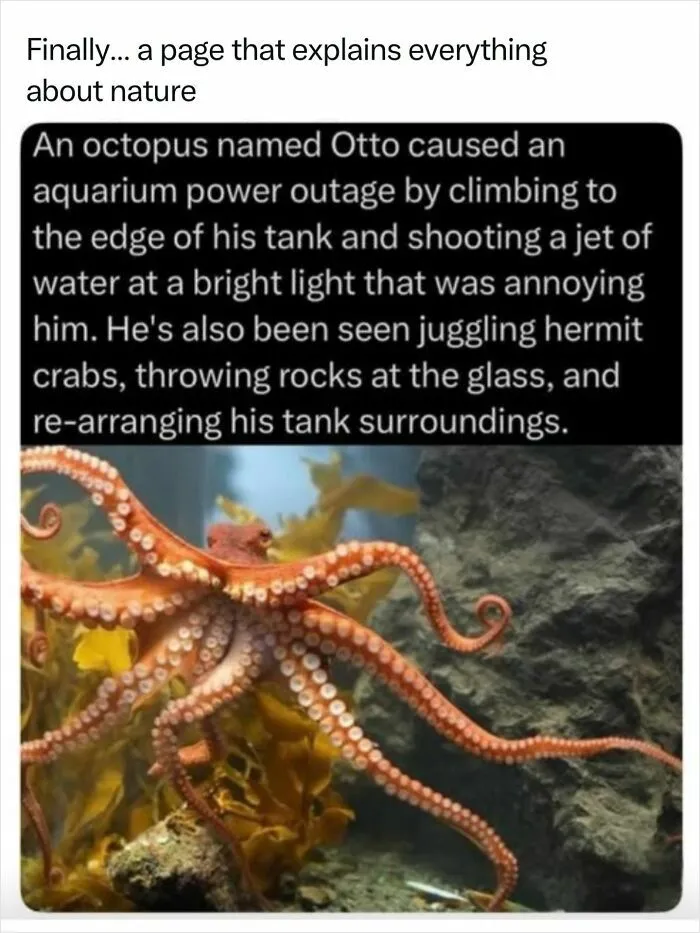
#8
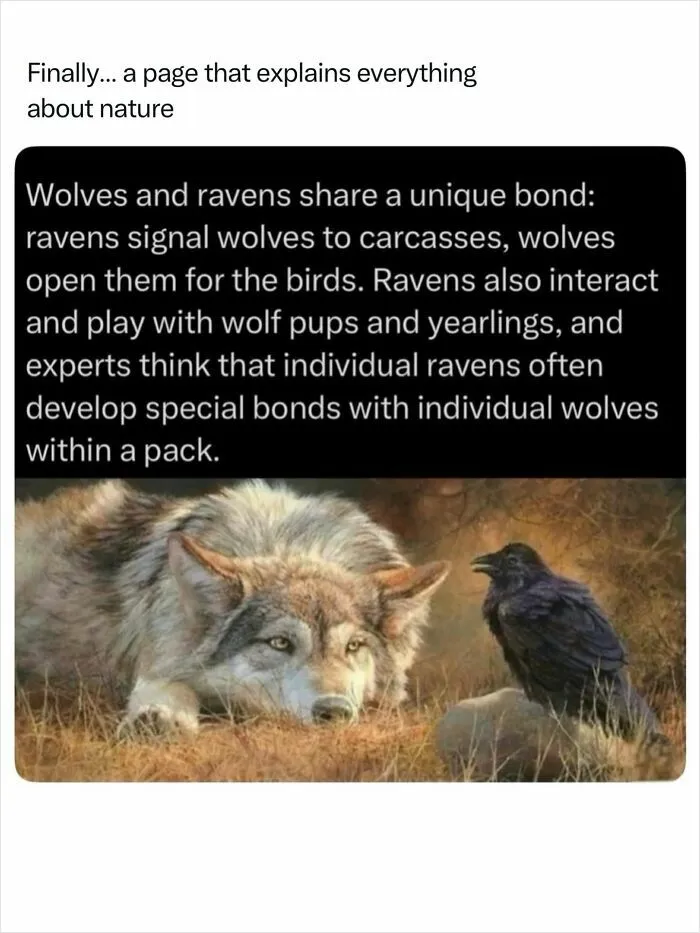
#9
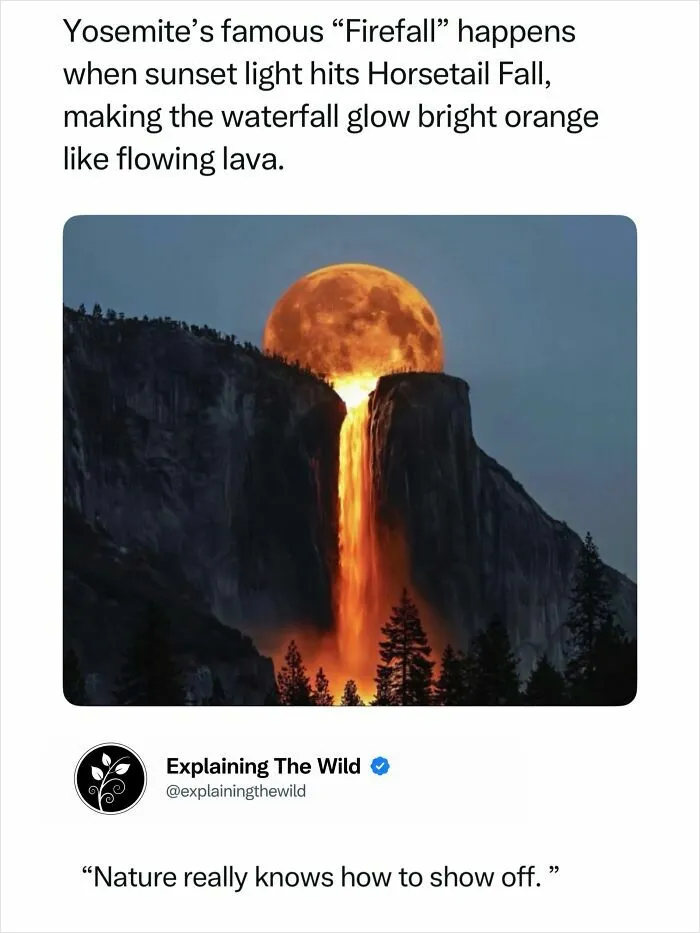
That matters because staying connected with nature is genuinely good for us. According to the Mental Health Foundation, people who feel a stronger connection with nature tend to be happier and are more likely to feel that their lives are worthwhile.
Nature connectedness has also been linked with lower levels of depression and anxiety. Spending time engaging with natural surroundings may help with concentration too.
And connecting with nature doesn’t require disappearing into the mountains for a week. You can make a difference simply by paying more attention to what’s around you, whether that means listening to birdsong on a walk or noticing the texture of tree bark as you pass by.
#10
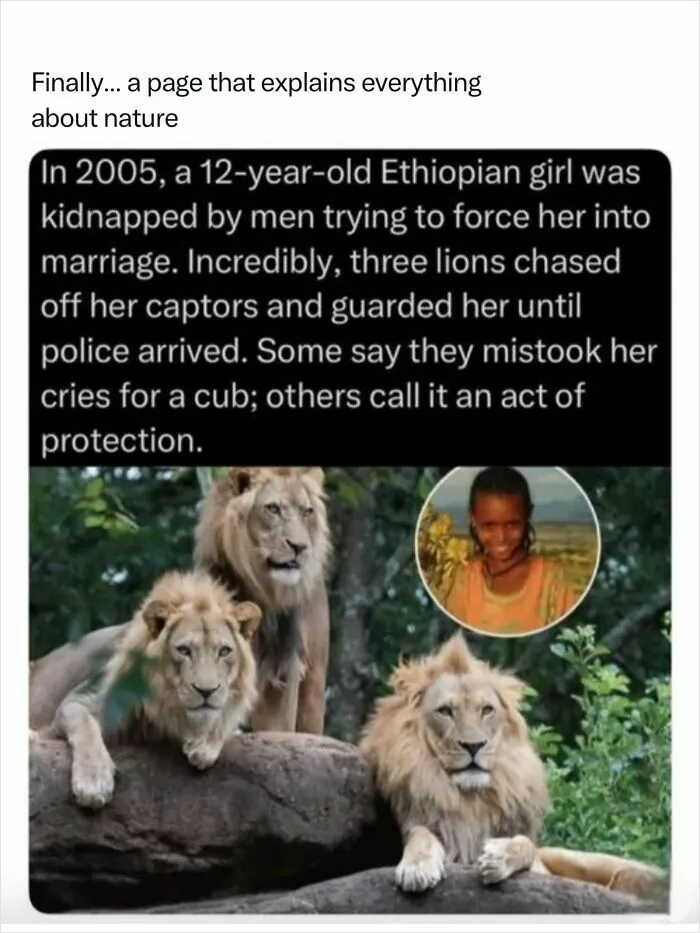
#11
#12
Once people start feeling closer to nature, they usually also become more interested in looking after it. The Mental Health Foundation notes that people with stronger nature connectedness are more likely to report environmentally friendly habits, including recycling and buying seasonal food.
It makes sense that we’re more likely to care about something when we actually notice it and feel that it’s part of our everyday lives.
Hopefully, all these photos and facts have inspired you to pay a little more attention to what’s happening outside your window. There’s an enormous amount going on around us that’s easy to miss when we’re busy with everything else.
So maybe the next time you have a free afternoon, put the phone away for a bit and head outside. Or, as the internet loves to say, go touch some grass.
#13
#14
#15
#16
#17
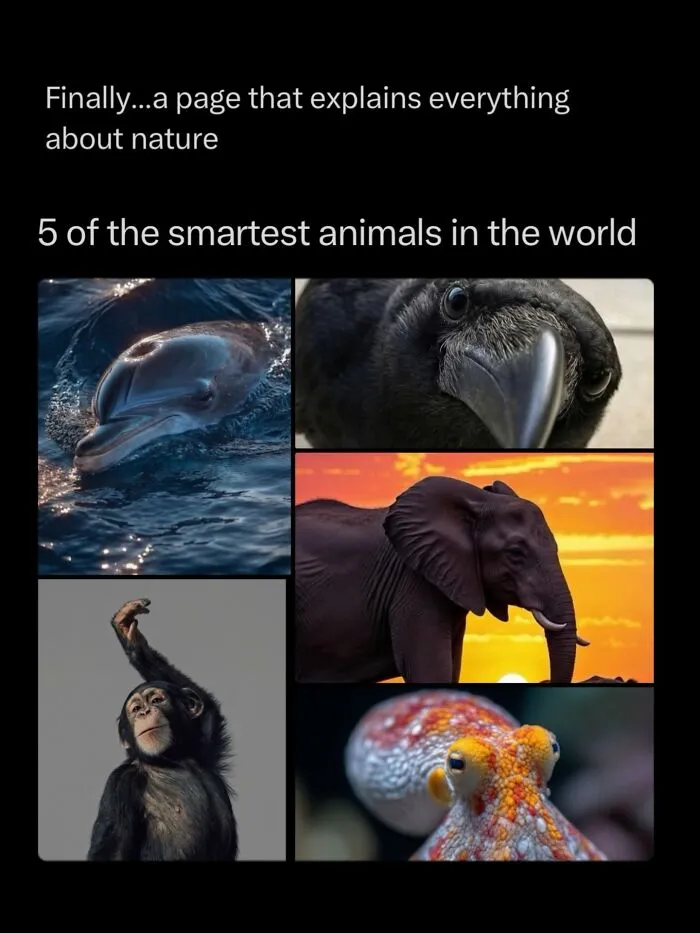
Dolphins possess brains complex enough to recognize themselves in mirrors and use specific names for their friends. Chimpanzees are master strategists who plan for the future and can memorize numbers better than humans.
#18
#19
#20