

Bored Panda
“If Your Arm Is Gone, It’s A Jaguar”: 73 Animal Facts That Sent Us Down A Rabbit Hole For Hours
AnimalsJUN 15, 2026

“If Your Arm Is Gone, It’s A Jaguar”: 73 Animal Facts That Sent Us Down A Rabbit Hole For Hours

60
2
Behind the quiet presence and watchful eyes of the wild lies a world of deep feelings, logic, and rich emotional lives that standard biology textbooks completely missed. Every other day, researchers are dropping new proof that animals possess levels of intelligence and emotion that rival our own.
For instance, did you know there is a butterfly out there that is literally split right down the middle — half male and half female? Or that there is a certain wild animal that fully supports adoption?
The online community @explaining.animals is blowing minds by updating the wildlife playbook, one post at a time. We gathered their most fascinating and viral breakdowns right here.
This list might even help you figure out whether you can take a nap with a cheetah, a leopard or a jaguar. Let’s find out below.

#21

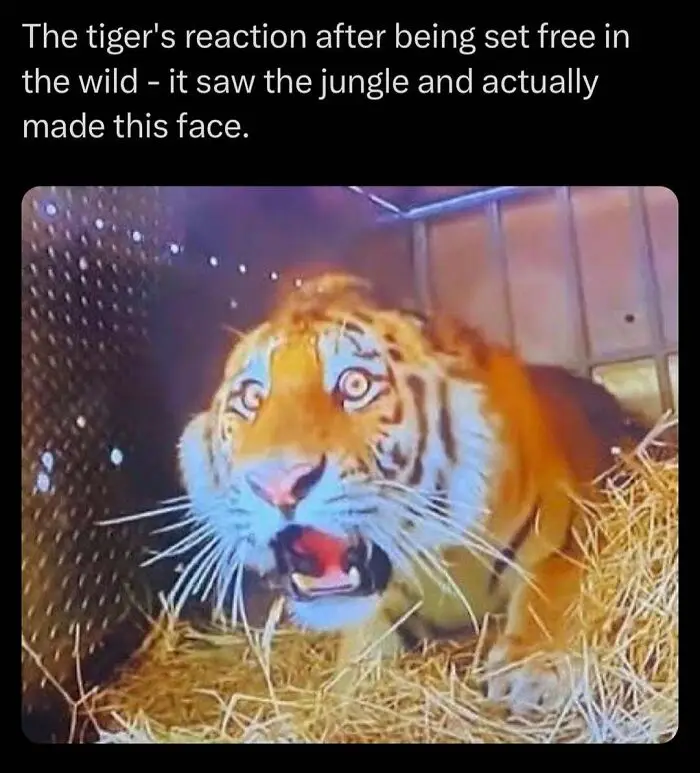
Tiger's surprised reaction upon release into wild jungle captures authentic animal emotion
Tigers are often seen as powerful and majestic predators, but they are not actually the “kings of the jungle.” That title is traditionally given to lions, largely because of their dominance in African savannas and their social, pride-based lifestyle that makes them highly visible and symbolic of leadership. Tigers, in contrast, are solitary hunters found in forests and grasslands, not jungles in the literal sense, and they rely on stealth and strength to rule their territories.
Despite this, tigers surpass lions in certain ways. They are the largest big cats in the world, with unmatched strength, agility, and swimming ability, making them apex predators in their habitats. While they may not carry the same symbolic title, in reality tigers rule their domain just as effectively, commanding respect and fear across Asia as the true masters of their environment.
33points

#22

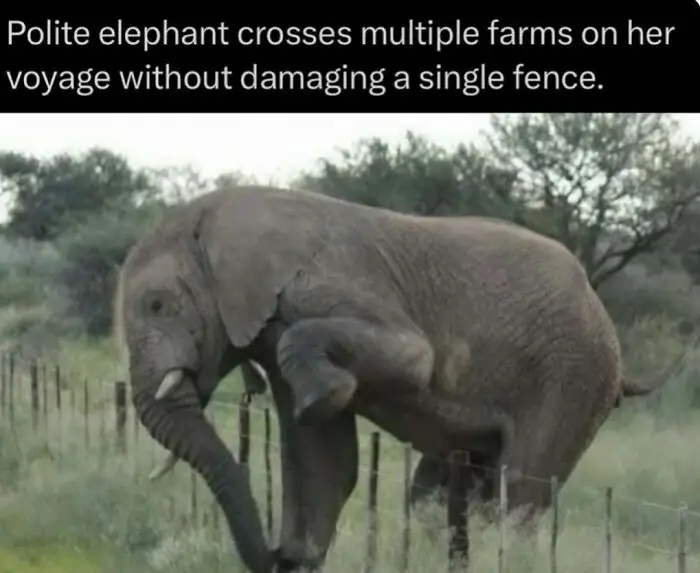
Elephant carefully crossing a fence without causing damage on a farm
Elephants are among the most intelligent animals on Earth, known for their remarkable memory, problem-solving skills, and ability to adapt to changing environments. Researchers have observed elephants using tools, recognizing routes across vast distances, and cooperating with one another in complex social groups. In regions where farmland overlaps with elephant territory, these animals regularly encounter fences and other barriers, quickly learning how to navigate around or through them with surprising effectiveness.
Their actions are not signs of politeness, but of experience and efficiency. Field studies show elephants may carefully step over wires, knock fences down, or search for weak points depending on which method requires the least effort and poses the lowest risk. This flexibility makes them especially difficult to deter, as they continuously adapt to new obstacles placed in their path. As a result, conflicts between humans and elephants remain a major challenge in many parts of the world, highlighting both the intelligence of the animals and the difficulty of protecting shared landscapes.
33points

Animals are not just fascinating creatures to admire, read about, and then forget. How we learn about them, and what we do about it, matters too — because they literally keep the world running.

Bees, butterflies, and other pollinators help produce many of the crops people eat every day. Predators like wolves and sharks keep animal populations in balance.

When species disappear, food chains break, habitats weaken, and the effects can spread far beyond. If they go down, we go down with them.

What we as humans can do then is try to make a difference. Reading about them in this listicle is a great first step.

Even small changes in our daily lives — like reducing plastic use, avoiding products linked to deforestation, and supporting brands that are eco-friendly — can go a long way.

#23
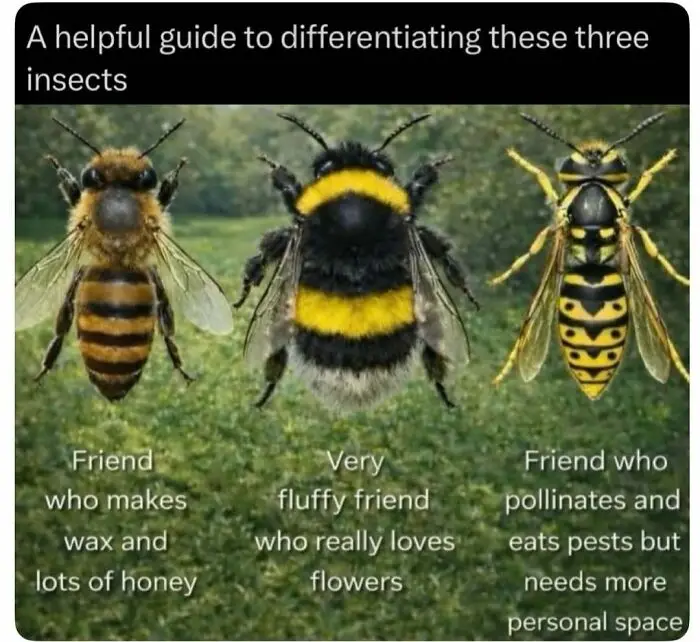
Guide to differentiating three insects including honeybee, bumblebee, and wasp
A helpful way to tell apart a honey bee, a bumblebee, and a wasp is by their appearance and roles. Honey bees are slim, golden-brown insects that live in large colonies and are best known for making wax and producing large amounts of honey. Bumblebees are bigger, rounder, and very fluffy, often covered in thick hair that helps them collect pollen as they move from flower to flower- they truly love flowers. Wasps, in contrast, have smooth, shiny bodies with narrow waists and brighter yellow-and-black patterns, making them look more sleek and less fuzzy.
Their behavior also makes identification easier. Honey bees and bumblebees are important pollinators and are usually gentle unless disturbed. Wasps also pollinate and help by eating pests, but they need more personal space and are quicker to react if bothered. Among the three, wasps are generally the most aggressive, while bees tend to be calmer and more focused on their work.
31points

#24

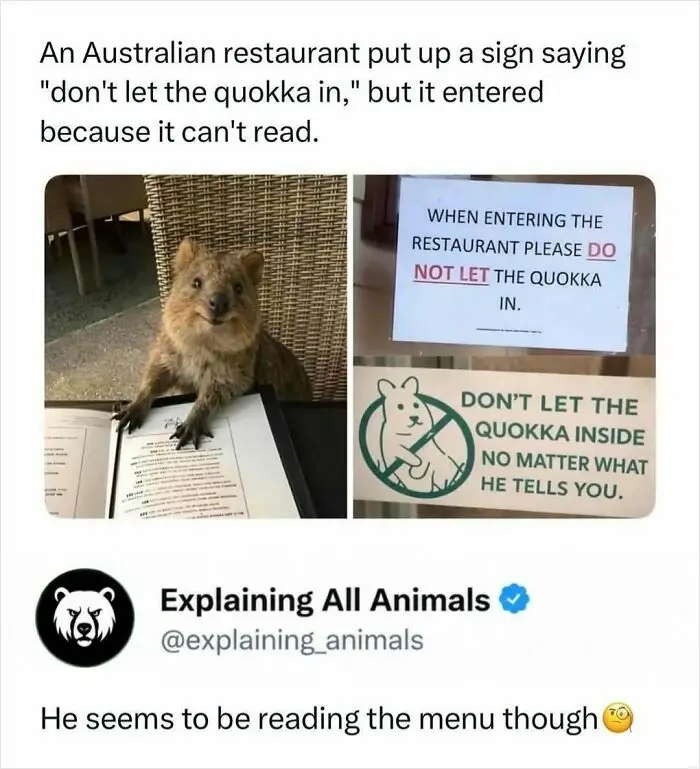
Quokka looking at menu inside an Australian restaurant
The Quokka is a small, cat-sized marsupial native to Australia, famous for its round face, tiny paws, and expression that appears remarkably cheerful. Because of its relaxed behavior around people and its seemingly permanent smile, the quokka has become widely known as the “world’s happiest animal.” Its friendly appearance has made it a favorite subject of wildlife photography and social media around the world.
Despite its cute reputation, the quokka is also a resilient survivor. Living primarily on islands and coastal regions with limited resources, it spends much of the night foraging for leaves, grasses, and other vegetation. Adapted to dry environments and challenging conditions, the quokka demonstrates that beneath its charming appearance is a tough and resourceful animal perfectly suited to its natural habitat.
31points

#25

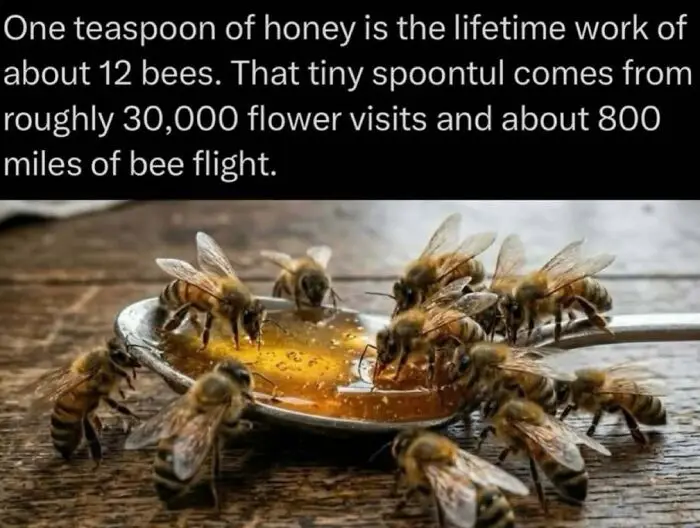
Bees gathering honey on a spoon highlighting the effort needed to produce a teaspoon of honey.
A single honey bee produces only about 1/12 of a teaspoon of honey in its entire lifetime, roughly 0.5 grams or less. Considering that worker bees live for just 5 to 6 weeks during peak seasons, their individual contribution is incredibly small. This tiny output highlights the limited time and energy each bee has to gather nectar and convert it into honey.
However, what one bee cannot achieve alone, the colony accomplishes together. A strong hive can produce between 20 and 60 pounds (9 to 27 kilograms) of honey in a year, depending on factors like weather, flower availability, and overall hive health. This remarkable collective effort shows the power of teamwork, where thousands of small contributions combine to create something substantial.
31points

#26

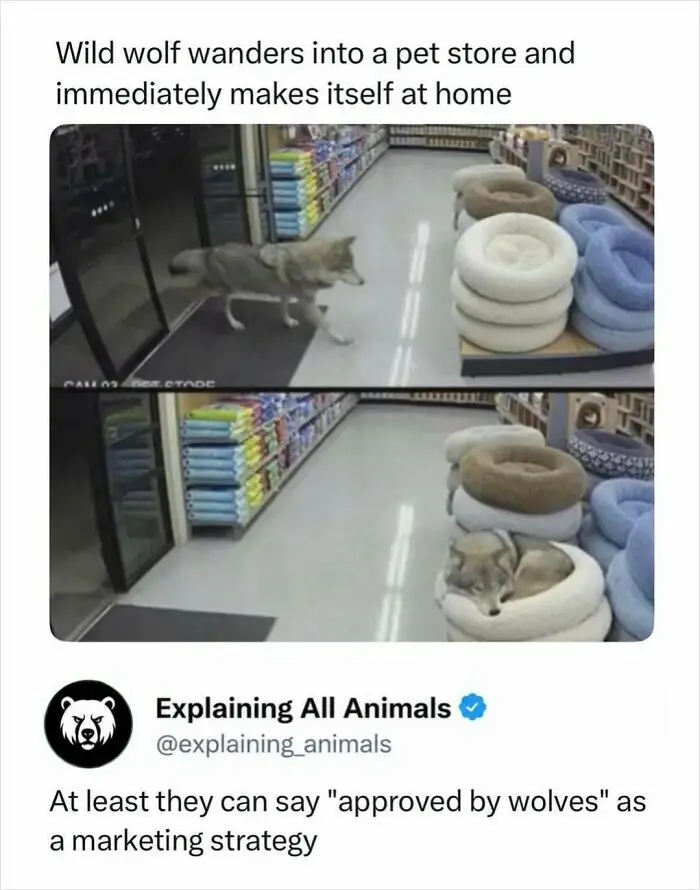
Wild wolf exploring pet store and resting in dog bed highlights animal comfort
A viral video showing what was described as a wild wolf wandering into a pet store and curling up in a dog bed quickly captured the internet’s attention. Viewers were amused by the contrast between the animal’s untamed image and its surprisingly ordinary choice of comfort. The scene felt almost relatable, as the animal appeared to ignore its reputation as a wilderness predator in favor of a cozy place to rest.
Part of the clip’s appeal came from how it transformed a potentially tense encounter into a lighthearted moment. Stories accompanying the video often claimed that security cameras recorded the animal entering the store late at night and settling down among the pet beds as if it belonged there. Whether viewed as humorous, wholesome, or simply unusual, the clip resonated with audiences because it highlighted a familiar truth: many animals, wild or domestic, appreciate a comfortable place to sleep.
30points

#27

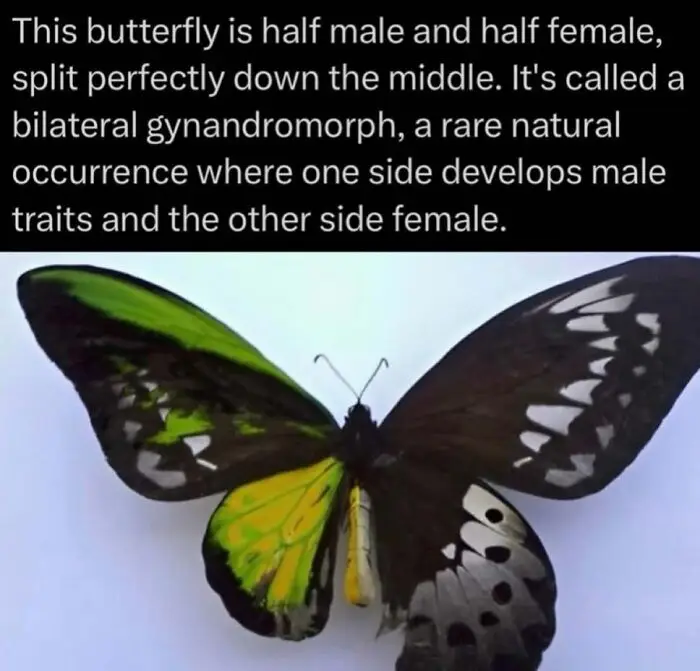
Butterfly showing bilateral gynandromorph with male and female traits split
A bilateral gynandromorph is one of nature’s rarest and most fascinating phenomena. It occurs when an organism, such as a butterfly, develops with male characteristics on one side of its body and female characteristics on the other, creating a striking split down the middle. This unusual condition arises from a genetic error during early cell division, when chromosomes fail to separate properly and distribute unevenly between the developing cells.
The result is often a dramatic visual contrast, especially in butterflies where males and females can differ in color, wing patterns, or size. Although rare, gynandromorphism has been observed not only in butterflies but also in birds and even crabs. These extraordinary individuals provide scientists with valuable insight into how biological traits are formed and expressed, helping deepen our understanding of genetics and development in the natural world.
30points

#28

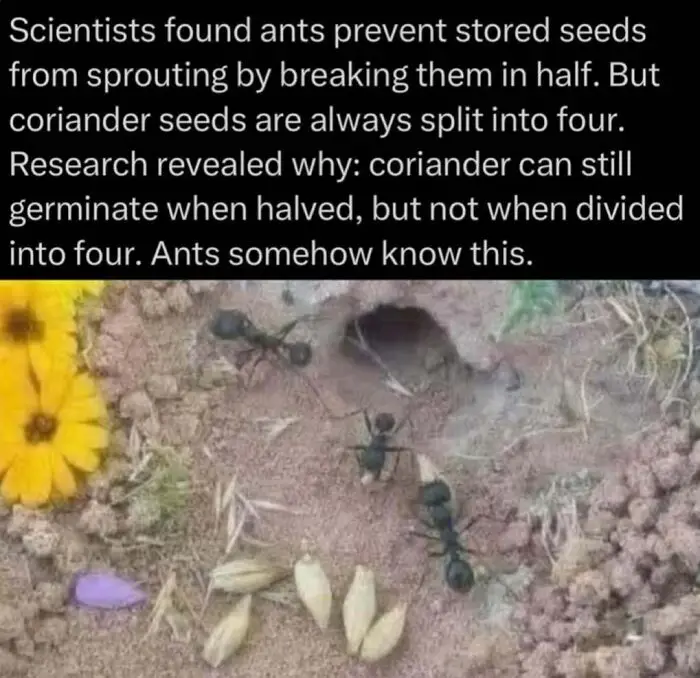
Ants prevent seed sprouting by breaking seeds, shown with ants and coriander seeds
Harvester ant colonies display an astonishing level of coordination and environmental awareness. To protect their underground food stores, these ants carefully damage collected seeds so they cannot sprout inside the nest. Scientists discovered an especially fascinating behavior with coriander seeds: instead of cutting them into two pieces like most seeds, the ants consistently split them into four parts.
This unusual strategy reveals how finely tuned the ants’ survival behaviors have become over countless generations. Coriander seeds are resilient enough to still germinate when only halved, so the ants appear to have adapted a more precise method to fully stop growth. Their behavior demonstrates that even tiny insects can develop remarkably effective systems for agriculture, storage, and resource management through collective intelligence and evolution.
28points

#29

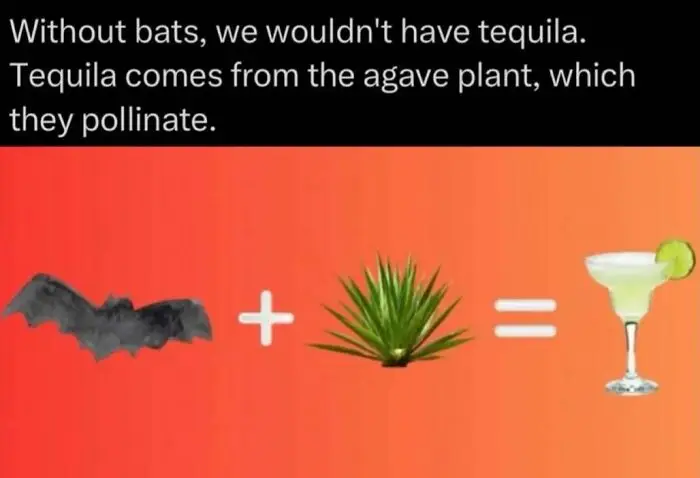
Bats pollinate agave plants essential for tequila production shown with simple graphic
Bats play a vital ecological role as pollinators of the Agave plant, using their tongues to reach deep into its blooming flowers for nectar. As they move from plant to plant under the cover of darkness, they carry pollen with them, enabling reproduction in a process shaped by thousands of years of coevolution. This delicate relationship supports not only the survival of agave but also the broader ecosystems that depend on it, illustrating how even nocturnal creatures contribute to the balance of nature.
However, modern commercial production of Tequila often disrupts this natural cycle. Farmers frequently harvest agave before it flowers, preventing bats from accessing nectar and halting pollination. As a result, producers rely on cloned agave, which reduces genetic diversity and increases vulnerability to disease. This shift threatens bat populations and weakens the resilience of agave itself, putting both ecological stability and long-standing cultural traditions at risk.
28points

#30

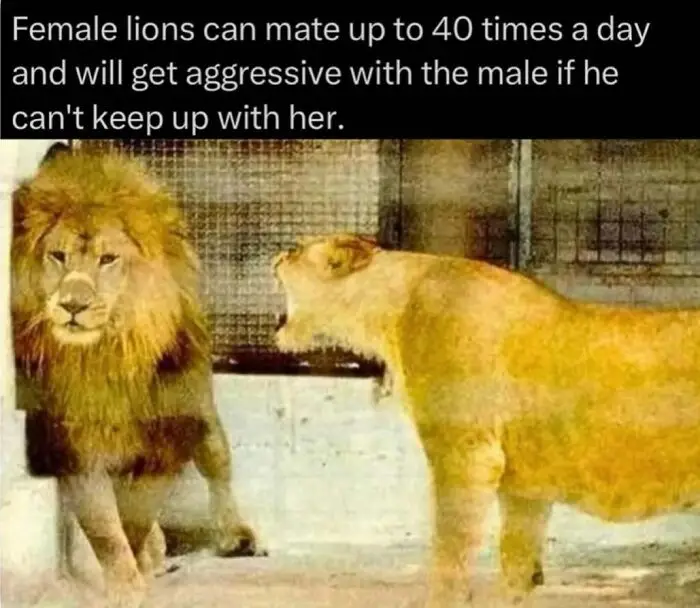
Female lion growling at male lion illustrating mating behavior
Female lions have one of the most intense mating systems in the animal kingdom. When a lioness enters heat, it typically lasts only three to five days, during which she may mate every ten to twenty minutes, sometimes up to forty times a day. This high frequency is driven by biology, as repeated mating helps stimulate ovulation and increases the likelihood of pregnancy.
If the male pauses too long or resists mating, the lioness may swat, growl, or snap at him. This behavior is not rooted in anger but in instinct and hormonal urgency. With such a brief fertile window, missing the opportunity means waiting weeks for another chance, so what seems aggressive is actually nature’s way of ensuring successful reproduction.
28points

#31

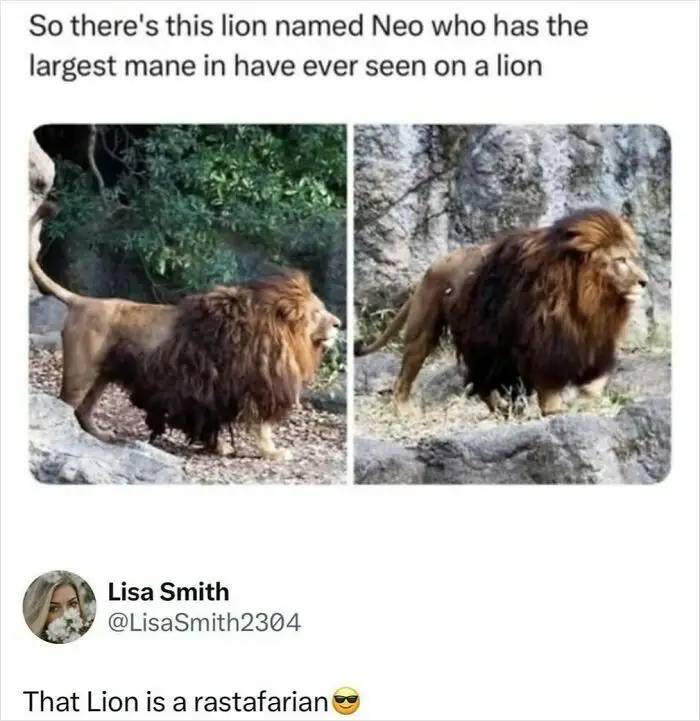
Lion with the largest mane ever seen named Neo
Neo the lion has become an internet sensation thanks to his extraordinary mane, earning the nickname “The Mane Character.” His thick, dark fur spreads far beyond the usual lion’s mane, flowing across his chest and down his underside in a dramatic display that makes him look almost mythical. While most lions have shorter, lighter manes, Neo’s impressive coat gives him a commanding appearance that instantly captures attention and makes him stand out as the undeniable star of his pride.
Scientists believe that unusually thick manes like Neo’s can develop because of cooler environments, strong genetics, or higher hormone levels that encourage dense fur growth. In the wild, a large mane may also help a lion appear more intimidating to rivals and more attractive to potential mates. Neo’s viral fame shows how even small differences in nature can fascinate people around the world, turning one majestic lion into a true celebrity of the animal kingdom.
28points

#32

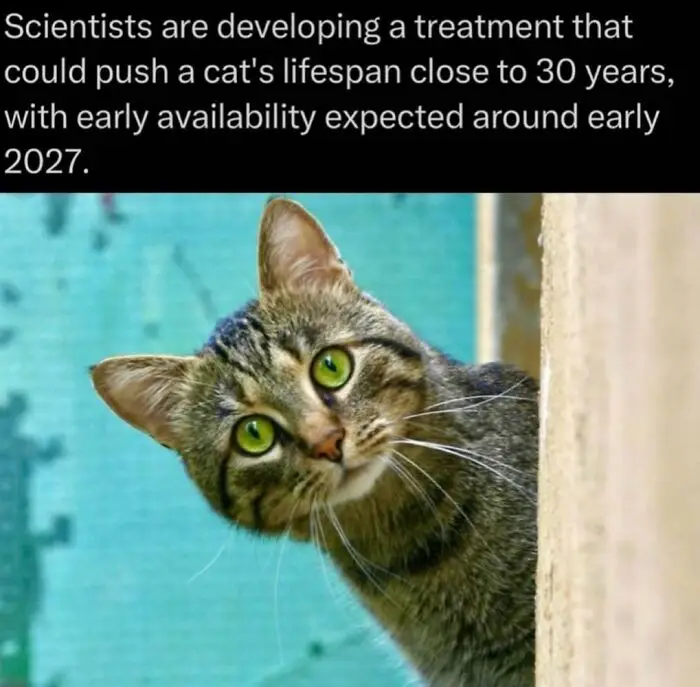
Scientists developing treatment to extend cat lifespan close to 30 years
Scientists are developing a promising new treatment that could help cats live much longer by fighting chronic kidney disease, one of the leading causes of death in older cats. As cats age, their kidneys often lose the ability to remove waste properly, causing harmful toxins to build up in the body. Because this disease is so common and difficult to cure, it has long limited the lifespan of domestic cats around the world.
The research centers on a protein called AIM, which normally helps the kidneys clear away damaged cells and waste. In most animals the protein works effectively, but in cats it does not activate correctly, leaving the kidneys vulnerable to gradual damage. By restoring the function of AIM, scientists hope to improve kidney health, slow aging related decline, and greatly extend feline lifespans. Some early estimates even suggest that cats could one day live close to 30 years with the help of this treatment.
28points

#33

How to tell a horses age by its teeth progression
One of the most interesting ways to tell a horse’s age is by looking at its teeth. Young horses have small, temporary teeth called “milk teeth,” while older horses develop larger permanent teeth with visible wear over time. Experienced horse owners can estimate a horse’s age by examining the shape, color, and smoothness of the teeth. Although this method is not always exact, it has been used for centuries by farmers, traders, and veterinarians to judge a horse’s maturity and health.
The phrase “looking a gift horse in the mouth” also comes from this practice. In the past, checking a horse’s teeth was a way to determine its value and age, so inspecting a horse that was given as a gift was considered rude. Today, the saying means that people should appreciate gifts instead of criticizing them. Horses have influenced language and culture in many ways, showing how important they were in daily life throughout history.
27points

#34

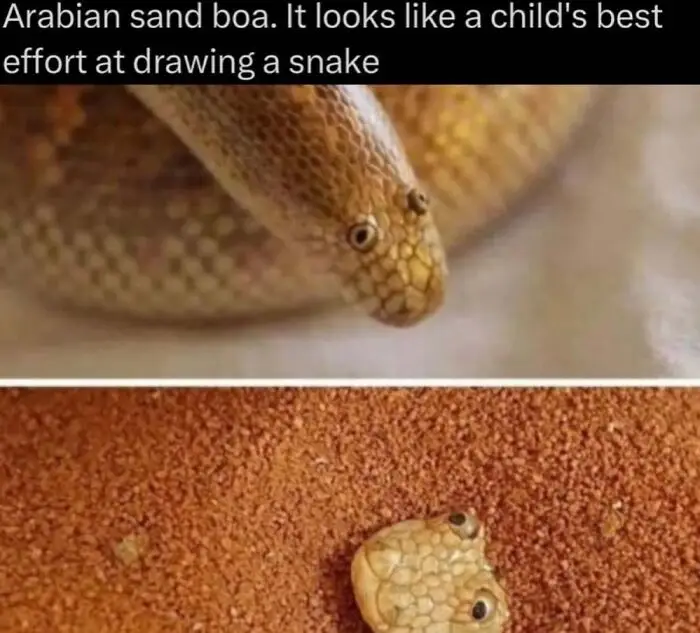
Closeup of Arabian sand boa snake resembling a child's drawing of a snake
The Arabian sand boa (Eryx jayakari) is a small, burrowing snake native to the deserts of the Arabian Peninsula. With its short, stout body and tiny eyes positioned high on its head, it has a unique and almost cartoon-like appearance, often compared to a child’s simple drawing of a snake. Despite its unusual look, this species is perfectly adapted to its environment, blending into the sandy landscape with ease.
Living mostly beneath the sand, the Arabian sand boa uses its blunt snout to dig and hide from predators while waiting to ambush prey such as lizards and small mammals. Its specialized body structure allows it to move efficiently through loose sand, helping it survive in harsh desert conditions. Though its appearance may seem peculiar or even amusing, it is a result of remarkable adaptation, enabling the snake to thrive in one of the most challenging habitats on Earth.
26points

#35

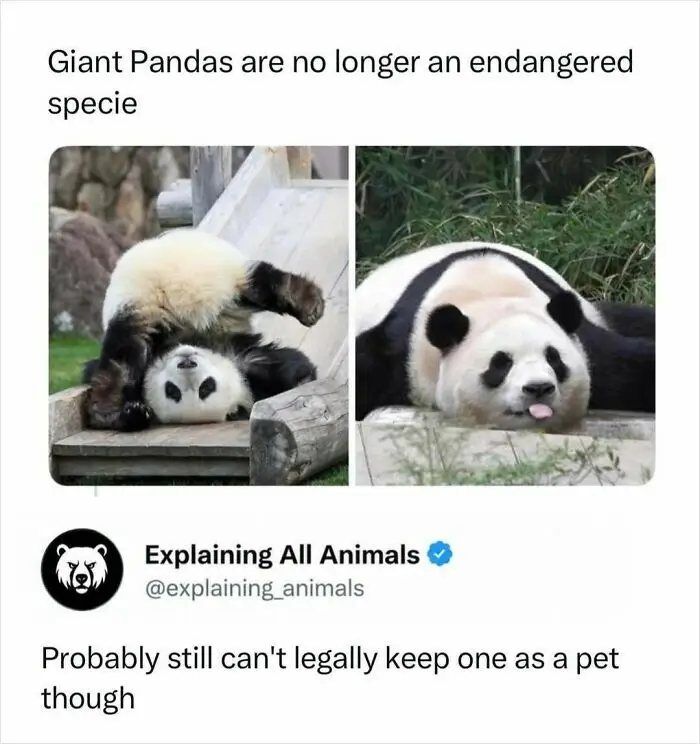
Giant pandas no longer endangered species, conservation success story
The giant panda is one of the world’s greatest conservation success stories. After decades of dedicated efforts in China, the species was removed from the endangered list when the International Union for Conservation of Nature reclassified it as “Vulnerable” in 2016. Expanded protected bamboo forests, habitat restoration projects, and stronger anti-poaching measures helped increase wild panda populations and improve their long-term chances of survival.
Today, an estimated 1,800-2,000 giant pandas live in the wild, a significant recovery from the dangerously low numbers seen in previous decades. While pandas still face challenges such as habitat fragmentation and climate change, their comeback demonstrates how coordinated conservation programs can help reverse the decline of an iconic species and protect biodiversity for future generations.
26points

#36

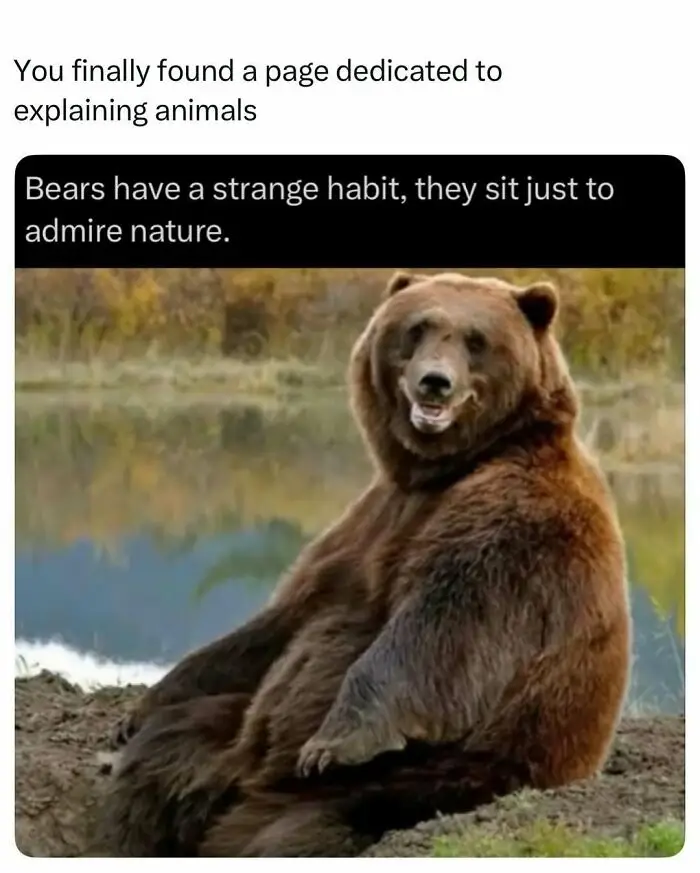
Brown bear sitting to admire nature by a lakeside in a natural habitat
Bears sometimes display surprisingly calm behavior that makes them seem almost human. When a bear feels safe and relaxed, it may sit quietly for long periods, simply observing the forest around it. To people watching from afar, the animal can look like a thoughtful old grandpa admiring nature. In reality, this behavior helps the bear rest, cool down, and stay alert to changes in its environment without wasting energy.
While sitting peacefully, bears are still carefully paying attention to the world around them. They watch for food, listen for other bears, and stay aware of anything unusual nearby. This balance of relaxation and awareness is part of what makes bears such successful animals in the wild. Moments like these also remind people that even massive predators can sometimes appear calm, curious, and unexpectedly gentle in their natural habitat.
26points

#37

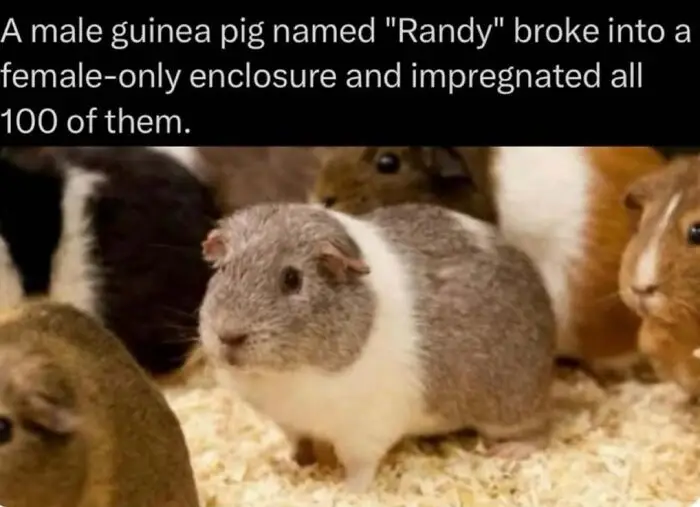
Male guinea pig Randy impregnated 100 female guinea pigs
In 2014, an unusual and amusing incident unfolded at Hatton Adventure World when a determined male guinea pig nicknamed “Randy” managed to sneak into a female-only enclosure. For weeks, he lived undetected among nearly 100 females, blending in so well that staff had no idea anything was wrong. The mystery only came to light when caretakers noticed an unusual trend- almost every female in the enclosure was gaining weight. Upon investigation, they discovered a noticeably thinner and thoroughly exhausted Randy hiding within the crowd.
The aftermath of his unexpected “mission” was nothing short of extraordinary. Guinea pigs typically produce small litters, but Randy’s extended stay led to a dramatic population surge, resulting in nearly 400 offspring. The sanctuary was forced to expand its facilities to accommodate the sudden influx of new arrivals. Once removed and returned to the male enclosure, Randy became something of a legend among the staff, who joked that he must have quite the story to tell- an amusing reminder of how even small animals can create very big surprises.
25points

#38

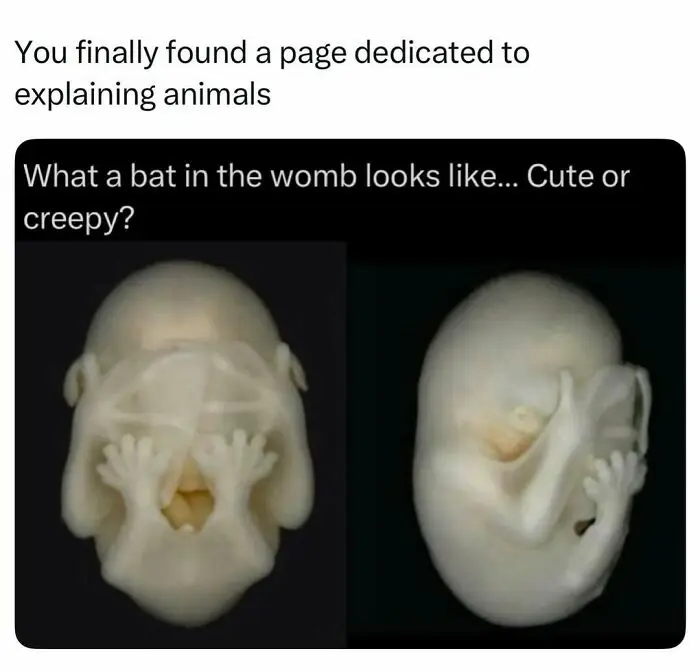
Bat embryo in womb showing tiny wings and facial features
The bat fetus undergoes fascinating developmental changes that highlight the species’ unique adaptations for flight and echolocation. Early in gestation, bat fetuses exhibit small limbs, which eventually lengthen to form elongated fingers. These fingers will support the thin wing membranes that will enable the bat to fly. Despite the small size of the fetus, the development of large eyes and ears is prominent, although many bat species are born blind.
As the fetus matures, the skin between the fingers begins to stretch, forming the delicate structure of the wings that will later support flight. The ears, which are essential for echolocation in many bat species, also start to take distinct shapes early on. Bats have short gestation periods, and their young are born relatively well-developed, requiring significant care and maternal support as they cling to their mothers or roost.
24points

#39

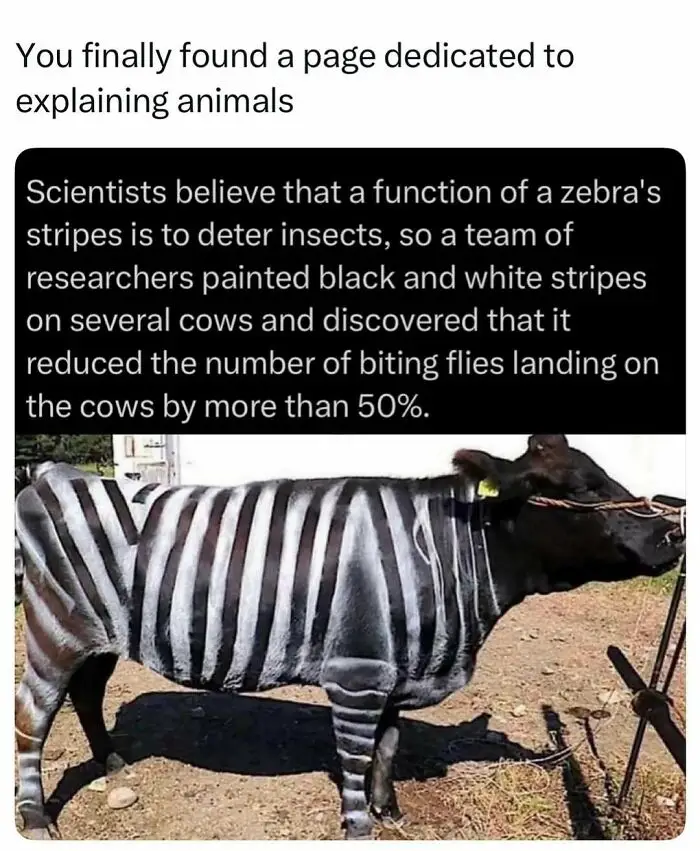
Cow painted with zebra stripes to deter insects reducing biting flies by over 50 percent
Scientists have long debated why zebras evolved their distinctive black-and-white stripes, and recent research points to a practical answer: protection from biting insects. A notable 2019 study conducted by researchers in Japan and the UK tested this idea by painting cows with zebra-like stripes. Compared to unpainted cows, the striped animals attracted more than 50% fewer biting flies. The high-contrast pattern appears to disrupt the insects’ vision and motion detection, making it harder for them to land and feed.
This finding has meaningful implications beyond scientific curiosity. Biting flies are not just a nuisance, they can stress livestock, lower milk production, and spread disease. By applying zebra-like striping to cows, farmers may reduce these harms without relying heavily on chemical pesticides. Once again, insights from evolutionary biology demonstrate how solutions found in nature can inspire simple, effective innovations in agriculture.
24points

#40

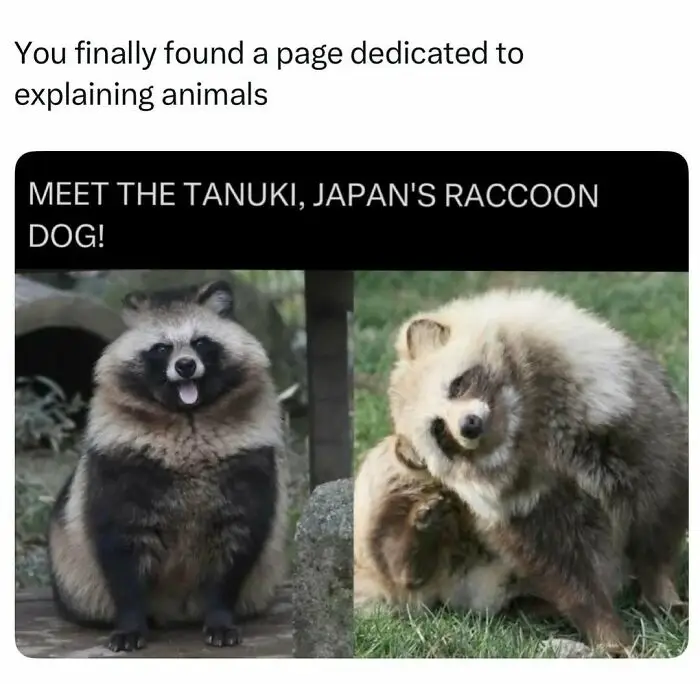
Tanuki raccoon dog from Japan shown in two different poses in a natural environment.
The Japanese raccoon dog, or tanuki, is a small and fascinating member of the dog family, despite its raccoon-like appearance. Native to Japan, it is highly adaptable and can thrive in a wide range of environments, from forests and grasslands to areas near human settlements. Mostly active at night, tanuki rely on their sharp sense of smell and hearing to find a varied diet that includes insects, fruits, plants, and small animals.
What makes the tanuki especially unique among canids is its ability to enter a hibernation-like state during the coldest months, slowing its metabolism to conserve energy. Beyond its biological traits, the tanuki holds a special place in Japanese culture, where it is often portrayed in folklore as a playful and clever spirit, adding to its charm and cultural significance.
24points
60
2