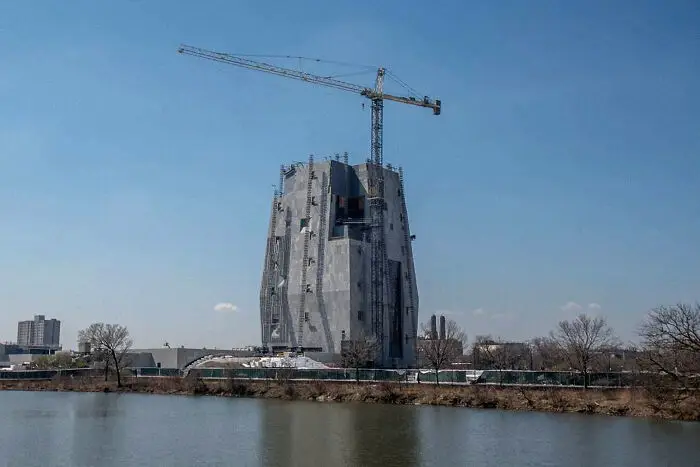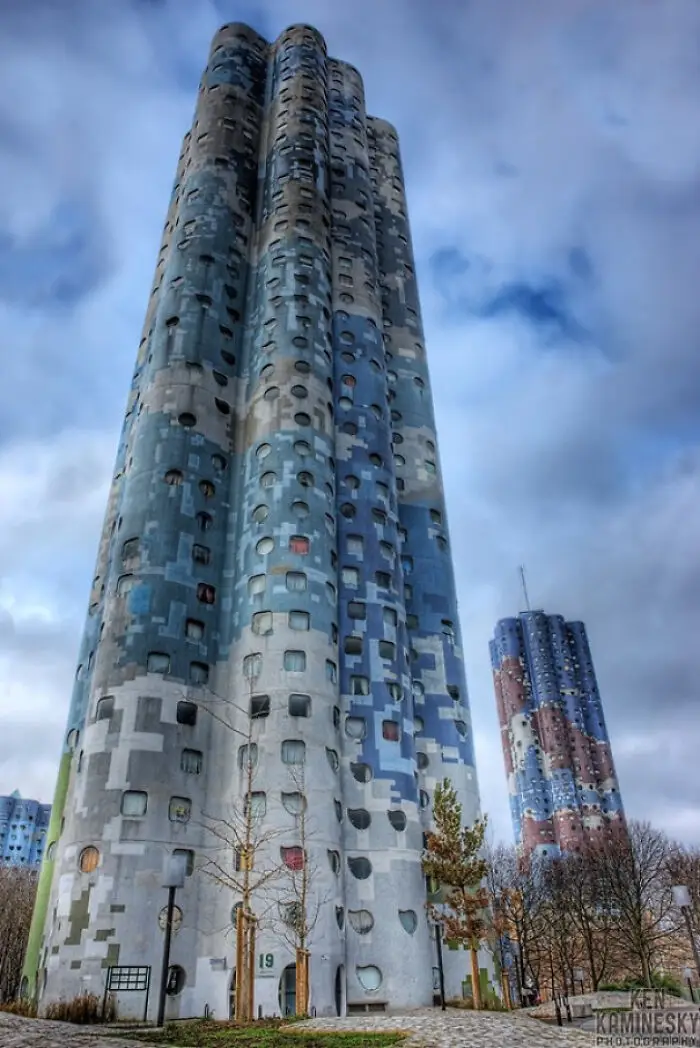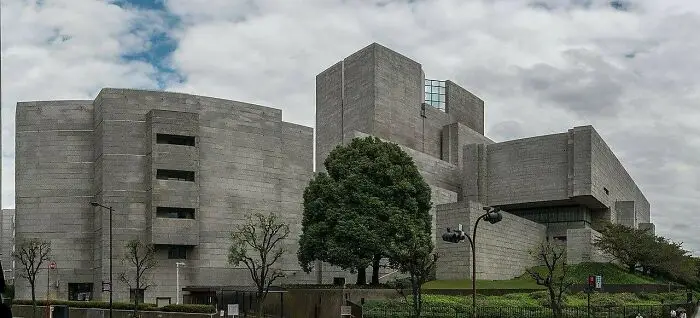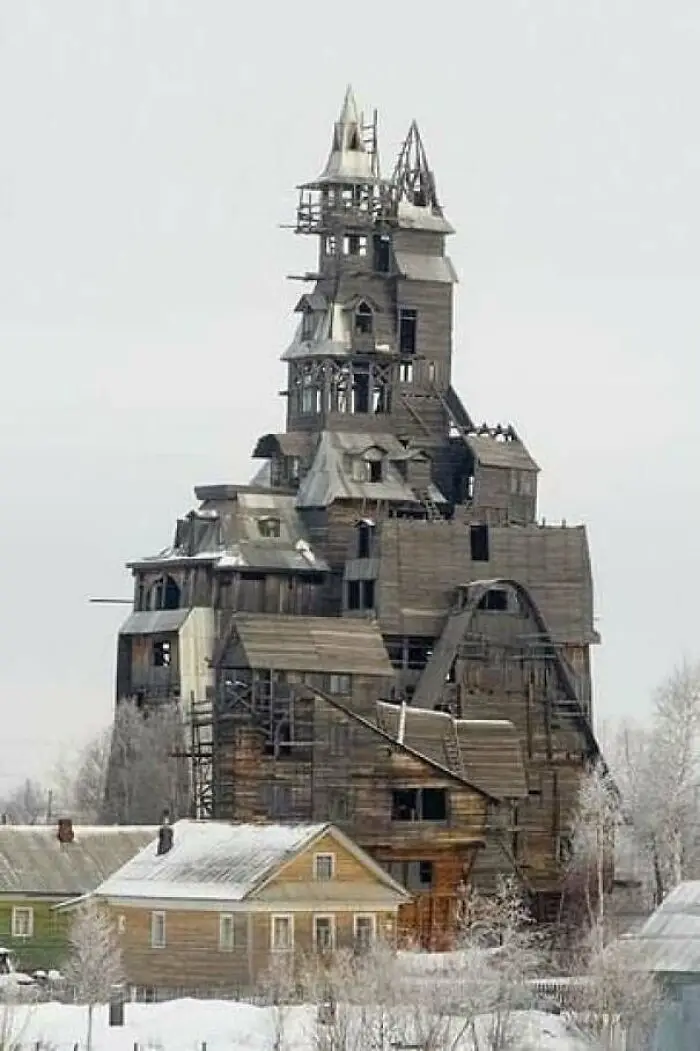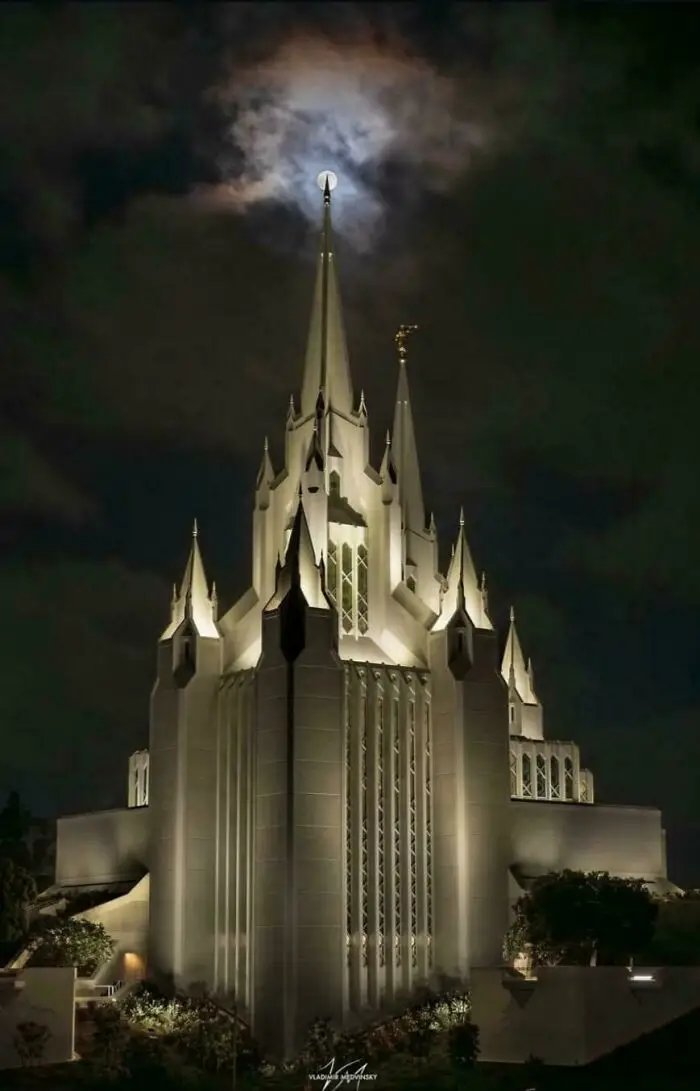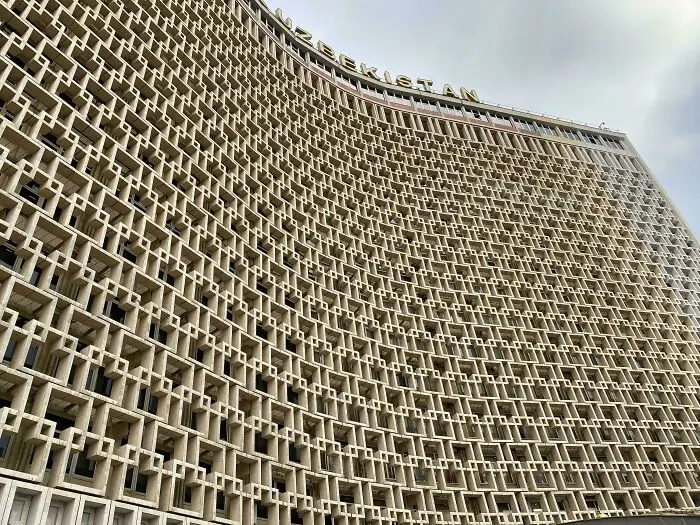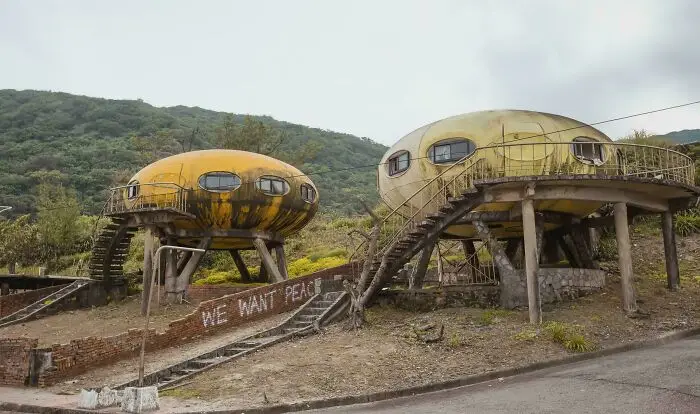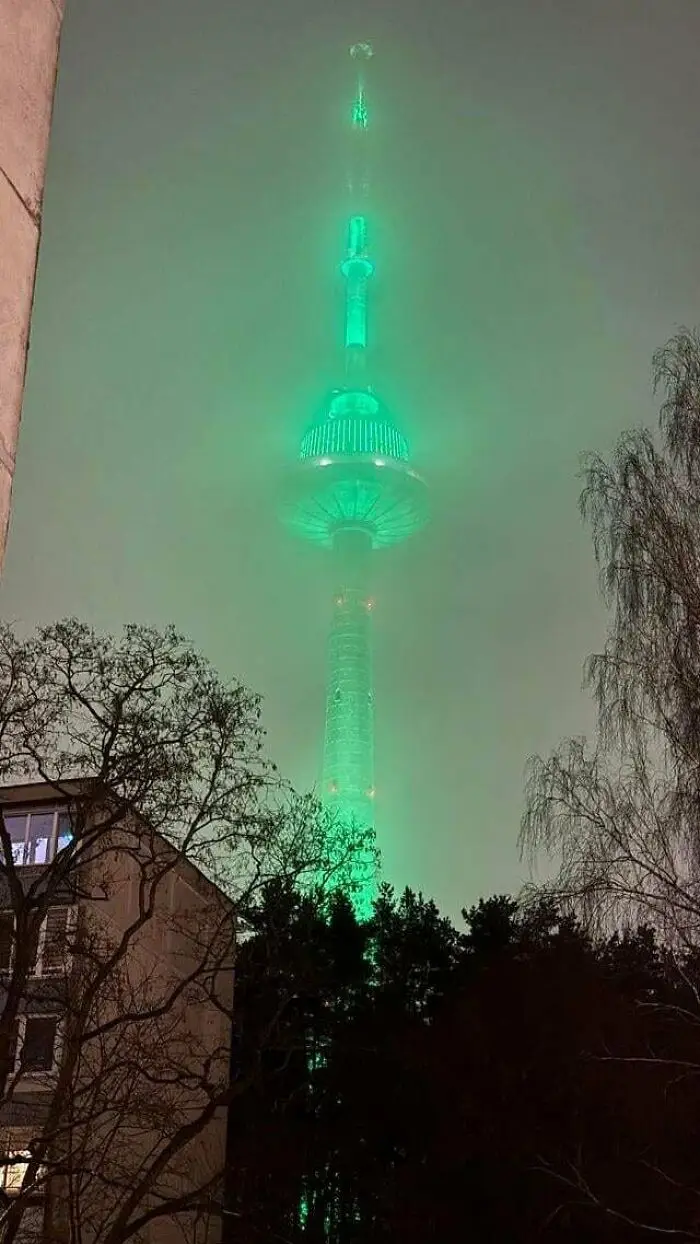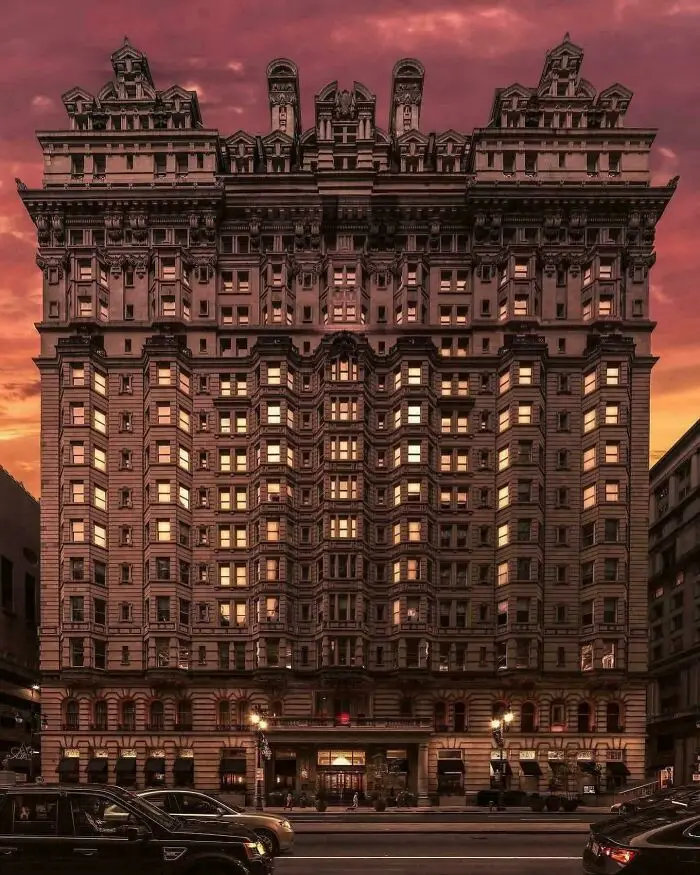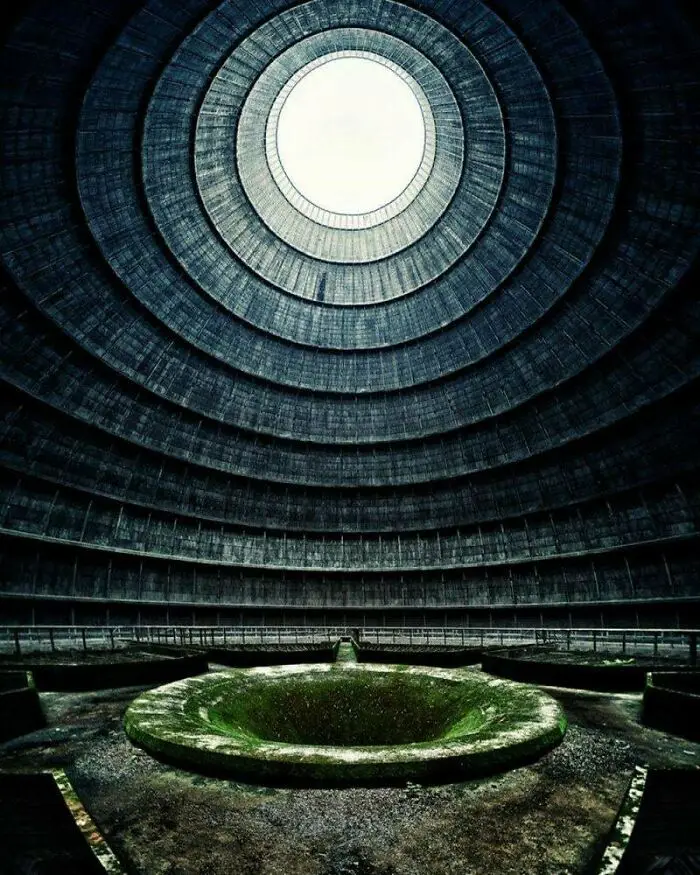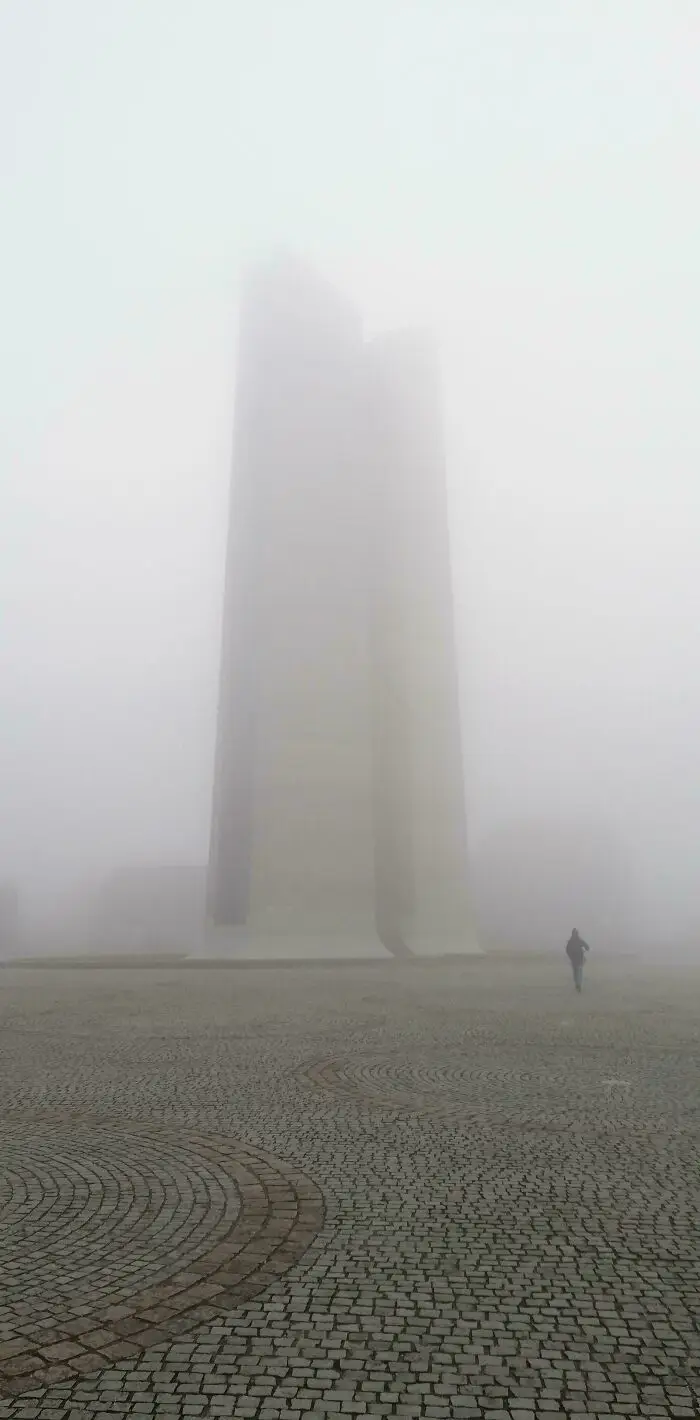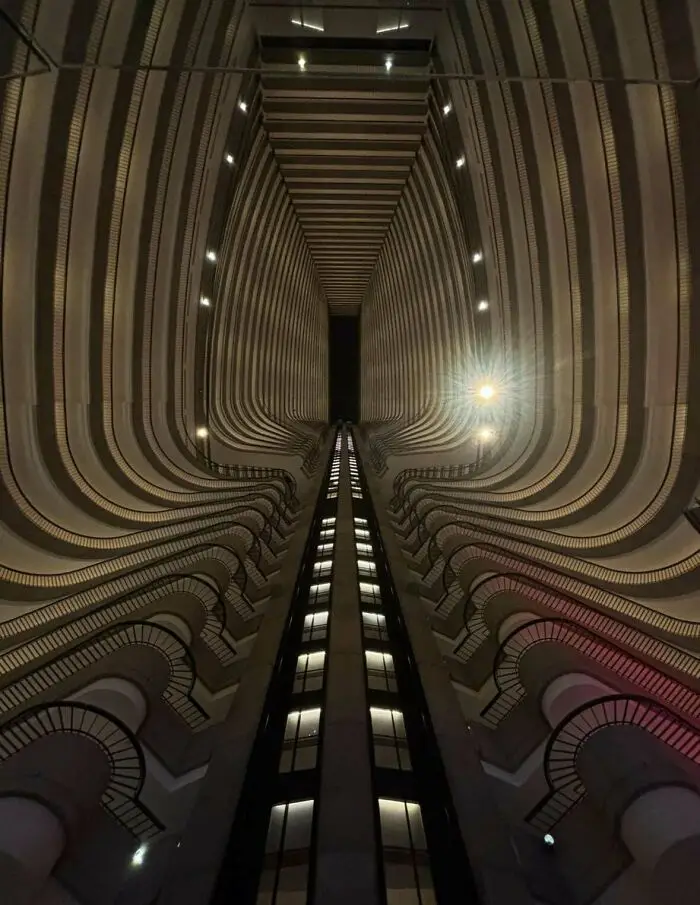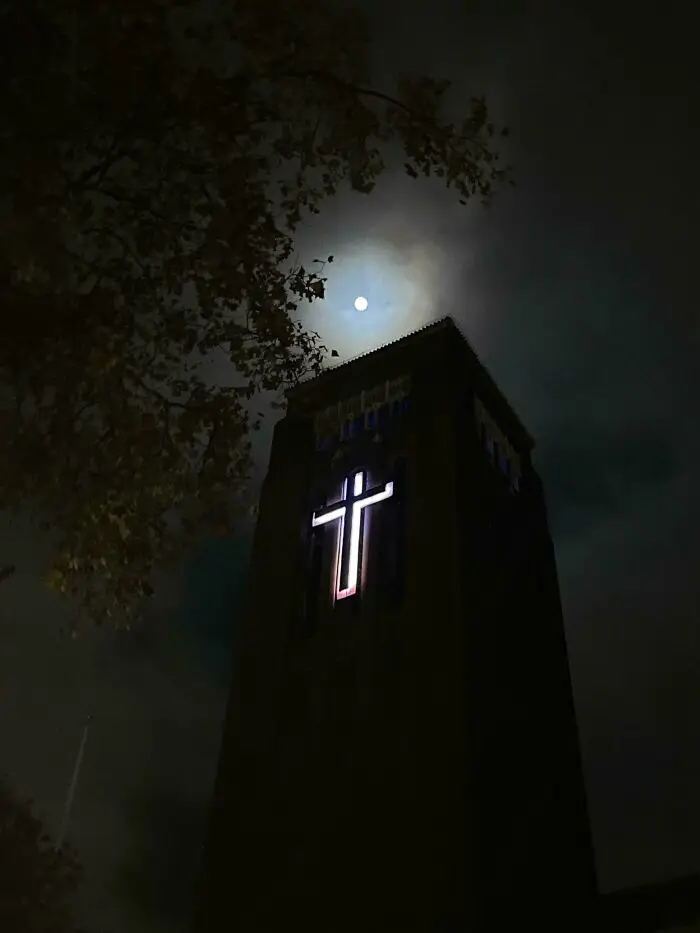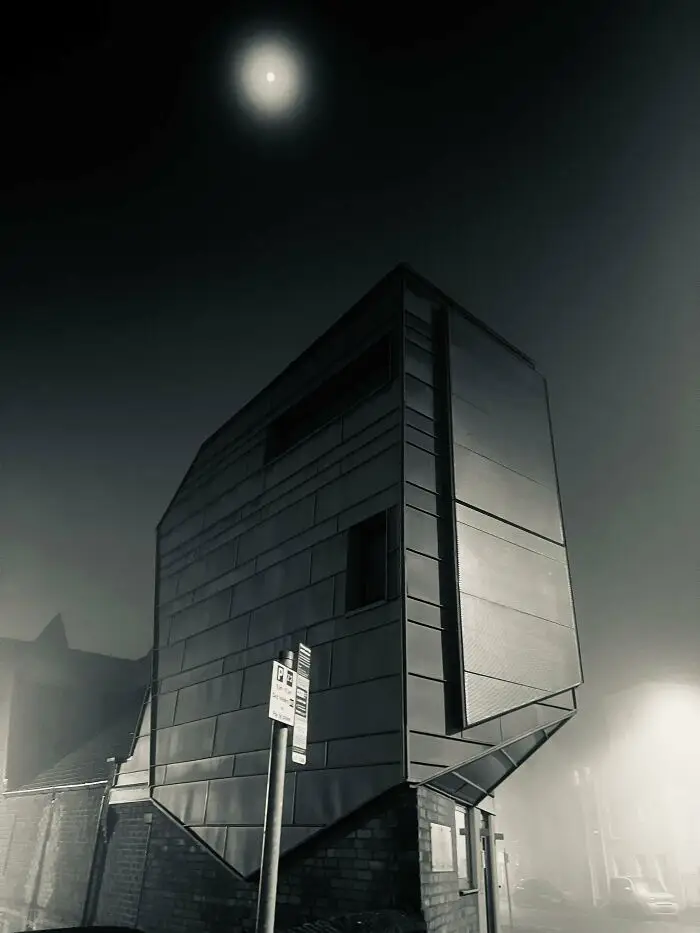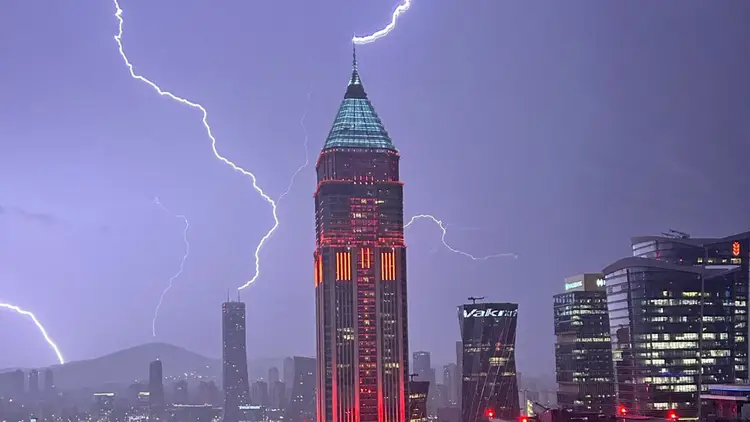


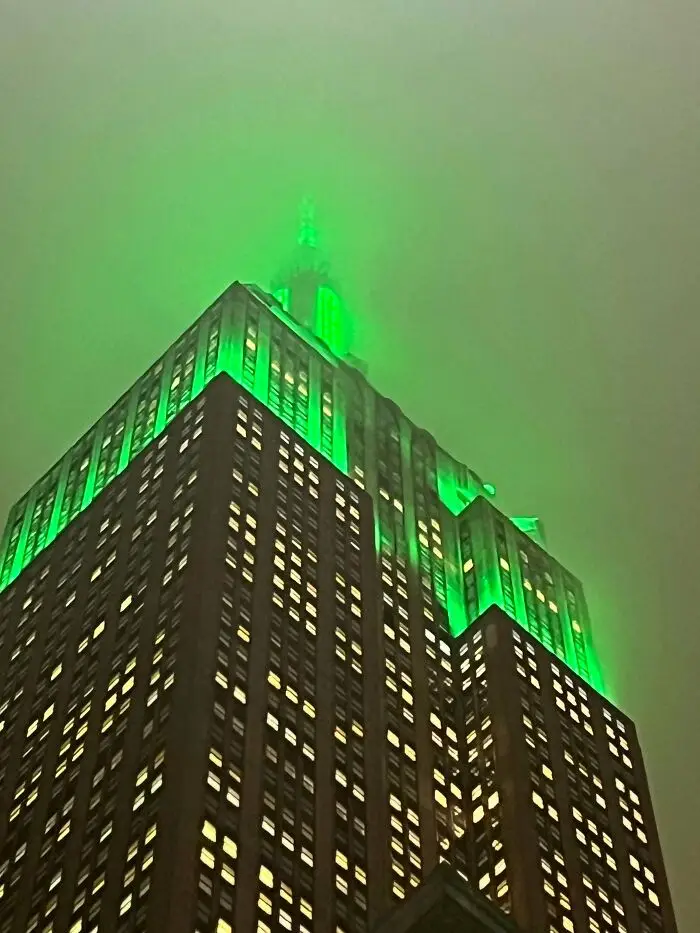
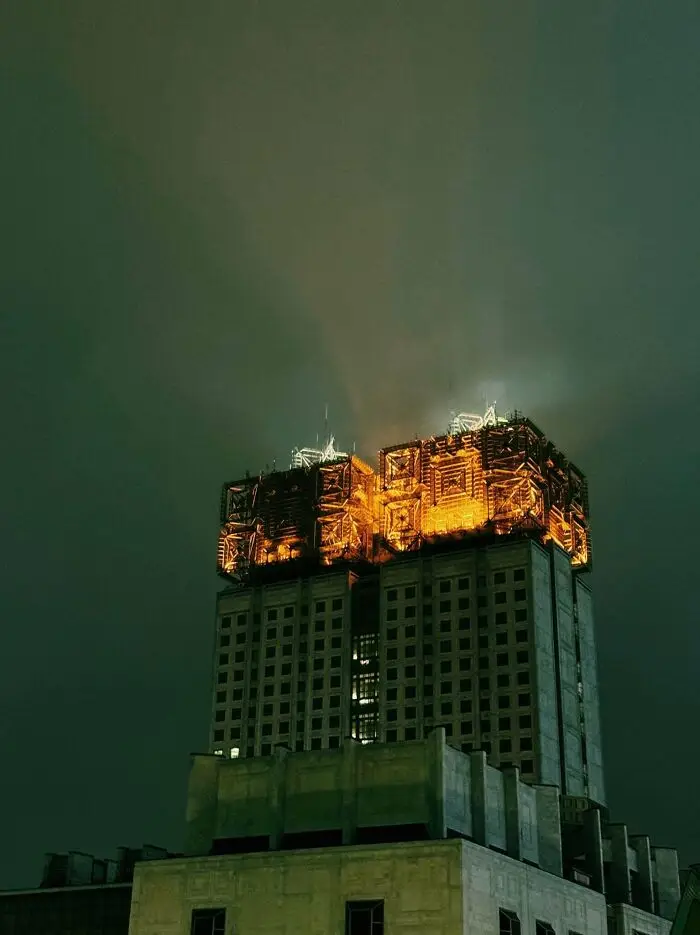
So why do these brutalist designs look so menacing to us now?
Part of it comes down to simple age and neglect. Decades of harsh weather, poor maintenance, and slashed budgets have left many concrete facades stained, crumbling, and dark.
Studies also indicate that, with the rise of social media platforms and global tourism, modern Brutalist buildings have gained a new wave of popularity, especially as many of them face demolition or neglect.
In countries such as the Czech Republic and the UK, to name a few, Brutalist buildings have faced criticism — as many people associate the style with socialist ideals or the welfare state.
At the same time, movements like #SOSBrutalism have emerged online, advocating for preserving these striking buildings. Supporters argue that beyond their imposing appearance, they also hold historical and architectural significance.
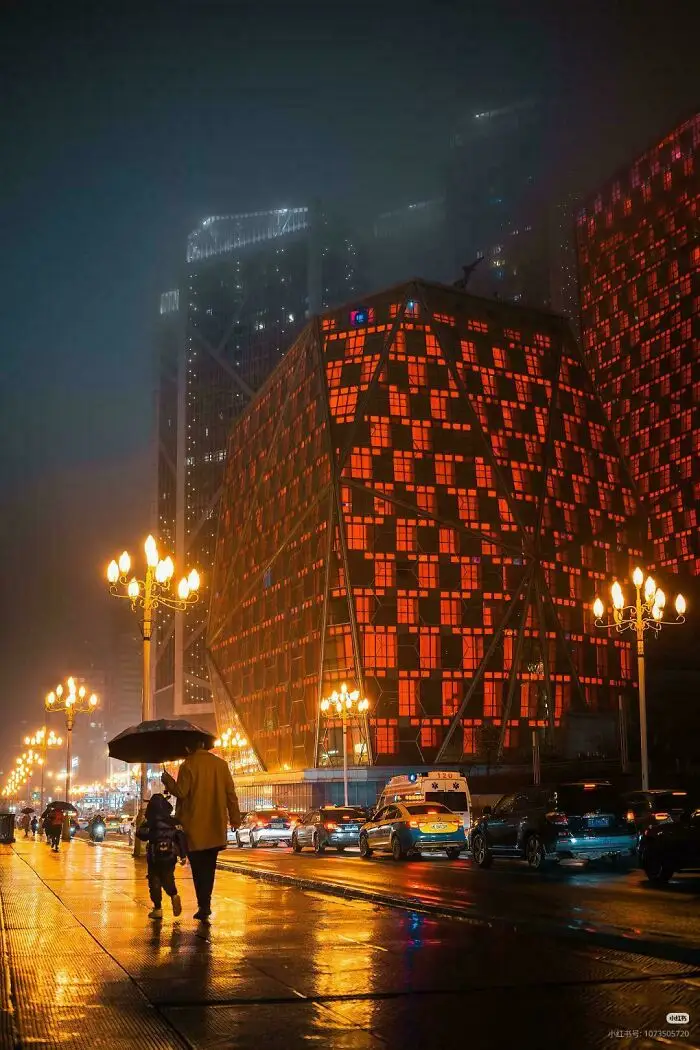
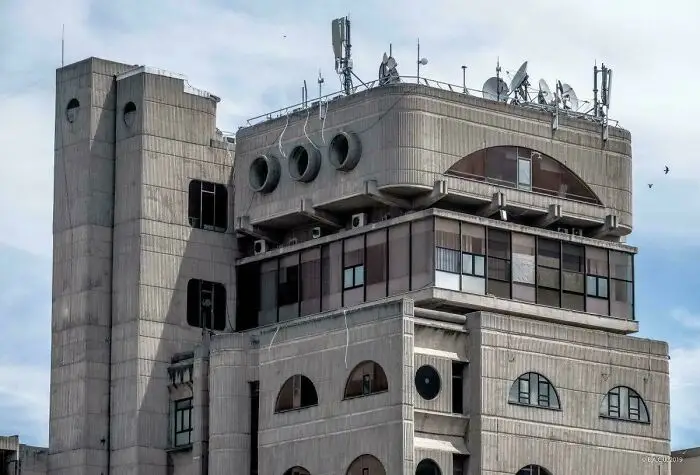
What makes these structures so captivating is the way they force us to stop and look twice.
Whether it’s a centuries-old church shrouded in fog or a weird-looking skyscraper, these buildings refuse to blend into the background. They spark passionate debates, inspire viral online communities, and occasionally rally locals to protect forgotten history from the wrecking ball.
So the next time you pass an “evil-looking” building, remember that it might just hold far more secrets than sinister appearances.
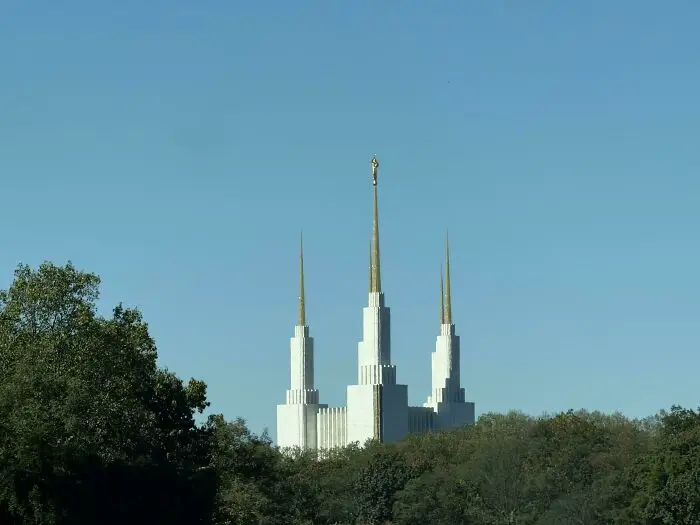
#27 The Obama Presidential Center In Chicago, Referred To As The ‘Obamalisk’ By Some