






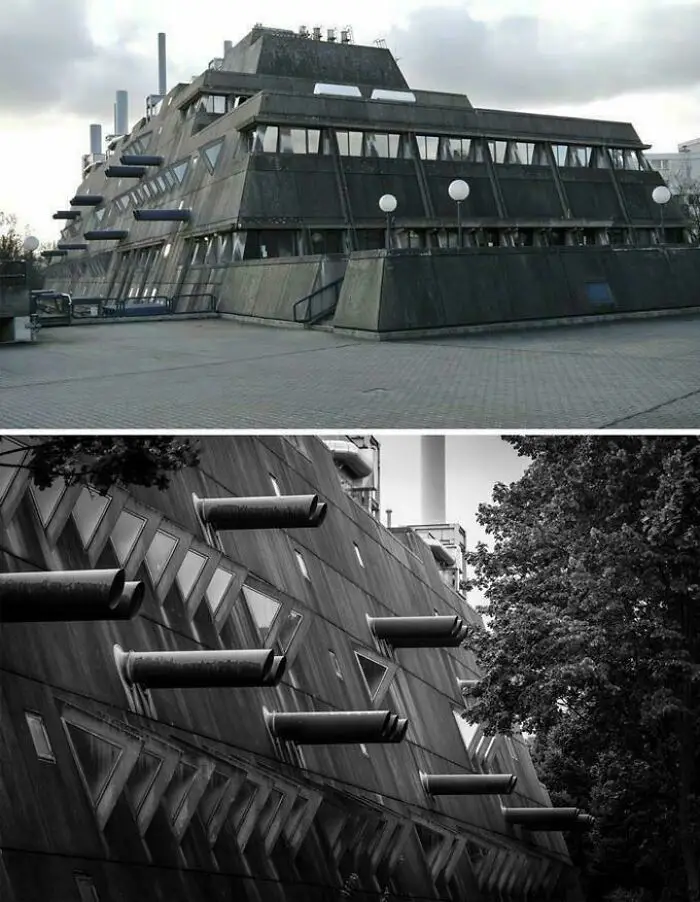
#1 Former Research Institutes For Experimental Medicine Building In Berlin, Germany, Commonly Known As The Mäusebunker (Mouse Bunker)
Most of the structures on this list are textbook examples of famous design movements. Some are towering Gothic masterpieces, recognized immediately by their iconic pointed arches, soaring spires, flying buttresses, and intricate stained glass.
When medieval builders put those together, they were trying to reach toward the heavens and inspire awe — never to scare anyone.
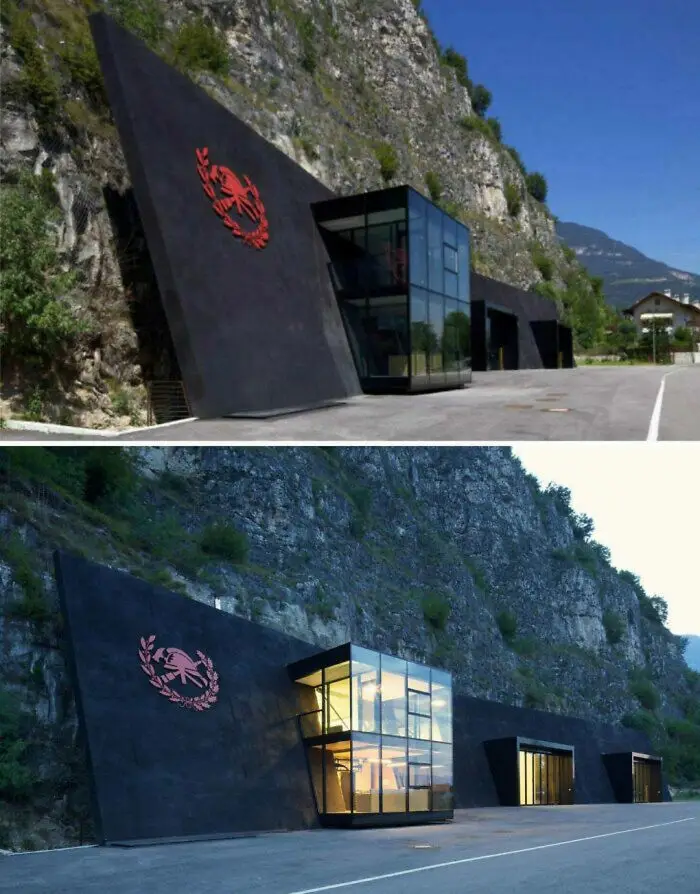
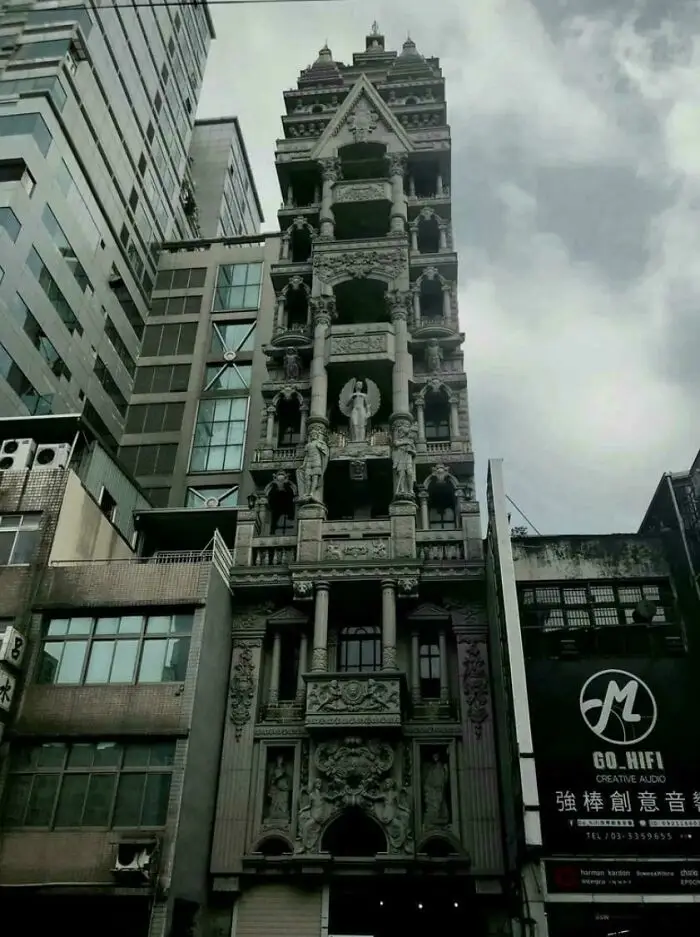
Research shows that 18th-century Romantic literature and 20th-century Hollywood rewired much of our perception of Gothic architecture. Filmmakers realized that soaring spires, jagged silhouettes, and cavernous interiors were perfect for creating tension. Horror and fantasy classics like Dracula and Harry Potter consistently cast Gothic spaces as the ultimate backdrop for danger and mystery.
“The idea of Gothic buildings being scary or haunted is fairly recent. In the early to mid-20th century, there were a lot of Gothic buildings in movies that showed them as haunted places,” says architect and professor Michael Crosbie.
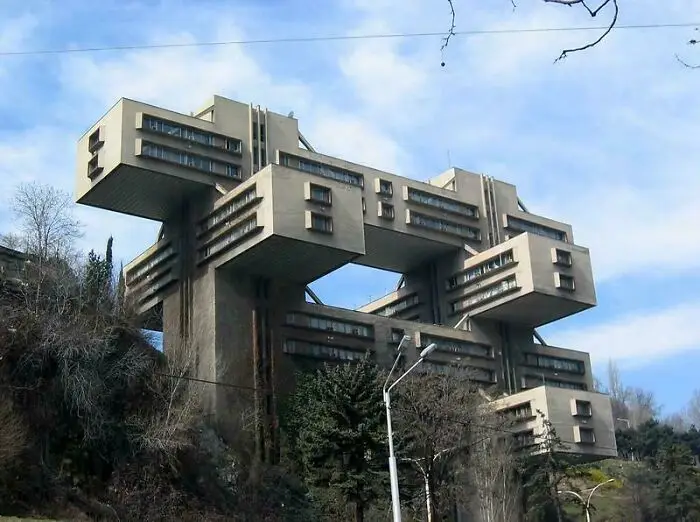
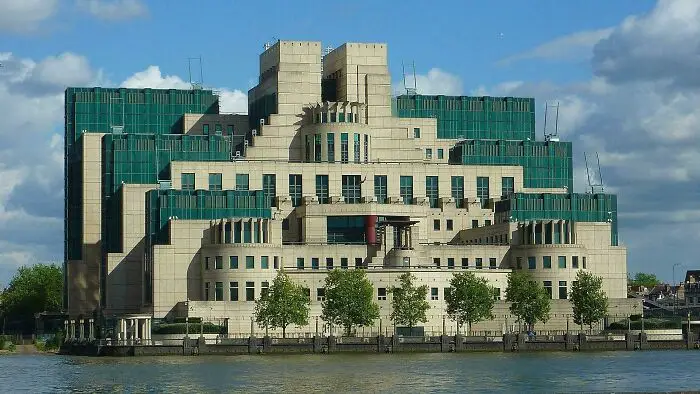
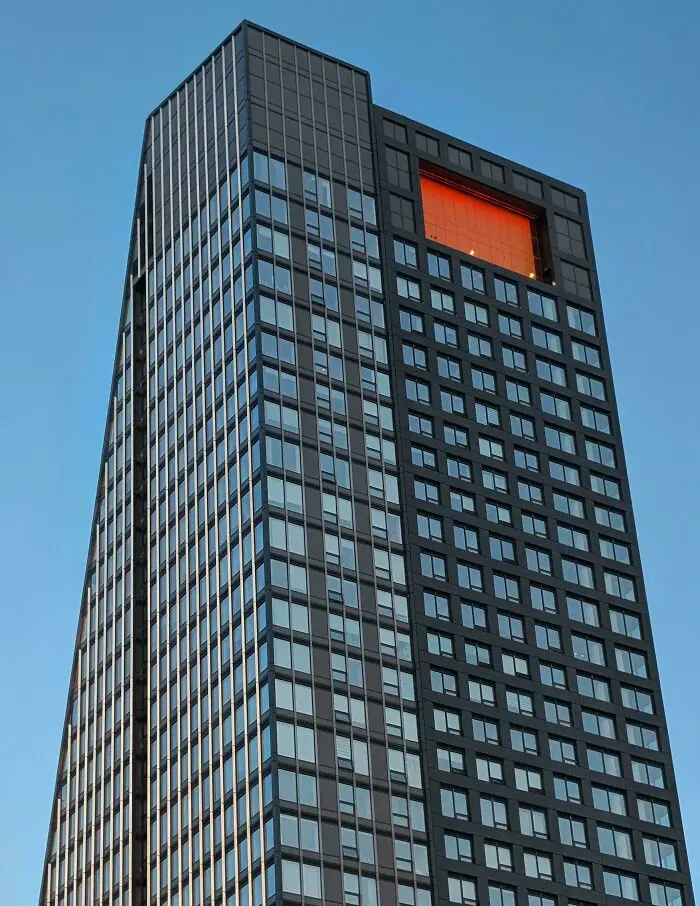
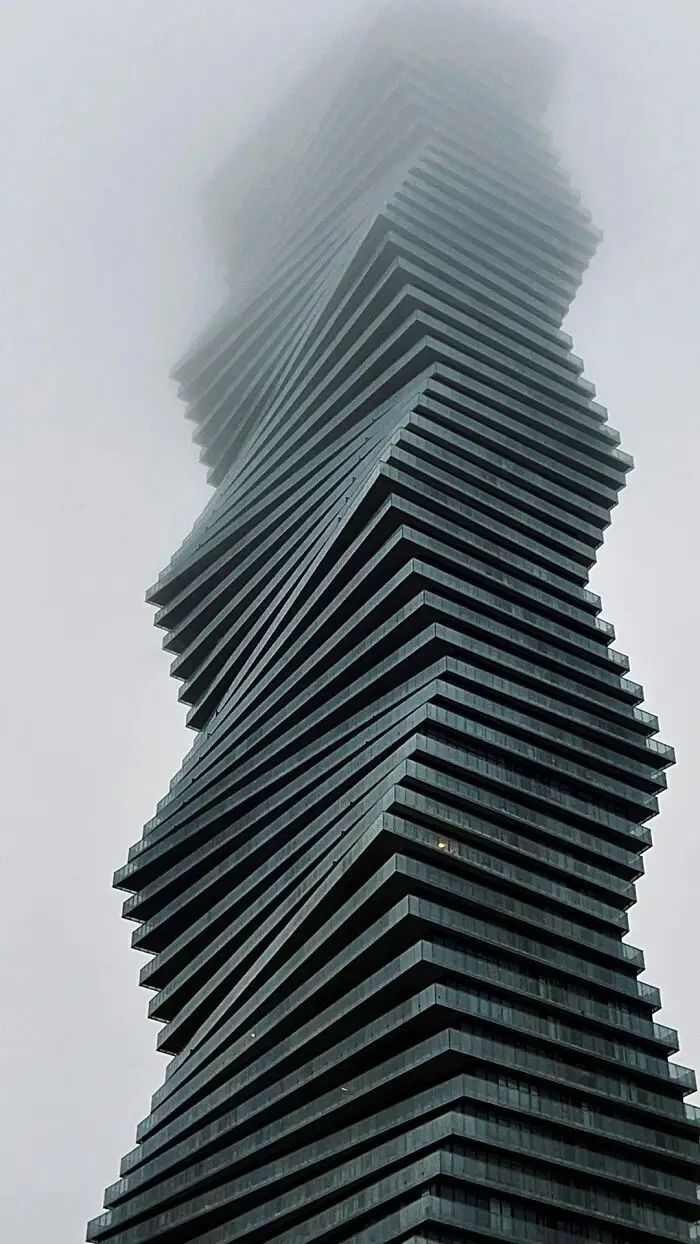
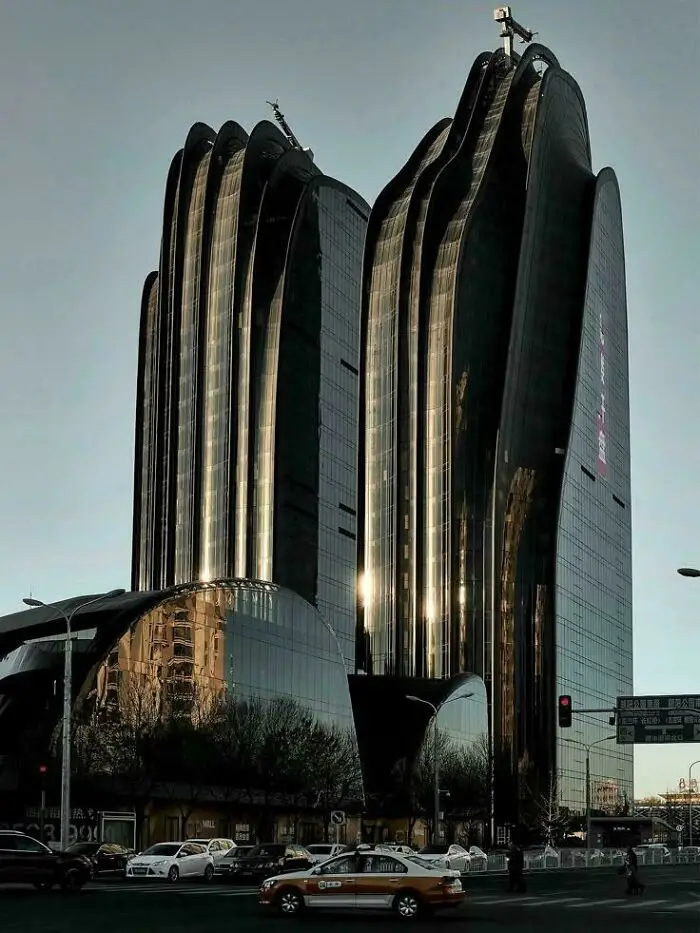
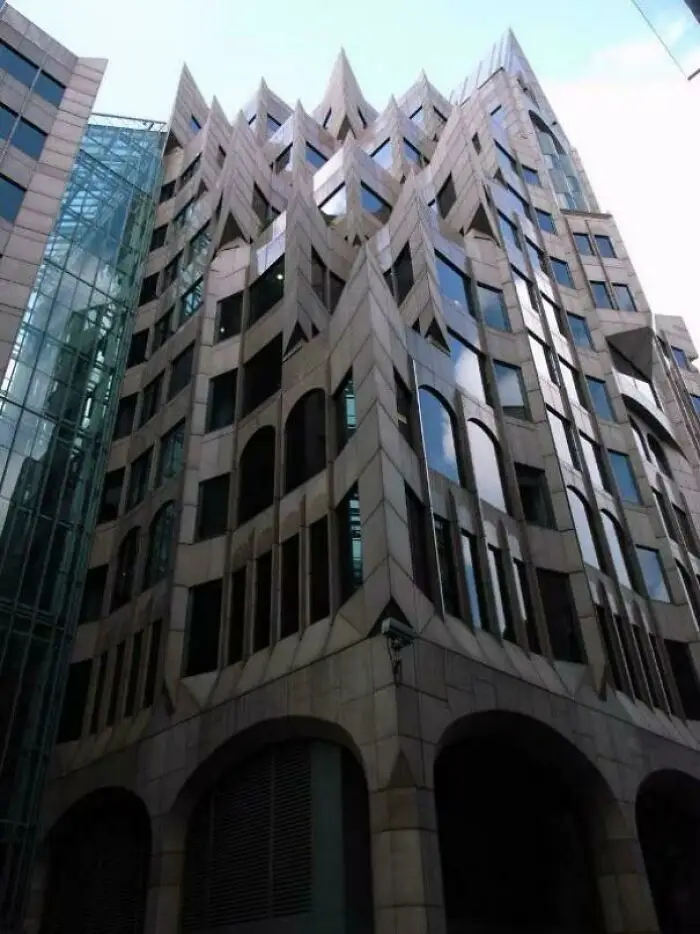
Other photos feature Expressionist skyscrapers. They achieve their evil-lair status through deliberate design choices: towering height, sharp angular forms, tinted reflective glass, and cold, sterile materials like polished steel. These pristine structures feel unapproachable and imposing, almost like high-tech headquarters built to monitor everything below.
Sci-fi thrillers, post-apocalyptic films, and video games routinely use sleek high-tech towers and bleak concrete blocks to represent dystopian futures, ruthless mega-corporations, and authoritarian regimes.

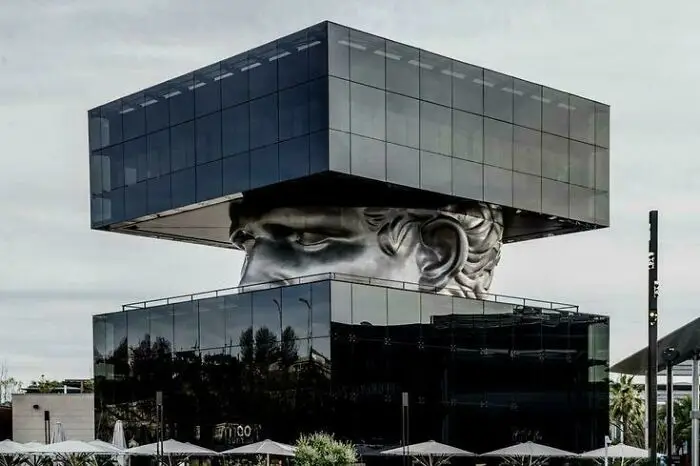
#12 Sculpture Le Guetteur (The Watcher) By Artist Sacha Sosno, Located Within The Polygone Riviera Shopping Center In Cagnes-Sur-Mer, France
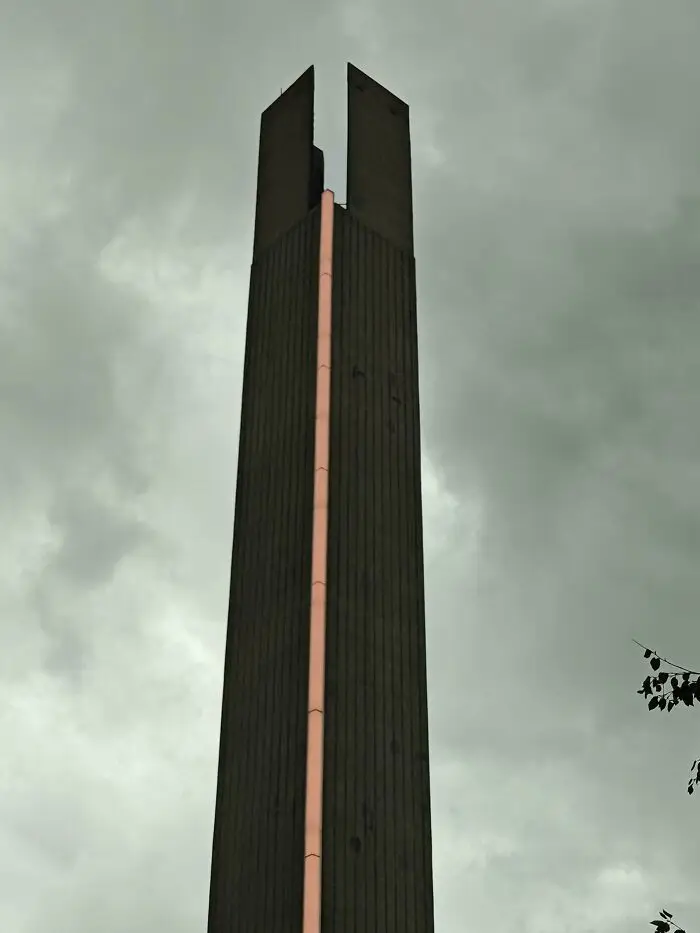
Then there is Brutalism, the undisputed king of villain-lair architecture, built from bare, unpainted concrete and massive geometric blocks.
The story began back in 1928, when top European architects formed the International Congresses of Modern Architecture (CIAM).
Their mission was radical: throw out centuries of ornate, classical styles and rethink architecture from the ground up to solve pressing post-war urban problems. In 1933, they published the famous Athens Charter, which argued that modern cities should be strictly divided into functional zones — living, working, recreation, and circulation — and that housing should take the form of high-density, multi-story tower blocks surrounded by open green spaces.
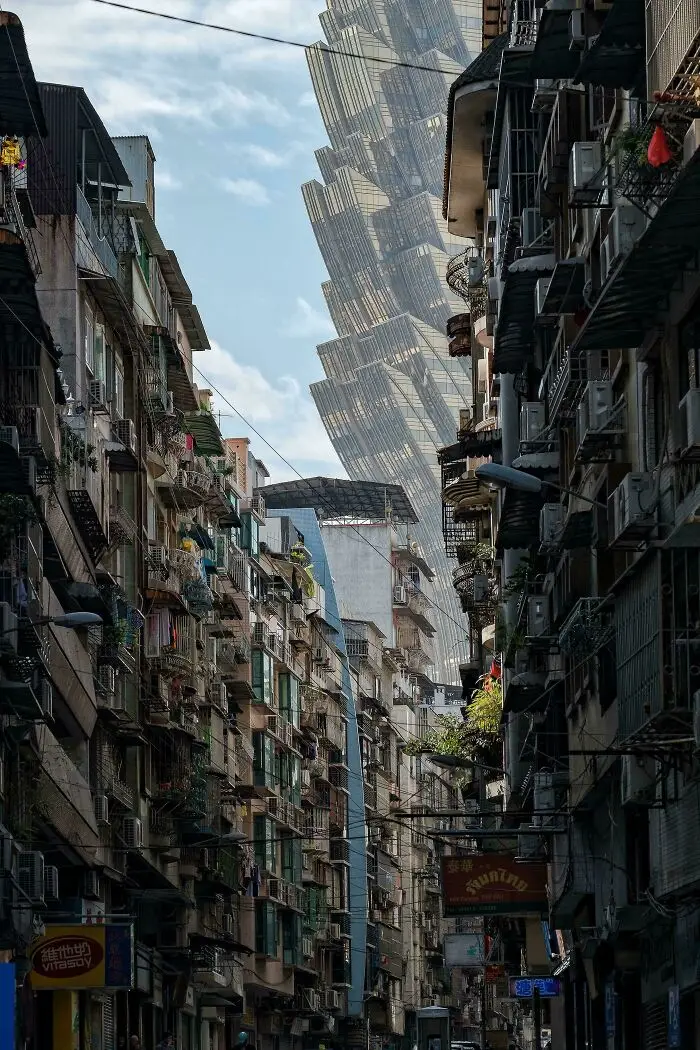
#13 A Street In Macao. The Towering Building In The Back Is The Grand Lisboa Hotel Casino. (2018)
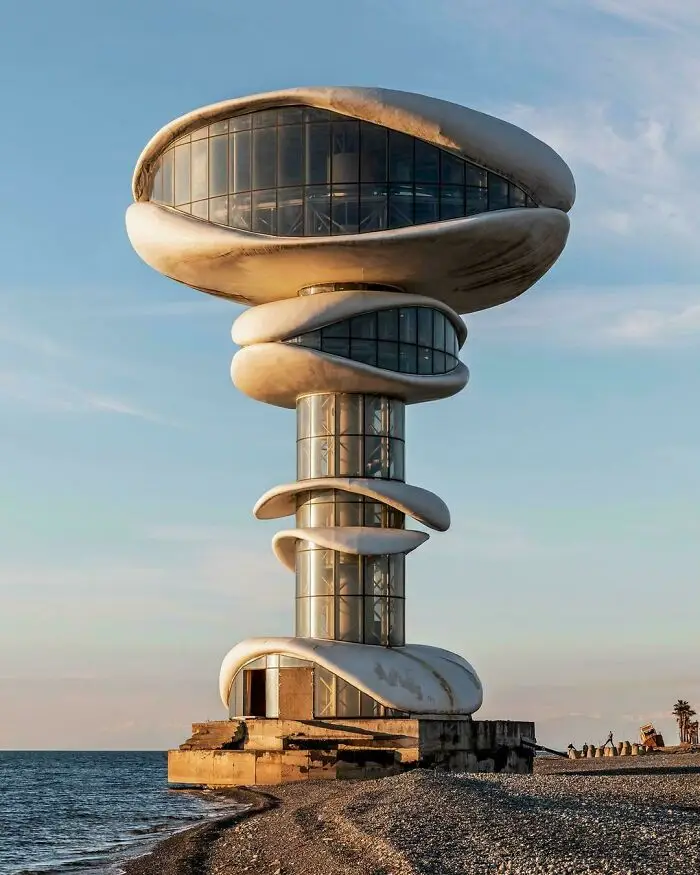
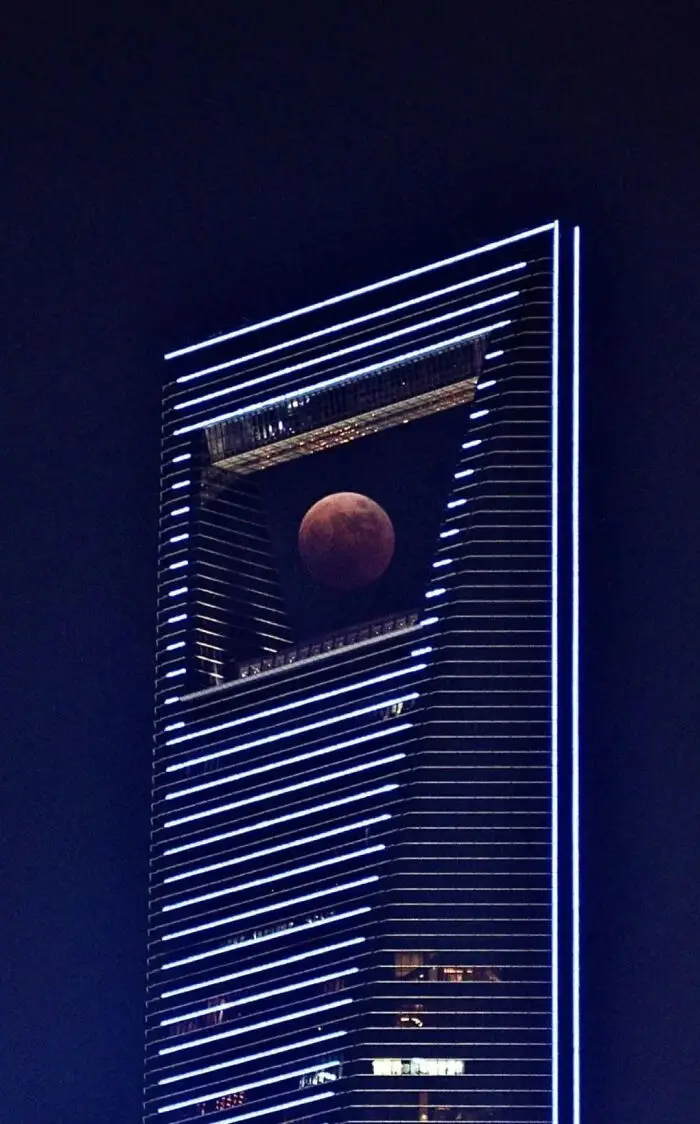
CIAM prioritized mass-scale efficiency over decorative details. Instead of traditional human-scaled streetscapes, they championed massive, self-contained concrete blocks designed to hold entire communities or government operations under one roof. When viewed out of context today, the scale and repetitive geometry can feel overwhelmingly monolithic and imposing.
When CIAM eventually disbanded in 1959 after younger members pushed for even rawer, more expressive designs, the floodgates opened for full-scale Brutalism.
Architects Alison and Peter Smithson popularized it, believing in showing “the woodness of wood and the sandiness of sand.”
#16 One Of Erdogan's Favorite Projects: Istanbul Financial Center Yesterday

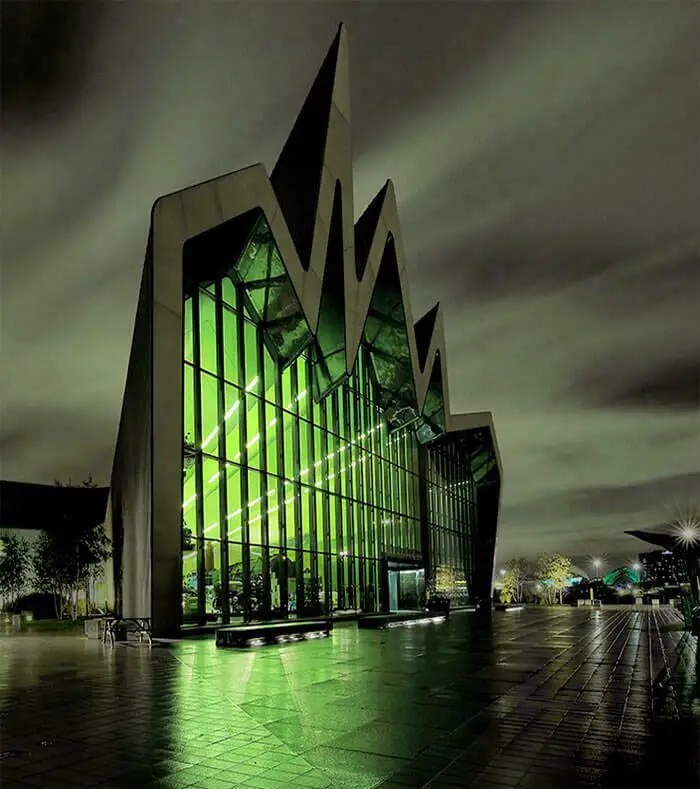
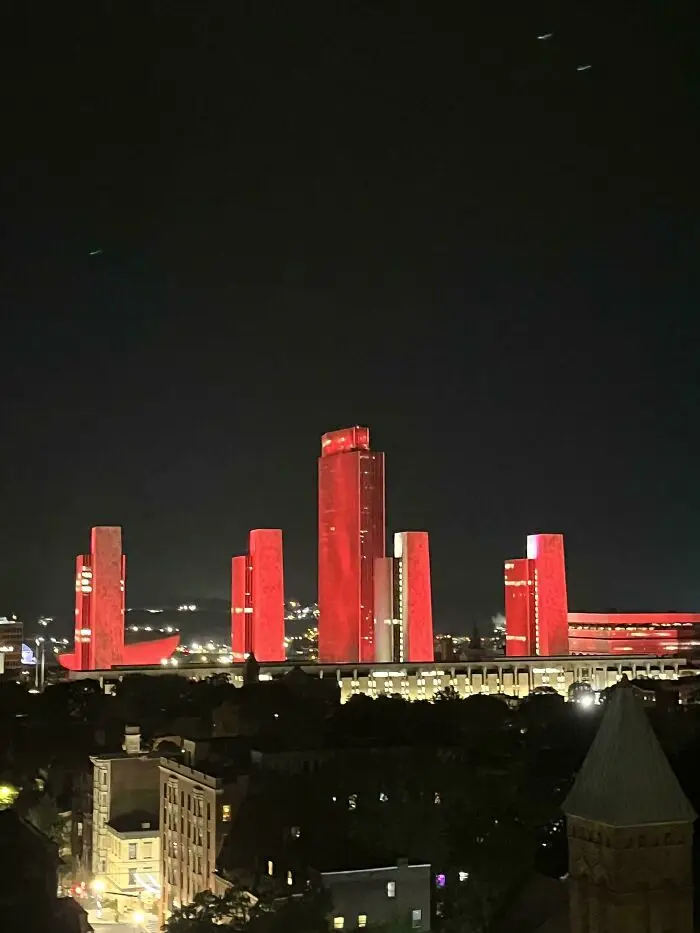
After World War II, this low-cost style exploded in popularity. It was heavily used for public housing, universities, courts, and city halls. Socialist and communist nations embraced it because concrete felt democratic and equal, unlike the ornate styles historically tied to the wealthy elite.
For instance, in Tuzla, Bosnia and Herzegovina, a bank was built with massive, raw concrete slabs to project financial stability and modern progress. To locals then, it meant safety and strength. To us today, it looks like an impenetrable sci-fi bunker.
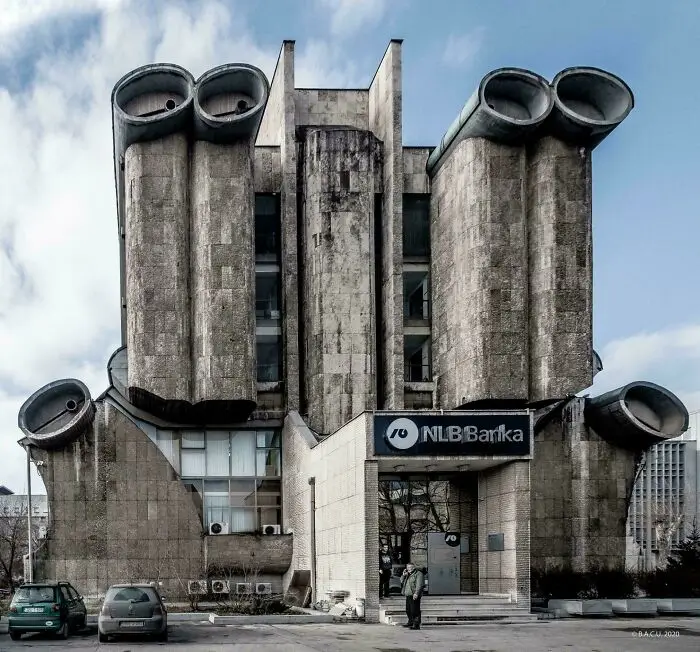
Sometimes, whole cities were rebuilt around this brutalist vision. After a devastating earthquake flattened Skopje, North Macedonia, in 1963, over 80 countries teamed up under the United Nations to rebuild it. They turned the capital into one of the densest collections of Brutalist architecture, a futuristic concrete metropolis designed to withstand future disasters.
Similar projects also popped up across London — like the famous Barbican Estate and Hayward Gallery — and throughout Eastern Europe.