

#21 England
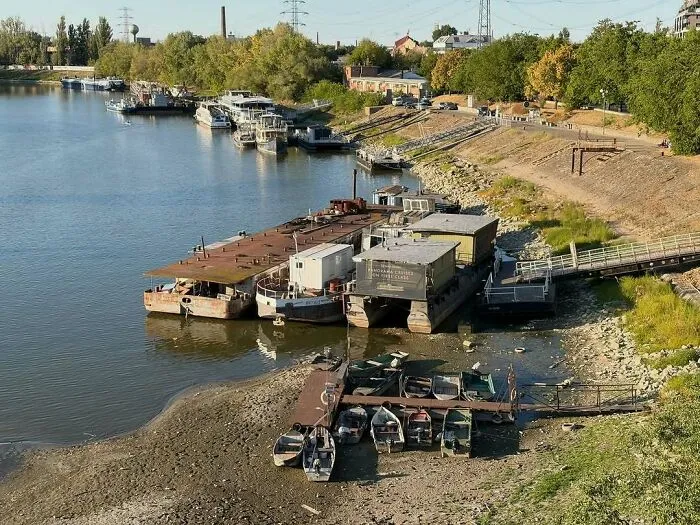
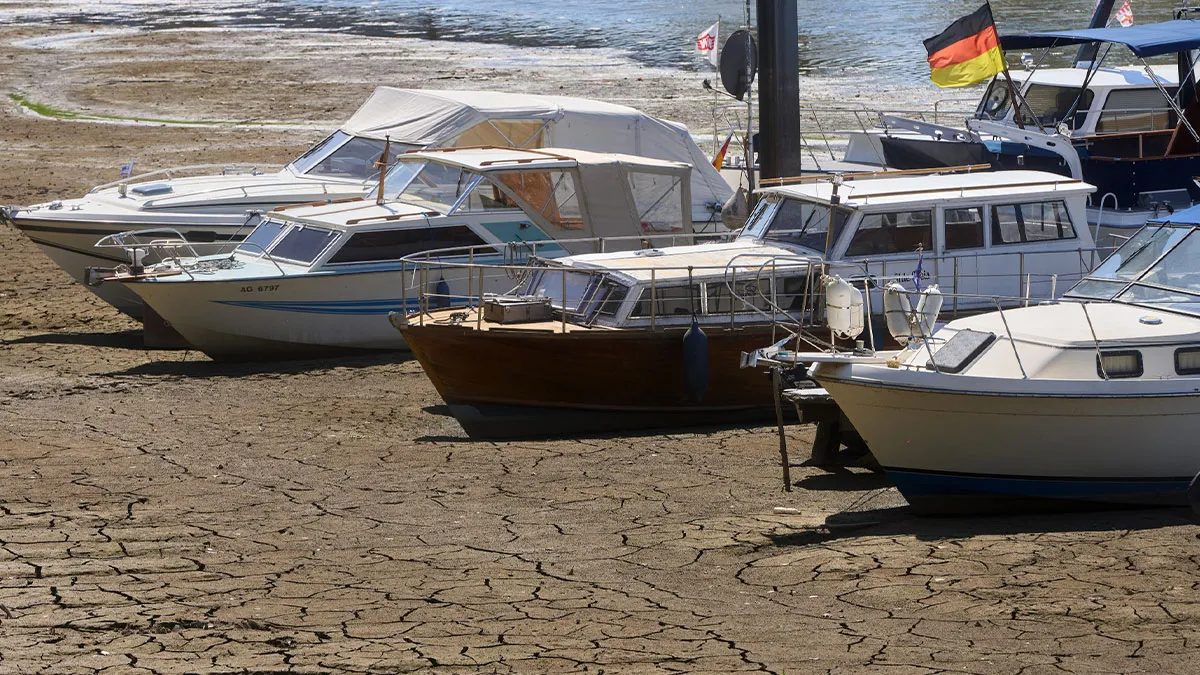
But climate change isn’t the only factor shaping how severely drought is felt, as Léa Sanchez writes for Le Monde. Human activity has also altered Europe’s waterways and landscapes in ways that can make them less resilient when extreme heat and dryness arrive.
Rivers such as the Rhine, she reports, have been heavily engineered, with dams, locks, and other modifications affecting water temperatures and the river’s ability to withstand extreme conditions. As Carmen de Jong, a professor of hydrology at the University of Strasbourg, says, “Today, the Rhine is in poor condition. It is too engineered, it is not resilient, it is like a highway. If it had more meanders and multiple shaded channels, the temperatures would not be so high. And then, every dam and lock increases water temperatures.”
And it’s not just the waterways themselves that need reconsidering. In an interview with Le Monde, Simon Porcher, author of Nous sommes faits d'eau. L'avenir d'une ressource vitale (“We Are Made of Water: The Future of a Vital Resource”), argues that our water systems have long been built around the assumption of abundance. When it comes to adapting to scarcity, he says two things are key: “efficiency and moderation.”