




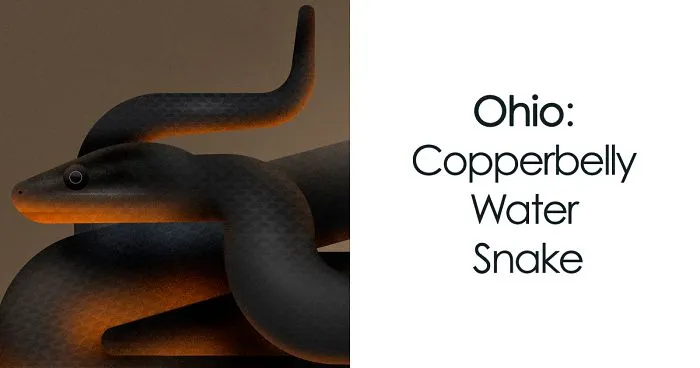

Human beings are the greatest threat to the survival of endangered species, as we are the ones destroying their natural habitat, poaching and also causing the effects of climate change.
Even though extinction is a natural process, a lot of species are going extinct faster than ever before. The numbers will scare us: at least 10,000 species go extinct every year, experts say.
While a handful of conservationists are doing what they can to change the story of a number of endangered populations, they need all the support they can get.
Therefore, the artists from NetCredit decided to raise public awareness by making a difference and saving thousands of endangered animals. They created a series of posters that point out the most endangered creatures in every state of America.
So scroll down the page and help them to make a difference!
More info: netcredit.com
#41 Etowah Darter
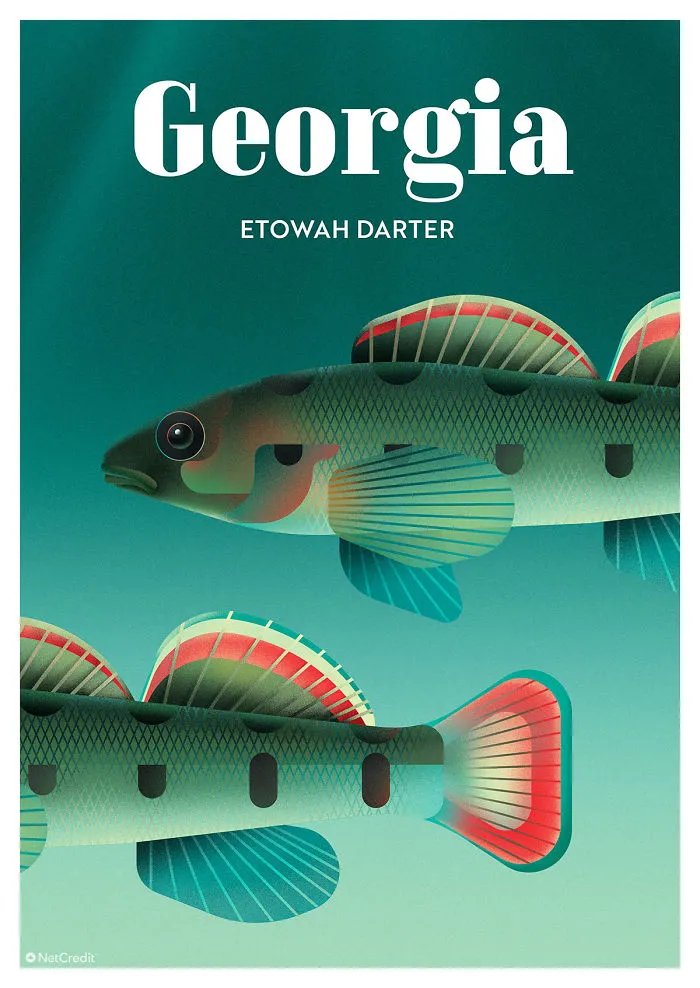
This darter is small – less than three inches – but magnificent. Its dusky colors are offset by scarlet-tipped fins. The Etowah darter likes clear, running waters, which makes life difficult in the wake of industrialization. It doesn’t thrive in isolated waters, although that’s often where small populations of the fish find themselves these days.
Report
5points
#42 Bog Turtle
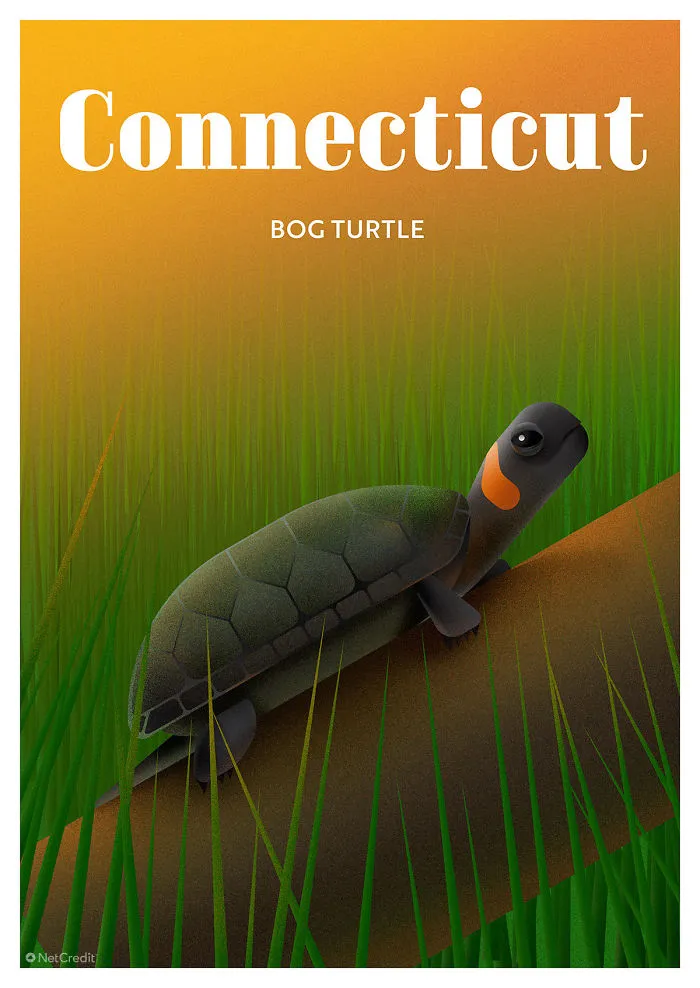
The draining of the sphagnum bogs and wet meadows and pastures the bog turtle calls home has pushed this orange-patched reptile deep into the endangered zone. What remains of their land is now fragmented, making matters worse. The bog turtle relies on muddy underwater spots to hibernate, while they lay their eggs in sunny spots on the bog. In addition to its habitat trouble, the turtle must deal with the various predators who covet its chewy flesh.
Report
5points
#43 Northern Aplomado Falcon
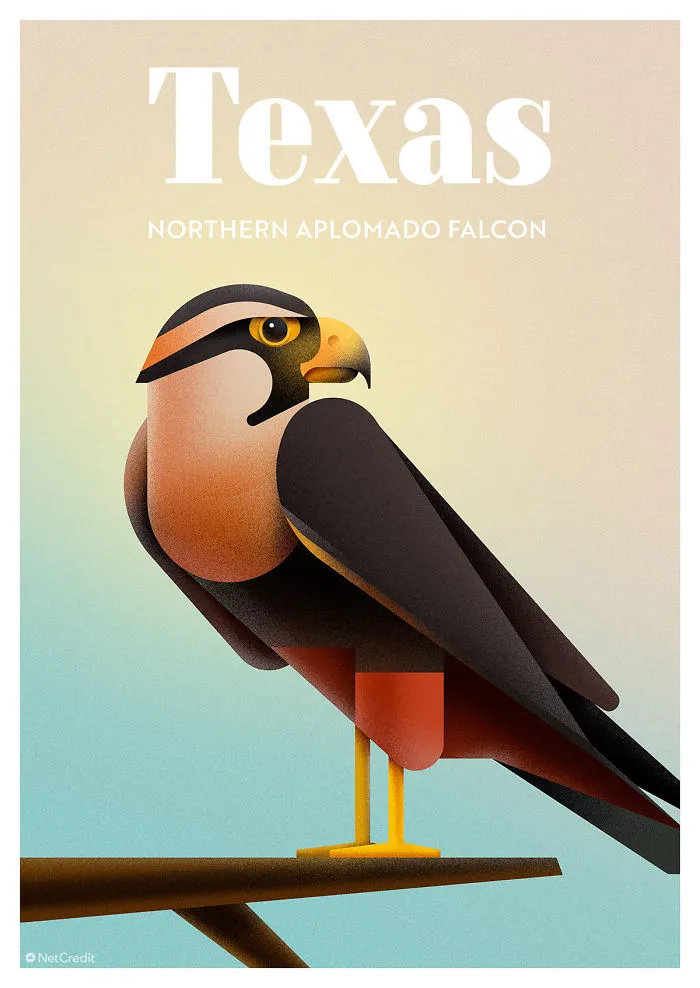
The majestic Northern Aplomado is another victim of the prairie dog cull. Experts believe the effect that prairie dogs have on a habitat is beneficial to the species on which the falcon prays. Climate change is also said to have played a part. It’s a hard-working bird. Parents may go out up to 30 times a day to hunt for smaller birds and insects to feed their chicks. The last wild breeding pair of these gray-backed, red-breasted predators was spotted way back in 1952, but captive falcons are now being introduced to the wild in Texas.
Report
4points
#44 Nashville Crayfish
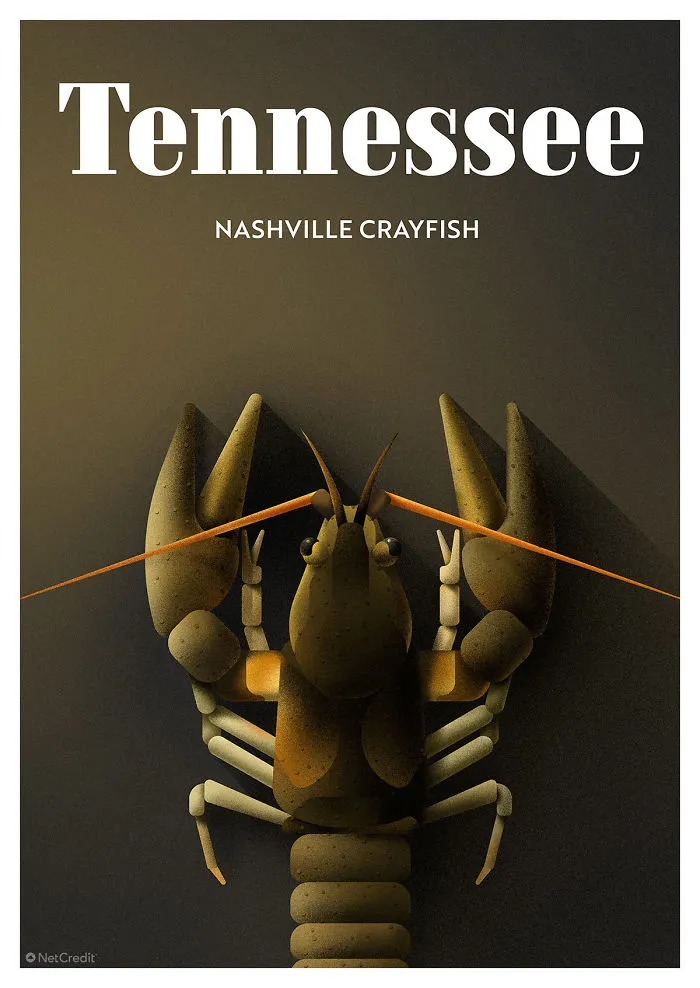
Crayfish are an important source of food for many other creatures. At seven inches long, with four legs and two orange and black-tipped pincers, the Nashville variety looks delicious. But siltation and pollution have once more spoiled a precious critter’s waters. More than half of Nashville’s Mill Creek is considered spoiled by the state. The crayfish is fighting back, especially with help from Nashville Zoo, but locals can help by reducing the run-off from car-washing and garden pesticides.
Report
4points
#45 Salt Creek Tiger Beetle
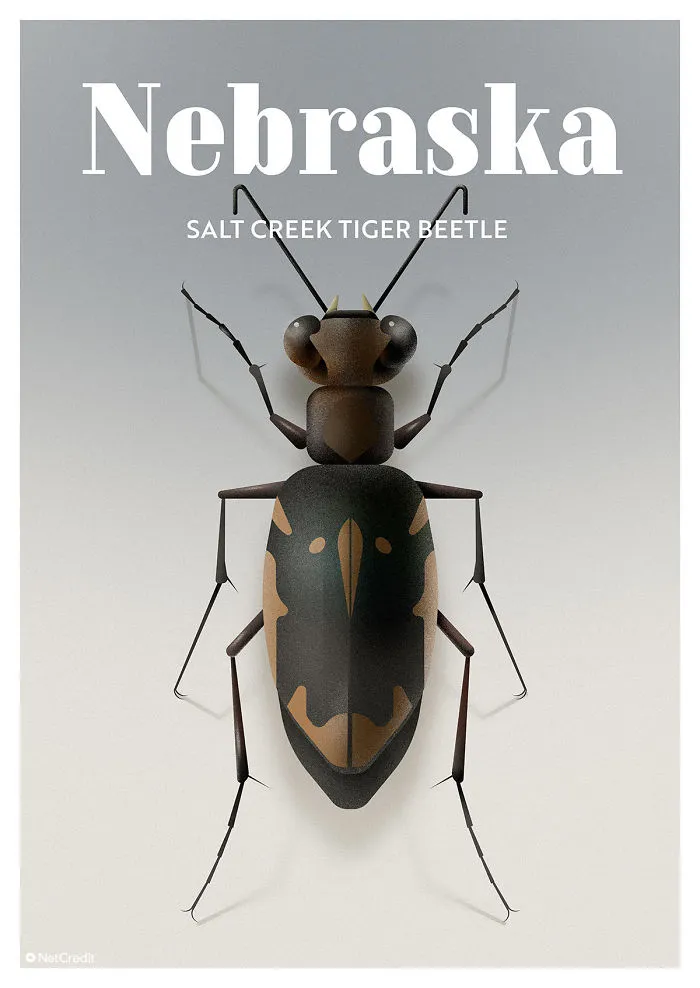
This handsome, olive green or metallic brown beetle is hardcore: it spends 11 months a year underground, and hangs from abdominal hooks before extending from them to chomp innocent invertebrates with its alien mandibles. But being iridescent and tough has not been enough to save the beetle from the effects of pollution, pesticides and the effects of urban development. It is estimated that the beetle’s population has halved since 1991.
Report
4points
#46 Louisiana Pine Snake
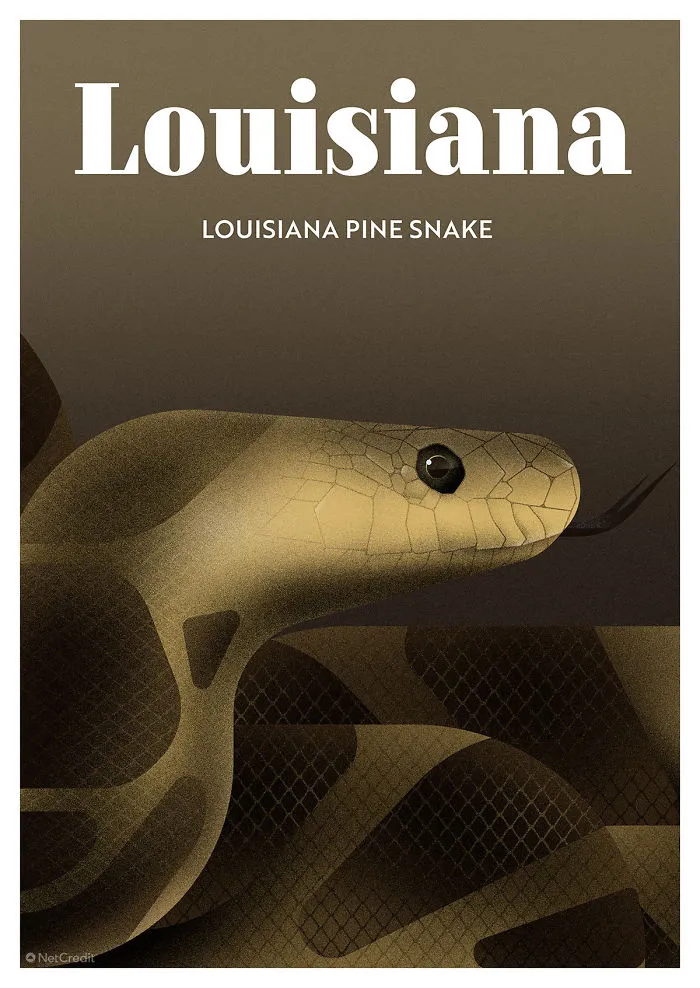
This pointy-nosed snake grows up to a meter and a half long – but is non-venomous. That said, if you happen to be a gopher then you don’t want to pass a pine snake in a dark burrow, since it will expand its body to crush you against the wall before devouring you. The logging of pine forests has robbed the Louisiana pine snake of its natural habitat. Ironically, fire suppression is another problem, since fire can help clear space for the longleaf pine to flourish. Conservationists reckon there are just a few thousand of the snakes left, in a dramatically reduced habitat.
Report
4points
#47 Illinois Cave Amphipod
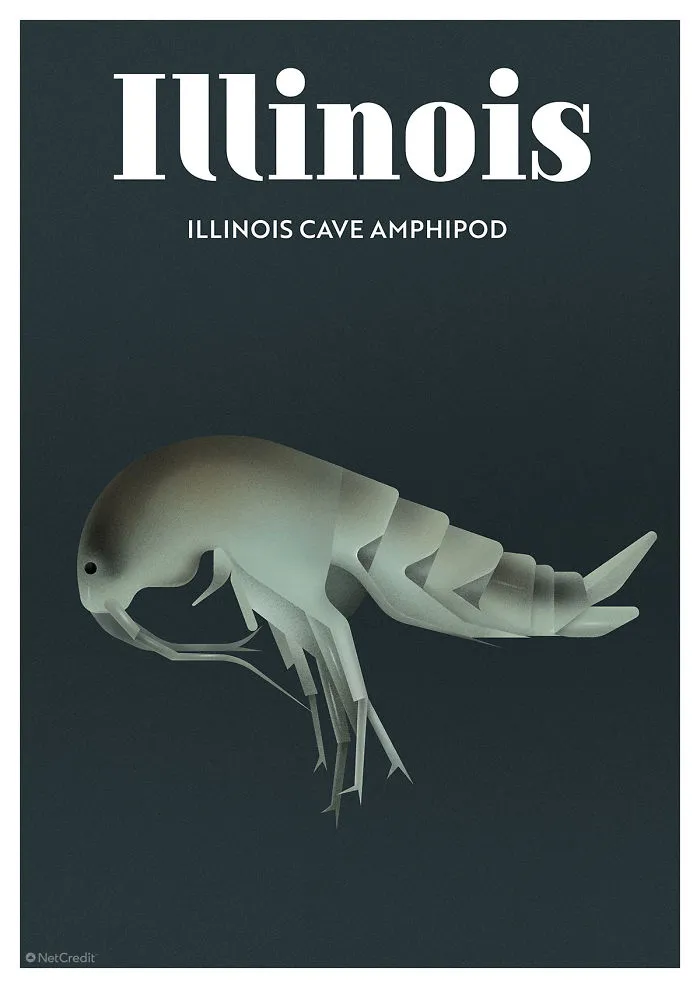
This tiny, silver-gray crustacean exists only in Illinois, in the cold water and away from the light. It’s so sensitive to contamination that you can actually rely on the presence of the amphipod to indicate the quality of the water in a cave system. This also means that pesticides and other human detritus in the water have significantly lessened the amphipod’s number. It is forbidden to injure or kill the little creature; other research and protection strategies have been set up in the hope of restoring the Illinois cave amphipod by the year 2023.
Report
4points
#48 Akikiki
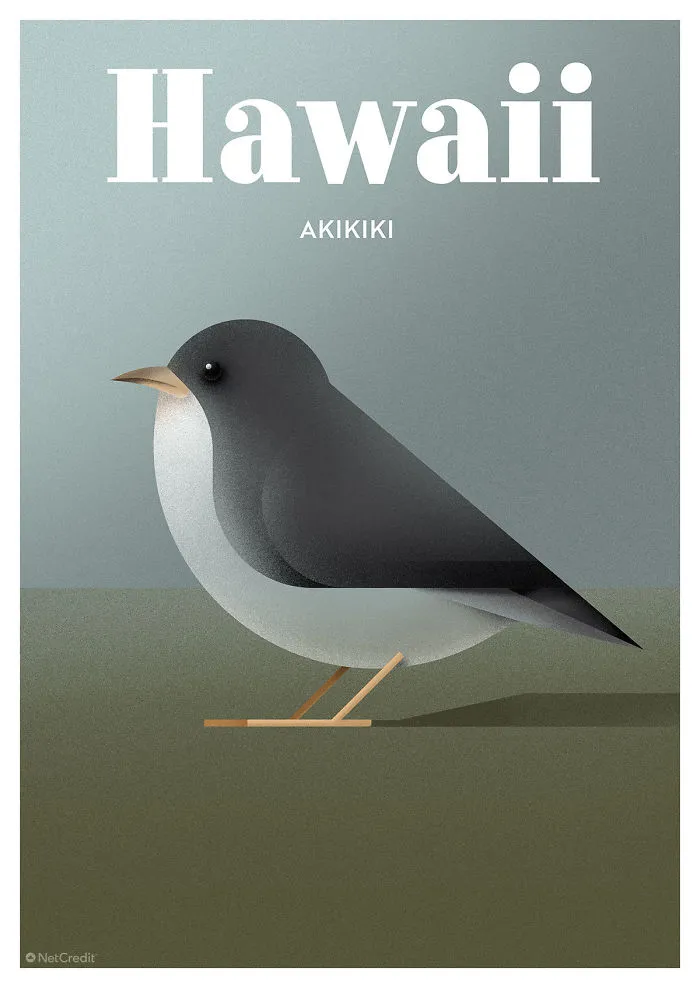
The ‘Akikiki, AKA the Kaua’i Creeper, has struggled in the face of avian malaria and avian pox. Unfortunately, climate change is just making these mosquito-borne illnesses more common. Other animals, such as cats and dogs, that humans have introduced to the islands are doing further damage. With less than 500 left in the wild, you’re just as likely to spot a conservationist hand-feeding an ‘akikiki chick as a family of the birds foraging together among the trees.
Report
4points
#49 Uncompahgre Fritillary Butterfly
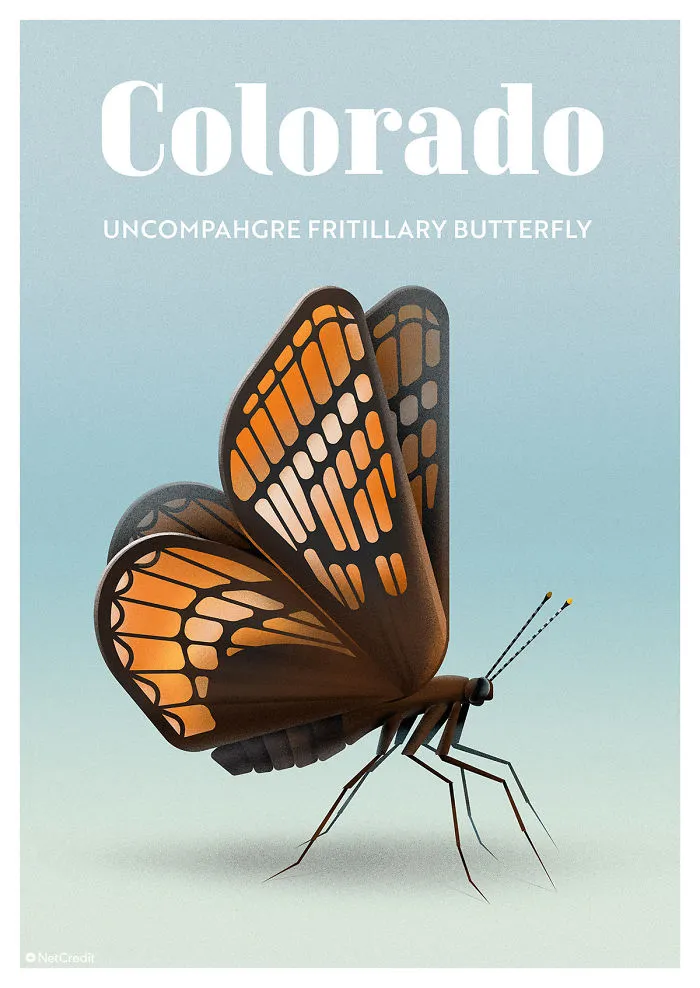
Colorado’s exotically-spelled native butterfly lives among snow willow patches high up in the San Juan Mountains. It has an ornate, retro look: rusty or light brown wings neatly segmented with inky black lines. Unfortunately, the Uncompahgre fritillary butterfly’s beauty has played a part in its downfall. Collectors, as well as trampling by people and livestock, have reduced their number to just 11 colonies.
Report
4points
#50 Eastern Massasauga
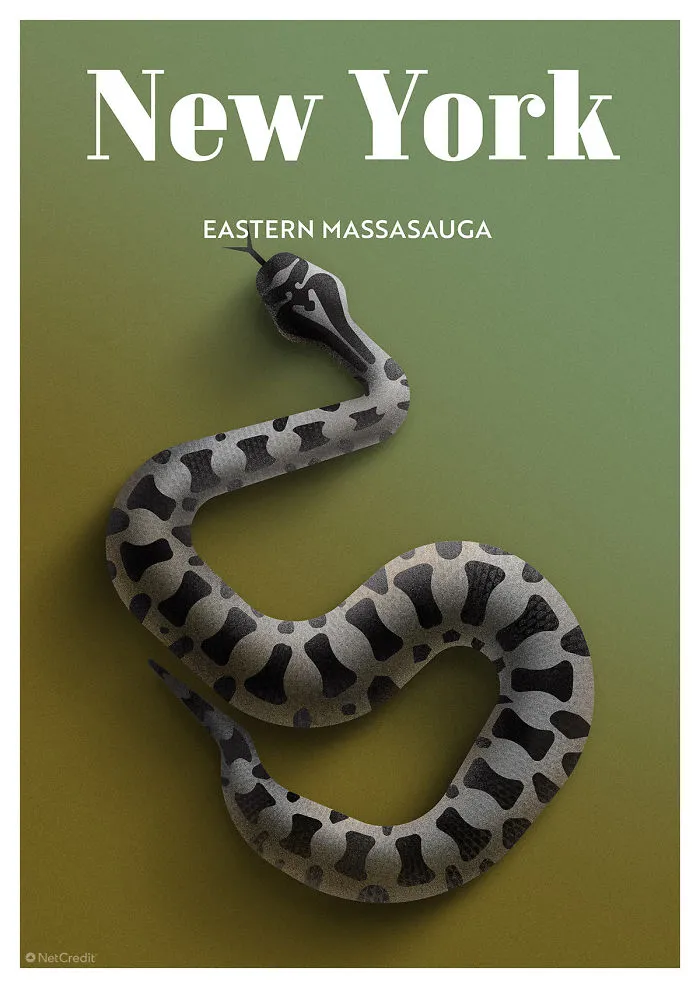
New York State’s smallest venomous snake has suffered from post-glacial changes in the region, pushing it into smaller and smaller areas. And then along came people to hunt and collect it. We also have a habit over over-zealously defending ourselves by killing the snakes on sight – although only one or two people are bitten by the eastern massasauga each year, and deaths are very rare.
Report
3points


