




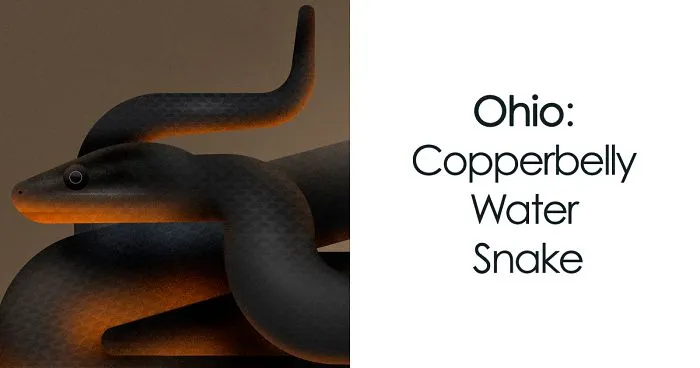

Human beings are the greatest threat to the survival of endangered species, as we are the ones destroying their natural habitat, poaching and also causing the effects of climate change.
Even though extinction is a natural process, a lot of species are going extinct faster than ever before. The numbers will scare us: at least 10,000 species go extinct every year, experts say.
While a handful of conservationists are doing what they can to change the story of a number of endangered populations, they need all the support they can get.
Therefore, the artists from NetCredit decided to raise public awareness by making a difference and saving thousands of endangered animals. They created a series of posters that point out the most endangered creatures in every state of America.
So scroll down the page and help them to make a difference!
More info: netcredit.com
#21 Mount Charleston Blue Butterfly
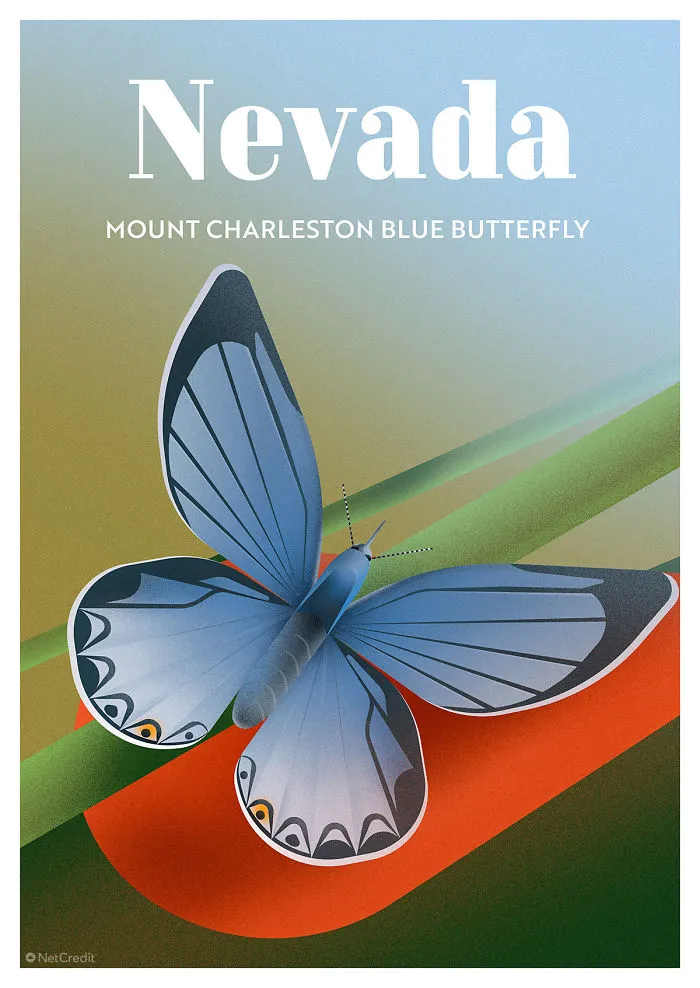
Fire is one of the Mount Charleston blue butterfly’s worst enemies. The insect was already having a hard time when the Carpenter 1 fire spread across their home mountain in the summer of 2013. That’s when she was added to the endangered list.
Researchers believe the shimmering blue-and-gray or blue-brown butterflies may be increasing in number following the planting of nectar plants in their habitats. But with more and more fires blazing through the American outdoors every year, the Mount Charleston butterfly is far from safe.
Researchers believe the shimmering blue-and-gray or blue-brown butterflies may be increasing in number following the planting of nectar plants in their habitats. But with more and more fires blazing through the American outdoors every year, the Mount Charleston butterfly is far from safe.
Report
8points
#22 Maryland Darter
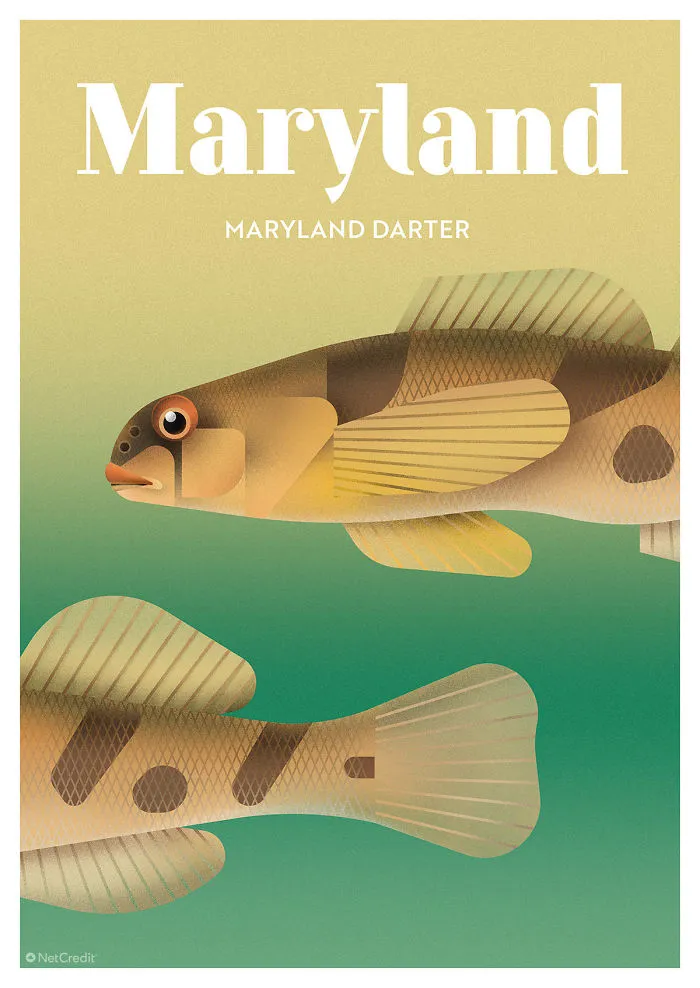
Maryland’s only endemic (meaning it only lives in Maryland) vertebrate is a shy beast. This freshwater darter wasn’t ‘discovered’ until 1912, and was barely seen again until searches were made in the 1960s. The last sighting was thirty years ago. Today, experts are divided as to whether the Maryland darter can truly be considered extinct. It lived or lives in the fast-flowing ‘riffles’ and thrives on clean water, so its continued existence through the fast-developing 20th-century would have been a challenge at the very least.
Report
8points
#23 Delmarva Peninsula Fox Squirrel
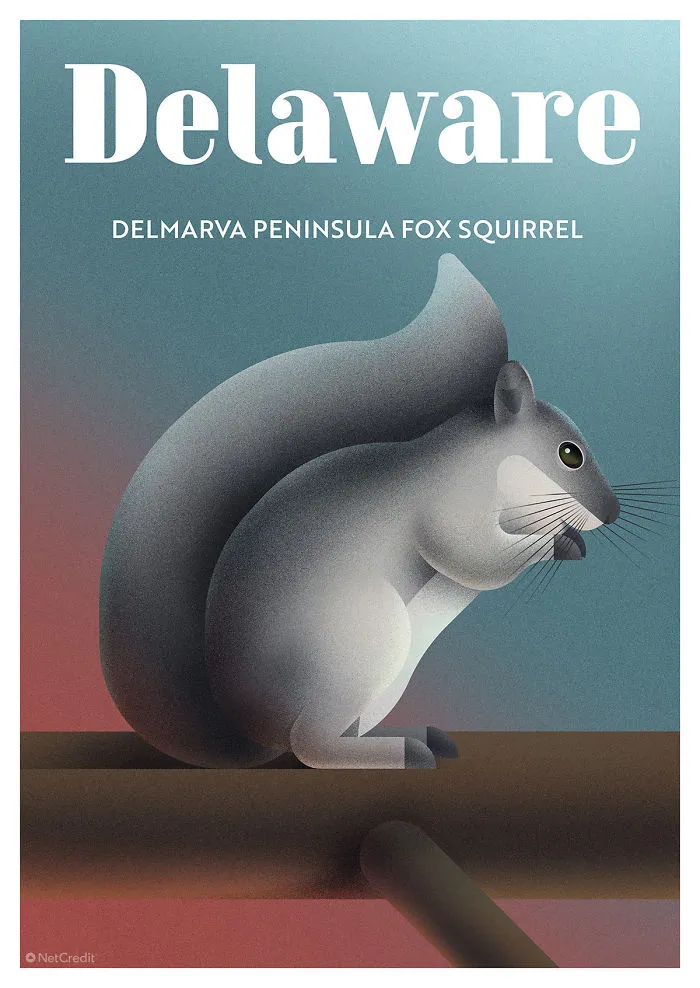
This barking, chattering gray fox squirrel is only found in Delaware. They don’t leap from tree to tree but climb down and calmly walk to where they need to go. That said, they’re shyer than regular squirrels. Logging and other development put the Delmarva Peninsula fox squirrel on the endangered list. A relocation program has begun to restore the squirrel’s range and number.
Report
8points
#24 American Burying Beetle
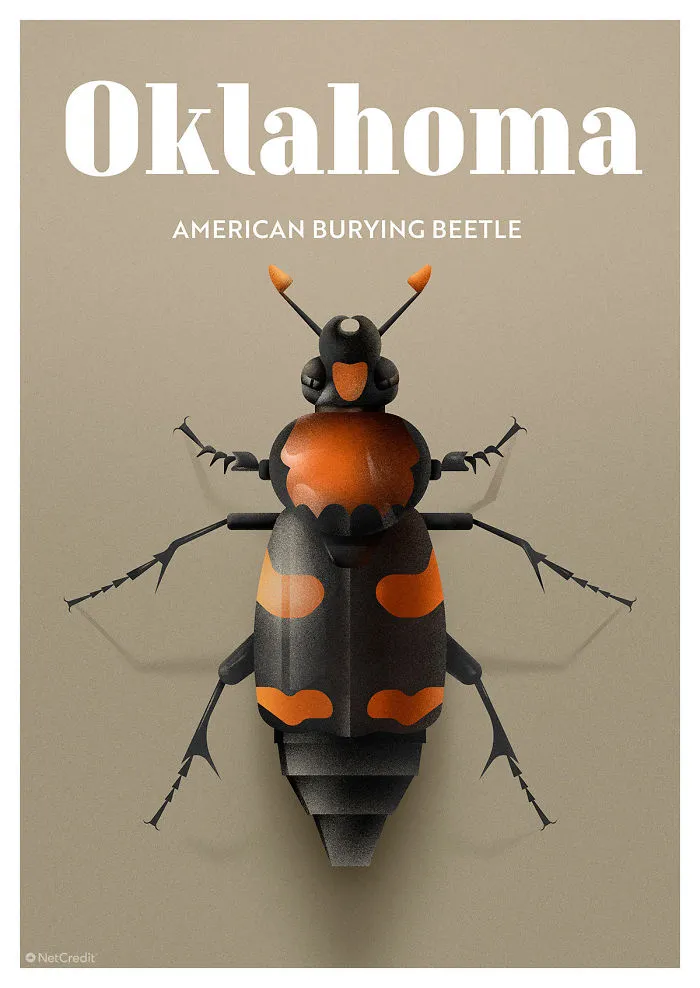
Looking somewhat like the beetle version of Darth Maul, the American burying beetle’s lifestyle is suitably sinister: it feeds on dead animals and birds, and a beetle ‘couple’ will work together to bury a rat-sized carcass in which to lay their eggs. Sadly, this reliance on fresh corpses may be the reason for the beetle’s decline. As small mammals like prairie dog dwindle in number, so do the burying beetle’s eating and mating options.
Report
7points
#25 Whooping Crane
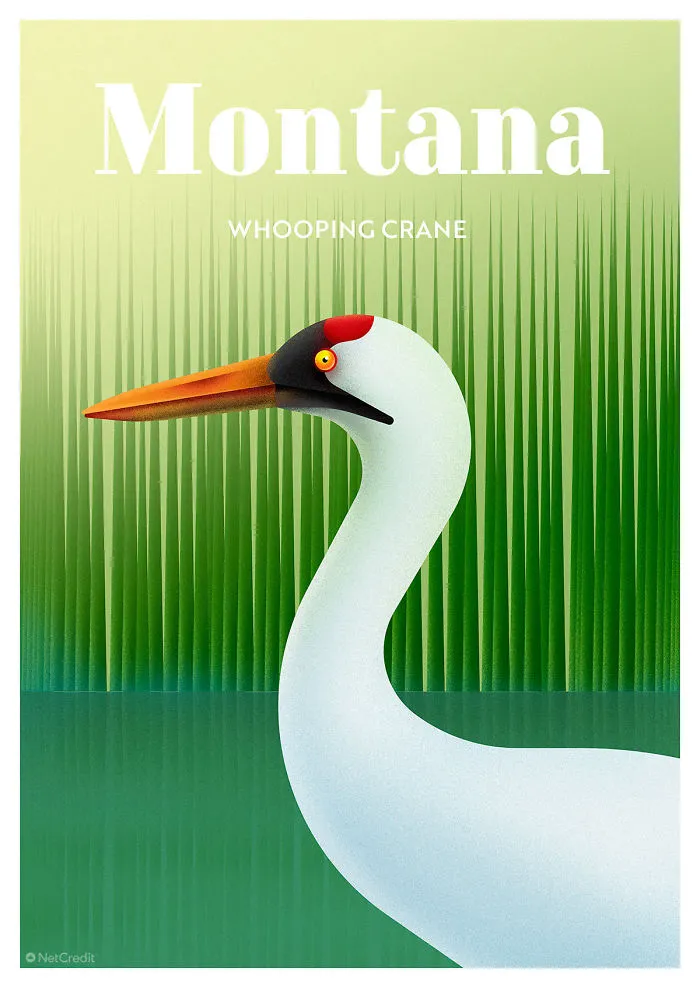
In the mid-19th century, over 1,000 ‘whoopers’ dwelt in the prairie marshes of northern America and the south of Canada. Now there are less than 320 left in the entire world. Once again, human settlement took its toll, with agriculture and hunting nearly wiping the red-crowned fishing bird out by the 1940s. A partial recovery hasn’t been helped by the whooping crane’s rather reluctant mating patterns. A female may produce just one chick every two-three years. Their perilous habitat means it’s not unlikely that the chick will quickly be lost to predators, power lines or the cold.
Report
7points
#26 Kentucky Arrow Darter
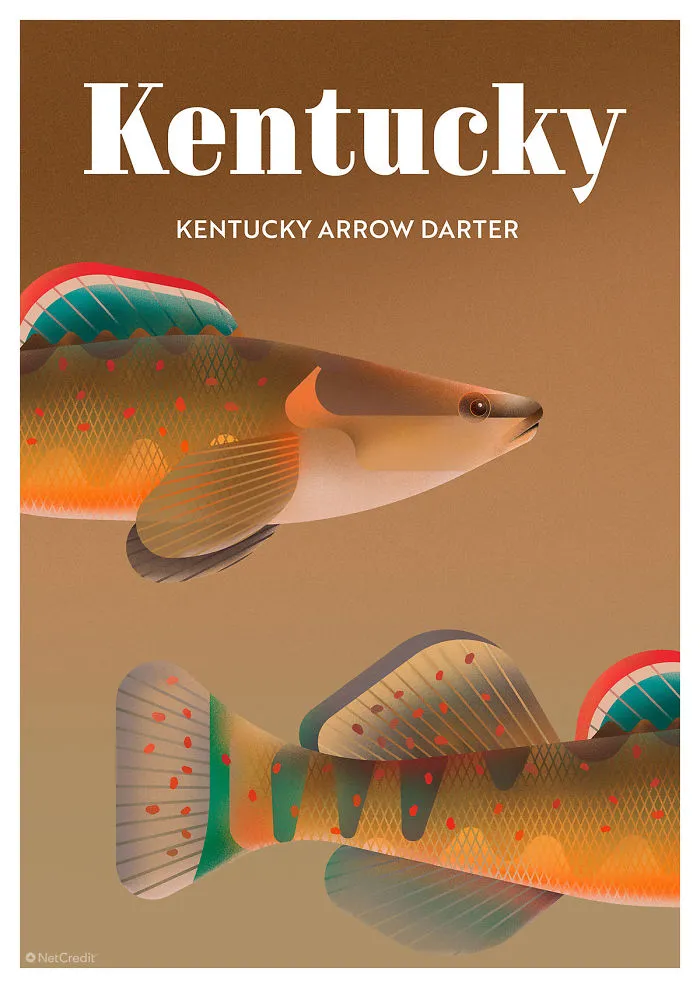
The arrow darter is a five-inch fish who lays its spawn just under the surface of the water and will defend it (unusually, for a fish) if attacked. But its true foe is at work on a much bigger scale: the coal, oil, and gas industries have disturbed and polluted the Kentucky arrow darter’s waters. It isn’t difficult to spot a darter if it’s there: it is a shiny greenish-yellow color, and develops a suit of blue, orange and red spots and stripes to attract a mate. Only limited steps have been taken to protect the fish, who now survives in fewer than half of Kentucky’s streams.
Report
7points
#27 Neosho Mucket
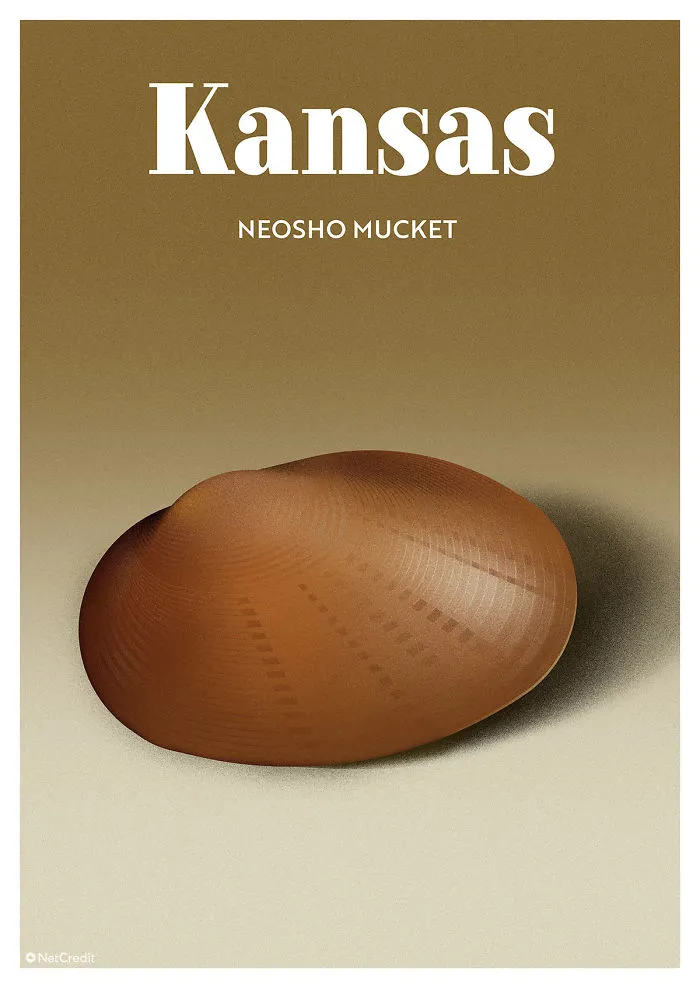
Sometimes a shell is not just a shell. The Neosho mucket is a green-brown freshwater mussel that lurks in the rivers of Kansas and Oklahoma. It is otherwise known as the Neosho pearly mussel for its waxy appearance. Pesticides and pollution once more seem to be responsible for the decline of the species. The construction of reservoirs has also played its part, as the depth of reservoirs affects the way the water flows and the depositing of sediment on the waterbed.
Report
7points
#28 Mount Graham Red Squirrel
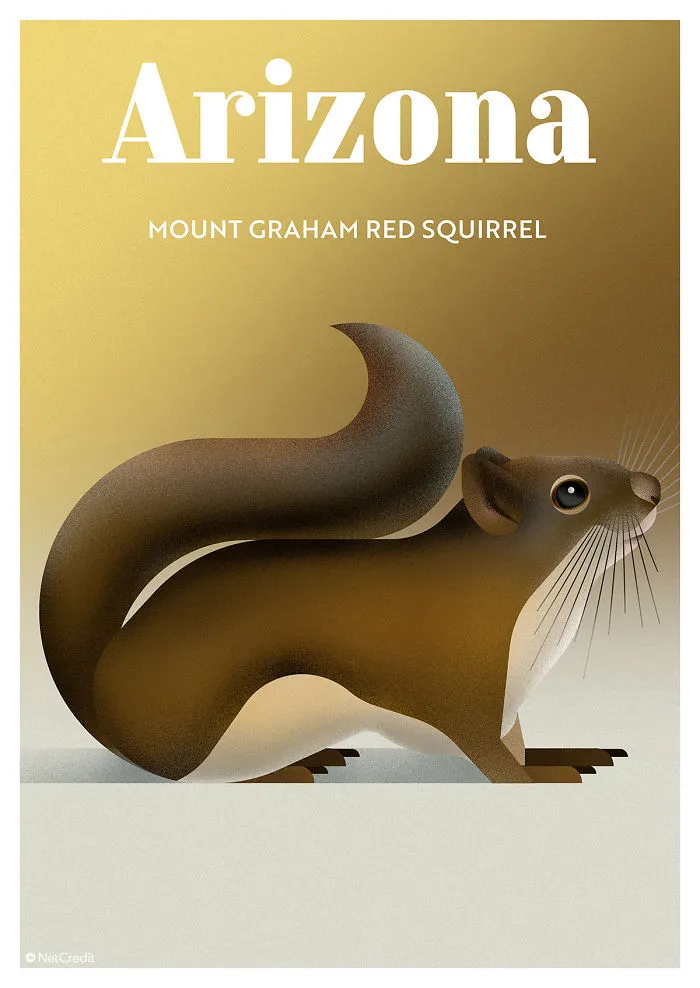
The Mount Graham red squirrel was already thought to be extinct in the 1950s. It wasn’t until the 1970s that they were spotted again in their home region of the Pinaleño Mountains. A 1986 estimate put their number at fewer than 400. Sadly, a 48,000-acre fire in the summer of 2017 left Mount Graham red squirrel numbers at around 35. Experts have disagreed over the best first step forward. One option is to use satellite imagery to reveal appropriate needle cover for the squirrels. Or they could remove the University of Arizona’s telescopes and a Bible camp that have impacted the mountain’s ecology.
Report
7points
#29 Blanding’s Turtle
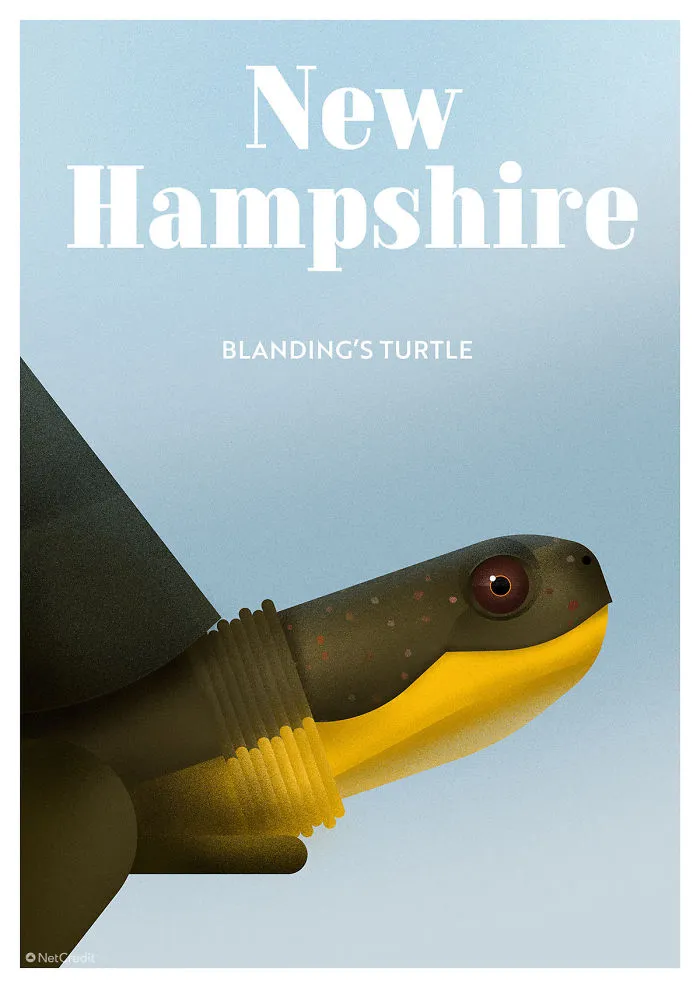
The yellow-throated turtle with the Berndorfer shell can live up to seventy years in ideal conditions. Habitat loss in urbanized areas has led to their decline. Blanding’s turtle likes to wander, and may nest in disturbed soils, pastures, power line corridors, and gardens, given the opportunity. Reptile conservationists are working to map the turtle’s movement patterns and designate protected areas to give them a shot at survival.
Report
6points
#30 New England Cottontail
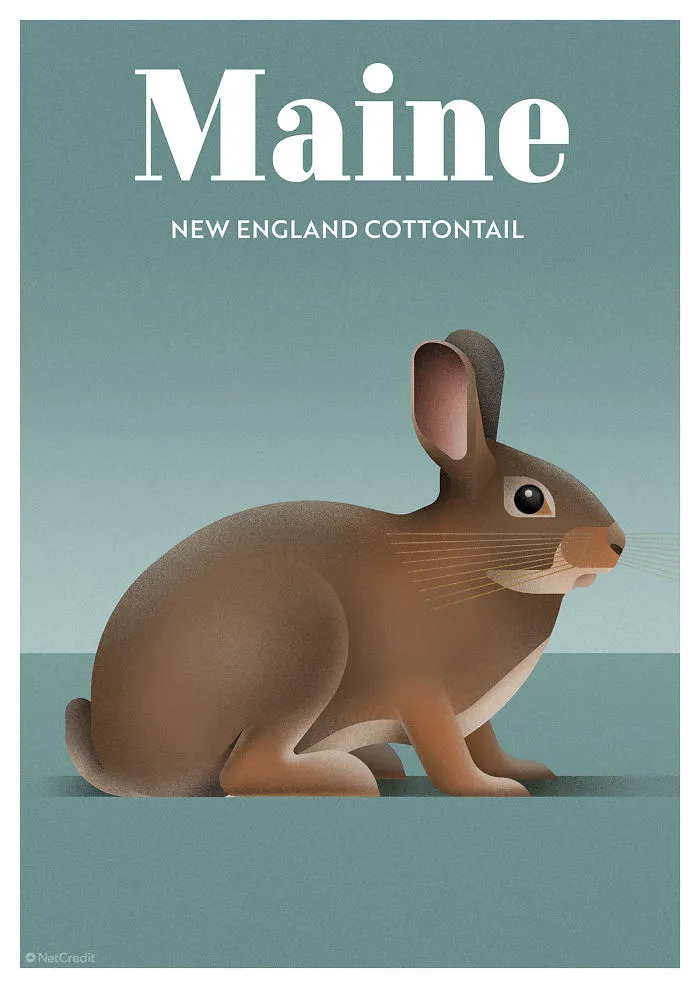
This tiny, very cute bunny is another victim of habitat fragmentation. It is much easier for predators to pick them off when they have a smaller space in which to run. It is actually the development of forests in the region that is responsible for much of this fragmentation. Cottontail numbers have fallen by more than 80% since the 1960s.
Report
6points
#31 Iowa Pleistocene Snail

This tiny, ¼-inch snail can live up to seven years in the right conditions. Climate change is slowly jeopardizing their welfare, however, while land development such as quarrying and agriculture is doing damage at a much quicker pace. The problem is hinted at in the snail’s name: it is a relic of the Pleistocene epoch, and survives only on the climate of specific, isolated algific talus slopes that formed tens of thousands of years ago. You have to admit, the little dinosaur has heart!
Report
6points
#32 Woodland Caribou
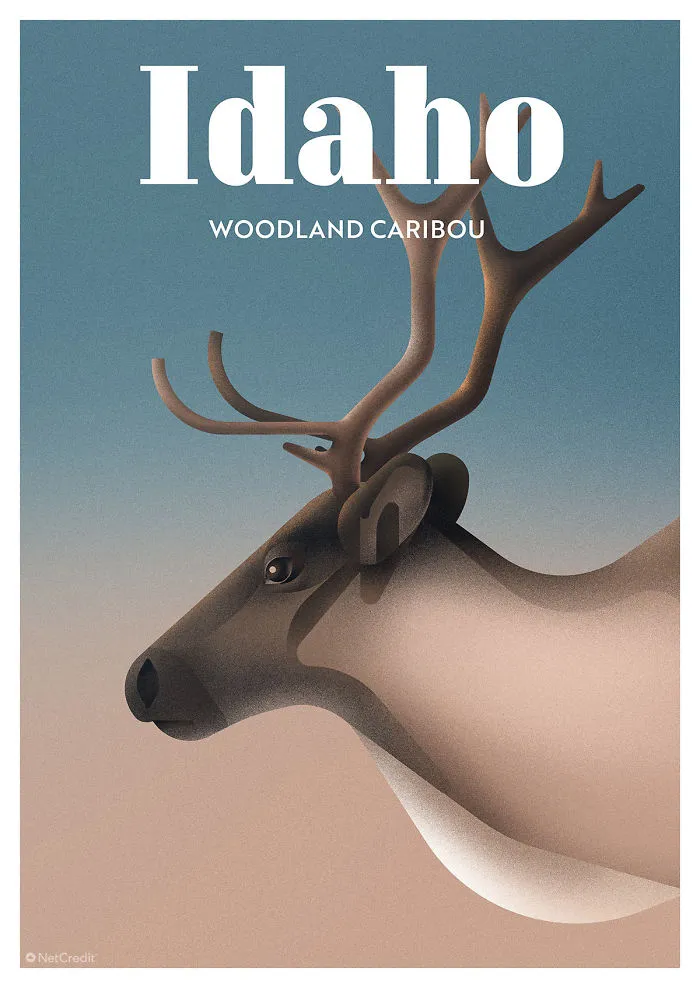
There may be as few as three woodland caribou left in the contiguous United States – and all of those recently spotted have been female. The South Selkirk herd of these magnificent, 600lb creatures feeds on the lichen of centuries-old trees. Aggressive logging strategies have left them with little to eat, and now it seems it is too late. Experts have no idea if there are any calves on the way. With many years needed for the forests to grow back into a worthy habitat, the entire continent is now looking north in the hope that the dwindling numbers of Canadian woodland caribou may be saved.
Report
6points
#33 Alabama Beach Mouse
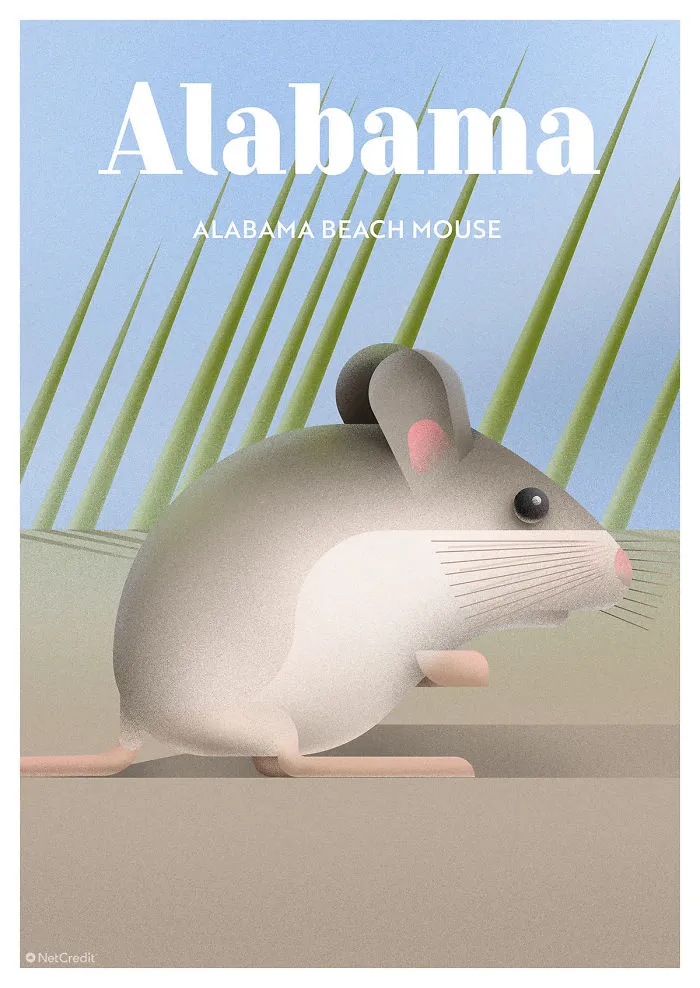
The 12-gram mouse with enormous eyes is a bit of an architect: it is known to dig complexes up to ten burrows strong in the dunes along the coast of the Cotton State. But it’s a harsh world outside. Oil-spills, hurricanes, and predators all stalk the Alabama coastline, not to mention the human impact as tourism becomes a bigger and bigger deal in the Alabama Gulf.
Report
6points
#34 Ivory Billed Woodpecker
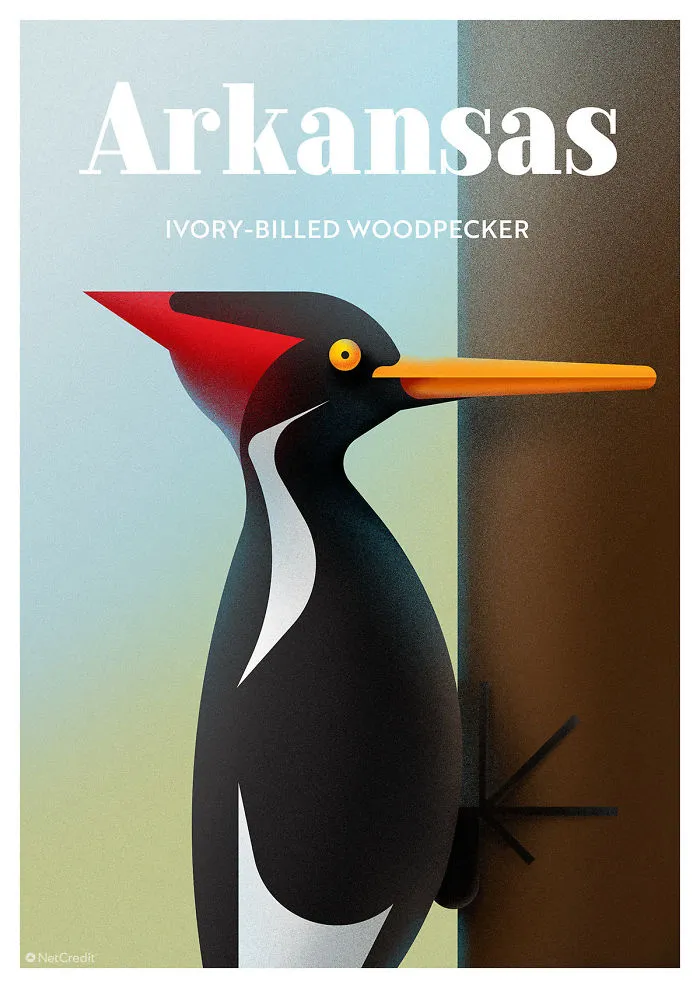
The ivory-billed woodpecker was thought to be extinct as early as 1944. But like Elvis, those reported sightings keep coming in. A cluster of sightings in the early noughties has led conservationists to believe – although they lack definitive evidence – that the ivory-bill prospers still. It was logging that originally did in this particularly large woodpecker, who is so rare that only two recordings of its toy trumpet-like call were ever made.
Report
6points
#35 Piping Plover
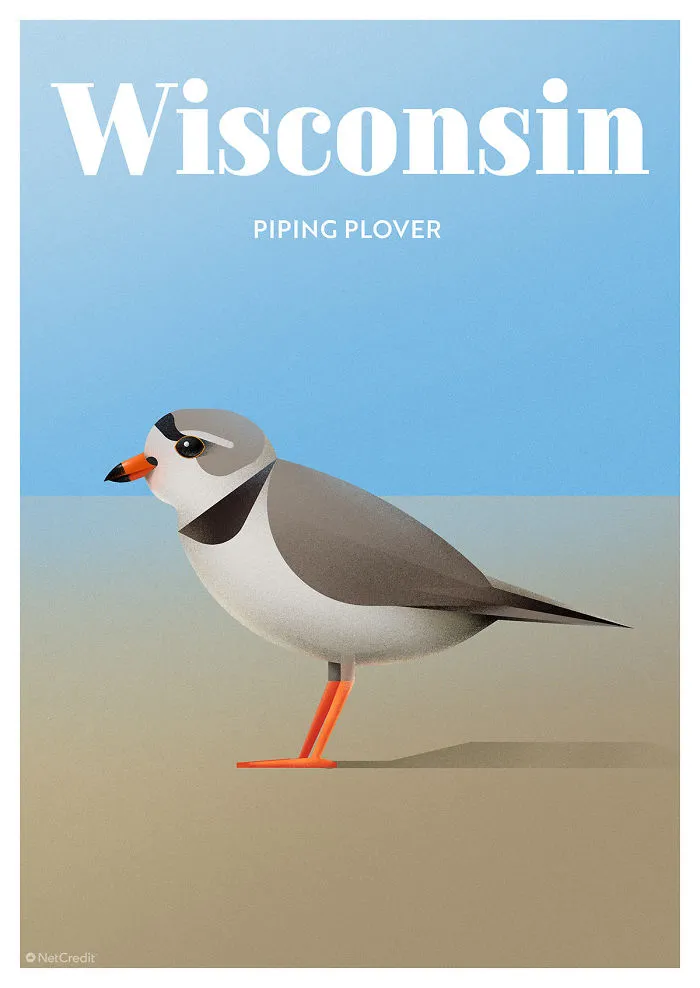
The piping plover is as cute as its name. Notable for its black collar and ‘eyebrows,’ this shorebird wanders cobble and sand beaches feeding on worms, crustaceans and – for a treat – the occasional bivalve mollusk. Human beach goers have a tendency to stand on or drive over the bird’s nests, or to disturb the ground and make the nests vulnerable to predators or hot sunlight. Conservationists are working to designate safe areas for the birds.
Report
5points
#36 Shenandoah Salamander
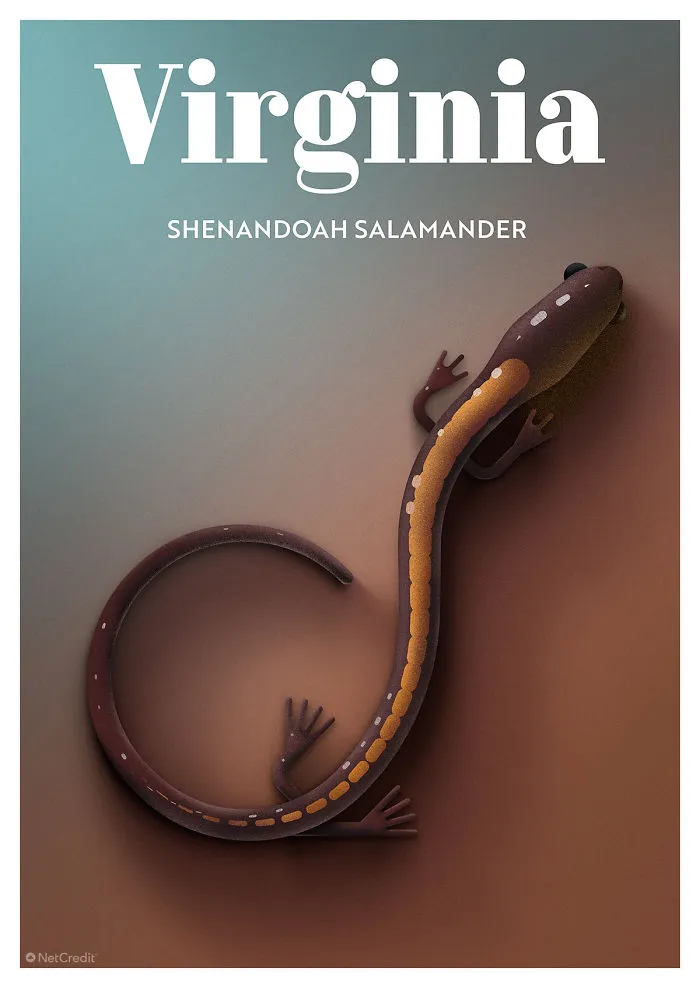
Despite the apparent discomfort of ‘breathing’ through their skin, this lungless salamander can live for up to 25 years. It is found only on the high elevation peaks of the Shenandoah National Park. This limited habitat has caused the salamander’s numbers to drop to critically low levels. But rather than humans, it seems that the red-backed salamander is the Shenandoah’s greatest rival, since they compete for space and food.
Report
5points
#37 Spotted Turtle
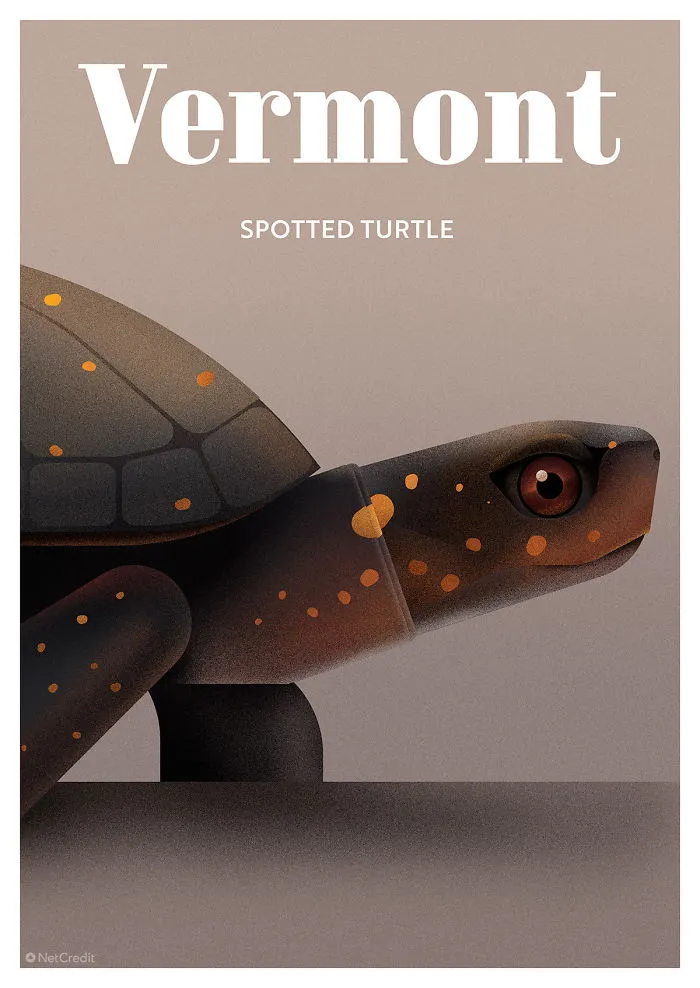
Vermont’s spotted turtle is too glamorous for its own good. People keep picking them up to sell online, or keep for themselves, unaware that the being beneath its yellow-pocked shell is on the endangered list. Conservationists are trying to work with authorities to enforce the law on such illegal trade, but with spotted turtles asking nearly $500 each the enemy is greed.
Report
5points
#38 Frosted Flatwoods Salamander
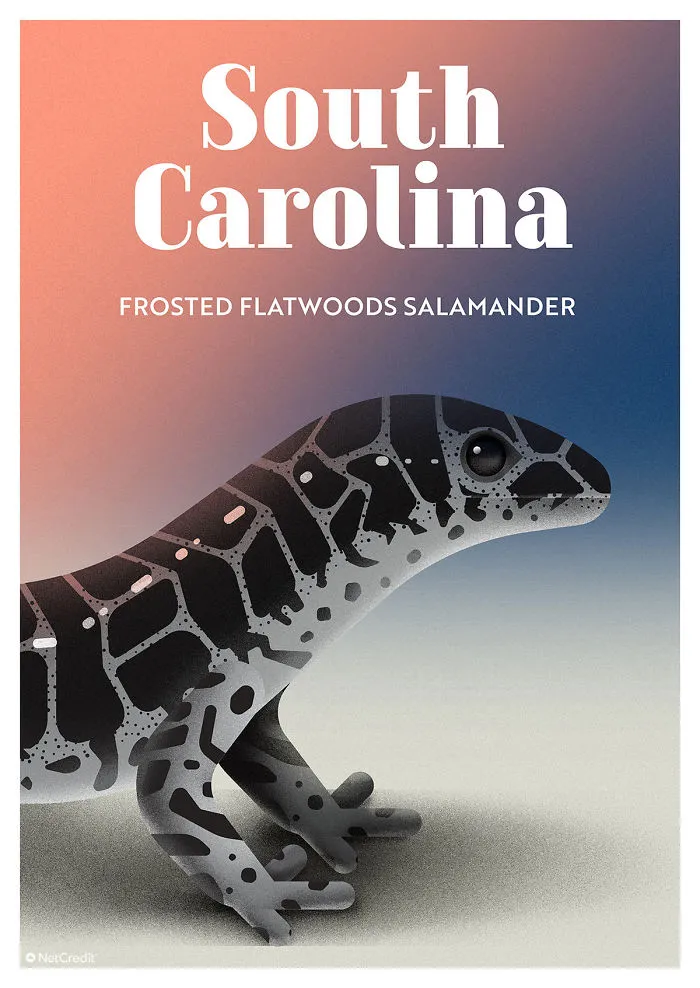
The Frosted flatwood is around five inches long, with gray spots or stripes. It lives underground and only comes out in the rain or to breed in shallow pond areas. Land development by humans has left this salamander with just 20% of its original habitat. Wild fire suppression, segmentation of salamander populations and re-foresting with unsuitable trees have led the flatwood to its vulnerable status.
Report
5points
#39 Least Tern
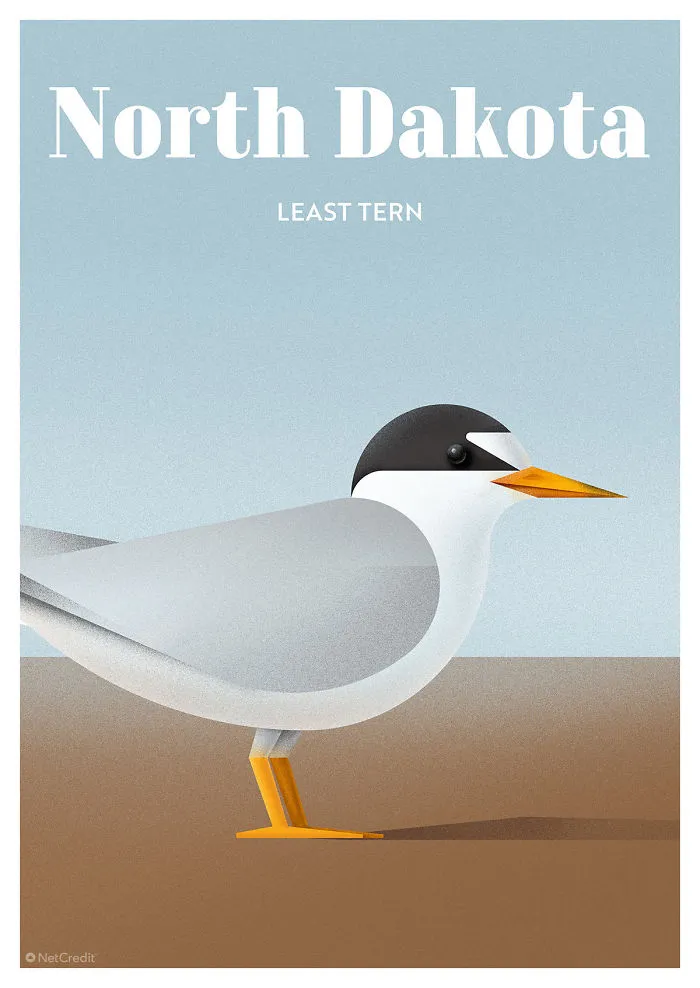
Development along the Missouri River has disrupted the living space of the least tern (literally the smallest of the tern family), and altered the fish population, affecting the bird’s diet. Conservationists are attempting to create artificial tern habitats and to maintain the area in a way beneficial to their needs. There may be as few as 100 breeding pairs left in the state.
Report
5points
#40 Kirtland’s Warbler
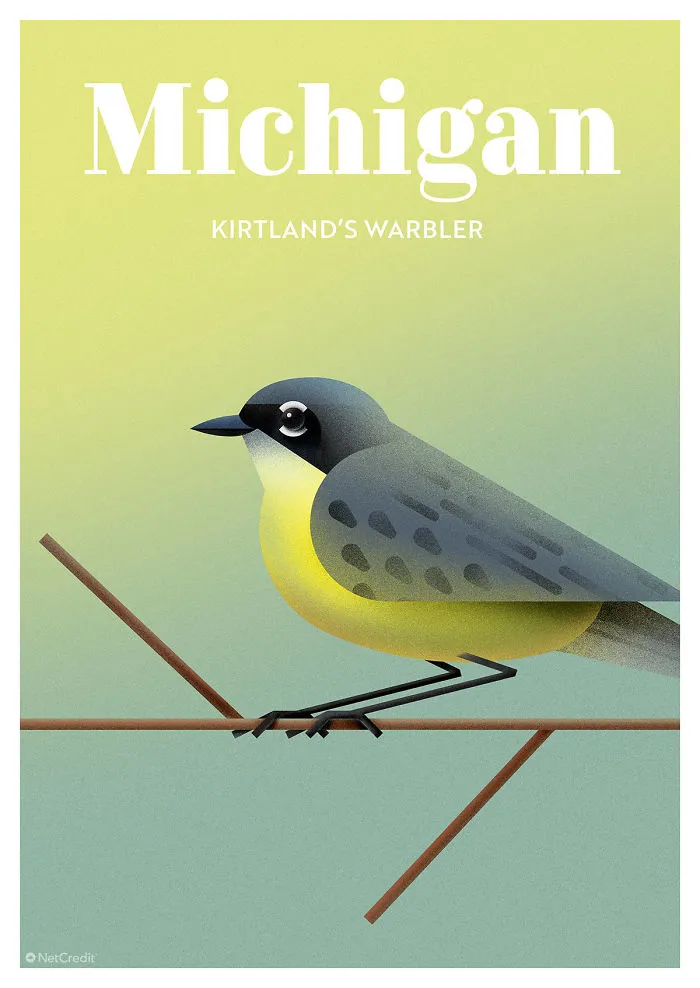
Michiganders nurture a close affection for their native warbler. The bird is instantly recognizable – when seen – for its yellow breast and heavy black eye-shadow. Kirtland’s warbler is making a strong comeback after a tough 20th-century, when fire suppression prevented the recurrence of young jack pines essential to the warbler’s habitat.
Report
5points


